Fictitious Business Name For Sole Proprietorship
Description
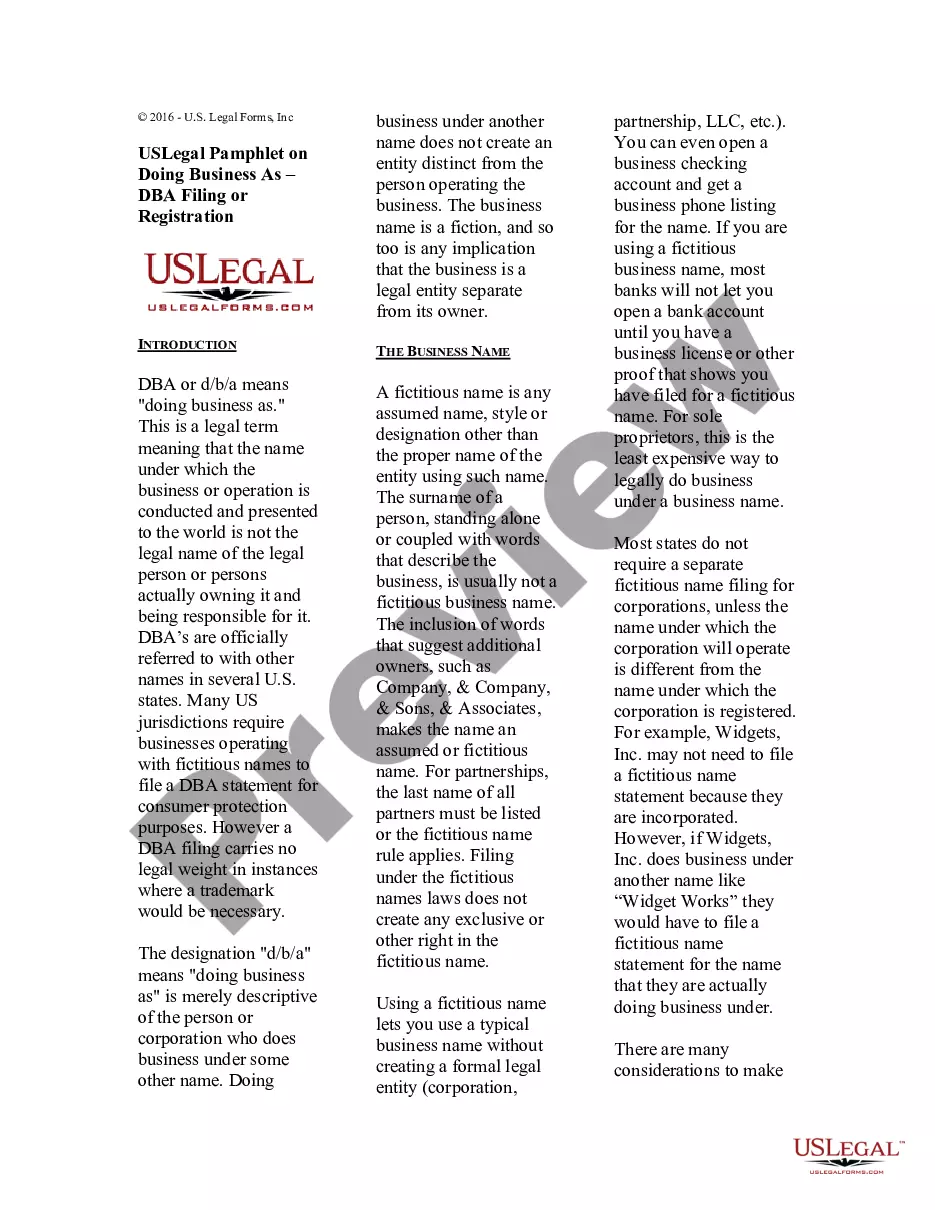
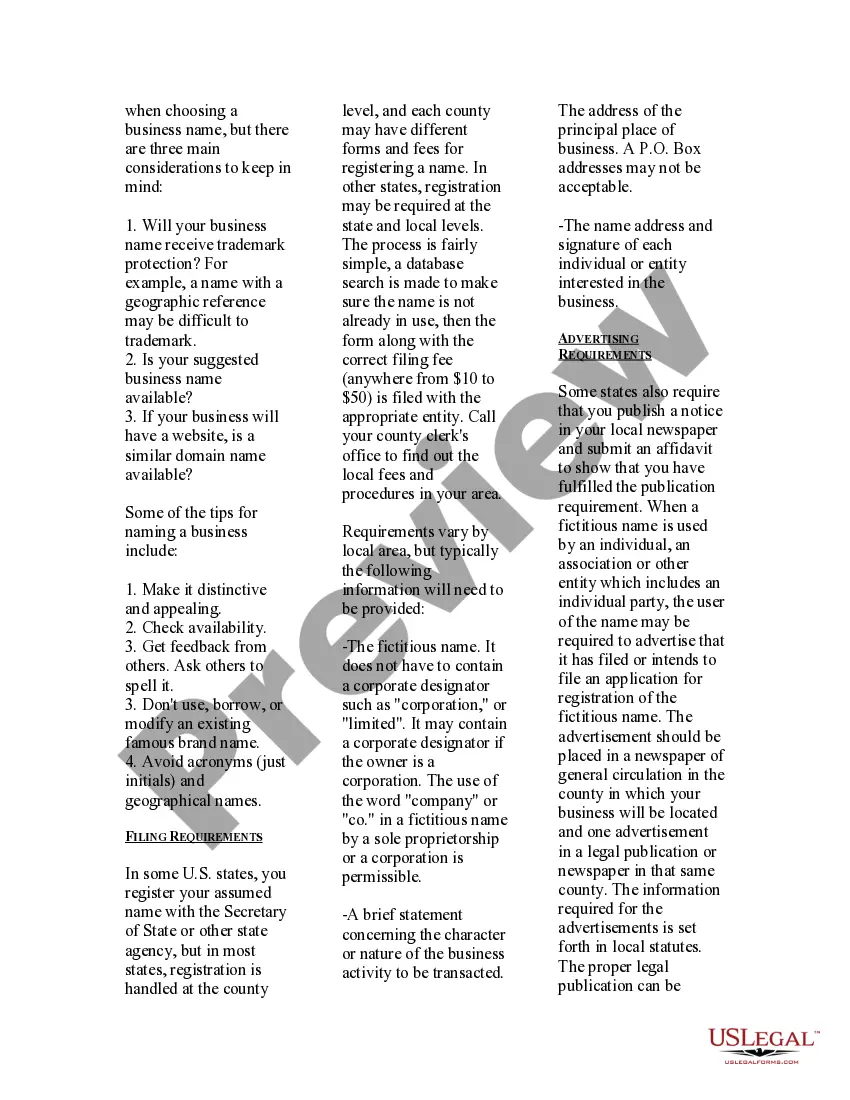

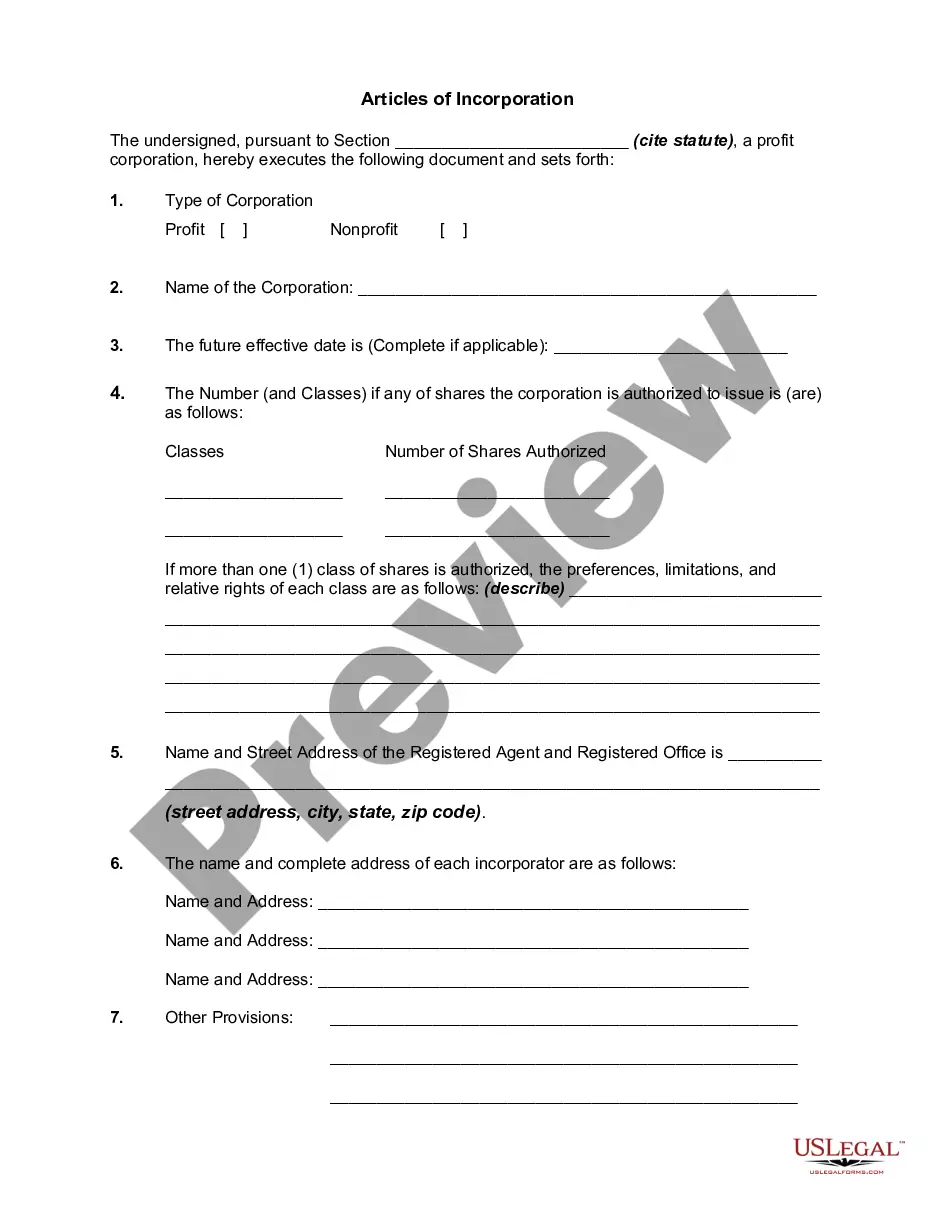

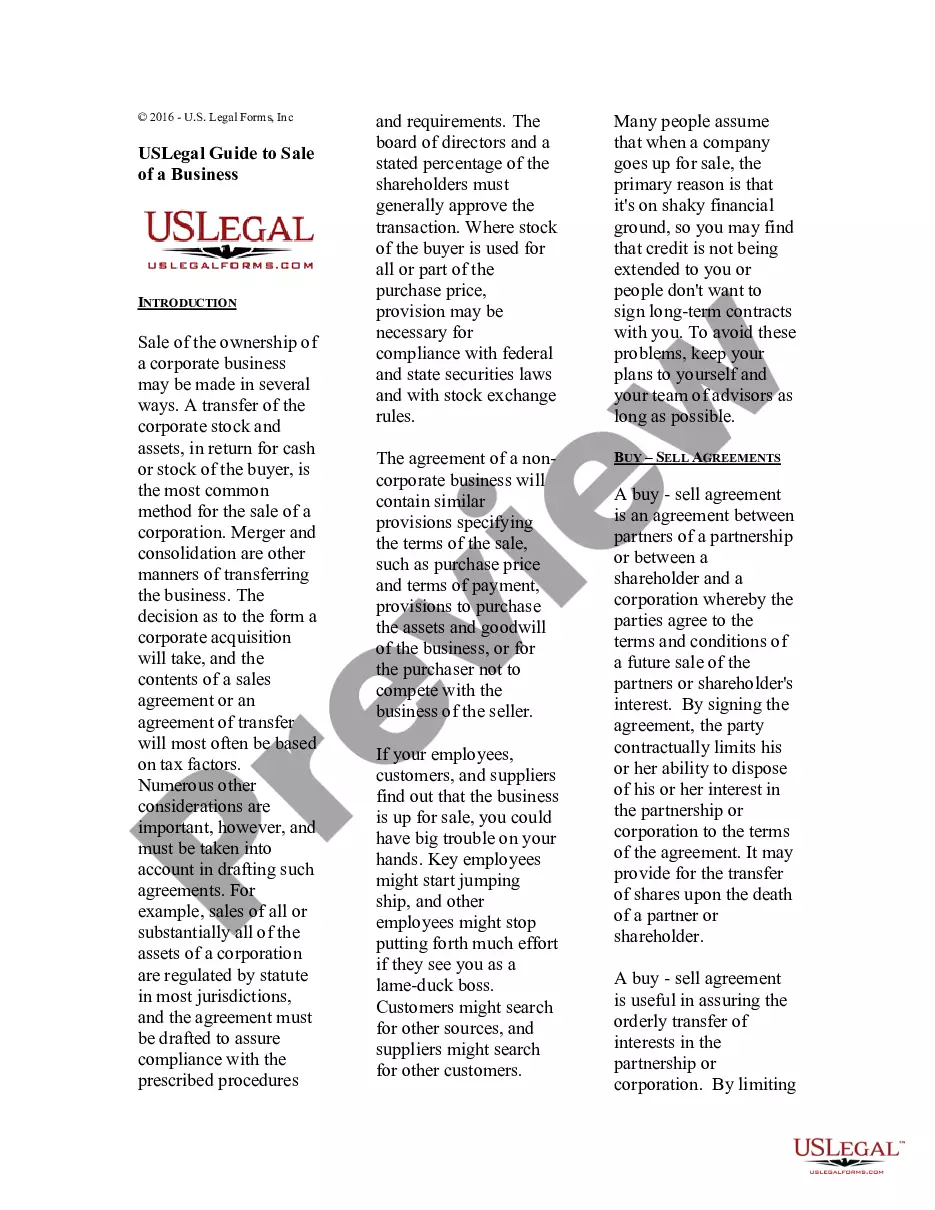
Get your form ready online
Our built-in tools help you complete, sign, share, and store your documents in one place.
Make edits, fill in missing information, and update formatting in US Legal Forms—just like you would in MS Word.
Download a copy, print it, send it by email, or mail it via USPS—whatever works best for your next step.
Sign and collect signatures with our SignNow integration. Send to multiple recipients, set reminders, and more. Go Premium to unlock E-Sign.
If this form requires notarization, complete it online through a secure video call—no need to meet a notary in person or wait for an appointment.
We protect your documents and personal data by following strict security and privacy standards.

Make edits, fill in missing information, and update formatting in US Legal Forms—just like you would in MS Word.

Download a copy, print it, send it by email, or mail it via USPS—whatever works best for your next step.

Sign and collect signatures with our SignNow integration. Send to multiple recipients, set reminders, and more. Go Premium to unlock E-Sign.

If this form requires notarization, complete it online through a secure video call—no need to meet a notary in person or wait for an appointment.

We protect your documents and personal data by following strict security and privacy standards.
Looking for another form?

How to fill out USLegal Pamphlet On Doing Business As DBA Filing Or Registration?
Regardless of whether it is for corporate needs or personal matters, everyone must address legal issues at various points in their lives.
Completing legal documents requires meticulous focus, starting with choosing the correct template form. For example, selecting an incorrect variation of a Fictitious Business Name for Sole Proprietorship will lead to its rejection upon submission.
With an extensive US Legal Forms inventory available, you no longer need to waste time searching for the appropriate sample online. Utilize the library's user-friendly navigation to secure the right template for any situation.
- Obtain the required sample using the search bar or catalog browsing.
- Review the form’s details to confirm it aligns with your situation, state, and locality.
- Access the form’s preview to examine it.
- If it is the wrong form, return to the search tool to find the Fictitious Business Name for Sole Proprietorship template you need.
- Acquire the template when it meets your specifications.
- If you possess a US Legal Forms account, simply click Log in to return to previously saved templates in My documents.
- Should you not have an account, you can obtain the form by clicking Buy now.
- Select the appropriate pricing option.
- Fill in the profile registration form.
- Choose your payment method: whether it be a credit card or PayPal account.
- Pick the document format you desire and download the Fictitious Business Name for Sole Proprietorship.
- Once saved, you can complete the form using editing software or print it out and finish it manually.
Form popularity
FAQ
Yes, you can have multiple DBAs, or fictitious business names for sole proprietorship, under one business structure. This allows you to operate in different market niches while maintaining a single legal entity. However, each DBA must be registered separately to comply with state regulations. UsLegalForms provides the resources to help you manage and register multiple DBAs effectively.
To add a DBA, or fictitious business name for sole proprietorship, you first need to check availability through your state's business registry. After confirming that your desired name is unique, you can complete the necessary registration forms. UsLegalForms offers easy-to-follow templates that simplify this process and ensure compliance with state regulations. Once submitted and approved, you can officially use your DBA for business transactions.
A sole proprietor can practice under a fictitious name after filing the appropriate paperwork with state or local authorities. This process typically involves registering the fictitious business name for sole proprietorship and ensuring it complies with local laws. Once registered, the owner can use the fictitious name legally in all business dealings without issue. Tools like US Legal Forms can assist in navigating this registration process efficiently.
No, a fictitious name is not the same as a sole proprietorship. A fictitious business name serves as an alias for the sole proprietorship, allowing the owner to differentiate their business in the marketplace. While a sole proprietorship is a legal structure for conducting business, a fictitious name enhances branding and marketing opportunities. Therefore, these two concepts work together but serve different purposes.
Yes, a sole proprietor can use a DBA, which stands for 'doing business as.' This registration enables the business owner to operate under a name that differs from their legal name. Using a DBA provides flexibility in branding while still maintaining the benefits of a sole proprietorship. To register a fictitious business name for sole proprietorship, you can utilize platforms like US Legal Forms for straightforward guidance.
A sole proprietorship might file to use a fictitious business name for various reasons. First, it allows the business owner to present a brand that reflects their products or services better. Additionally, it helps in creating a professional image that builds trust with customers. Lastly, using a fictitious business name for sole proprietorship can make it easier to open a business bank account and obtain licenses.
Yes, a sole proprietor can practice under a fictitious name legally. This allows you to operate your business using a name that may be more market-friendly than your own. Ensure you register the fictitious business name for sole proprietorship with your local government to comply with regulations. This step is crucial for establishing your brand and protecting your business.
Trademarking your business name as a sole proprietor is not mandatory, but it offers significant benefits. A trademark provides legal protection for your fictitious business name for sole proprietorship, preventing others from using it. If you plan to grow your business or operate nationally, investing in a trademark can enhance your brand identity and safeguard your interests.
Yes, you can change your business name while retaining the same Employer Identification Number (EIN). However, if you have registered a fictitious business name for sole proprietorship, you must update it with your state. This ensures that your records remain accurate and up-to-date. Keep in mind to notify your clients about your name change for consistency.
To name your sole proprietorship, focus on a fictitious business name for sole proprietorship that aligns with your mission and services. Consider conducting a name search in your state to check for existing businesses with similar names. It's also wise to seek feedback from friends or colleagues to gauge their perception. This way, you create a name that stands out in the marketplace.