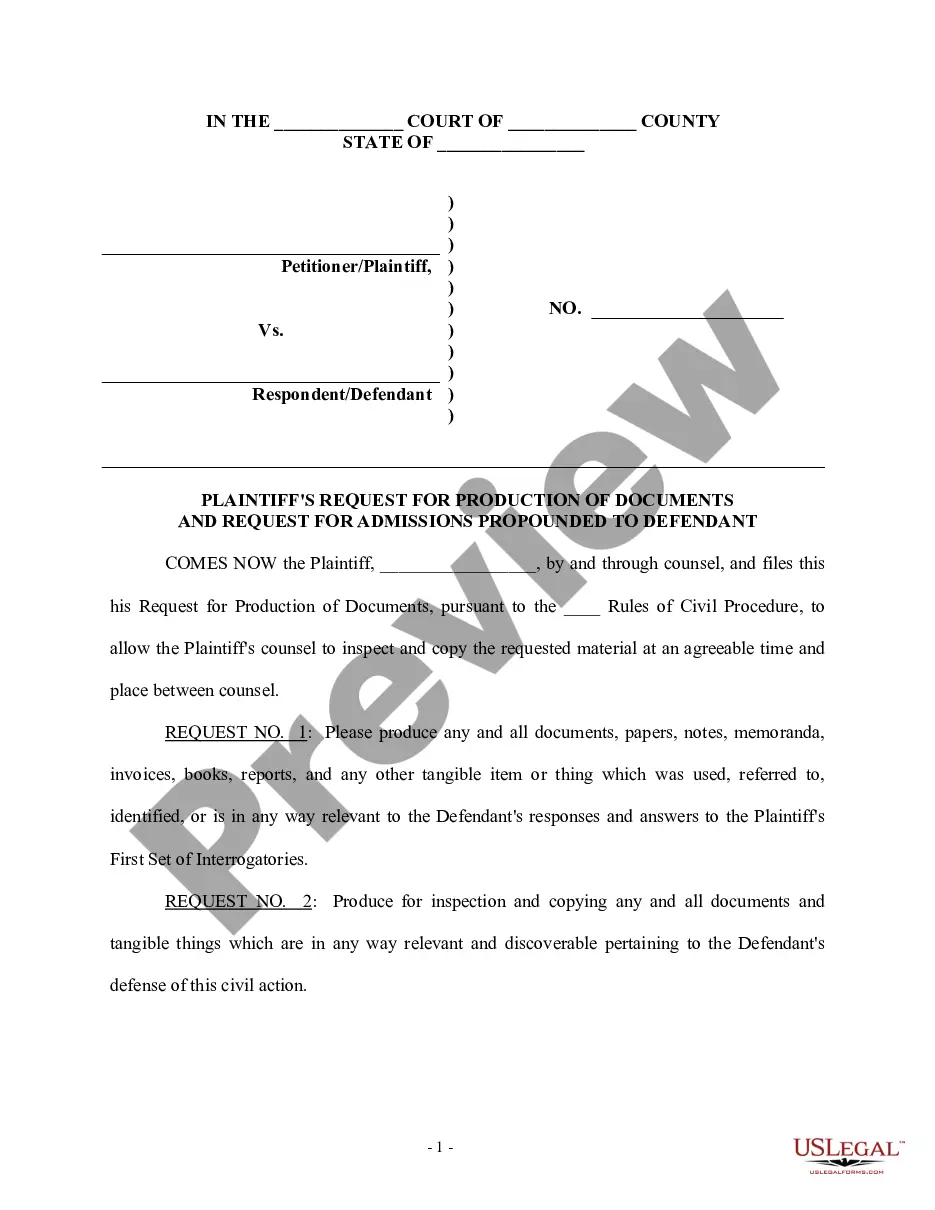
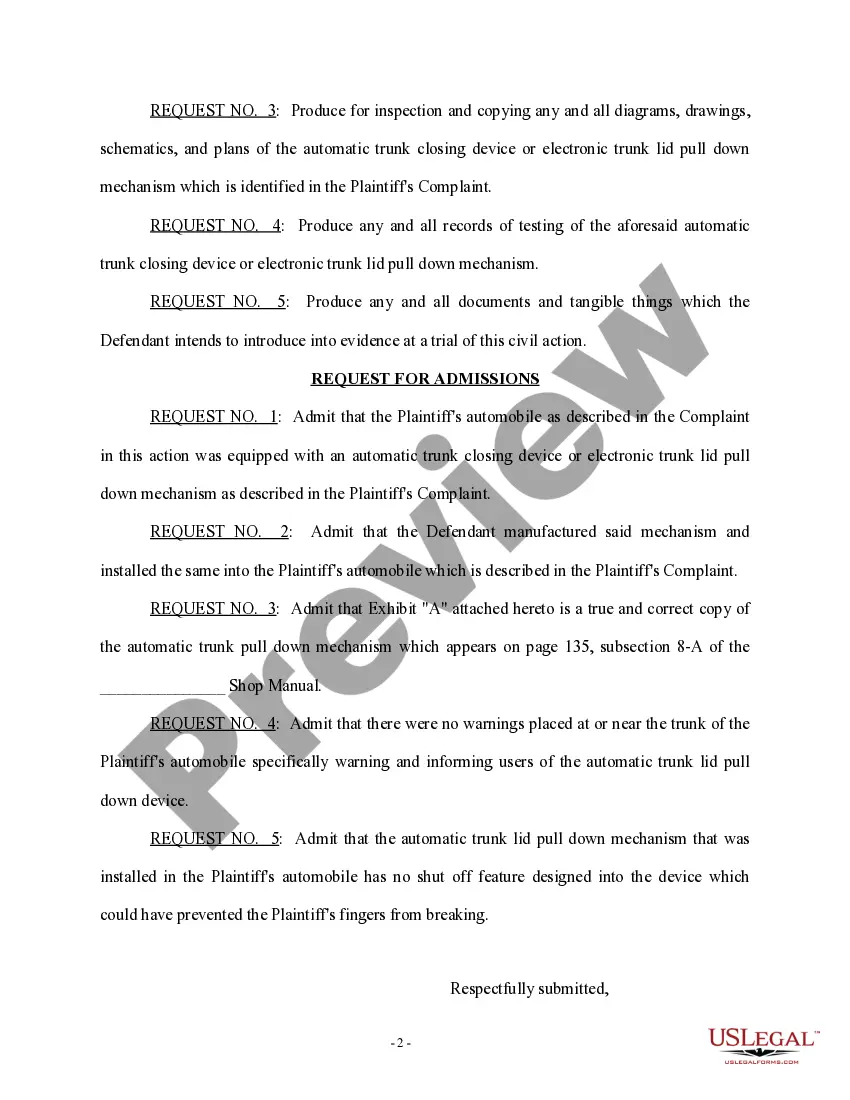
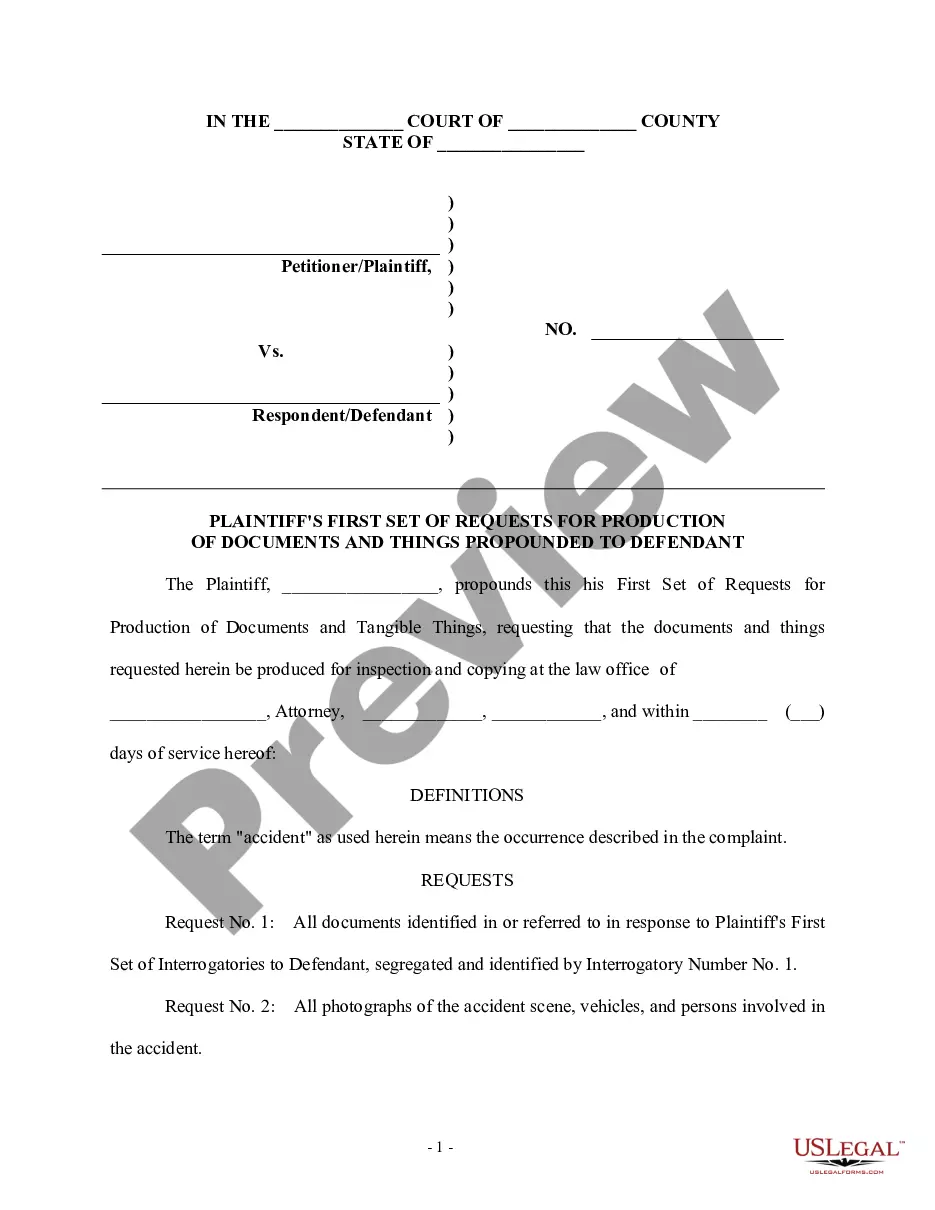
Request For Production Of Documents In California
Description
Get your form ready online
Our built-in tools help you complete, sign, share, and store your documents in one place.
Make edits, fill in missing information, and update formatting in US Legal Forms—just like you would in MS Word.
Download a copy, print it, send it by email, or mail it via USPS—whatever works best for your next step.
Sign and collect signatures with our SignNow integration. Send to multiple recipients, set reminders, and more. Go Premium to unlock E-Sign.
If this form requires notarization, complete it online through a secure video call—no need to meet a notary in person or wait for an appointment.
We protect your documents and personal data by following strict security and privacy standards.

Make edits, fill in missing information, and update formatting in US Legal Forms—just like you would in MS Word.

Download a copy, print it, send it by email, or mail it via USPS—whatever works best for your next step.

Sign and collect signatures with our SignNow integration. Send to multiple recipients, set reminders, and more. Go Premium to unlock E-Sign.

If this form requires notarization, complete it online through a secure video call—no need to meet a notary in person or wait for an appointment.

We protect your documents and personal data by following strict security and privacy standards.
Looking for another form?
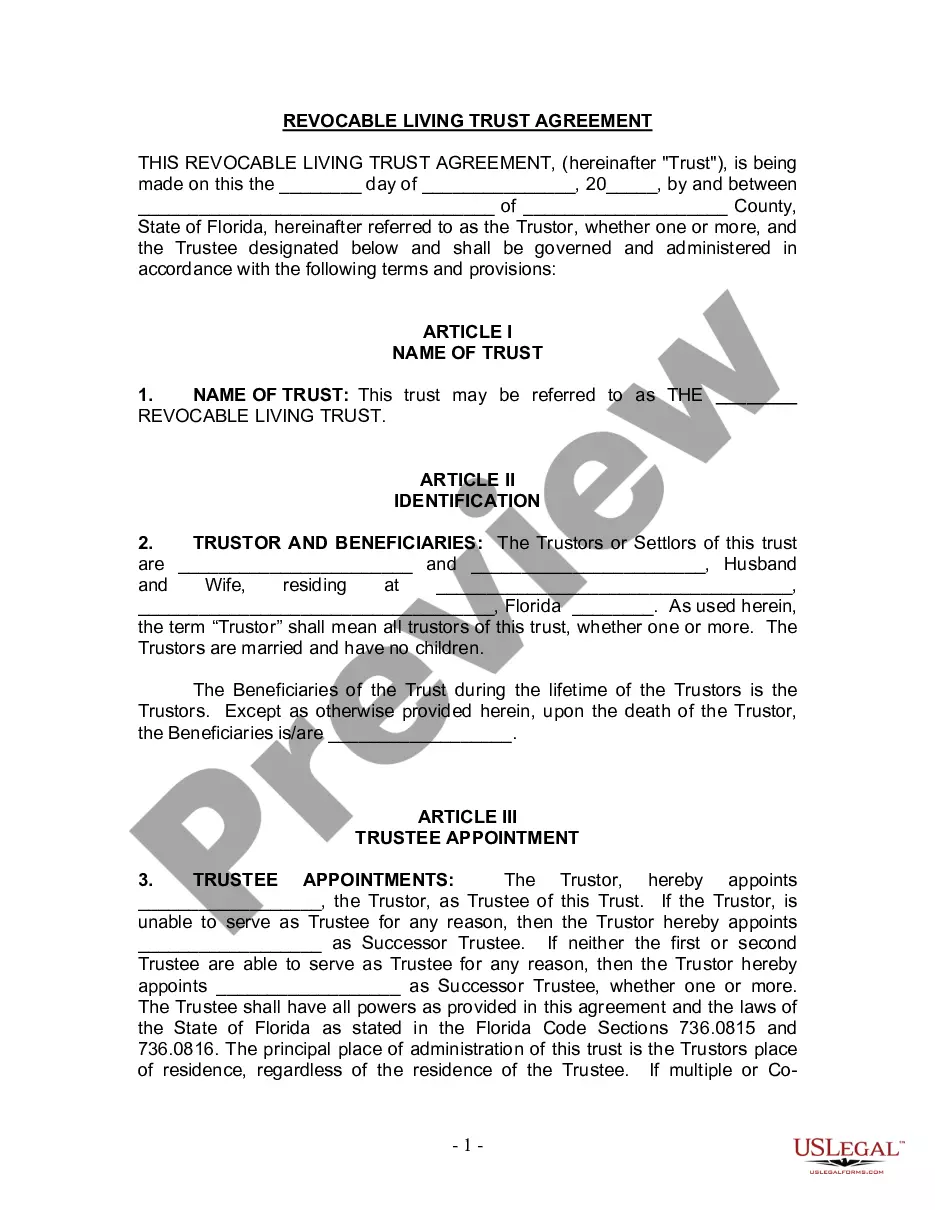
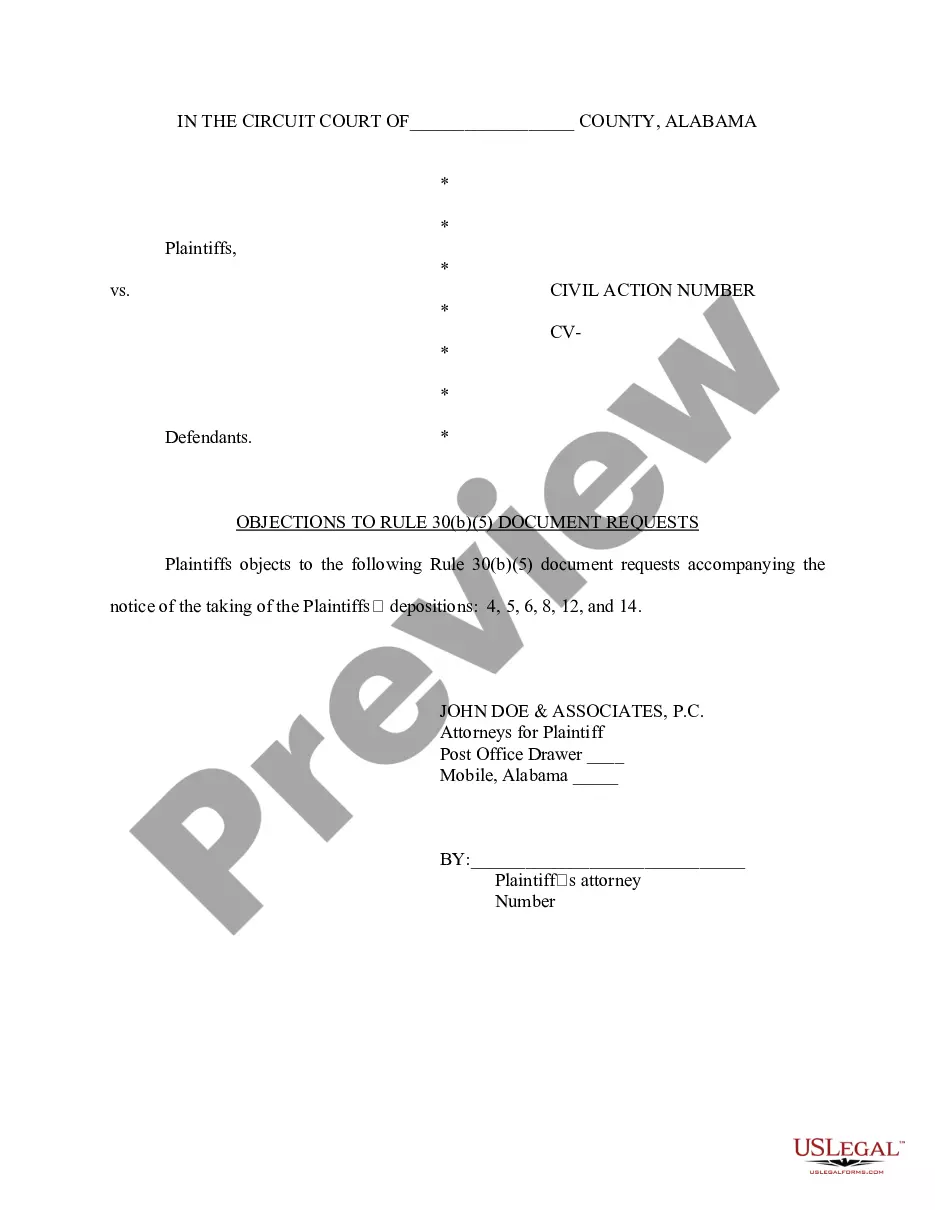
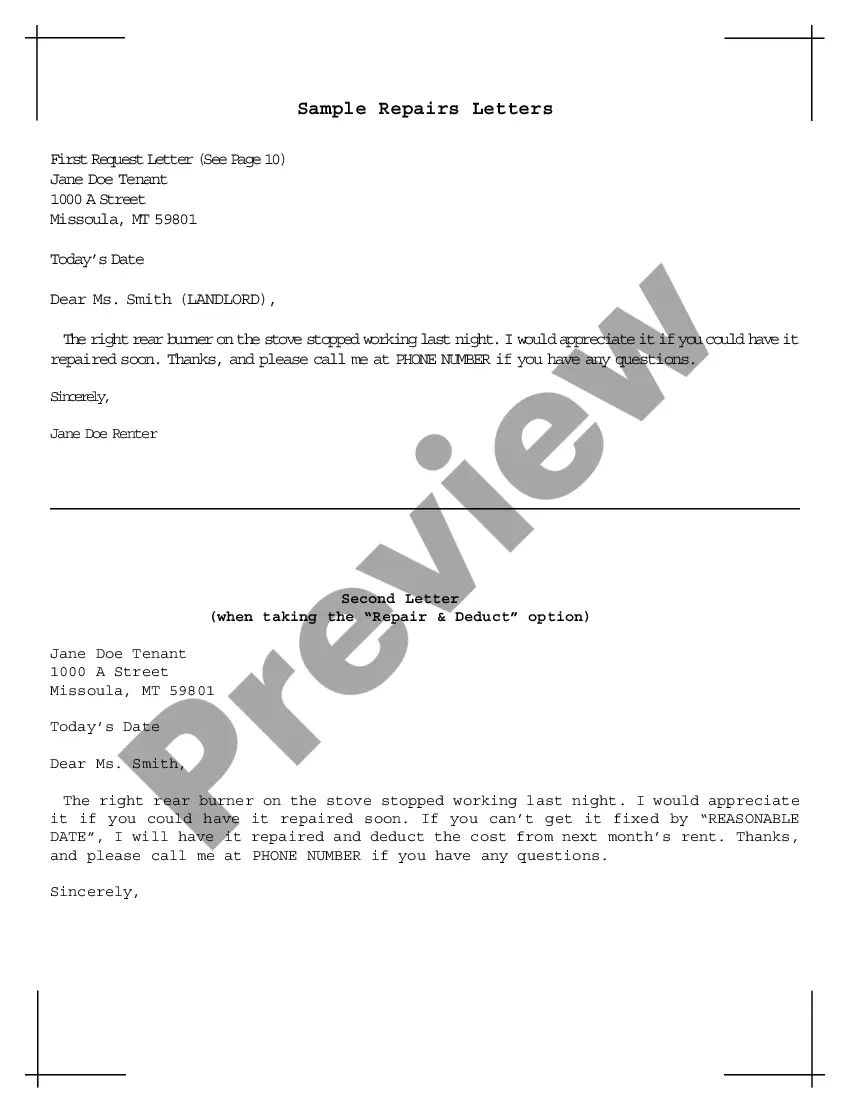
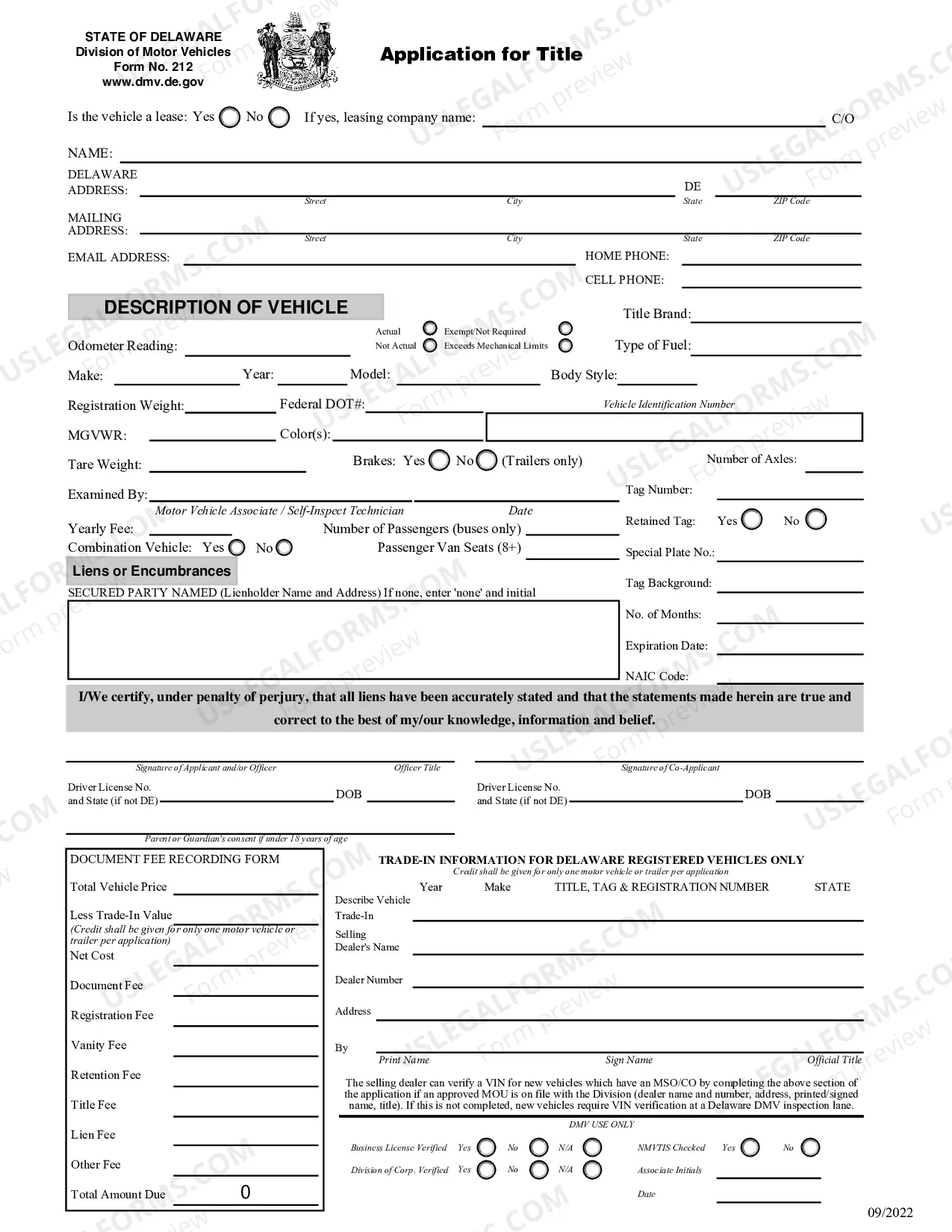
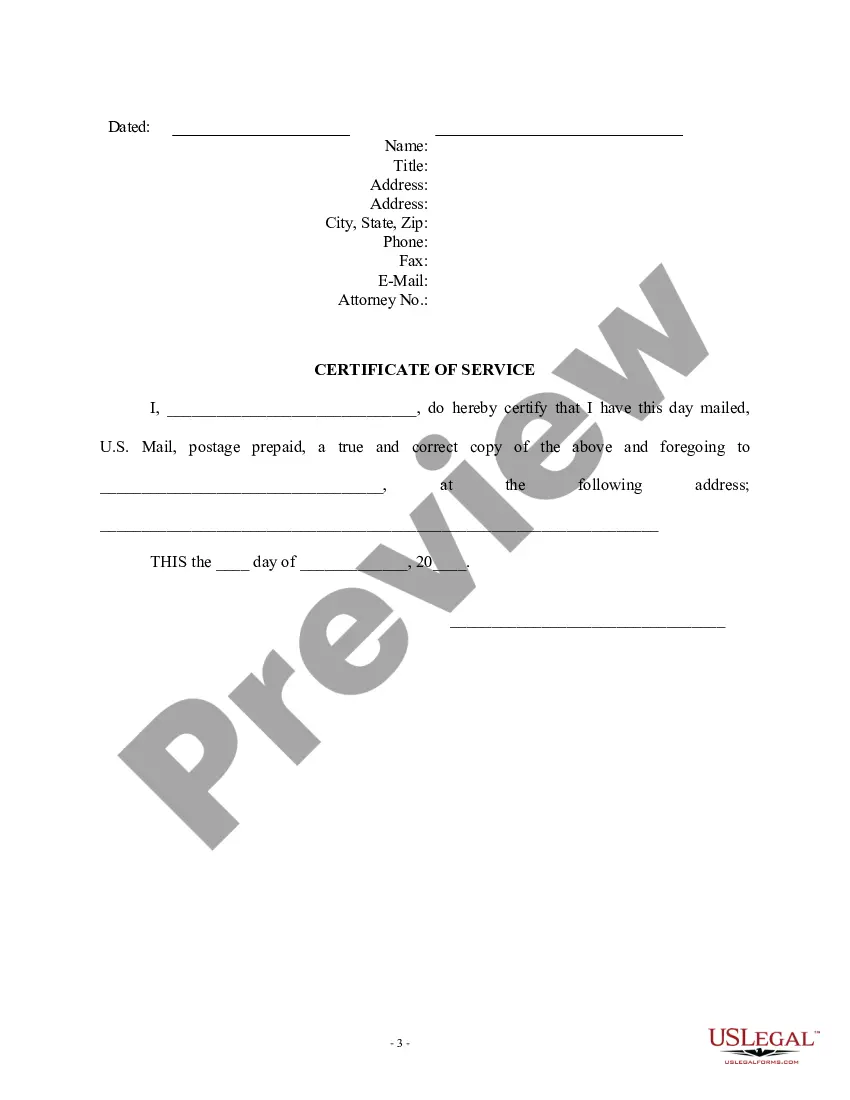
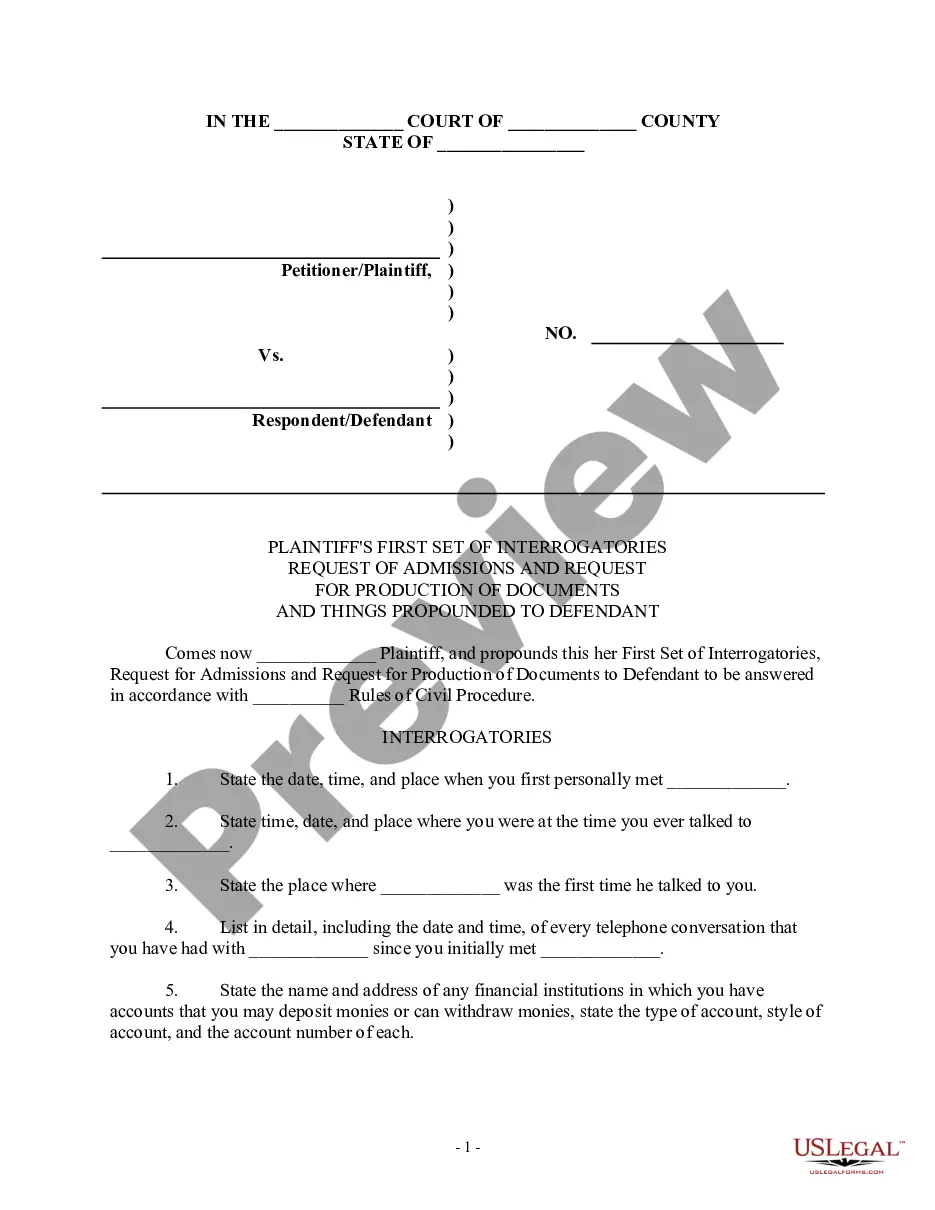
How to fill out Plaintiff's Request For Production Of Documents And Request For Admissions?
The Petition For Provision Of Papers In California you observe on this page is a versatile legal template crafted by expert attorneys in compliance with national and local regulations.
For over 25 years, US Legal Forms has supplied individuals, companies, and legal practitioners with more than 85,000 authenticated, state-centric forms suitable for any business or personal need. It’s the fastest, simplest, and most dependable method to acquire the documents you require, as the service ensures the utmost level of data protection and anti-malware safeguards.
Subscribe to US Legal Forms to have authenticated legal templates for all of life’s situations within your reach.
- Search for the document you require and examine it.
- Browse through the file you sought and preview it or review the form description to ensure it meets your needs. If not, utilize the search feature to find the appropriate one. Click Buy Now when you find the template you are looking for.
- Register and Log In.
- Choose the pricing option that fits you and create an account. Employ PayPal or a credit card for a swift transaction. If you already possess an account, Log In and verify your subscription to proceed.
- Acquire the fillable template.
- Select the format you prefer for your Petition For Provision Of Papers In California (PDF, DOCX, RTF) and store the sample on your device.
- Complete and sign the document.
- Print the template to fill it out by hand. Alternatively, use an online multifunctional PDF editor to promptly and accurately complete and sign your form with an electronic signature.
- Retrieve your documents again.
- Reutilize the same document whenever needed. Access the My documents tab in your profile to redownload any previously acquired forms.
Form popularity
FAQ
To effectively respond to interrogatories and the request for production of documents in California, start by carefully reading each question and request. Next, gather all necessary documents and information relevant to the case. Ensure that your answers are clear, concise, and directly address the asked queries. Utilizing a platform like US Legal Forms can help you draft and organize your responses accurately, ensuring compliance with California's legal requirements.
The rule for production of documents in California mandates that parties produce all relevant documents that are not privileged upon receiving a Request. The responding party must make a good-faith effort to provide these documents in an organized manner. Following these rules is crucial for maintaining transparency and trust in the legal process. You can utilize US Legal Forms to ensure your production adheres to legal standards.
Once you receive a Request for Production of Documents in California, you generally must produce the requested documents within 30 days. This timeframe ensures that both parties can proceed efficiently through the discovery process. If documents require more time to gather, it is essential to communicate this to avoid potential penalties. US Legal Forms can assist you in ensuring your compliance with these legal timelines.
In California, you typically have 30 days to respond to a Request for Production of Documents. This timeline allows you to prepare your response adequately while ensuring you comply with legal deadlines. If you require more time, you may need to request an extension from the other party or the court. Accessing the resources on US Legal Forms can help you navigate these timelines effectively.
While California law does not set a fixed maximum number of Requests for Admission, the court usually expects parties to act reasonably. Courts may limit the number if they determine that the requests are excessive or burdensome. Keep your requests focused and pertinent to the issues at hand, and consider using US Legal Forms to draft them correctly and efficiently.
In California, there is no specific statutory limit on the number of Requests for Admission (RFA) you can serve on the other party. However, each request should be relevant to the case at hand. Therefore, you should focus on the importance of each request to ensure they support your legal strategy effectively. Utilizing US Legal Forms can help streamline your process and ensure you meet all legal requirements.
Writing a request for information involves creating a clear and concise document detailing the information you seek. Specify the timeframe for the information needed, and provide context to ensure it is relevant to your case. Clear communication fosters effective responses and establishes a professional tone.
When drafting a request for documents, begin with a polite introduction, then clearly outline each document requested. State your reasons for the request, focusing on its relevance and necessity to the case. Keeping your language straightforward will aid understanding and compliance.
To write a request for production of documents in California, start by citing the relevant court rules. Clearly specify all documents sought, ensuring thorough descriptions that minimize ambiguity. This clarity will help ensure that the responding party understands and complies with your request effectively.
Common objections to a request for production of documents in California include claims of relevance, privilege, or confidentiality. You may also object if the request is overly broad or seeks to invade personal privacy. Properly articulating your objections is key to protecting your legal rights.