30(b)(6) Time Limit
Description
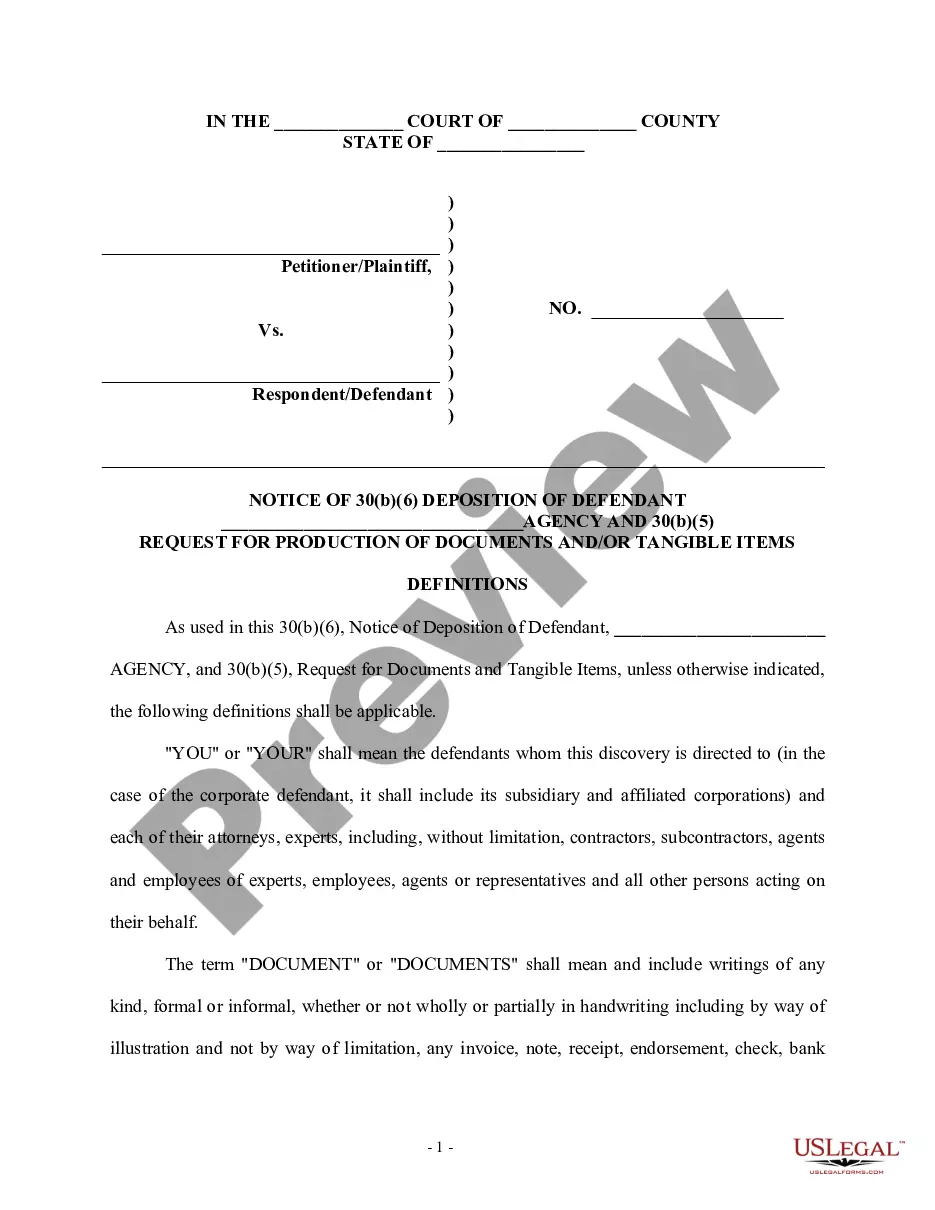
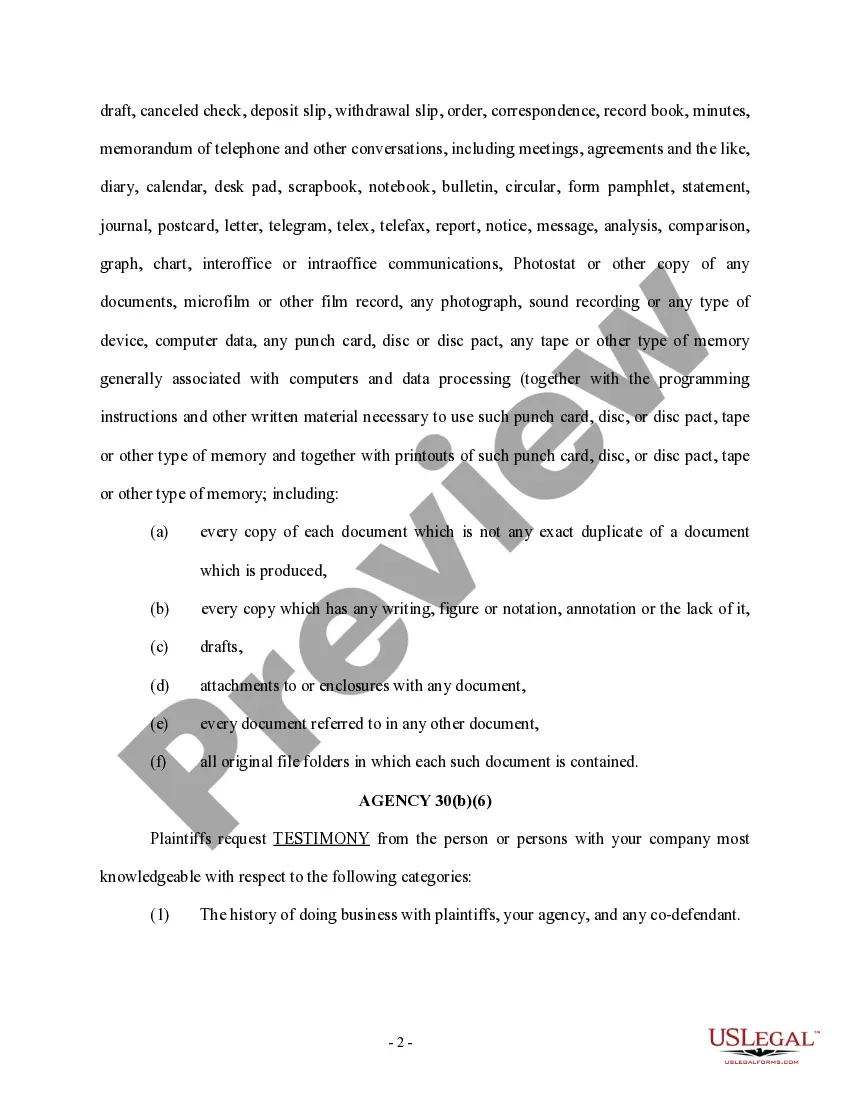
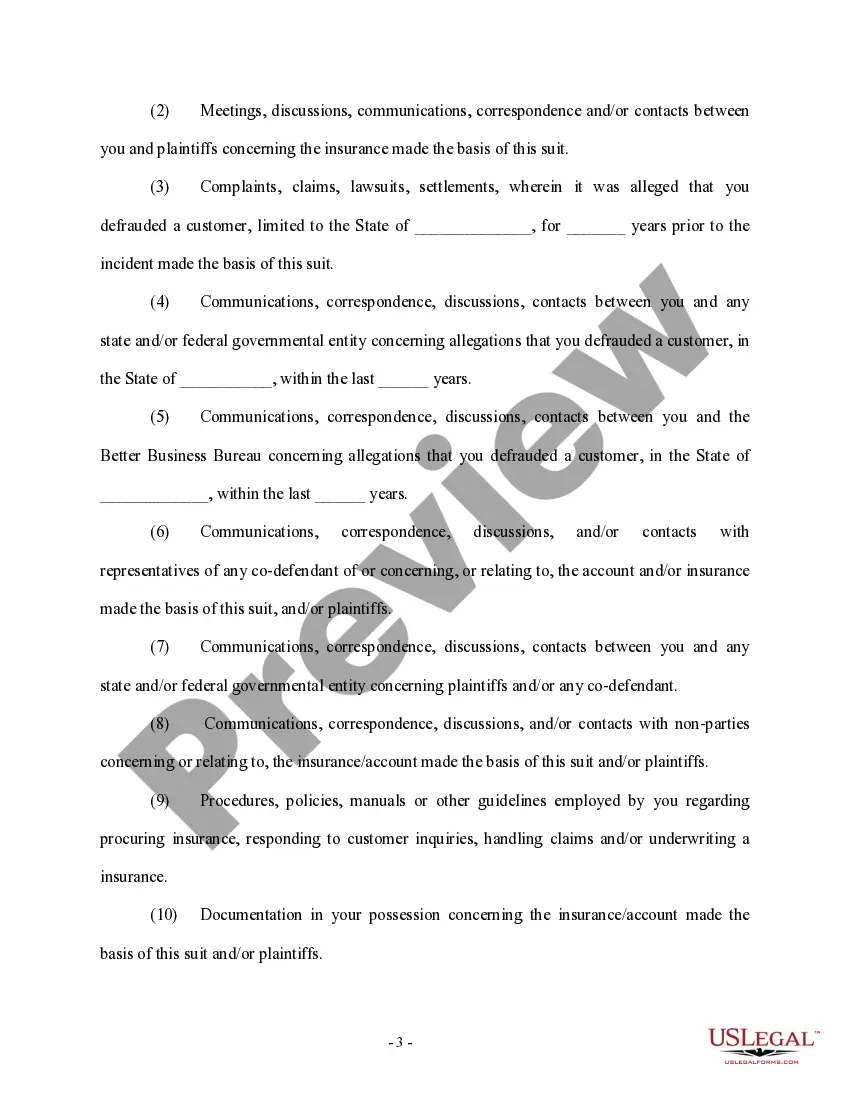
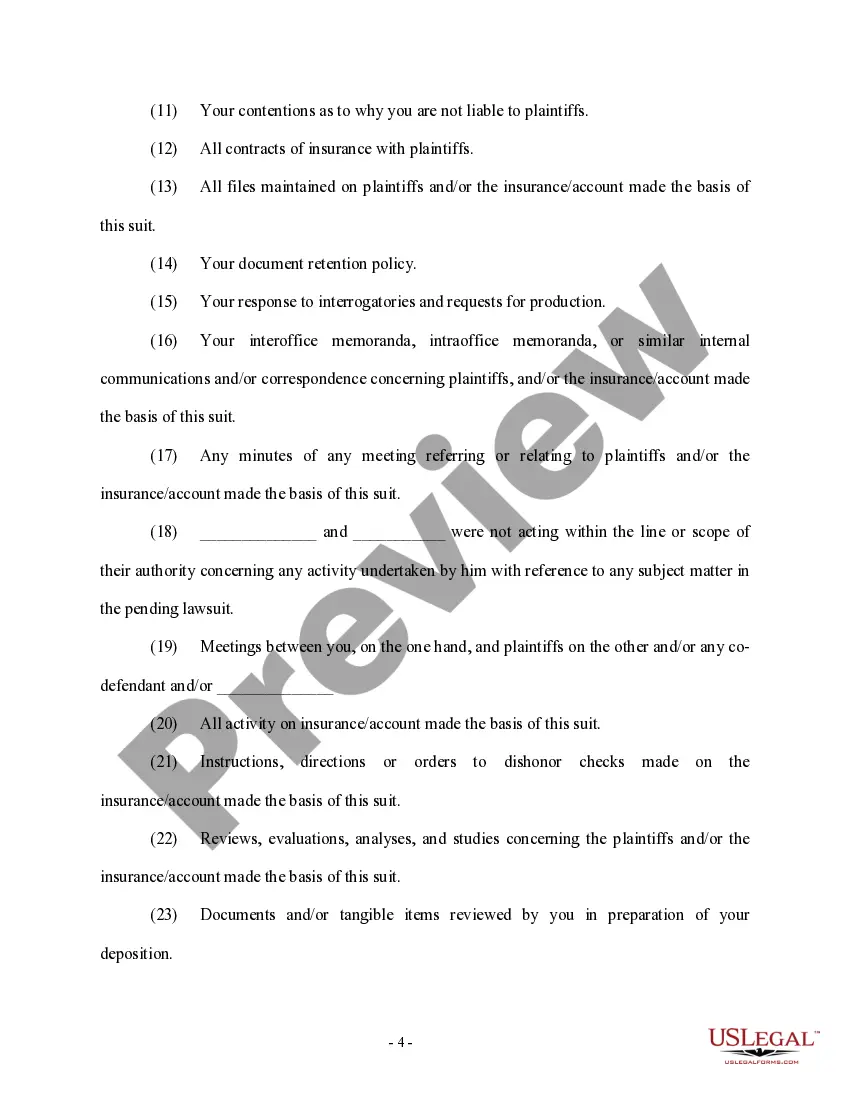
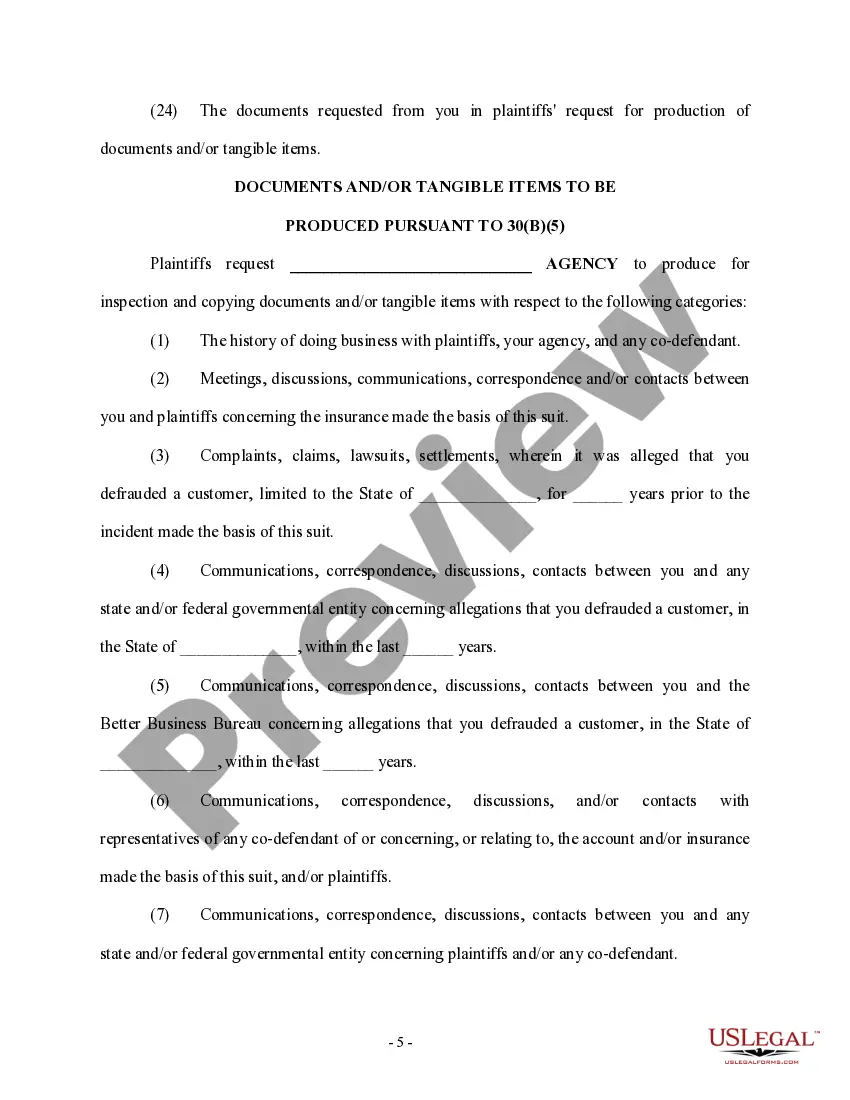
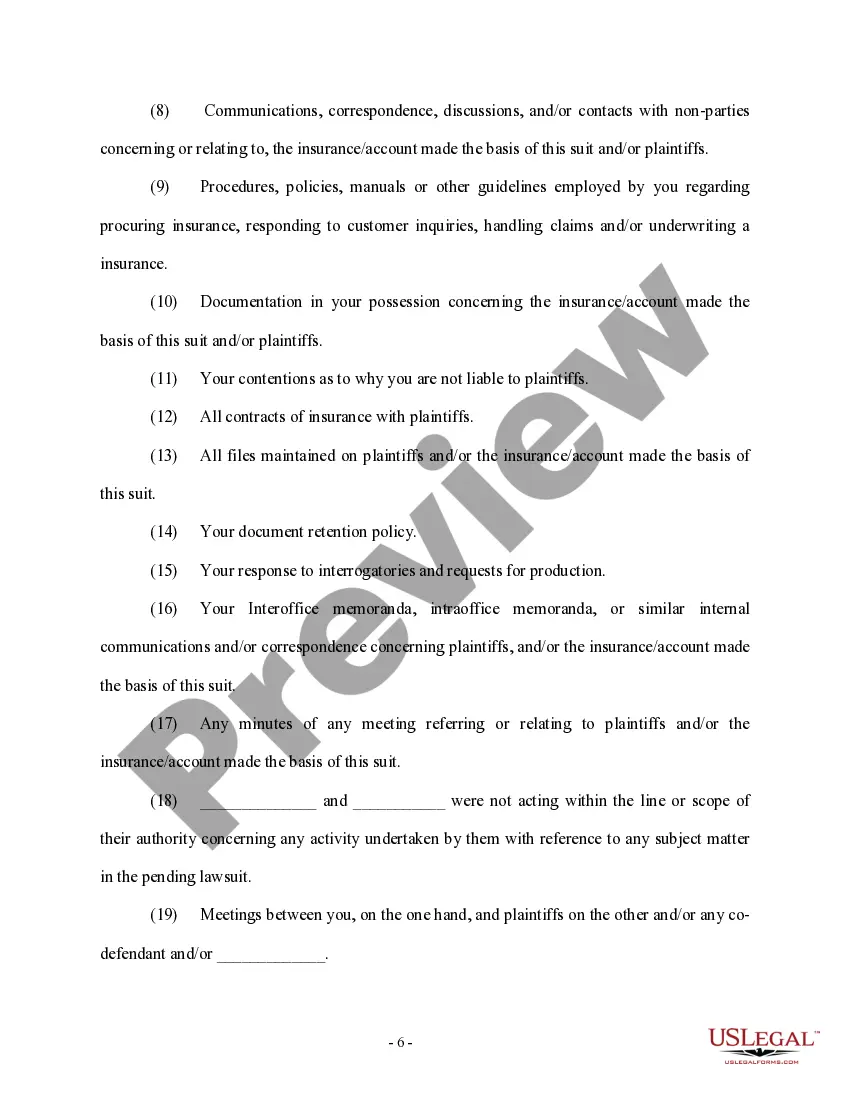
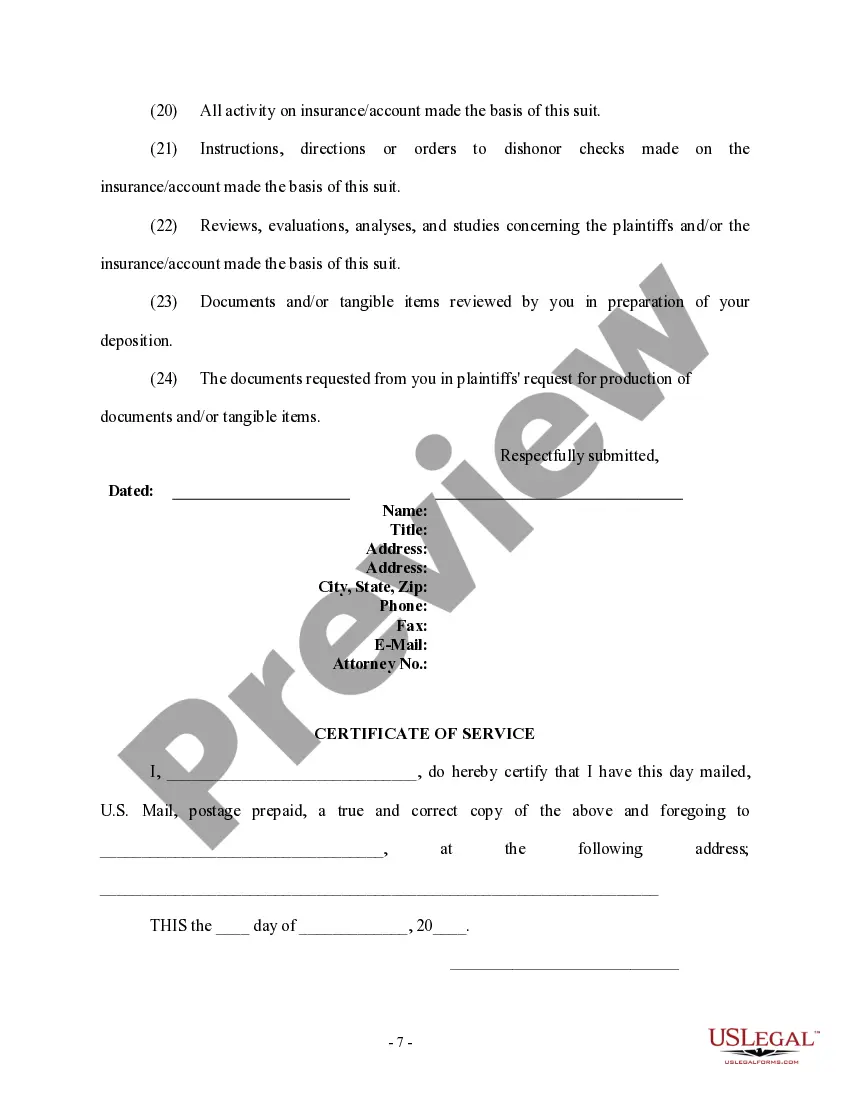
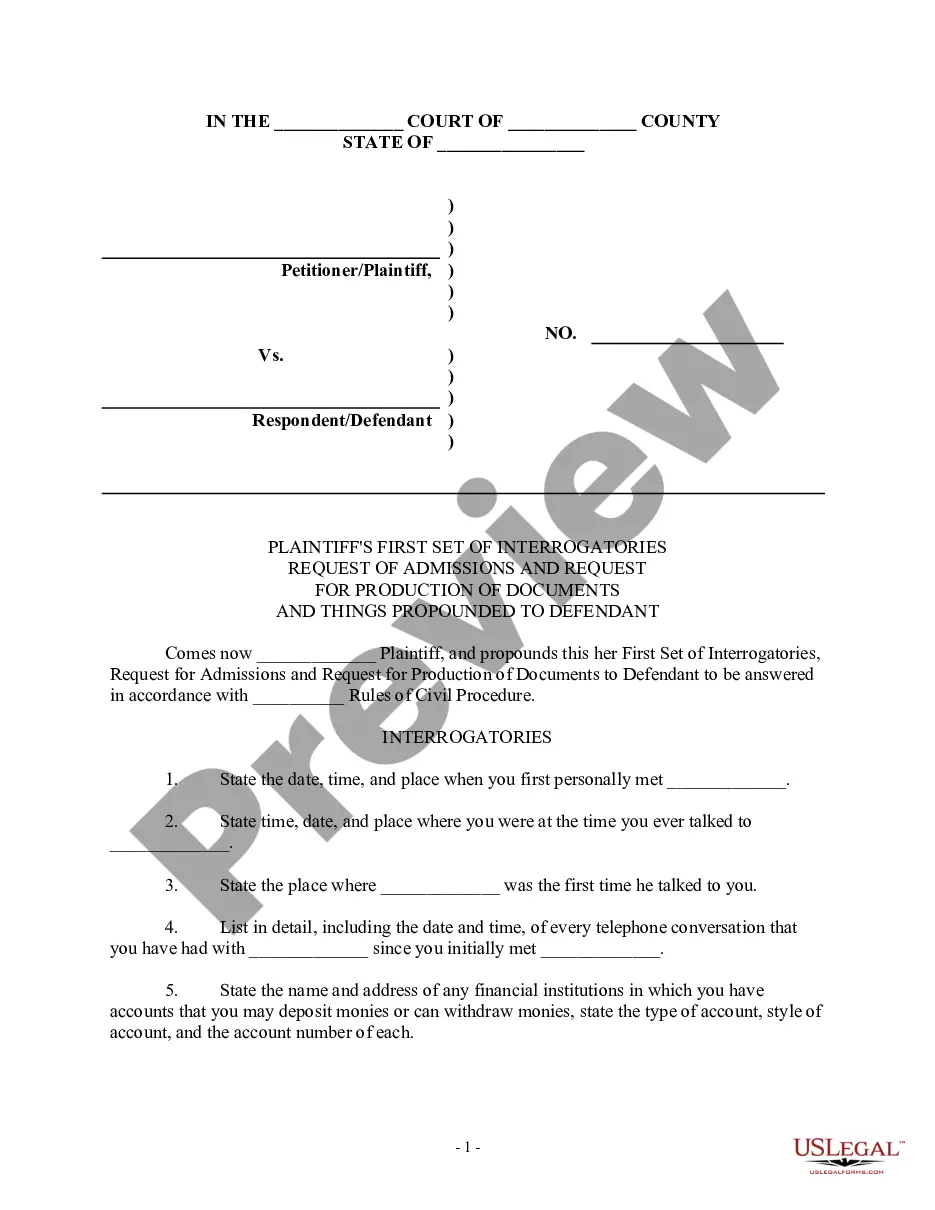
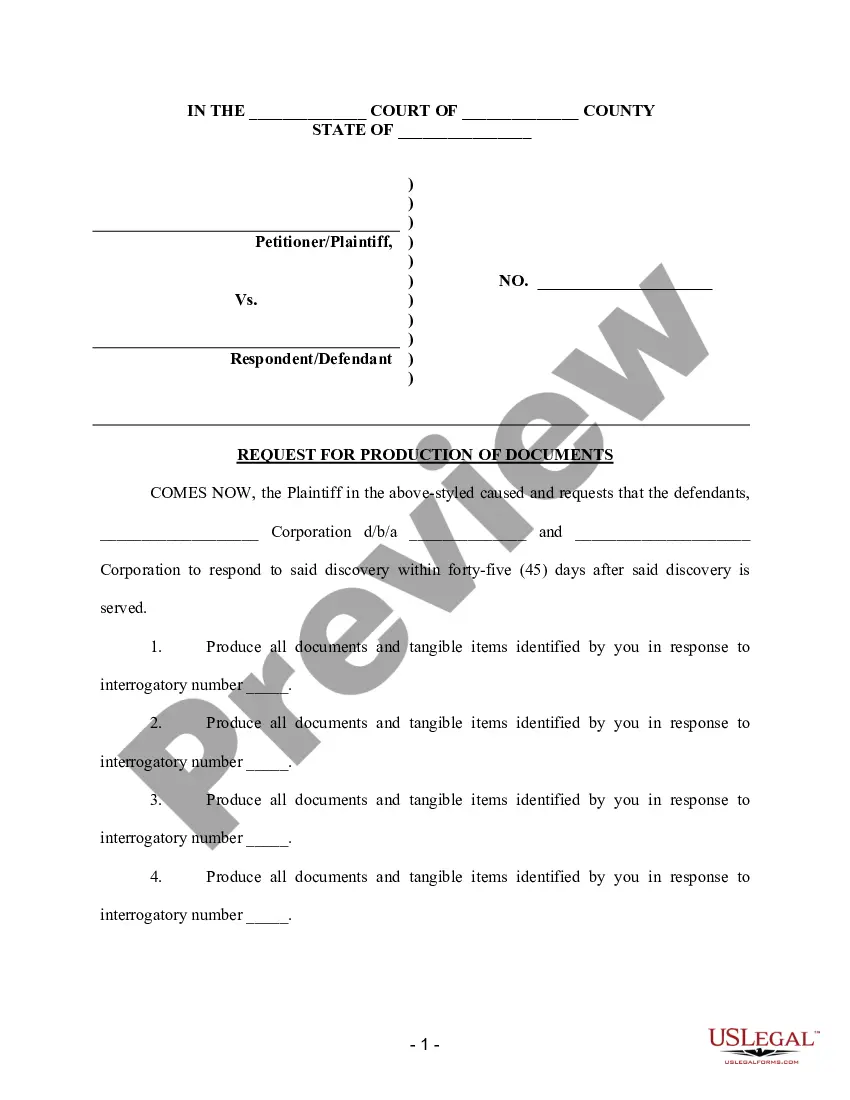
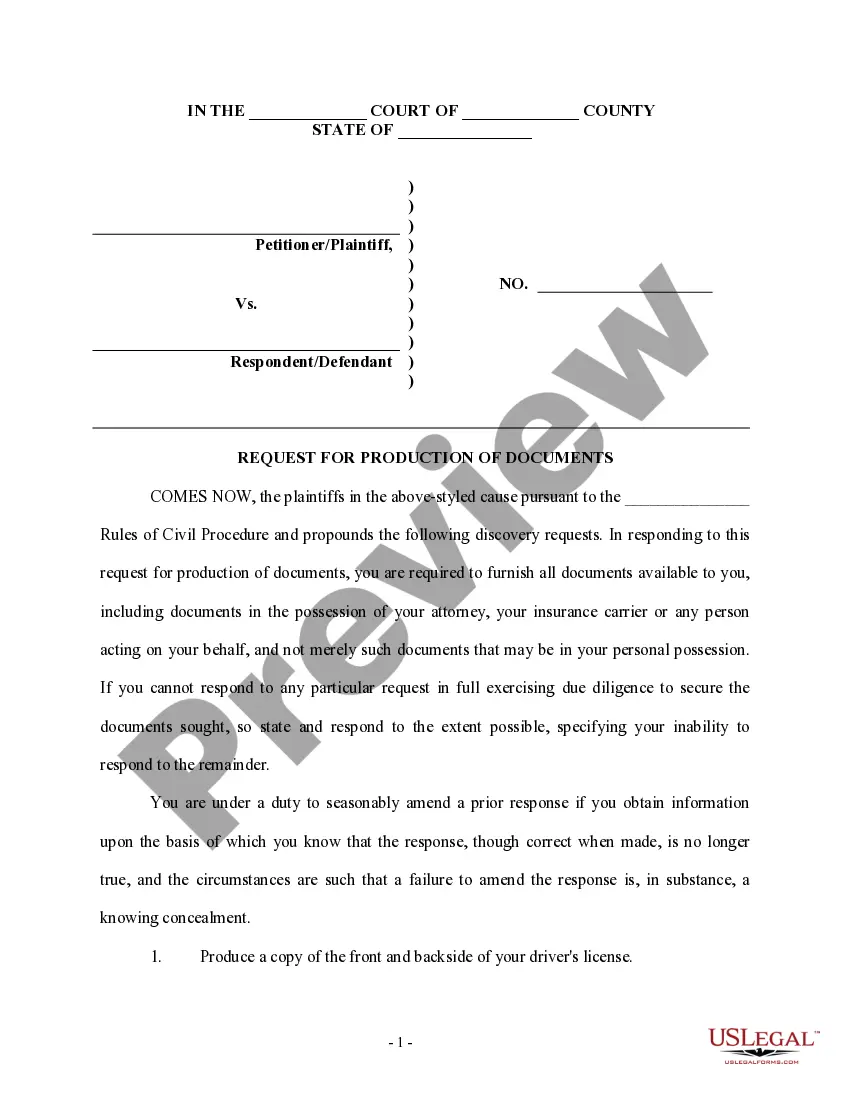
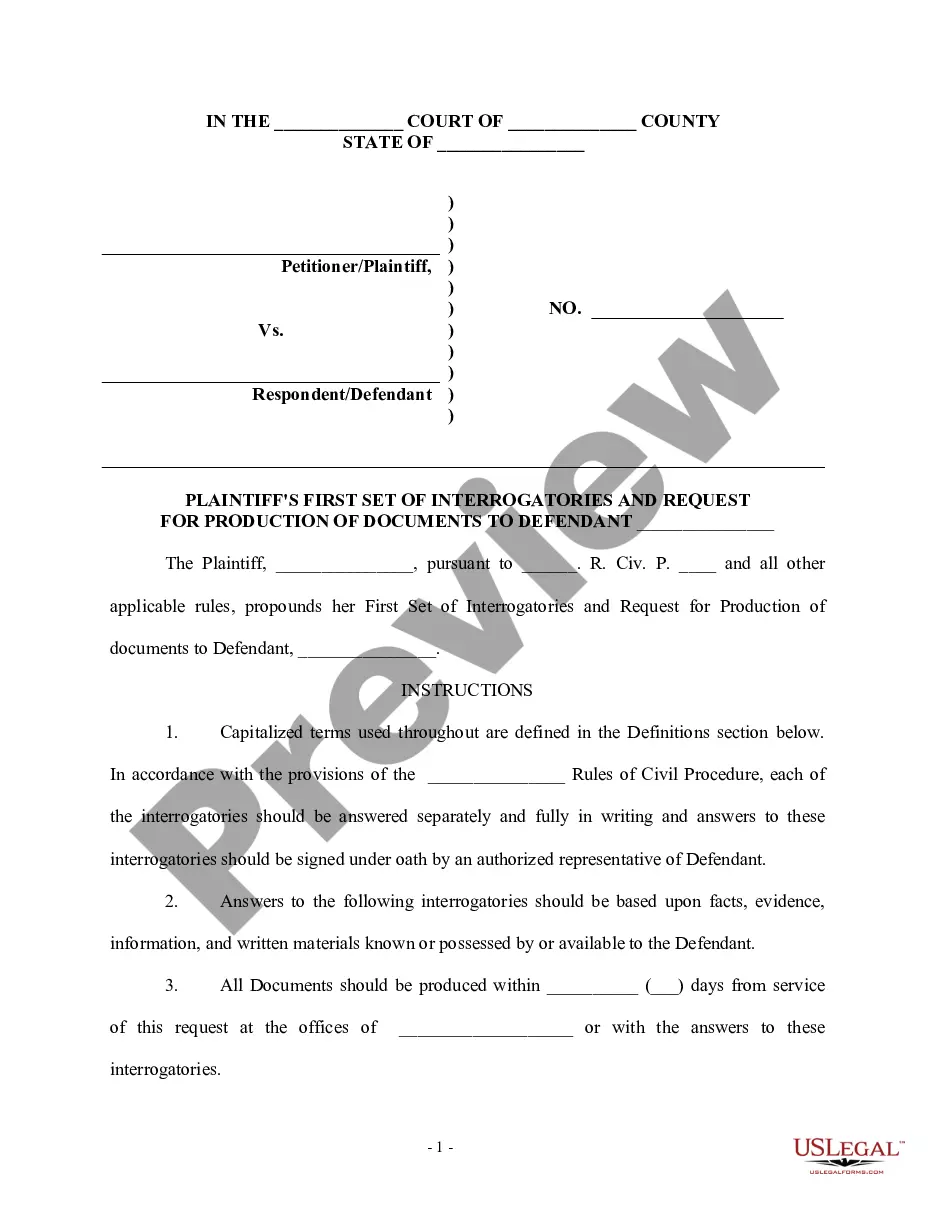
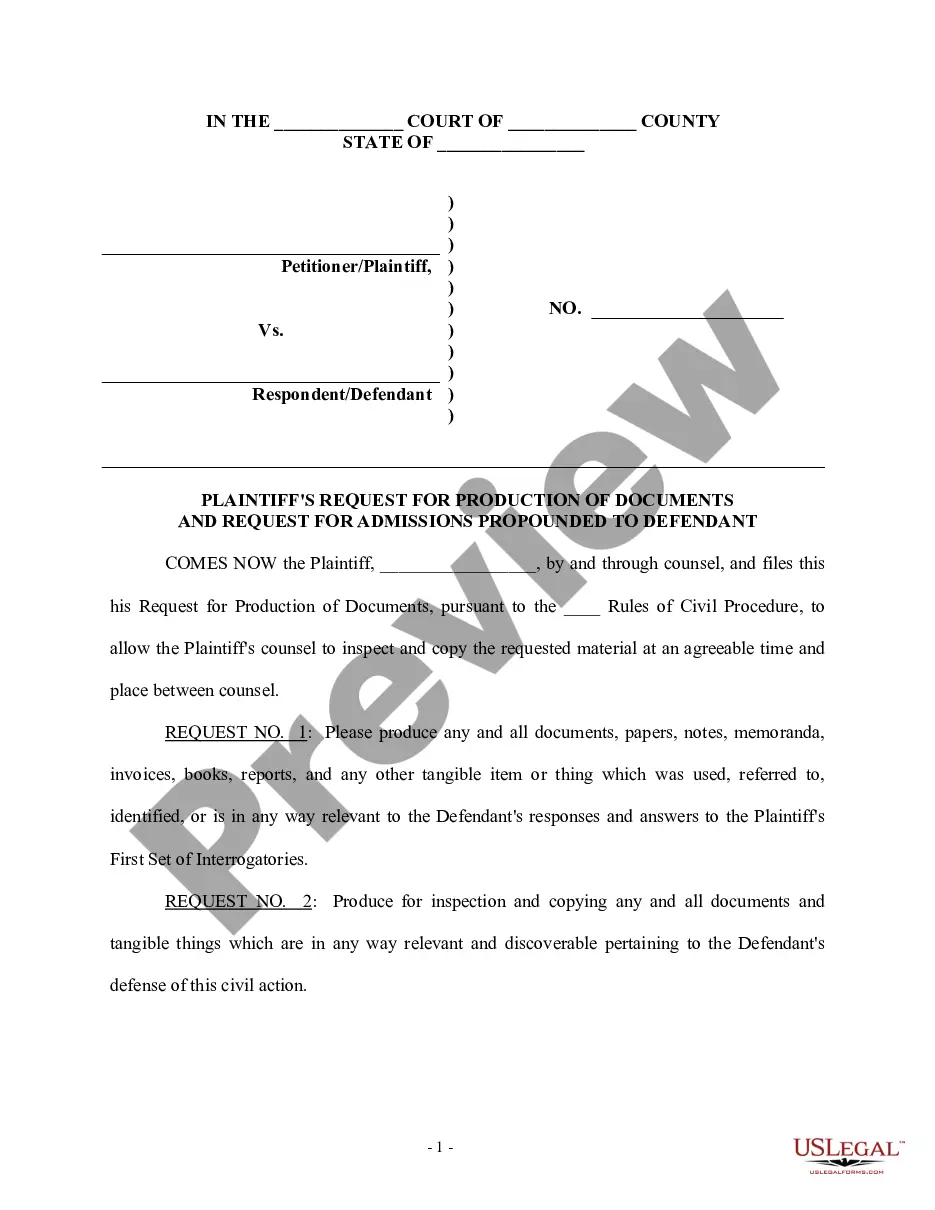

How to fill out Notice Of 30(b)(6) Deposition Of Defendant And 30(b)(5) Request For Production Of Documents And Or Things - Discovery?
It’s obvious that you can’t become a law expert immediately, nor can you grasp how to quickly prepare 30(b)(6) Time Limit without having a specialized background. Creating legal forms is a time-consuming venture requiring a particular education and skills. So why not leave the creation of the 30(b)(6) Time Limit to the specialists?
With US Legal Forms, one of the most comprehensive legal document libraries, you can find anything from court papers to templates for internal corporate communication. We know how important compliance and adherence to federal and state laws are. That’s why, on our platform, all templates are location specific and up to date.
Here’s how you can get started with our website and get the form you require in mere minutes:
- Find the form you need by using the search bar at the top of the page.
- Preview it (if this option available) and read the supporting description to figure out whether 30(b)(6) Time Limit is what you’re looking for.
- Start your search over if you need a different form.
- Register for a free account and choose a subscription option to purchase the template.
- Pick Buy now. As soon as the payment is through, you can download the 30(b)(6) Time Limit, complete it, print it, and send or mail it to the necessary individuals or entities.
You can re-access your documents from the My Forms tab at any time. If you’re an existing client, you can simply log in, and find and download the template from the same tab.
No matter the purpose of your paperwork-be it financial and legal, or personal-our website has you covered. Try US Legal Forms now!
Form popularity
FAQ
At the trial or hearing any party may rebut any relevant evidence contained in a deposition whether introduced by him or by any other party. (1) As to Notice. - All errors and irregularities in the notice for taking a deposition are waived unless written objection is promptly served upon the party giving the notice.
Person most knowledgeable are persons who are appointed mainly by Corporations and Government agencies to testify on their behalf. The Federal Rules of Civil Procedure recognize that a corporation may only participate in a lawsuit by relying on the testimony of its designated representatives.
On request of any party in a jury trial, deposition testimony offered other than for impeachment purposes is to be presented in a nonstenographic form if available, unless the court directs otherwise.
Rule 30 (a)(2)(A), Federal Rules of Civil Procedure , limits each side to no more than ten depositions unless otherwise ordered by the Court.
The first step in protecting the prospective deponent from an improper 30(b)(6) notice is to confer with opposing counsel in an attempt to clarify or limit the objectionable topics. For this purpose, written objections may certainly serve as a starting point.