30 (b)(6) Deposition
Description
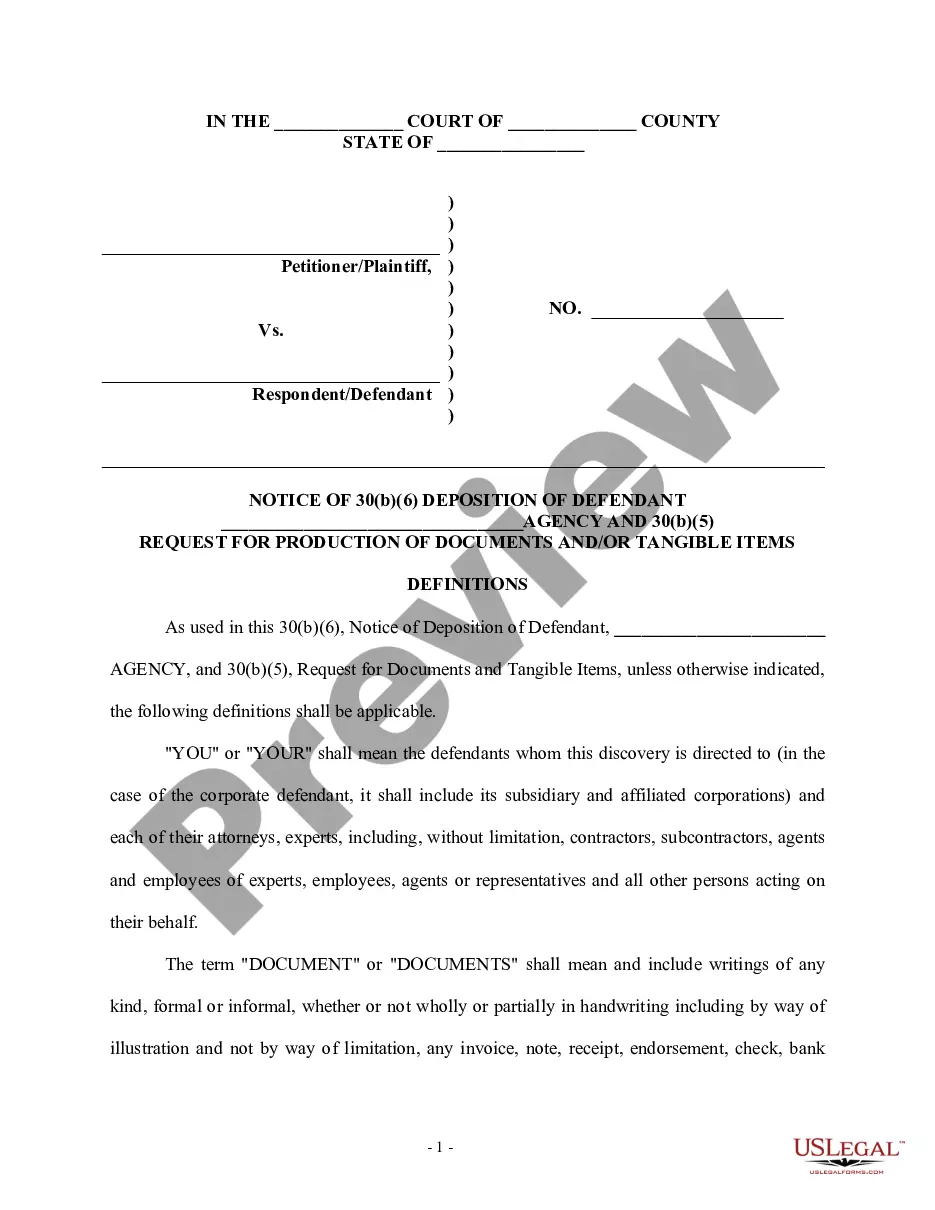
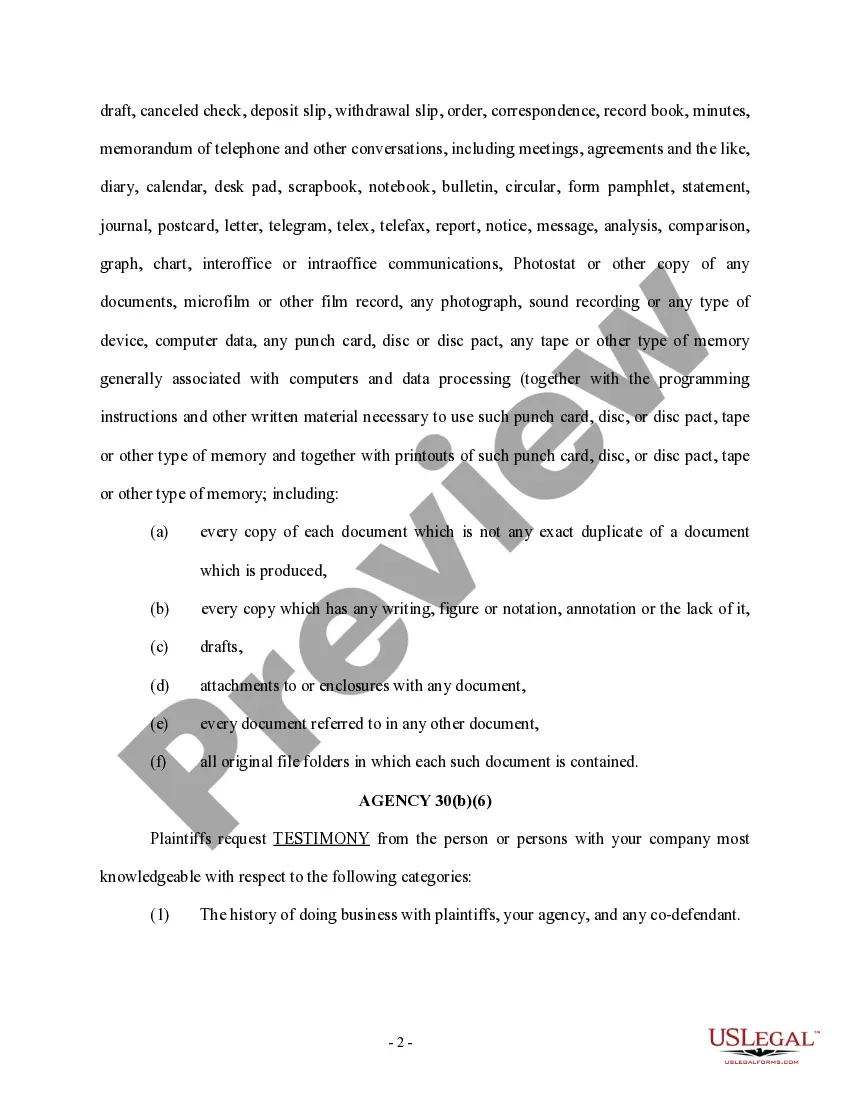
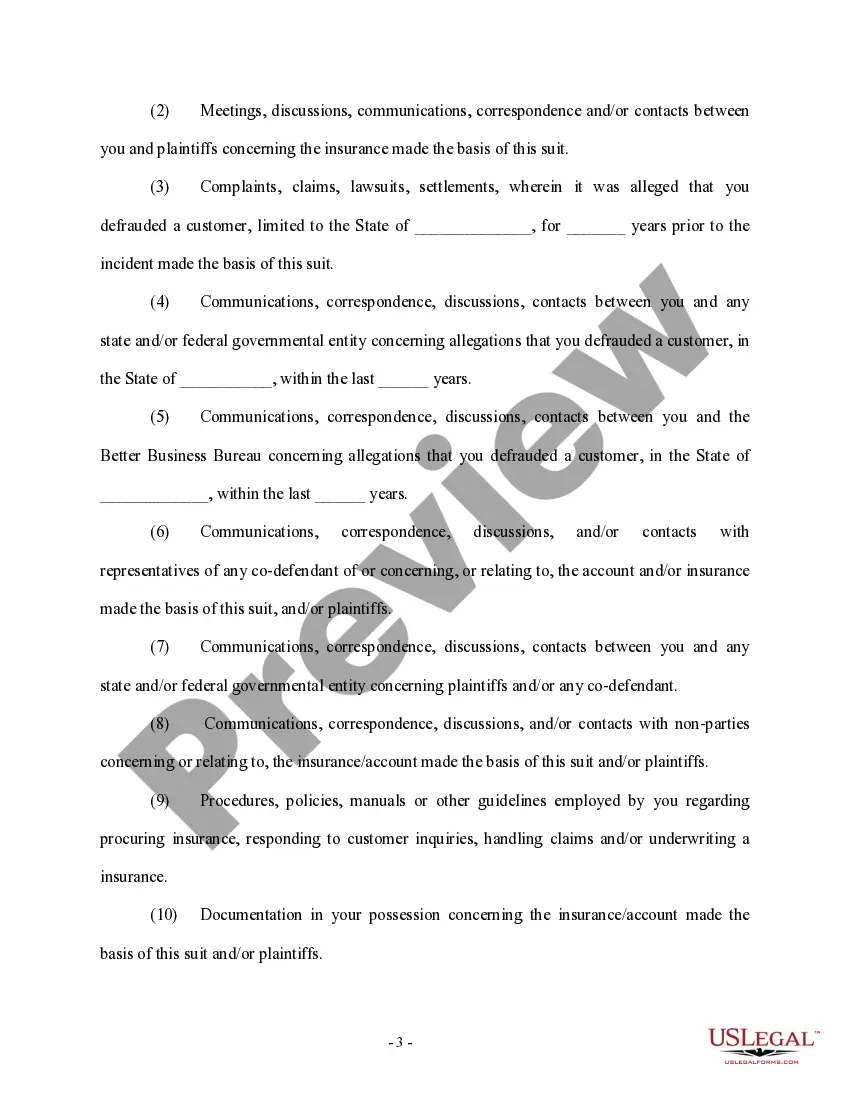
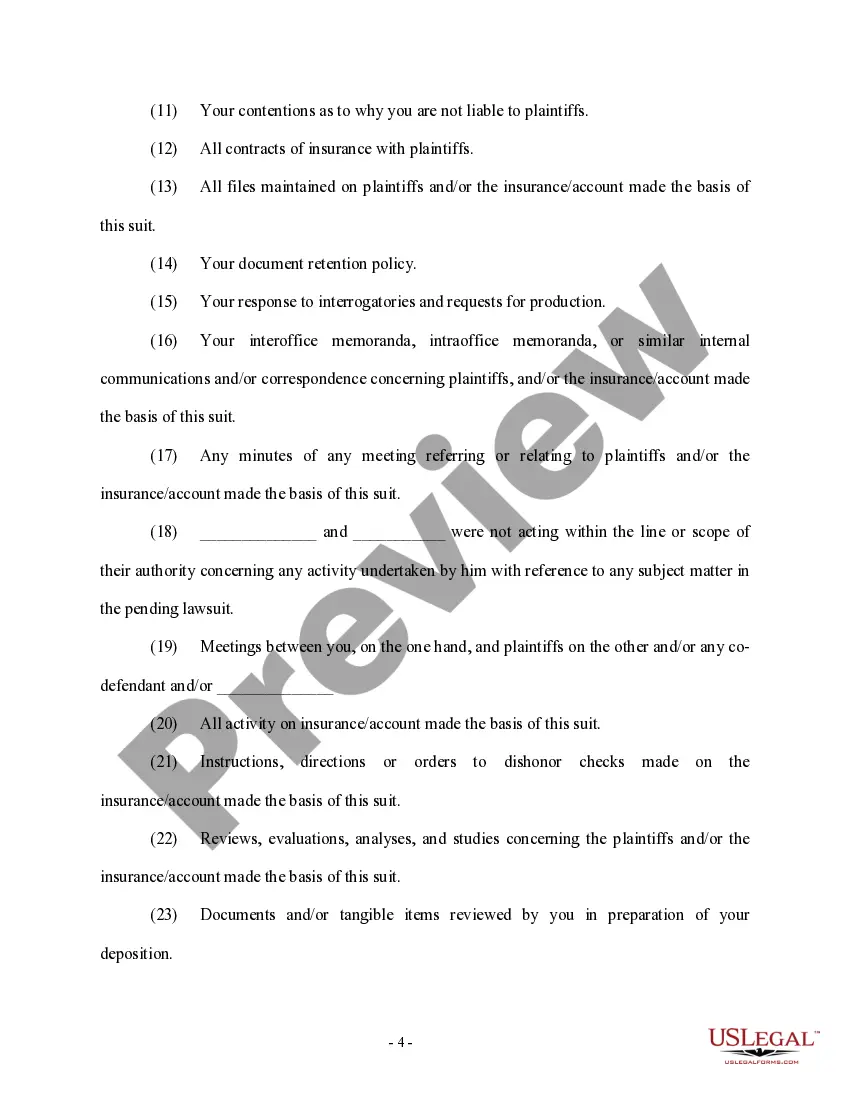
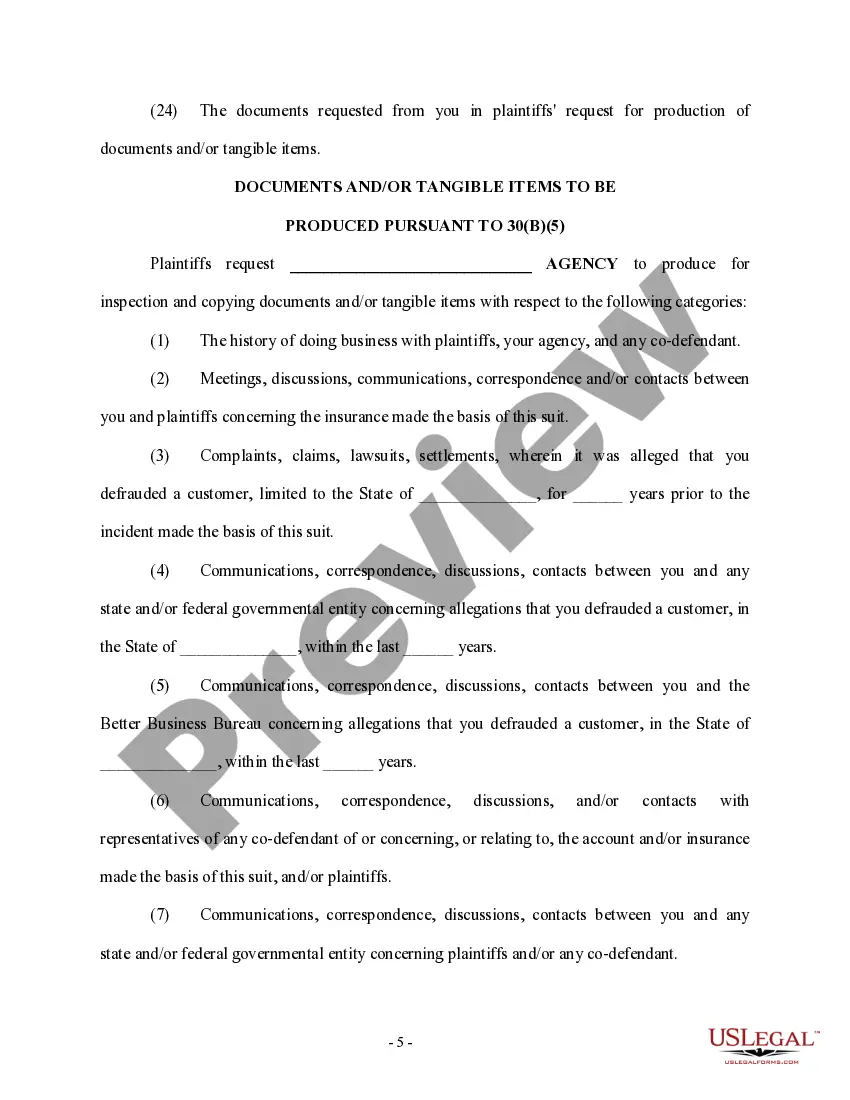
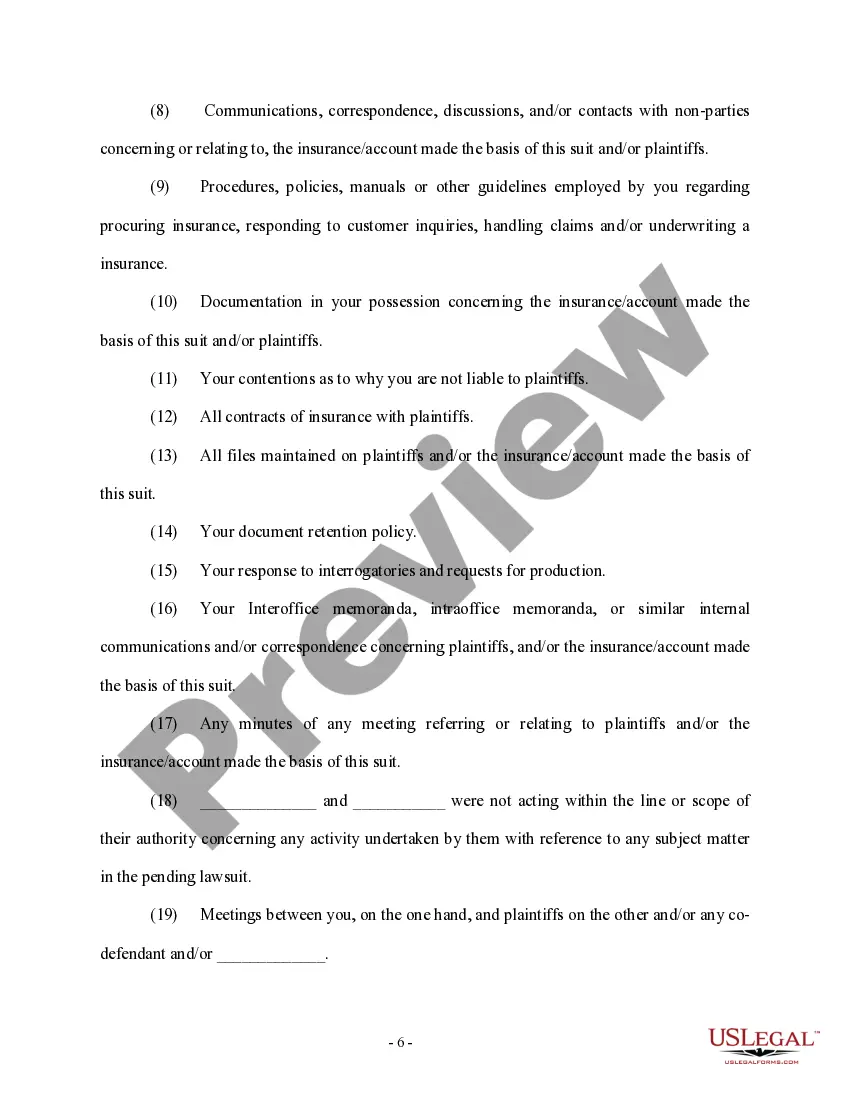
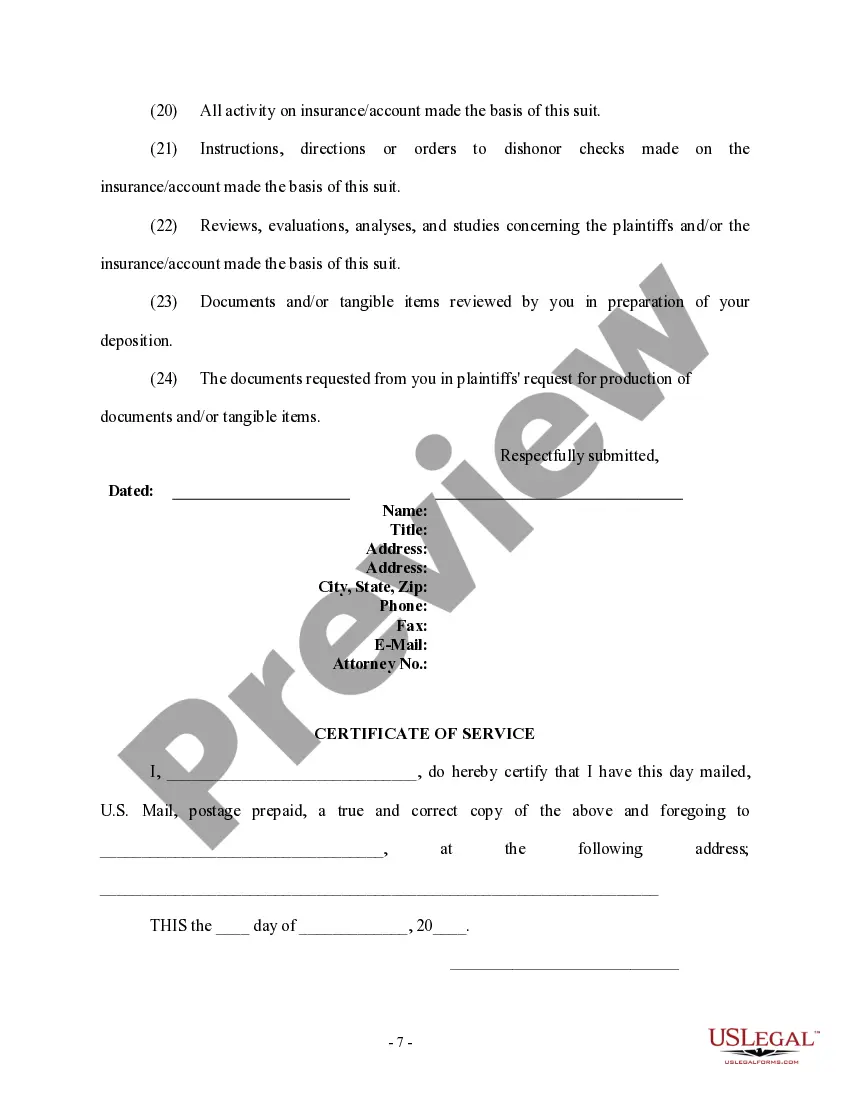
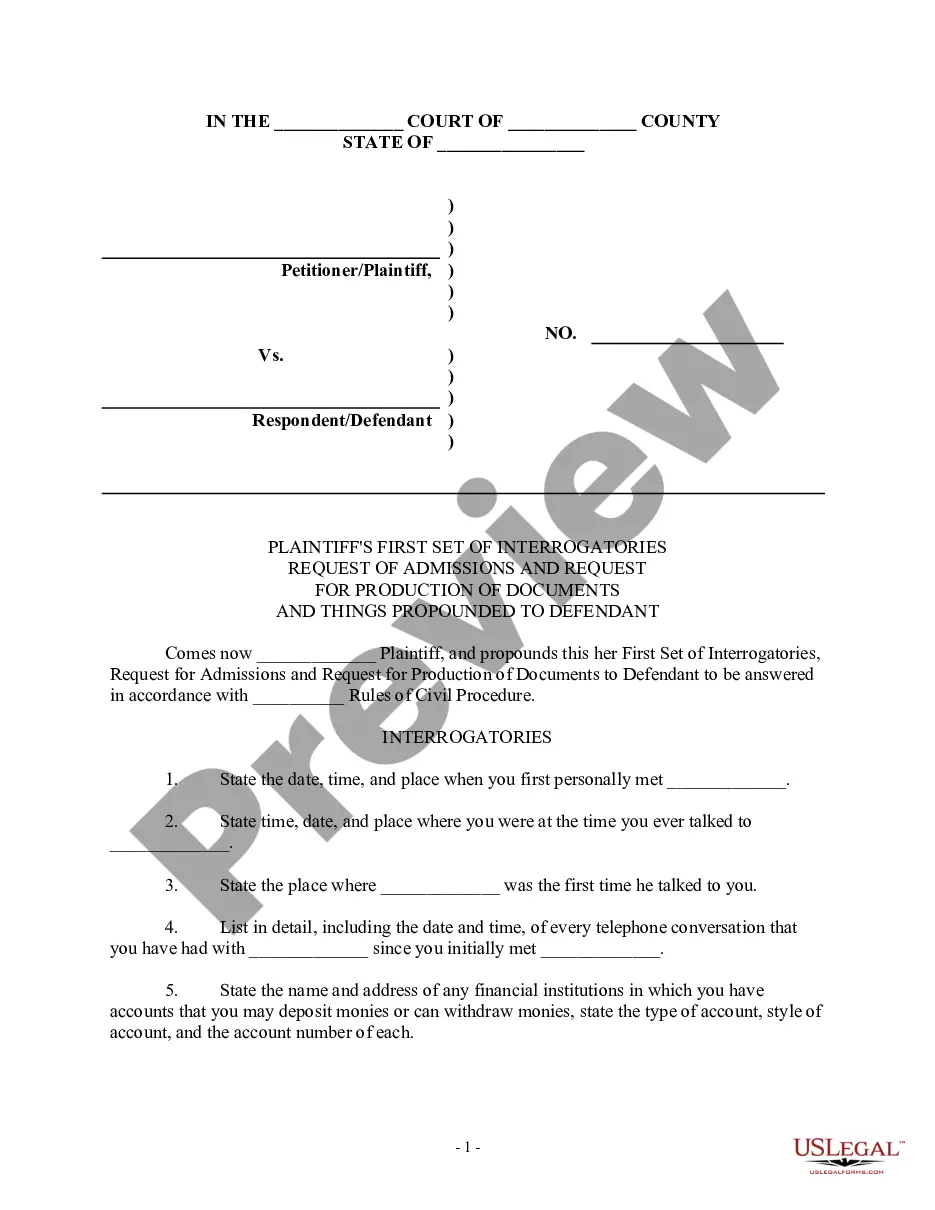
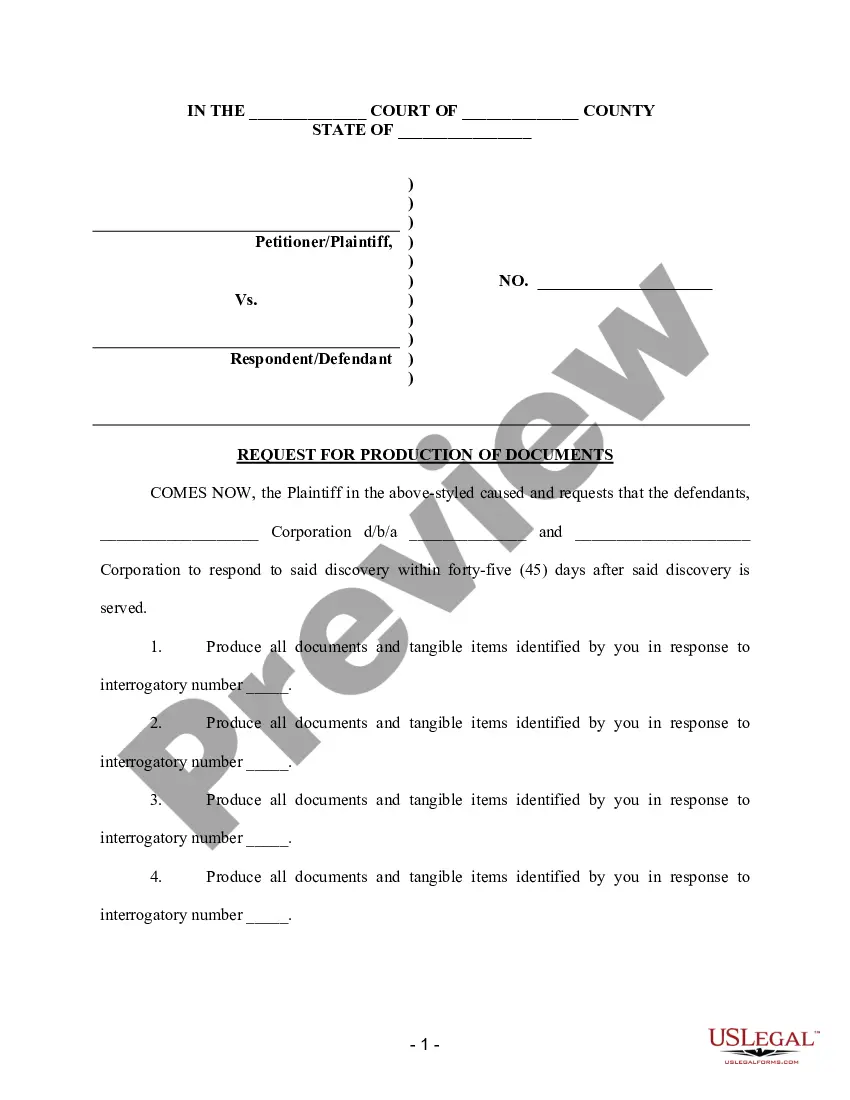
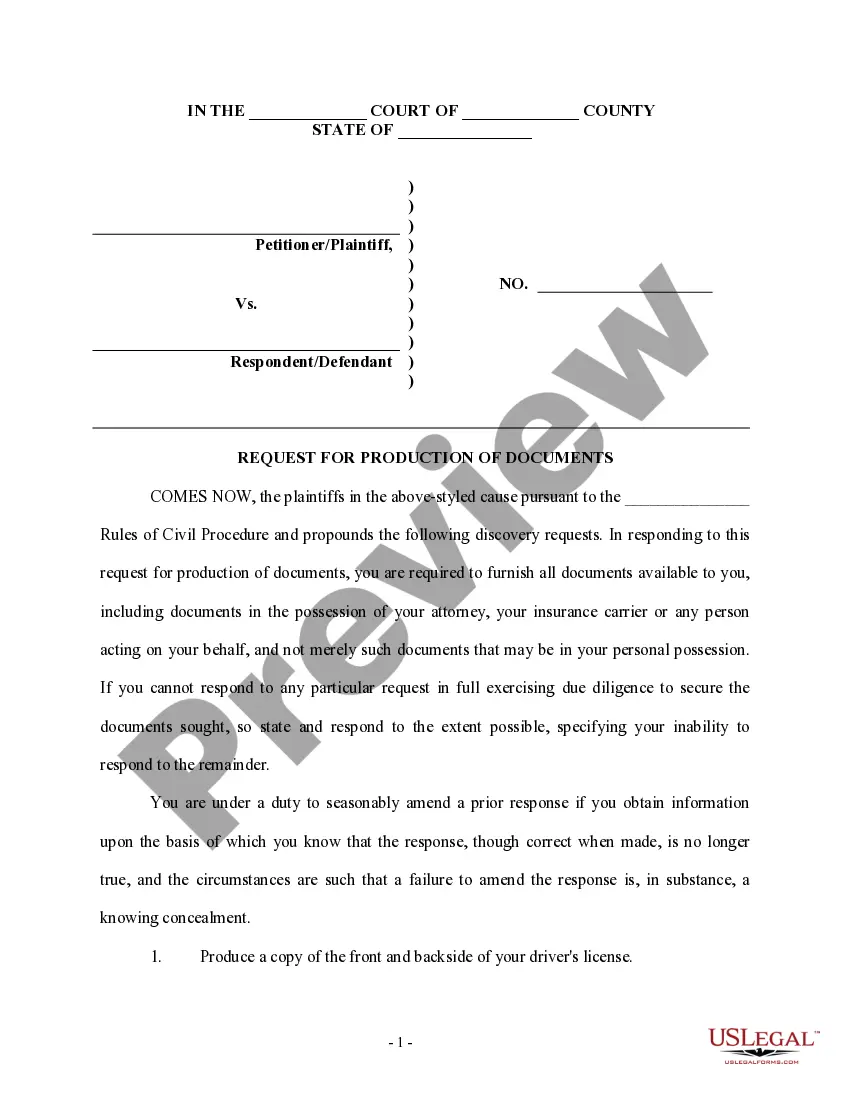

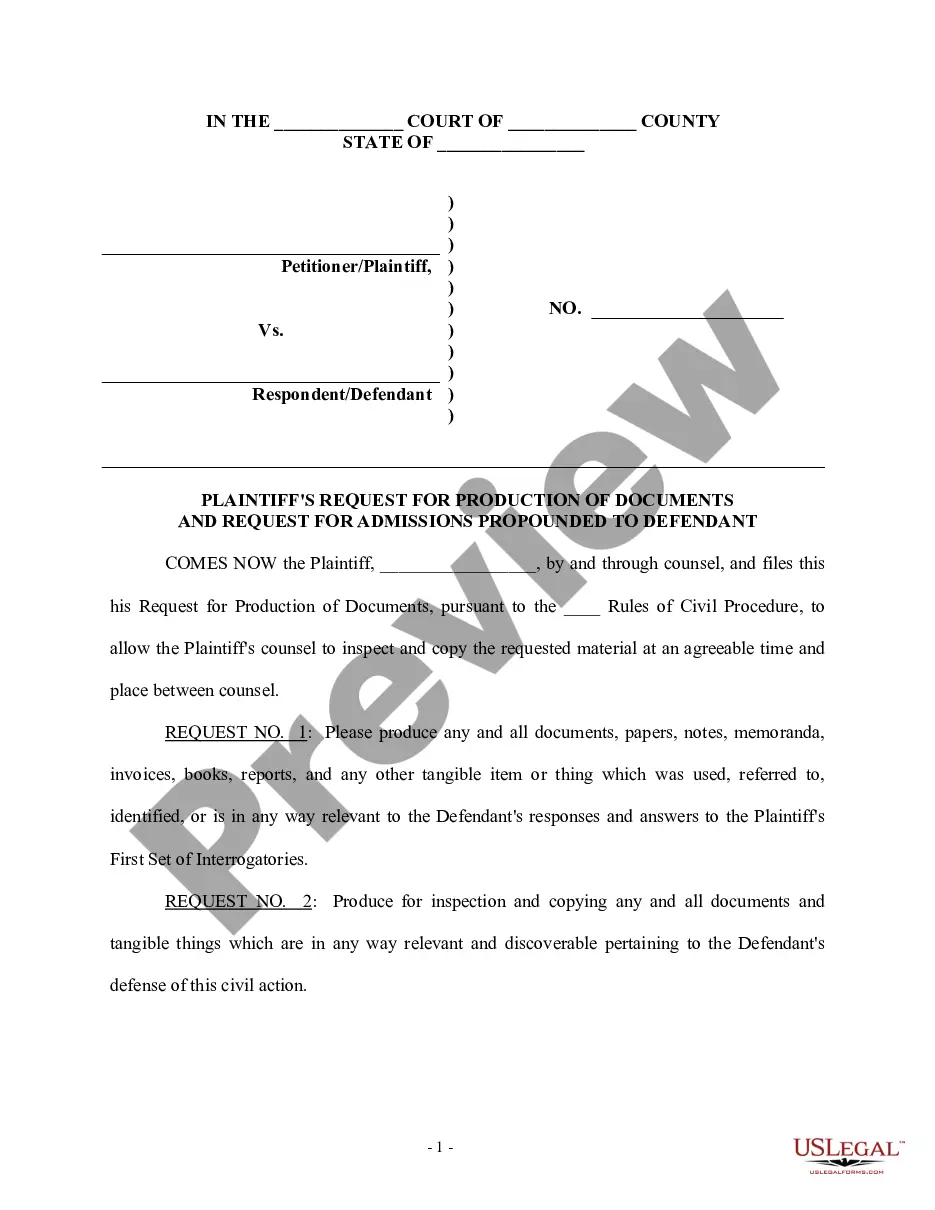


How to fill out Notice Of 30(b)(6) Deposition Of Defendant And 30(b)(5) Request For Production Of Documents And Or Things - Discovery?
Creating legal documents from the ground up can often be intimidating.
Certain situations may require extensive research and considerable financial investment.
If you are looking for a more straightforward and cost-effective method of preparing 30 (b)(6) Depositions or any other documentation without excessive hurdles, US Legal Forms is consistently available for you.
Our online collection of more than 85,000 contemporary legal forms covers nearly every aspect of your financial, legal, and personal affairs. With just a handful of clicks, you can quickly access state- and county-specific templates meticulously crafted for you by our legal professionals.
Review the document preview and descriptions to confirm that you are viewing the correct form. Verify that the form you choose adheres to the regulations and laws of your state and county. Select the most appropriate subscription plan to acquire the 30 (b)(6) Deposition. Download the form, then complete, validate, and print it. US Legal Forms has a solid reputation and over 25 years of expertise. Join us today and make the process of completing documents simple and efficient!
- Utilize our platform whenever you require a dependable and trustworthy service from which you can effortlessly locate and download the 30 (b)(6) Deposition.
- If you are familiar with our services and have formerly set up an account with us, simply Log In to your account, choose the form, and download it or re-download it anytime from the My documents section.
- No account? No worries. Setting it up and navigating the catalog takes just a few minutes.
- Before you rush to download the 30 (b)(6) Deposition, consider these suggestions.
Form popularity
FAQ
Yes, you can use testimony obtained from a 30(b)(6) deposition in court. This testimony can serve as critical evidence, providing insight into the corporation's knowledge and positions on various issues. Ensuring accurate documentation during the deposition is essential for effectively using the testimony at trial.
Typically, you have a limited time frame to object to a 30(b)(6) deposition notice, often within a few days after receiving it. Check your local rules or agreements to confirm specific deadlines. Prompt objections can facilitate a smoother legal process and avoid complications during the actual deposition.
Generally, you should raise any objections to 30(b)(6) deposition topics as soon as possible. The specific timeline may vary, but it’s advisable to notify the opposing party within a reasonable timeframe. Being prompt helps ensure that any challenges regarding the topics are appropriately addressed before the deposition.
A 30(b)(6) deposition is a legal process where a corporation must produce a representative to testify on topics specified in a notice. This type of deposition allows for gathering information from the corporation directly, rather than individual employees. Through a 30(b)(6) deposition, legal teams can address matters effectively that impact their cases.
A 30(b)(6) notice of deposition is a formal document that informs a corporation about the intention to take a deposition on specific topics. This notice is crucial as it requires the corporation to prepare and designate a representative knowledgeable about the topics outlined. Understanding this notice is essential for a smooth 30(b)(6) deposition process.
Conducting a 30(b)(6) deposition involves several steps. Start by reviewing the designated topics from the notice. Prepare a structured list of questions that align with those topics, ensuring clarity during the deposition. Finally, maintain a professional demeanor to elicit honest and thorough answers during the 30(b)(6) deposition.
To take a 30(b)(6) deposition, you must first serve a notice of deposition on the corporation. This notice should specify the topics you want the representative to cover. After the notice is served, the corporation must designate someone knowledgeable about these topics to testify. Preparing well by outlining your questions and understanding the topics can lead to a successful 30(b)(6) deposition.
Typically, an organization has a specific timeframe to respond to a 30 (b)(6) notice, often around 30 days. However, this can vary based on jurisdiction and the complexity of the topics listed in the notice. Prompt and thorough responses help streamline the deposition process, allowing for better preparation and clearer communication. Platforms like US Legal Forms can assist in managing the notice and response efficiently.
A 30 (b)(6) deposition is a specific type of deposition where an organization designates one or more representatives to testify on its behalf. This process allows for the organization to present information on topics related to its activities or policies. It ensures that the witness has the authority to speak for the entity, making it a vital tool in legal proceedings. Utilizing this type of deposition can significantly enhance the clarity of your case.
Taking a 30 (b)(6) deposition involves notifying the corporation of the topics you want to discuss. This notice must be specific and outline the areas of inquiry clearly. After serving the notice, prepare thoroughly to ensure you can interrogate the witness effectively. During the deposition, focus on obtaining valuable information that addresses the outlined topics.