Verdict For Trial Format
Description
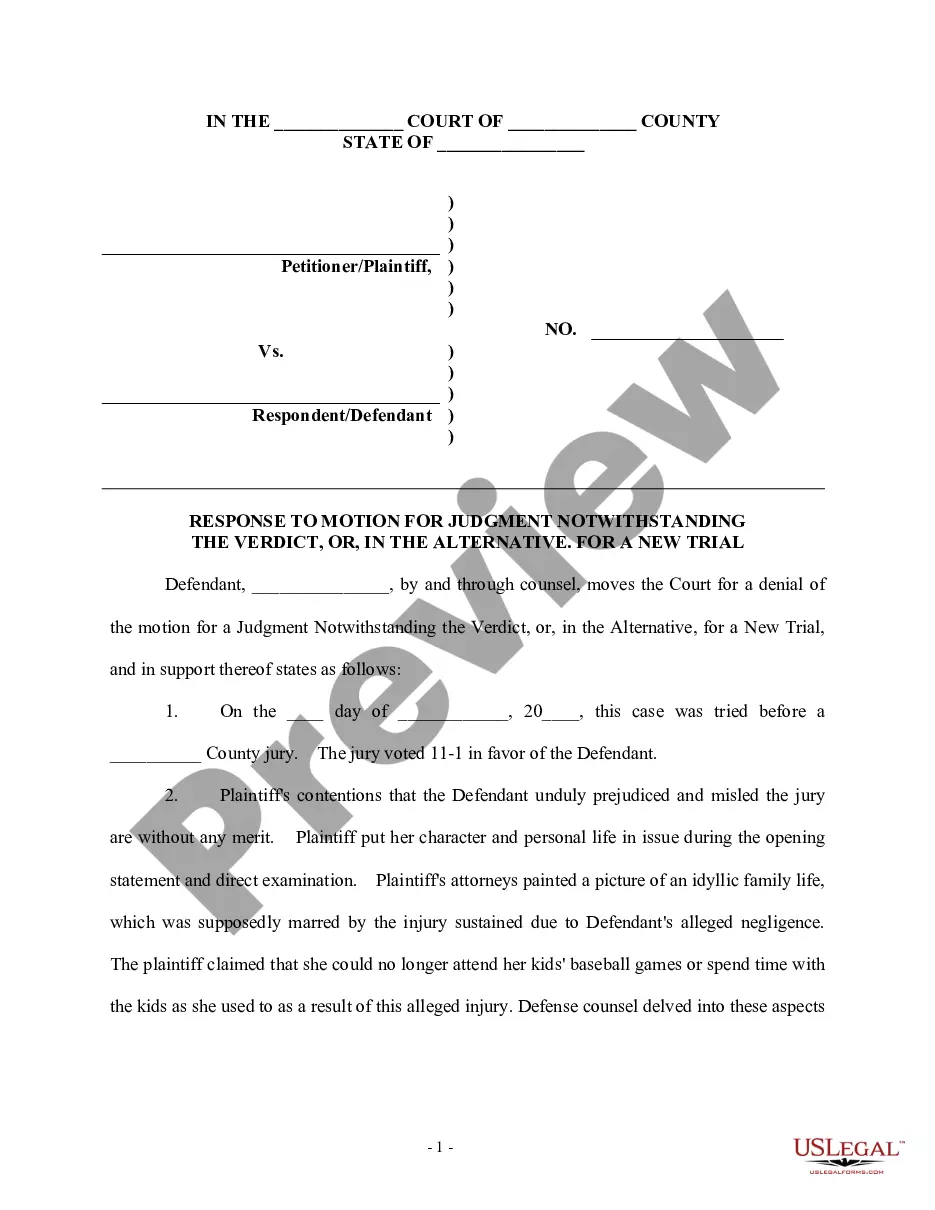
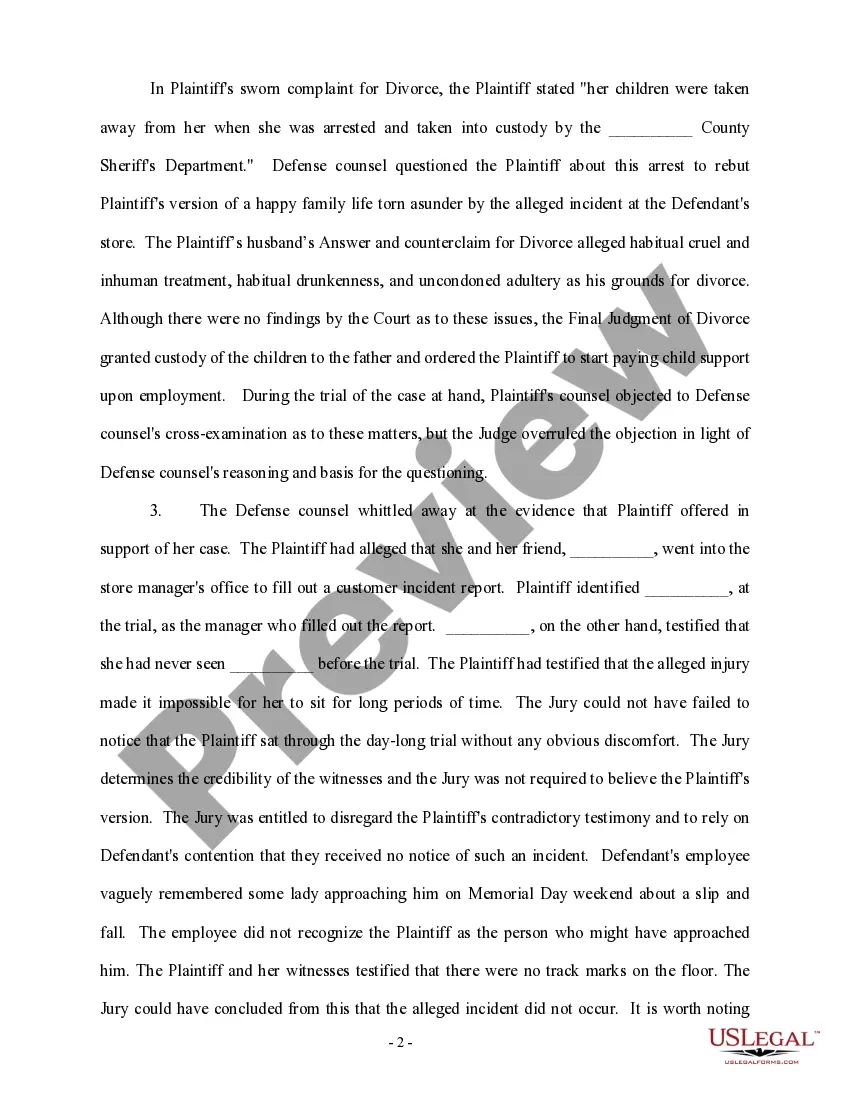
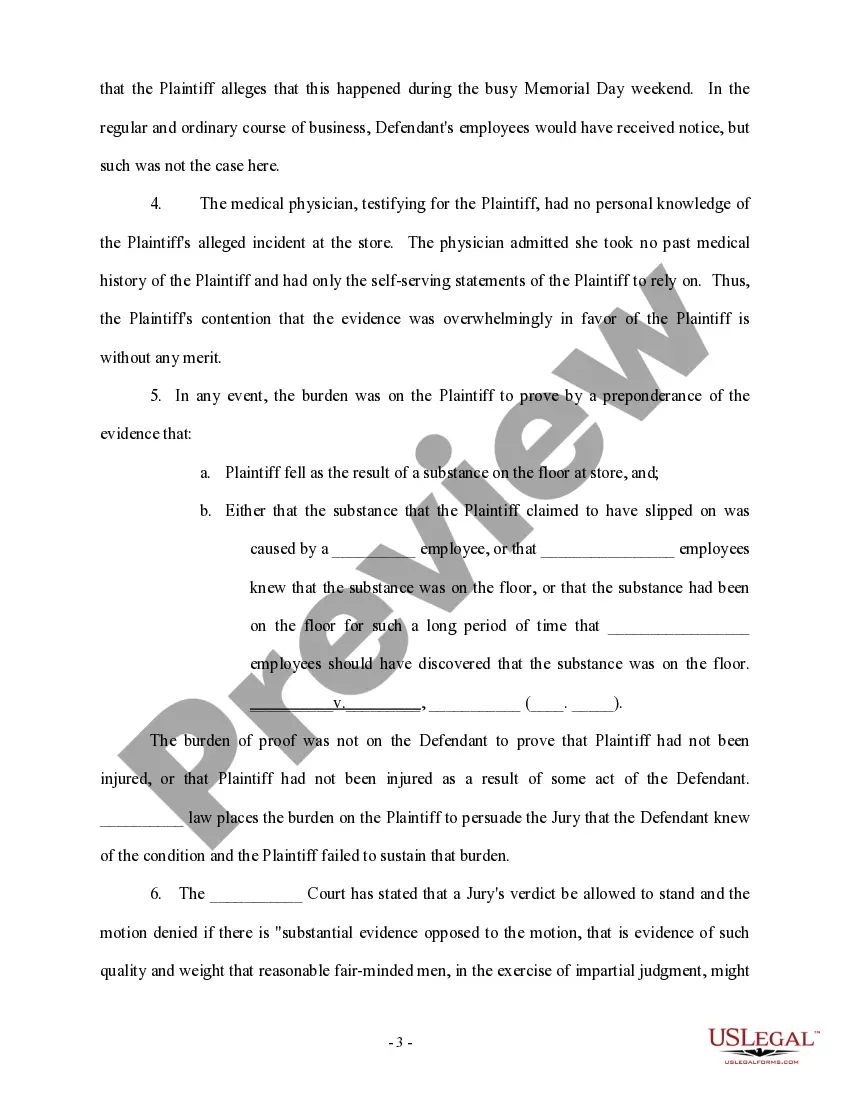
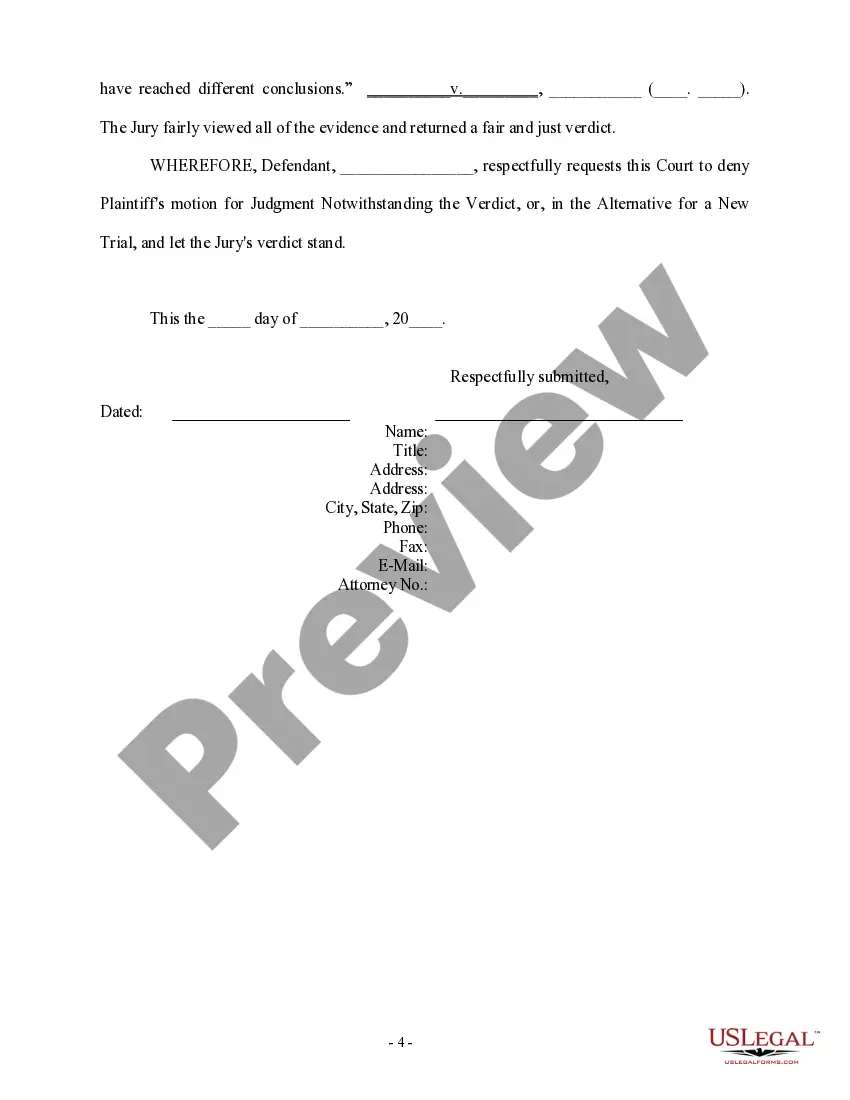
Get your form ready online
Our built-in tools help you complete, sign, share, and store your documents in one place.
Make edits, fill in missing information, and update formatting in US Legal Forms—just like you would in MS Word.
Download a copy, print it, send it by email, or mail it via USPS—whatever works best for your next step.
Sign and collect signatures with our SignNow integration. Send to multiple recipients, set reminders, and more. Go Premium to unlock E-Sign.
If this form requires notarization, complete it online through a secure video call—no need to meet a notary in person or wait for an appointment.
We protect your documents and personal data by following strict security and privacy standards.

Make edits, fill in missing information, and update formatting in US Legal Forms—just like you would in MS Word.

Download a copy, print it, send it by email, or mail it via USPS—whatever works best for your next step.

Sign and collect signatures with our SignNow integration. Send to multiple recipients, set reminders, and more. Go Premium to unlock E-Sign.

If this form requires notarization, complete it online through a secure video call—no need to meet a notary in person or wait for an appointment.

We protect your documents and personal data by following strict security and privacy standards.
Looking for another form?

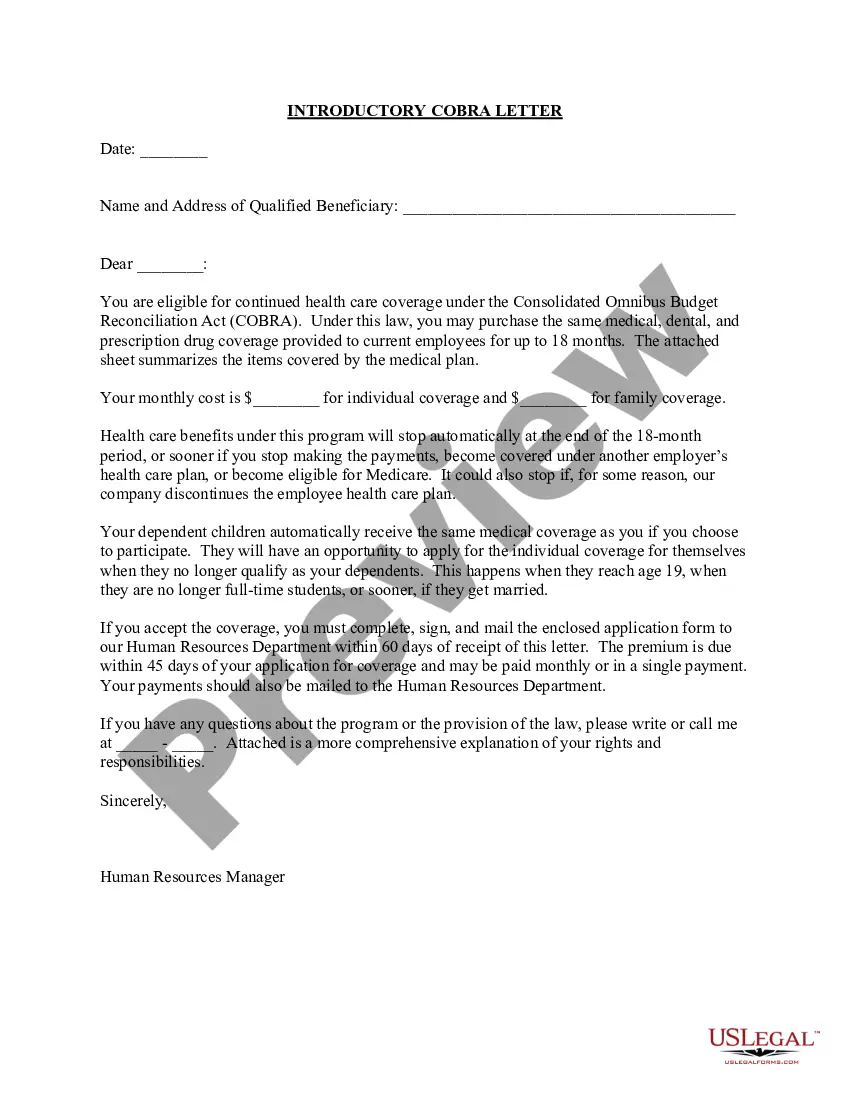

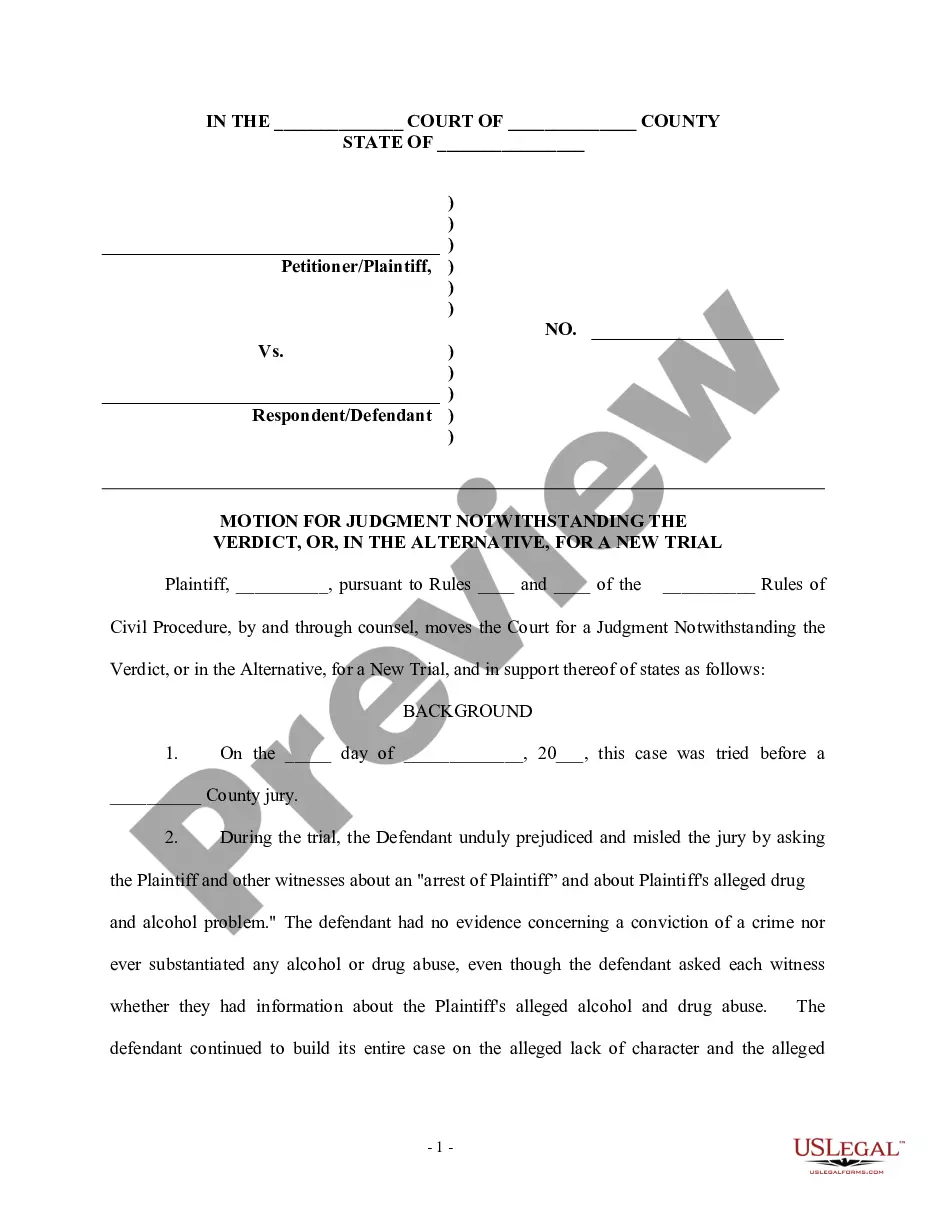
How to fill out Response To Motion For Judgment Notwithstanding The Verdict, Or In The Alternative, For A New Trial?
Managing legal documents can be daunting, even for the most experienced individuals.
When you require a Verdict For Trial Format and lack the time to search for the right and updated version, the process can become frustrating.
- A comprehensive online form repository could be transformative for anyone looking to handle these situations effectively.
- US Legal Forms is a leading provider in online legal forms, offering over 85,000 state-specific legal documents available at any time.
- With US Legal Forms, you can streamline your legal paperwork needs.
Form popularity
FAQ
To obtain a directed verdict, a party must request the judge to rule in their favor based on the evidence presented. This typically occurs when there is insufficient evidence for a reasonable jury to reach a different conclusion. Understanding how to navigate this process is crucial within the context of the verdict for trial format, and platforms like uslegalforms can provide the necessary resources to assist you.
The number of votes needed for a verdict often depends on the type of case and the jurisdiction. In many civil cases, a simple majority is sufficient, while criminal cases typically require a unanimous verdict. Knowing the voting requirements is essential when understanding the verdict for trial format and its implications.
A verdict is typically given after the jury has completed its deliberations and reached a consensus on the case. The jury foreperson announces the verdict in court, reading it aloud to the judge and the parties involved. This process underscores the significance of the verdict for trial format, as it formally concludes the jury's role in the trial.
A good sentence for a verdict should be clear and concise, stating the jury's decision directly. For instance, it might read, 'We find the defendant liable for damages as outlined in the evidence presented.' Crafting a precise sentence is vital for clarity in the verdict for trial format.
A verdict letter is a formal written communication from the jury to the court, indicating their decision after deliberation. This letter typically summarizes the jurors' findings and serves as the official record of the verdict. Understanding the verdict for trial format includes recognizing the importance of this letter in the judicial process.
Jurors should never discuss the case outside of the jury room or conduct any independent research regarding the case. These actions can compromise the integrity of the trial and lead to a mistrial. Adhering to these guidelines is essential to uphold the fairness inherent in the verdict for trial format.
The verdict form is a document that jurors use to communicate their final decision in a trial. It typically outlines the questions the jury must answer regarding the case, such as liability and damages. Understanding the verdict for trial format is crucial, as it ensures clarity in the jurors' decision-making process and helps the court record the outcome accurately.
A verdict statement is a formal declaration made by a jury at the conclusion of a trial. It summarizes the jury's findings and decision regarding the charges against the defendant. This statement is an integral part of the verdict for trial format, as it provides a clear account of the jury's conclusion. Properly documenting the verdict statement ensures that the court accurately reflects the jury's determination.
When writing to a judge before sentencing, express your thoughts respectfully and concisely. Begin by stating your relationship to the case, then share any relevant information that may influence the judge's decision. Highlighting considerations such as the defendant's character can be helpful. Always ensure your correspondence adheres to the formalities of the verdict for trial format to maintain professionalism.
To write a verdict in a sentence, start with a clear statement of the jury's decision. Use direct language, such as 'The jury finds the defendant guilty of the charges.' This approach aligns with the verdict for trial format, ensuring that the message is straightforward and easily understood. Clarity in wording is essential for effective legal communication.