Supplemental Discovery Example For Job Applications
Description
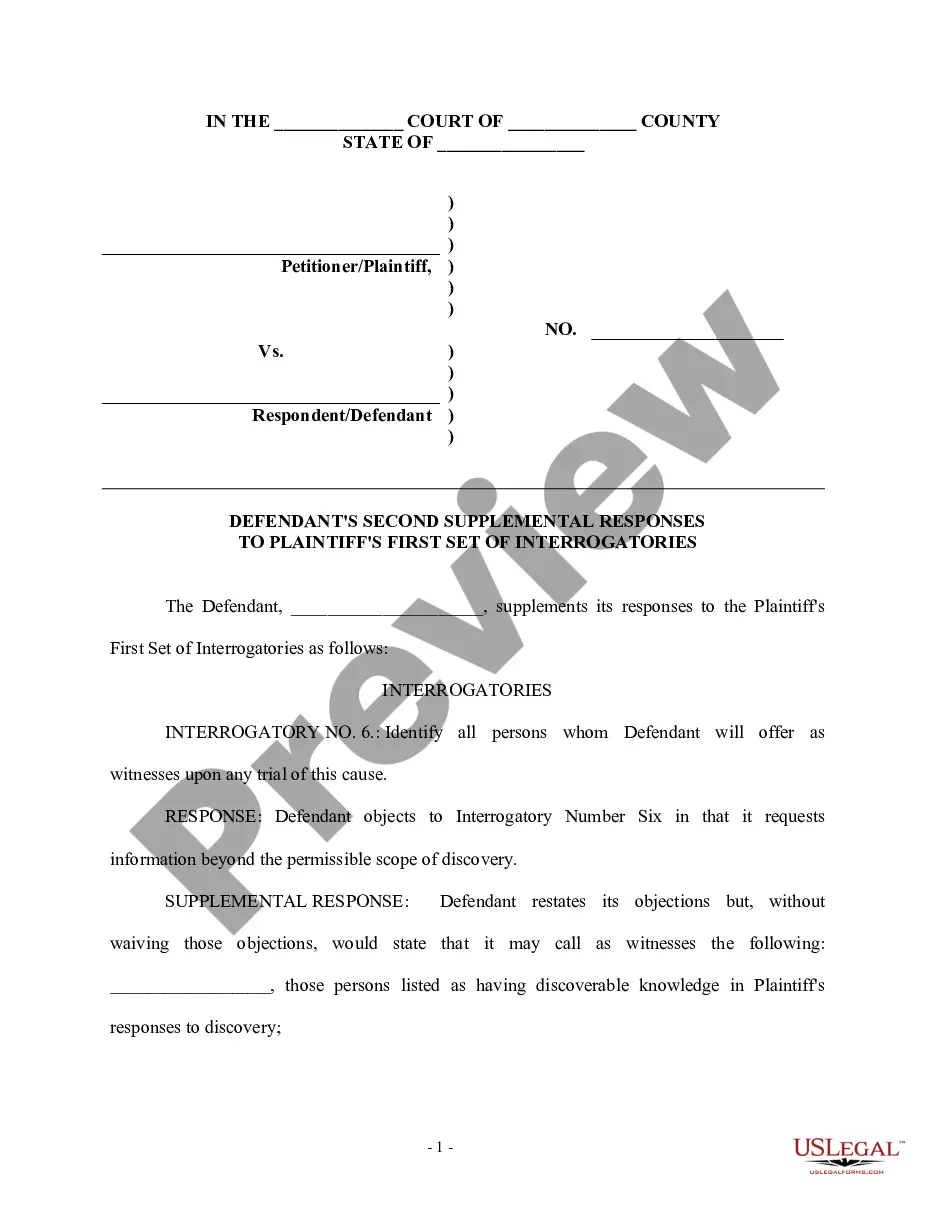
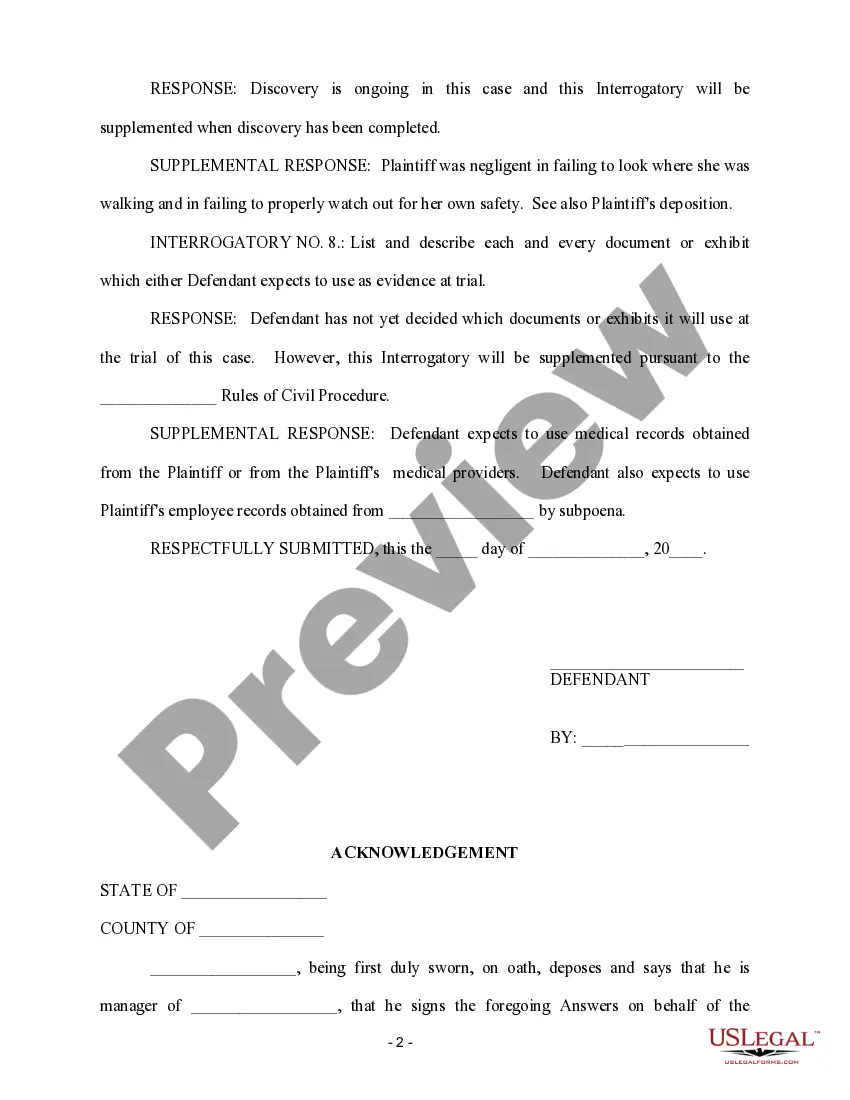
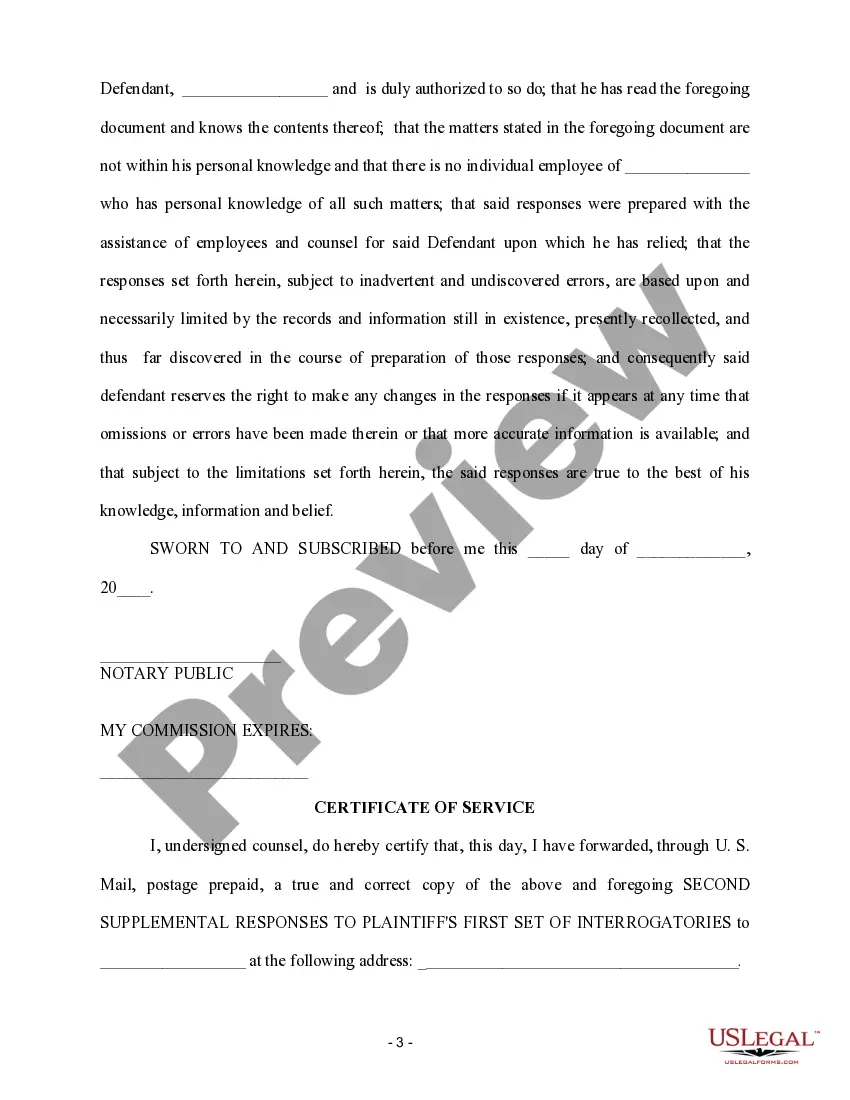

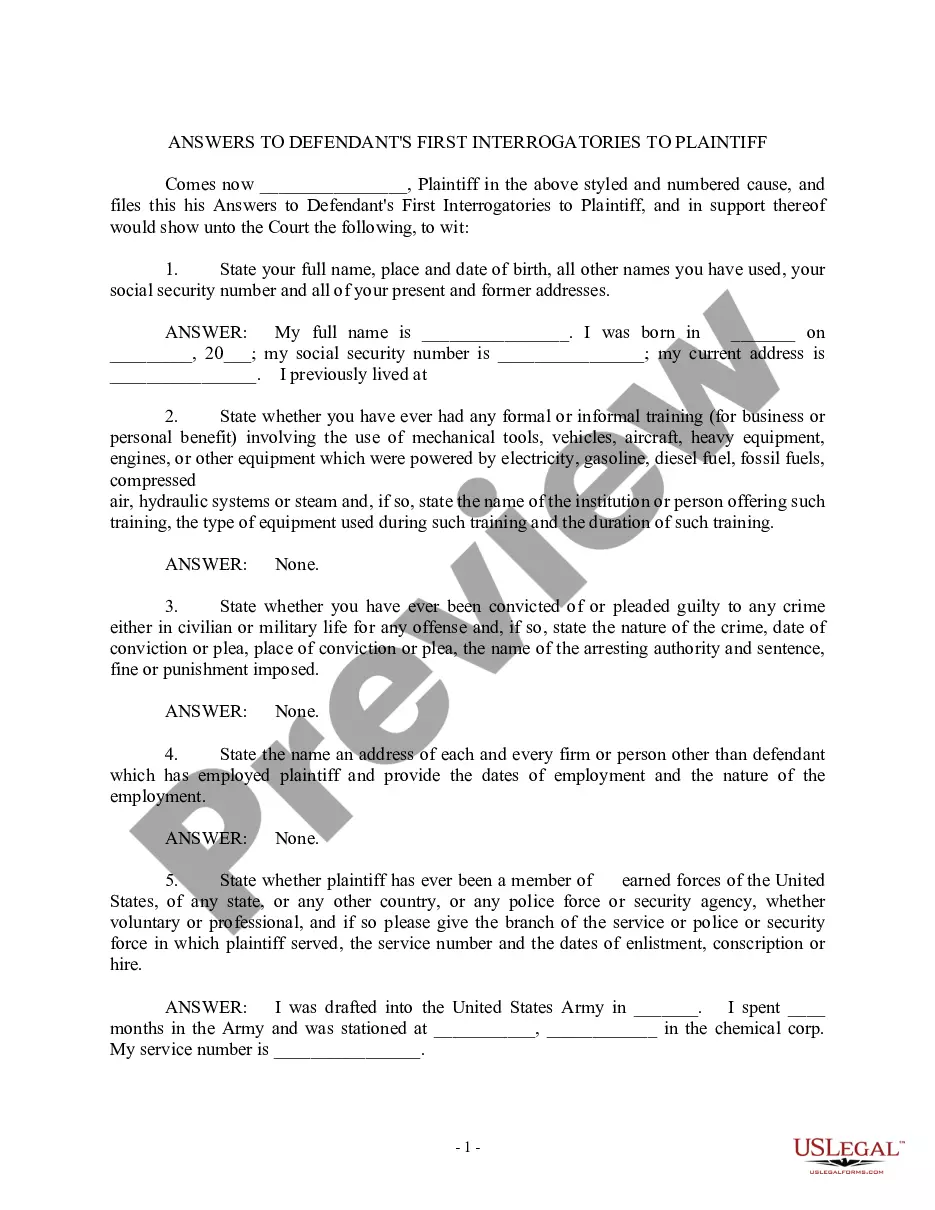
Get your form ready online
Our built-in tools help you complete, sign, share, and store your documents in one place.
Make edits, fill in missing information, and update formatting in US Legal Forms—just like you would in MS Word.
Download a copy, print it, send it by email, or mail it via USPS—whatever works best for your next step.
Sign and collect signatures with our SignNow integration. Send to multiple recipients, set reminders, and more. Go Premium to unlock E-Sign.
If this form requires notarization, complete it online through a secure video call—no need to meet a notary in person or wait for an appointment.
We protect your documents and personal data by following strict security and privacy standards.

Make edits, fill in missing information, and update formatting in US Legal Forms—just like you would in MS Word.

Download a copy, print it, send it by email, or mail it via USPS—whatever works best for your next step.

Sign and collect signatures with our SignNow integration. Send to multiple recipients, set reminders, and more. Go Premium to unlock E-Sign.

If this form requires notarization, complete it online through a secure video call—no need to meet a notary in person or wait for an appointment.

We protect your documents and personal data by following strict security and privacy standards.
Looking for another form?

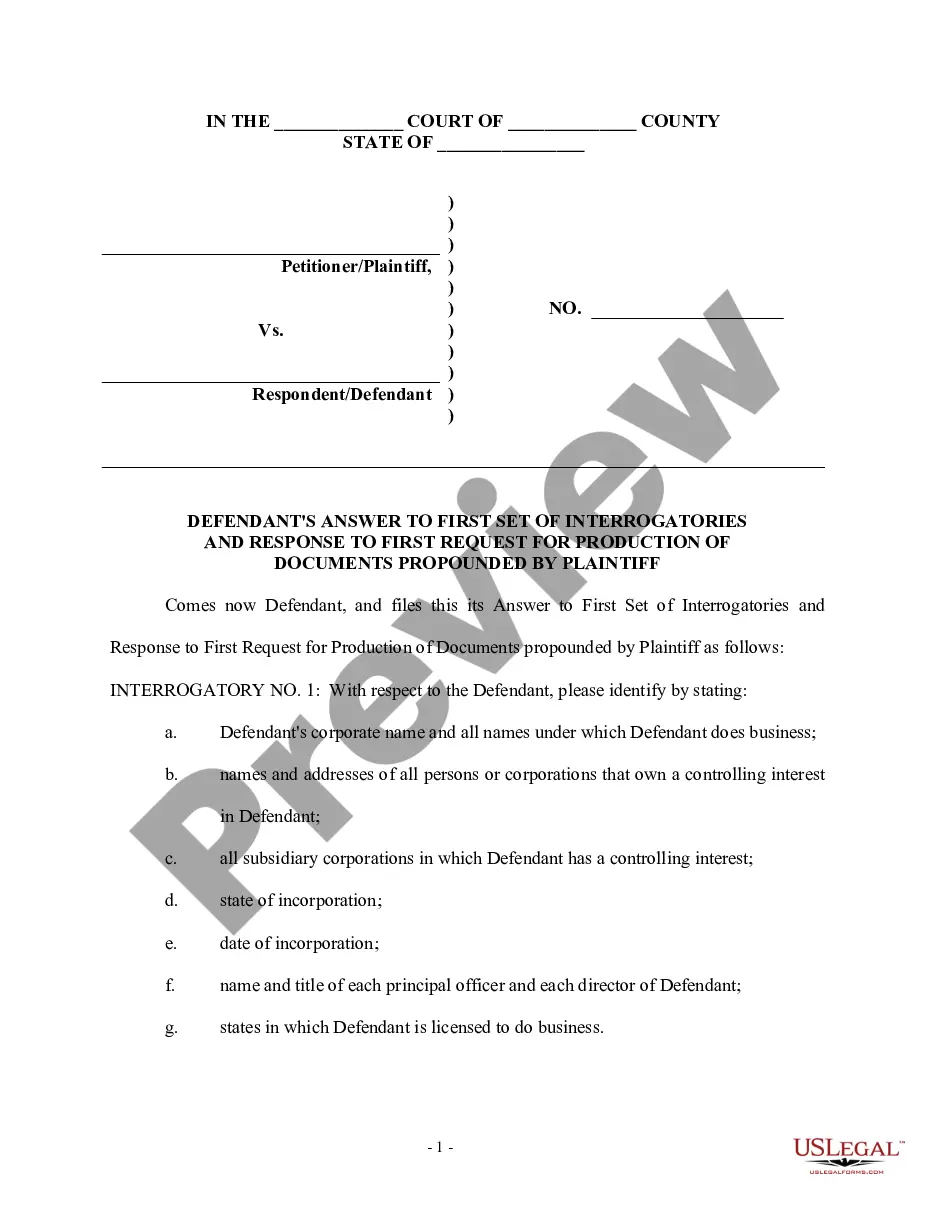
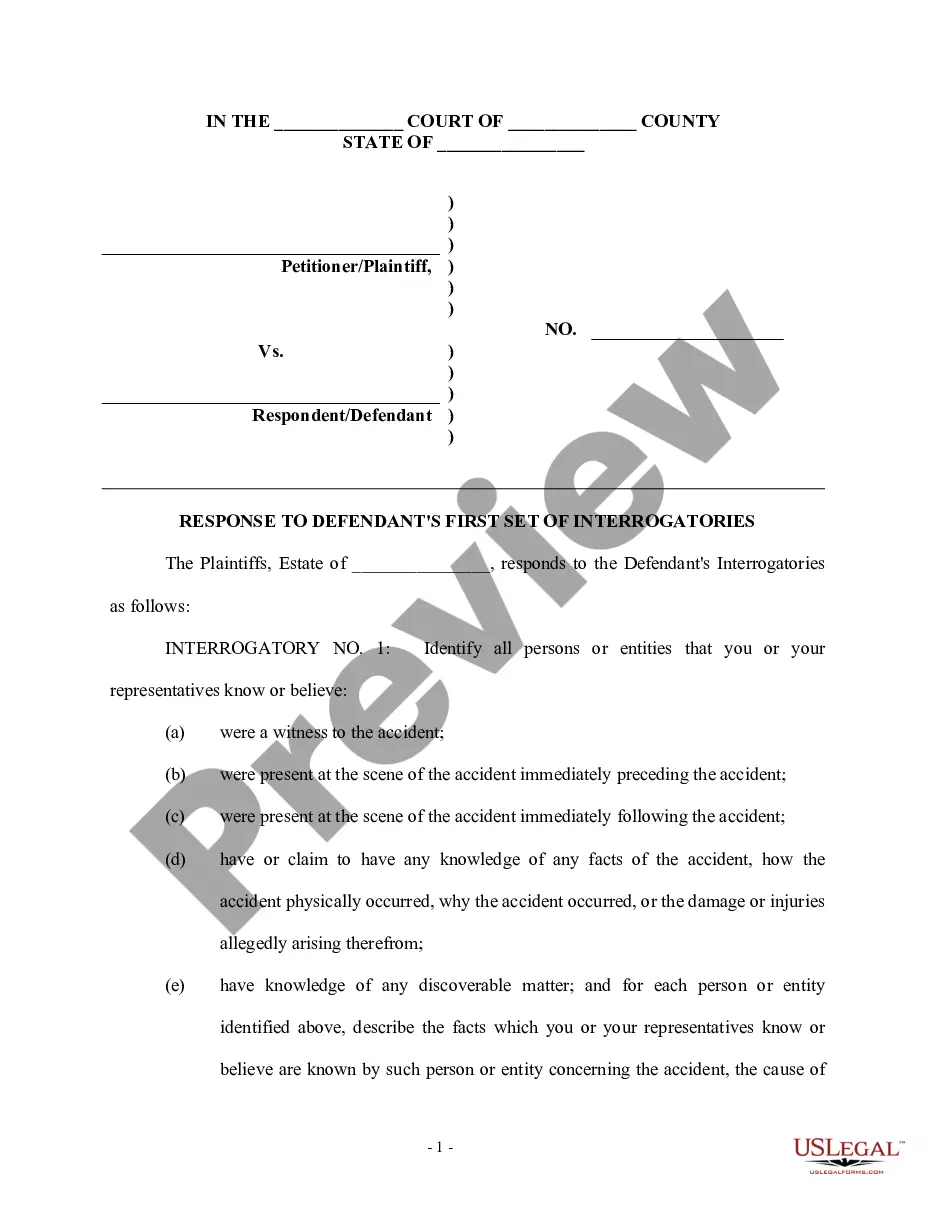
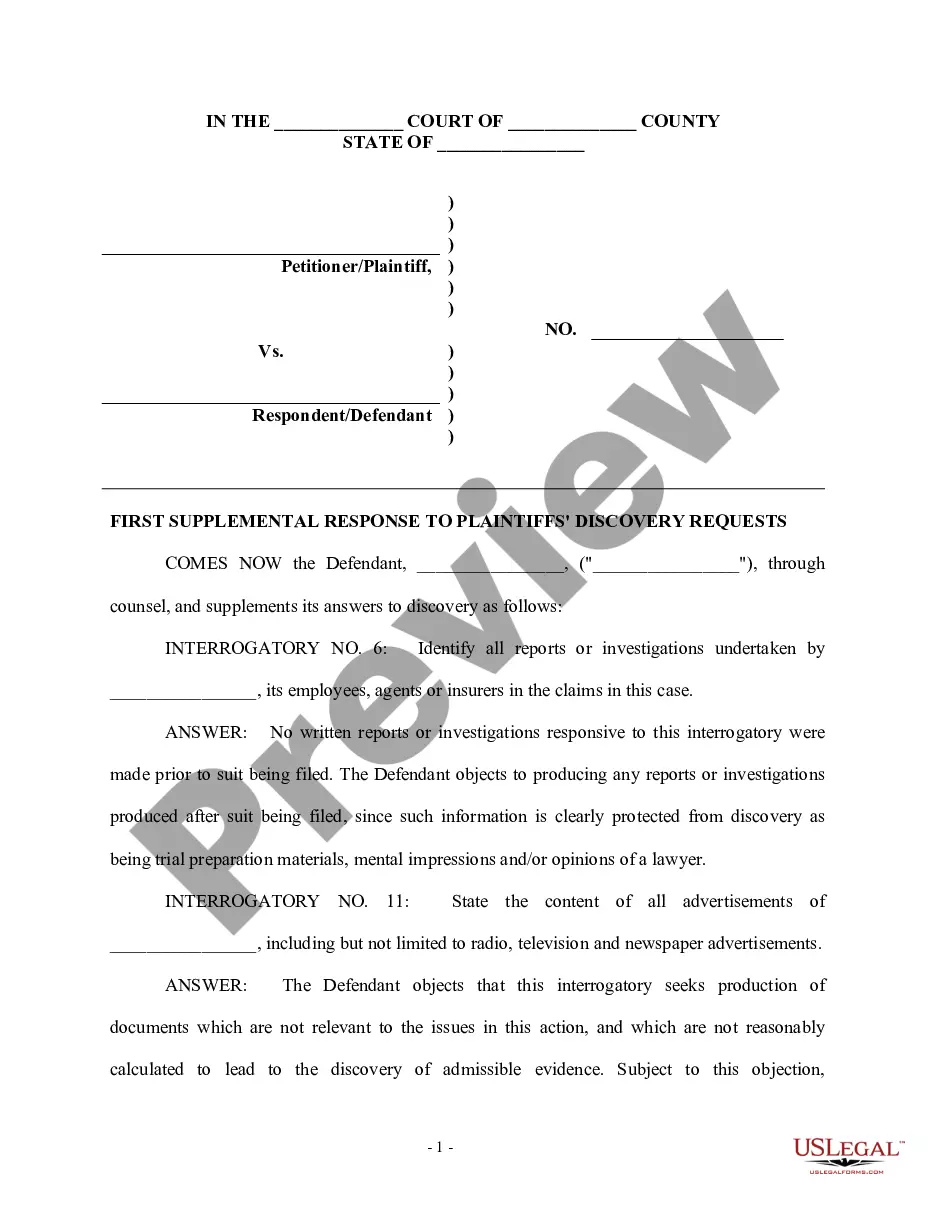
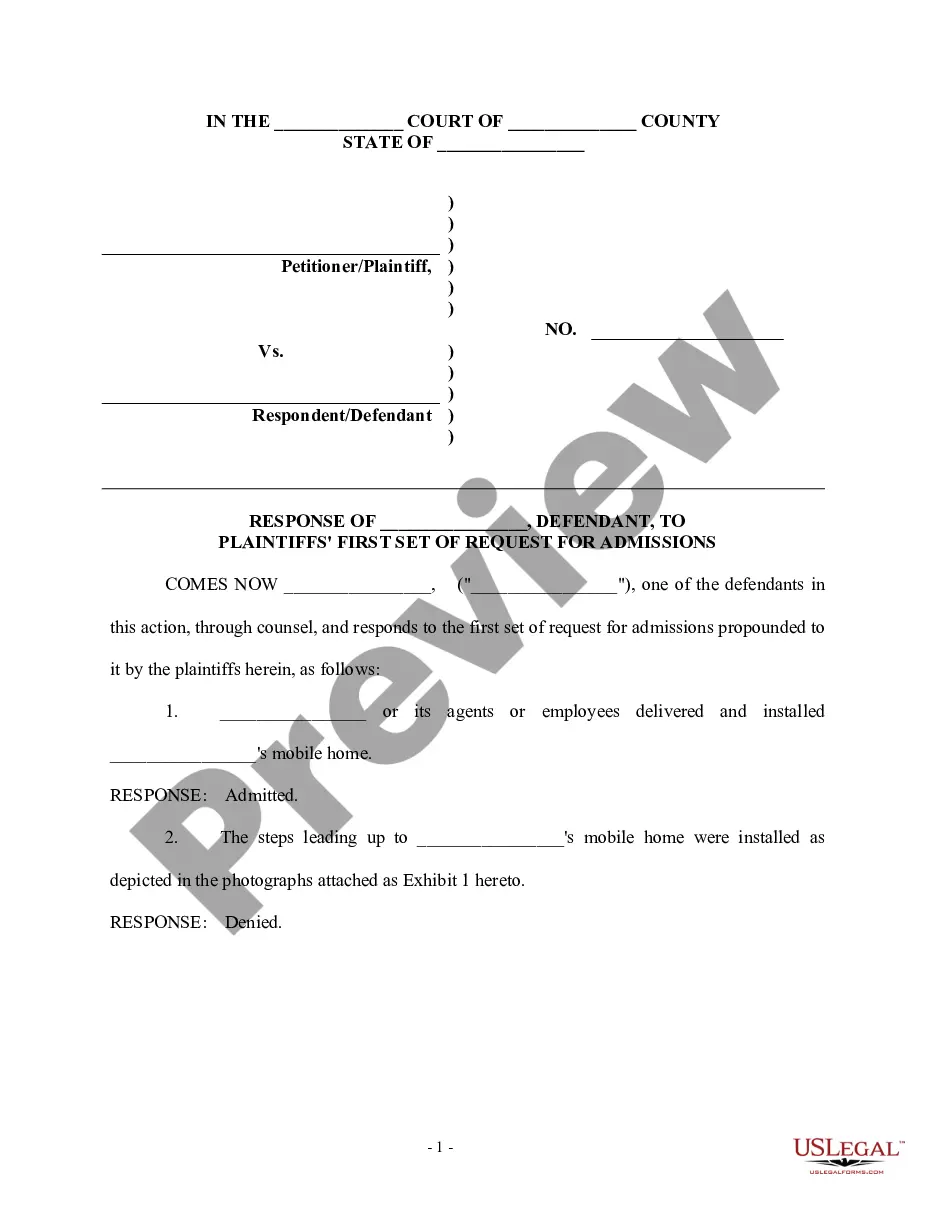
How to fill out Second Supplemental Responses To Plaintiff's First Set Of Interrogatories?
It’s common knowledge that you cannot instantly become a legal authority, nor can you understand how to swiftly create a Supplemental Discovery Example For Job Applications without possessing a unique skill set.
Assembling legal documents is a lengthy process that demands specific training and expertise. So why not entrust the development of the Supplemental Discovery Example For Job Applications to the experts.
With US Legal Forms, one of the most extensive legal template collections, you can find everything from court documents to templates for internal business communication.
You can regain access to your documents from the My documents section at any time. If you are a current customer, you can simply Log In, and find and download the template from the same section.
Regardless of the intent of your documentation—whether it’s financial and legal, or personal—our site has you covered. Try US Legal Forms now!
- Understand the document you require using the search bar at the top of the site.
- Review it (if this option is available) and evaluate the accompanying description to see if Supplemental Discovery Example For Job Applications is what you need.
- Restart your search if you need any additional template.
- Create a complimentary account and choose a subscription plan to obtain the template.
- Click Buy now. Once the payment is processed, you can download the Supplemental Discovery Example For Job Applications, complete it, print it, and send or mail it to the necessary individuals or organizations.
Form popularity
FAQ
When adding additional files to a job application, consider including your resume, cover letter, and any relevant certifications. You might also add a portfolio or work samples that demonstrate your skills. Always ensure that these files are well-organized and clearly labeled. This approach can enhance your application and serve as a practical supplemental discovery example for job applications.
To answer supplemental questions on a job application, read each question carefully and provide specific examples from your experience. Be concise, yet thorough, when explaining how your background relates to the job. It’s important to stay relevant and focus on the qualities that make you a suitable candidate. This method will create a strong supplemental discovery example for job applications.
Supplemental information on a job application refers to any additional data that supports your candidacy. This can encompass work history, skills, and other personal attributes that make you a strong fit for the job. By providing this information, you can clarify your experiences and qualifications. It can serve as an effective supplemental discovery example for job applications.
Examples of supplemental information might consist of letters of recommendation, transcripts, or portfolios of work. Each piece can demonstrate your skills and achievements in a way that a standard resume cannot. This kind of information enriches your application, making it more compelling. It's a great approach to highlight your strengths in the context of a supplemental discovery example for job applications.
An example of supplemental information on a job application could include details about certifications, volunteer experiences, or specific projects relevant to the position. This information allows you to showcase your unique qualifications and skills. By including such details, you provide a fuller picture of your capabilities. This strategy serves as a valuable supplemental discovery example for job applications.
Supplemental questions on a job application are inquiries that seek additional details beyond your basic information. These questions often help employers assess your qualifications more effectively. For instance, they may ask about your specific skills or experiences related to the job. A clear understanding of these questions can enhance your application, providing a solid supplemental discovery example for job applications.
The 3 C's for a job application refer to clarity, conciseness, and completeness. Clarity ensures that your application conveys your qualifications without confusion. Conciseness keeps your information direct and to the point, making it easier for recruiters to read. Completeness means including all relevant details about your experience and skills, which is crucial for any supplemental discovery example for job applications.
You are obligated to supplement your discovery responses when you learn that your previous answers are incomplete or incorrect. This duty ensures that all parties have access to the most accurate information throughout the process. For job applications, this might mean disclosing new job offers or changes in employment status. Staying diligent in this obligation can enhance your credibility.
Supplemental discovery refers to the process of providing additional information or documents after the initial discovery phase. This may occur when new evidence is found or when existing information needs clarification. In the context of job applications, it could involve updated employment records or new references. Ensuring timely supplemental discovery helps maintain transparency.
The supplemental discovery rule allows parties to update or add information that may become relevant during the discovery process. This rule ensures that both sides have access to the most current information. For example, if new evidence emerges regarding job applications, it must be disclosed. Understanding this rule can be crucial for your case.