Summary Judgment Explained Withstand
Description
Get your form ready online
Our built-in tools help you complete, sign, share, and store your documents in one place.
Make edits, fill in missing information, and update formatting in US Legal Forms—just like you would in MS Word.
Download a copy, print it, send it by email, or mail it via USPS—whatever works best for your next step.
Sign and collect signatures with our SignNow integration. Send to multiple recipients, set reminders, and more. Go Premium to unlock E-Sign.
If this form requires notarization, complete it online through a secure video call—no need to meet a notary in person or wait for an appointment.
We protect your documents and personal data by following strict security and privacy standards.

Make edits, fill in missing information, and update formatting in US Legal Forms—just like you would in MS Word.

Download a copy, print it, send it by email, or mail it via USPS—whatever works best for your next step.

Sign and collect signatures with our SignNow integration. Send to multiple recipients, set reminders, and more. Go Premium to unlock E-Sign.

If this form requires notarization, complete it online through a secure video call—no need to meet a notary in person or wait for an appointment.

We protect your documents and personal data by following strict security and privacy standards.
Looking for another form?

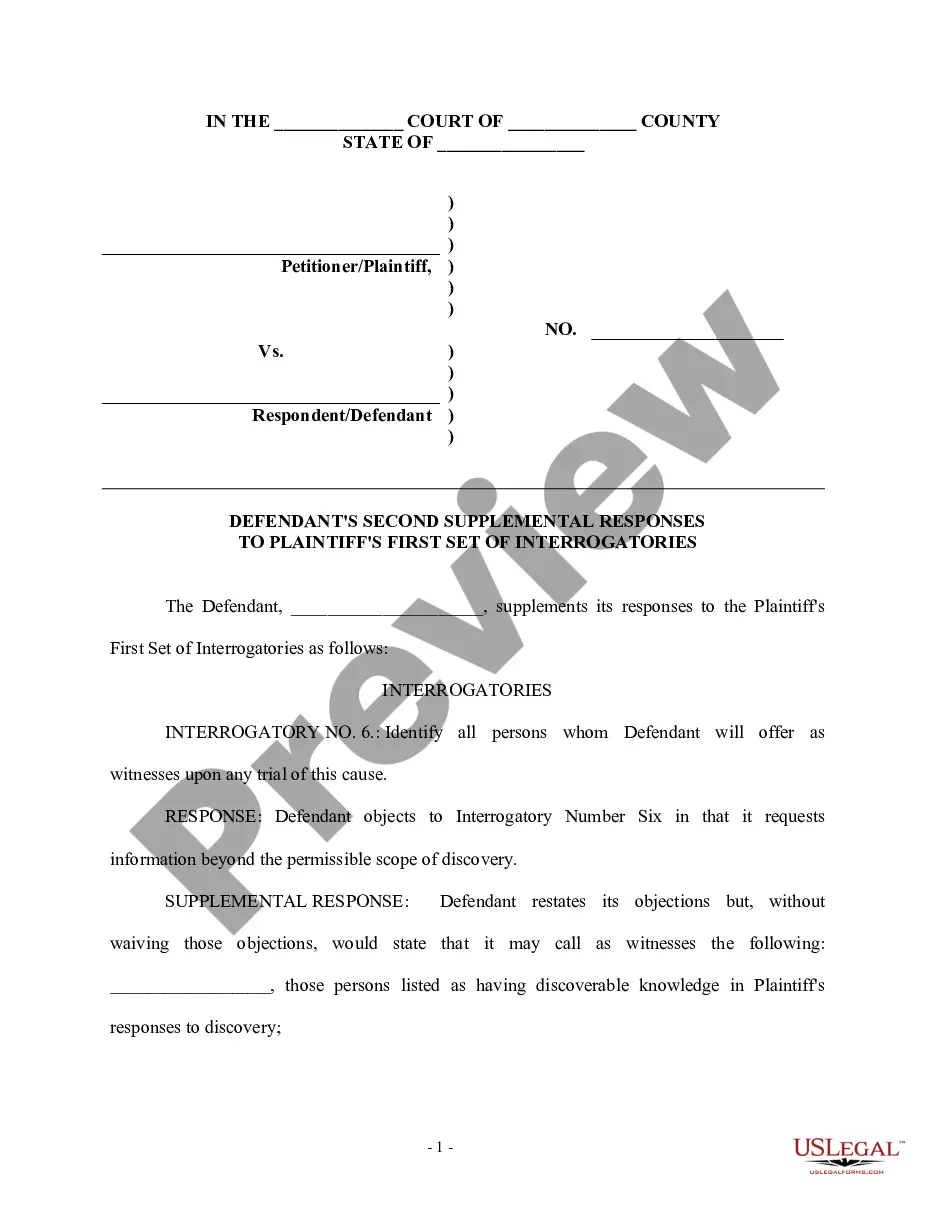
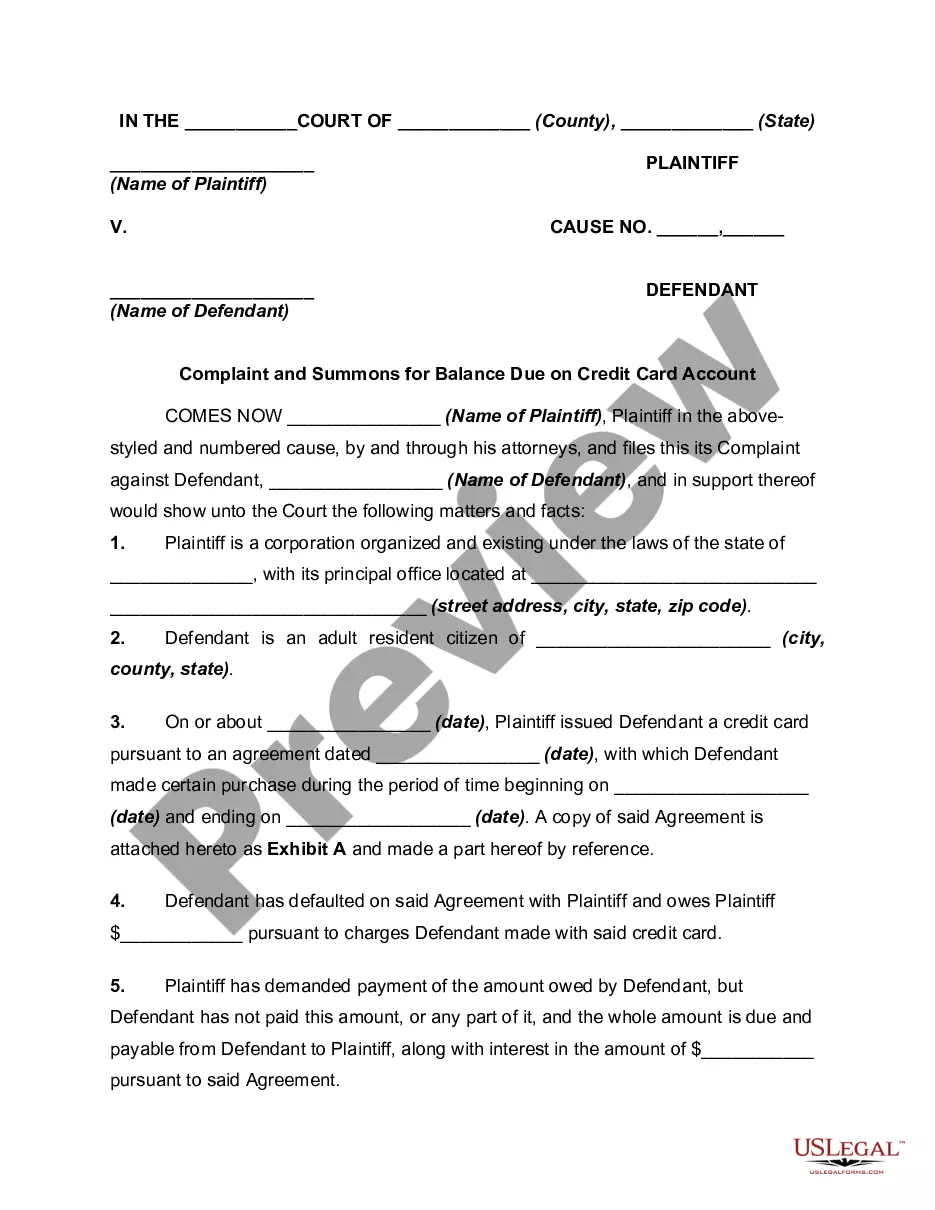
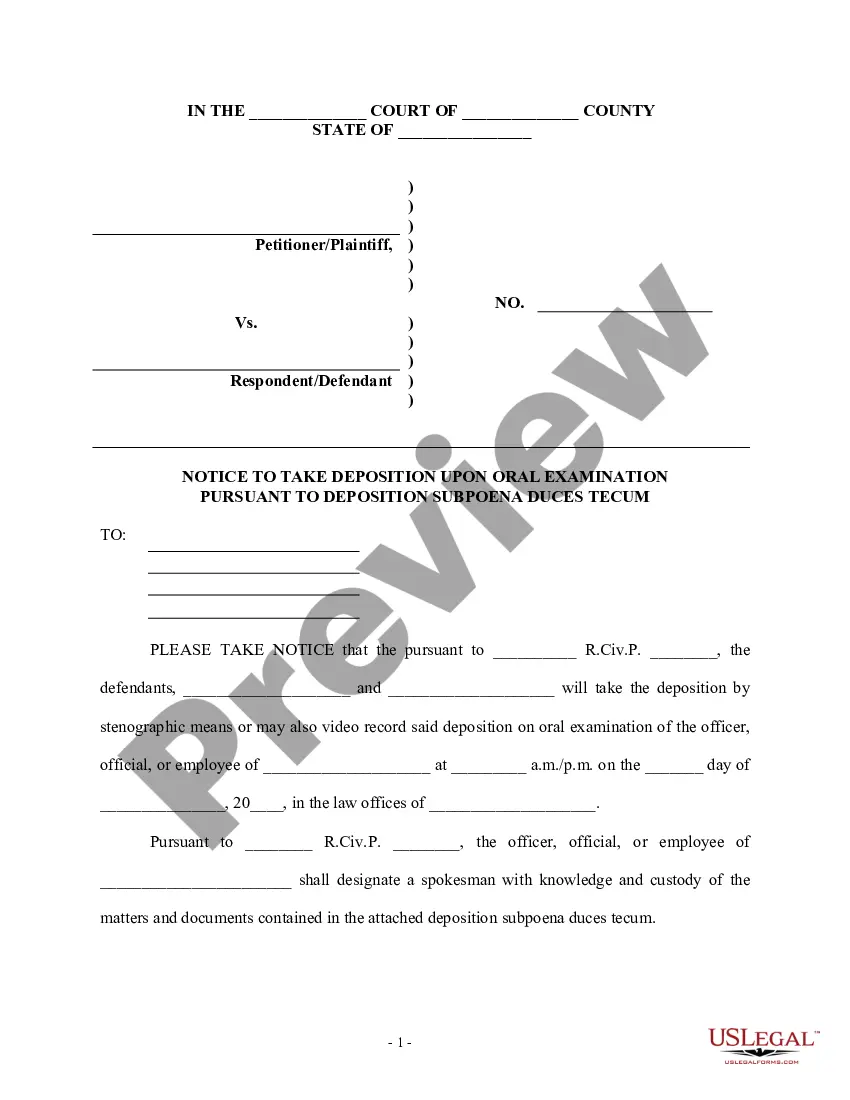
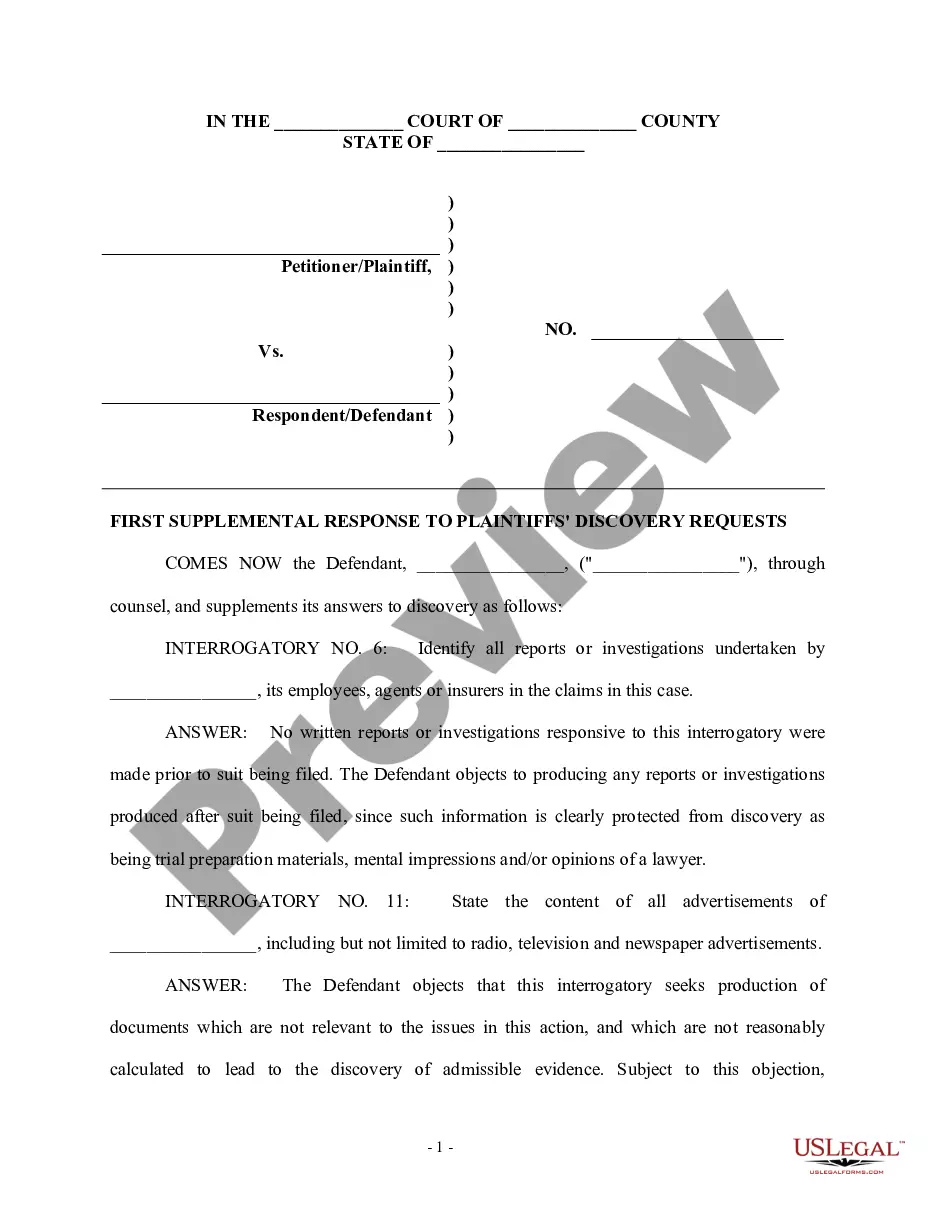
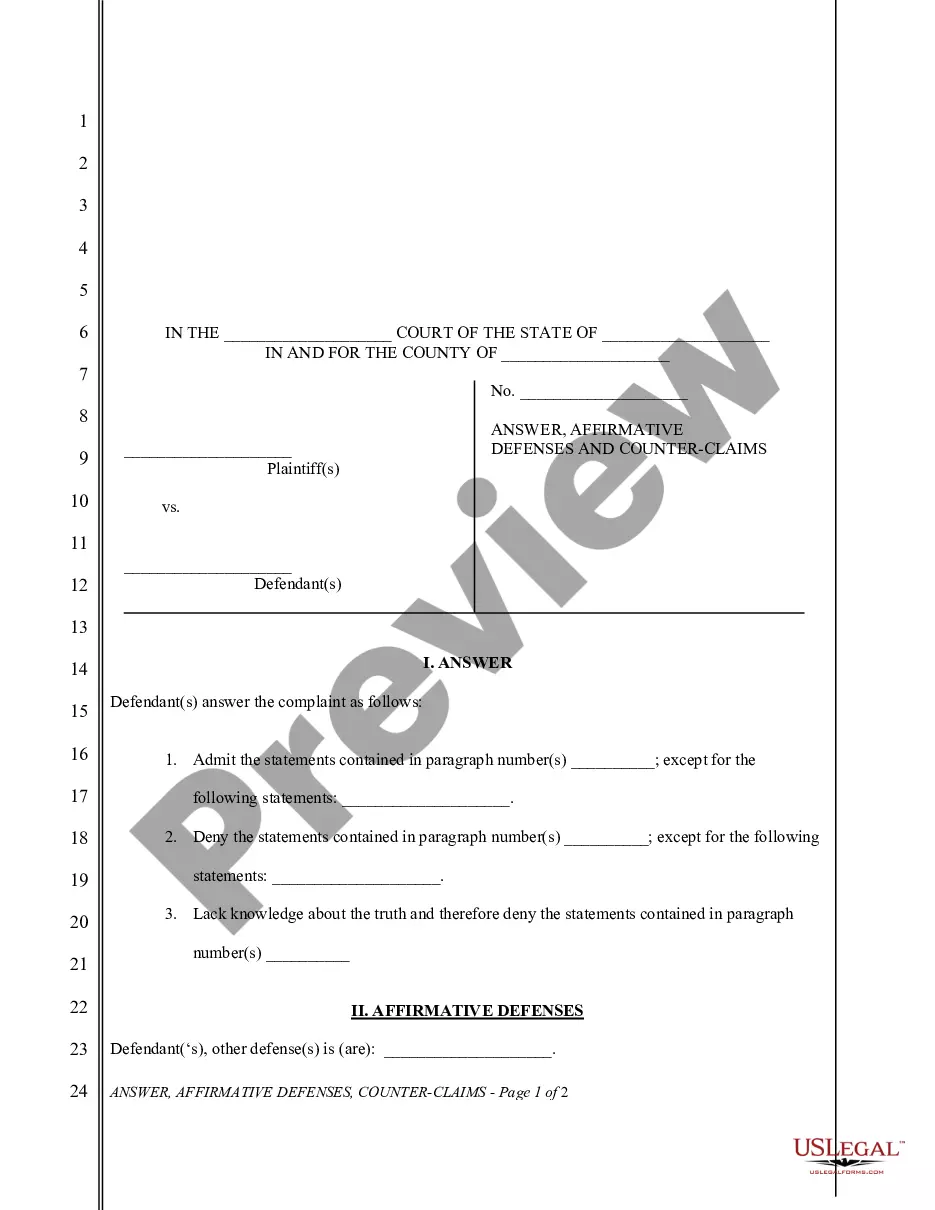

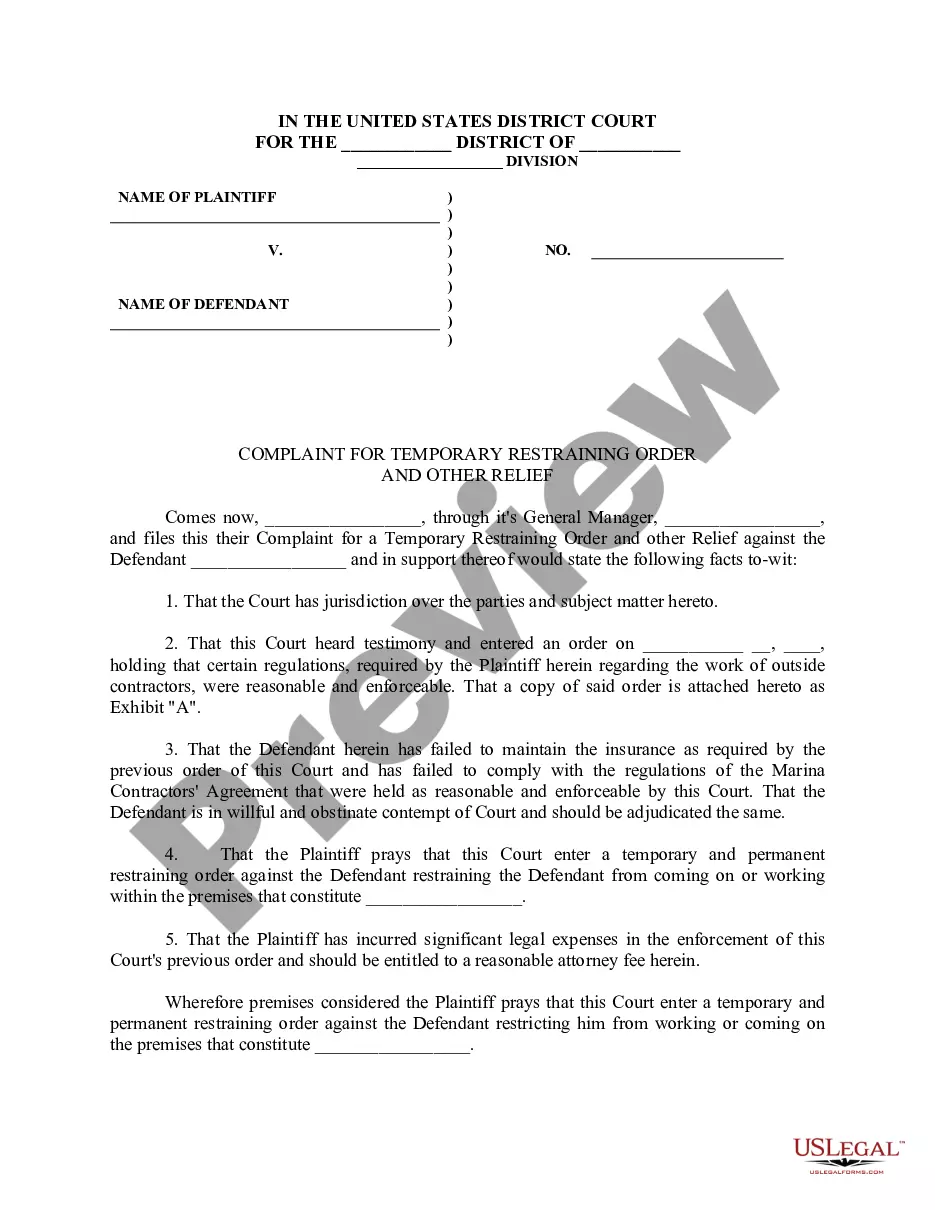
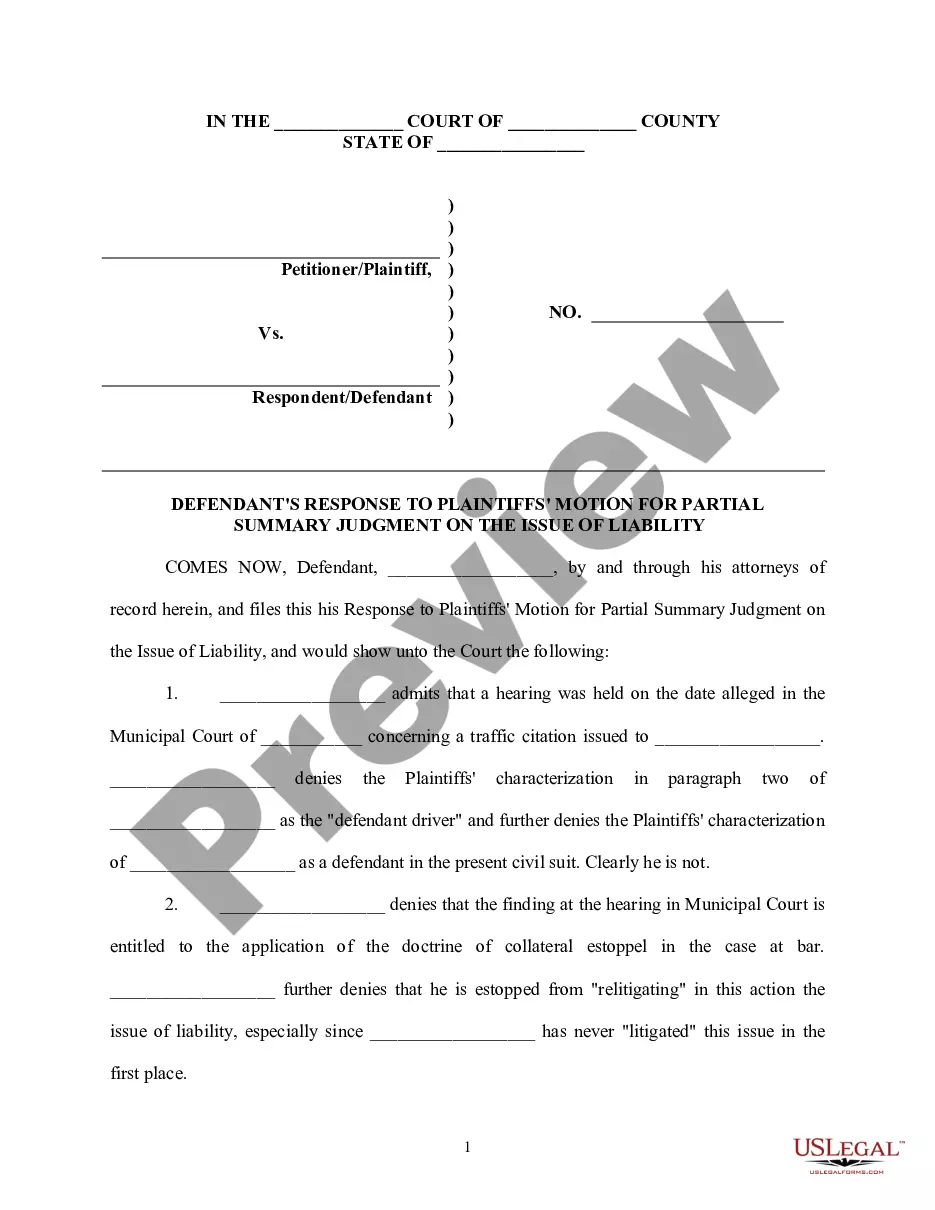
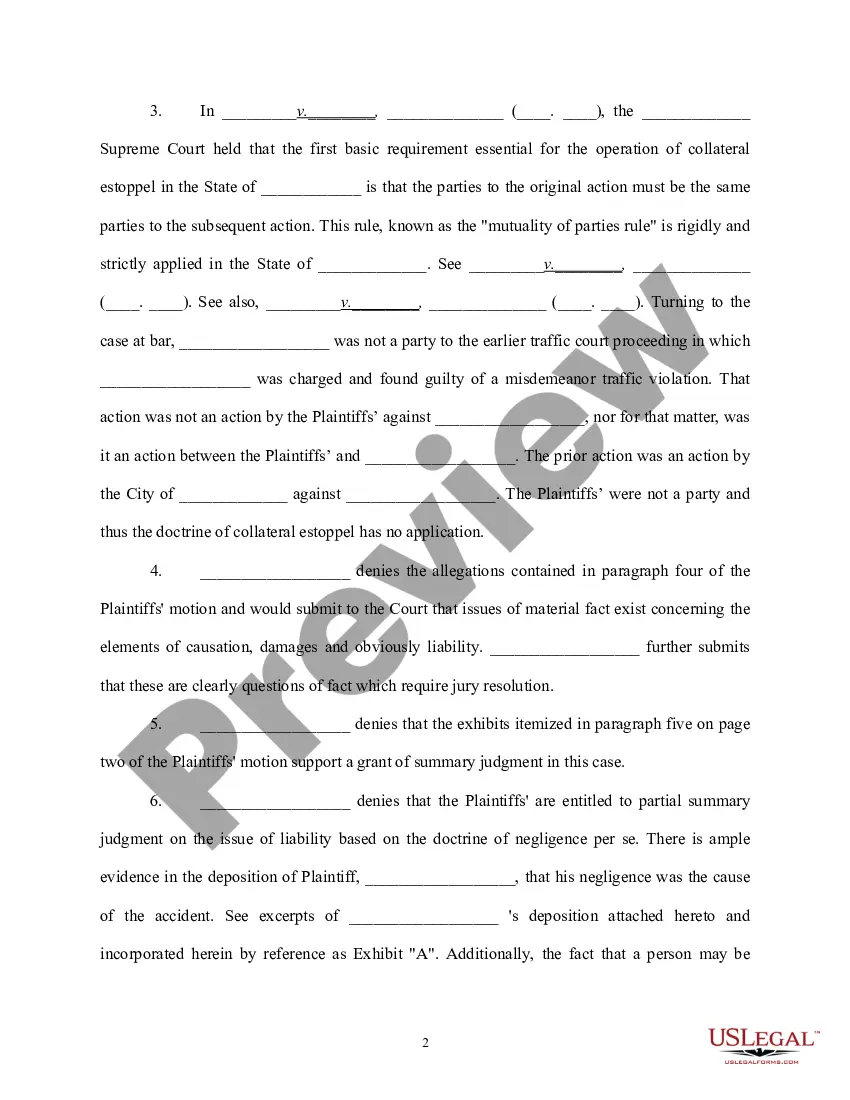
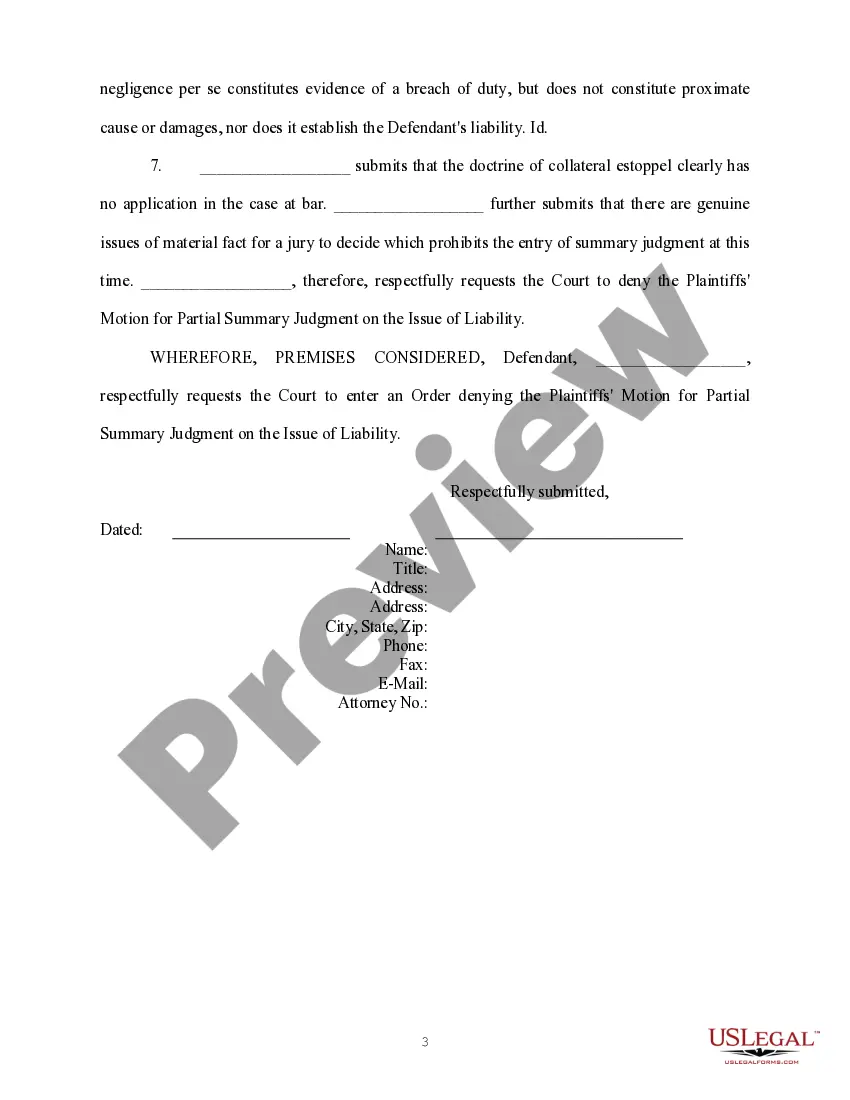
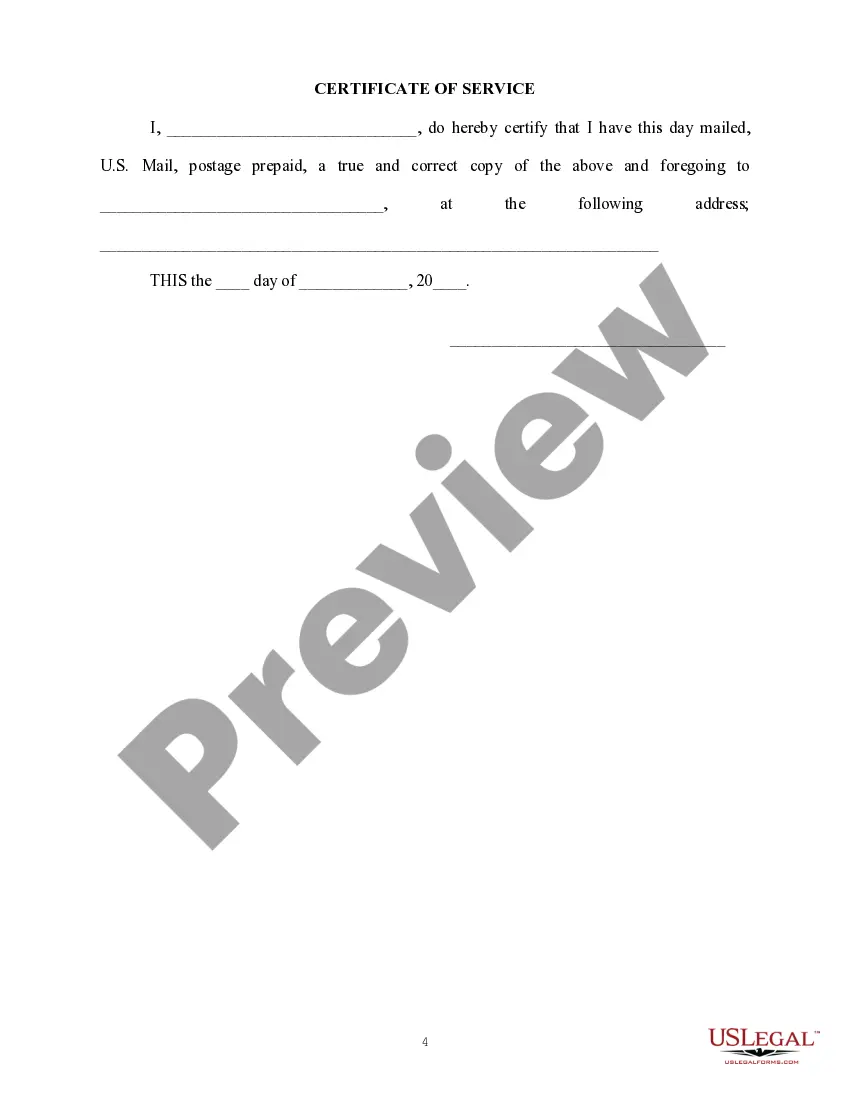
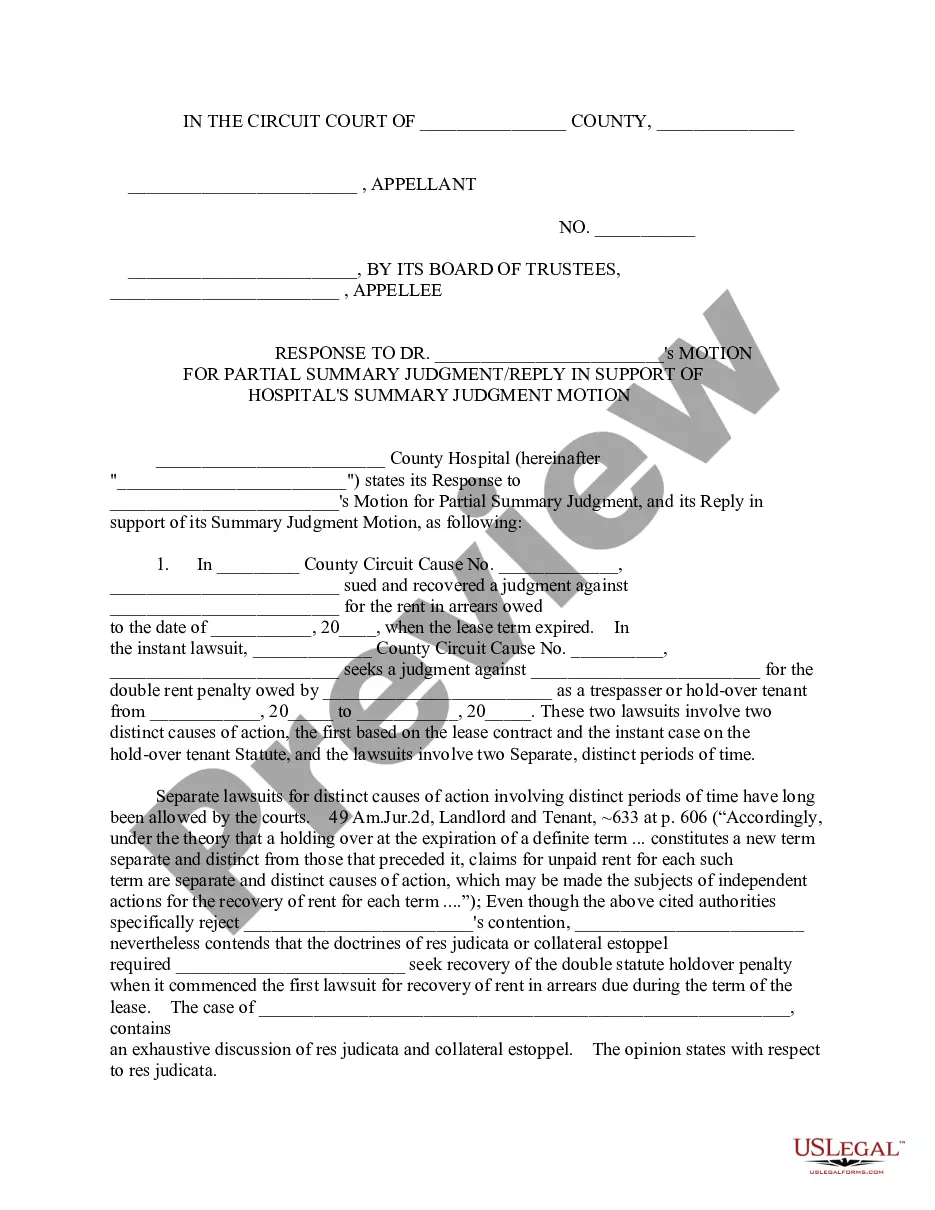
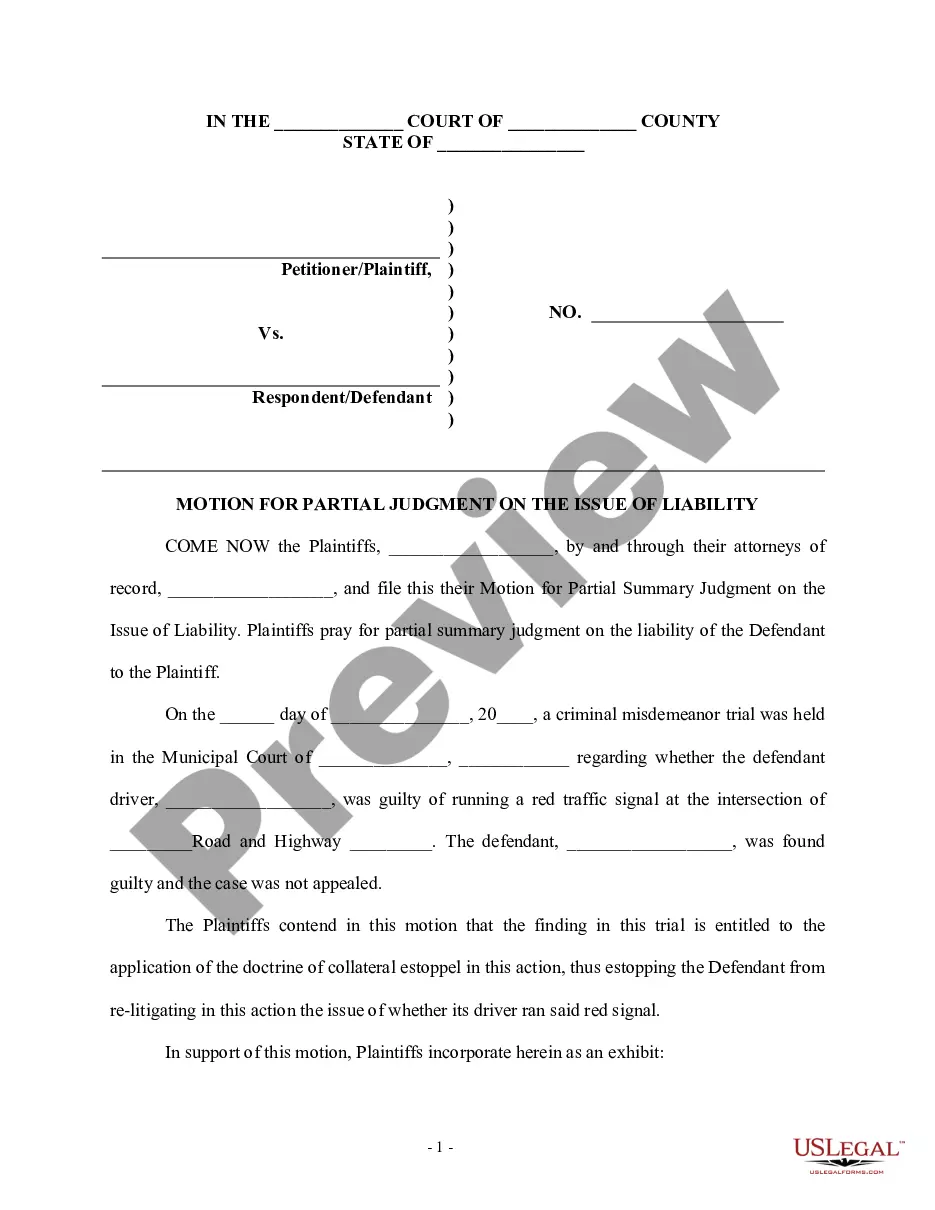
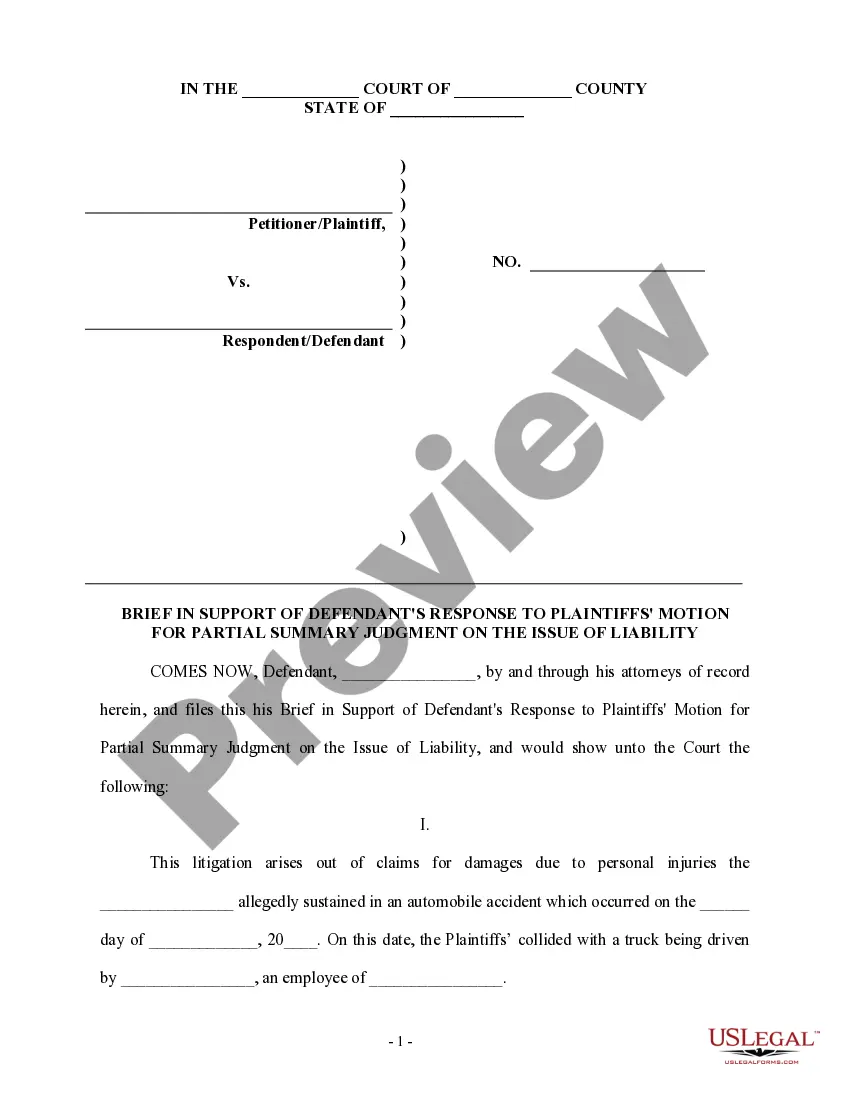
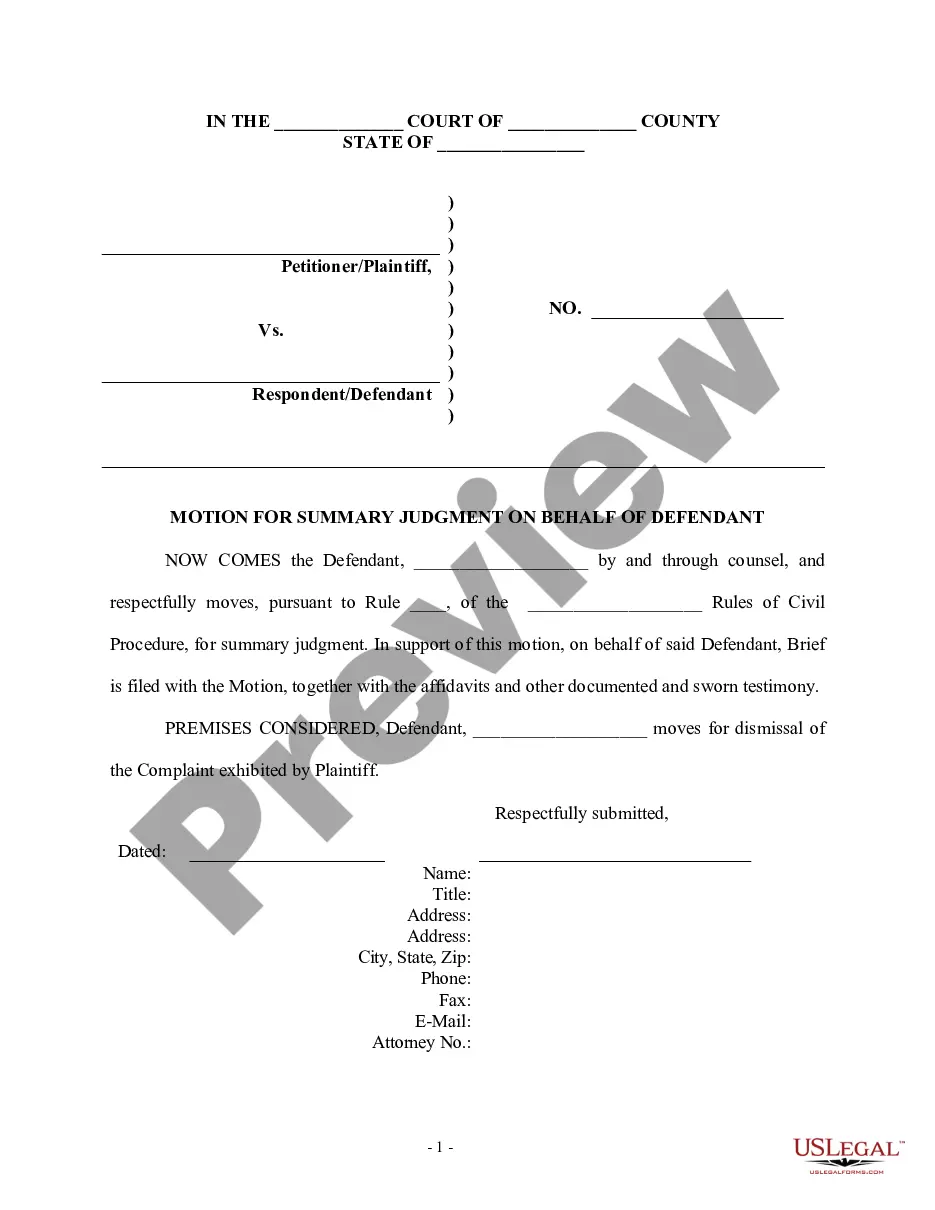
How to fill out Defendant's Response To Plaintiff's Motion For Summary Judgment On The Issue Of Liability?
Utilizing legal templates that comply with federal and state laws is essential, and the internet provides numerous choices to select from.
However, what’s the purpose of spending time looking for the properly constructed Summary Judgment Explained Withstand template online when the US Legal Forms digital library already compiles such documents in one location.
US Legal Forms is the premier online legal repository featuring over 85,000 editable templates crafted by attorneys for every professional and personal circumstance.
Review the template using the Preview feature or by examining the text outline to verify it meets your requirements.
- They are easy to navigate, with all documents categorized by state and intended use.
- Our specialists keep up with legislative changes, ensuring you can always trust that your documents are current and compliant when acquiring a Summary Judgment Explained Withstand from our platform.
- Obtaining a Summary Judgment Explained Withstand is straightforward and quick for both existing and new users.
- If you already have an account with an active subscription, Log In and save the document you require in your desired format.
- If you are visiting our site for the first time, follow these steps.
Form popularity
FAQ
Summary judgment is a legal procedure that allows a court to decide a case without a full trial. Essentially, it occurs when one party argues that there are no genuine disputes over material facts, enabling the court to rule based on the law alone. To explain summary judgment effectively, clarify its purpose and the key criteria involved, including how evidence plays a role in the decision. For detailed templates and guidelines, consider exploring USLegalForms, which can assist in clearly articulating the concept of summary judgment explained to withstand challenges.
To write an effective motion for summary judgment, start by clearly stating the facts of your case. Next, provide legal arguments that support your position, ensuring you reference any relevant laws or precedents. It's crucial to demonstrate how the evidence supports your request for judgment without a trial. Using resources from USLegalForms can help you craft a compelling motion that effectively explains summary judgment and withstands scrutiny.
The burden of proof for summary judgment lies primarily with the party moving for the judgment. They must show that there is no genuine issue of material fact and that they are entitled to judgment as a matter of law. Knowing how summary judgment explained withstand affects this burden can empower you in court. Consider using resources from US Legal Forms to better understand your responsibilities and prepare your case effectively.
Surviving a summary judgment requires you to demonstrate that there are factual issues that need to be resolved at trial. You can achieve this by gathering relevant evidence and presenting it clearly to the court. Utilizing platforms like US Legal Forms can help you organize your case efficiently, ensuring you have all necessary documents in order. Remember, understanding how summary judgment explained withstand helps you navigate this challenging phase.
To defend against a summary judgment, you must present evidence that creates a genuine dispute of material fact. This means providing documents, witness statements, or expert opinions that contradict the claims made by the opposing party. It's important to prepare a strong legal argument and effectively utilize tools like US Legal Forms to streamline your documentation process. By understanding how summary judgment explained withstand applies to your case, you can build a compelling defense.
Examples of summary judgement motions John says that Linda ran a red light and caused the crash. John happens to have a video of Linda running the red light and crashing into him. John's attorney files a motion for summary judgment claiming that: There are no material facts that can be reasonably disputed.
Therefore, to win on summary judgment you have to convince a judge that it is a good use of his or her very limited time and resources to write the decision. This means that your written material has to demonstrate that the law and facts support summary judgment, and contain no misstatements of law or fact.
Judges may grant partial summary judgment. For example, a judge might rule on some factual issues, but leave others for trial. Alternately, a judge might grant summary judgment regarding liability, but still hold a trial to determine damages.
Rule 56 of the Federal Rules of Civil Procedure governs summary judgment for federal courts. Under Rule 56, in order to succeed in a motion for summary judgment, a movant must show 1) that there is no genuine dispute as to any material fact, and 2) that the movant is entitled to judgment as a matter of law.
The odds of winning a summary judgment, known as the grant rate, vary widely by case type. The most common grant of summary judgment is in Title VII and employment cases. These are granted in whole in 49.2% of cases, in part in 23.3% of cases, and denied in 27.5% of cases.