Summary Judgment Explained Without Discovery
Description
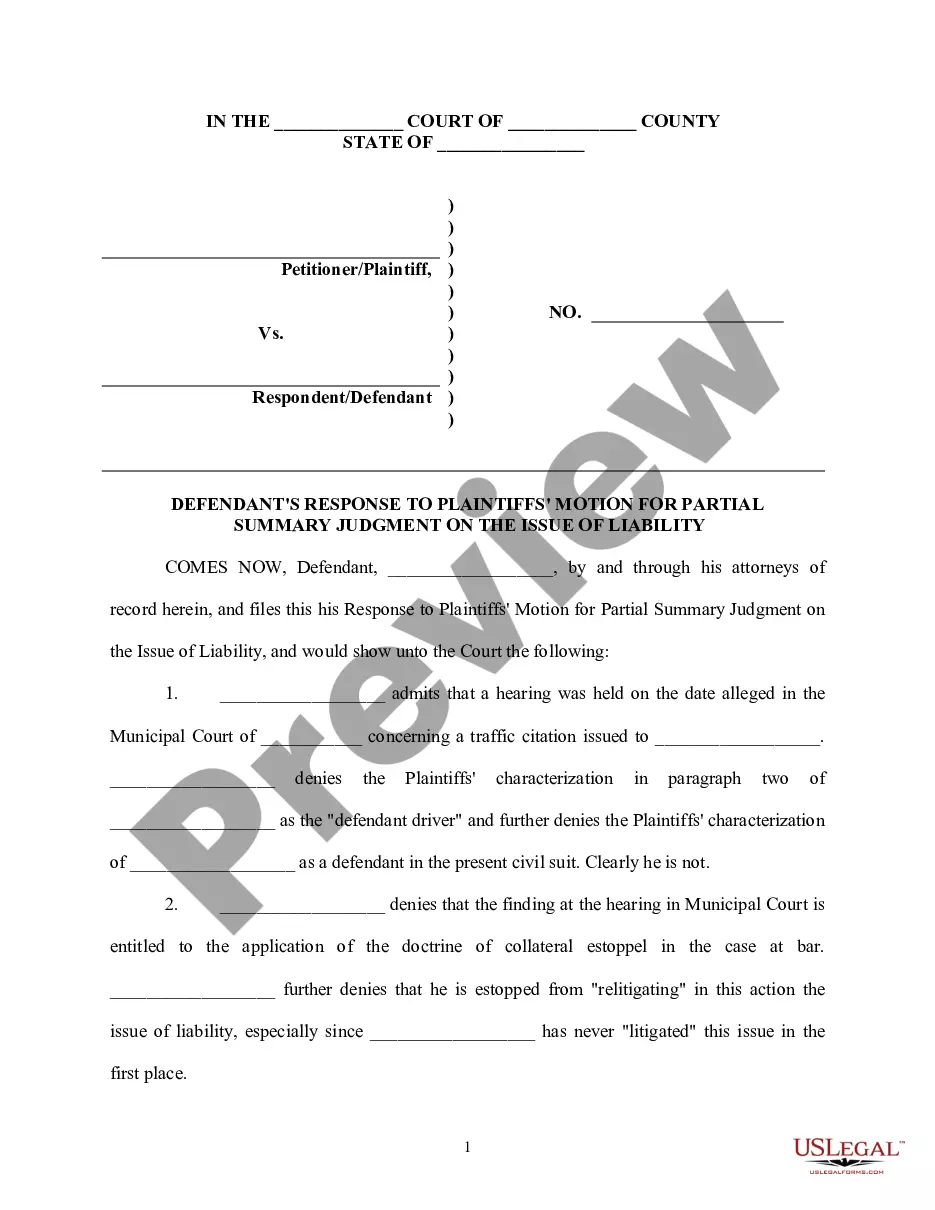
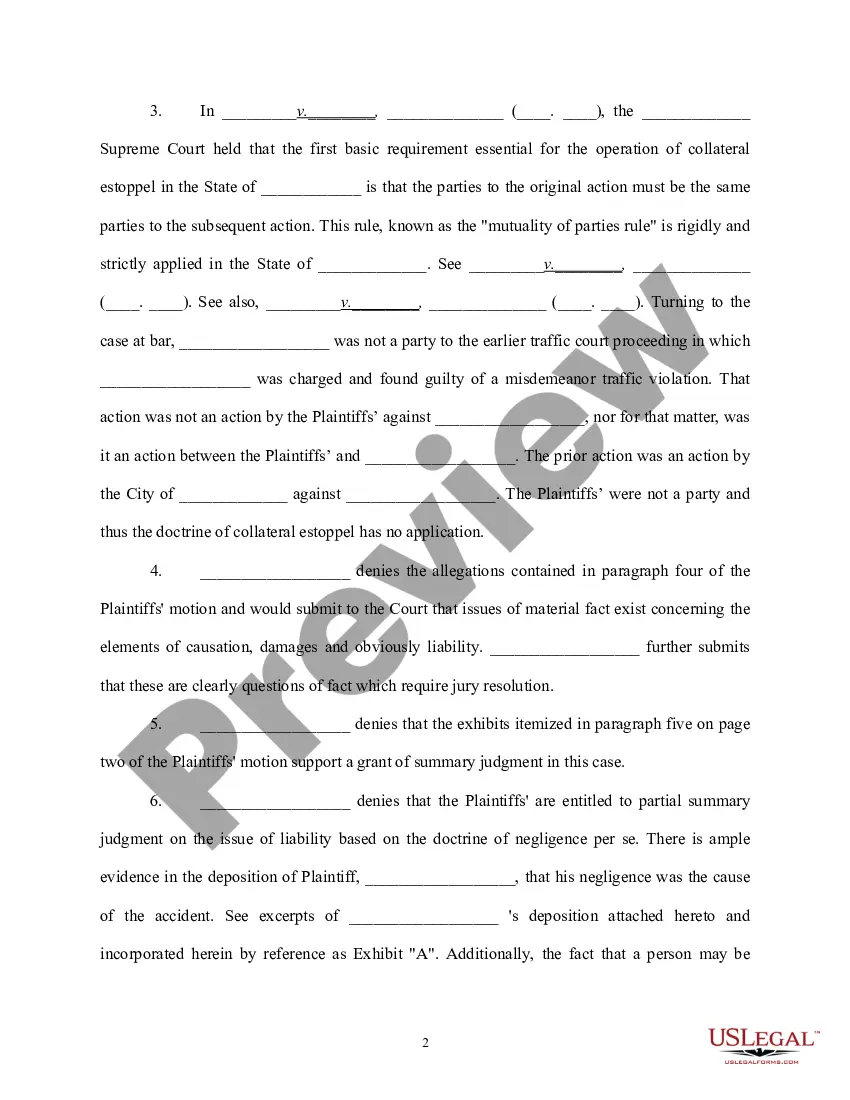
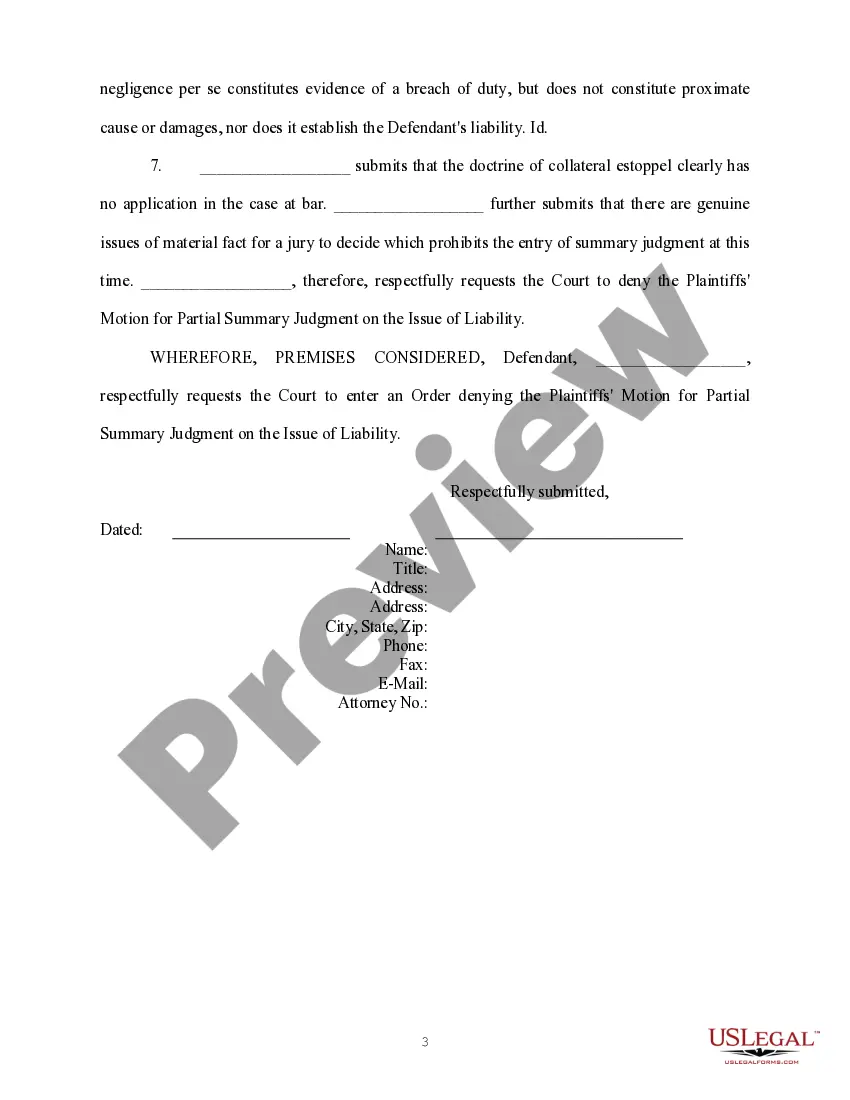
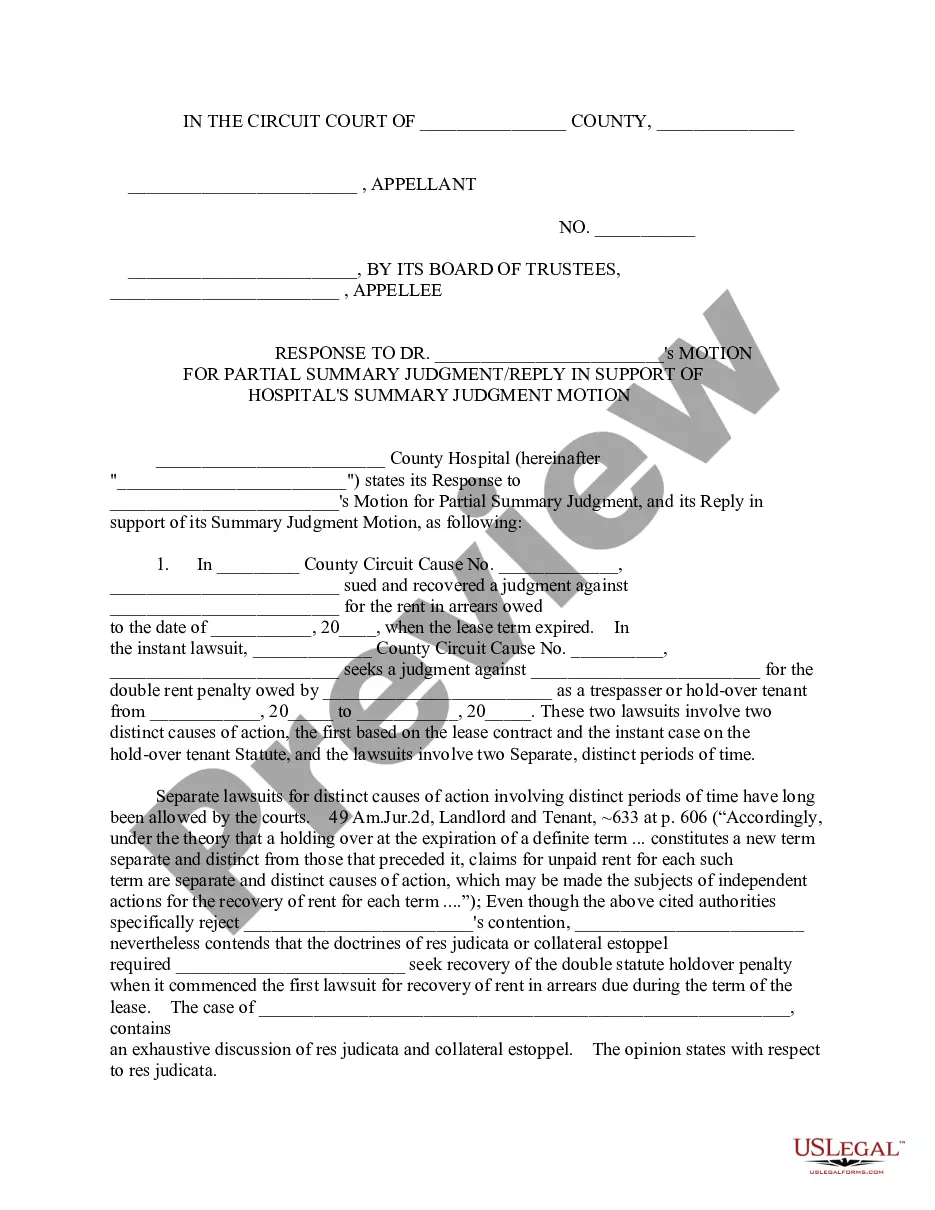
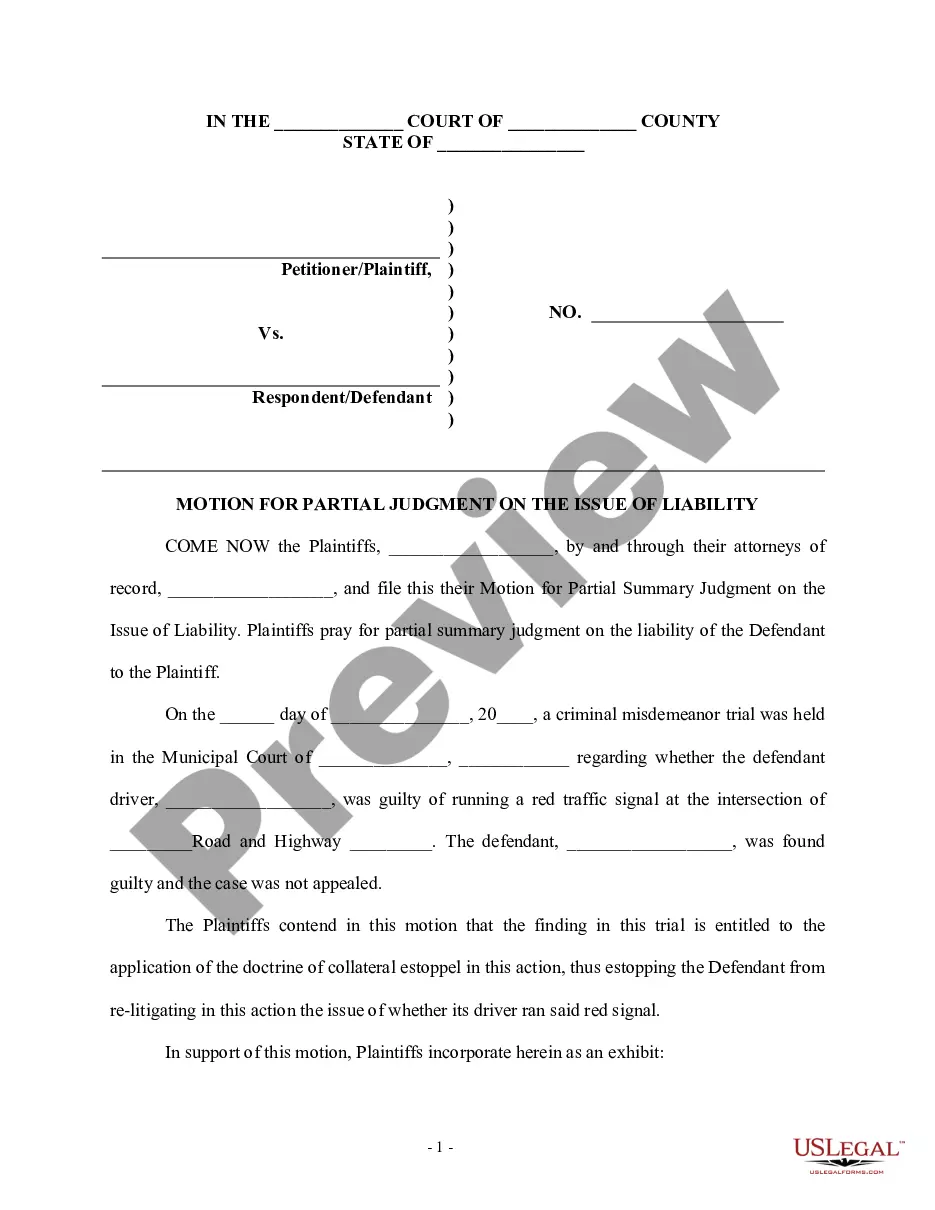
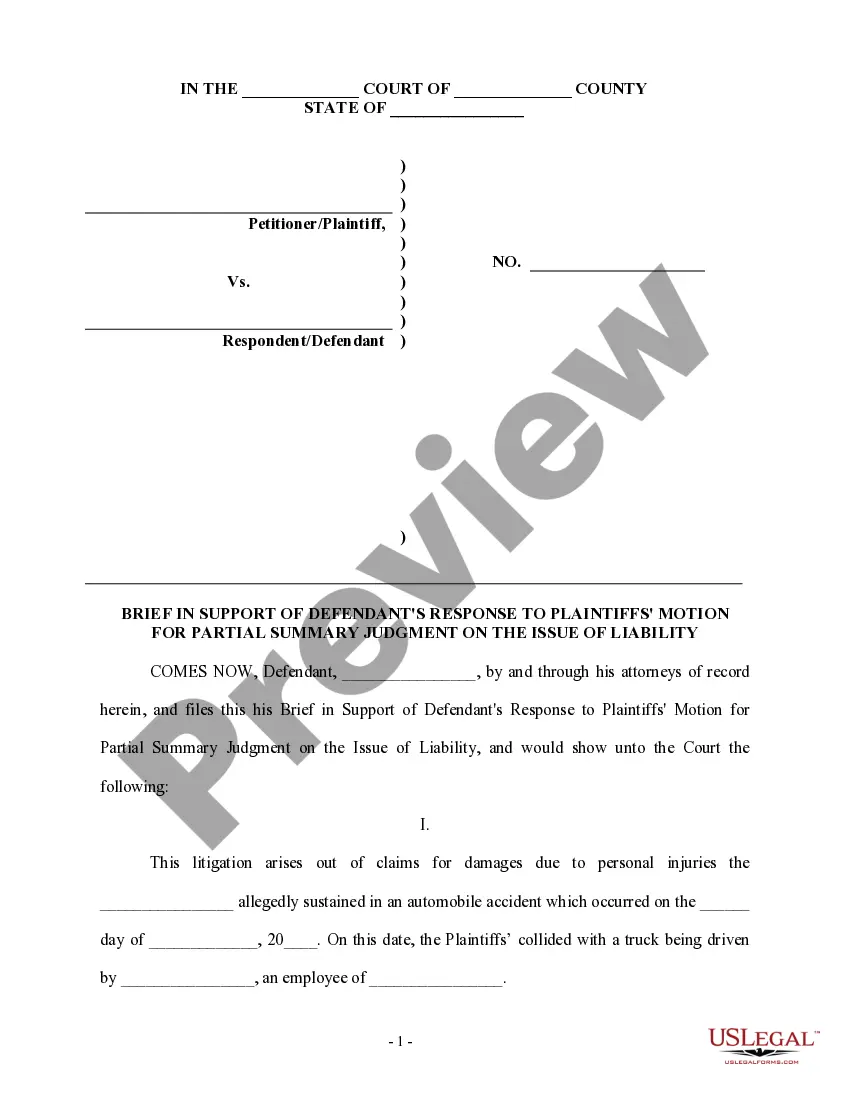
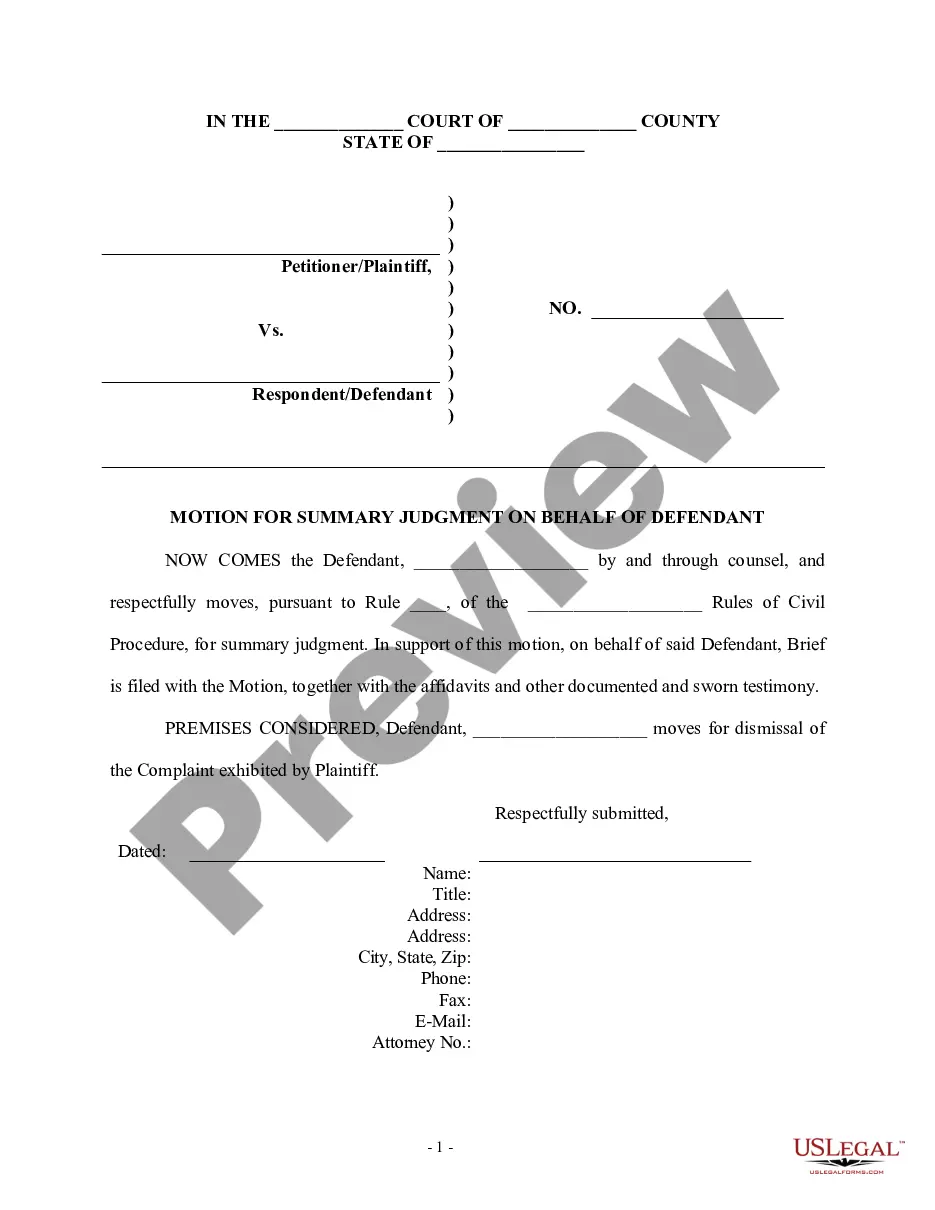
Get your form ready online
Our built-in tools help you complete, sign, share, and store your documents in one place.
Make edits, fill in missing information, and update formatting in US Legal Forms—just like you would in MS Word.
Download a copy, print it, send it by email, or mail it via USPS—whatever works best for your next step.
Sign and collect signatures with our SignNow integration. Send to multiple recipients, set reminders, and more. Go Premium to unlock E-Sign.
If this form requires notarization, complete it online through a secure video call—no need to meet a notary in person or wait for an appointment.
We protect your documents and personal data by following strict security and privacy standards.

Make edits, fill in missing information, and update formatting in US Legal Forms—just like you would in MS Word.

Download a copy, print it, send it by email, or mail it via USPS—whatever works best for your next step.

Sign and collect signatures with our SignNow integration. Send to multiple recipients, set reminders, and more. Go Premium to unlock E-Sign.

If this form requires notarization, complete it online through a secure video call—no need to meet a notary in person or wait for an appointment.

We protect your documents and personal data by following strict security and privacy standards.
Looking for another form?

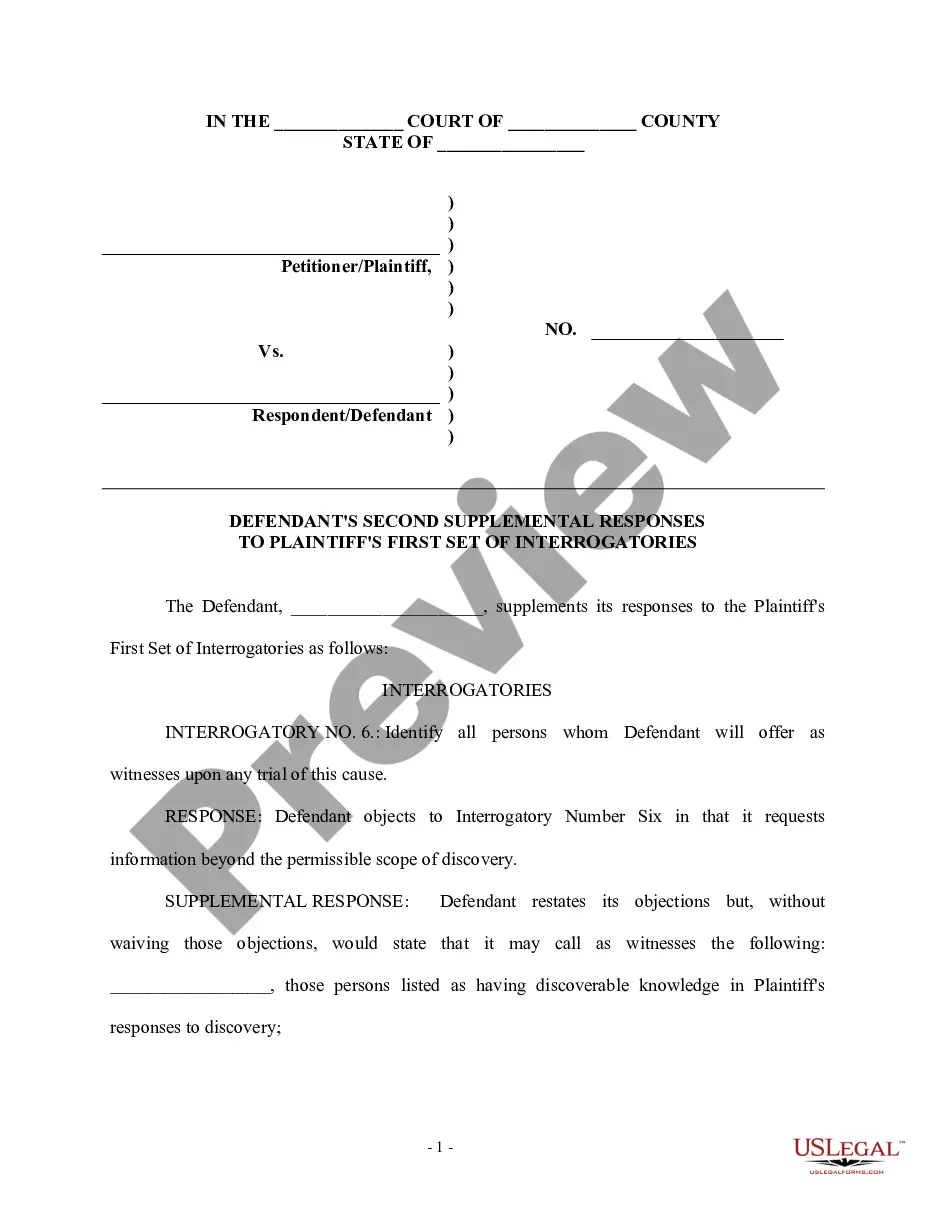
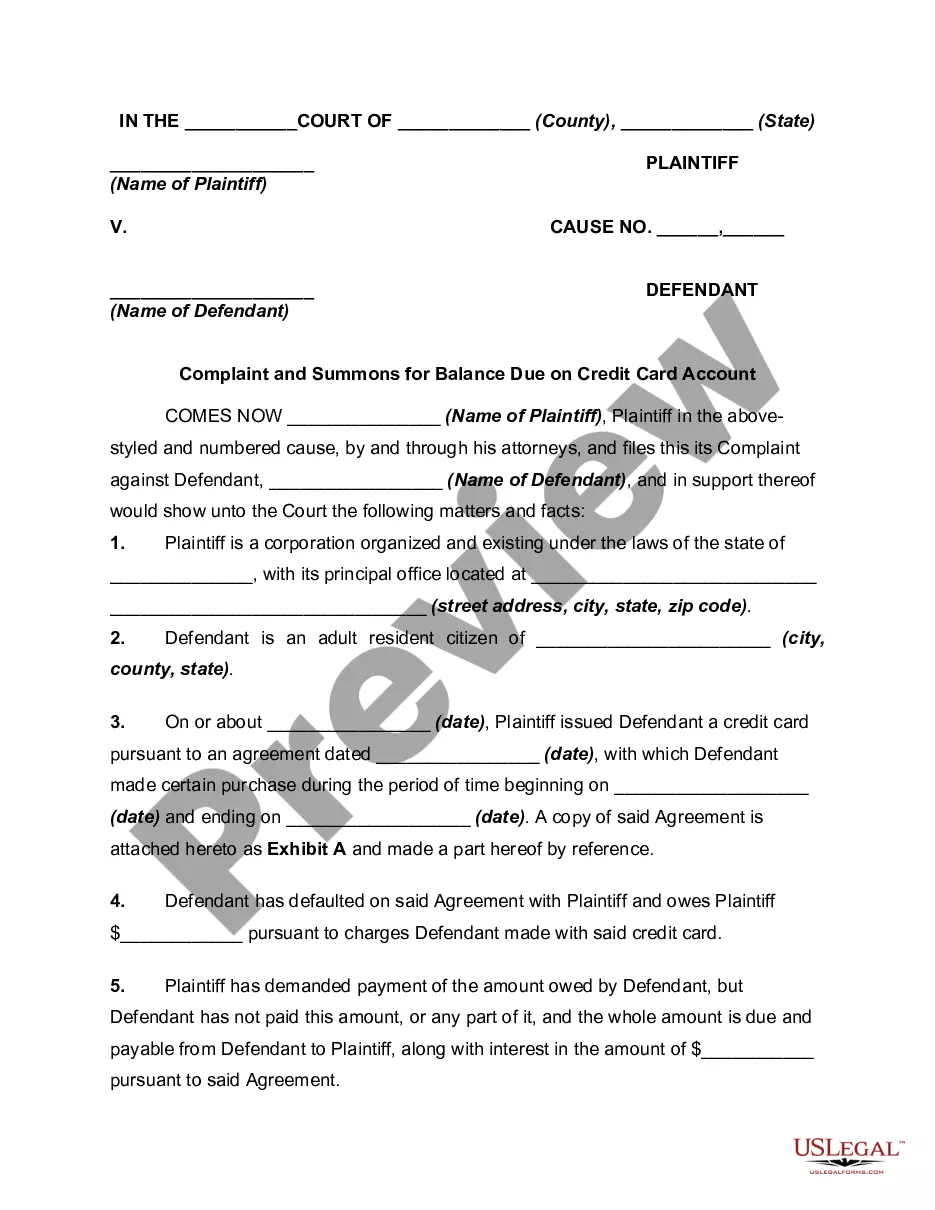
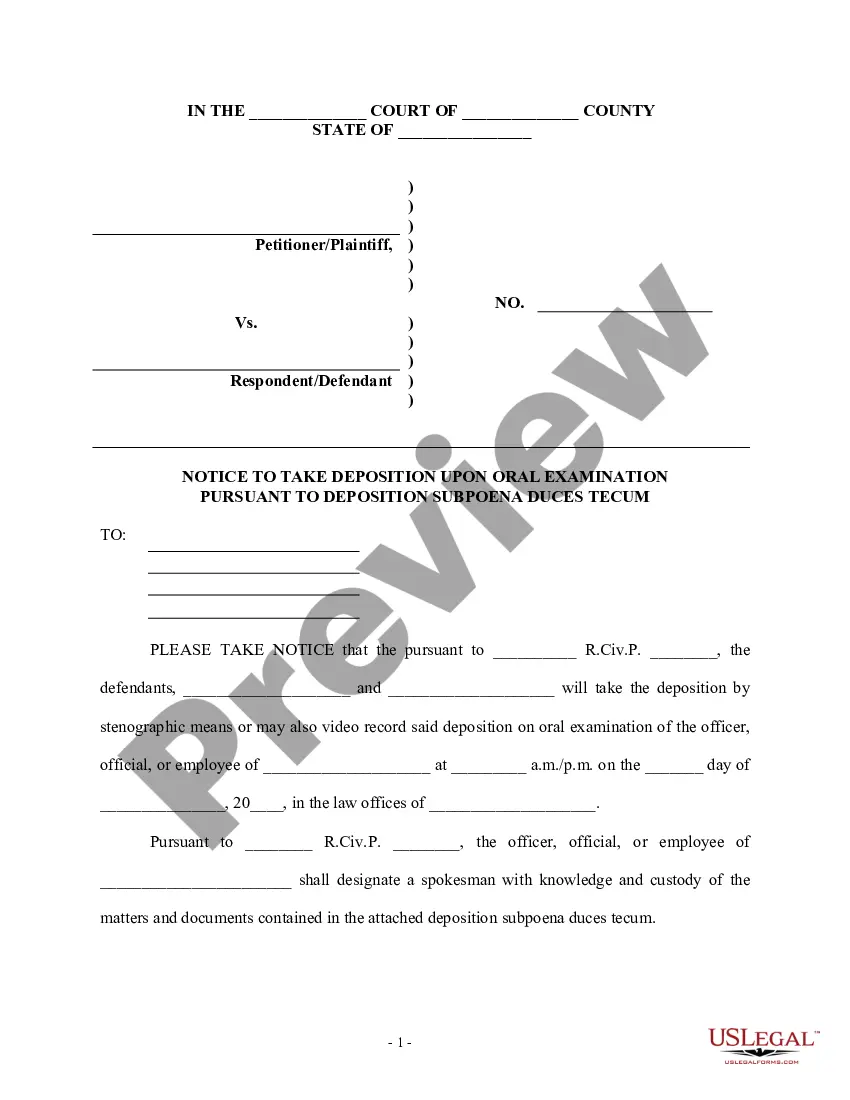
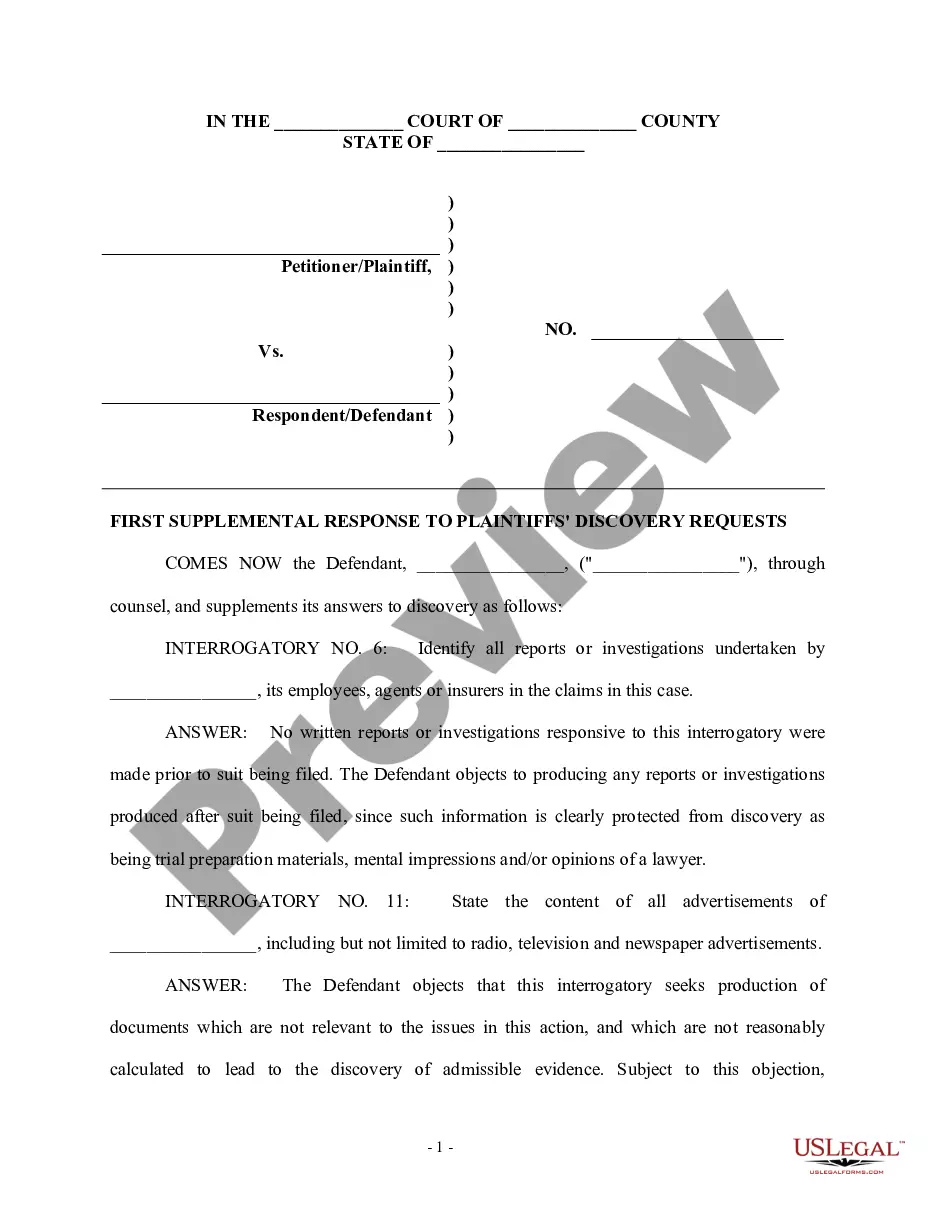
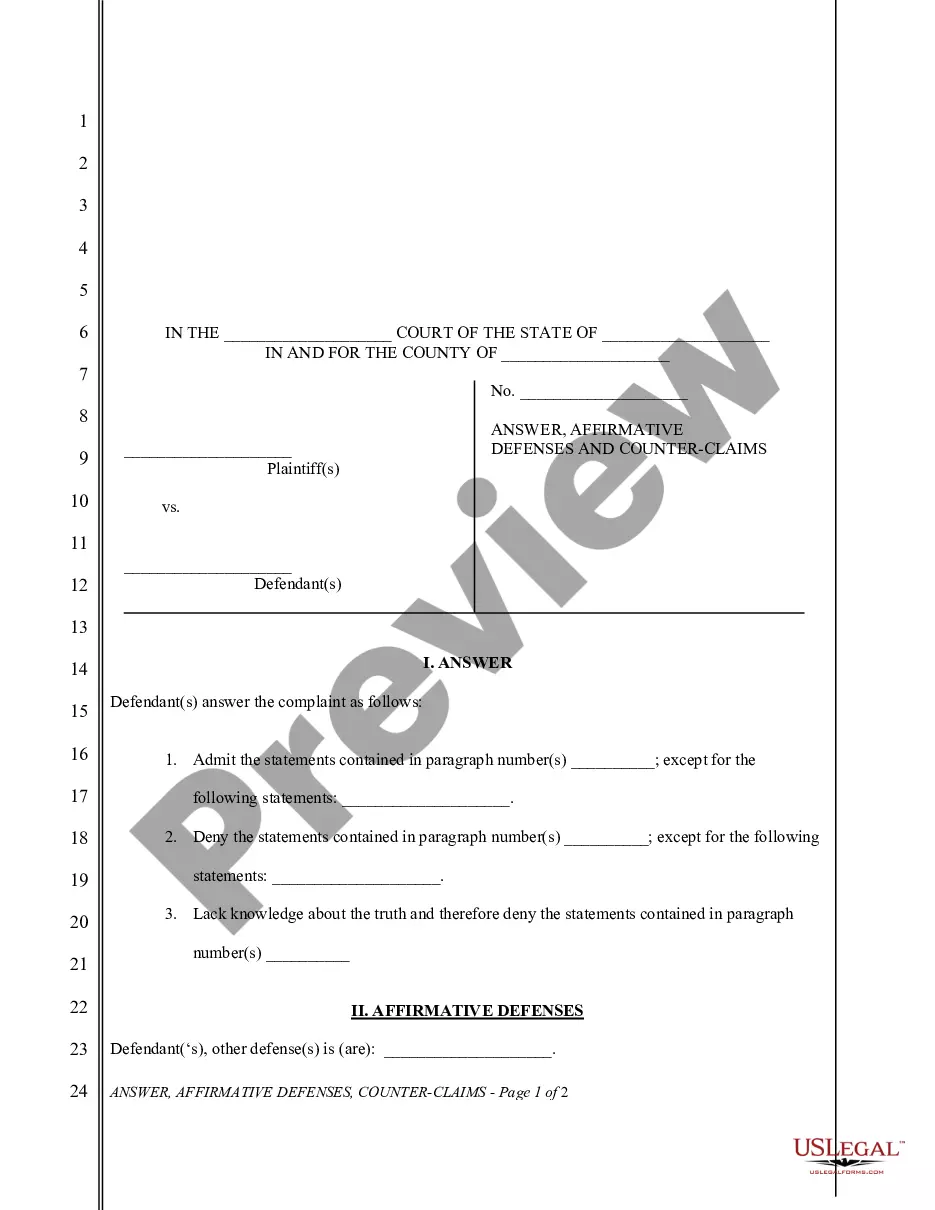

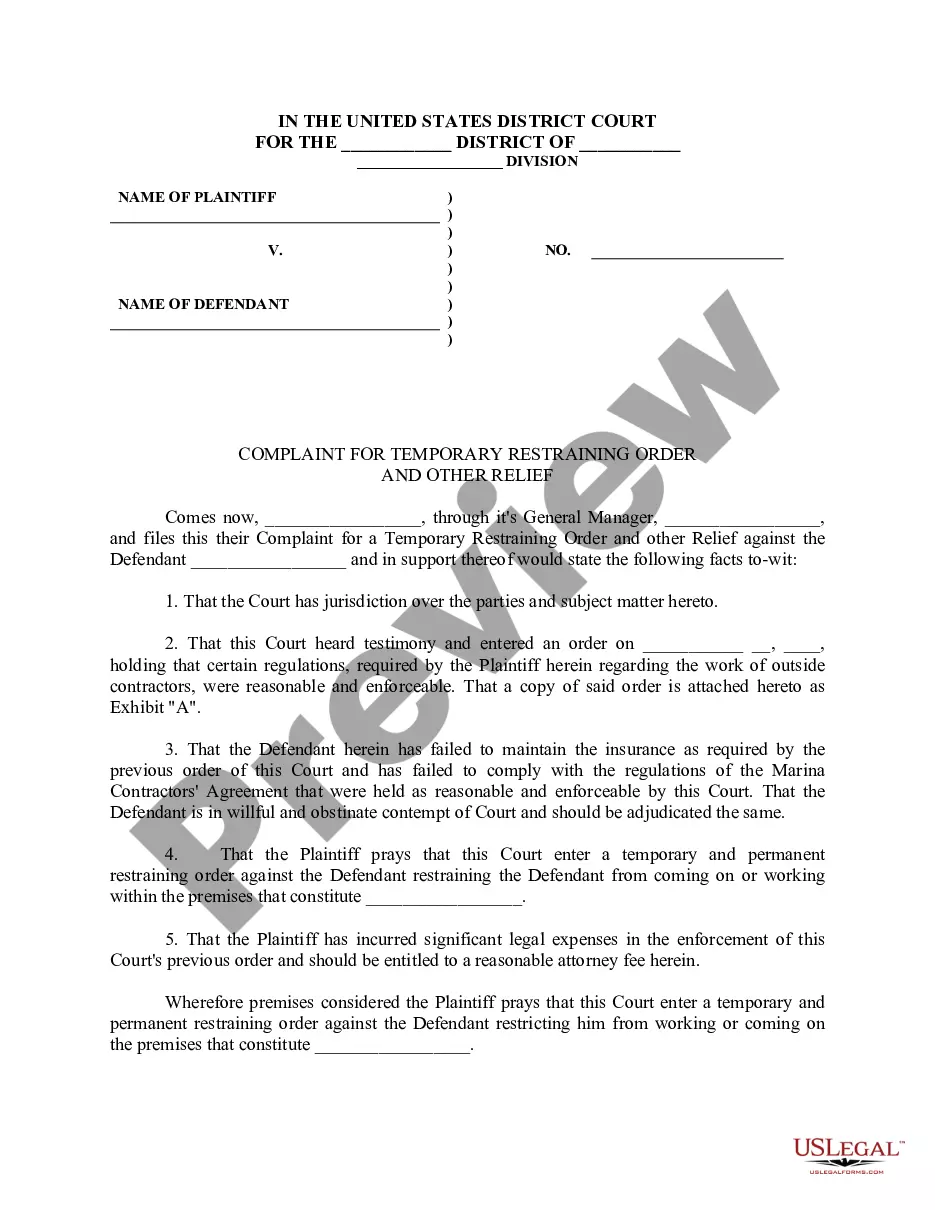
How to fill out Defendant's Response To Plaintiff's Motion For Summary Judgment On The Issue Of Liability?
Locating a reliable source for obtaining the latest and suitable legal templates is a significant part of dealing with administrative processes.
Selecting the correct legal documents requires precision and meticulousness, which is why it is essential to obtain samples of Summary Judgment Clarification Without Discovery exclusively from reputable sources, such as US Legal Forms. An incorrect template could lead to wasted time and a delay in your current situation. With US Legal Forms, you have minimal concerns. You can access and review all the information regarding the document’s applicability and significance to your specific situation and region.
Once you have the form on your device, you can modify it using the editor or print it out to complete it manually. Relieve yourself of the hassles related to your legal documentation. Explore the extensive US Legal Forms collection to discover legal templates, evaluate their relevance to your needs, and download them instantly.
- Use the library navigation or search bar to find your template.
- Check the form’s description to determine if it meets your state and county requirements.
- Preview the form, if available, to ensure it is what you need.
- If the Summary Judgment Clarification Without Discovery does not suit your requirements, return to the search for the appropriate document.
- Once you are confident about the form’s relevance, download it.
- If you are a registered user, click Log in to verify your identity and access your chosen templates in My documents.
- If you haven't created an account yet, click Buy now to obtain the form.
- Choose the pricing option that matches your needs.
- Proceed to the registration to finalize your purchase.
- Complete your transaction by selecting a payment method (credit card or PayPal).
- Choose the document format for downloading Summary Judgment Clarification Without Discovery.
Form popularity
FAQ
The odds of winning a summary judgment depend on the specific circumstances of each case. Generally, if you can clearly demonstrate that there are no genuine issues of material fact, your chances improve significantly. Summary judgment explained without discovery emphasizes the importance of strong legal arguments and supporting evidence. Utilizing resources from US Legal Forms can provide you with the necessary tools and forms to strengthen your case.
Yes, summary judgment can occur before discovery. This process allows a party to request that the court decide a case based on legal arguments alone, without needing extensive evidence collection. It is essential to understand that when summary judgment is explained without discovery, the focus remains on the existing evidence presented in the pleadings. Utilizing platforms like US Legal Forms can help you navigate these legal processes effectively.
To write a good motion for summary judgment, start by clearly stating the legal grounds for your motion. Include specific facts and evidence that support your case, while addressing any potential counterarguments. Organize your motion logically, and ensure it aligns with the requirements of the court. For a comprehensive guide on this process, consider using US Legal Forms, which offers resources that simplify summary judgment explained without discovery.
Yes, you can file a motion for summary judgment before discovery is complete. This approach is often strategic, as it allows you to argue that there is no genuine issue of material fact to be decided. However, you must clearly present the evidence that supports your claim. Summary judgment explained without discovery can save time and resources in your legal process.
Federal courts have held that parties do not need to conduct discovery before filing for summary judgment. Likewise, expert witness disclosures do not occur until after summary judgment motions.
Under the rules of federal courts, unless a different time is set by local rule or a court orders it, the party seeking summary judgment may file a motion at any time until 30 days after the close of discovery.
Stated differently, to successfully defend against summary judgment the non-moving party (you) should seek to demonstrate that indeed there are material facts in dispute. Alternatively, the non-moving party (you) can argue that the undisputed facts support a judgment as a matter of law in your favor.
Apply each legal argument to the facts stated in the undisputed facts section, and explain why under the law and the facts summary judgment should be granted. In one paragraph, reiterate why summary judgment should be granted on each count of the complaint.
Any evidence that can be used in a courtroom trial can also be used in summary judgment. For example: Photographs. Signed witness statements.