Summary Judgment Explained Without A Hearing
Description
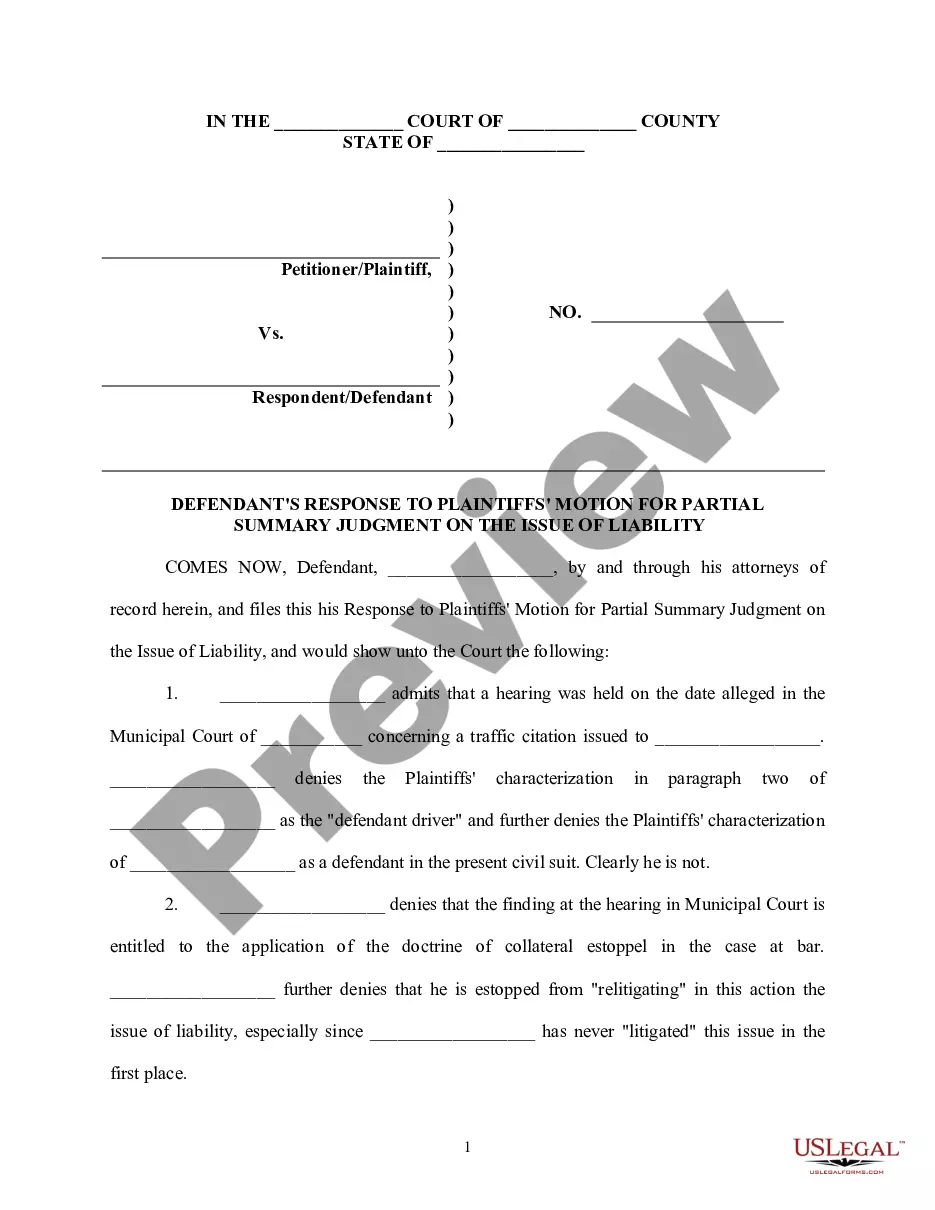
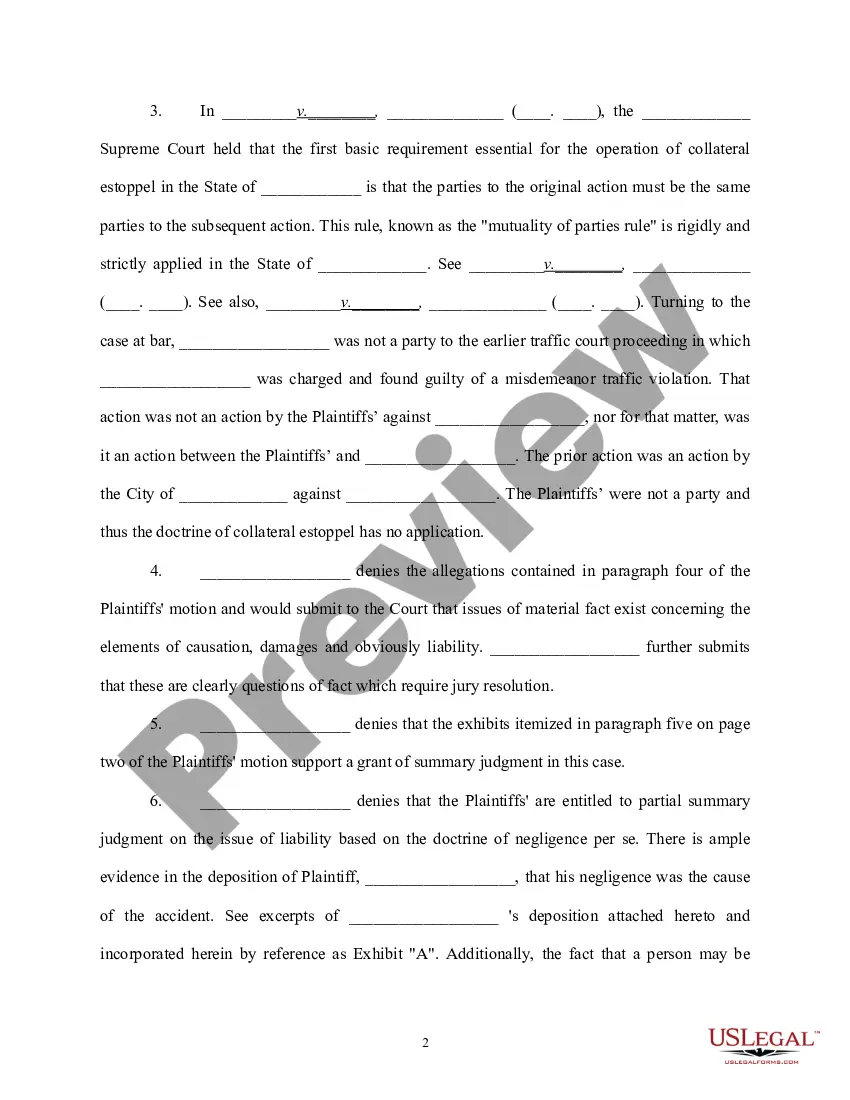
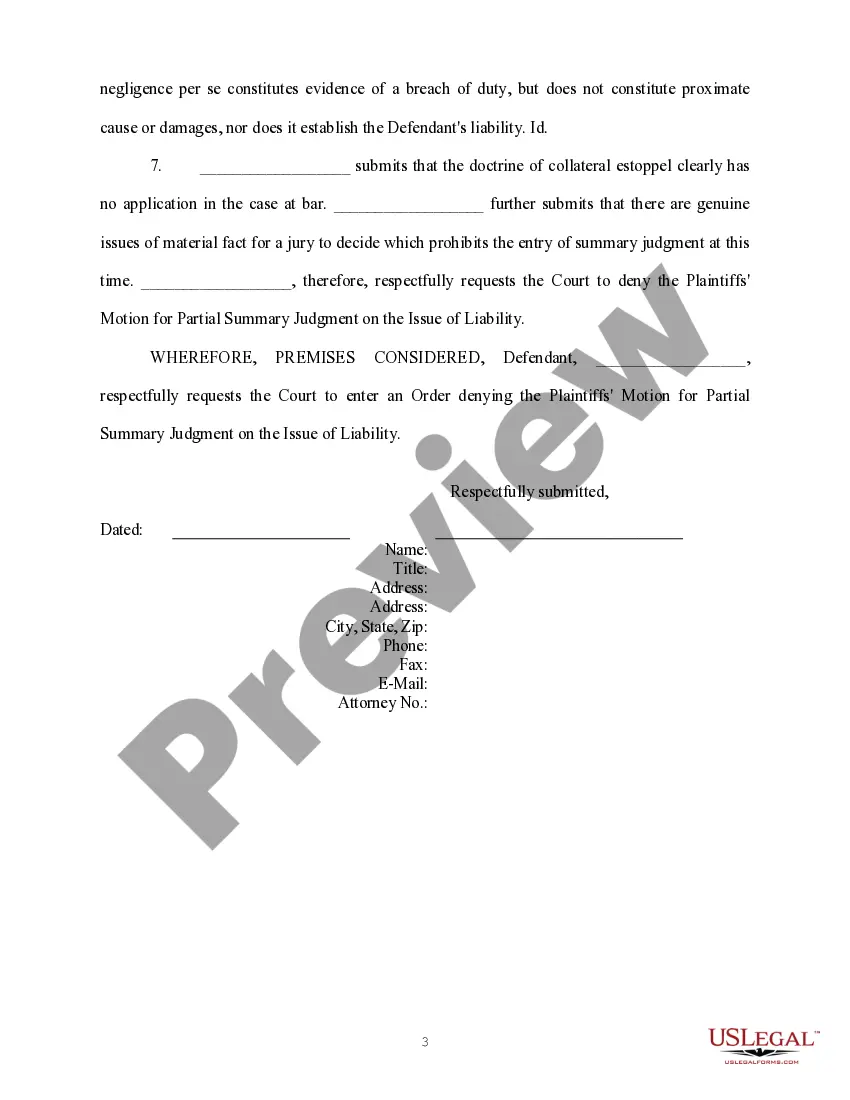
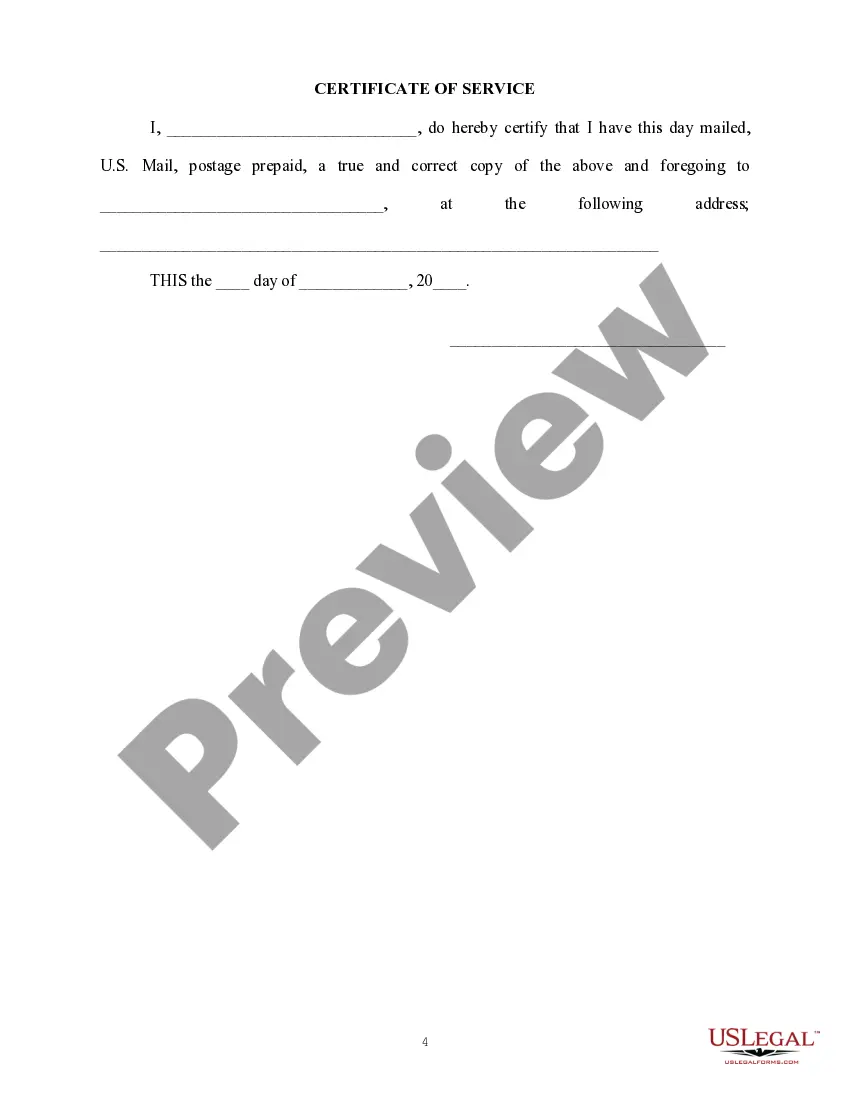
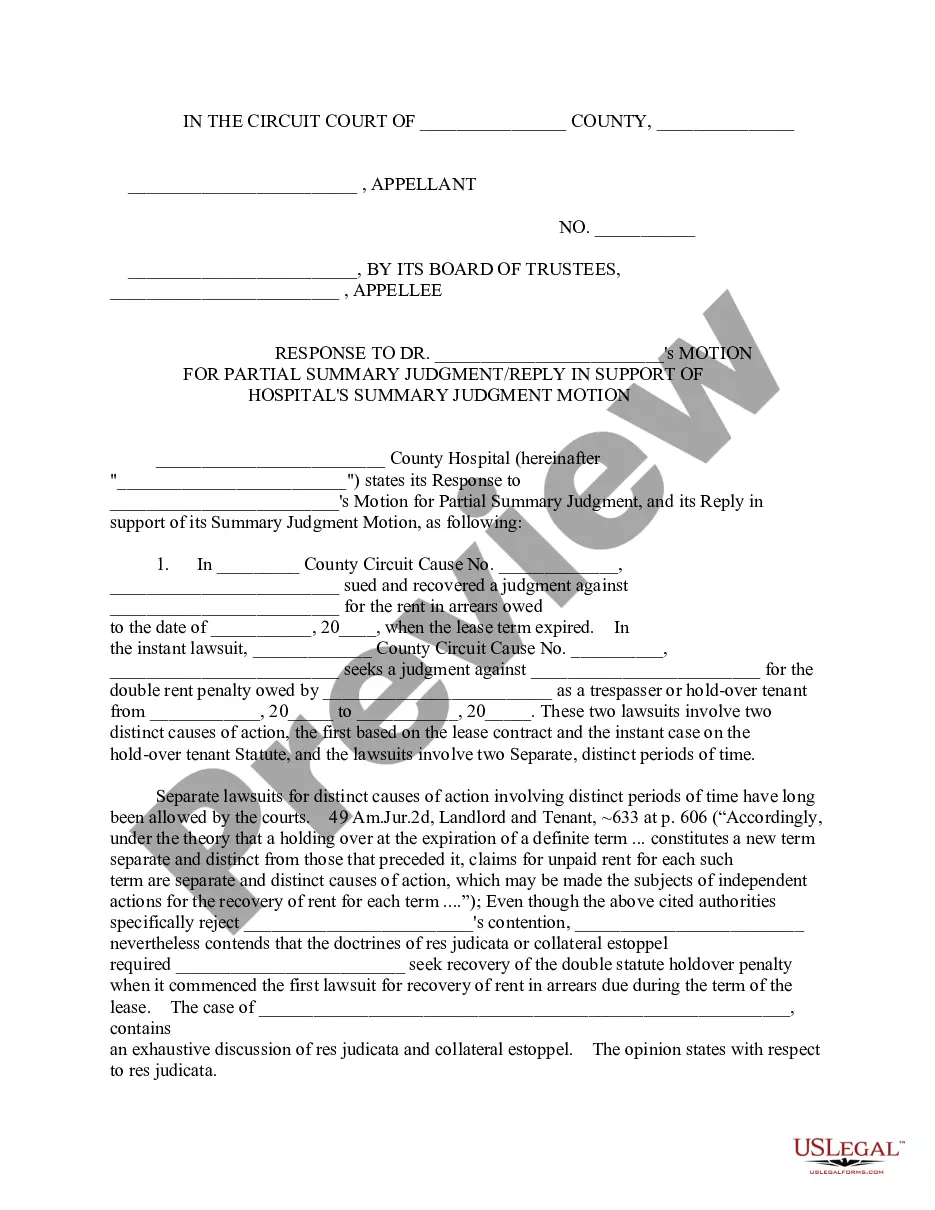
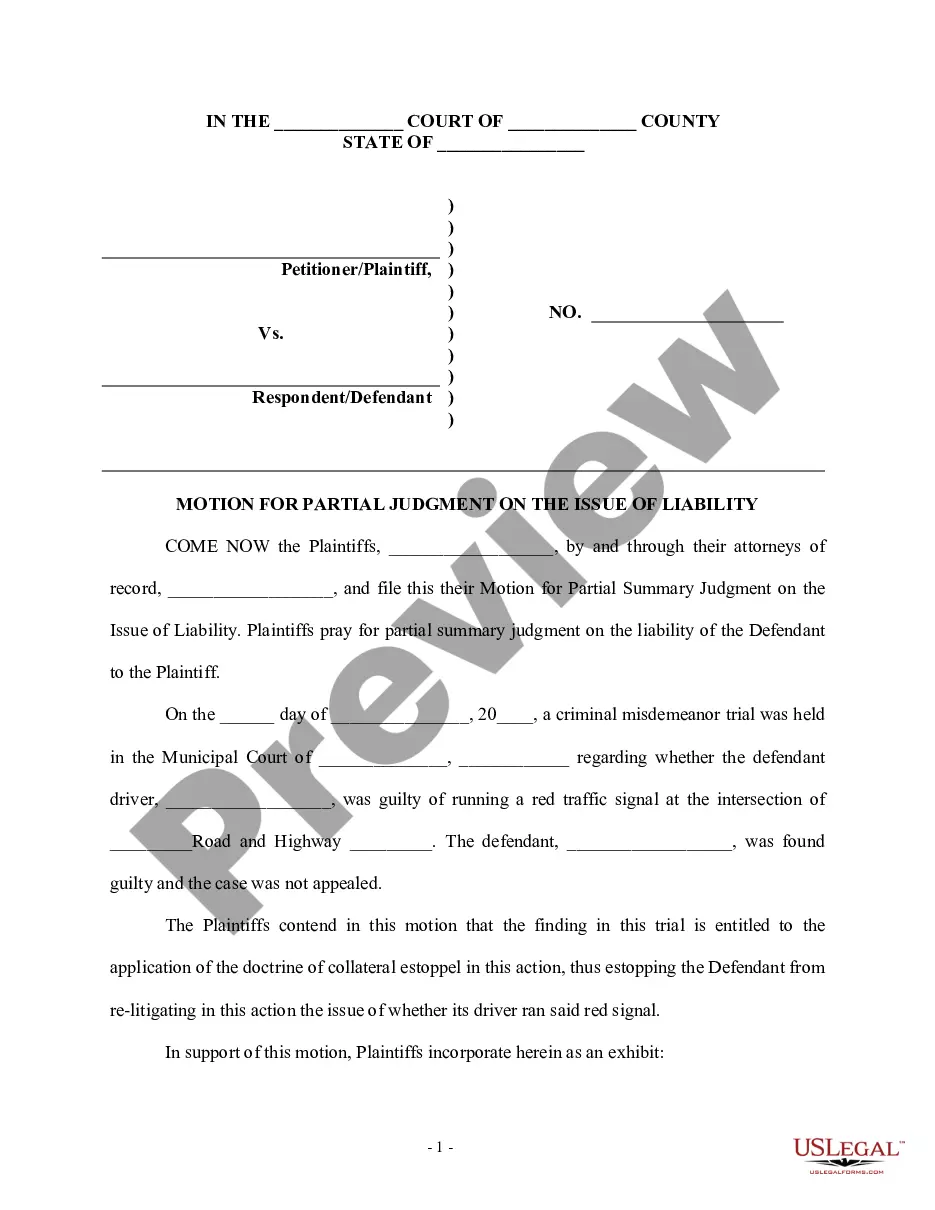
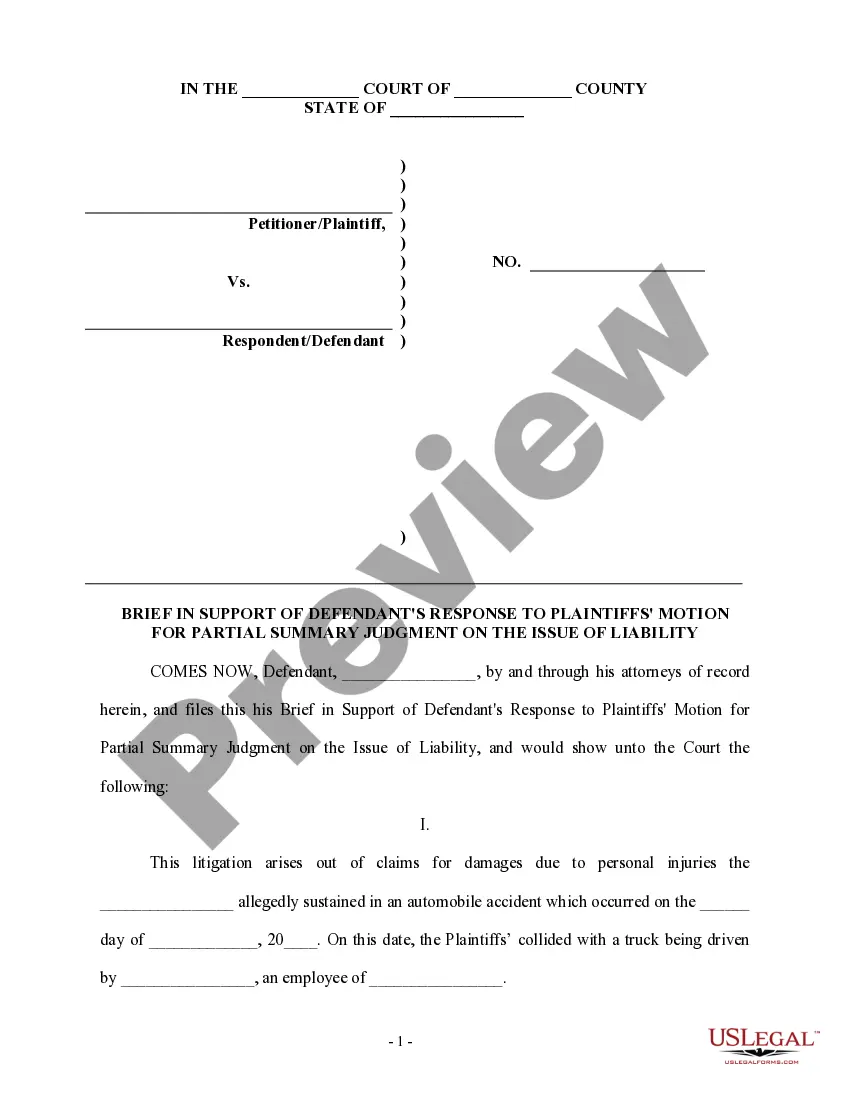
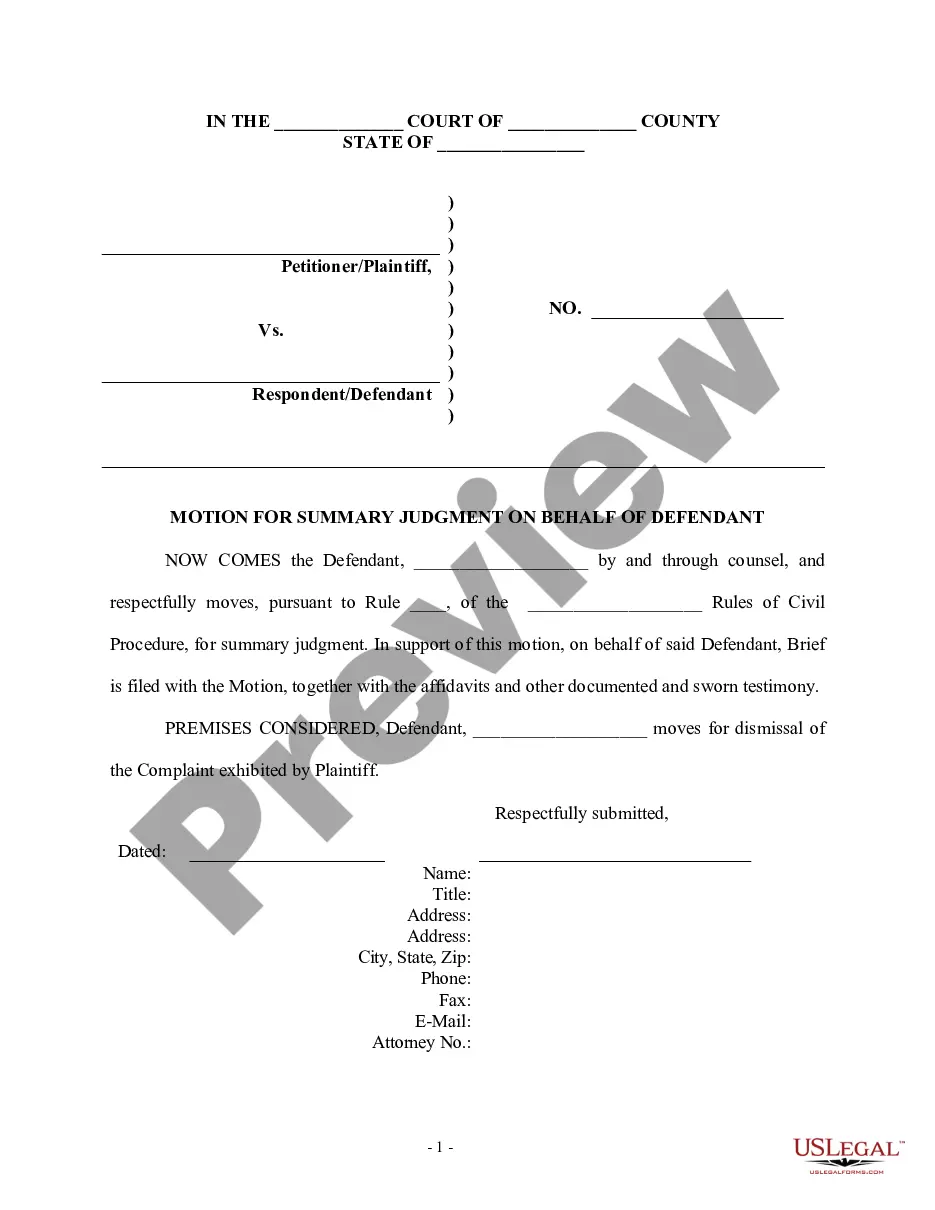
Get your form ready online
Our built-in tools help you complete, sign, share, and store your documents in one place.
Make edits, fill in missing information, and update formatting in US Legal Forms—just like you would in MS Word.
Download a copy, print it, send it by email, or mail it via USPS—whatever works best for your next step.
Sign and collect signatures with our SignNow integration. Send to multiple recipients, set reminders, and more. Go Premium to unlock E-Sign.
If this form requires notarization, complete it online through a secure video call—no need to meet a notary in person or wait for an appointment.
We protect your documents and personal data by following strict security and privacy standards.

Make edits, fill in missing information, and update formatting in US Legal Forms—just like you would in MS Word.

Download a copy, print it, send it by email, or mail it via USPS—whatever works best for your next step.

Sign and collect signatures with our SignNow integration. Send to multiple recipients, set reminders, and more. Go Premium to unlock E-Sign.

If this form requires notarization, complete it online through a secure video call—no need to meet a notary in person or wait for an appointment.

We protect your documents and personal data by following strict security and privacy standards.
Looking for another form?

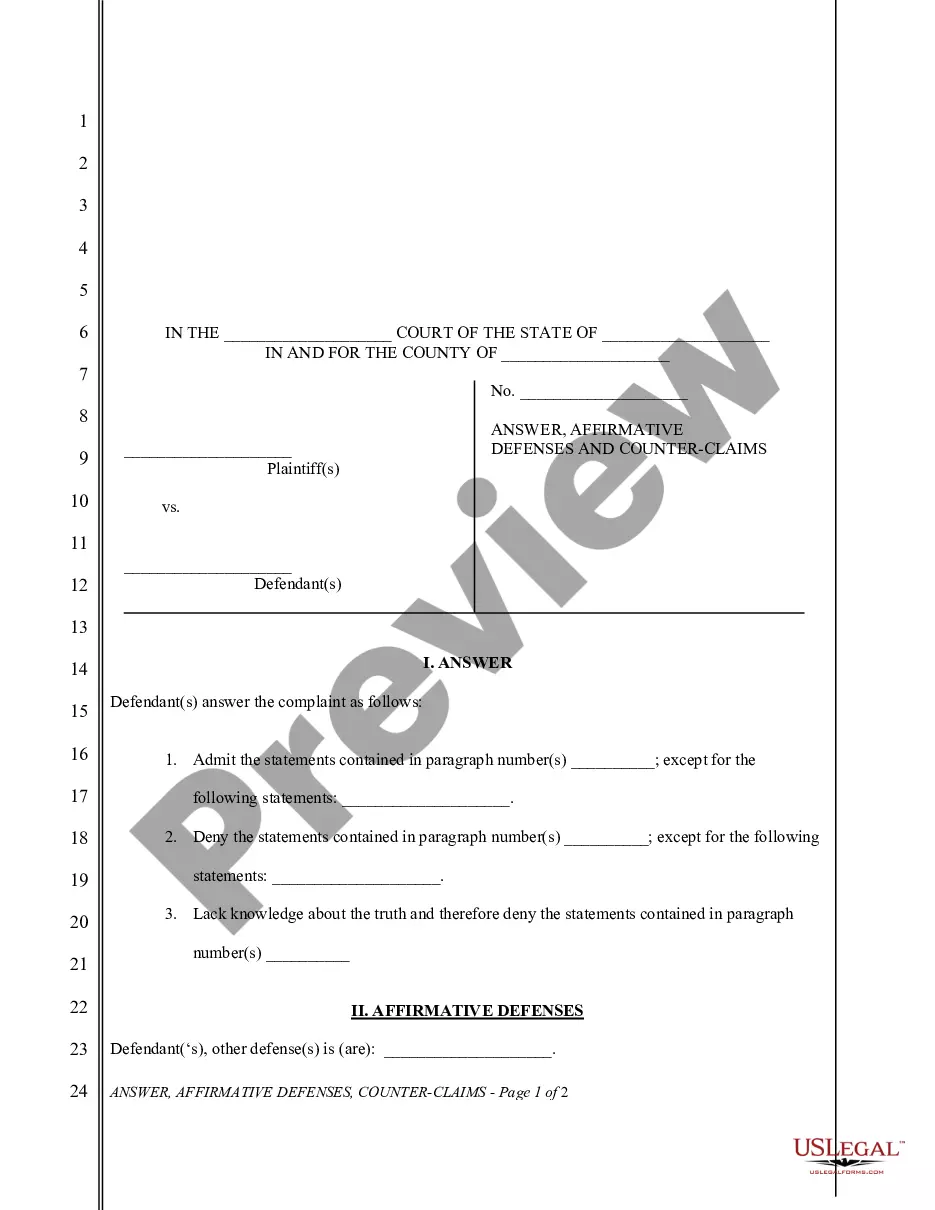

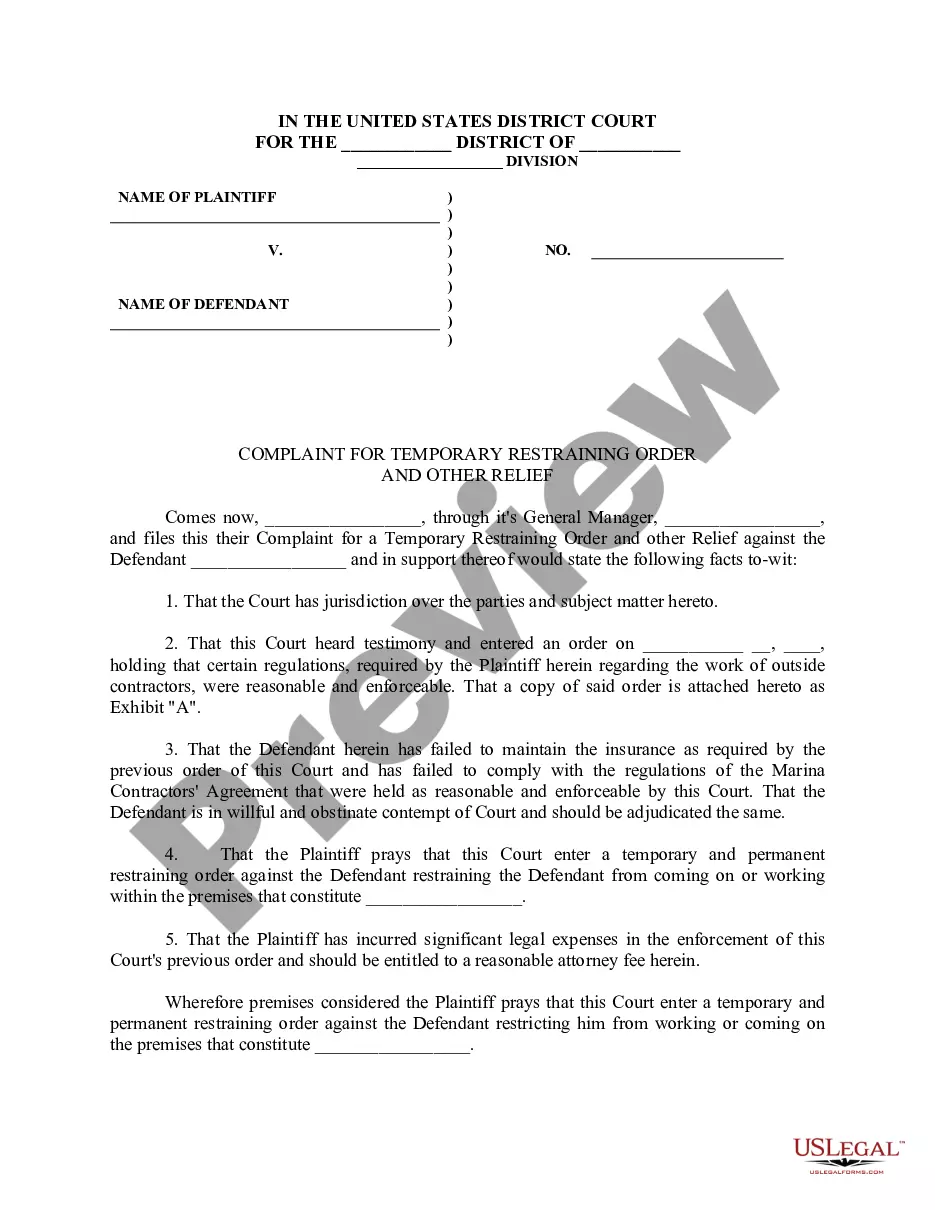
How to fill out Defendant's Response To Plaintiff's Motion For Summary Judgment On The Issue Of Liability?
Creating legal documents from the beginning can occasionally be daunting.
Certain cases may require extensive investigation and a significant financial commitment.
If you’re looking for a simpler and more affordable method for generating Summary Judgment Explained Without A Hearing or any additional documents without unnecessary obstacles, US Legal Forms is always available to assist you.
Our online library of over 85,000 current legal documents covers nearly every facet of your financial, legal, and personal affairs. With just a few clicks, you can quickly obtain state- and county-specific forms meticulously crafted for you by our legal experts.
Review the form preview and descriptions to make sure that you have located the document you need.
- Utilize our website whenever you require dependable and trustworthy services to efficiently find and download the Summary Judgment Explained Without A Hearing.
- If you’re familiar with our site and have set up an account with us before, simply Log In to your account, choose the template, and download it or re-download it anytime in the My documents section.
- Not registered yet? No problem. It takes minimal time to sign up and explore the catalog.
- Before directly downloading the Summary Judgment Explained Without A Hearing, consider these suggestions.
Form popularity
FAQ
The grounds for a summary judgment often include the absence of material facts that require a trial. This can involve situations where evidence clearly supports one party's position, leaving no room for reasonable disagreement. Summary judgment explained without a hearing helps streamline the legal process by eliminating unnecessary trials. Using platforms like USLegalForms, you can find resources to better understand and prepare your case.
Summary judgment explained without a hearing means that a court can resolve a case without a full trial. When a judge grants summary judgment, it indicates that there are no significant facts in dispute, and one party is entitled to win based on the law. This process can save time and resources for everyone involved. By understanding this concept, you can better navigate your legal options.
The requirements for summary judgment include proving there is no genuine dispute over material facts and that the moving party is entitled to judgment as a matter of law. Additionally, the evidence must be admissible and relevant to the case. Understanding these requirements is fundamental, as it ensures you present a compelling argument, especially when exploring how summary judgment explained without a hearing can simplify legal proceedings.
Generally, a motion for summary judgment can be filed at any time after a case has been initiated, but specific deadlines may apply. Courts often set timelines for filing motions, and it is essential to adhere to these rules. If you are unsure about the timing, consulting resources like US Legal Forms can guide you through the process, especially when considering summary judgment explained without a hearing.
Yes, evidence is crucial for summary judgment. The moving party must present sufficient evidence to demonstrate that there are no genuine disputes over material facts. This often includes affidavits, depositions, or documents that support the claims. To better understand this requirement, consider how summary judgment explained without a hearing relies on solid evidence to avoid lengthy trials.
In most cases, a court cannot grant summary judgment without a motion being filed. The motion initiates the process and allows both parties to present their arguments. However, in rare instances, a court may find grounds to grant summary judgment sua sponte, or on its own, particularly if it identifies a clear lack of evidence. This highlights the importance of being prepared, especially when you consider summary judgment explained without a hearing.
The grounds for summary judgment include a lack of genuine dispute over material facts and the moving party’s entitlement to judgment as a matter of law. Common grounds involve clear evidence that supports one side's claims or defenses, making a trial unnecessary. Knowing these grounds can help you effectively argue your case, especially when understanding summary judgment explained without a hearing.
The judge typically decides a motion for summary judgment. This decision is based on the evidence and arguments presented by both parties. The judge evaluates whether there are any genuine disputes over material facts and if the moving party is entitled to judgment as a matter of law. Understanding how summary judgment works, especially when explained without a hearing, may help you navigate this process.