Summary Judgment Explained Within
Description
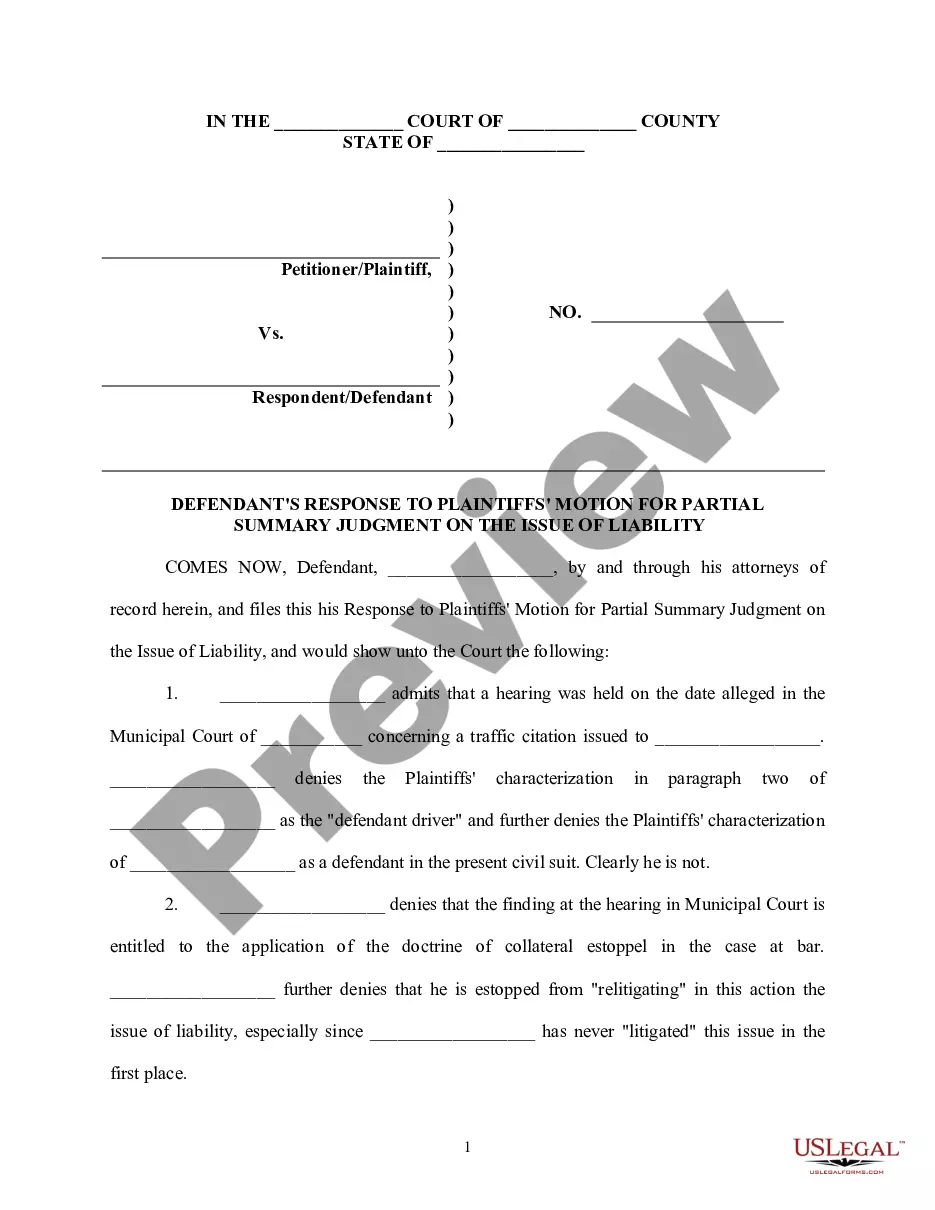
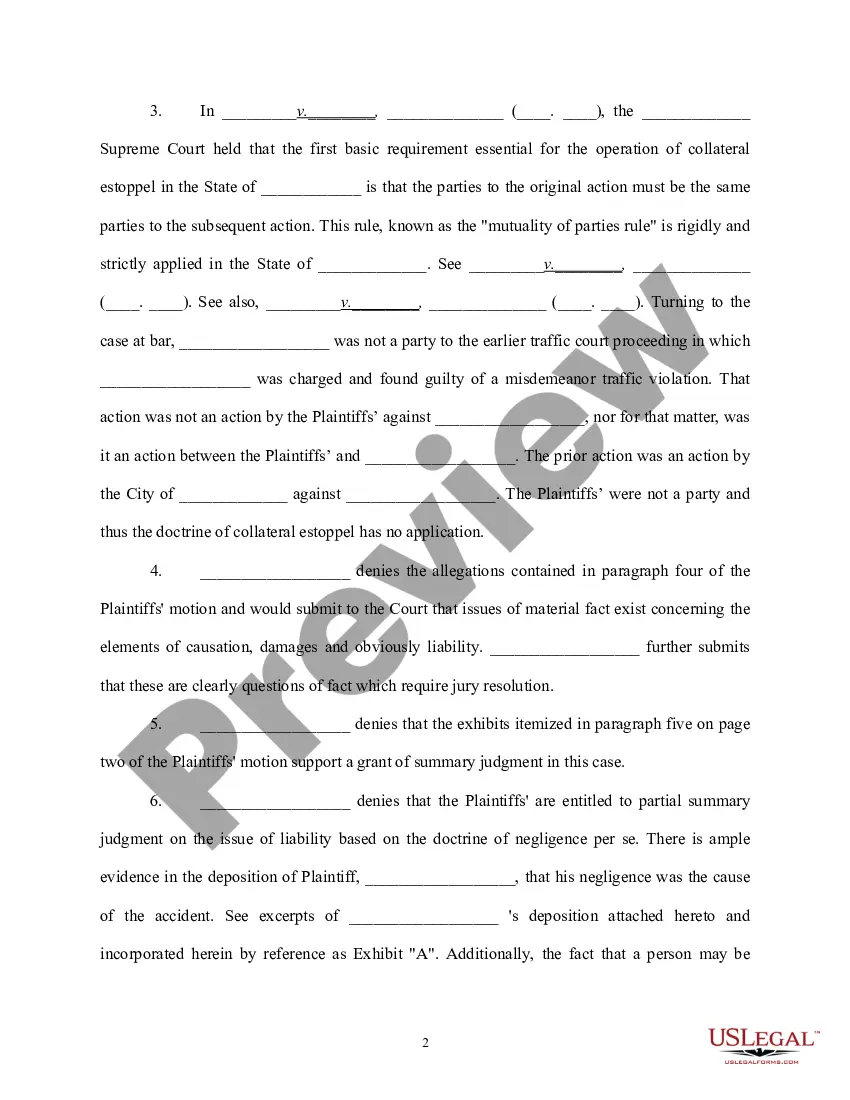
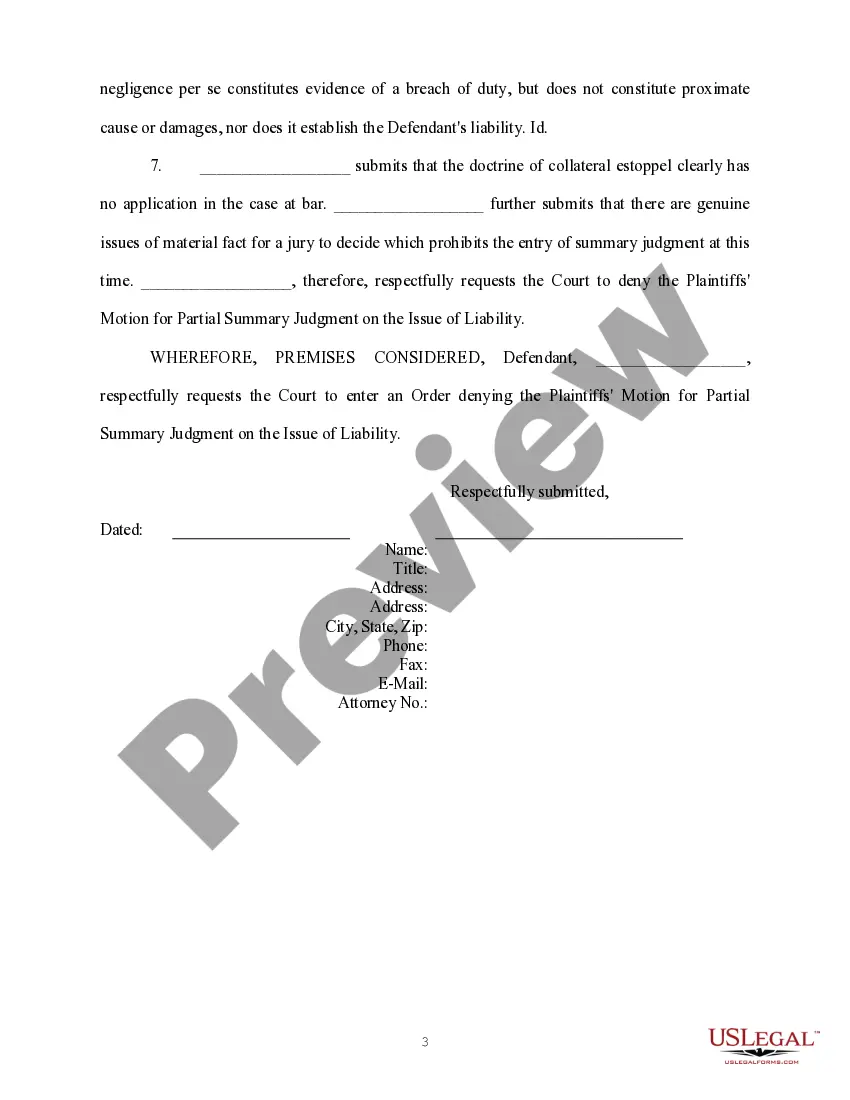
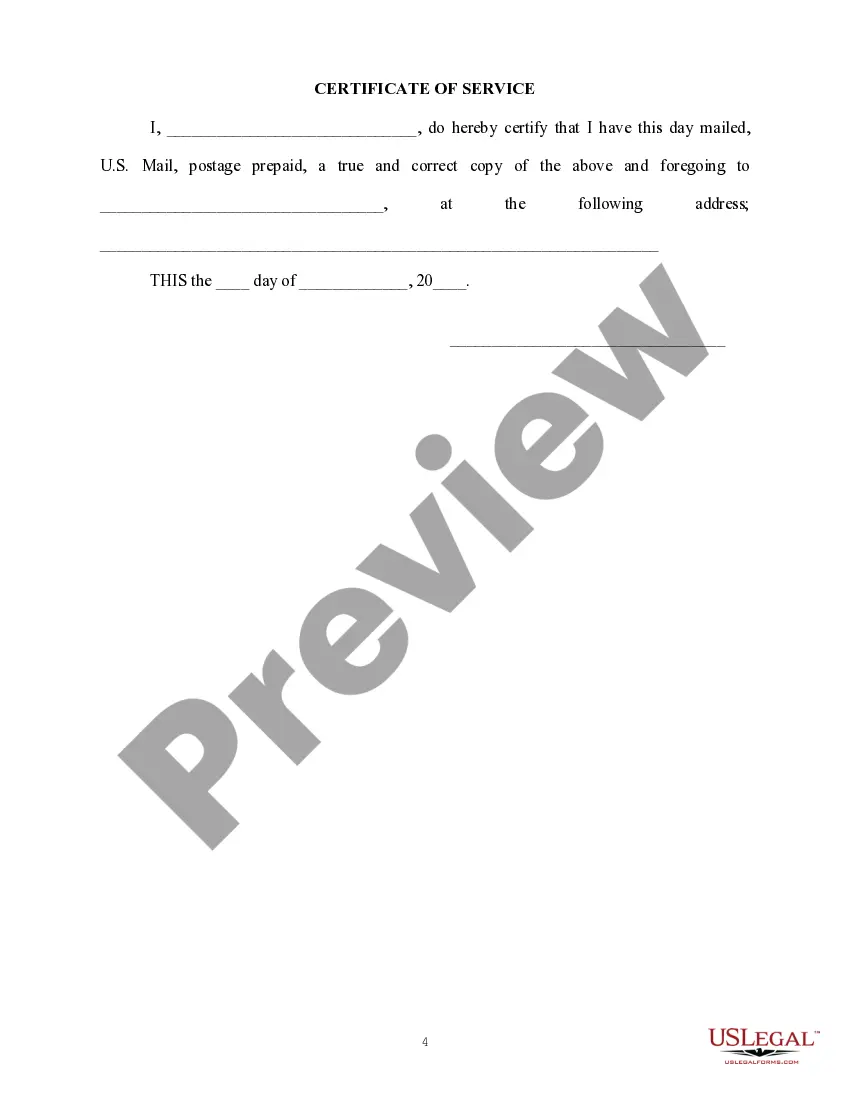
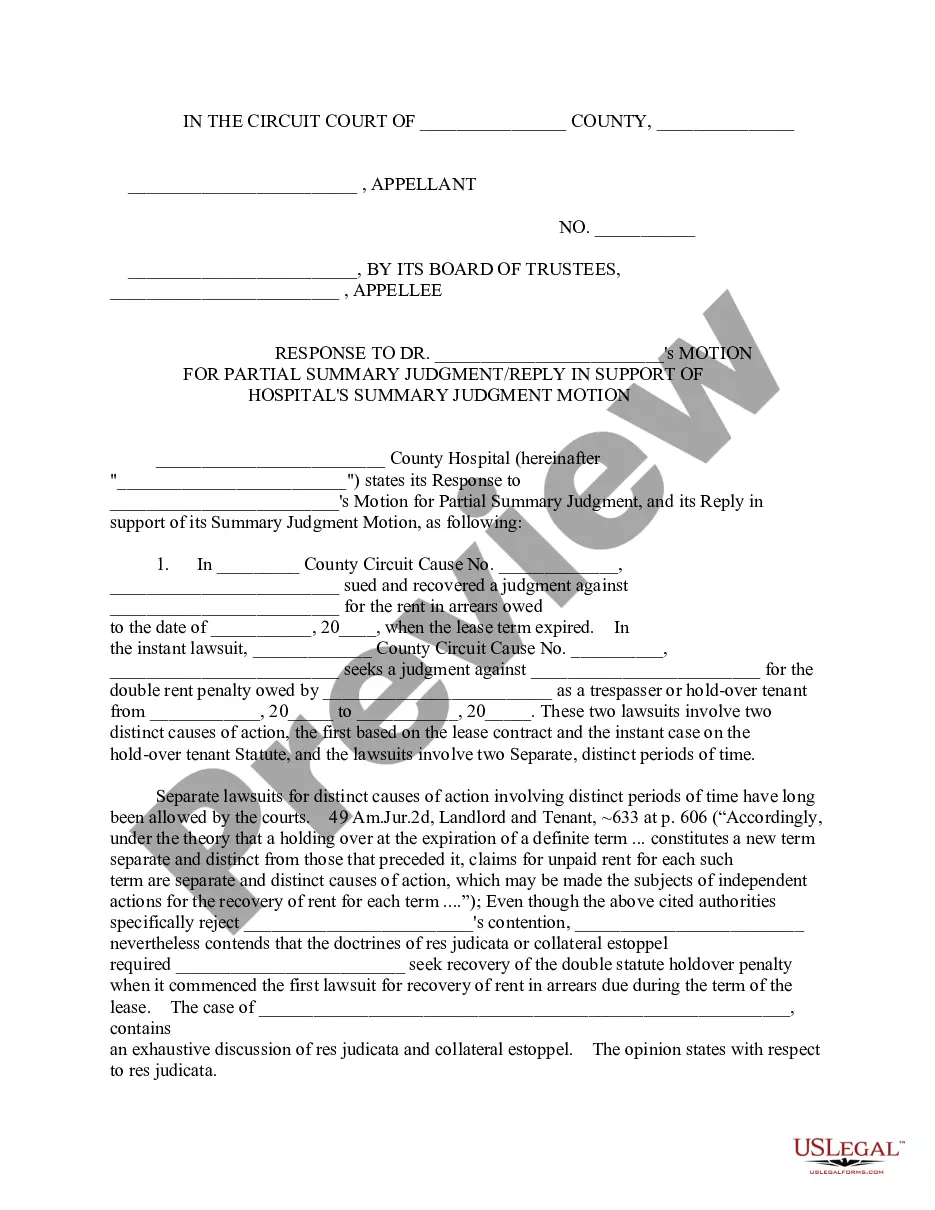
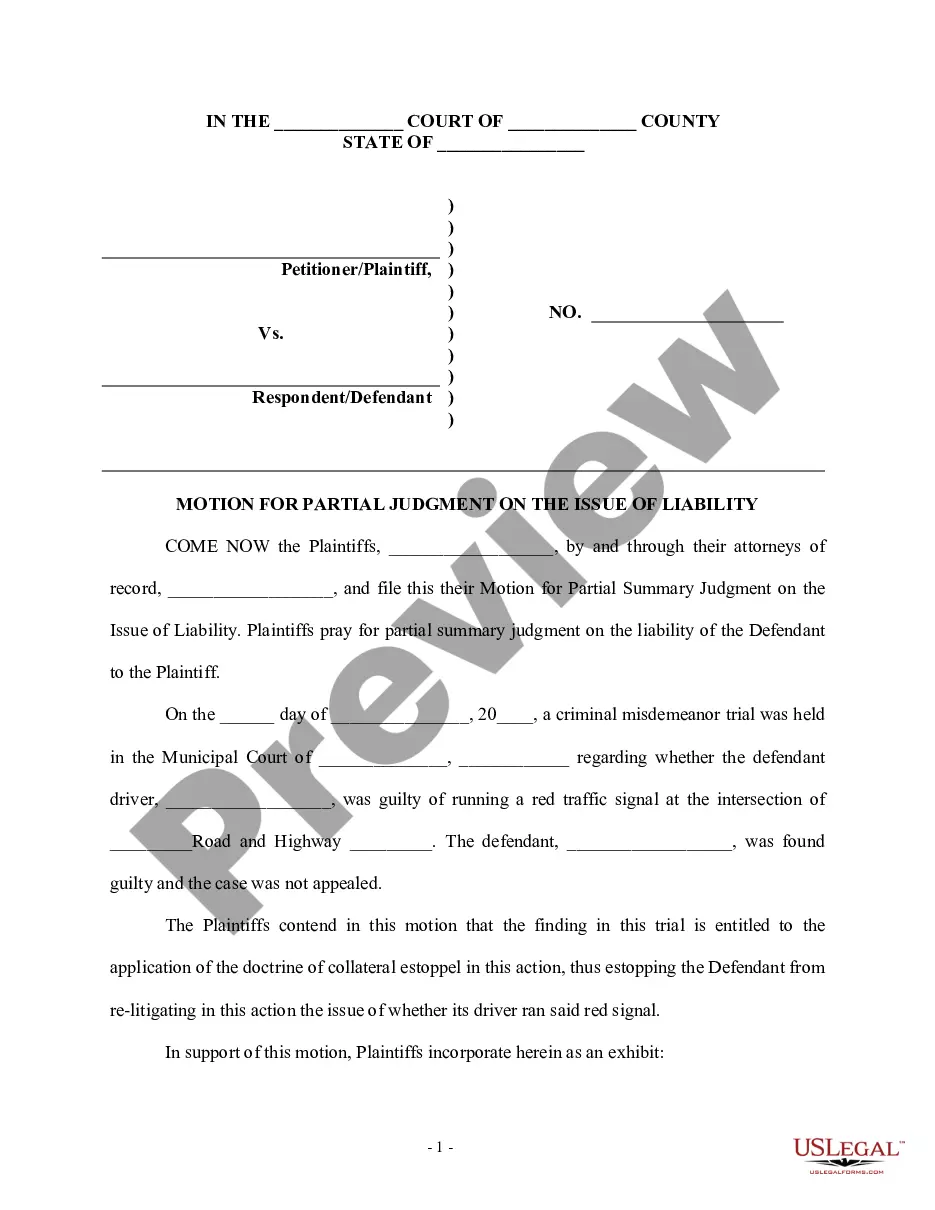
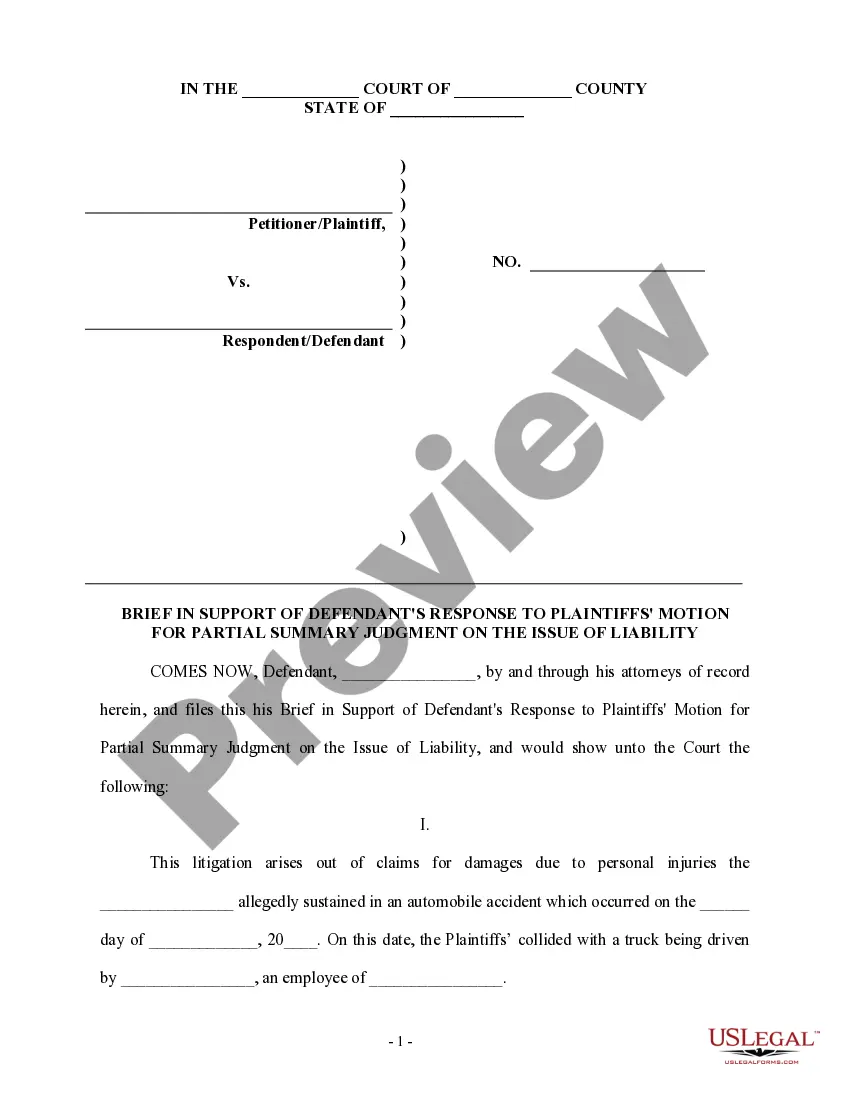
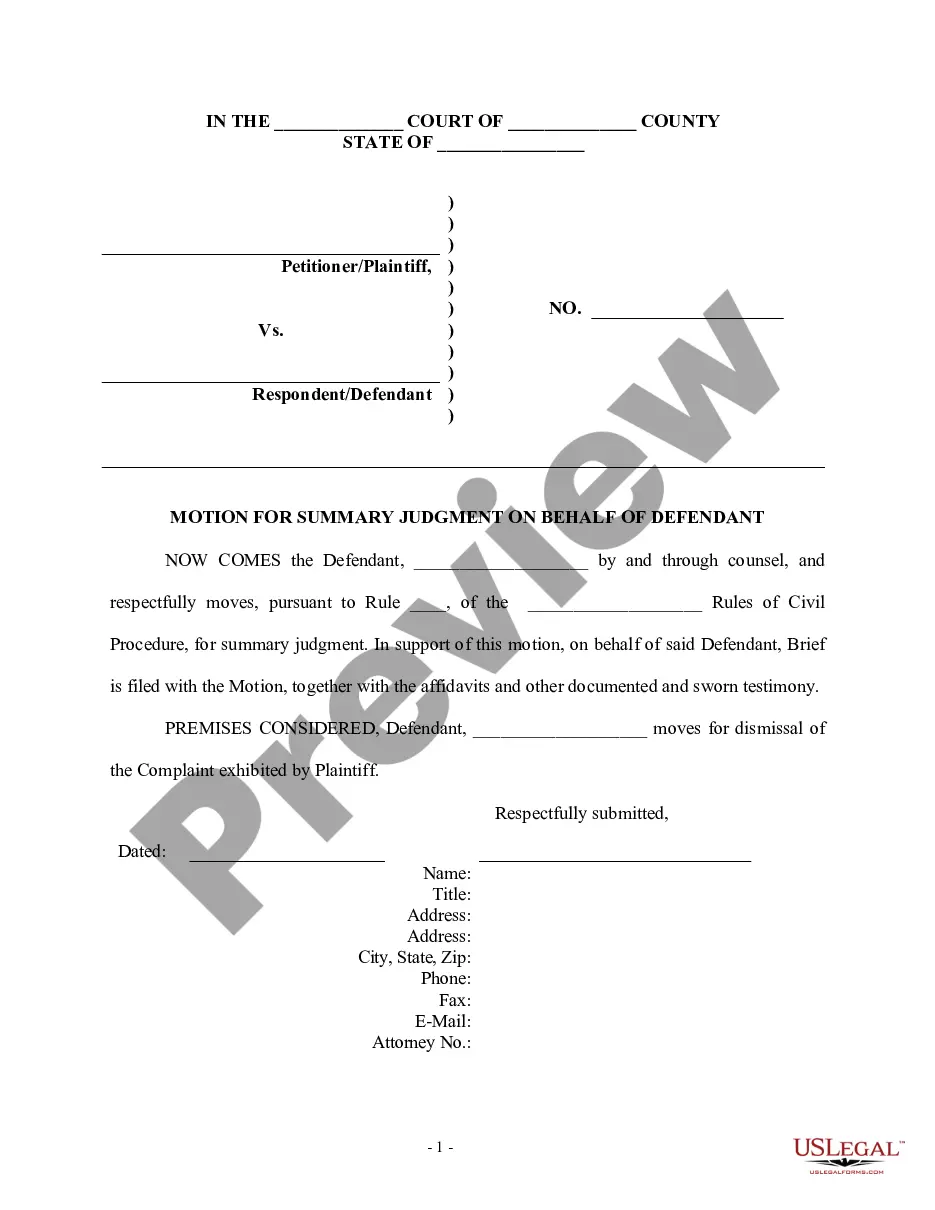
Get your form ready online
Our built-in tools help you complete, sign, share, and store your documents in one place.
Make edits, fill in missing information, and update formatting in US Legal Forms—just like you would in MS Word.
Download a copy, print it, send it by email, or mail it via USPS—whatever works best for your next step.
Sign and collect signatures with our SignNow integration. Send to multiple recipients, set reminders, and more. Go Premium to unlock E-Sign.
If this form requires notarization, complete it online through a secure video call—no need to meet a notary in person or wait for an appointment.
We protect your documents and personal data by following strict security and privacy standards.

Make edits, fill in missing information, and update formatting in US Legal Forms—just like you would in MS Word.

Download a copy, print it, send it by email, or mail it via USPS—whatever works best for your next step.

Sign and collect signatures with our SignNow integration. Send to multiple recipients, set reminders, and more. Go Premium to unlock E-Sign.

If this form requires notarization, complete it online through a secure video call—no need to meet a notary in person or wait for an appointment.

We protect your documents and personal data by following strict security and privacy standards.
Looking for another form?

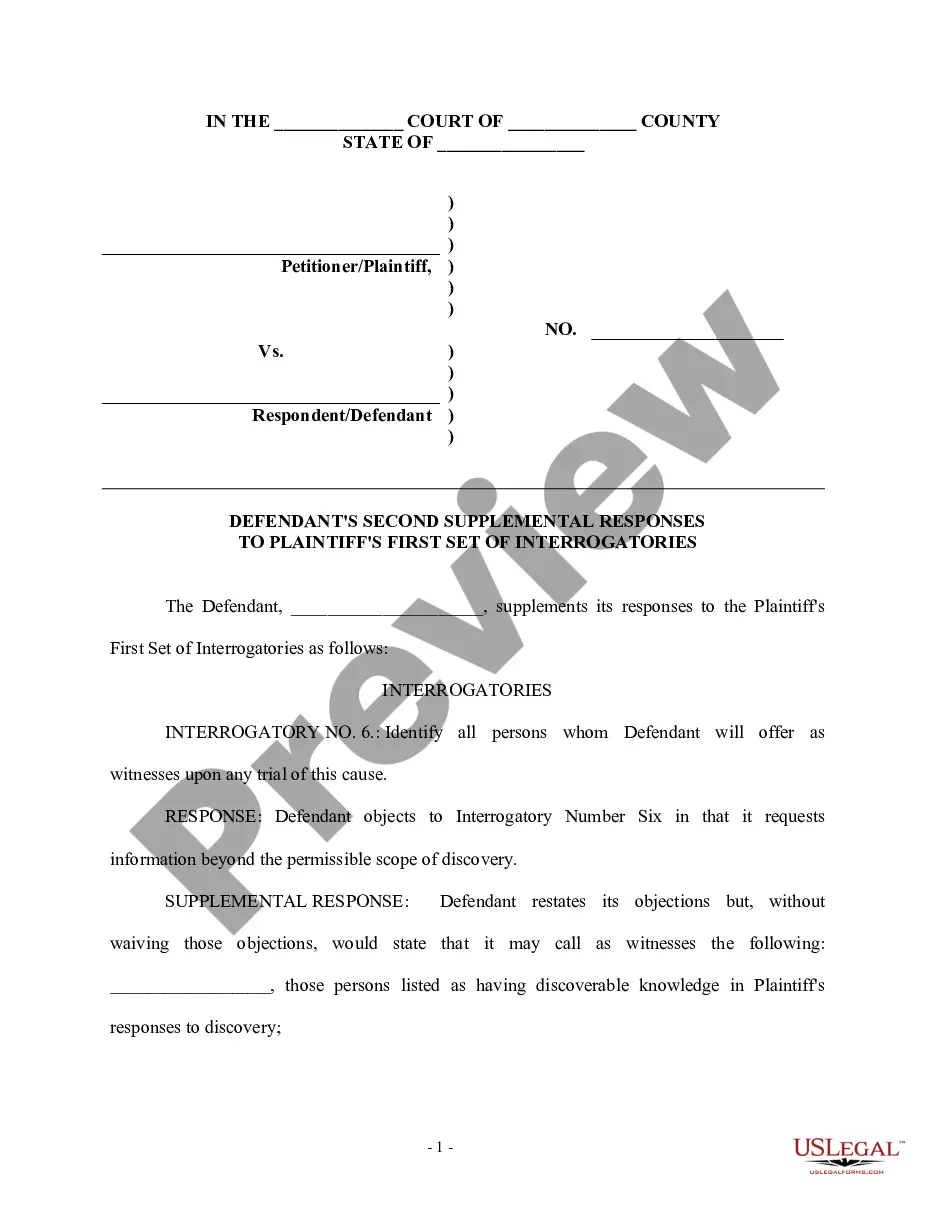
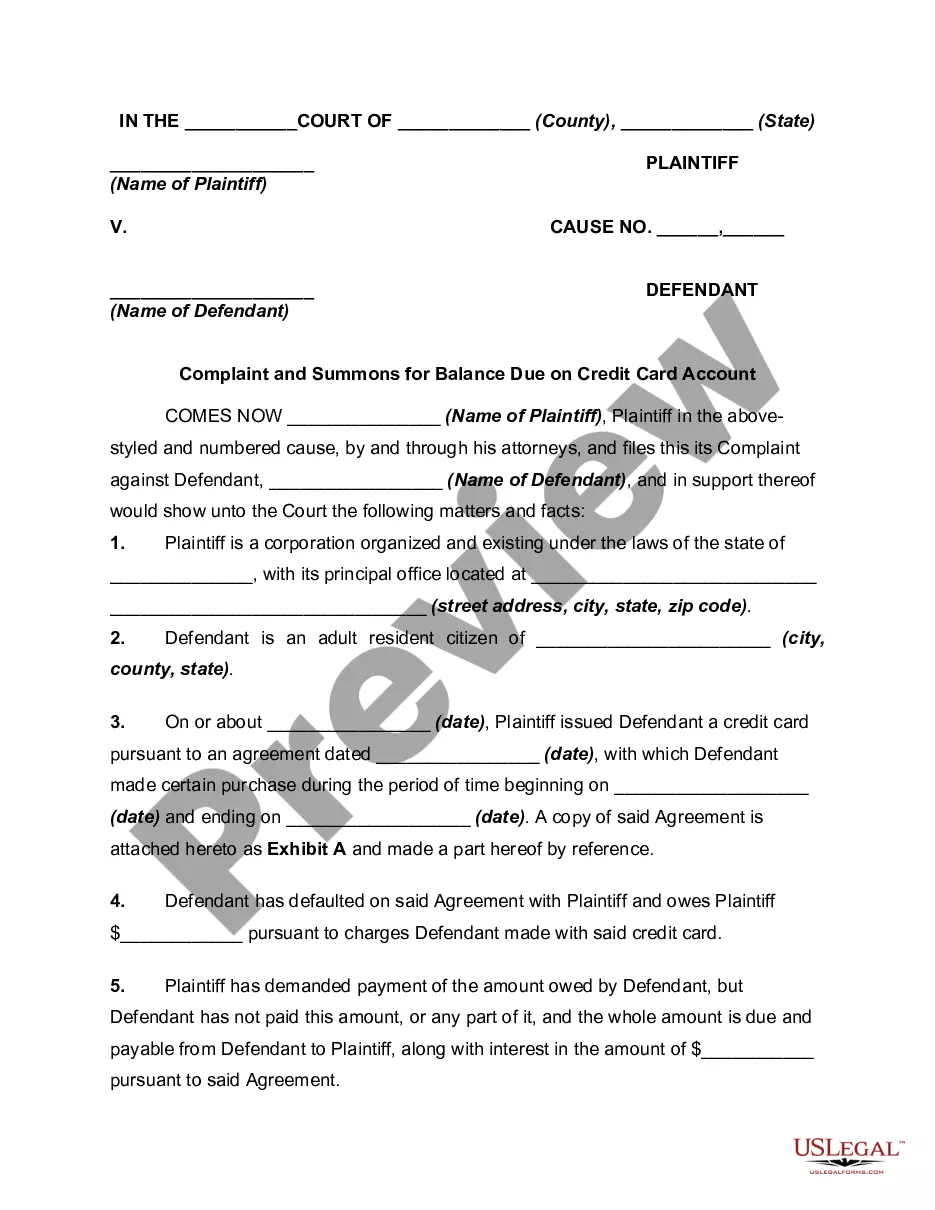
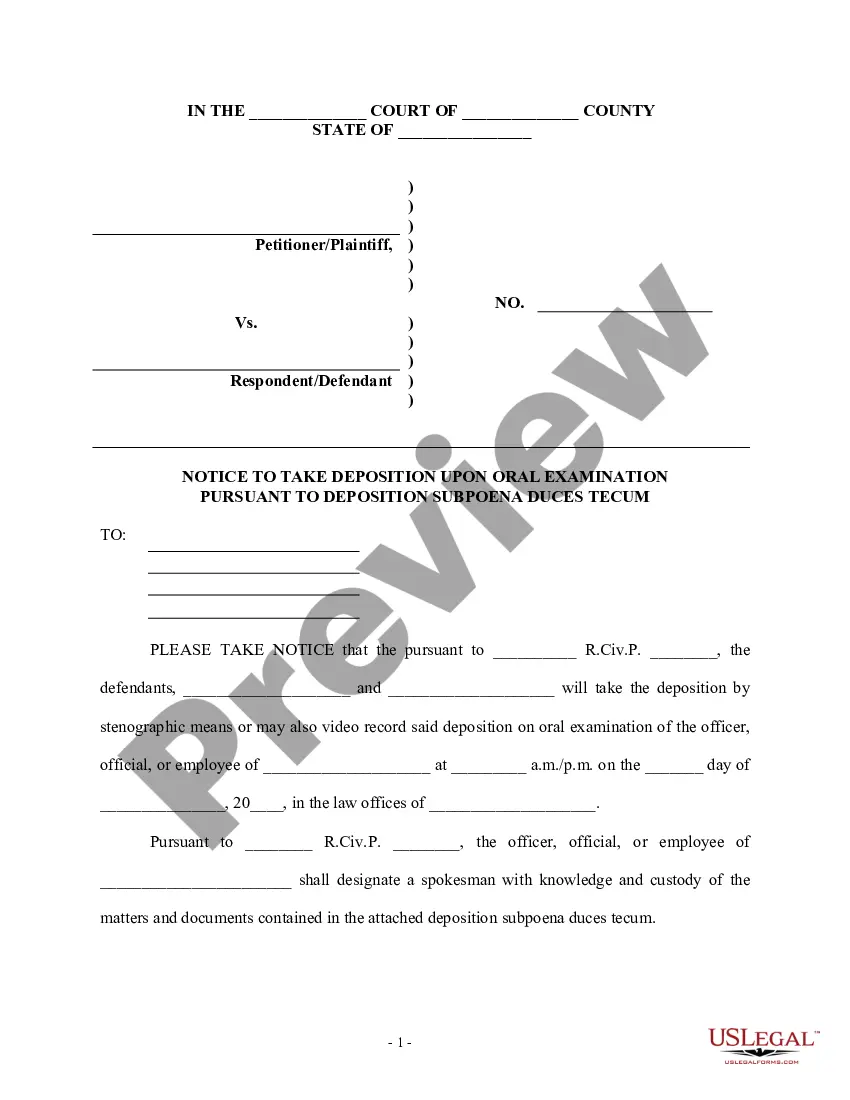
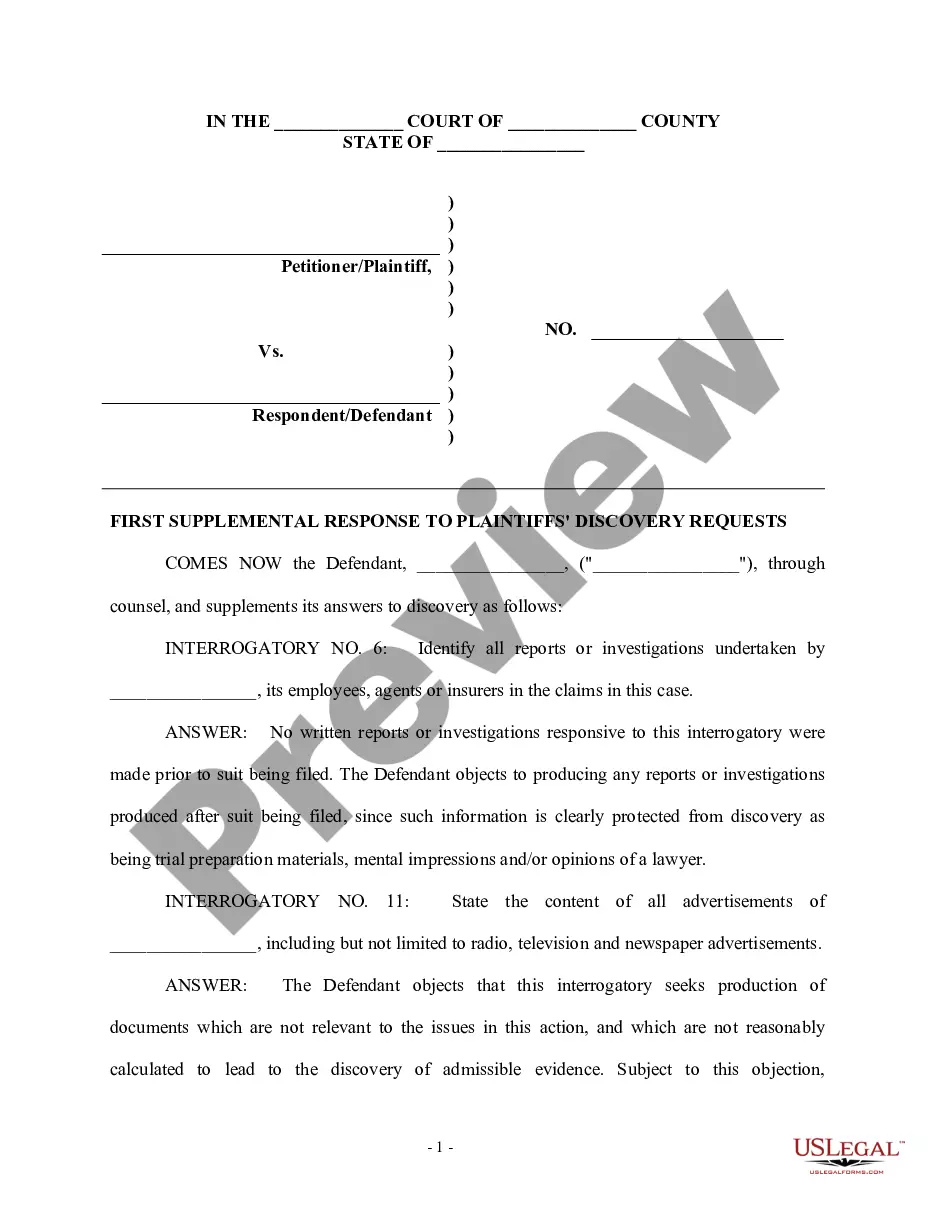
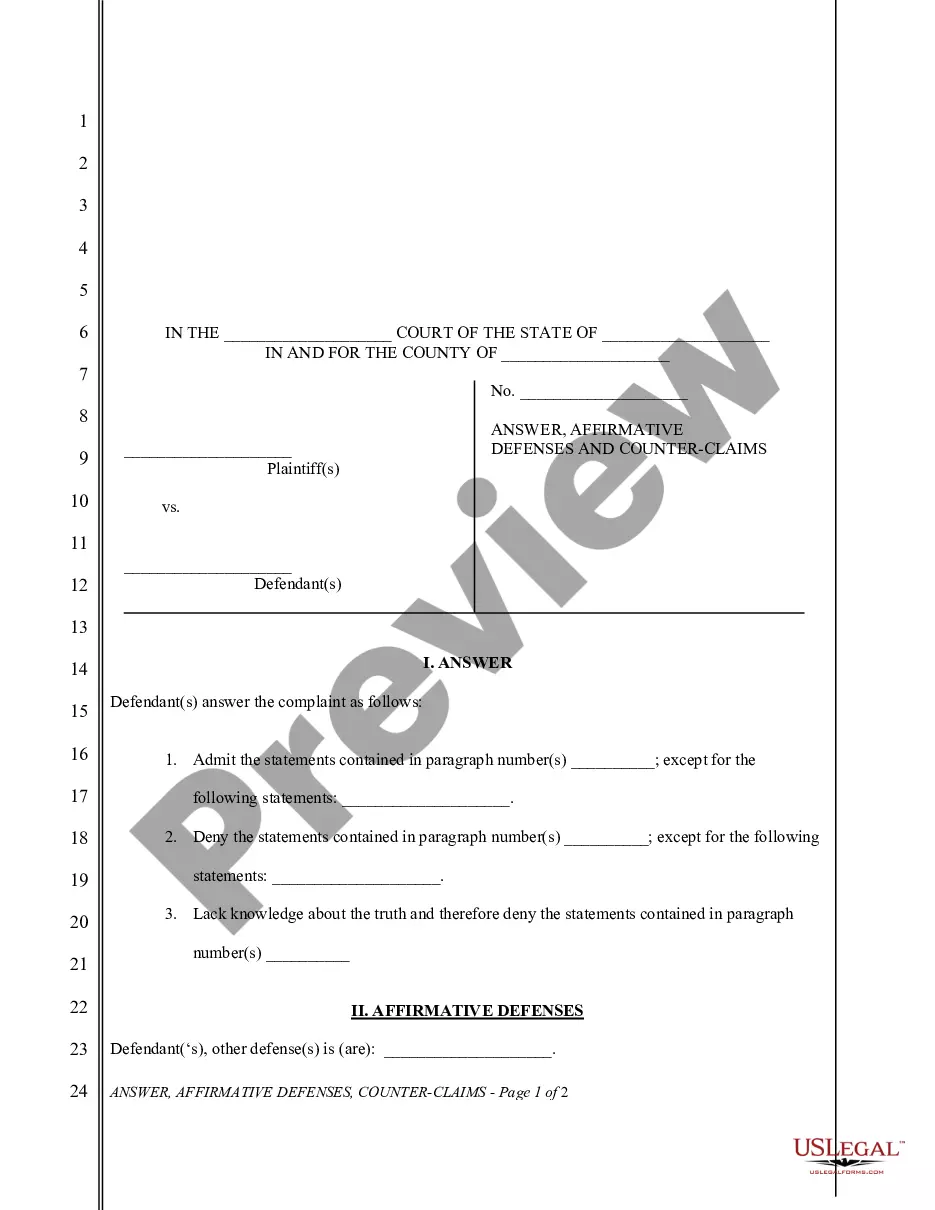

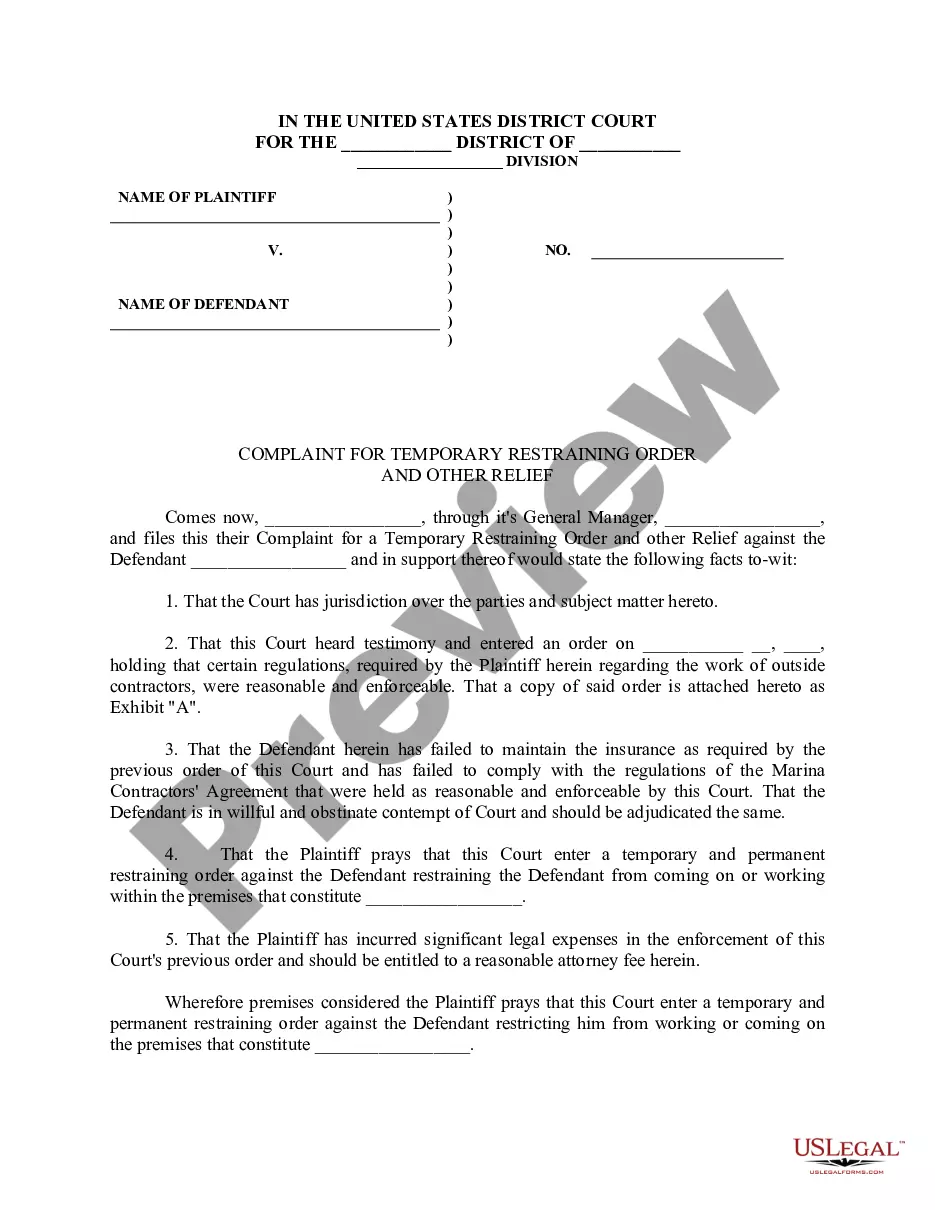
How to fill out Defendant's Response To Plaintiff's Motion For Summary Judgment On The Issue Of Liability?
It’s well known that you cannot become a legal authority instantly, nor can you quickly understand how to draft Summary Judgment Explained Within without a particular expertise.
Creating legal paperwork is a lengthy task that necessitates specific education and abilities. So why not allow the professionals to handle the preparation of the Summary Judgment Explained Within.
With US Legal Forms, one of the most extensive legal document repositories, you can discover everything from court documents to templates for internal corporate communications.
You can access your documents again from the My documents tab at any moment. If you’re a current customer, you can simply Log In, and find and download the template from the same tab.
Regardless of the reason for your forms—whether financial, legal, or personal—our website has you taken care of. Try US Legal Forms today!
- Find the form you need by utilizing the search bar at the top of the page.
- Preview it (if this option is available) and review the accompanying description to determine whether Summary Judgment Explained Within is what you’re seeking.
- Restart your search if you require another form.
- Create a free account and choose a subscription plan to purchase the template.
- Click Buy now. After the transaction is finalized, you can download the Summary Judgment Explained Within, fill it out, print it, and send or post it to the required individuals or organizations.
Form popularity
FAQ
When a plaintiff wins a summary judgment, the court typically rules in their favor on the key issues of the case. This decision can lead to the awarding of damages or other remedies without needing a trial. Winning summary judgment often signifies a significant victory in the legal battle. Understanding how summary judgment is explained within your situation can help you navigate the next steps.
In simple terms, a summary judgment is a legal decision made by a court without a full trial. It occurs when there is enough evidence to decide a case based on the law, eliminating the need for further proceedings. This process helps resolve disputes quickly and efficiently. Exploring how summary judgment is explained within the legal framework can provide clarity on its role.
Common grounds for summary judgment include lack of evidence to support a claim or defense, legal issues that can be decided without a trial, and established facts that negate a party's claims. Courts often grant summary judgment when the evidence overwhelmingly favors one side. Understanding these grounds can help you prepare your case effectively. You can find resources on how summary judgment is explained within legal contexts on platforms like US Legal Forms.
After a summary judgment is rendered, the next step depends on the outcome. If the judgment favors the plaintiff, the case may proceed to determine damages. Conversely, if the judgment favors the defendant, the case may conclude, barring any appeals. Recognizing how summary judgment is explained within your legal strategy can guide your subsequent actions.
The purpose of a summary judgment is to resolve a case efficiently without the need for a full trial. It allows the court to decide on legal issues based on the evidence presented, saving time and resources for both parties. Essentially, it streamlines the legal process, focusing only on the significant facts. Knowing how summary judgment is explained within your circumstances can clarify its importance.
Winning a summary judgment can be challenging, as it requires demonstrating that there are no genuine disputes of material fact. The court must be convinced that you are entitled to judgment as a matter of law. Therefore, having strong evidence and legal support is essential. Understanding how summary judgment is explained within your case can enhance your chances of success.
The odds of winning a summary judgment depend on various factors, including the strength of the evidence and the legal arguments presented. Generally, if your case presents clear facts that support your position without genuine disputes, your chances improve significantly. It is crucial to understand the legal standards that apply, as the judge will evaluate whether there are any material facts in dispute. To gain a better understanding of this process, consider reviewing our resources on summary judgment explained within, or explore how US Legal Forms can assist you in preparing your legal documents effectively.
Summary judgment is a legal procedure where one party requests the court to rule in their favor without a full trial. This is based on the argument that there are no significant facts in dispute, and thus, a trial is unnecessary. To explain summary judgment effectively, emphasize the importance of evidence and legal standards that must be met. Understanding summary judgment explained within can empower you to navigate this complex process confidently.
Filing for summary judgment involves several key steps. First, prepare your motion and supporting documents according to the court's requirements. Next, file your motion with the appropriate court and serve it to all parties involved in the case. Be sure to follow any local rules and deadlines, as they can vary. For guidance, consider using US Legal Forms, which simplifies this process and provides templates to illustrate summary judgment explained within.
To write a strong motion for summary judgment, start by outlining the undisputed facts of your case. Clearly state the legal standards that support your argument, and provide evidence such as affidavits and documents to back your claims. Be concise, but thorough; your motion should leave no room for doubt. Remember, a well-crafted motion allows you to illustrate summary judgment explained within effectively.