Summary Judgment Explained With Examples
Description
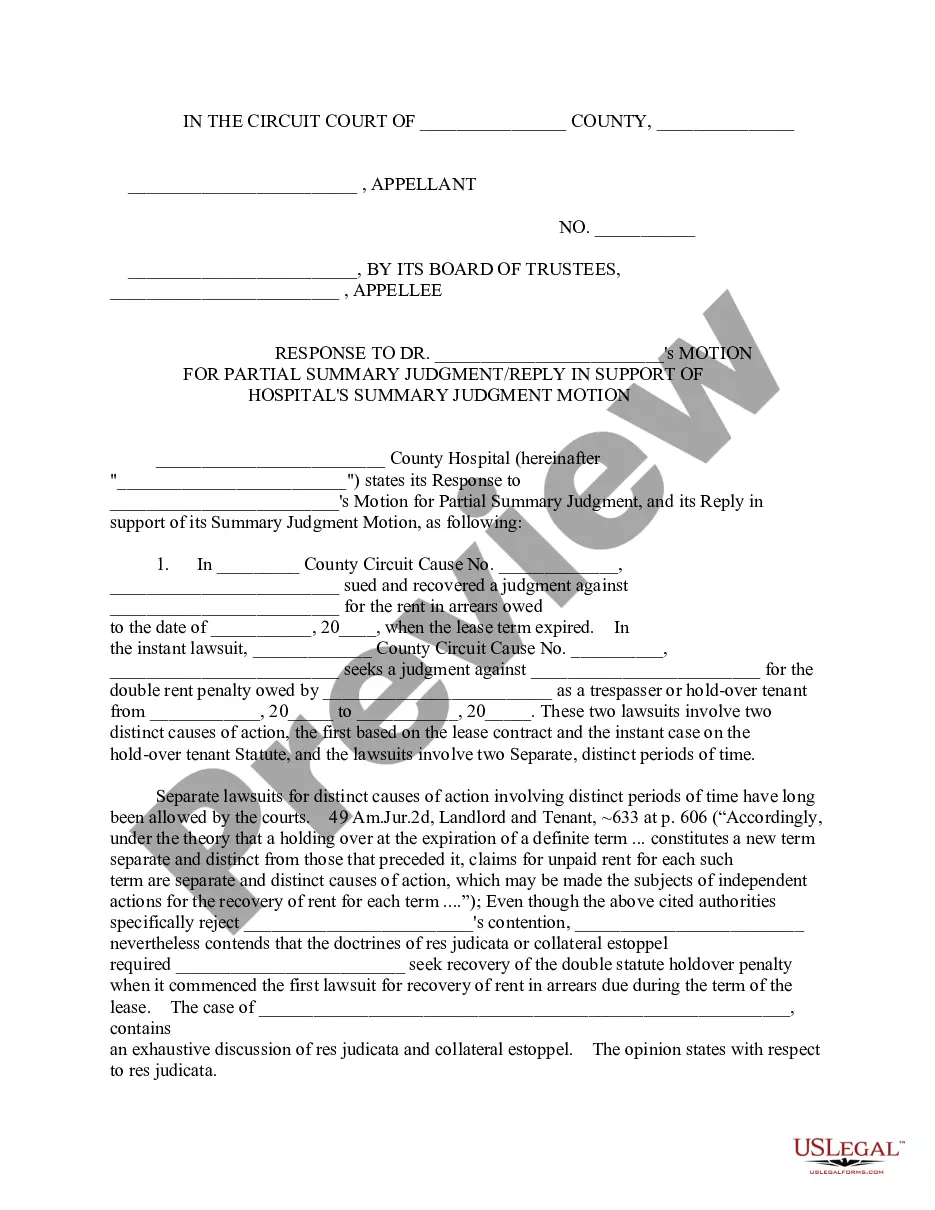
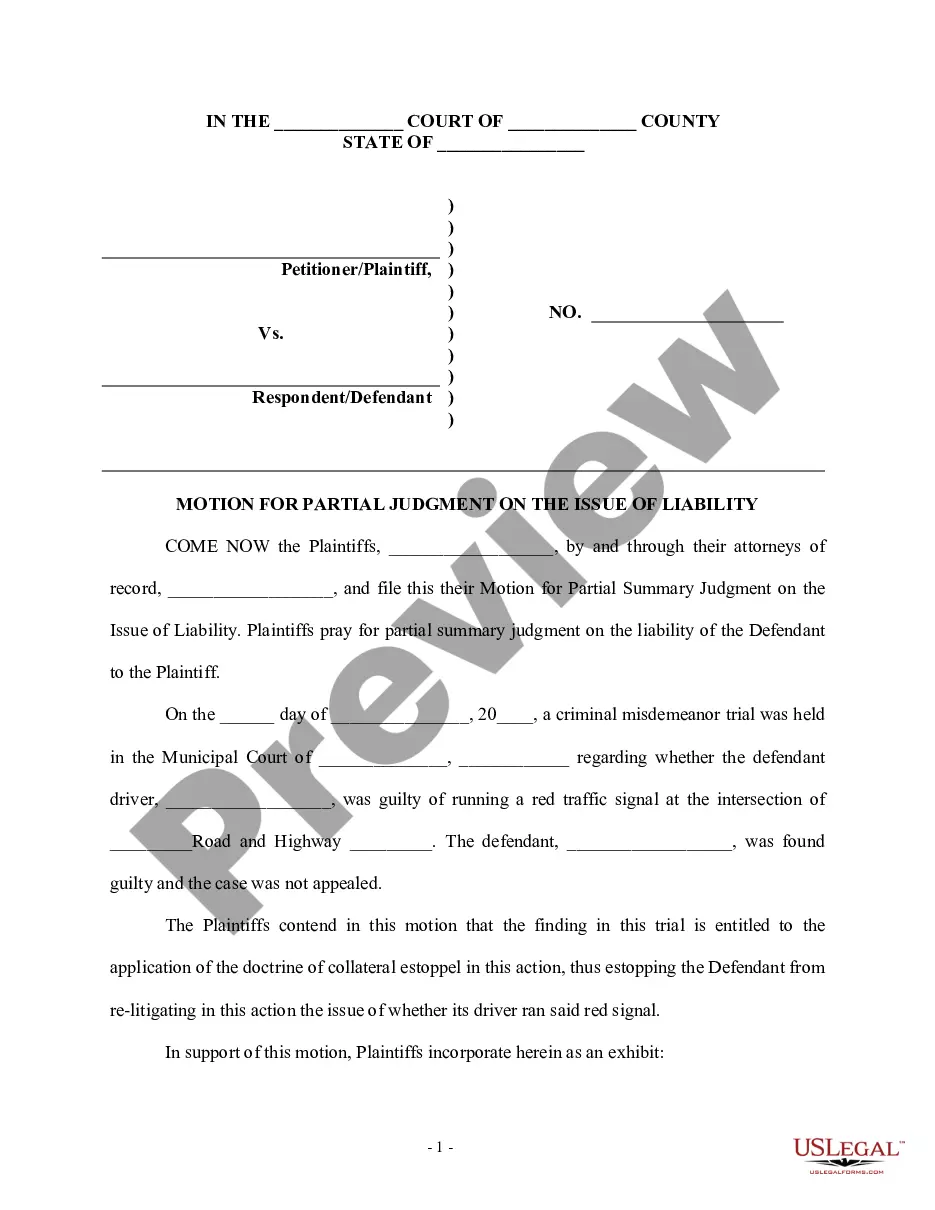
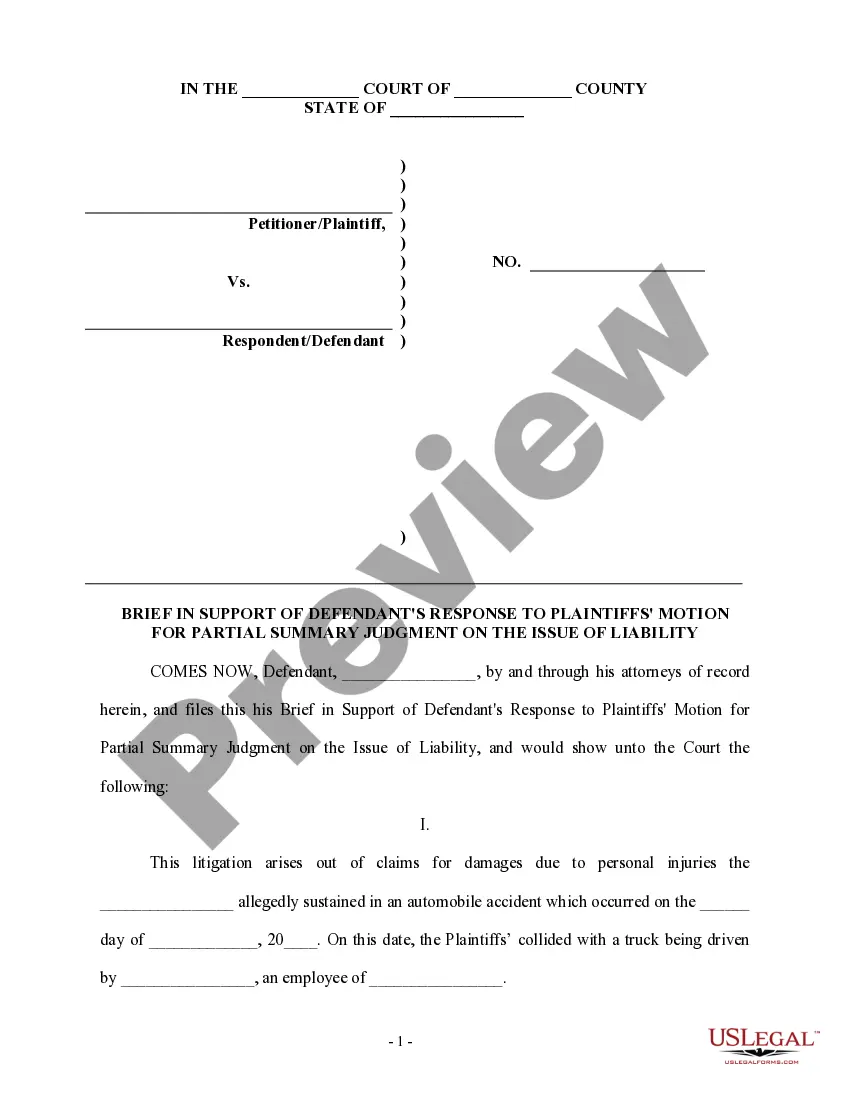
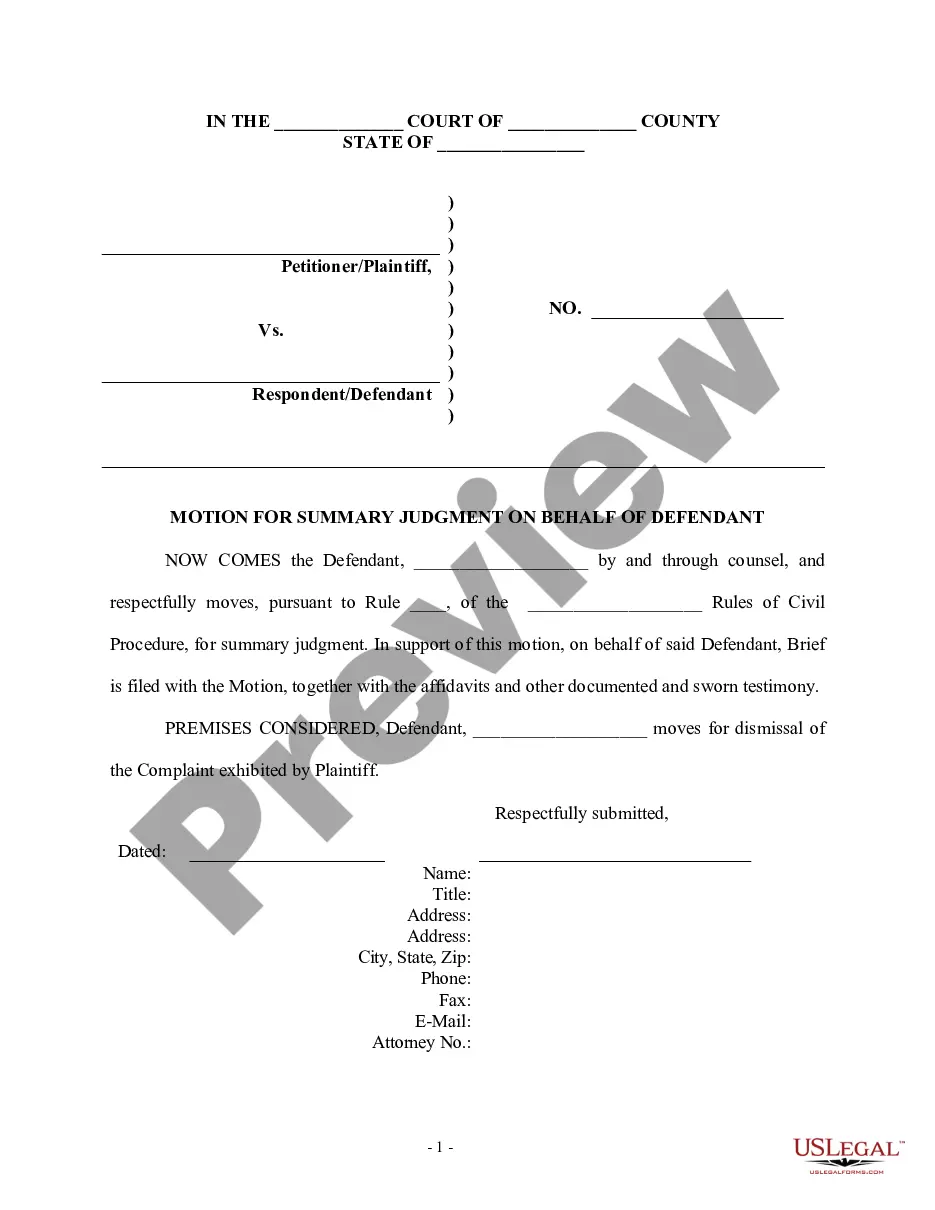
Get your form ready online
Our built-in tools help you complete, sign, share, and store your documents in one place.
Make edits, fill in missing information, and update formatting in US Legal Forms—just like you would in MS Word.
Download a copy, print it, send it by email, or mail it via USPS—whatever works best for your next step.
Sign and collect signatures with our SignNow integration. Send to multiple recipients, set reminders, and more. Go Premium to unlock E-Sign.
If this form requires notarization, complete it online through a secure video call—no need to meet a notary in person or wait for an appointment.
We protect your documents and personal data by following strict security and privacy standards.

Make edits, fill in missing information, and update formatting in US Legal Forms—just like you would in MS Word.

Download a copy, print it, send it by email, or mail it via USPS—whatever works best for your next step.

Sign and collect signatures with our SignNow integration. Send to multiple recipients, set reminders, and more. Go Premium to unlock E-Sign.

If this form requires notarization, complete it online through a secure video call—no need to meet a notary in person or wait for an appointment.

We protect your documents and personal data by following strict security and privacy standards.
Looking for another form?

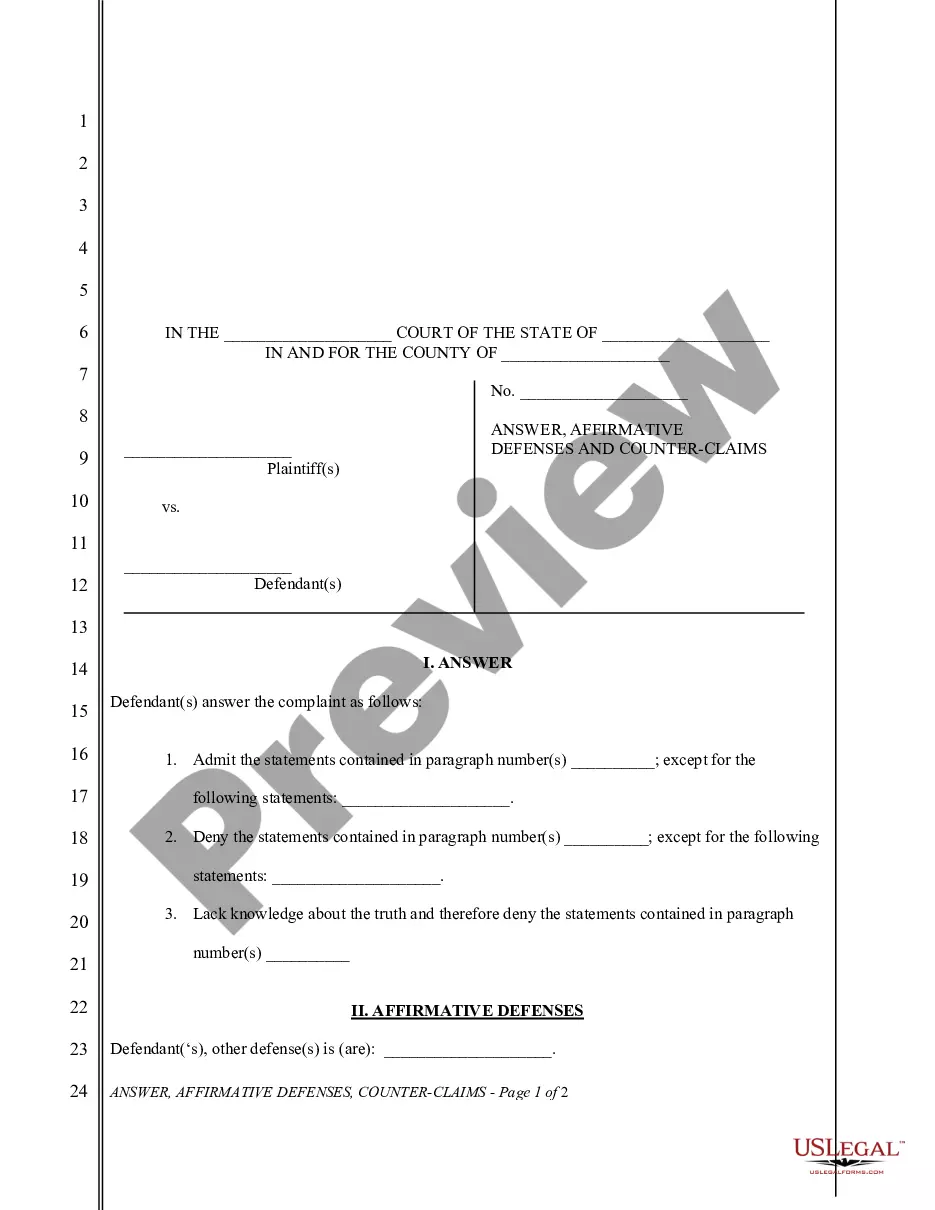

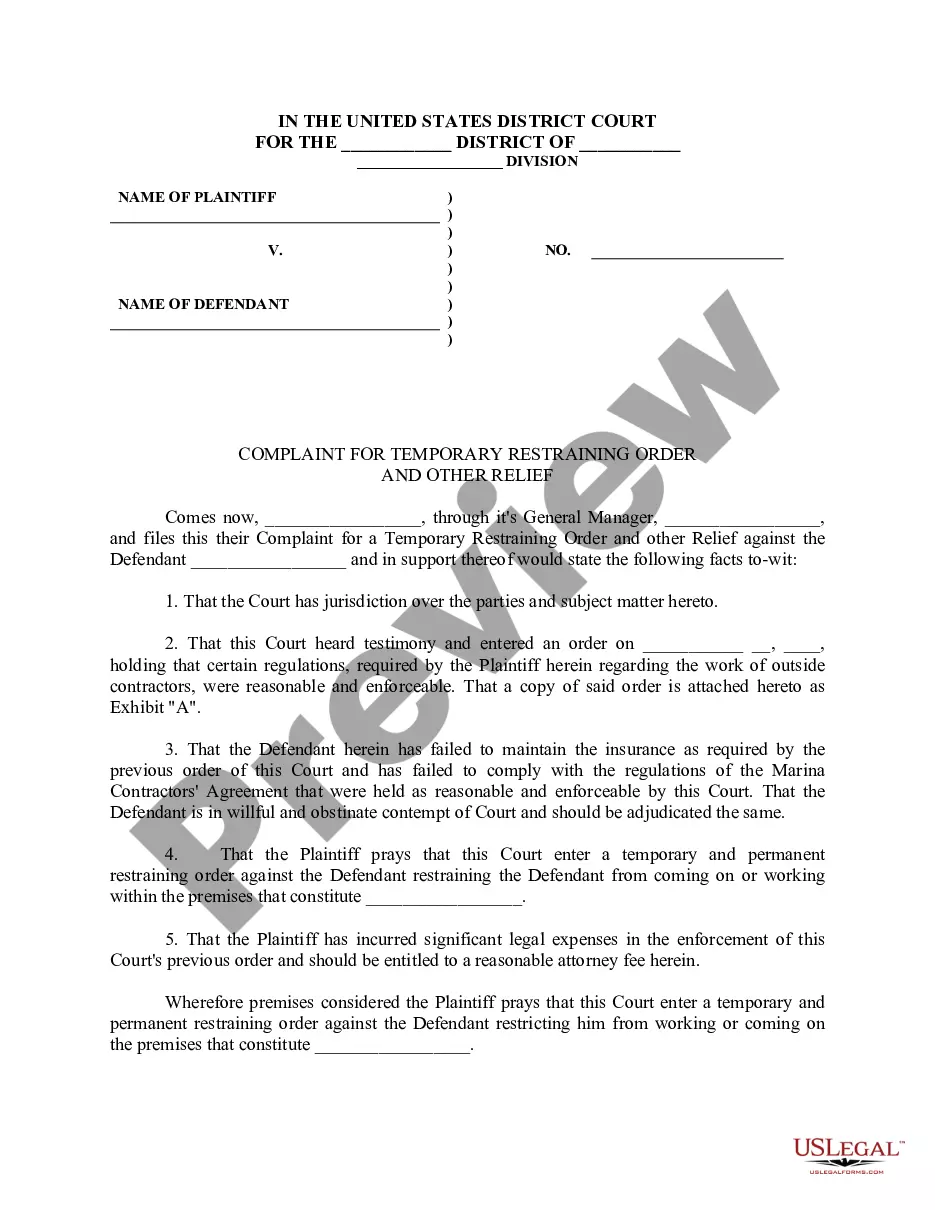
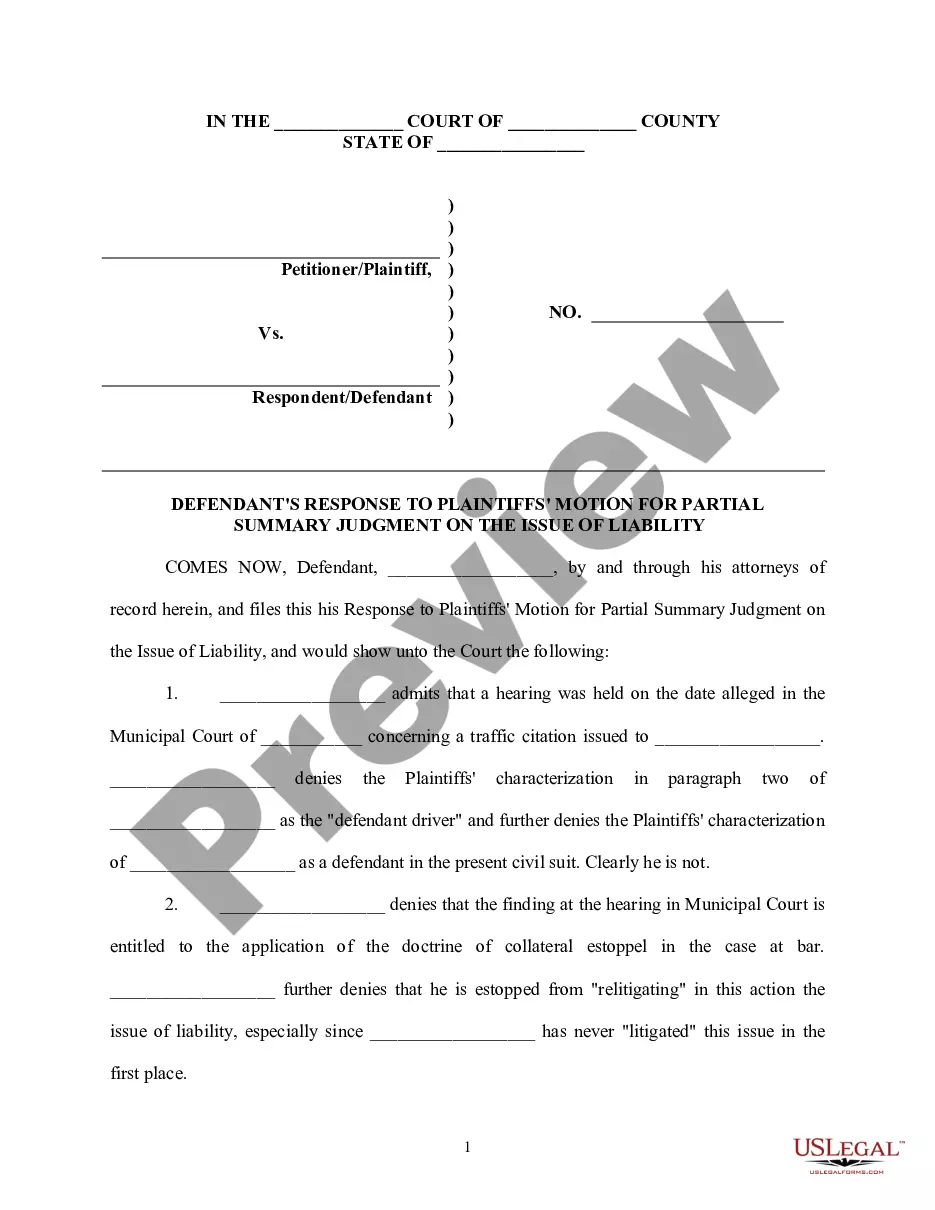
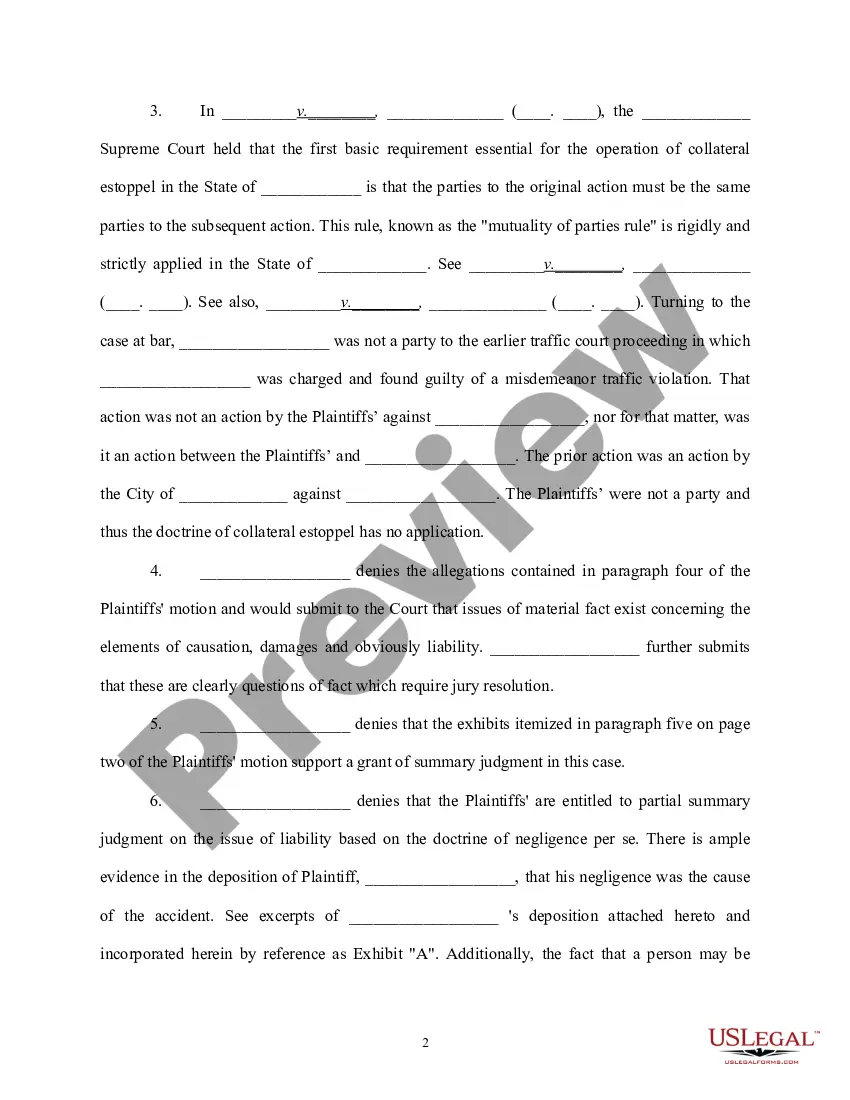
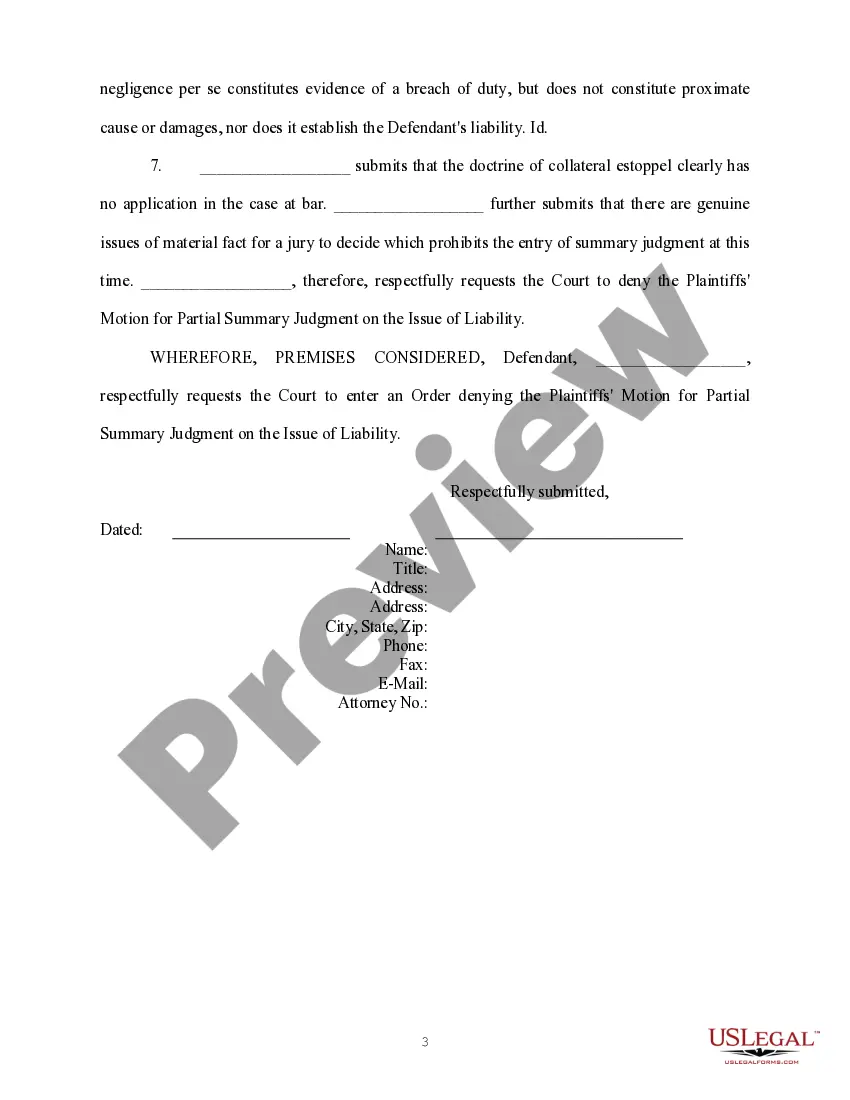
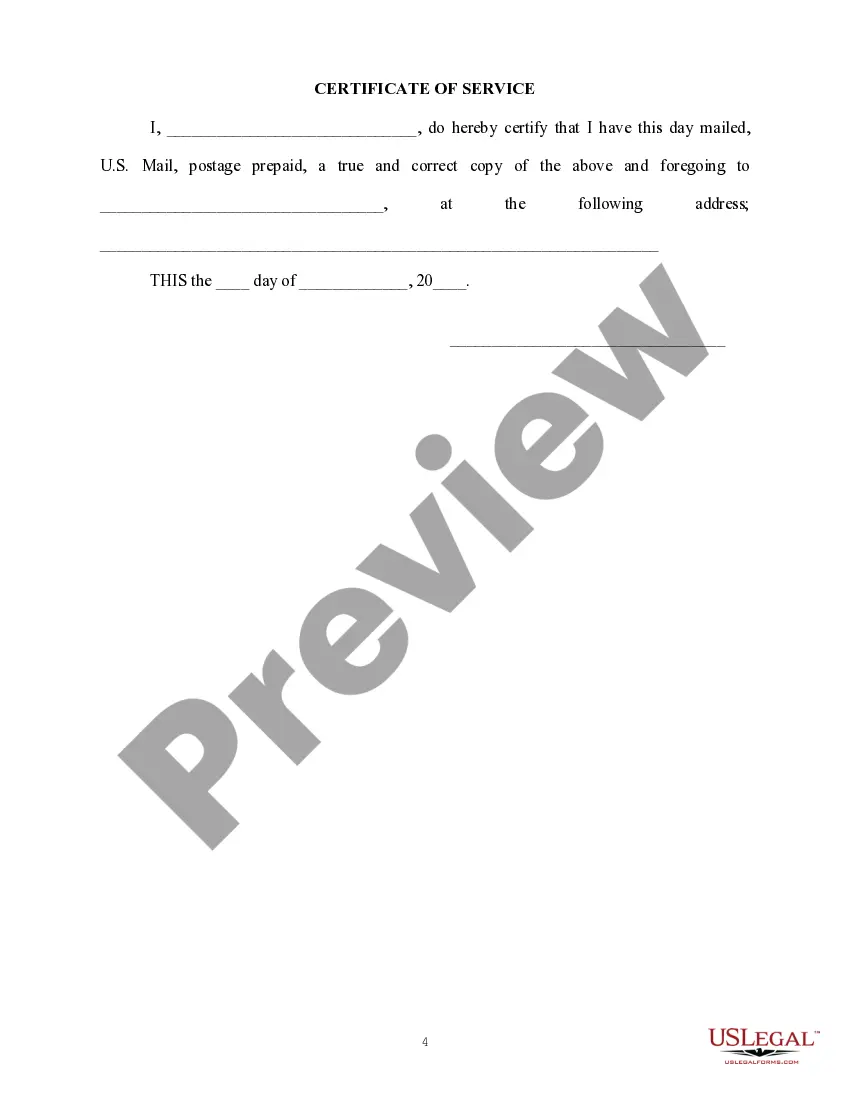
How to fill out Defendant's Response To Plaintiff's Motion For Summary Judgment On The Issue Of Liability?
Regardless of whether it's for professional reasons or personal matters, everyone eventually needs to handle legal issues in their lifetime.
Filling out legal documentation demands meticulous attention, starting from selecting the appropriate form template.
With an extensive US Legal Forms catalog available, you won't need to waste time searching for the right sample online. Utilize the library’s straightforward navigation to find the appropriate template for any situation.
- Obtain the template you require by utilizing the search bar or browsing the catalog.
- Examine the details of the form to confirm it aligns with your case, jurisdiction, and locality.
- Click on the form’s preview to review it.
- If it is not the correct document, return to the search feature to find the Summary Judgment Explained With Examples template you need.
- Download the template if it fulfills your requirements.
- If you possess a US Legal Forms account, simply click Log in to retrieve previously stored documents in My documents.
- If you do not have an account yet, you can download the form by clicking Buy now.
- Select the suitable pricing option.
- Complete the profile registration form.
- Choose your payment method: credit card or PayPal account.
- Pick the format you desire and download the Summary Judgment Explained With Examples.
- After saving it, you can fill out the form using editing software or print it and complete it by hand.
Form popularity
FAQ
Filing for summary judgment involves several steps that require careful preparation. First, you need to draft a motion that includes your arguments and supporting evidence, followed by filing it with the court. Additionally, ensure you comply with local rules regarding deadlines and formatting. To streamline this process, you can use US Legal Forms, which provides the necessary forms and guidance to help you file effectively and efficiently.
Summary judgment is a legal process used to resolve a case without a trial when there are no genuine disputes over material facts. To explain it effectively, you can say it allows a party to seek a ruling based on the evidence presented, supported by relevant examples. This process can save time and resources for both parties, and it is crucial to understand its implications in your case. For further clarification, US Legal Forms offers detailed explanations and examples of summary judgment to help you grasp the concept.
Writing a good motion for summary judgment involves presenting clear, factual evidence and legal arguments. Start by outlining the key points of your case, ensuring that you include relevant examples that demonstrate why the court should rule in your favor. It’s essential to support your claims with documentation, affidavits, and any pertinent case law. For a comprehensive guide on this process, consider using US Legal Forms, which provides templates and resources that simplify writing motions.
In simple terms, summary judgment is a legal procedure that allows one party to win a case without a trial. This occurs when there are no significant facts in dispute, making a trial unnecessary. Summary judgment streamlines the legal process, saving time and resources for everyone involved. For a clearer understanding, explore our content on summary judgment explained with examples, which breaks down this concept for you.
Common grounds for summary judgment include the lack of genuine disputes over material facts or when the evidence overwhelmingly supports one party's claims. For instance, if there are clear facts that eliminate the need for a trial, a court may grant summary judgment. Knowing these grounds helps build a strong case, and our platform provides a comprehensive overview of summary judgment explained with examples to assist you.
When a plaintiff wins summary judgment, the court effectively decides in their favor without going to trial. This ruling means that the plaintiff's claims are valid based on the evidence presented. Winning summary judgment can save time and costs associated with a trial. For more insights, check out our resources on summary judgment explained with examples to grasp the implications of such a victory.
Filing for summary judgment can limit your options if the court denies your motion. You may end up proceeding to trial, which could involve more time and expense. Additionally, if you lose the summary judgment motion, you may face a perception that your case lacks merit. Understanding these risks is crucial, and our platform offers detailed guidance on summary judgment explained with examples to help you navigate the process.
Being successful in a summary judgment requires thorough preparation. First, gather all pertinent evidence that clearly demonstrates there are no genuine disputes of material fact. Craft a compelling argument that aligns with legal standards, and anticipate opposing arguments to strengthen your case. For more strategies, explore summary judgment explained with examples on USLegalForms to enhance your understanding and approach.
To write a good motion for summary judgment, start by clearly stating the legal basis for your request. Include relevant facts and evidence that support your position, ensuring you explain how they apply to the law. Additionally, provide a concise argument that addresses counterarguments. For practical insights, consider reviewing summary judgment explained with examples on platforms like USLegalForms, which can guide you through effective motion drafting.