Trial Subpoena Form Texas
Description
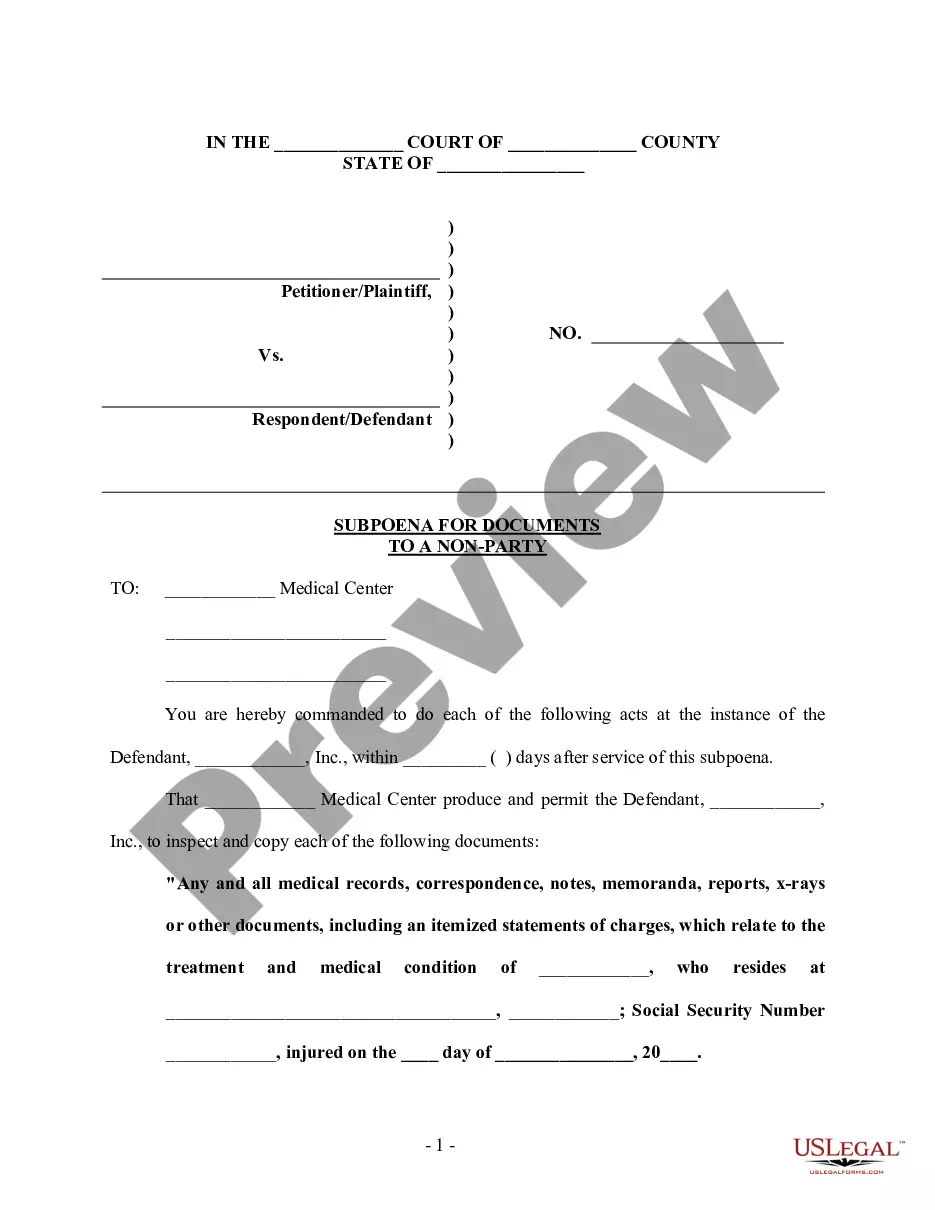
Get your form ready online
Our built-in tools help you complete, sign, share, and store your documents in one place.
Make edits, fill in missing information, and update formatting in US Legal Forms—just like you would in MS Word.
Download a copy, print it, send it by email, or mail it via USPS—whatever works best for your next step.
Sign and collect signatures with our SignNow integration. Send to multiple recipients, set reminders, and more. Go Premium to unlock E-Sign.
If this form requires notarization, complete it online through a secure video call—no need to meet a notary in person or wait for an appointment.
We protect your documents and personal data by following strict security and privacy standards.

Make edits, fill in missing information, and update formatting in US Legal Forms—just like you would in MS Word.

Download a copy, print it, send it by email, or mail it via USPS—whatever works best for your next step.

Sign and collect signatures with our SignNow integration. Send to multiple recipients, set reminders, and more. Go Premium to unlock E-Sign.

If this form requires notarization, complete it online through a secure video call—no need to meet a notary in person or wait for an appointment.

We protect your documents and personal data by following strict security and privacy standards.
Looking for another form?



How to fill out Civil Trial Subpoena Duces Tecum?
Accessing legal documents that adhere to federal and state regulations is essential, and the internet provides a variety of selections to consider.
However, what's the point in spending time searching for the suitable Trial Subpoena Form Texas example online if the US Legal Forms online library already has these documents gathered in one location.
US Legal Forms is the largest digital legal archive with over 85,000 customizable templates created by attorneys for any professional and personal situations. They are easy to navigate with all files categorized by state and intended use. Our specialists stay updated with legal changes, ensuring your documents are current and compliant when obtaining a Trial Subpoena Form Texas from our site.
- Review the template using the Preview feature or via the text outline to ensure it fulfills your requirements.
- If needed, find another sample using the search tool located at the top of the page.
- Once you've found the correct form, click Buy Now and choose a subscription plan.
- Create an account or Log In and complete the payment using PayPal or a credit card.
- Select the appropriate format for your Trial Subpoena Form Texas and download it.
Form popularity
FAQ
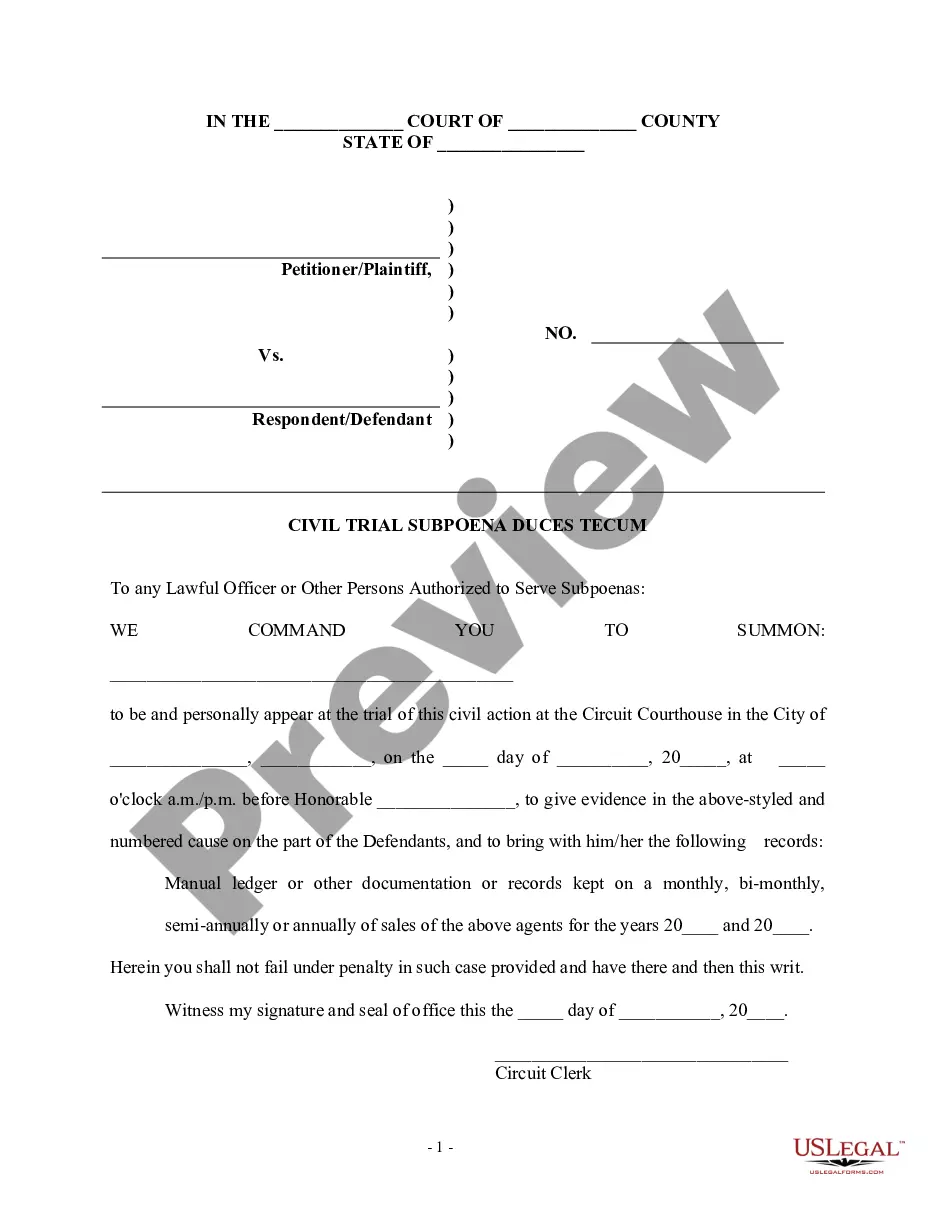
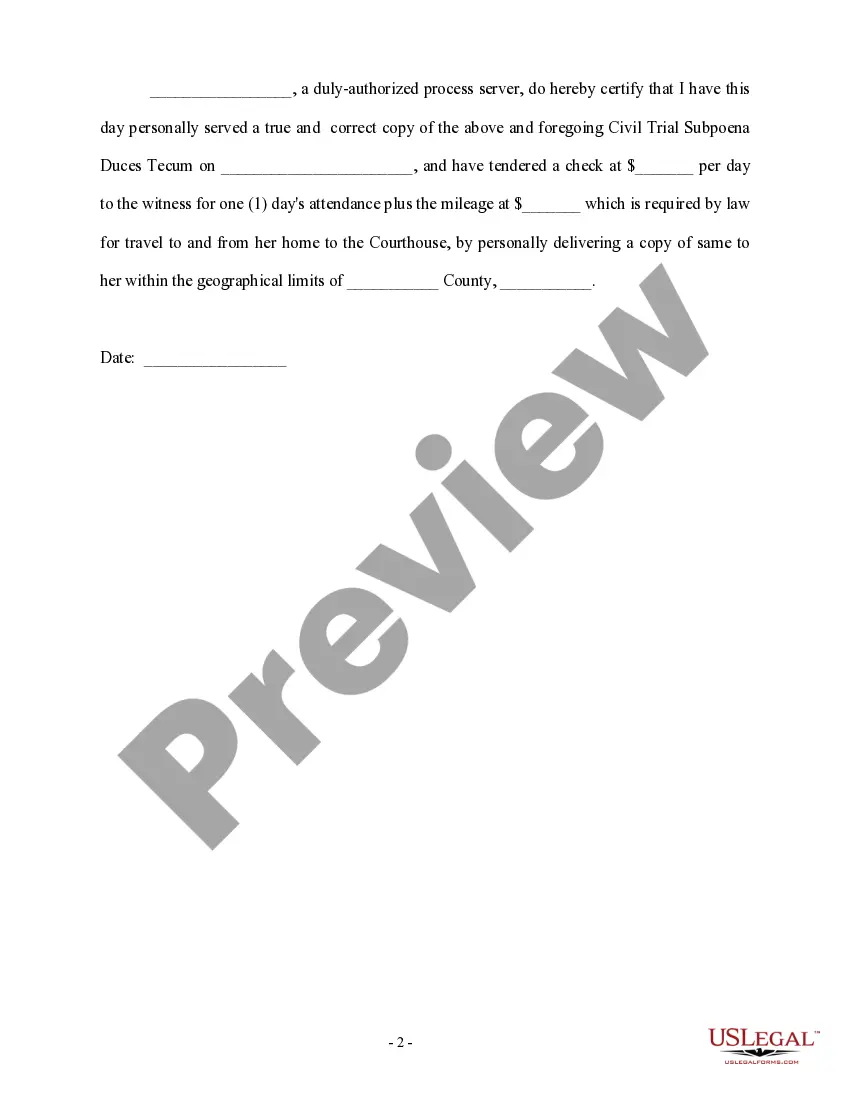
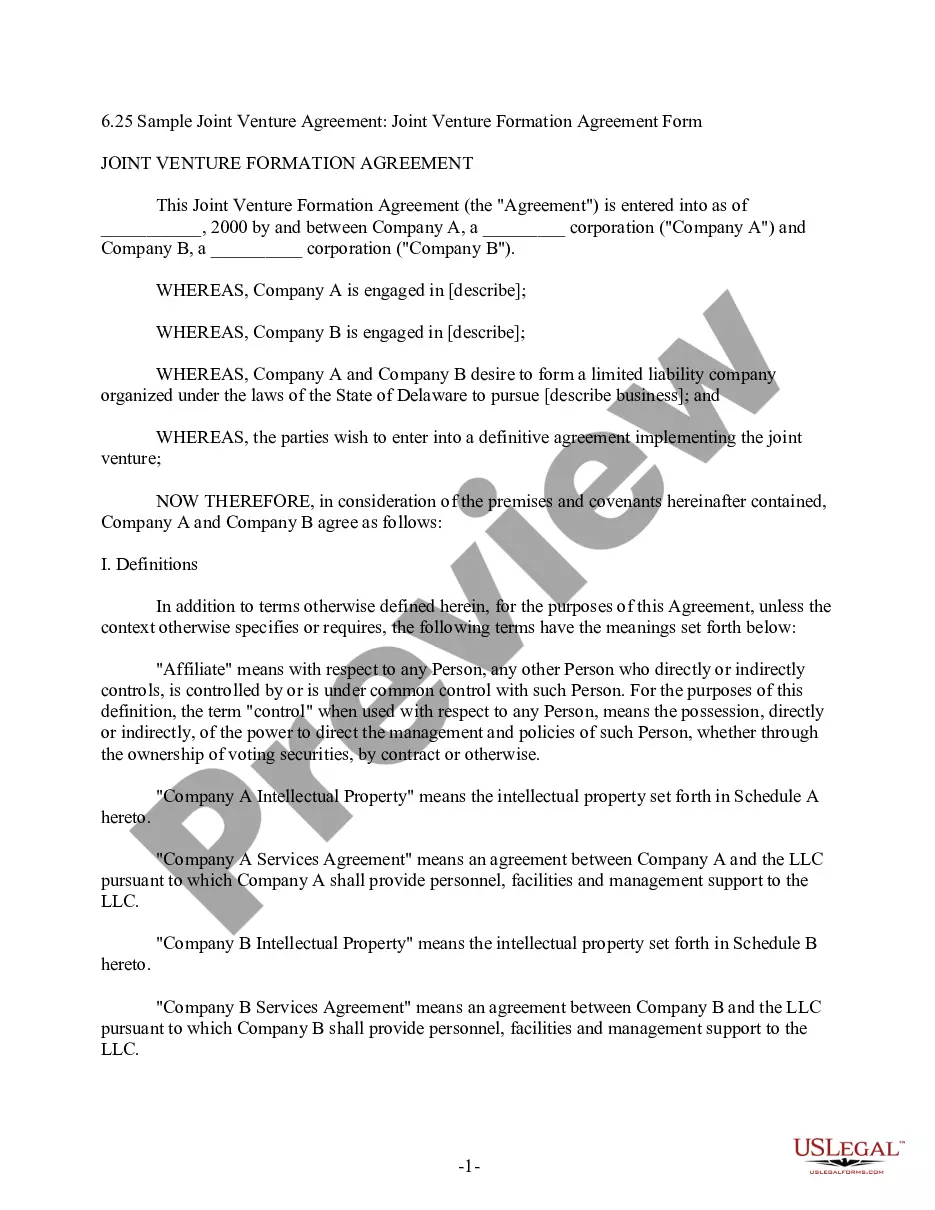
To fill out a subpoena for records, start with obtaining a trial subpoena form Texas. Clearly specify the records sought, including details like dates and types of documents. Accuracy is vital, so ensure all information reflects what is actually needed to avoid delays or disputes.
Valid reasons to challenge a subpoena may include lack of relevance, privilege, or undue burden. If the compliance interferes with personal rights or is overly broad, you may have grounds to object. Consulting a legal expert can provide clarity on whether your case meets these criteria.
When responding to a subpoena for a document, carefully gather the requested materials. Review the trial subpoena form Texas to ensure you meet the deadline and format requirements. Consider attaching a cover letter that outlines your response, along with the documents requested, to maintain clarity.
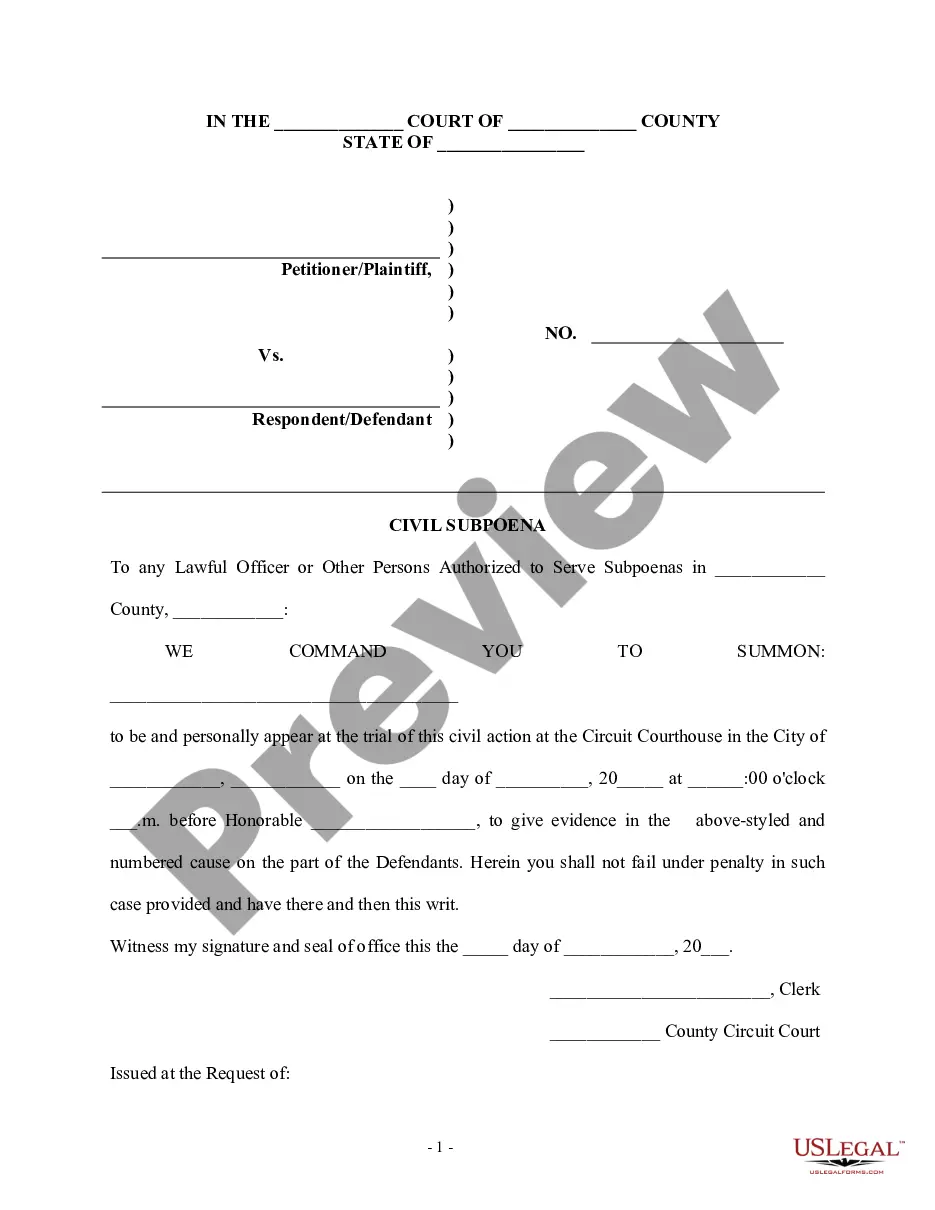
Filling out a subpoena in Texas involves several key steps. Start by downloading a trial subpoena form Texas, then provide the details such as the names of the parties involved and the date for compliance. Make sure to include what documents or testimony are being requested to avoid confusion.
Responding to a subpoena requires careful consideration. You should first review the subpoena for specific requirements, then decide whether to comply, object, or request more time. If necessary, utilizing a trial subpoena form Texas can help ensure your response aligns with legal standards.
After a subpoena is issued, the person named must respond according to the instructions provided. This may involve appearing in court or producing requested documents. If you have questions about what to do next, resources such as USLegalForms can help you understand your next steps regarding the trial subpoena form in Texas. Staying informed is key to ensuring compliance.
While it is not mandatory to have a lawyer when subpoenaed, it's highly advisable, especially if you have any concerns about the implications. A lawyer can provide clarity on your obligations and protect your rights during the process. If you are unsure how to proceed, consulting with a legal professional can make navigating the requirements of a trial subpoena form in Texas much simpler.
If you receive a subpoena, start by carefully reading the document to understand what is required of you. Always keep a copy of the subpoena for your records. Consider reaching out to a legal professional if you have questions or concerns about compliance. Platforms like USLegalForms can provide guidance and resources for completing a trial subpoena form in Texas correctly.
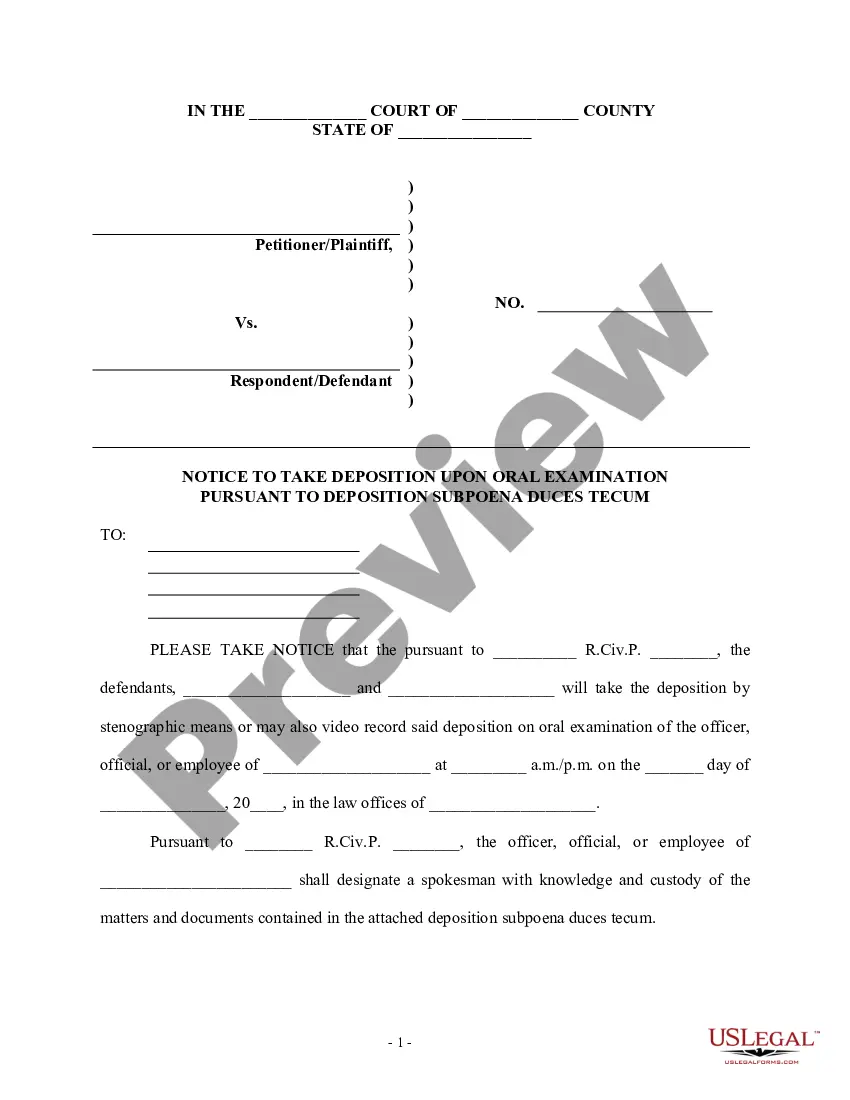
The three main types of subpoenas include subpoenas for testimony, subpoenas for documents, and subpoenas for depositions. Each type serves a different purpose in legal proceedings. For example, a trial subpoena form in Texas for testimony requires you to appear in court, while one for documents requires you to produce certain records. Understanding the distinctions can help you prepare effectively.
In Texas, certain subpoenas, particularly trial subpoena forms, must be filed with the court after issuance. This helps maintain a record of the process and ensures that the court is aware of the compelled participation. Check the specific rules for your case, as there are different requirements for each type of subpoena. Using platforms like USLegalForms can ensure you comply with all legal standards.