Parent-child Privilege Act Of 2003
Description
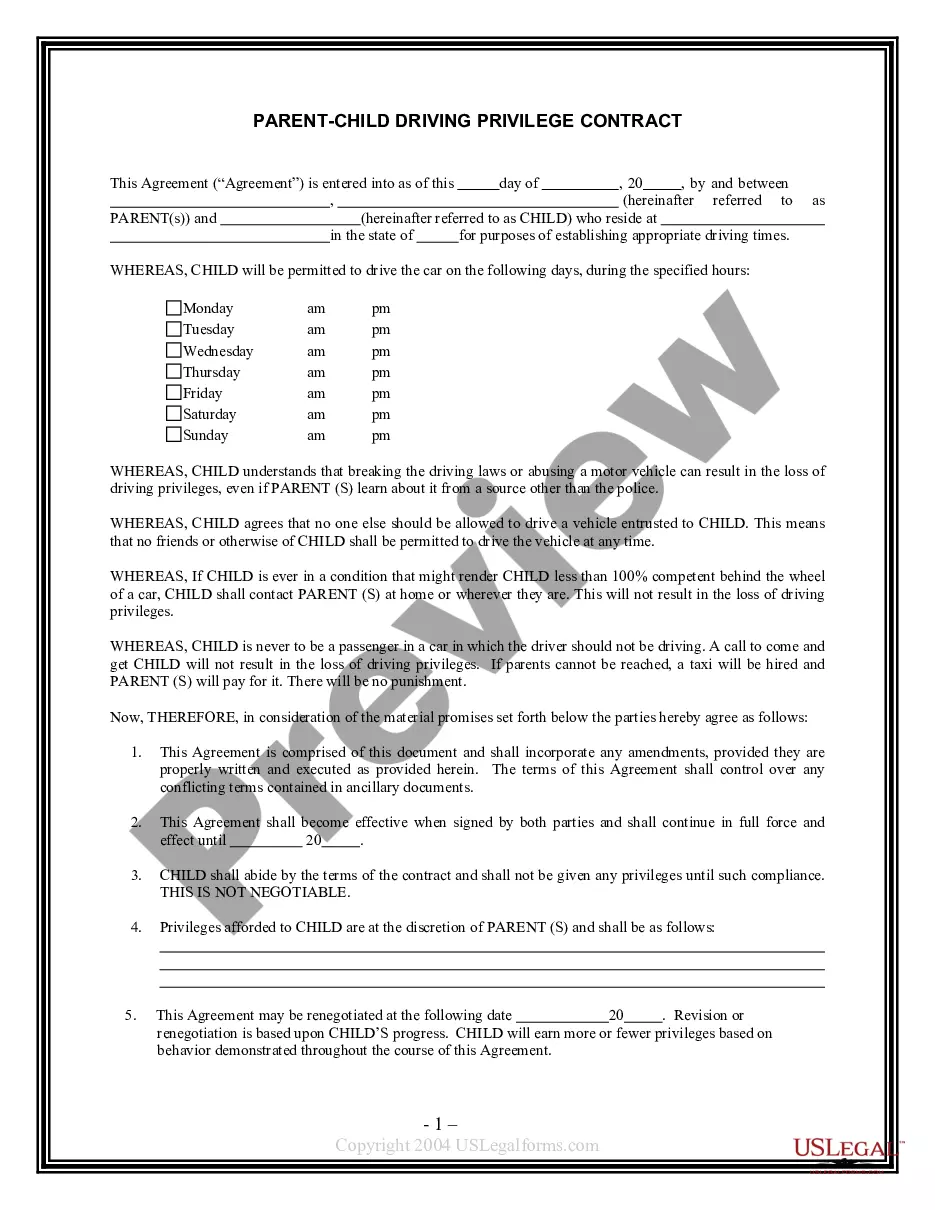
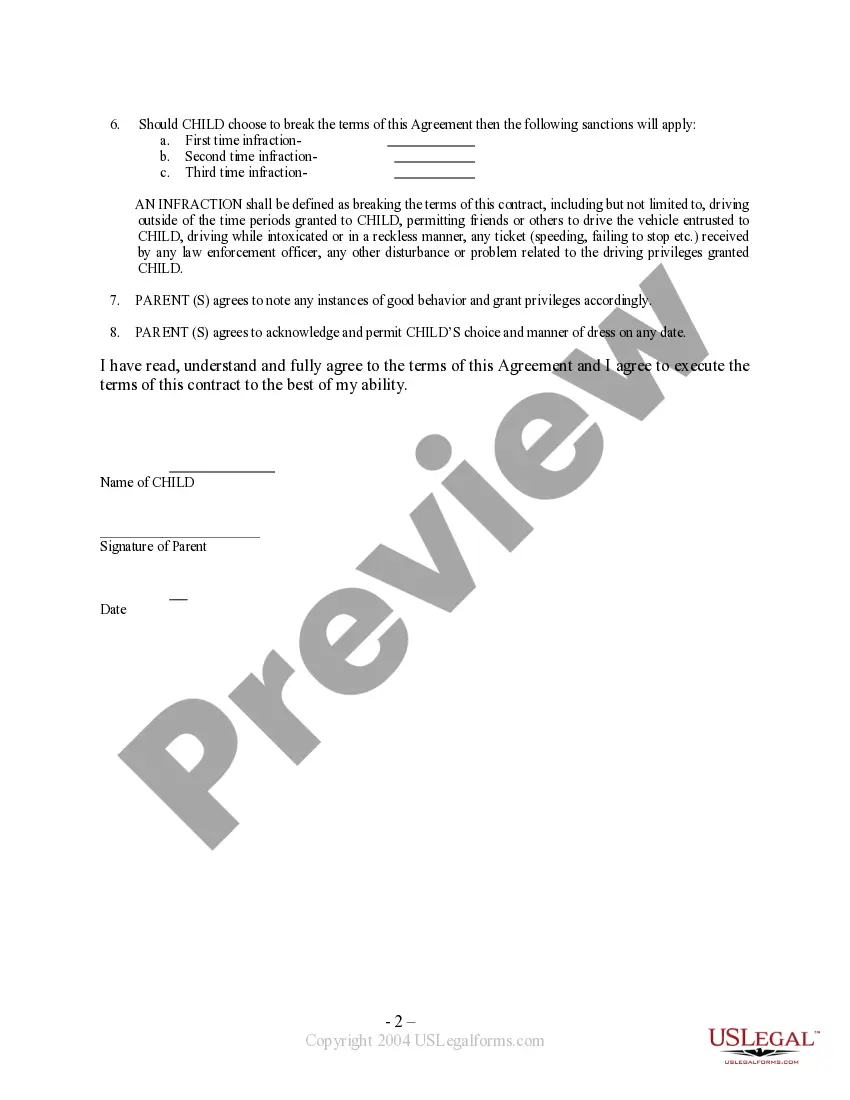
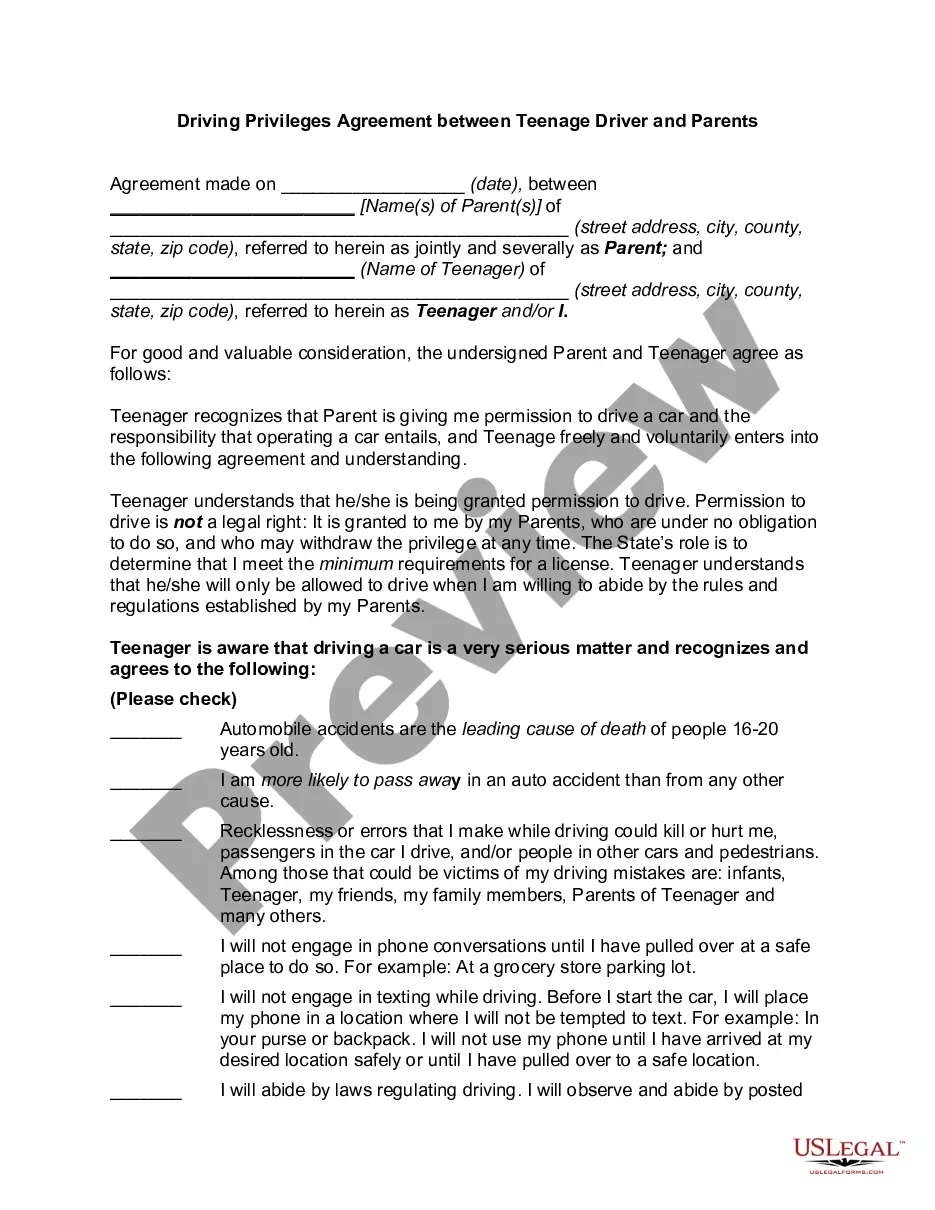
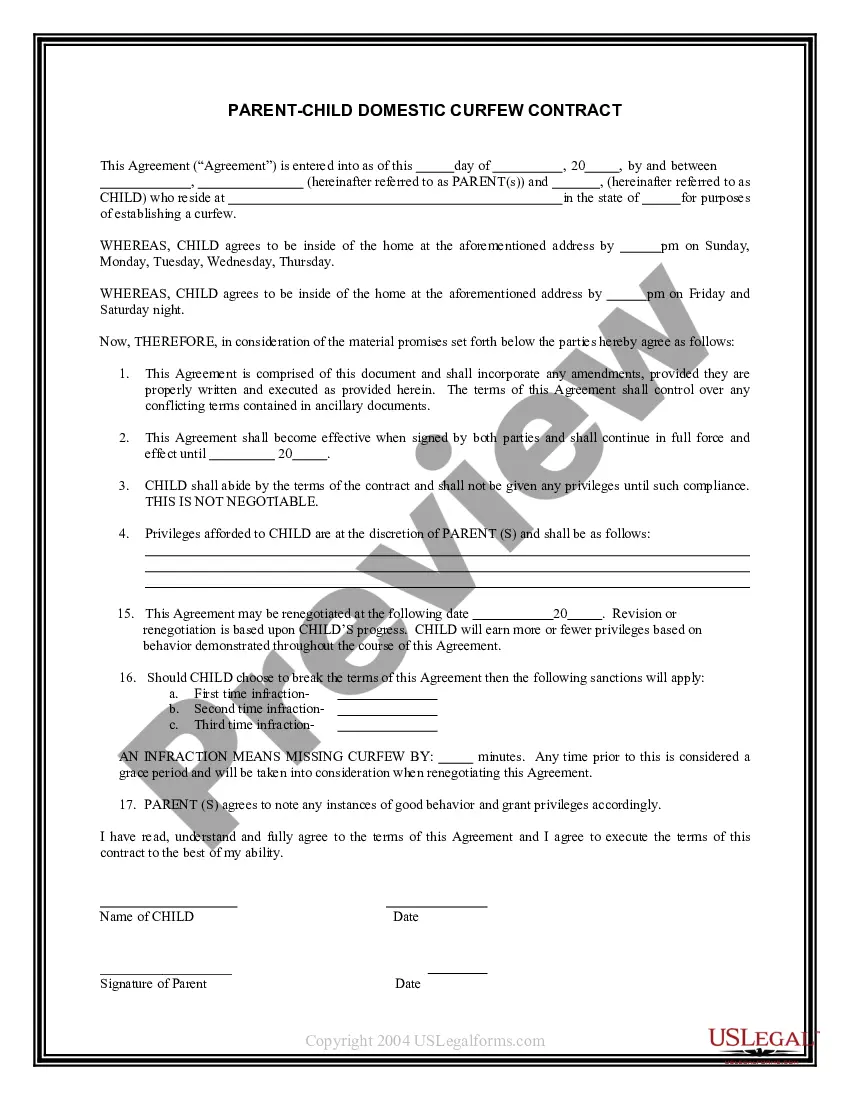
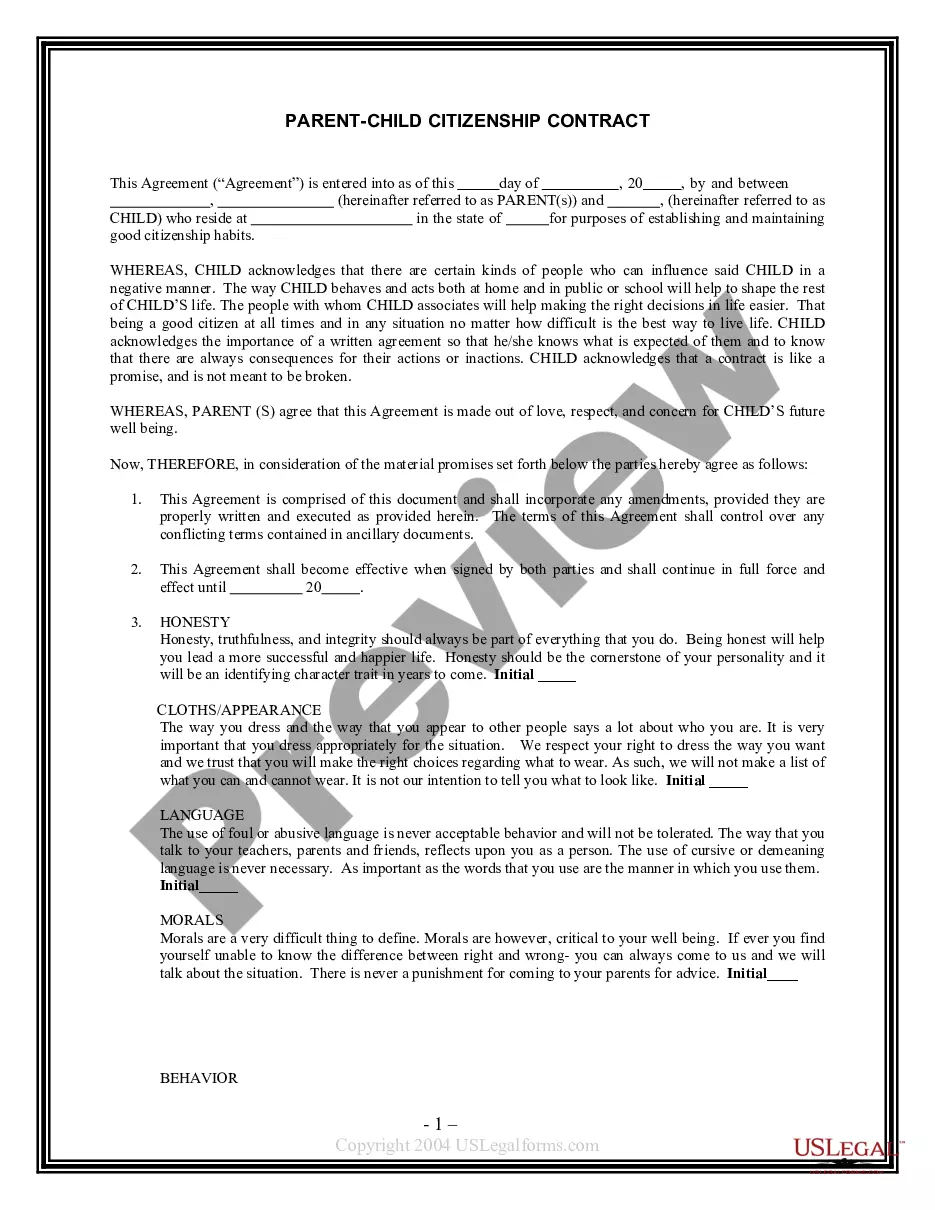
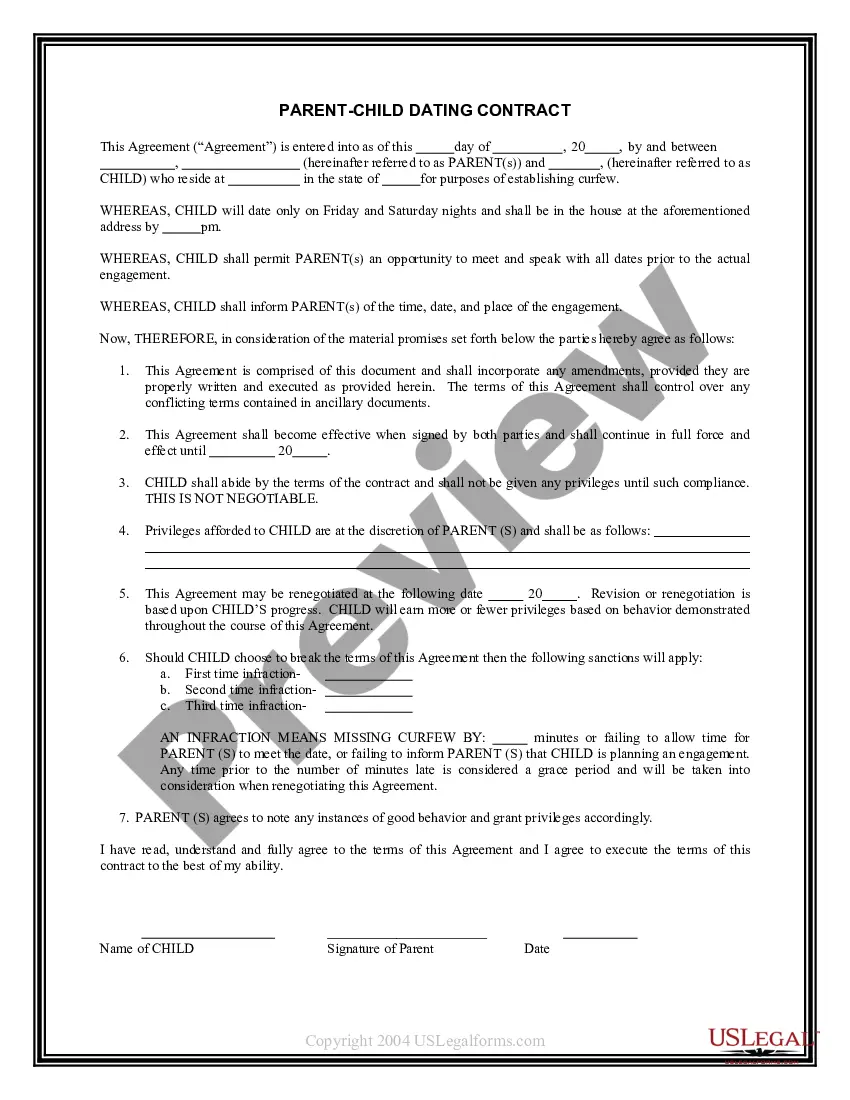
Get your form ready online
Our built-in tools help you complete, sign, share, and store your documents in one place.
Make edits, fill in missing information, and update formatting in US Legal Forms—just like you would in MS Word.
Download a copy, print it, send it by email, or mail it via USPS—whatever works best for your next step.
Sign and collect signatures with our SignNow integration. Send to multiple recipients, set reminders, and more. Go Premium to unlock E-Sign.
If this form requires notarization, complete it online through a secure video call—no need to meet a notary in person or wait for an appointment.
We protect your documents and personal data by following strict security and privacy standards.

Make edits, fill in missing information, and update formatting in US Legal Forms—just like you would in MS Word.

Download a copy, print it, send it by email, or mail it via USPS—whatever works best for your next step.

Sign and collect signatures with our SignNow integration. Send to multiple recipients, set reminders, and more. Go Premium to unlock E-Sign.

If this form requires notarization, complete it online through a secure video call—no need to meet a notary in person or wait for an appointment.

We protect your documents and personal data by following strict security and privacy standards.
Looking for another form?
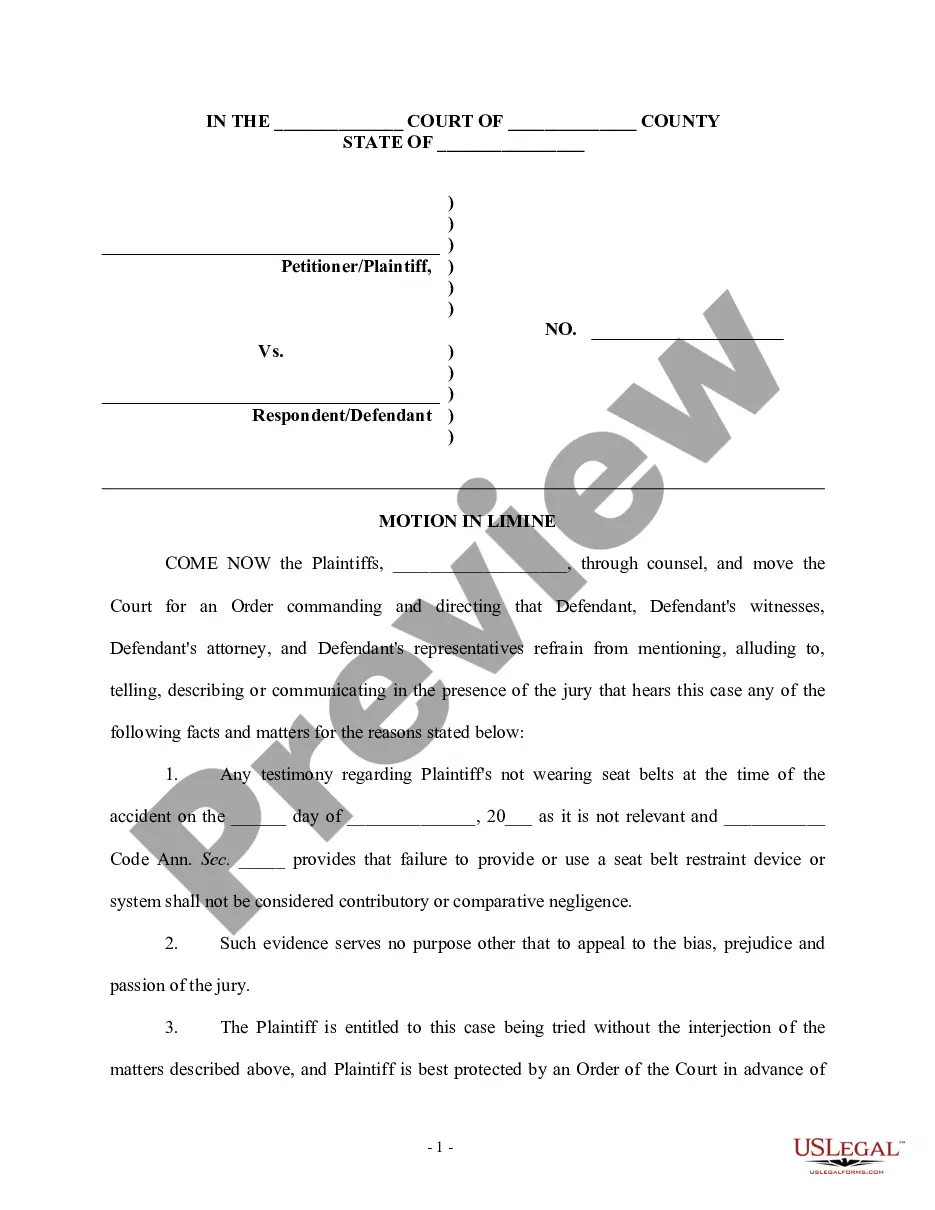






How to fill out Parent - Child Driving Privilege Contract?
Legal documentation management can be perplexing, even for experienced professionals.
When you seek the Parent-child Privilege Act Of 2003 and lack the time to devote to finding the correct and current version, the process can be challenging.
Engage with a valuable resource pool of articles, guides, and manuals pertinent to your situation and requirements.
Conserve time and effort in your search for the necessary documents and use US Legal Forms’ sophisticated search and Preview feature to locate the Parent-child Privilege Act Of 2003 and download it.
Make sure that the template is valid in your state or county. Choose Buy Now when you are ready. Select a monthly subscription option. Find the desired file format, and Download, complete, sign, print, and send your document. Experience the US Legal Forms online library, backed by 25 years of expertise and trustworthiness. Transform your everyday document management into a streamlined and intuitive operation today.
- If you hold a membership, Log In to your US Legal Forms account, search for the form, and download it.
- Check your My documents section to view the documents you have downloaded and manage your files as desired.
- If this is your first experience with US Legal Forms, create a free account to gain unlimited access to all library benefits.
- Follow the steps after locating the form you require.
- Ensure it is the correct document by previewing it and reviewing its description.
- Access state- or county-specific legal and business documents.
- US Legal Forms addresses all your needs, from personal to commercial paperwork, in one location.
- Utilize cutting-edge tools to complete and manage your Parent-child Privilege Act Of 2003.
Form popularity
FAQ
Evidence of a parent-child relationship includes legal documents such as birth certificates, custody orders, and protective orders. In addition, daily interactions and shared experiences can be evaluated. The parent-child privilege act of 2003 reinforces the importance of documenting these relationships for legal matters.
In Florida, a parent usually cannot take a child out of state without the other parent's consent if a custody order exists. This regulation protects the child's relationship with both parents and ensures that major decisions are discussed. If you are considering travel, it may be worthwhile to discuss this with the other parent. The Parent-Child Privilege Act of 2003 supports parental rights while promoting cooperation and understanding.
In Illinois, taking a child out of state without the other parent's consent can lead to legal issues, especially with a custody agreement in place. The law emphasizes the need for cooperation and mutual decision-making regarding the child's welfare. If there are urgent reasons for travel, it is advisable to discuss these with the other parent first. The Parent-Child Privilege Act of 2003 advocates for constructive communication between parents.
In Texas, a parent typically needs the other parent's consent to take a child out of state, particularly if there is a custody order. Leaving the state without permission can lead to legal complications, including potential custody disputes. The Parent-Child Privilege Act of 2003 helps clarify parental rights while promoting the importance of cooperation. If you have concerns, consider consulting resources at US Legal Forms for guidance.
In Massachusetts, a parent generally cannot take a child out of state without the other parent's consent if there is a custody agreement in place. This restriction aims to protect the child's relationship with both parents. Exceptions may apply if a parent believes the child is in danger. The Parent-Child Privilege Act of 2003 reinforces the importance of open communication between parents when making such decisions.
You should fill out the FTC's online form if and whenever you learn that you've been a victim of identity theft. The IRS has its own identity theft affidavit to complete if your identity ? specifically your Social Security number ? is used to file a fraudulent federal tax return. It's known as IRS Form 14039.
This affidavit has two parts: Part One ? the ID Theft Affidavit ? is where you report general informa- tion about yourself and the theft. Part Two ? the Fraudulent Account Statement ? is where you describe the fraudulent account(s) opened in your name.
Finally, since an affidavit is an official statement, you'll need to declare whether you authorized anyone to use your information, whether you benefited in any way from the fraud, and whether you are willing to work with law enforcement if charges are brought against anyone found to have stolen your identity.
Credit Card Offers, Bank Statements, Canceled Checks, and More Documents Containing Financial Information. An identity thief could potentially use anything that comes from a financial institution. ... Documents Containing Personal Information. ... Documents Containing Account Information. ... Junk Mail. ... Child- and School-Related Mail.
Get copies of documents related to the th eft of your identity, like transaction records or applications for new accounts. You must include a copy of your police report and an identity theft affidavit with your written request to the company that has the documents.