Legal Duty For Schools To Implement Prevent
Description


Get your form ready online
Our built-in tools help you complete, sign, share, and store your documents in one place.
Make edits, fill in missing information, and update formatting in US Legal Forms—just like you would in MS Word.
Download a copy, print it, send it by email, or mail it via USPS—whatever works best for your next step.
Sign and collect signatures with our SignNow integration. Send to multiple recipients, set reminders, and more. Go Premium to unlock E-Sign.
If this form requires notarization, complete it online through a secure video call—no need to meet a notary in person or wait for an appointment.
We protect your documents and personal data by following strict security and privacy standards.

Make edits, fill in missing information, and update formatting in US Legal Forms—just like you would in MS Word.

Download a copy, print it, send it by email, or mail it via USPS—whatever works best for your next step.

Sign and collect signatures with our SignNow integration. Send to multiple recipients, set reminders, and more. Go Premium to unlock E-Sign.

If this form requires notarization, complete it online through a secure video call—no need to meet a notary in person or wait for an appointment.

We protect your documents and personal data by following strict security and privacy standards.
Looking for another form?








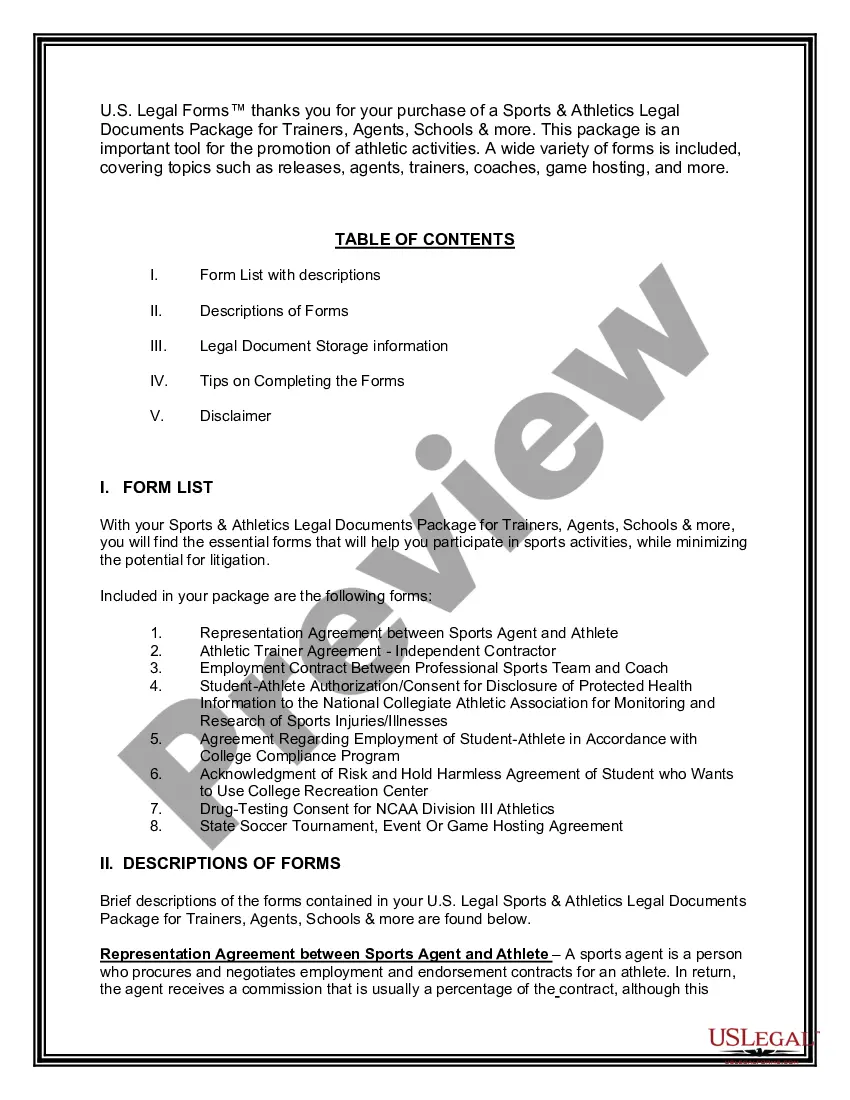
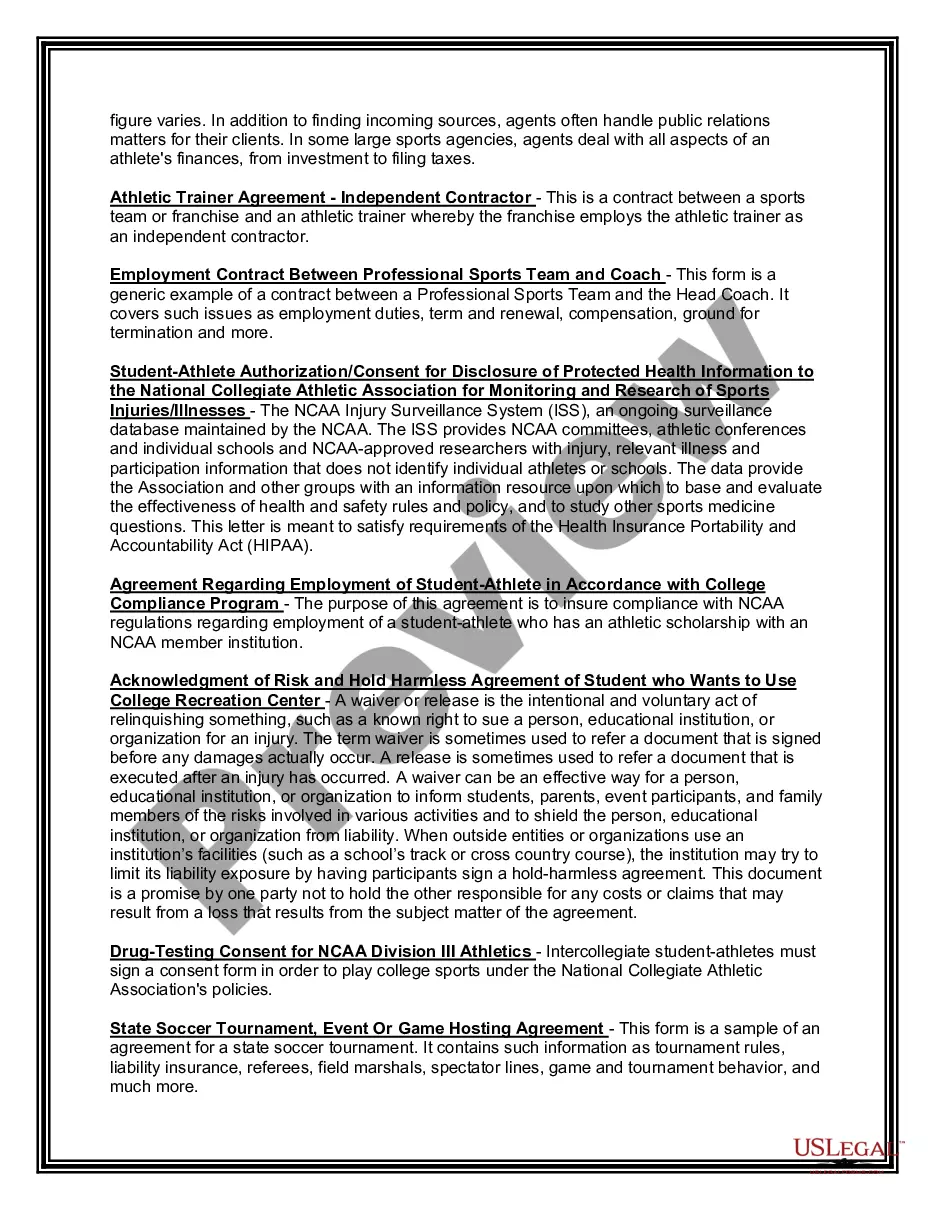
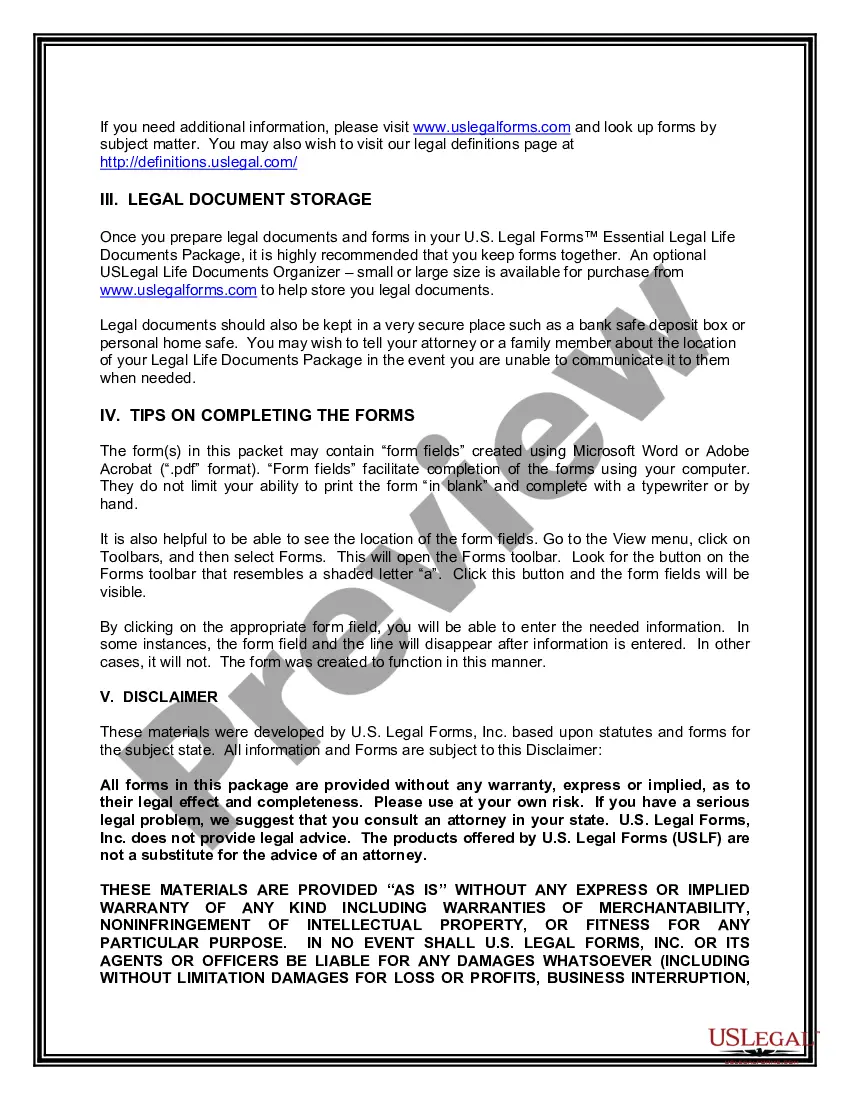
How to fill out Sports & Athletics Legal Documents Package For Trainers Or Training, Agents, Schools & More?
- Begin by logging into your US Legal Forms account. If you're a new user, create an account to access the extensive library of forms.
- Search for the specific legal form you need by reviewing the preview mode and form descriptions to ensure accuracy in your selection.
- If the initial template does not meet your requirements, utilize the Search tab to find alternative forms that align with your local jurisdiction and school needs.
- Select the desired document and click on the Buy Now button, then choose a subscription plan that works for you.
- Complete your purchase by entering your payment information via credit card or PayPal.
- Once the purchase is confirmed, download the form to your device for easy access and completion.
Using US Legal Forms can significantly enhance your ability to manage legal responsibilities efficiently. The platform not only provides robust document options but also grants access to premium experts for guidance.
In summary, fulfilling your legal duty for schools to implement prevent-related measures is crucial for student safety. Explore the US Legal Forms library today to take the first steps towards compliance and readiness.
Form popularity
FAQ
An example of the duty to warn occurs when a school becomes aware of a credible threat to a student's safety. In such cases, the school must inform affected parties and take appropriate action to prevent harm. This legal duty for schools to implement prevent includes notifying law enforcement or advising parents about potential dangers. Prompt communication can significantly reduce risks and ensure that students feel secure while attending school.
The Department of Education enforces regulations through inspections, assessments, and guidelines that schools must follow. Schools are expected to comply with federal and state laws regarding student safety, including the legal duty for schools to implement prevent strategies. By evaluating how schools meet these requirements, the Department ensures that educational institutions maintain safe environments for all students. Compliance helps schools secure funding and uphold their commitment to safety.
The duty to prevent involves schools taking affirmative steps to avert foreseeable risks to their students. This legal duty for schools to implement prevent requires educators to assess potential dangers and intervene before issues escalate. It is essential for schools to develop a comprehensive understanding of the threats that students may face and to act swiftly to protect them. By dedicating resources to prevention efforts, schools create a safer learning environment.
According to the legal concept in loco parentis, schools have a legal duty to protect their students as a parent would. This means that schools are responsible for ensuring the health and safety of students while they are in their care. The legal duty for schools to implement prevent encompasses this responsibility, as schools must take proactive measures to mitigate risks. Schools must create policies and practices that align with this duty to emphasize student safety.
Prevent's three major duties involve safeguarding individuals from radicalization, promoting the welfare of students, and providing a safe educational environment. These duties highlight the legal duty for schools to implement prevent initiatives effectively. By fulfilling these responsibilities, schools actively contribute to the overall safety and well-being of students within their communities. Effective training and policies are crucial to achieving this.
The duty to protect rule requires schools to take reasonable steps to safeguard students from harm, both from other students and external threats. This legal duty for schools to implement prevent requires educators to identify and address potential risks proactively. By following this rule, schools can create an environment where students feel safe and can focus on their education. Schools must train staff and develop policies that reflect this duty.
Yes, schools have a significant legal duty for schools to implement prevent measures. This responsibility ensures that students are safe from harm while they are on school grounds. By actively creating a secure environment, schools fulfill their duty to protect their students and staff. This legal obligation also promotes a positive learning atmosphere.
Addressing the legal duty for schools to implement prevent can align with biblical principles of protection and care for the vulnerable. Schools can foster a nurturing environment by promoting values such as love, understanding, and community support. Engaging in discussions about acceptance and inclusivity reflects these teachings, while also fulfilling legal obligations. This approach can create a more harmonious school culture that aligns with both moral and legal responsibilities.
The legal duty for schools to implement prevent requires that all staff members, including educators and administrative personnel, engage in prevent duty training. This training is essential to ensure a comprehensive understanding of radicalization and how to report concerns. By completing this course, staff members can effectively recognize and address potential risks in the school environment. This proactive approach cultivates a safer and more inclusive atmosphere for students.
The prevent duty requires schools to implement strategies that protect students from radicalization. This legal duty for schools to implement prevent is rooted in fostering an environment that promotes diversity and encourages open discussion on sensitive topics. By embracing this duty, schools prepare students to face various ideologies and perspectives thoughtfully.