Former Employee In Tagalog
Description
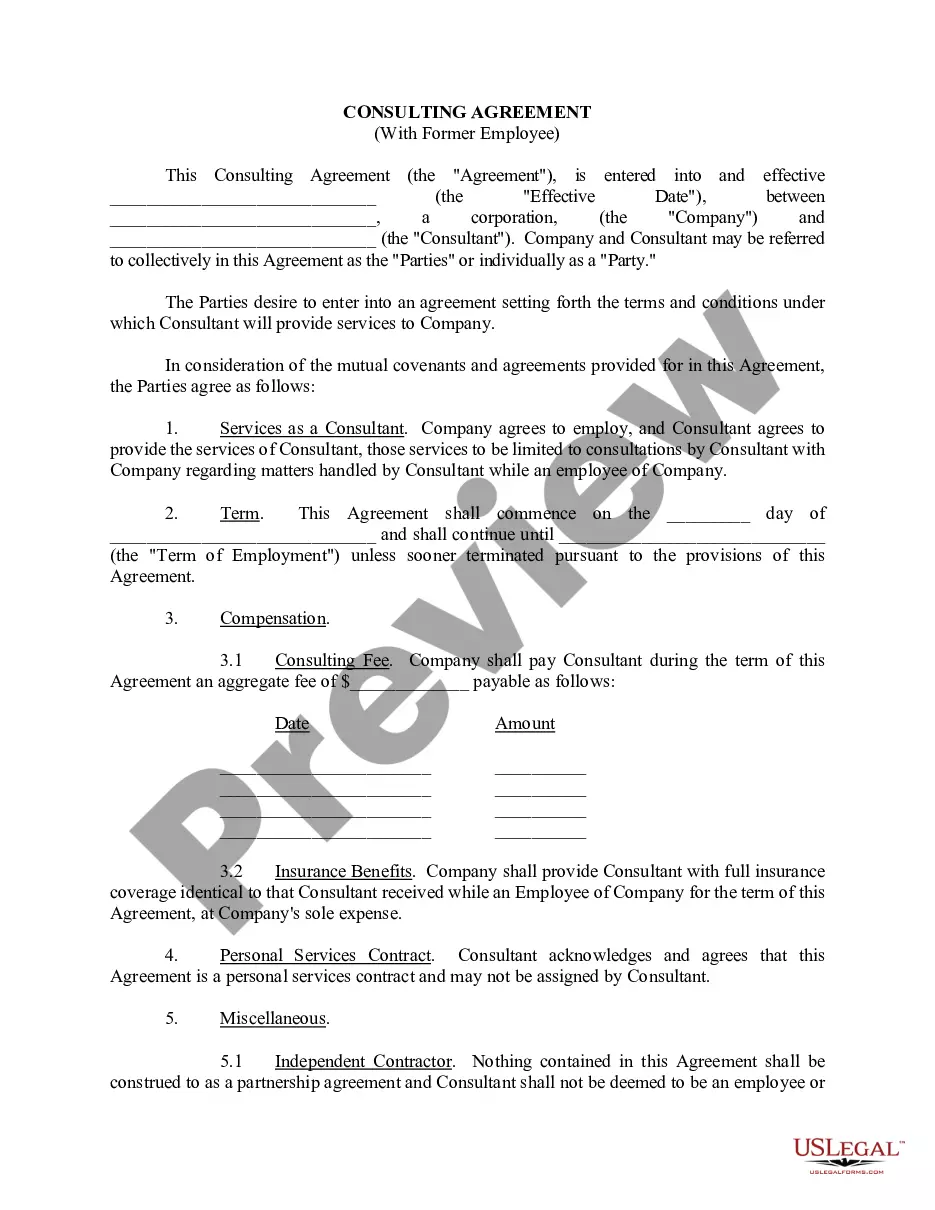
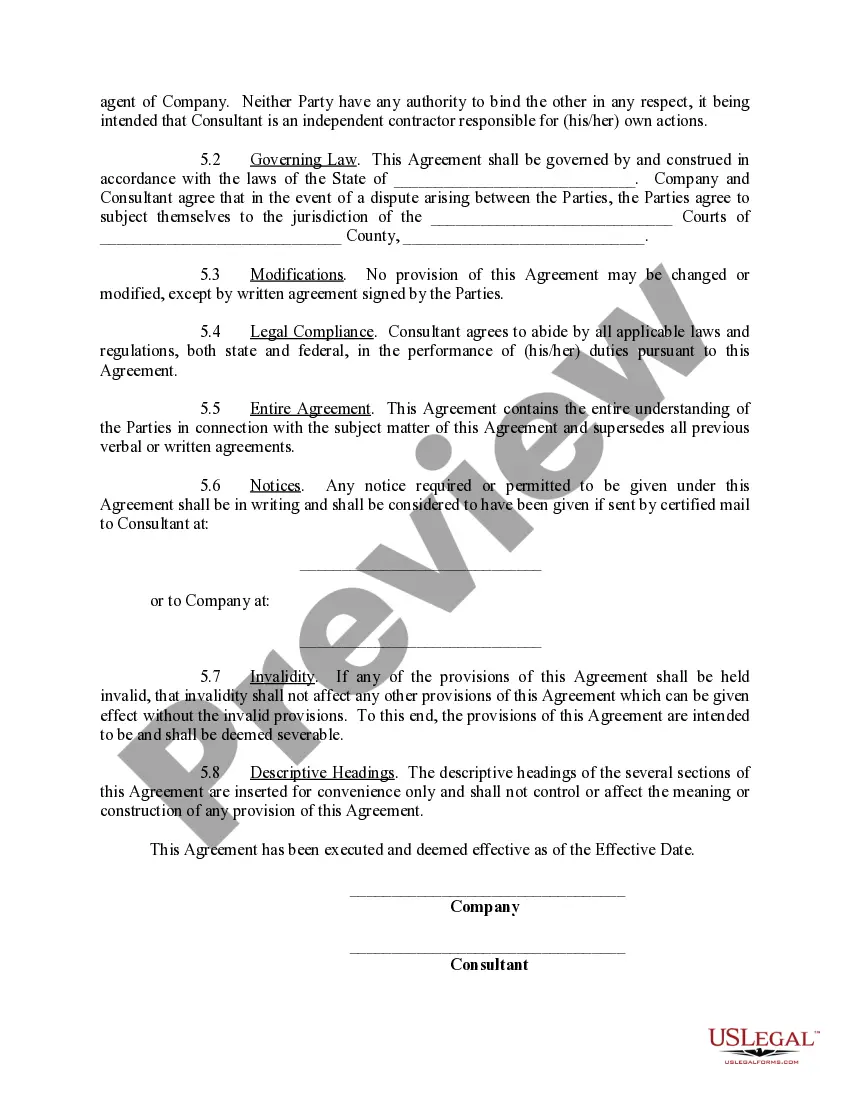
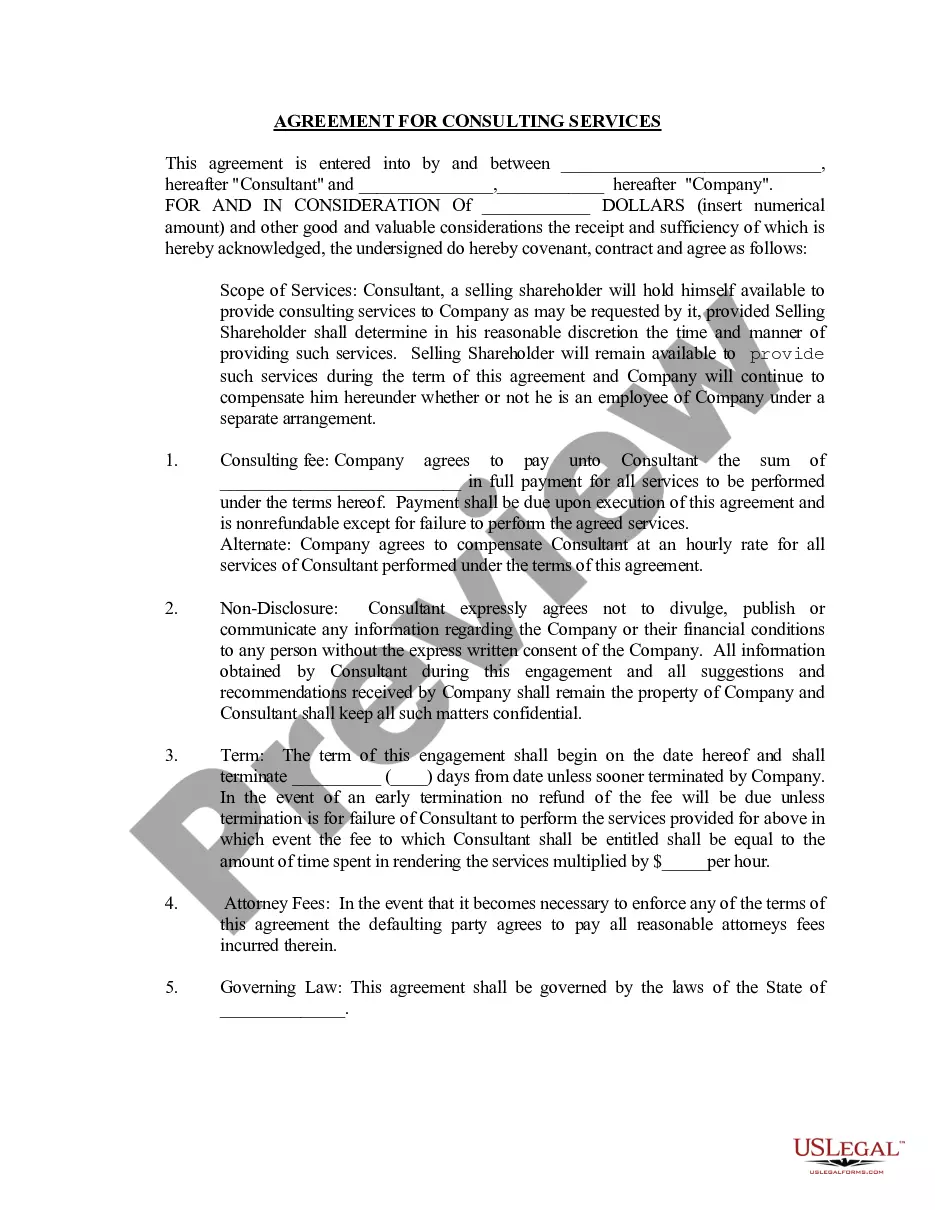
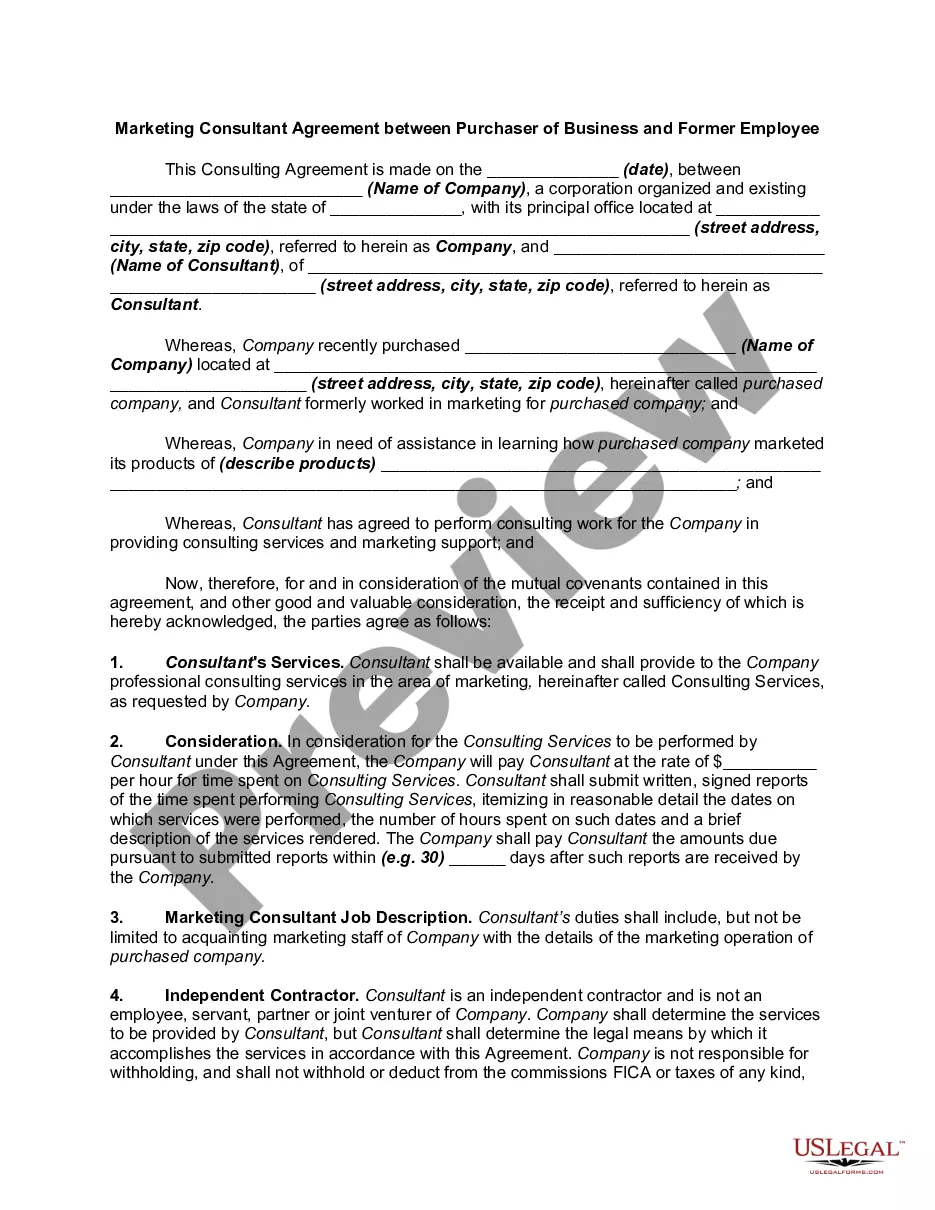
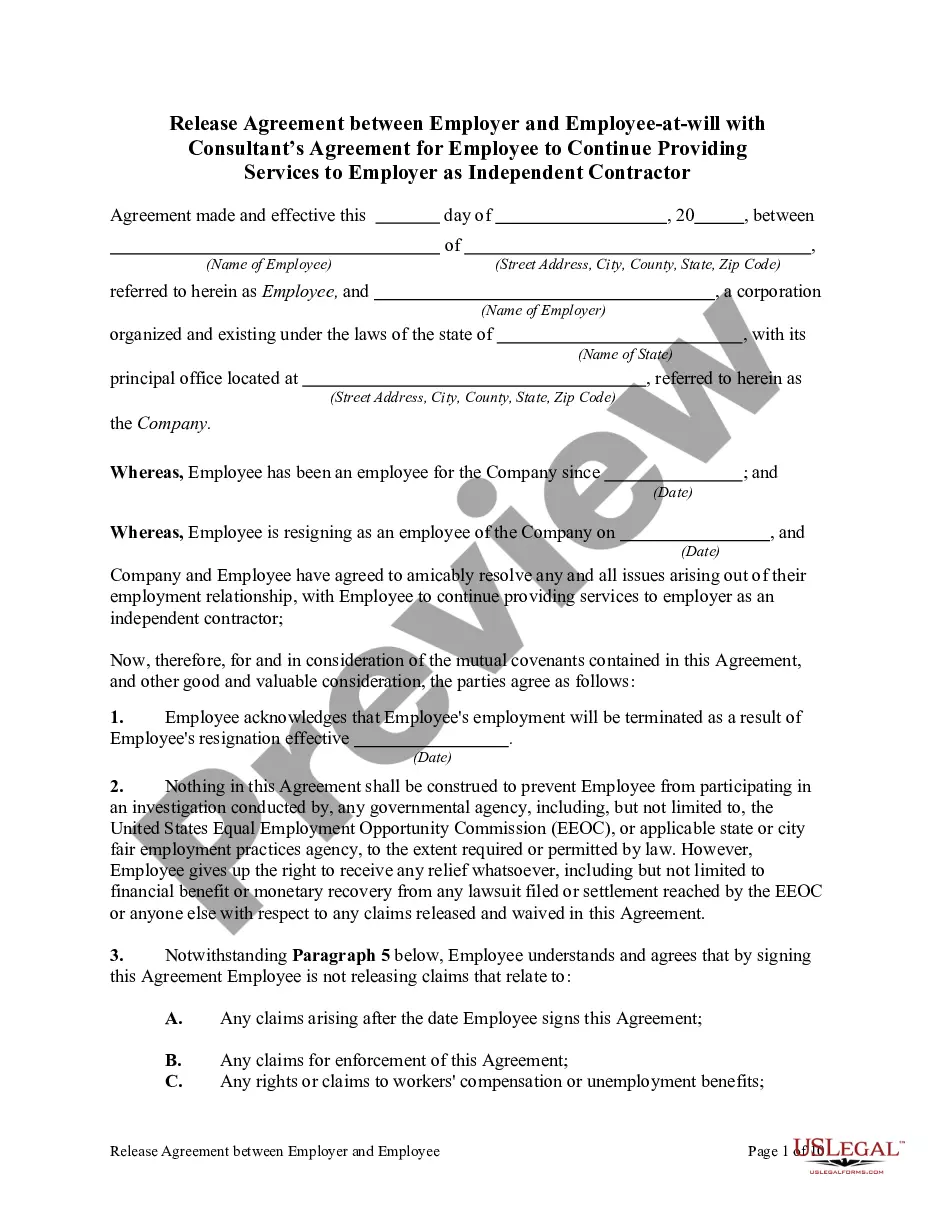
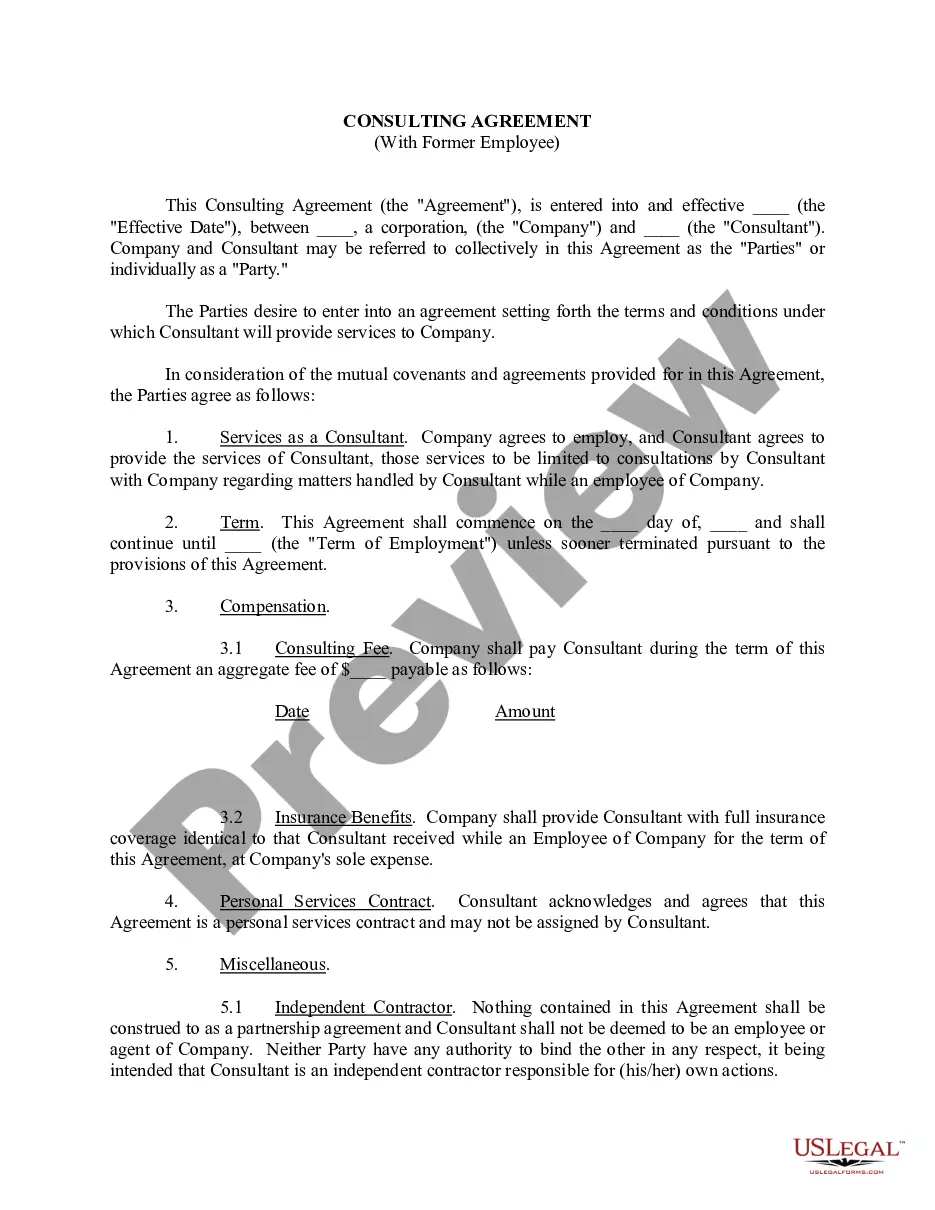
Get your form ready online
Our built-in tools help you complete, sign, share, and store your documents in one place.
Make edits, fill in missing information, and update formatting in US Legal Forms—just like you would in MS Word.
Download a copy, print it, send it by email, or mail it via USPS—whatever works best for your next step.
Sign and collect signatures with our SignNow integration. Send to multiple recipients, set reminders, and more. Go Premium to unlock E-Sign.
If this form requires notarization, complete it online through a secure video call—no need to meet a notary in person or wait for an appointment.
We protect your documents and personal data by following strict security and privacy standards.

Make edits, fill in missing information, and update formatting in US Legal Forms—just like you would in MS Word.

Download a copy, print it, send it by email, or mail it via USPS—whatever works best for your next step.

Sign and collect signatures with our SignNow integration. Send to multiple recipients, set reminders, and more. Go Premium to unlock E-Sign.

If this form requires notarization, complete it online through a secure video call—no need to meet a notary in person or wait for an appointment.

We protect your documents and personal data by following strict security and privacy standards.
Looking for another form?



Form popularity
FAQ
Filipinos commonly call their boss 'boss' or use the term 'superior' in formal contexts. The use of 'boss' has been widely adopted, emphasizing a friendly workplace environment. Utilizing these terms allows for clear communication and fosters respect among team members. As a former employee in Tagalog, knowing how these terms are used can improve your interactions.
Another word for a boss person is 'superior.' This term signifies someone who holds a higher position within an organization. Using 'superior' can help convey authority and respect in professional contexts. If you find yourself in discussions about leadership roles as a former employee in Tagalog, this term can enhance your communications.
The meaning of 'former' in Tagalog is 'dating.' This term describes something or someone that was previously in a role or position. Understanding this concept is crucial, especially in discussions about past employment. If you're assisting others as a former employee in Tagalog, using 'dating' helps clarify your previous status effectively.
In Tagalog, the word for boss is 'boss' or 'among.' While 'boss' is commonly used in casual conversation, 'among' carries a more traditional tone, especially in formal settings. Knowing how to address your superior effectively can create a positive atmosphere at work. If you're a former employee in Tagalog, using these terms can foster better communication.
The Tagalog term for employer is 'empleyador.' This term specifically refers to the person or organization that hires employees. Understanding this vocabulary can be particularly useful for discussions about job roles and responsibilities within the workplace. If you're navigating employment matters as a former employee in Tagalog, using the correct terminology can enhance clarity.
The Filipino word for manager is 'tagapamahala.' This term reflects the role of someone who oversees operations and manages teams. In the business context, a good manager can significantly impact a company's success. Knowing this term can aid in workplace discussions, especially if you are a former employee in Tagalog.
In Tagalog, you can say 'Ginoo' when referring to a sir. This term is a respectful way to address a man, much like you would in English. While this is common in formal settings, the use of 'po' and 'opo' can also convey respect in everyday conversations. Understanding these terms helps deepen your connection with Filipino speakers.
Filing a complaint against an employer involves submitting your grievance to the DOLE or the appropriate labor tribunal. Be sure to include details about your employment and the issues you faced as a former employee in tagalog. Document your claims thoroughly, as this will aid in the resolution of your case. Utilizing services such as uslegalforms can provide you with necessary documents and advice.
To sue a company in the Philippines, begin by determining the basis of your claim. Gather evidence and consult with a lawyer who specializes in labor laws. As a former employee in tagalog, understanding your rights is crucial in this process. If you need support, uslegalforms offers templates and guidance to help you prepare your case effectively.
To send a complaint to a company, you should first identify the right department, often customer service or human resources. Craft a clear and concise letter detailing your issue, mentioning your status as a former employee in tagalog if relevant. Sending it via certified mail can ensure that your complaint is received. If you need further assistance, consider using uslegalforms for guidance on formal communication.
