Excavation Contract Example
Description
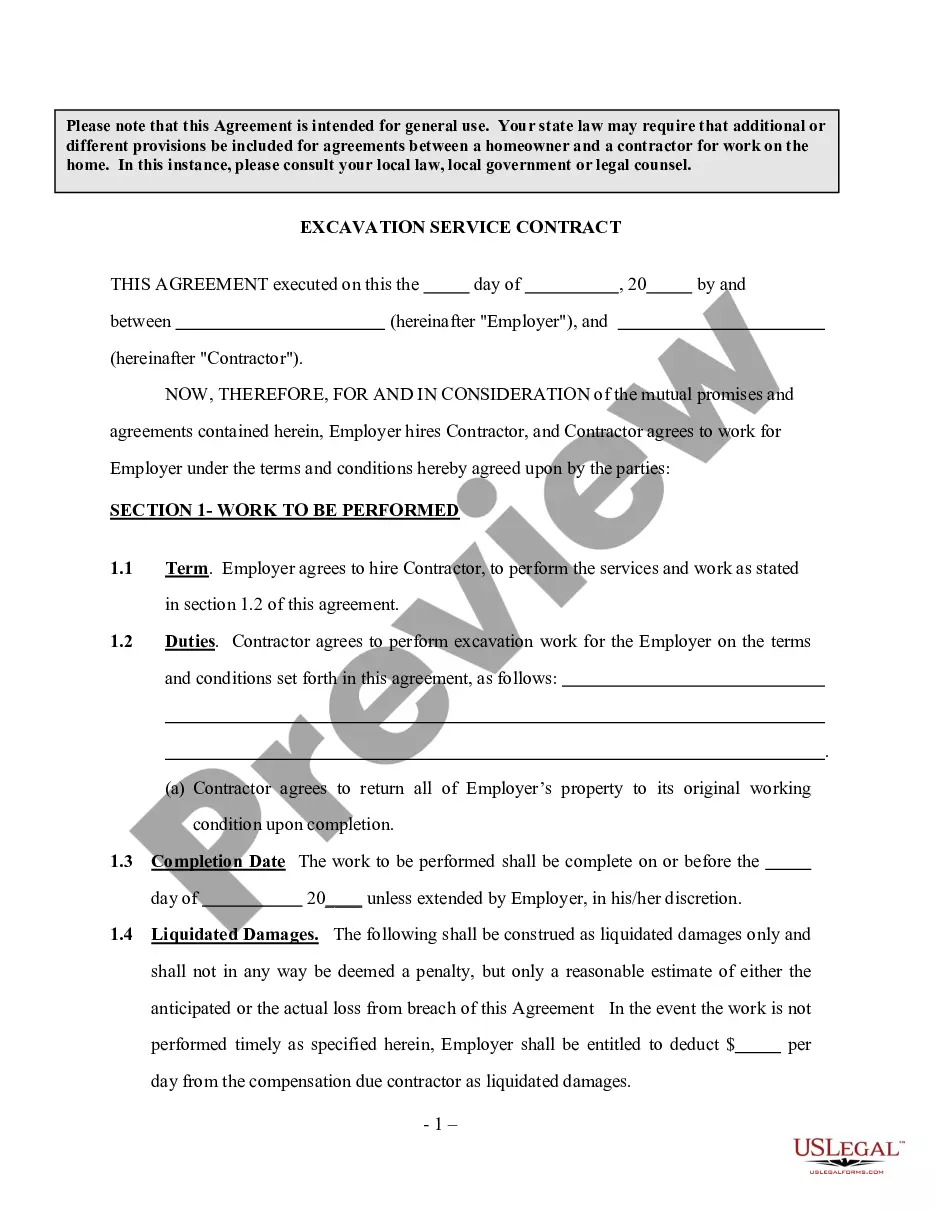
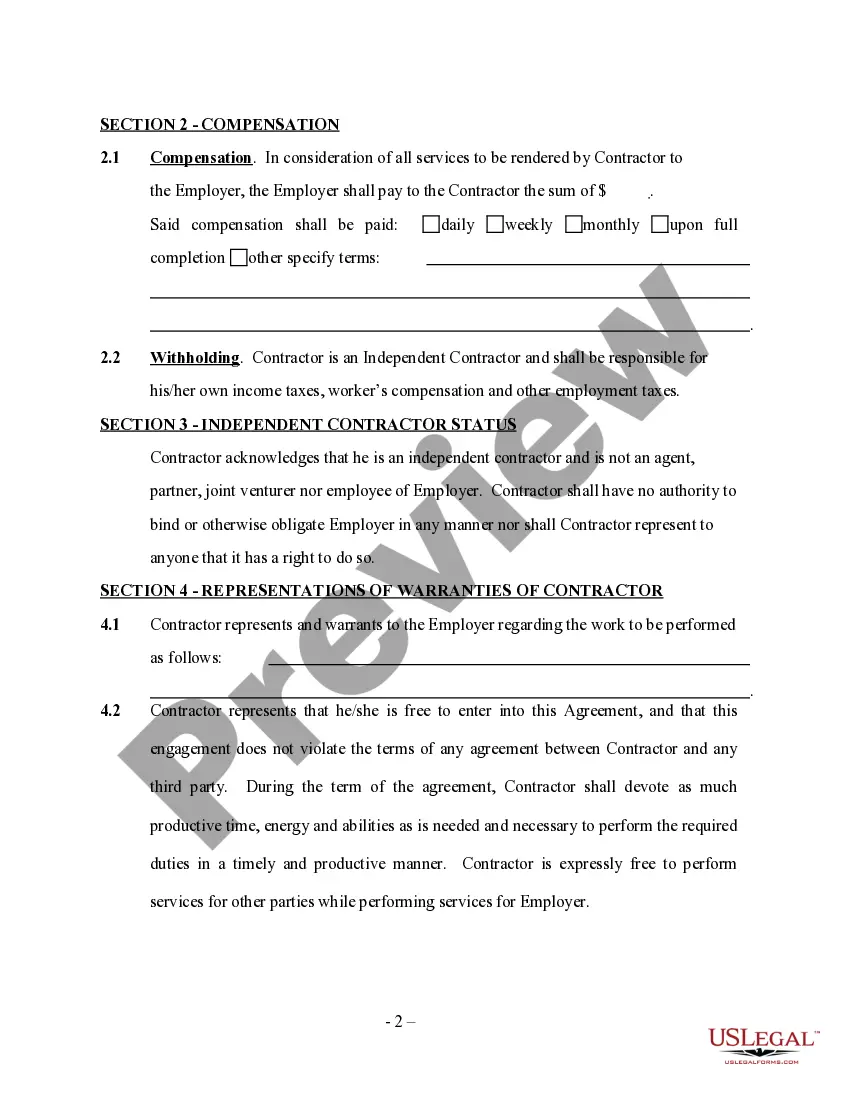
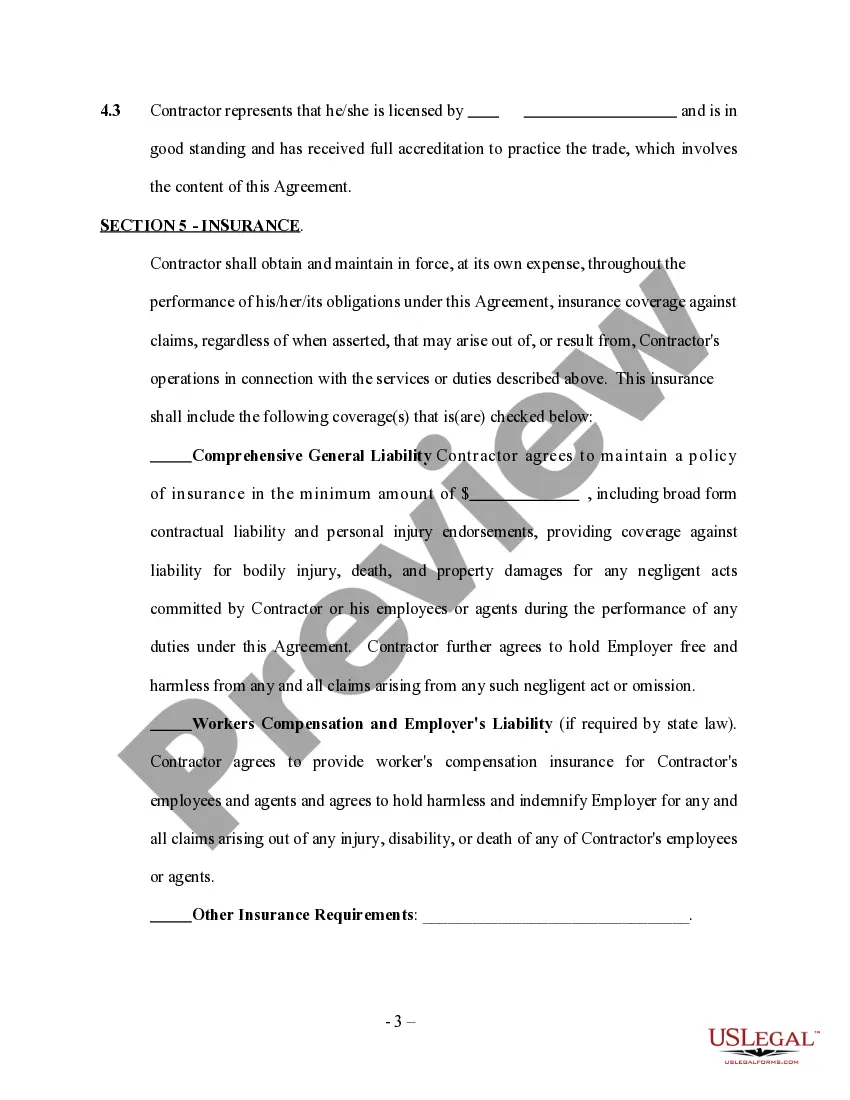
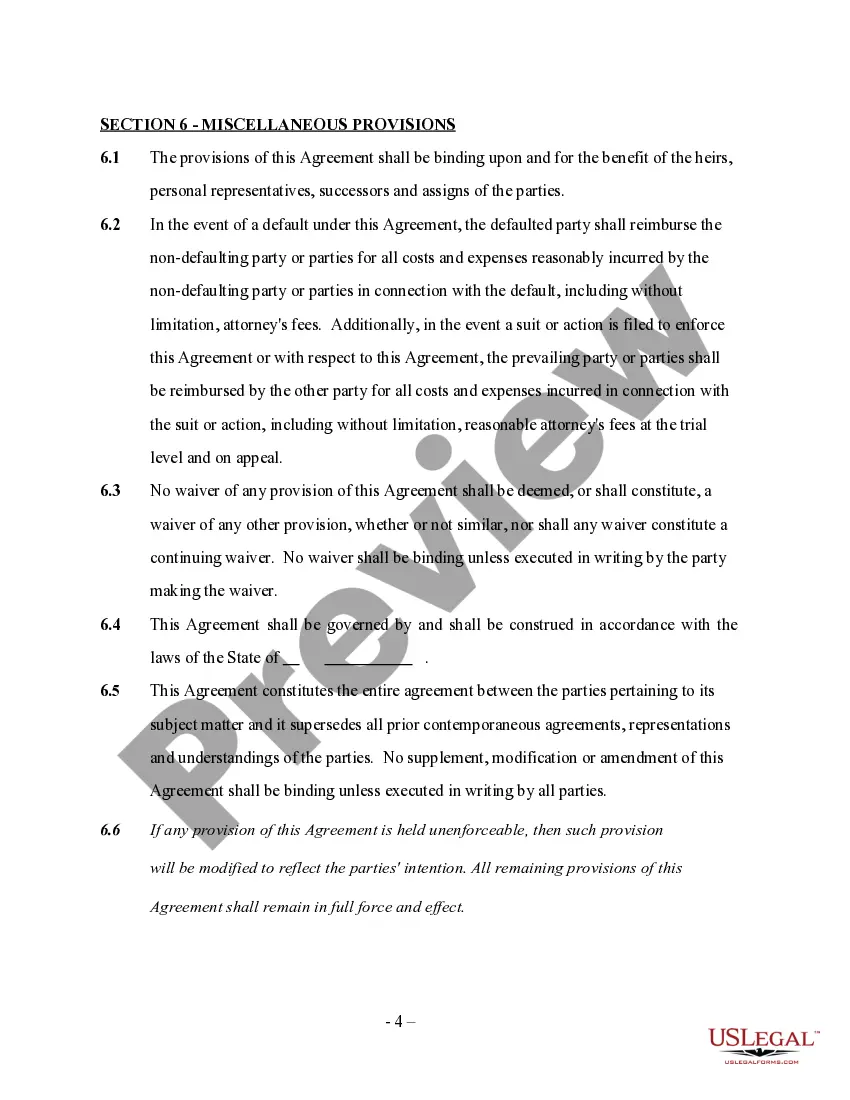
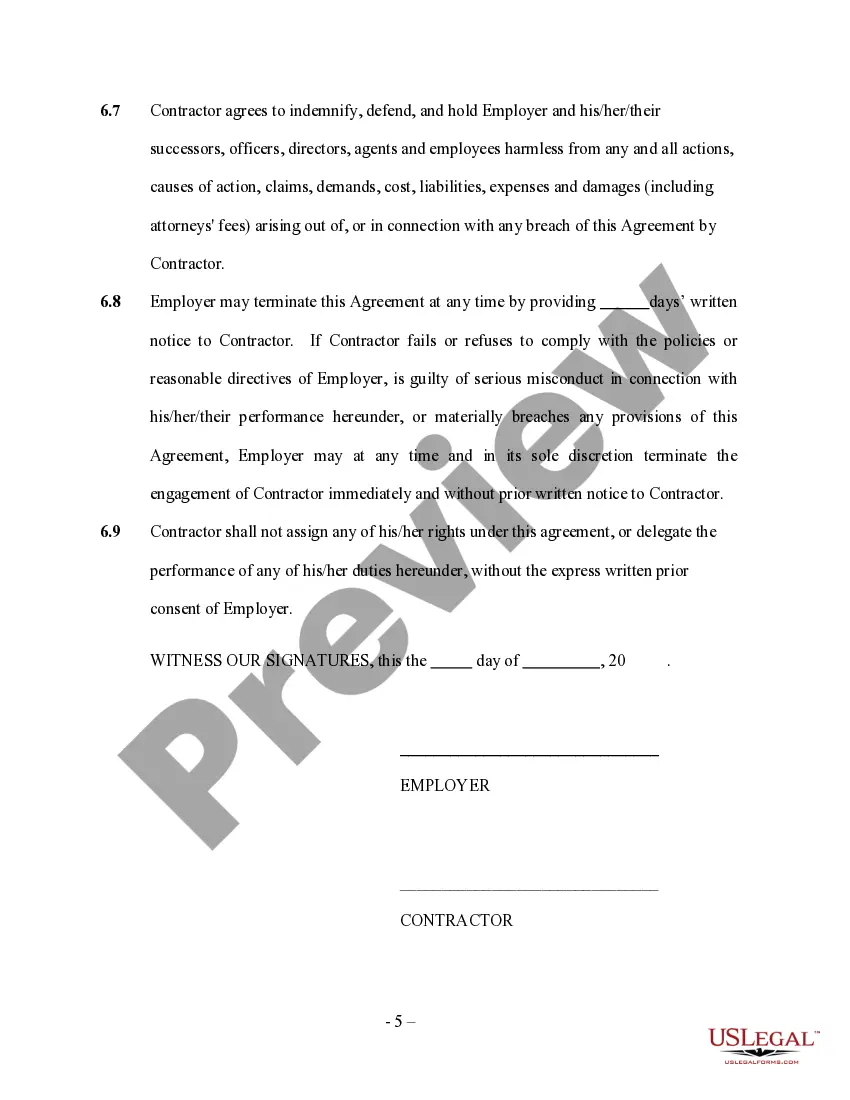
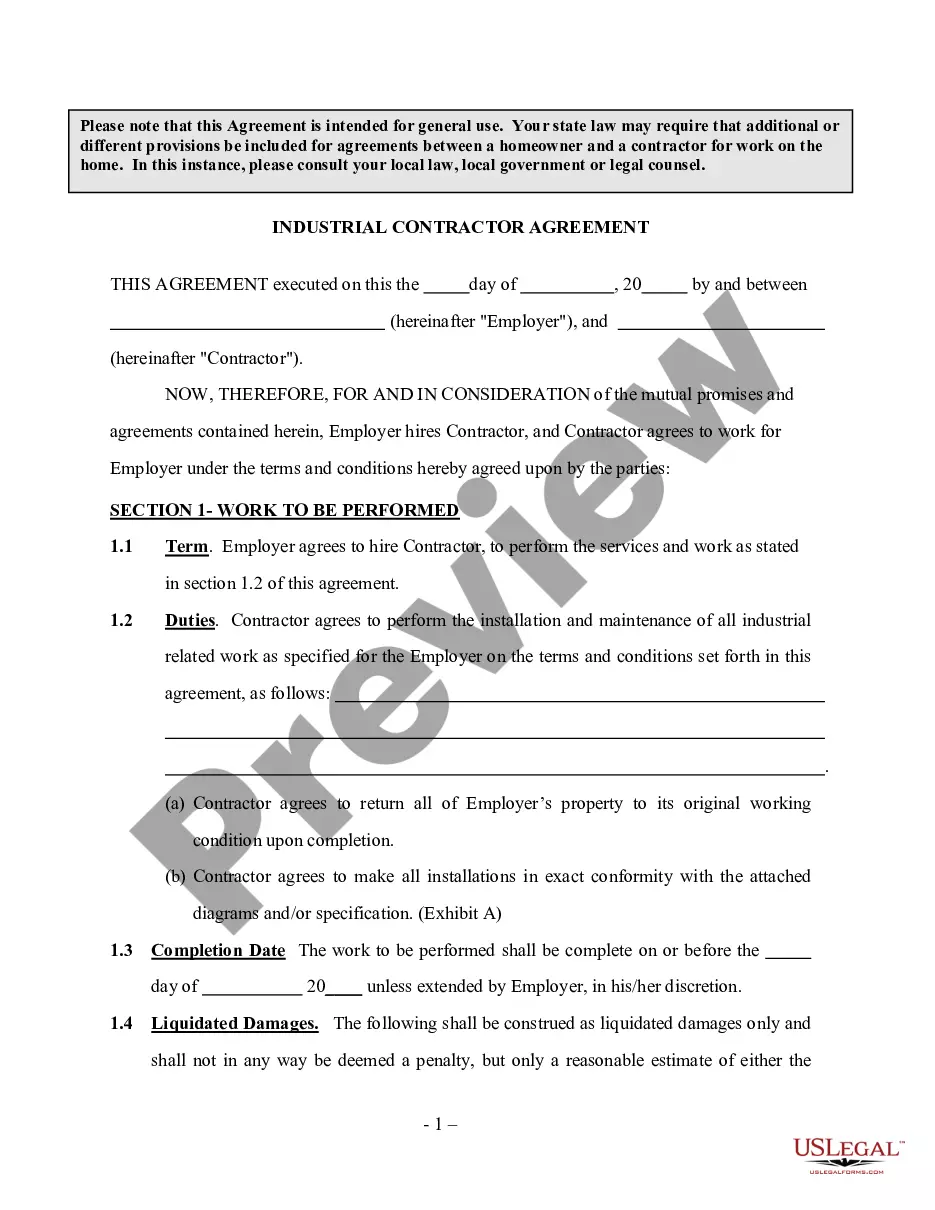
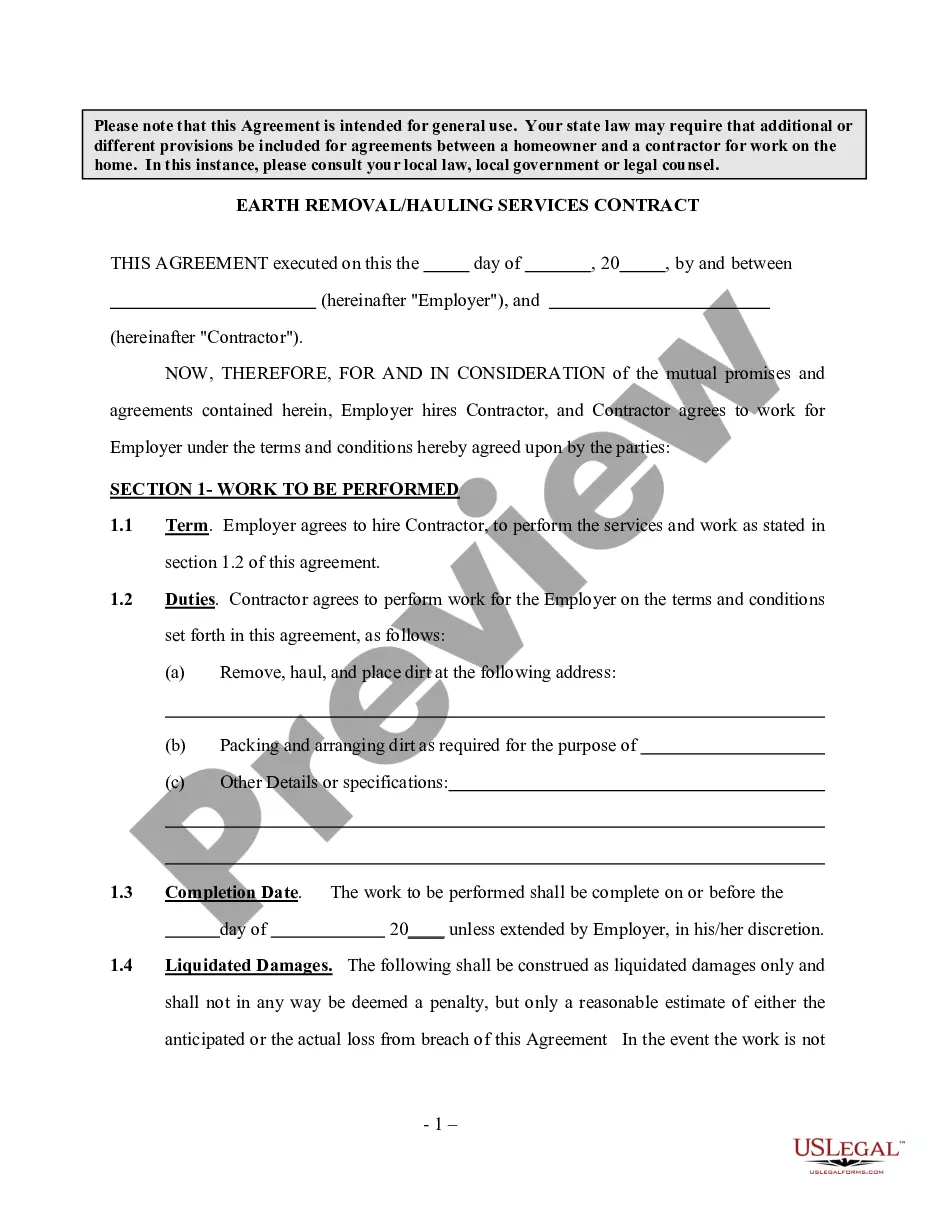
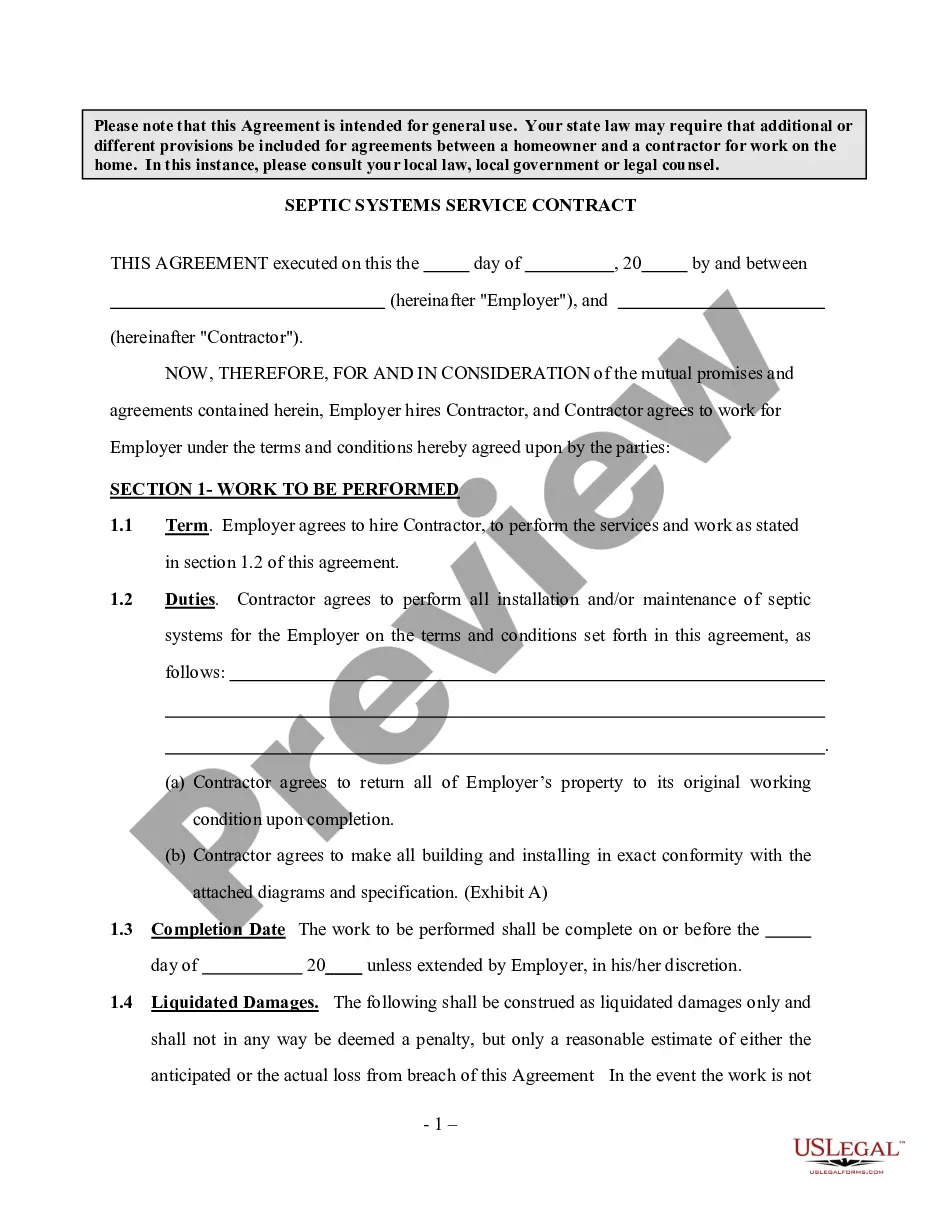
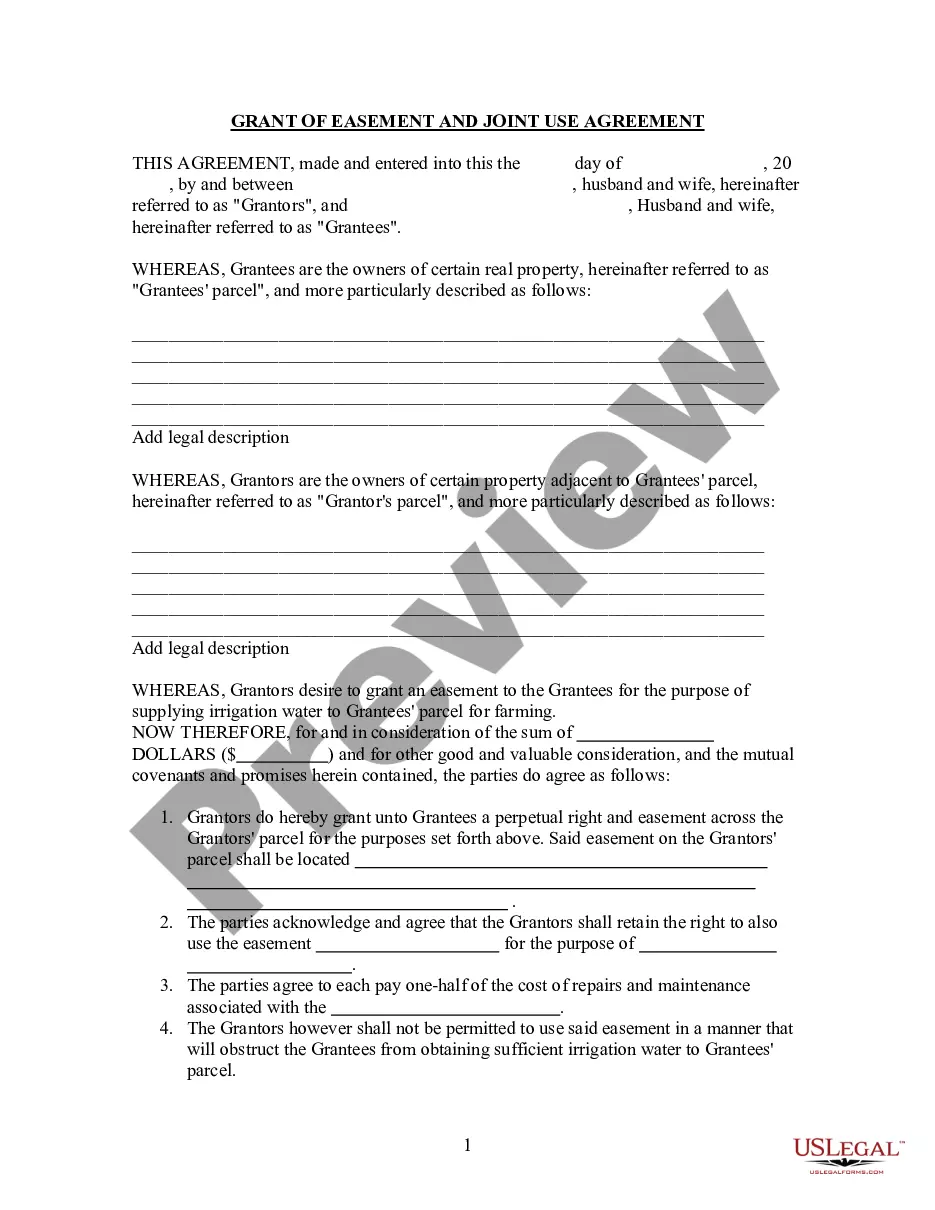

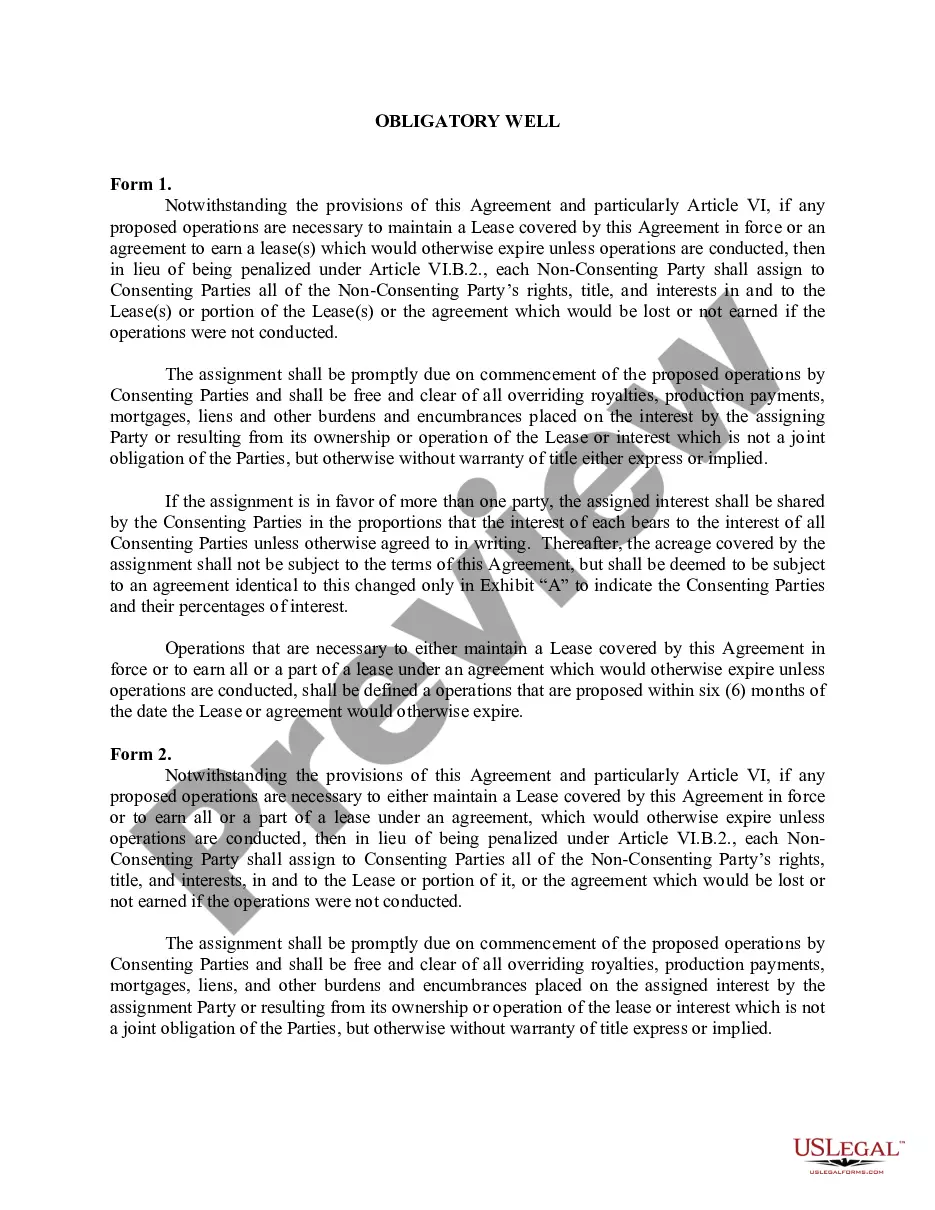



How to fill out Self-Employed Excavation Service Contract?
- Visit the US Legal Forms website and navigate to the excavation contract section.
- If you are a returning user, log in to your account. Ensure your subscription is active; if not, consider renewing it.
- For first-time users, start by checking the preview mode and description of the excavation contract example to confirm it meets your requirements.
- Use the Search feature to explore other applicable templates if needed; ensure your selected form aligns with your local jurisdiction.
- Purchase the excavation contract example by clicking on the 'Buy Now' button and selecting your desired subscription plan, creating an account if necessary.
- Complete your purchase by entering your payment information, using either a credit card or PayPal account.
- Once purchased, download the document and save it to your device. You can always access it through the My Forms section of your profile.
With US Legal Forms, you gain access to an expansive library of over 85,000 editable legal forms, ensuring you have the right documents at your fingertips. Moreover, their platform connects you with legal experts who can assist you in completing your forms accurately, giving you peace of mind.
Don't leave your legal documents to chance. Visit US Legal Forms today and secure your excavation contract example!
Form popularity
FAQ
To obtain a construction contract, begin by establishing your project requirements and budget. You can then search for an 'Excavation Contract Example' that aligns with your needs, which will guide you in creating a custom agreement. Platforms like USLegalForms provide readily available templates, ensuring you cover essential details and protect your interests.
The rate of excavation can vary widely based on location, type of project, and site conditions. Generally, you can expect rates to range from $50 to $150 per hour, depending on equipment and labor required. Additionally, for a detailed plan, refer to an 'Excavation Contract Example' to outline specific costs and terms for your project. This approach ensures that you budget accurately.
To write a simple contract, start with a clear title that describes the agreement, such as 'Excavation Contract Example'. Clearly outline the responsibilities of each party, including the scope of work, requirements, and deadlines. Include payment terms, and ensure both parties sign the document. You can find templates on platforms like USLegalForms to help structure your contract effectively.
Writing a construction contract involves several key steps: detailing project specifications, setting payment schedules, and defining the rights and responsibilities of each party. Additionally, include clauses for conflict resolution and project deadlines. Utilizing an excavation contract example can provide a strong foundation for your construction agreement.
To write a simple contract agreement, start by identifying the parties involved, outlining the project scope, specifying payment terms, and defining timelines. Ensure to include provisions for changes or cancellations as needed. An excavation contract example can serve as a helpful guide, allowing you to create a clear and enforceable agreement.
The three types of excavation generally include earth excavation, rock excavation, and muck excavation. Earth excavation involves the removal of topsoil or dirt, while rock excavation covers the removal of rock material. Knowing the differences can help you craft an effective excavation contract example that aligns with your specific project needs.
To write a simple construction contract, start with a clear title and the date of the agreement. Include a detailed description of the work involved, specifying each party's obligations. Keep your language straightforward and precise to avoid misunderstandings. An excavation contract example can serve as a practical reference to ensure you include all necessary components and protections.
Planning an excavation involves several critical steps, including site assessment, obtaining necessary permits, and ensuring safety measures are in place. Evaluate the site’s soil type and any potential hazards that could impact the excavation process. Create a timeline that outlines each phase of the work and allocate resources efficiently. Reviewing an excavation contract example can help ensure that your planning aligns with legal requirements and best practices.
The five essential elements of a construction contract are offer, acceptance, consideration, legal capacity, and legality. Each element plays a vital role in forming an enforceable contract. The offer should clearly state the work to be performed, while acceptance confirms agreement to these terms. Consideration entails payment, legal capacity ensures both parties can enter the contract, and legality ensures compliance with applicable laws. This framework is often illustrated in an excavation contract example.
To properly create a construction contract, begin by drafting a detailed outline of the project. Clarify the roles and responsibilities of each party, and establish deadlines and payment terms. Make sure to include legal language that complies with local laws. Finally, reviewing an excavation contract example can provide insight into formats and clauses to include in your contract for maximum effectiveness.