Diy Bookkeeping For Small Business
Description
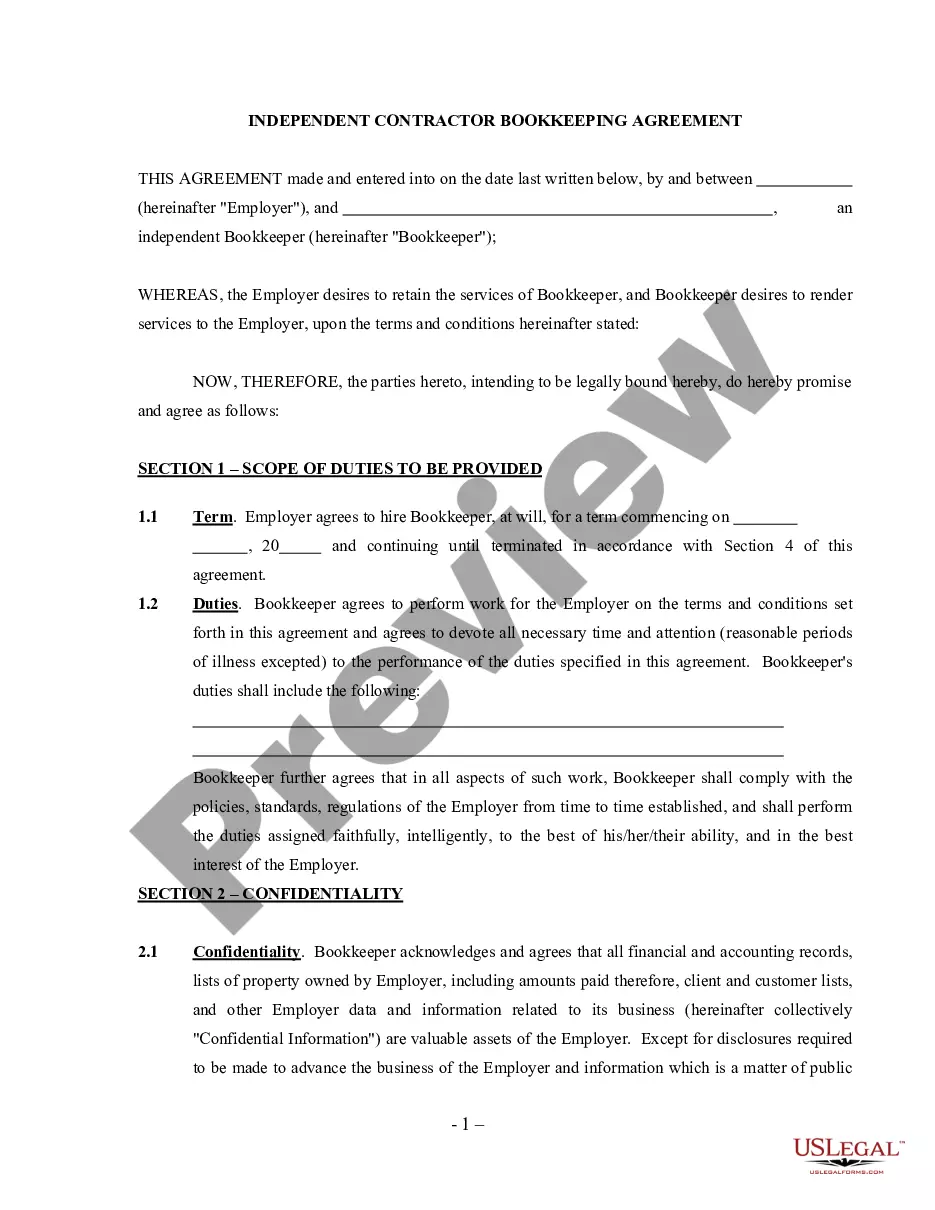
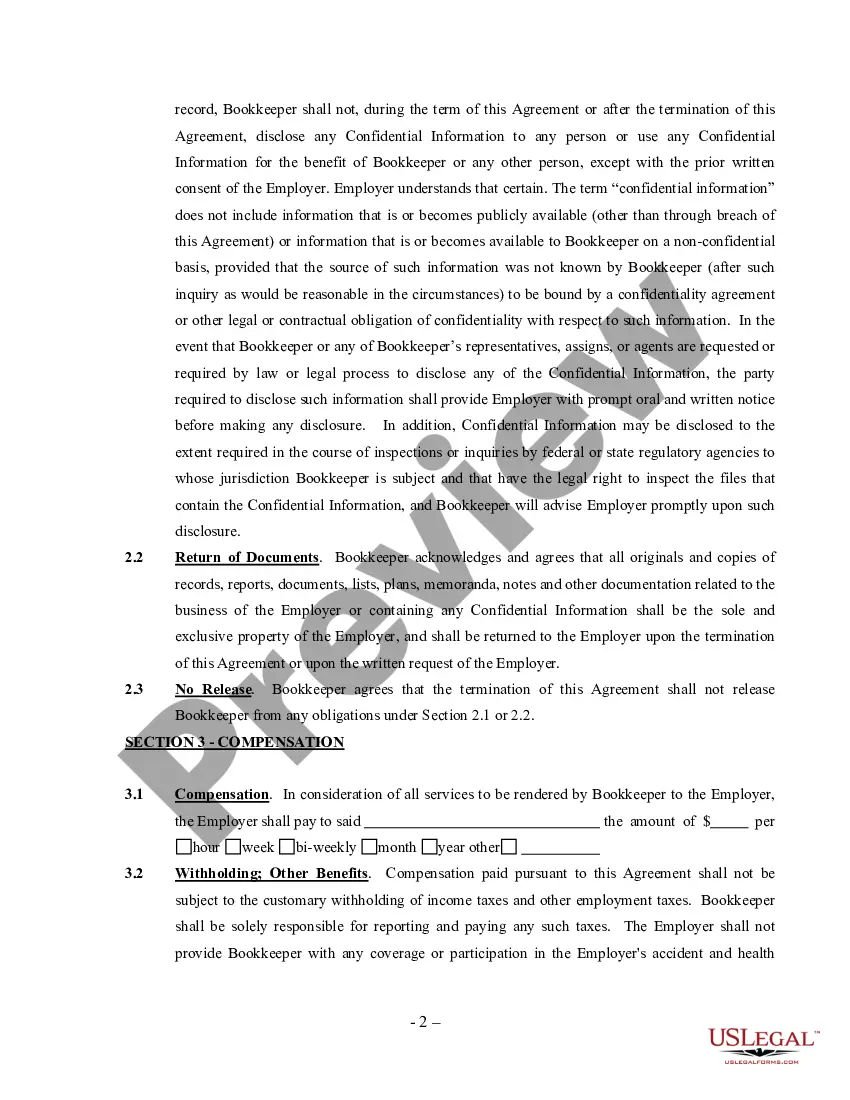
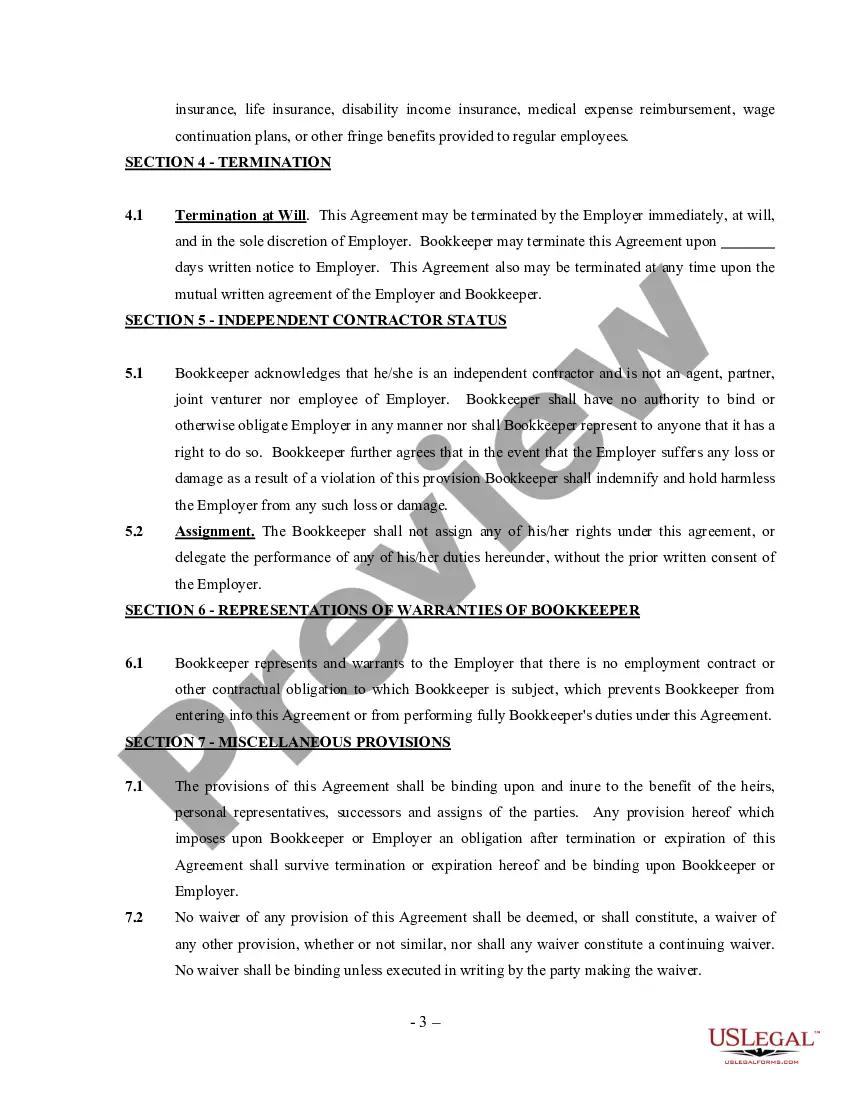
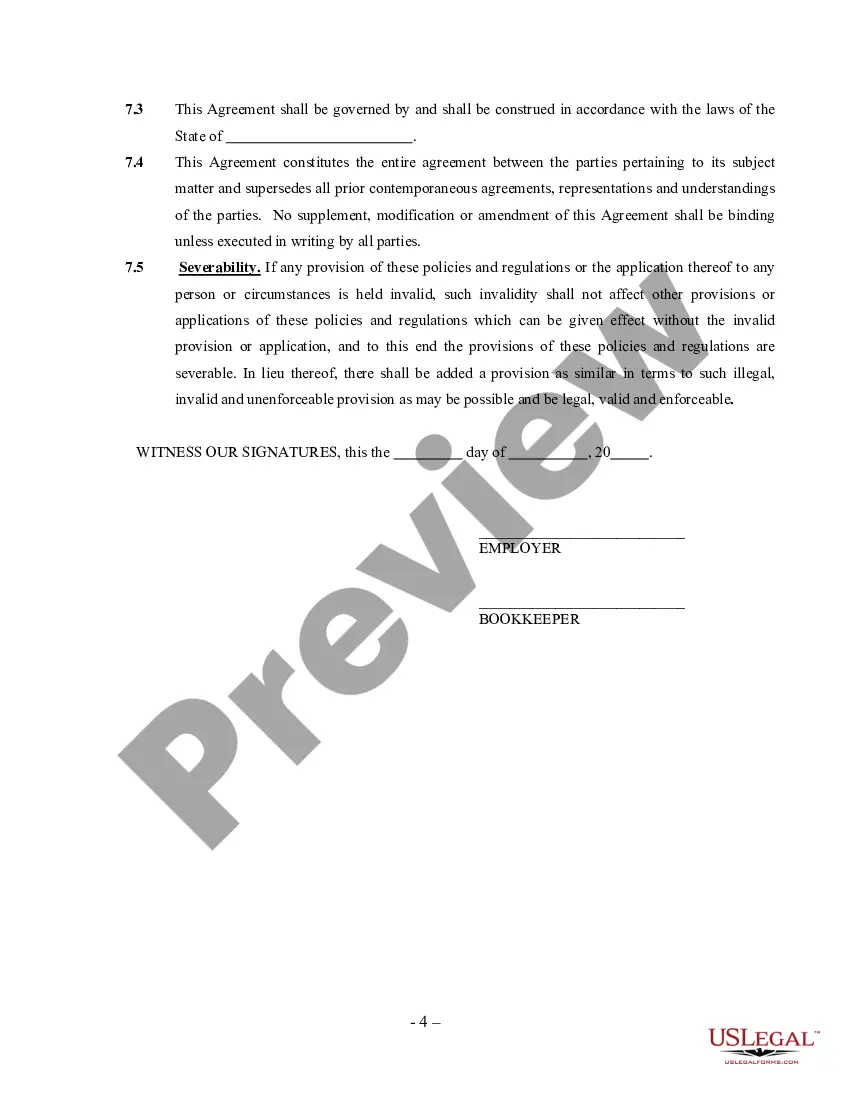
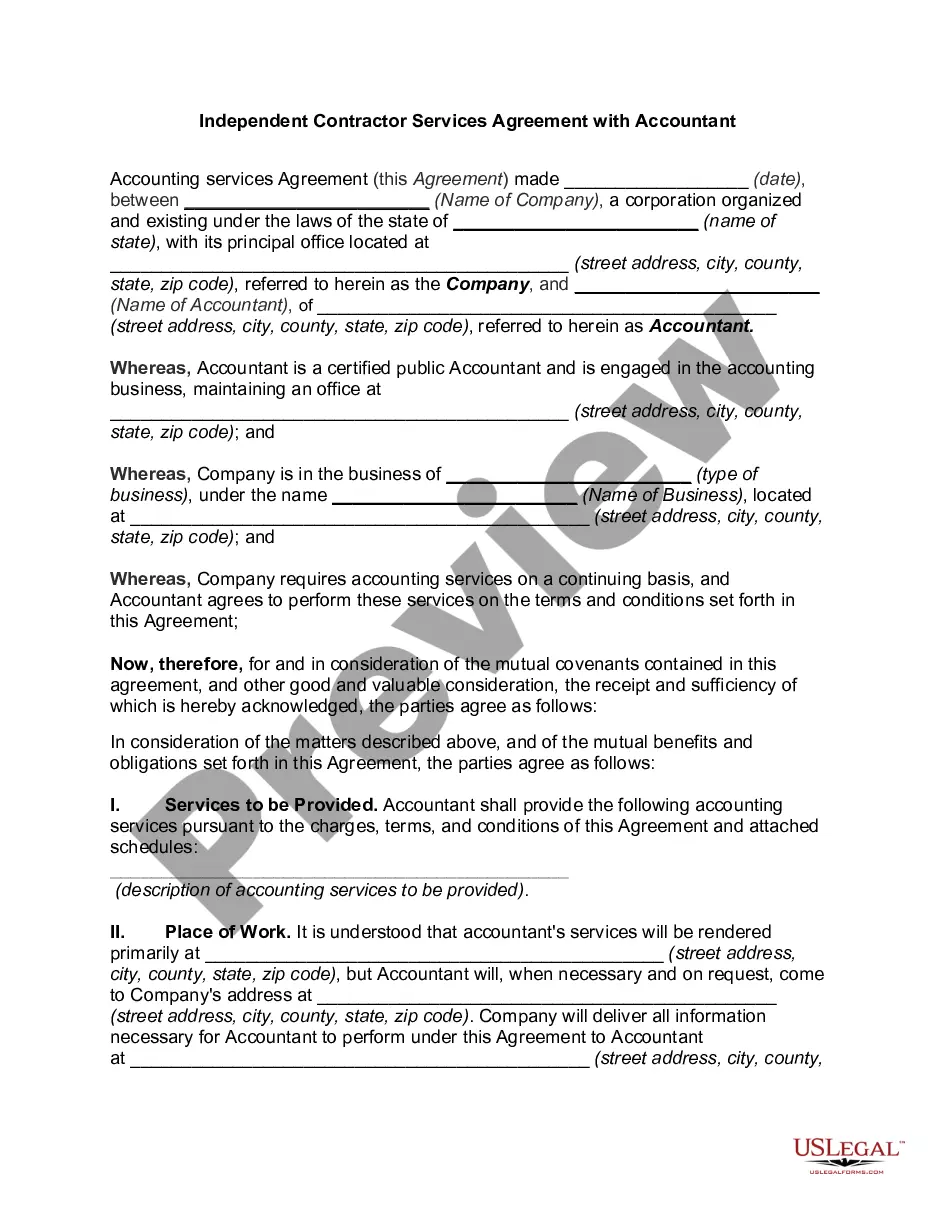
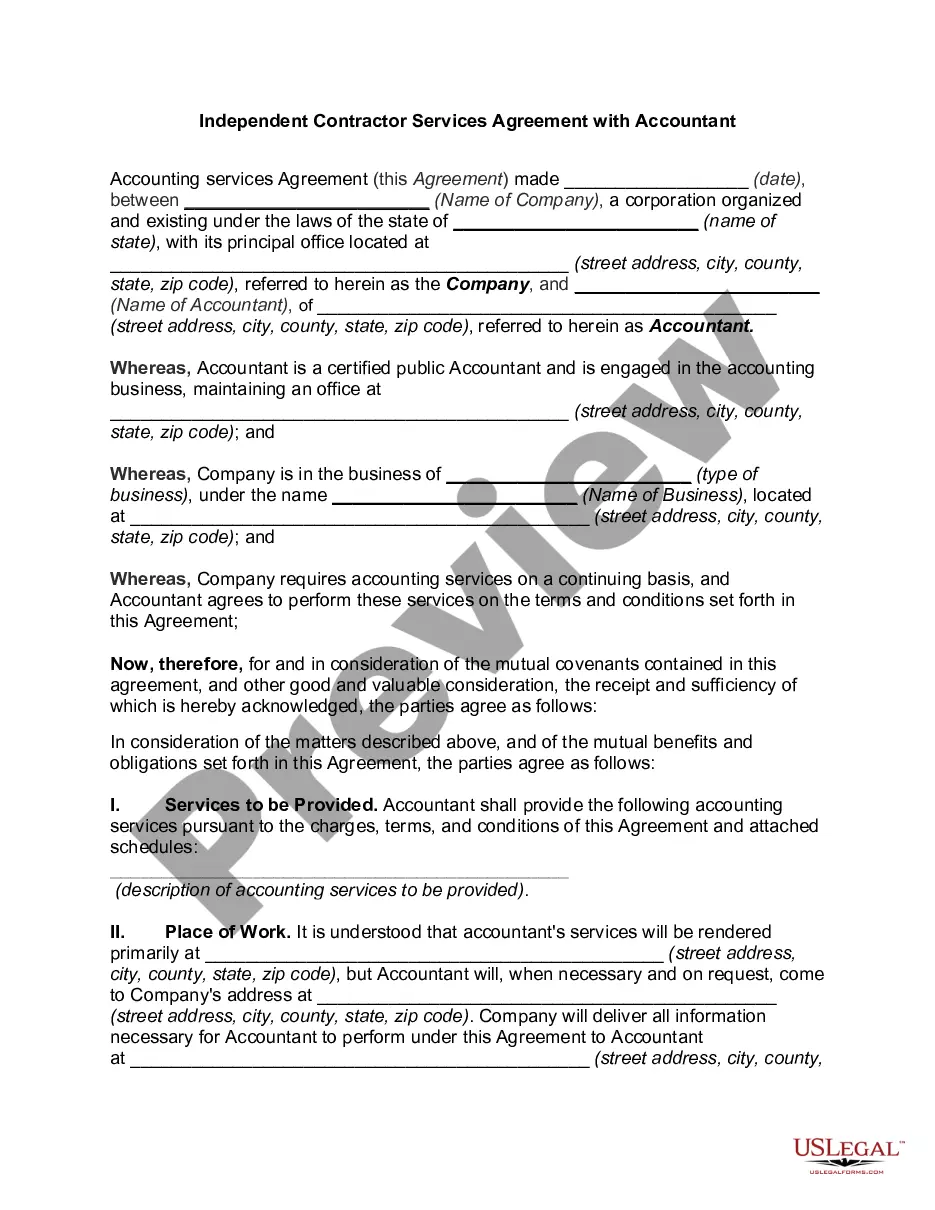
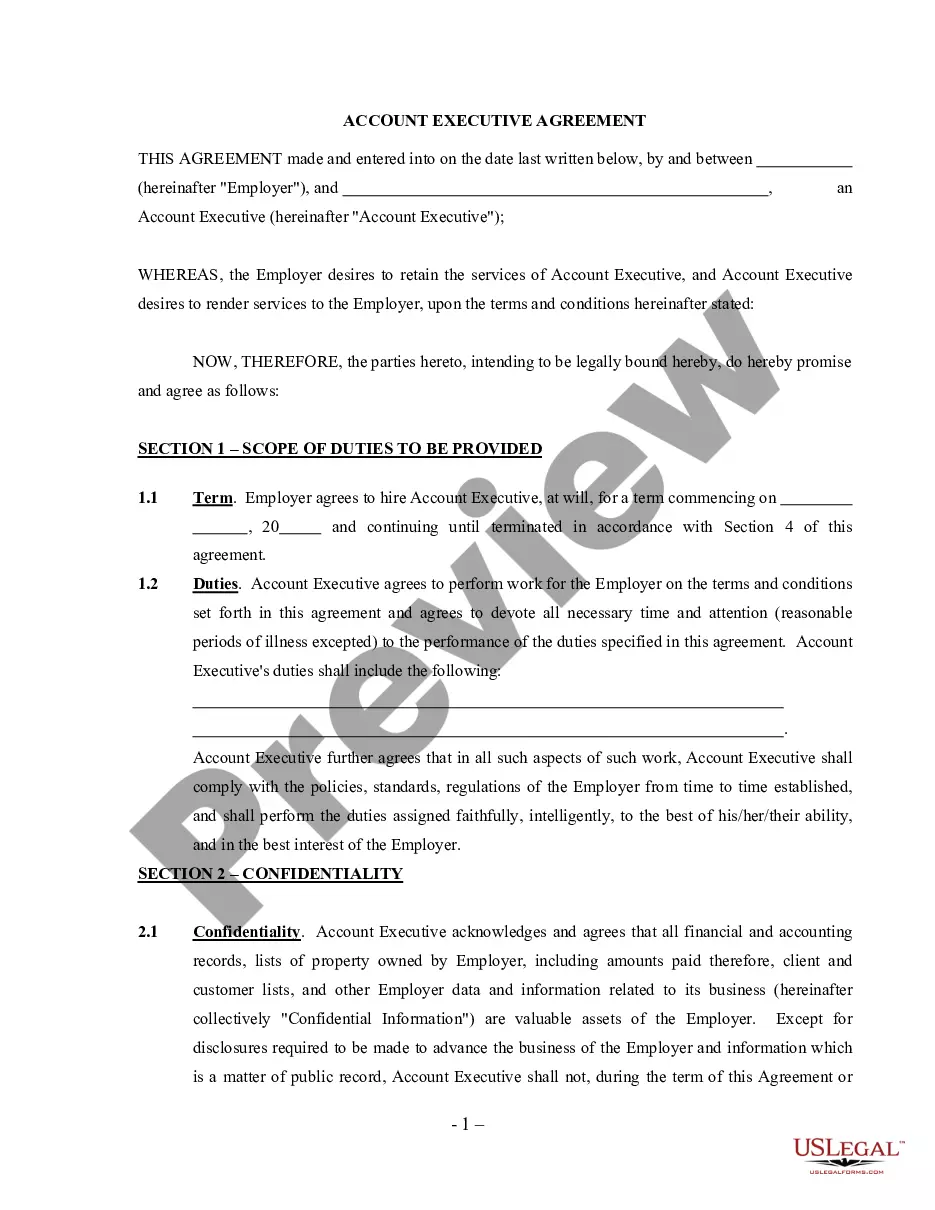
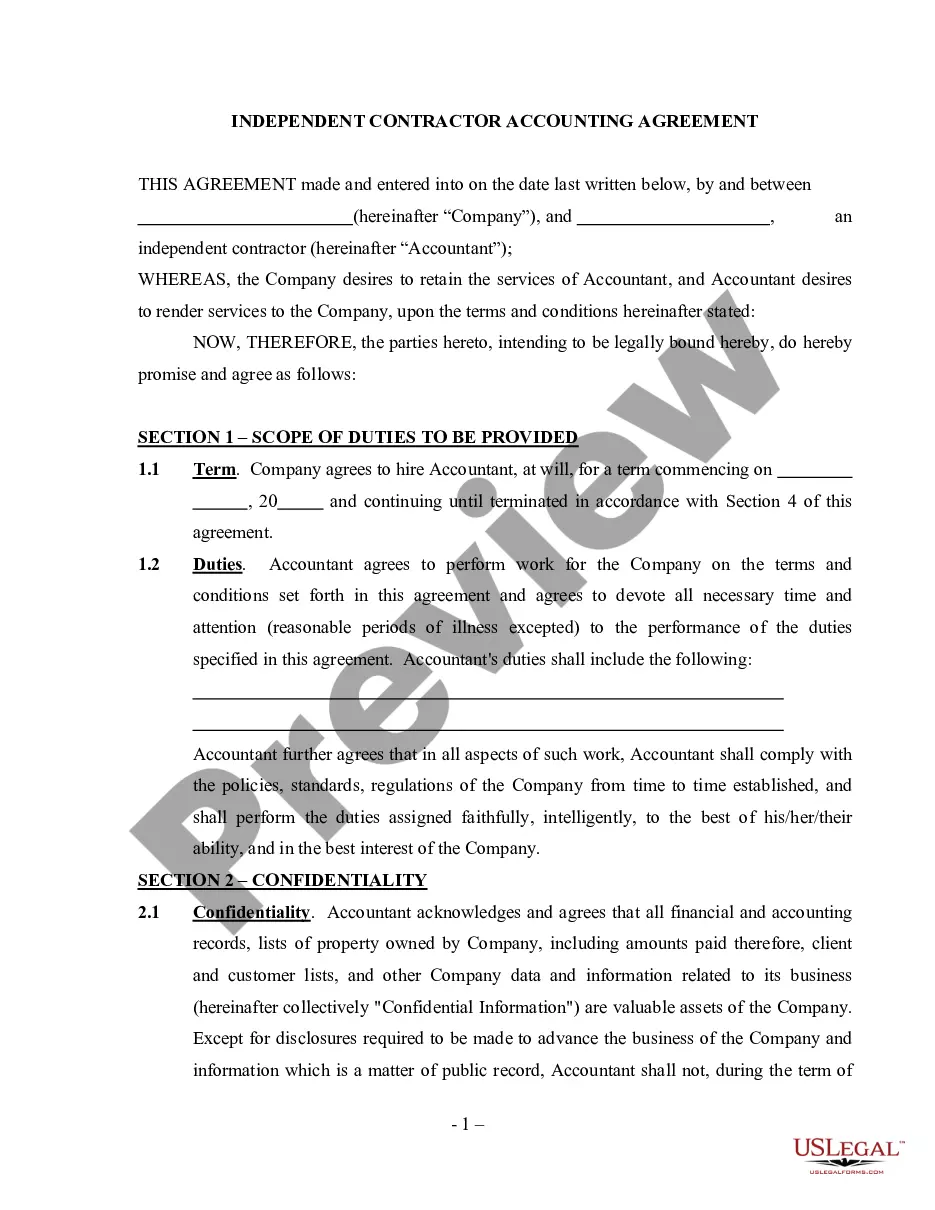


How to fill out Bookkeeping Agreement - Self-Employed Independent Contractor?
Using legal document samples that comply with federal and regional regulations is a matter of necessity, and the internet offers numerous options to pick from. But what’s the point in wasting time looking for the appropriate Diy Bookkeeping For Small Business sample on the web if the US Legal Forms online library already has such templates collected in one place?
US Legal Forms is the most extensive online legal library with over 85,000 fillable templates drafted by attorneys for any business and personal situation. They are easy to browse with all documents collected by state and purpose of use. Our specialists keep up with legislative changes, so you can always be confident your form is up to date and compliant when obtaining a Diy Bookkeeping For Small Business from our website.
Obtaining a Diy Bookkeeping For Small Business is easy and quick for both current and new users. If you already have an account with a valid subscription, log in and download the document sample you need in the preferred format. If you are new to our website, adhere to the instructions below:
- Take a look at the template using the Preview feature or through the text outline to make certain it meets your requirements.
- Browse for a different sample using the search tool at the top of the page if necessary.
- Click Buy Now when you’ve located the correct form and select a subscription plan.
- Create an account or sign in and make a payment with PayPal or a credit card.
- Choose the right format for your Diy Bookkeeping For Small Business and download it.
All templates you find through US Legal Forms are reusable. To re-download and complete previously obtained forms, open the My Forms tab in your profile. Benefit from the most extensive and straightforward-to-use legal paperwork service!
Form popularity
FAQ
Here's a helpful checklist to make sure you remember the essentials: Pick your market. Write a business plan. Register your business name. Obtain certification and/or business license. Register your business. Get insured. Choose your bookkeeping software. Build a website.
To record transactions manually, follow these steps: Identify and organize transactions. Record transactions by hand. Post entries to the general ledger. Check to see if your accounts balance. Double-check totals inputted. Adjust entries if accounts don't balance.
Accounting software eliminates a good deal of manual data entry, making it entirely possible to do your own bookkeeping. However, it can be difficult to catch up if you fall behind on reconciling transactions or tracking unpaid invoices.
Accrual-Based Accounting This method records both invoices and bills even if they haven't been paid yet. This is a highly recommended method because it tells the company's financial status based on known incoming and outgoing funds.
The bottom line. Bookkeeping might not be the most exciting part of running your small business ? but it's one of the most important. You can either do your bookkeeping yourself or hire a bookkeeper.