Letter Of Hardship Example
Description
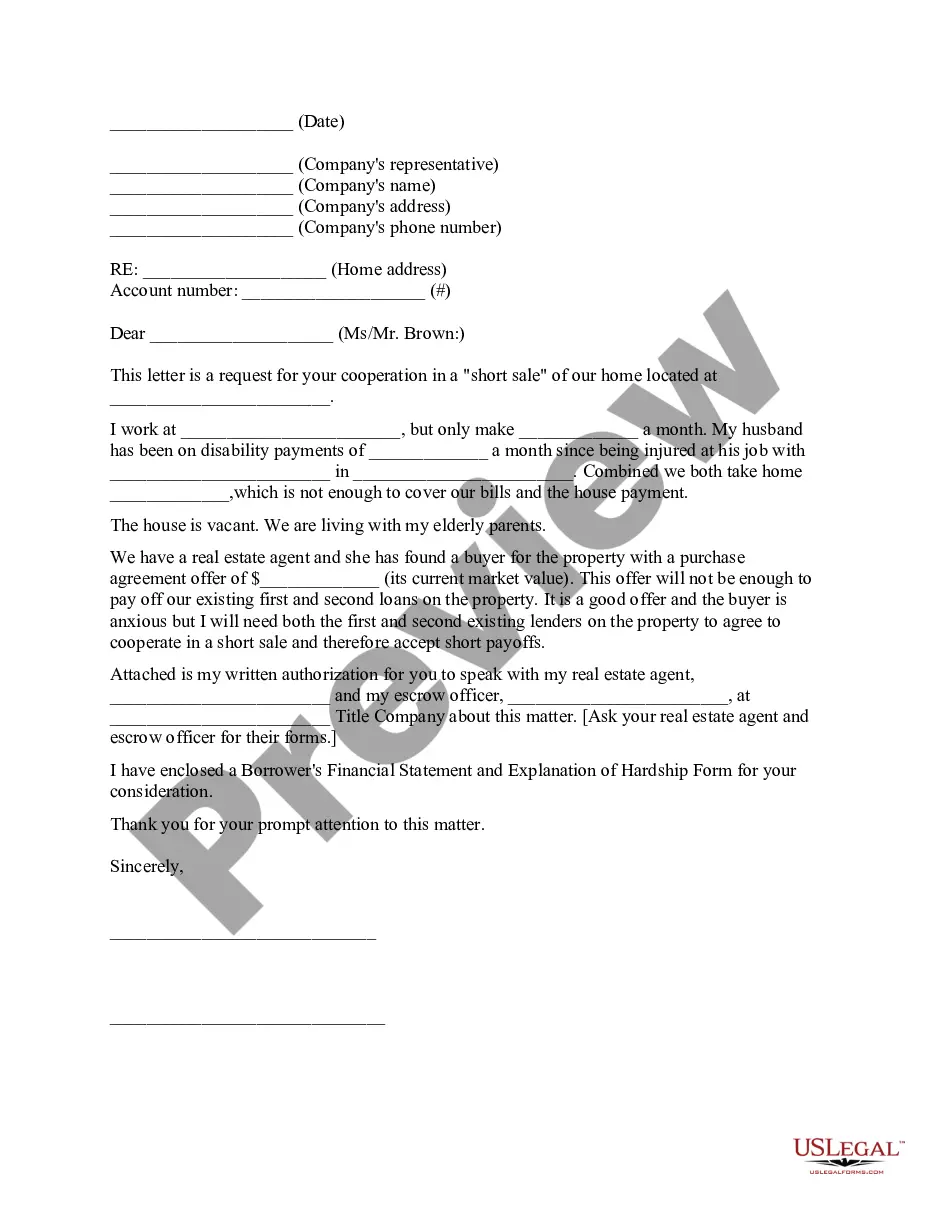
Get your form ready online
Our built-in tools help you complete, sign, share, and store your documents in one place.
Make edits, fill in missing information, and update formatting in US Legal Forms—just like you would in MS Word.
Download a copy, print it, send it by email, or mail it via USPS—whatever works best for your next step.
Sign and collect signatures with our SignNow integration. Send to multiple recipients, set reminders, and more. Go Premium to unlock E-Sign.
If this form requires notarization, complete it online through a secure video call—no need to meet a notary in person or wait for an appointment.
We protect your documents and personal data by following strict security and privacy standards.

Make edits, fill in missing information, and update formatting in US Legal Forms—just like you would in MS Word.

Download a copy, print it, send it by email, or mail it via USPS—whatever works best for your next step.

Sign and collect signatures with our SignNow integration. Send to multiple recipients, set reminders, and more. Go Premium to unlock E-Sign.

If this form requires notarization, complete it online through a secure video call—no need to meet a notary in person or wait for an appointment.

We protect your documents and personal data by following strict security and privacy standards.
Looking for another form?










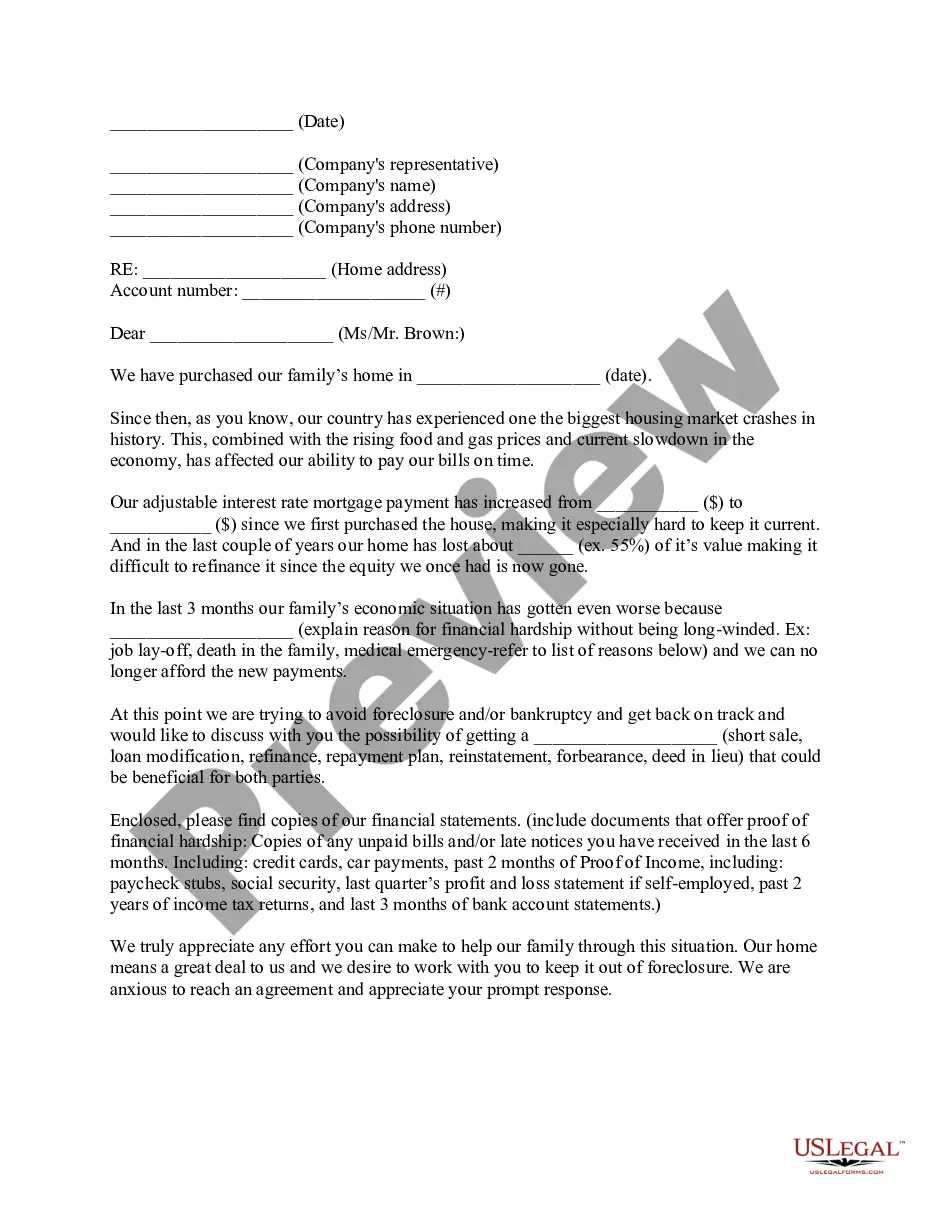
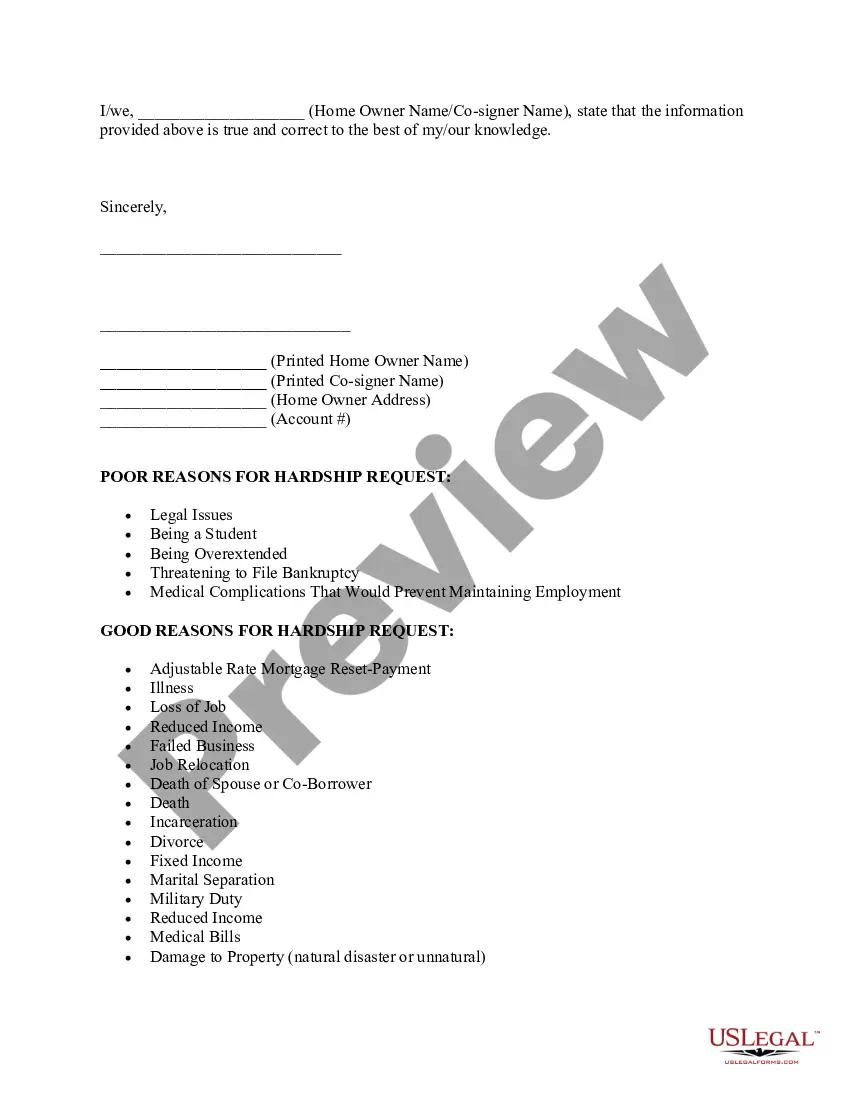
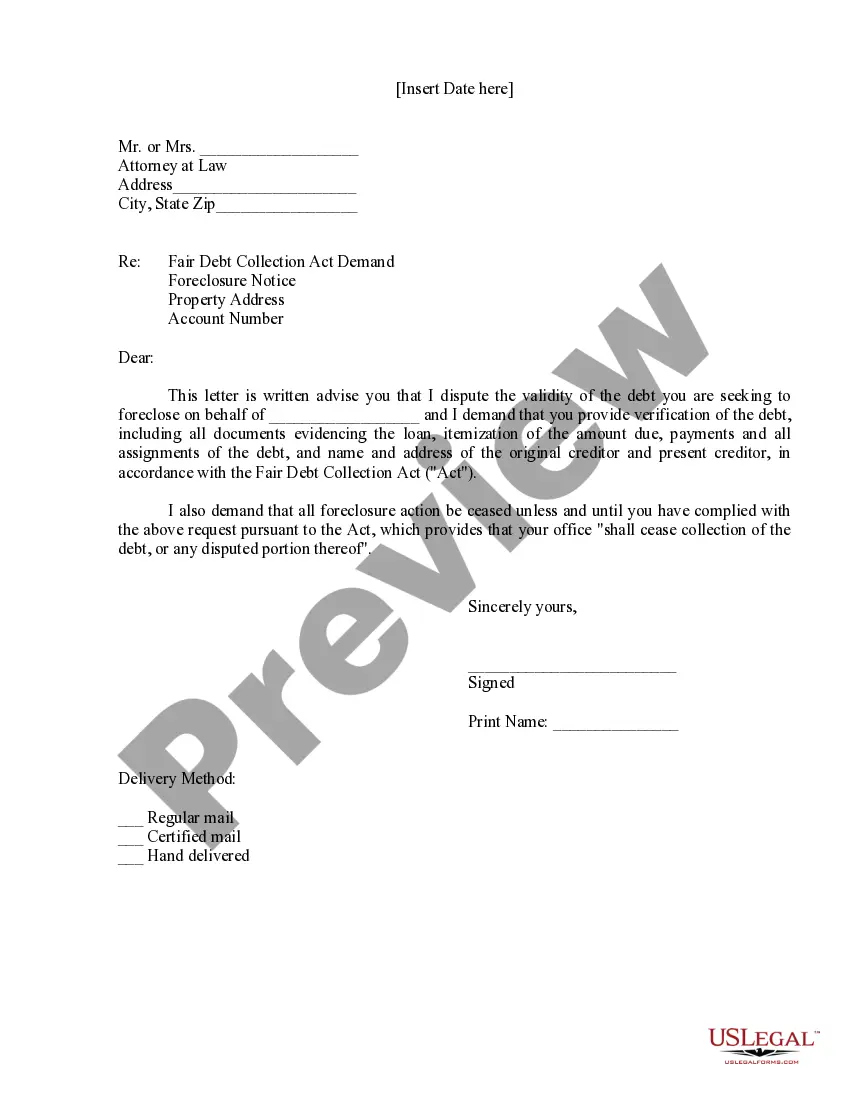
How to fill out Hardship Letter To Mortgagor Or Lender To Prevent Foreclosure?
It’s well-known that you cannot transform into a legal expert overnight, nor can you swiftly master how to craft a Letter Of Hardship Example without a specialized foundation.
Assembling legal paperwork is a lengthy endeavor that demands specific training and expertise. So why not delegate the formation of the Letter Of Hardship Example to the professionals.
At US Legal Forms, one of the most comprehensive legal document repositories, you can discover everything from judicial papers to templates for internal business correspondence. We recognize how crucial compliance and adherence to federal and local regulations are. Therefore, on our platform, all templates are region-specific and current.
You can regain access to your forms from the My documents tab at any time. If you’re an existing customer, you can simply Log In, and locate and download the template from the same tab.
No matter the objective of your forms—whether financial and legal or personal—our platform has everything you need. Give US Legal Forms a try today!
- Locate the form you seek using the search bar at the top of the page.
- Preview it (if this feature is available) and review the accompanying description to ascertain whether the Letter Of Hardship Example is what you are looking for.
- Initiate your search anew if you require any other template.
- Establish a complimentary account and select a subscription plan to purchase the form.
- Click Buy now. Once the transaction is finalized, you can download the Letter Of Hardship Example, fill it out, print it, and send or post it to the required individuals or organizations.
Form popularity
FAQ
Keep your hardship letter brief and to the point: four paragraphs is ideal, and no more than two pages. Be sure to include: Homeowner name(s), address(s), and phone number(s) and relevant loan number(s). Relevant details about the loan or property, such as the number of months delinquent, property value, or equity.
What Is a Hardship Letter? A hardship letter explains to a lender the circumstances that have made you unable to keep up with your debt payments. It provides specific details such as the date the hardship began, the cause and how long you expect it to continue.
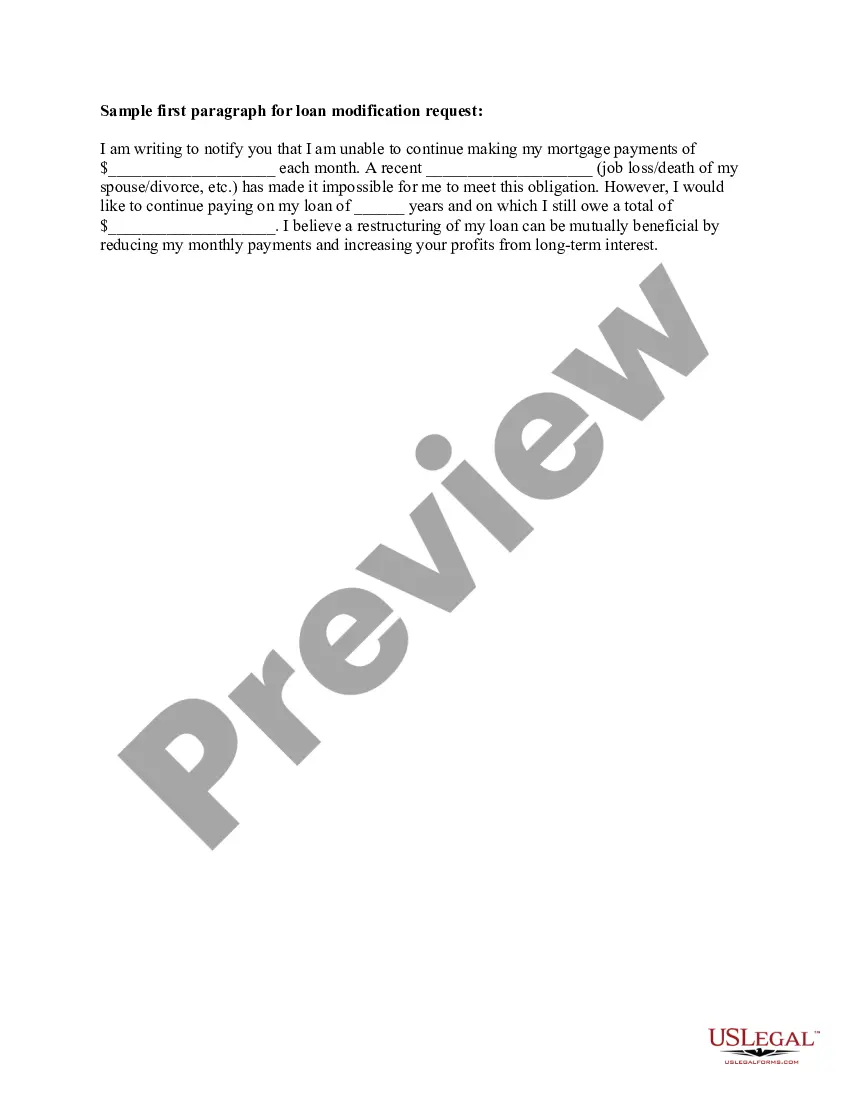
Because my income has dropped considerably I can no longer afford the terms of the original loan. As a loyal customer of your financial institution, I'd like to ask for the following: ? A lower interest rate amount of NO MORE THAN 6% ? Accept lower payments of $ _________ per month.
A medical hardship letter is used by a person to request partial or full forgiveness of their medical debt from a hospital or healthcare provider. The person seeking leniency should be able to demonstrate serious financial hardship that convinces the hospital that they are unable to pay their debts.
A financial hardship occurs when a person cannot make payments toward their debt. Financial hardship letters are the best way to explain why your account is behind. Lenders may use them to determine whether or not to offer relief through reduced, deferred, or suspended payments.