Product Supply Agreement With Canada
Description
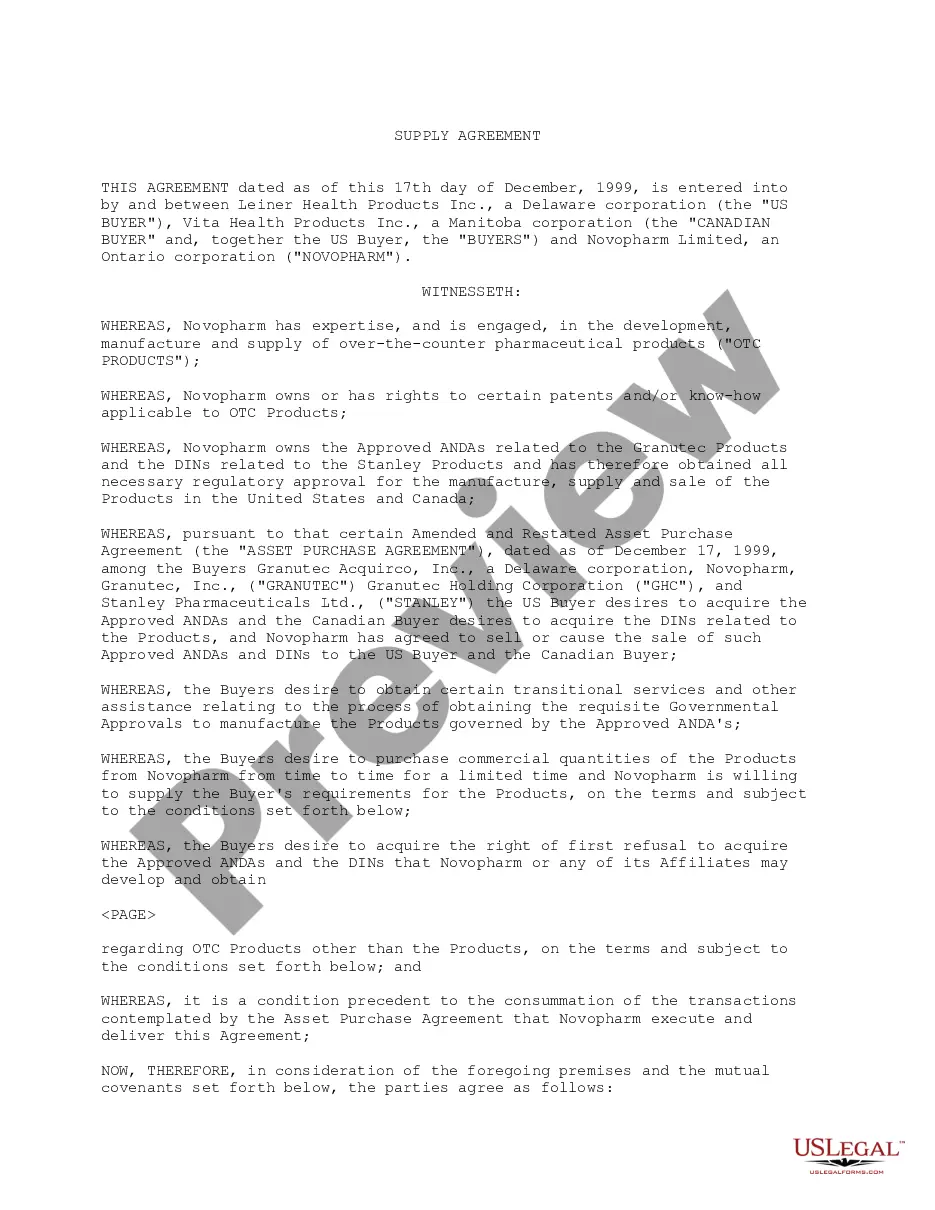
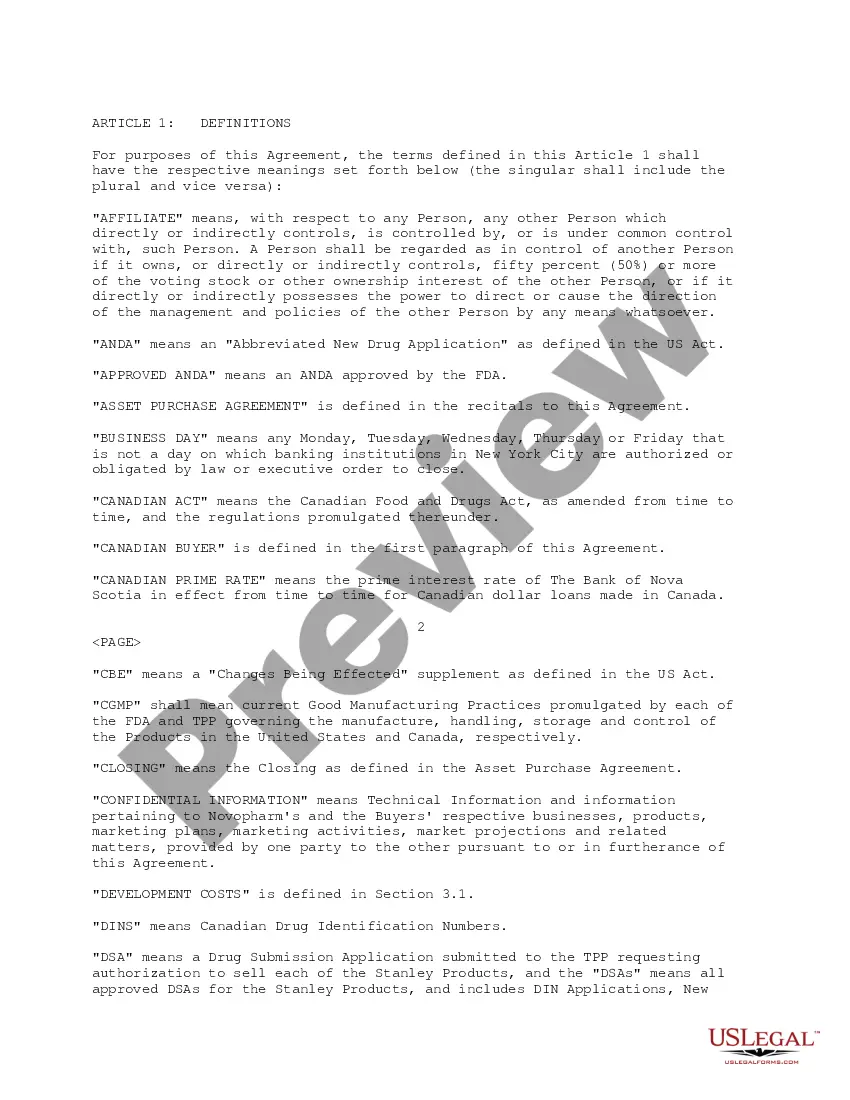
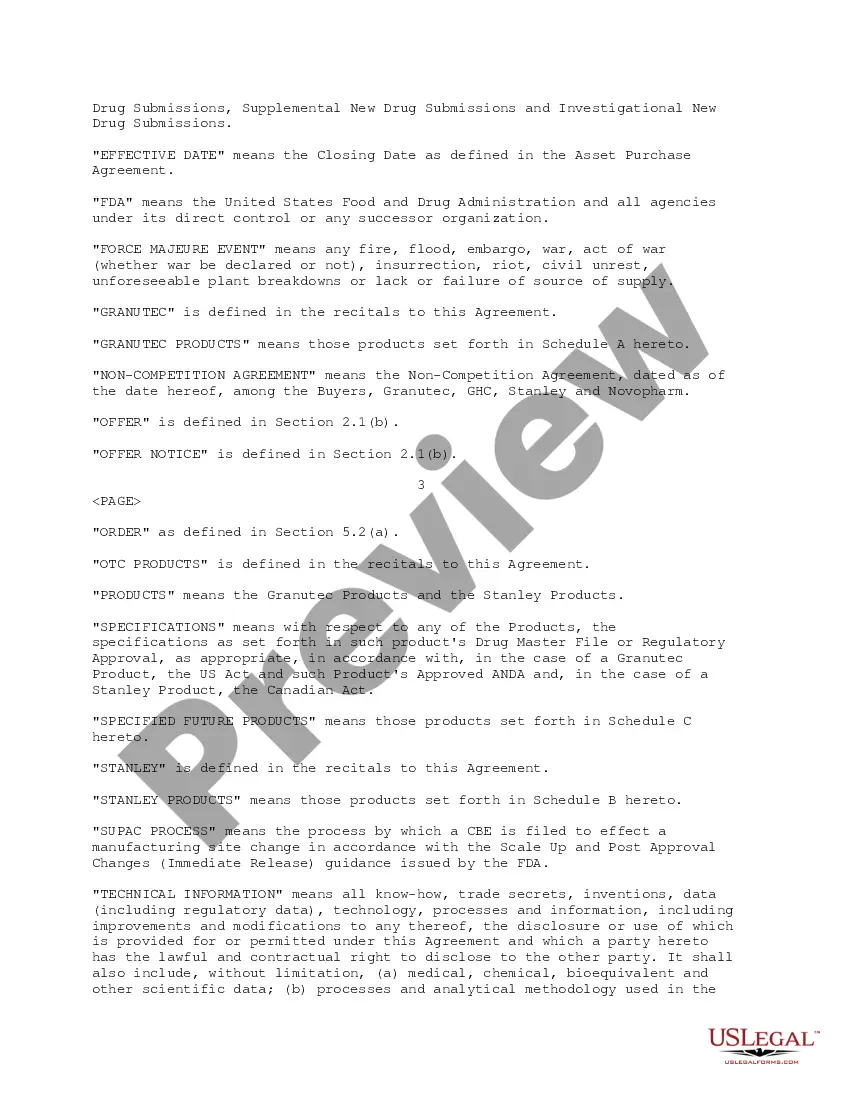
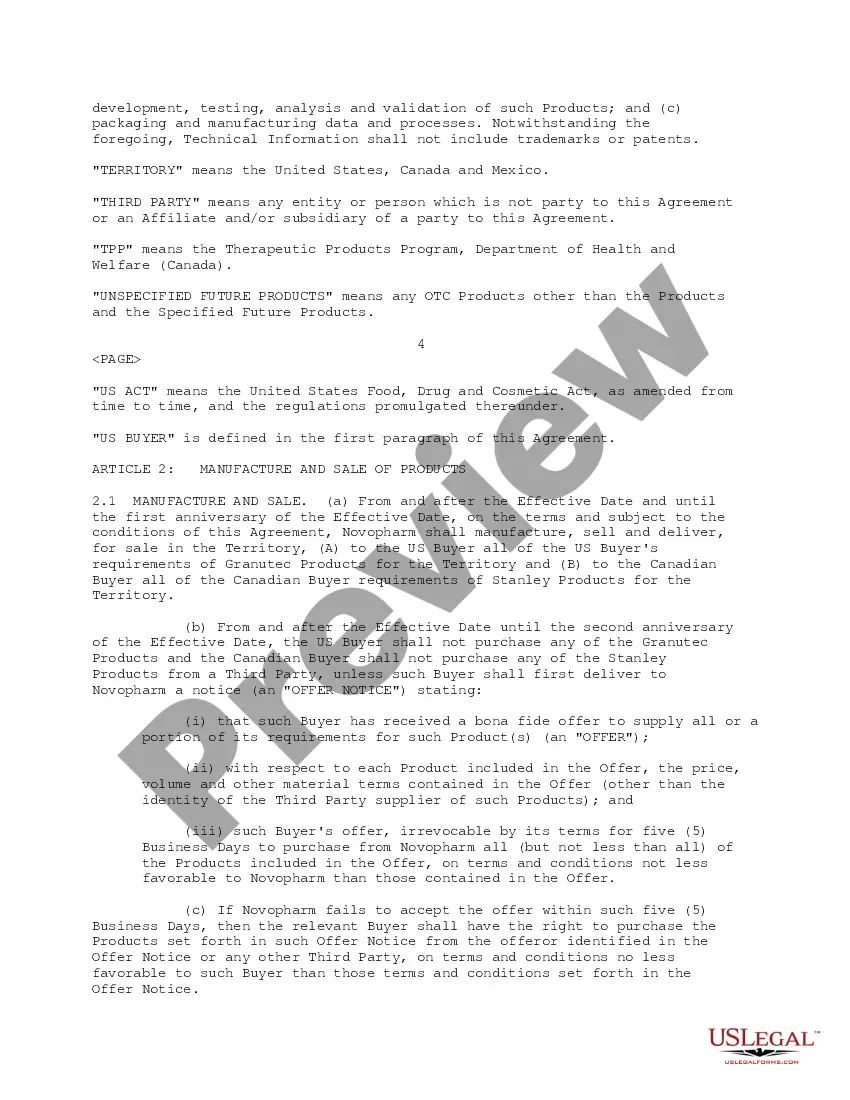
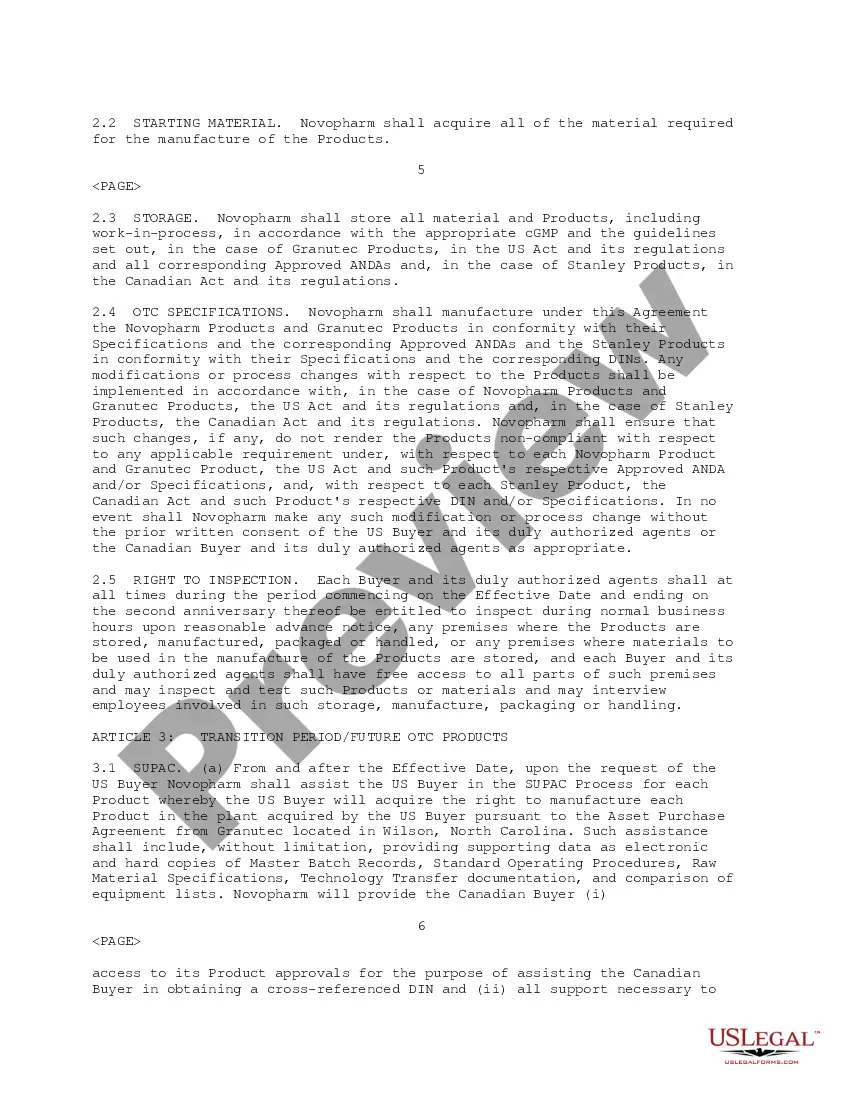
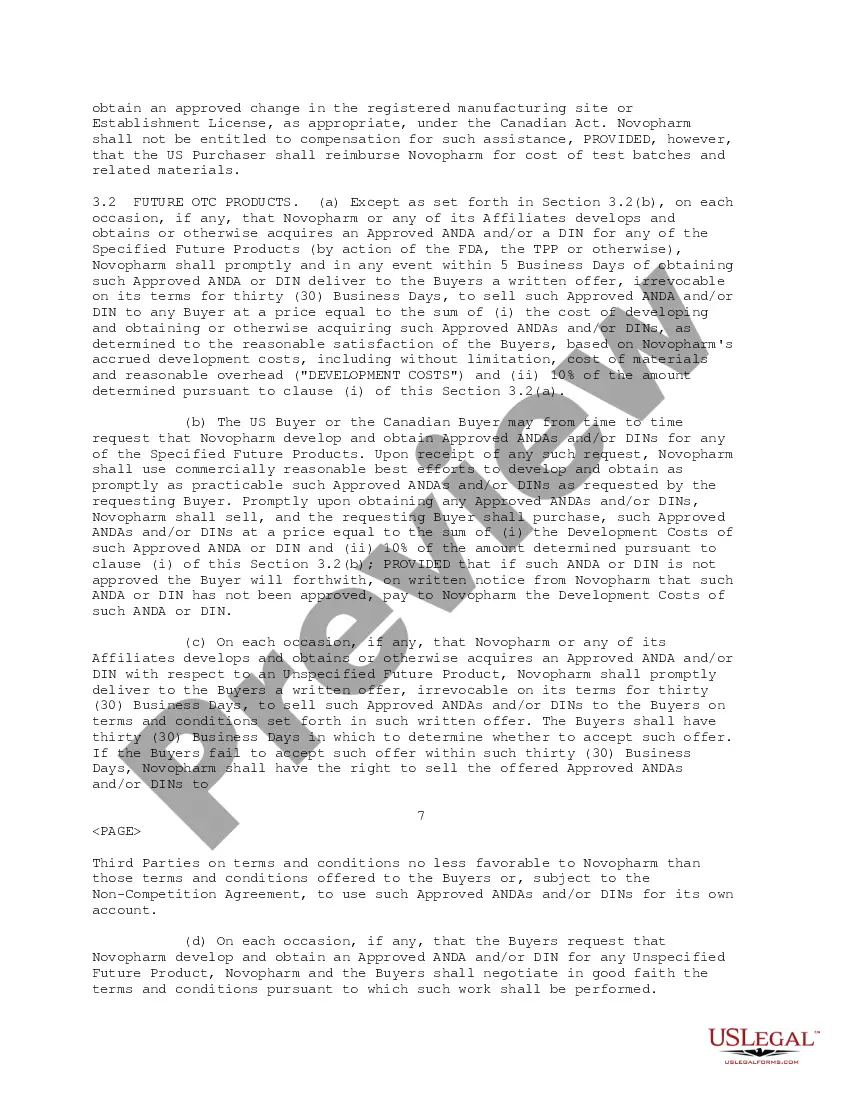
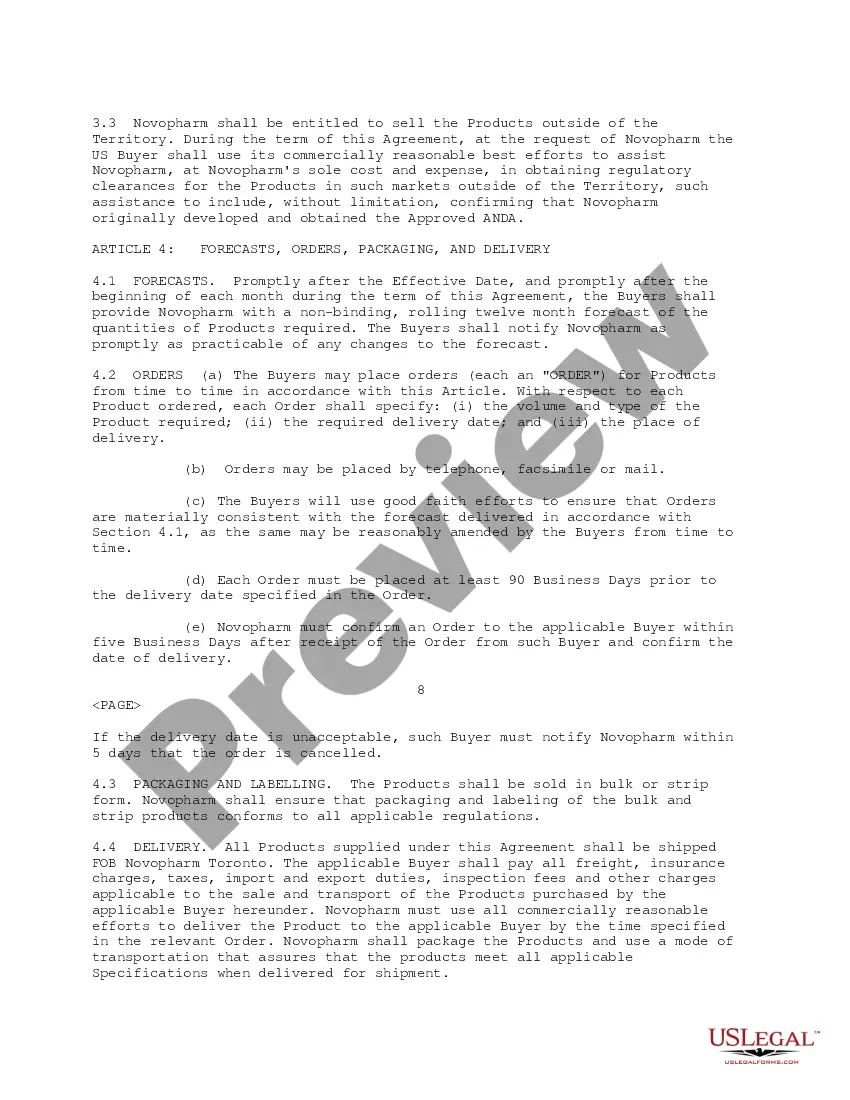
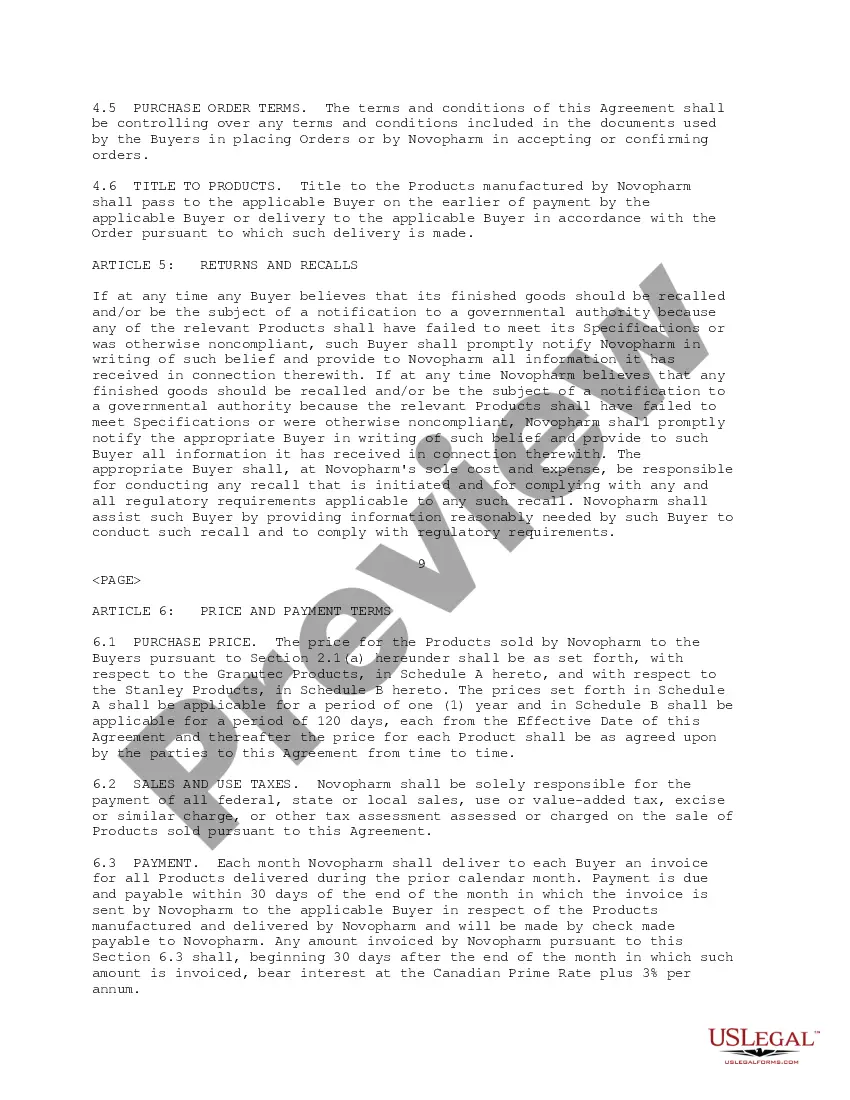
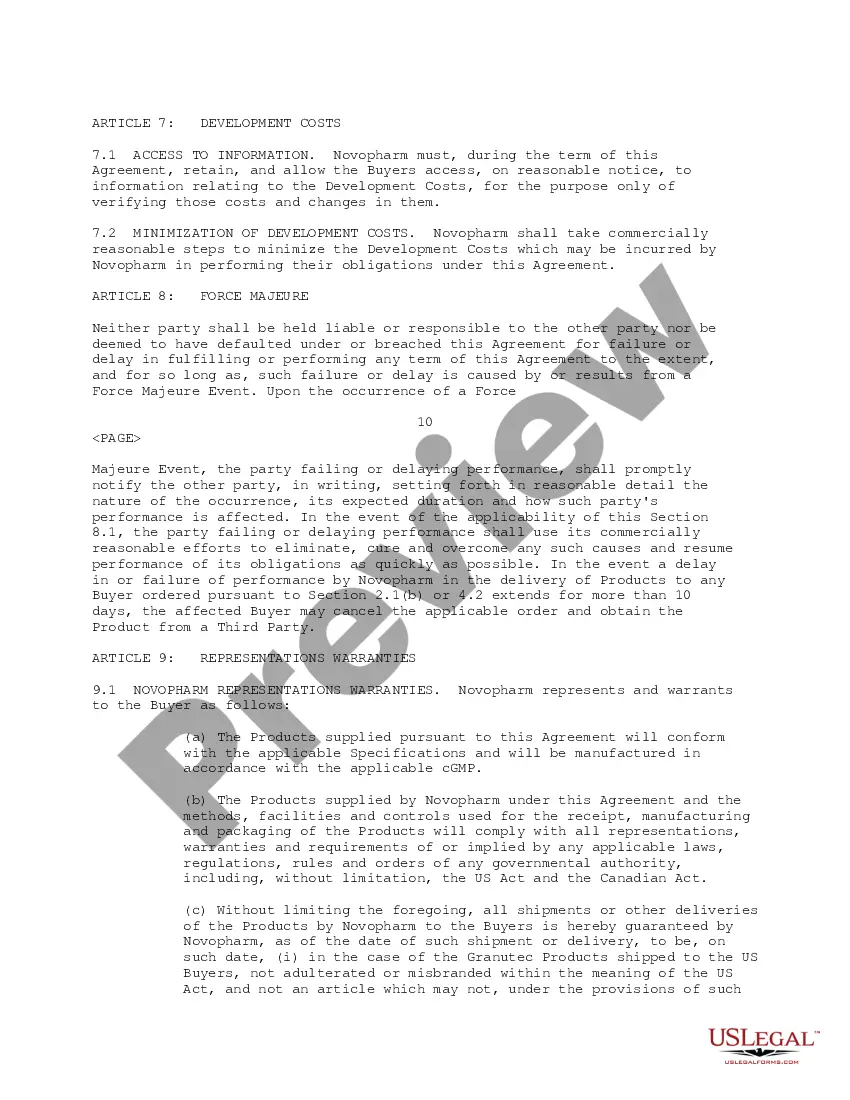
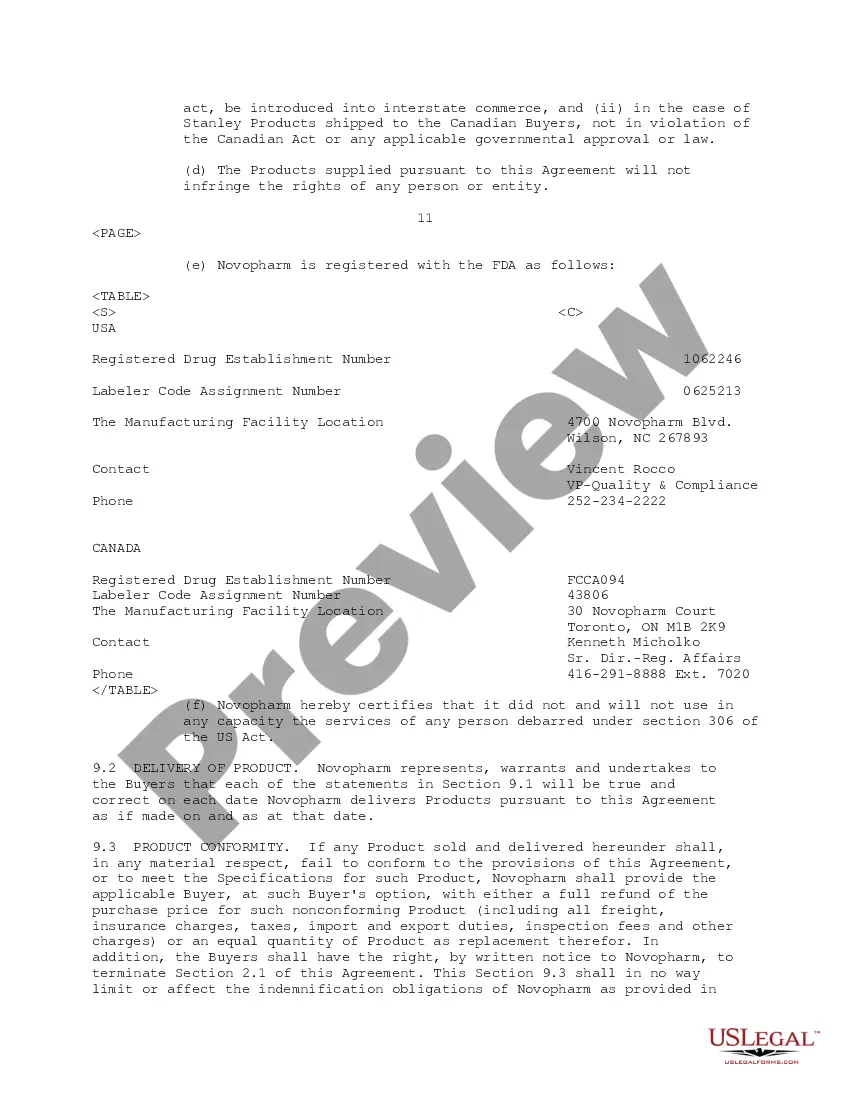

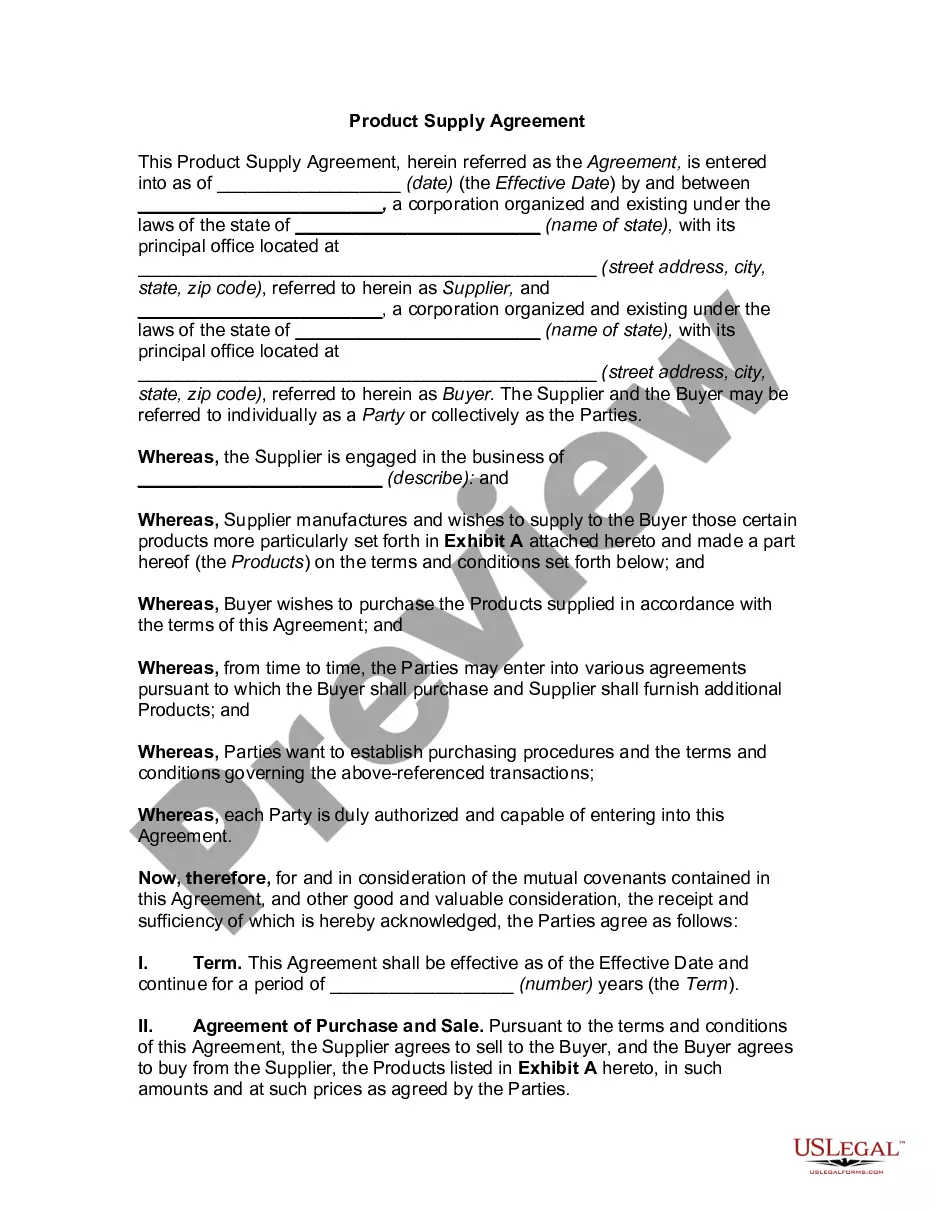
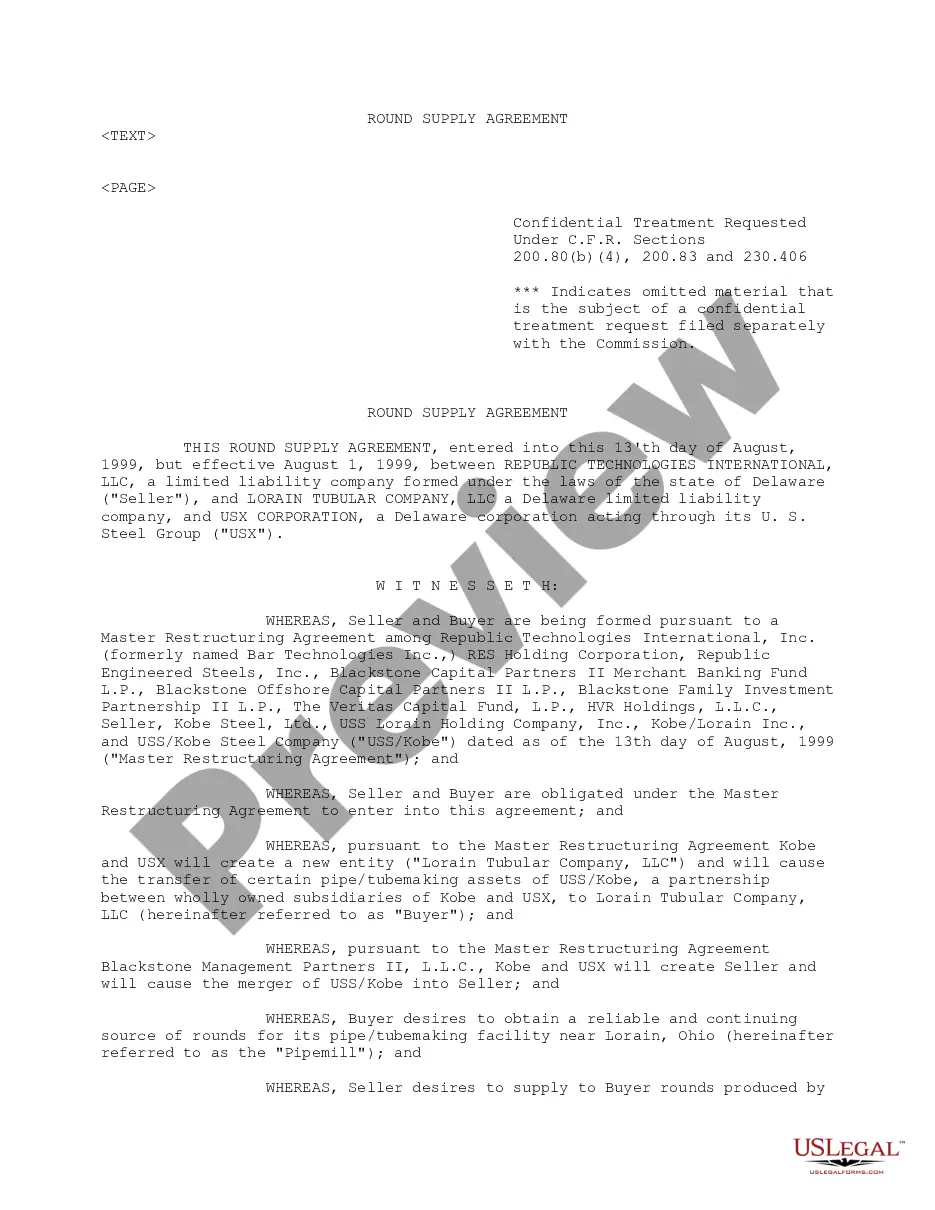
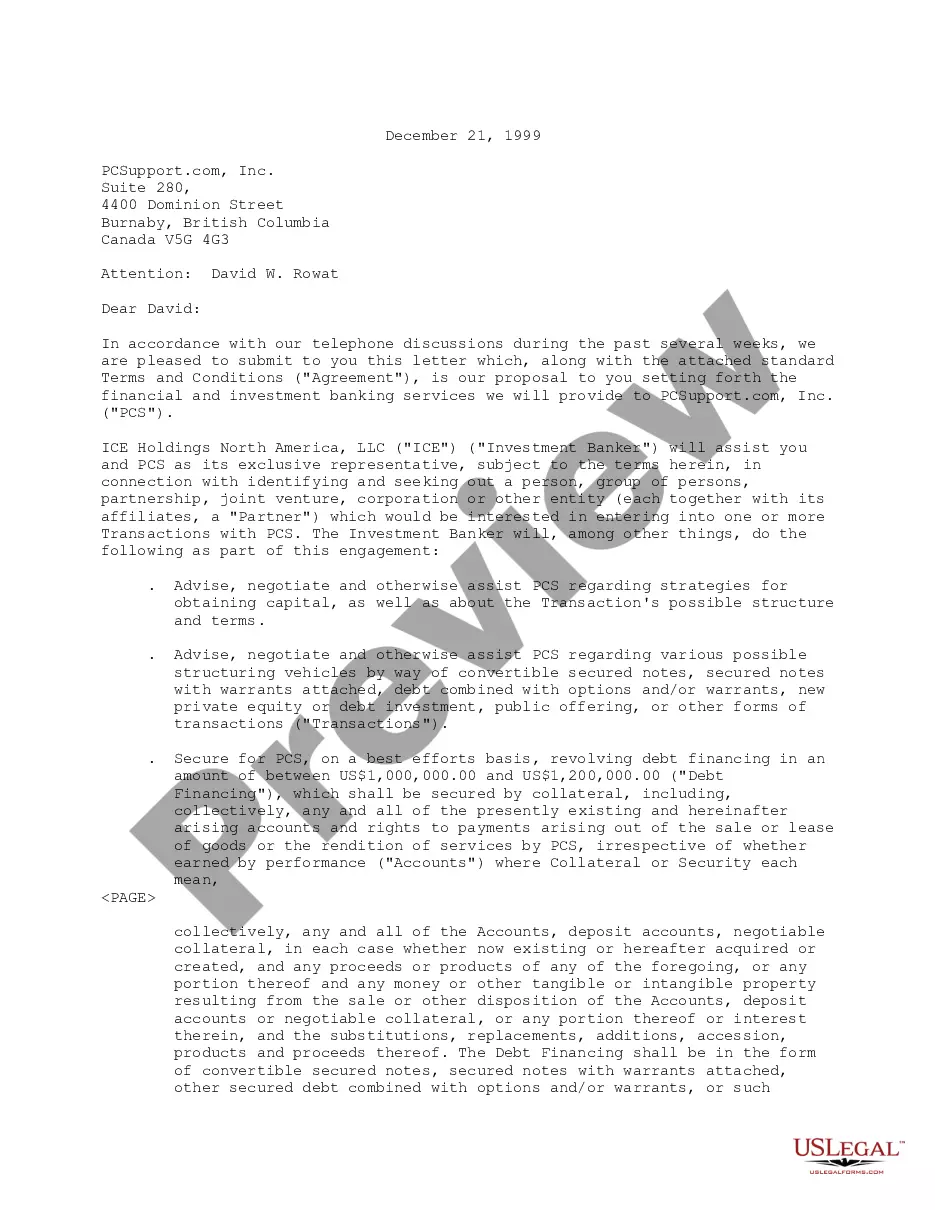
Get your form ready online
Our built-in tools help you complete, sign, share, and store your documents in one place.
Make edits, fill in missing information, and update formatting in US Legal Forms—just like you would in MS Word.
Download a copy, print it, send it by email, or mail it via USPS—whatever works best for your next step.
Sign and collect signatures with our SignNow integration. Send to multiple recipients, set reminders, and more. Go Premium to unlock E-Sign.
If this form requires notarization, complete it online through a secure video call—no need to meet a notary in person or wait for an appointment.
We protect your documents and personal data by following strict security and privacy standards.

Make edits, fill in missing information, and update formatting in US Legal Forms—just like you would in MS Word.

Download a copy, print it, send it by email, or mail it via USPS—whatever works best for your next step.

Sign and collect signatures with our SignNow integration. Send to multiple recipients, set reminders, and more. Go Premium to unlock E-Sign.

If this form requires notarization, complete it online through a secure video call—no need to meet a notary in person or wait for an appointment.

We protect your documents and personal data by following strict security and privacy standards.
Looking for another form?






How to fill out Supply Agreement Regarding The Purchase Of Commercial Quantities Of Products, Obtaining Government Approval To Manufacture Product?
Whether for commercial intents or for personal matters, everyone encounters legal issues at some point in their lifetime.
Completing legal documents requires meticulous care, starting from selecting the appropriate form template.
After it has been downloaded, you can complete the form using editing software or print it out and finish it manually.
With an extensive collection of US Legal Forms available, you don't have to waste time scouring the internet for the appropriate template. Utilize the library’s user-friendly navigation to find the right document for any situation.
- Obtain the template you require through the search box or catalog browsing.
- Review the document’s details to confirm it corresponds with your situation, jurisdiction, and area.
- Click on the preview of the document to inspect it.
- If it is not the correct document, return to the search feature to locate the Product Supply Agreement With Canada template you need.
- Download the template once it satisfies your criteria.
- If you possess a US Legal Forms account, simply click Log in to access previously saved files in My documents.
- If you haven't registered yet, you can acquire the form by clicking Buy now.
- Select the appropriate payment option.
- Fill out the user registration form.
- Choose your payment method: you can opt for a credit card or PayPal.
- Pick the desired file format and download the Product Supply Agreement With Canada.
Form popularity
FAQ
Yes, Canada continues to trade actively with the United States. The trade relationship remains strong, supported by agreements like CUSMA. For those interested in a product supply agreement with Canada, this ongoing trade partnership offers numerous advantages, such as access to a vast market and the ability to navigate trade regulations more effectively. Utilizing platforms like USLegalForms can simplify the process of drafting agreements to ensure compliance.
Yes, the United States has a trade agreement with Canada, primarily through CUSMA. This agreement facilitates smoother trade and investment opportunities between the two nations. For businesses looking to establish a product supply agreement with Canada, understanding this trade framework is essential for maximizing benefits and ensuring compliance with trade regulations.
In Canada, NAFTA is referred to as the Canada-United States-Mexico Agreement (CUSMA). This agreement updated and replaced NAFTA, enhancing trade relations between the three countries. Understanding the implications of CUSMA is crucial for businesses involved in a product supply agreement with Canada. It ensures that you are aware of the rules and benefits that can affect your trade operations.
For a contract to be legally binding in Canada, it must include an offer, acceptance, consideration, and the intention to create a legal relationship. Additionally, both parties must have the capacity to enter into the contract. When drafting a product supply agreement with Canada, be sure to include these components to ensure your contract is enforceable and protects your business interests.
The four basic requirements for a legally binding contract are offer, acceptance, consideration, and intention to create legal relations. It is essential for both parties to acknowledge and agree upon the terms of the contract. When entering into a product supply agreement with Canada, ensuring these four elements are present will safeguard your interests and establish a solid foundation for your business relationship.
A standing offer supply arrangement in Canada is a type of agreement where a supplier offers to provide goods or services at predetermined prices for a specific period. This arrangement allows buyers to access supplies on an as-needed basis without renegotiating terms each time. Such an arrangement can be particularly useful when forming a product supply agreement with Canada, as it streamlines procurement processes.
The five essential elements required for a legally binding contract are offer, acceptance, consideration, mutual intent, and capacity. Each party must clearly understand the contract's terms and willingly agree to them. When drafting a product supply agreement with Canada, incorporating these elements can help prevent disputes and ensure both parties' rights are protected.
Canada is a party to several trade agreements, the most significant being the United States-Mexico-Canada Agreement (USMCA), which promotes trade and economic cooperation among these nations. This agreement facilitates smoother trade relations, making it beneficial for businesses looking to establish a product supply agreement with Canada. Additionally, Canada participates in various other trade agreements that enhance its global trade relationships.
In Canada, a contract becomes legally binding when it meets essential criteria, including offer, acceptance, consideration, and mutual intent to create a legal relationship. Specifically, both parties must understand and agree to the terms laid out in the contract. If you're looking to create a product supply agreement with Canada, ensuring these elements are present is crucial for its enforceability.
Yes, you can write your own legally binding contract as long as you adhere to the legal requirements of your jurisdiction. Make sure to include all necessary elements such as offer, acceptance, and consideration. It’s essential to ensure clarity in the terms to avoid future disputes. If you're looking for guidance on a product supply agreement with Canada, USLegalForms can provide the necessary resources.