Leasehold Improvements On Rental Property
Description
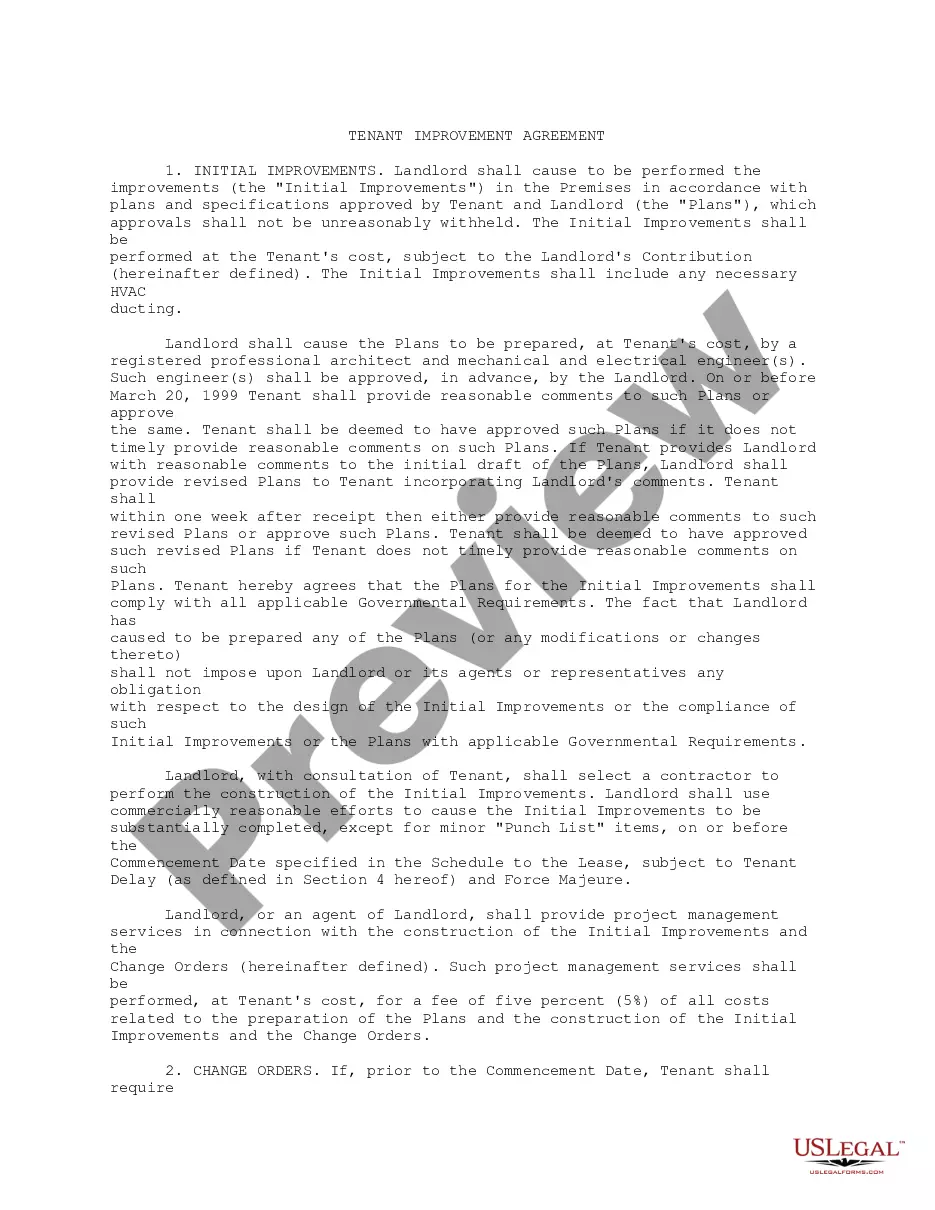
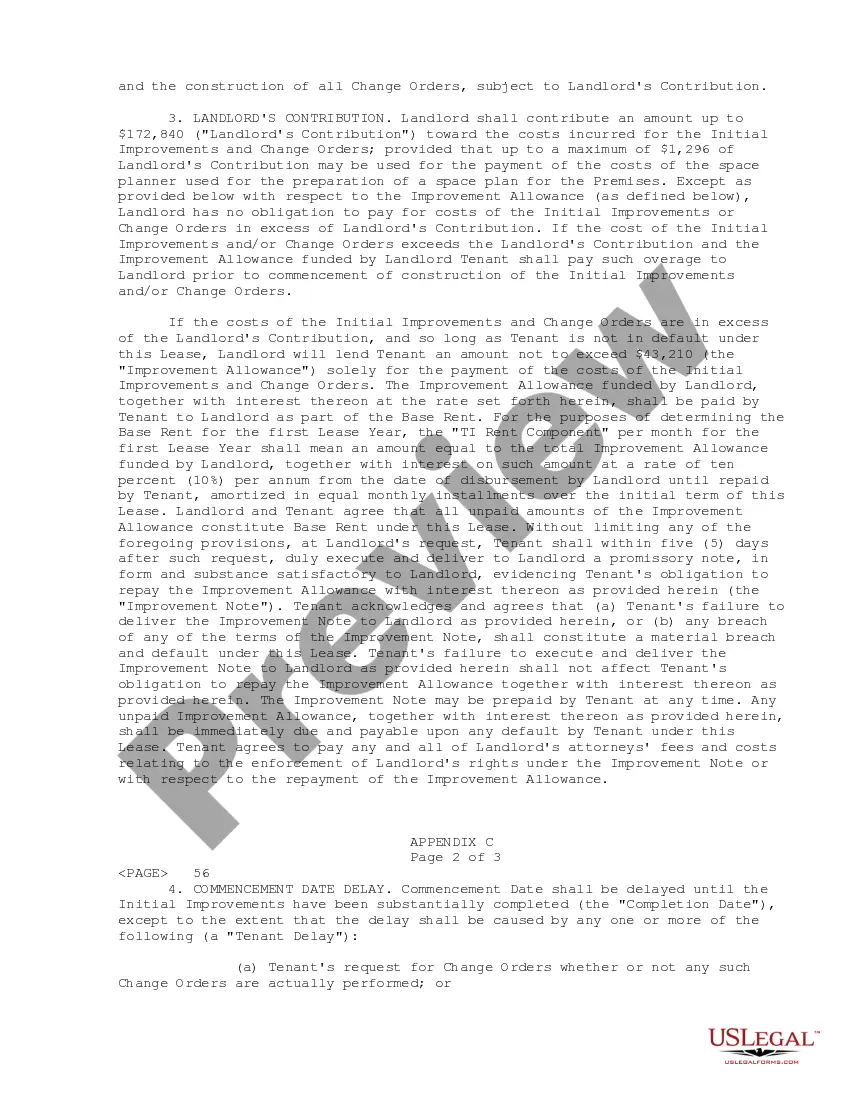
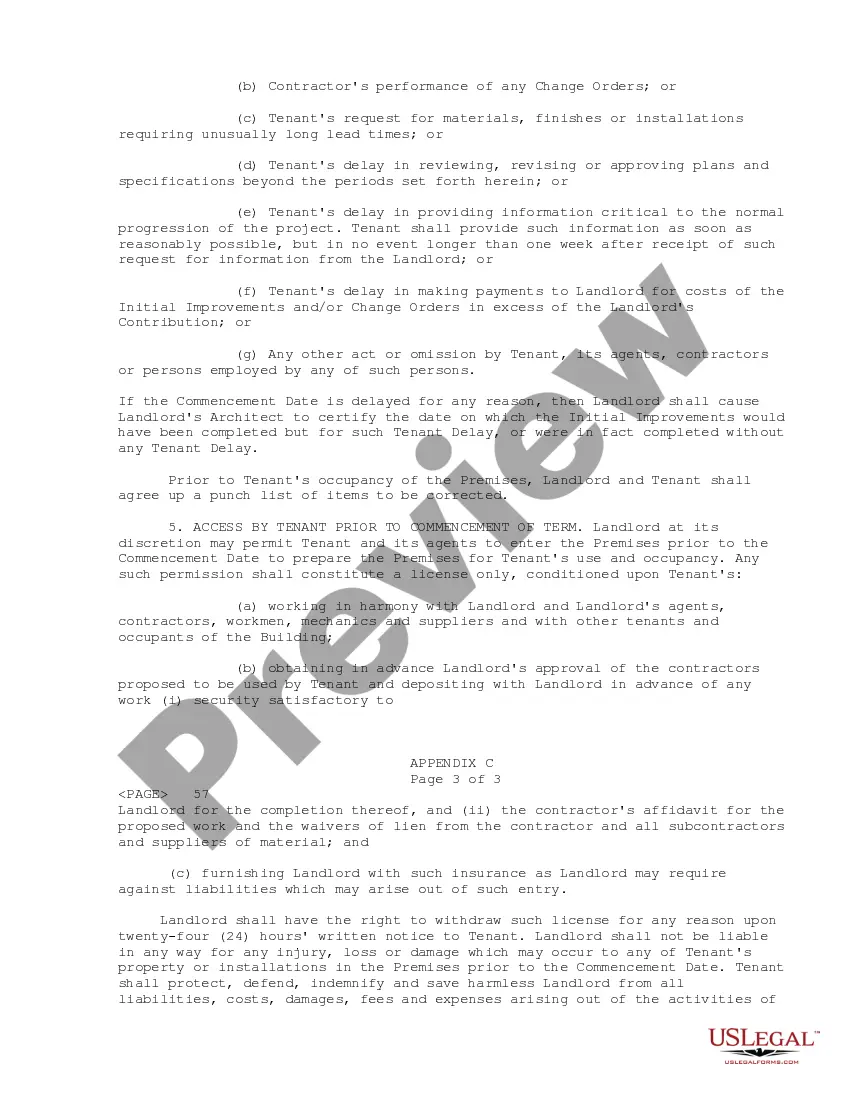
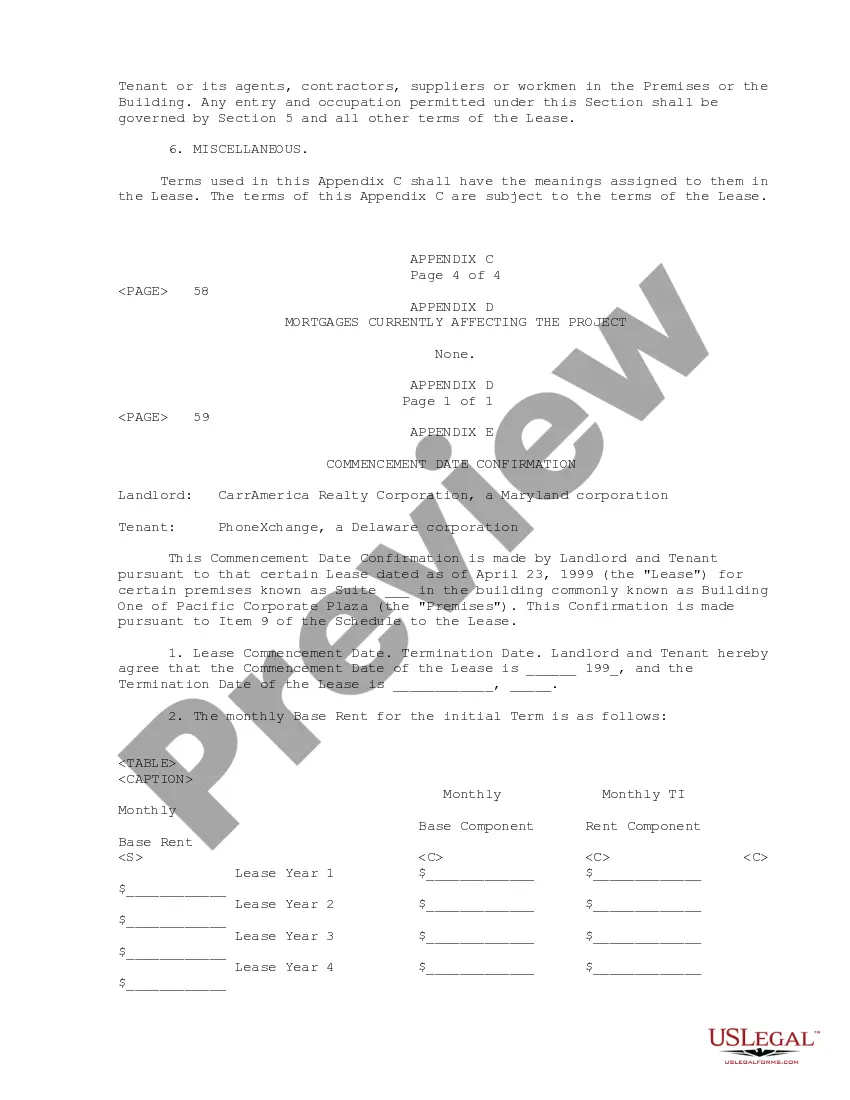
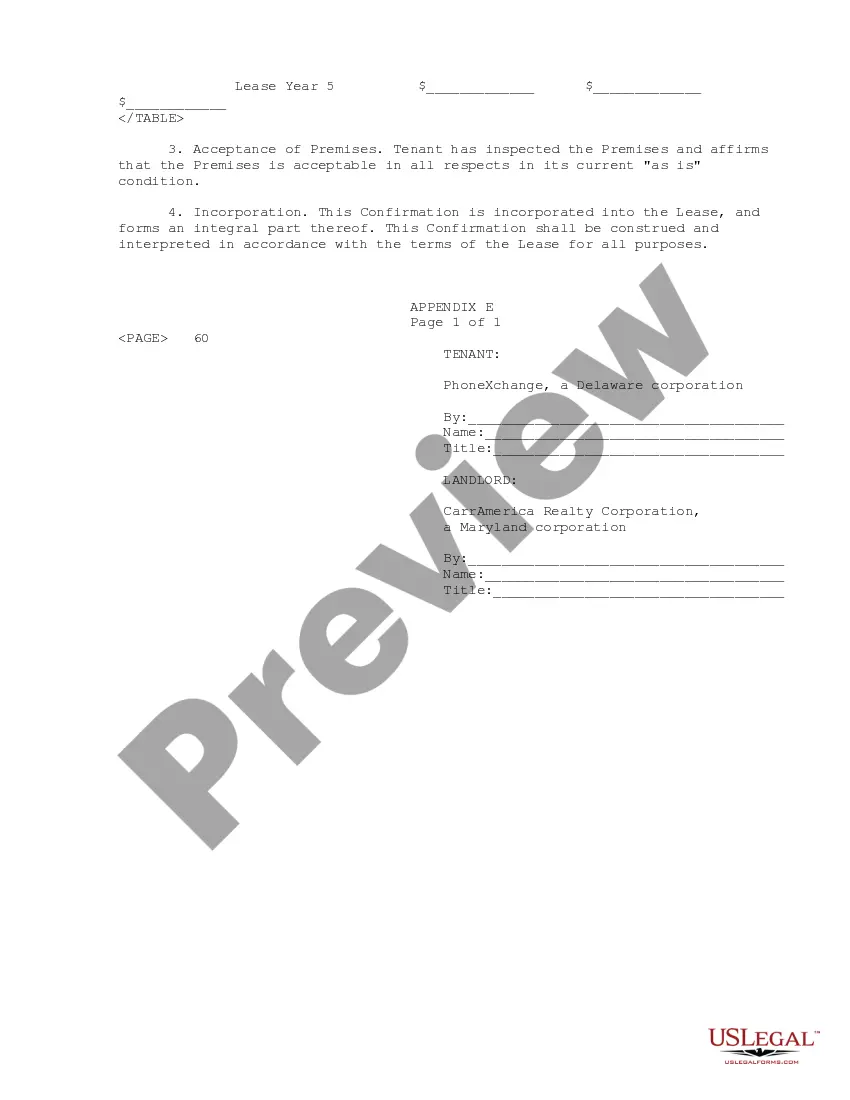
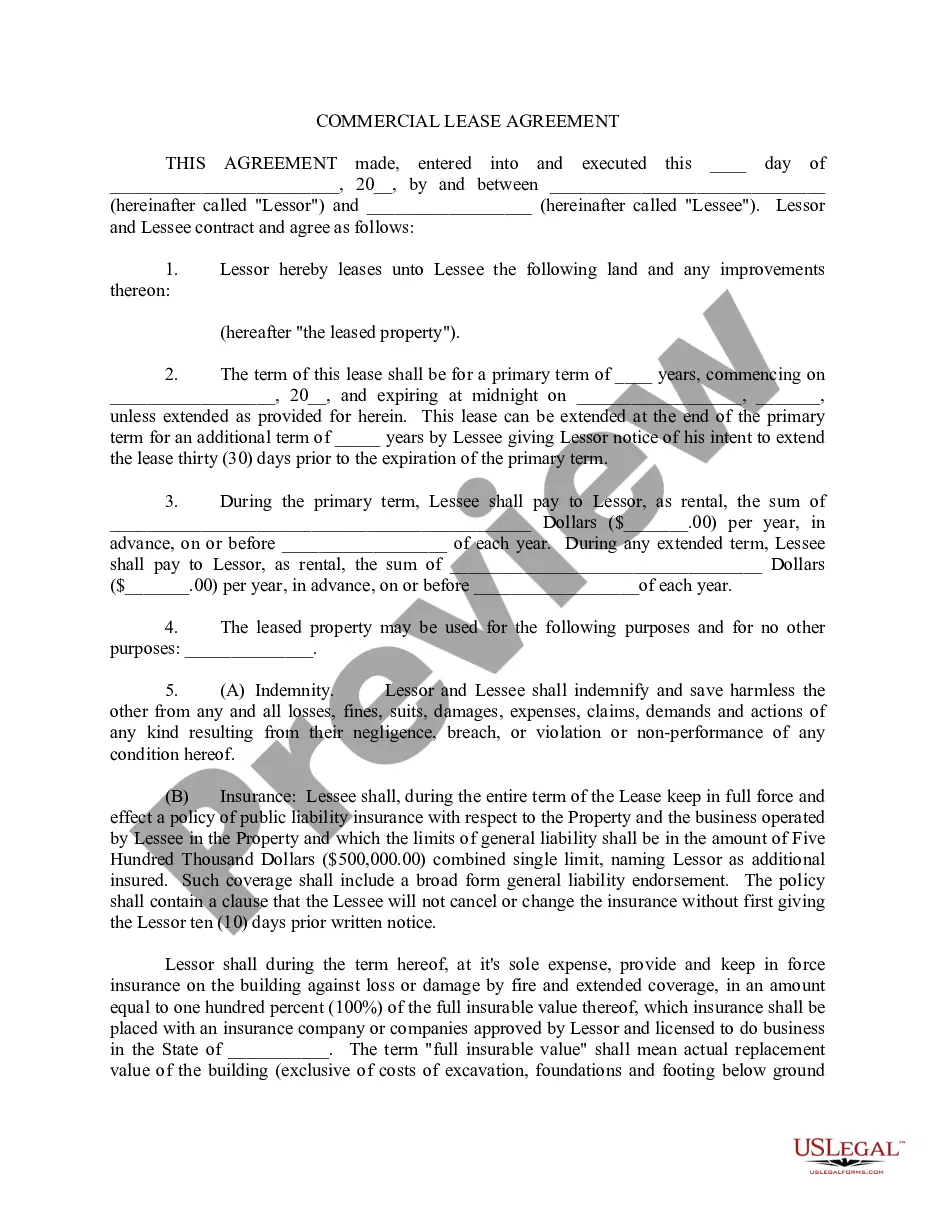
Get your form ready online
Our built-in tools help you complete, sign, share, and store your documents in one place.
Make edits, fill in missing information, and update formatting in US Legal Forms—just like you would in MS Word.
Download a copy, print it, send it by email, or mail it via USPS—whatever works best for your next step.
Sign and collect signatures with our SignNow integration. Send to multiple recipients, set reminders, and more. Go Premium to unlock E-Sign.
If this form requires notarization, complete it online through a secure video call—no need to meet a notary in person or wait for an appointment.
We protect your documents and personal data by following strict security and privacy standards.

Make edits, fill in missing information, and update formatting in US Legal Forms—just like you would in MS Word.

Download a copy, print it, send it by email, or mail it via USPS—whatever works best for your next step.

Sign and collect signatures with our SignNow integration. Send to multiple recipients, set reminders, and more. Go Premium to unlock E-Sign.

If this form requires notarization, complete it online through a secure video call—no need to meet a notary in person or wait for an appointment.

We protect your documents and personal data by following strict security and privacy standards.
Looking for another form?









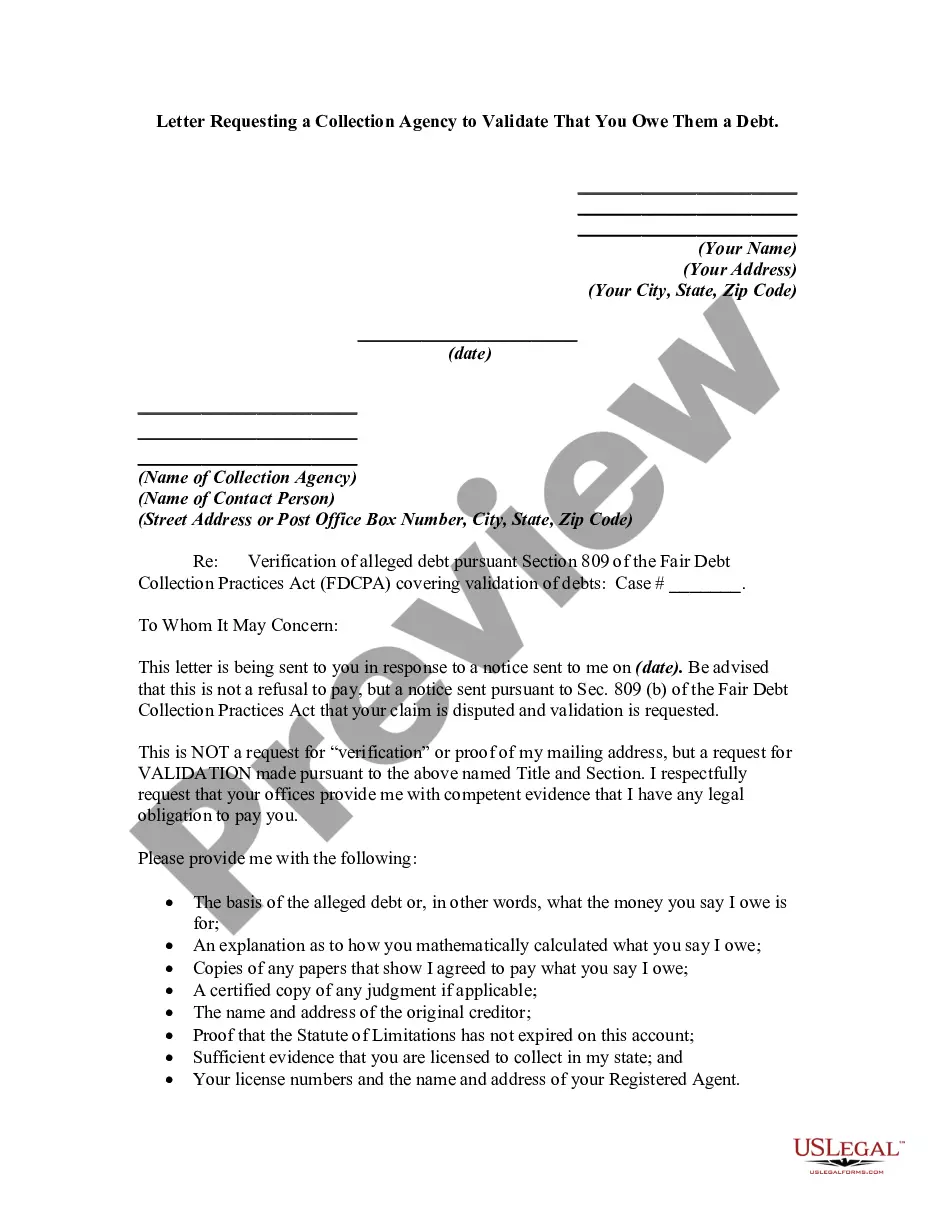
How to fill out Tenant Improvement Lease?
It's clear that you can't transform into a legal professional instantaneously, nor can you determine how to swiftly create Leasehold Enhancements On Rental Property without possessing a specific set of competencies.
Drafting legal documents is a lengthy procedure that necessitates particular training and expertise. So why not entrust the creation of the Leasehold Enhancements On Rental Property to the professionals.
With US Legal Forms, one of the most extensive legal document repositories, you have access to everything from judicial forms to templates for internal corporate correspondence.
Click Buy now. Once the payment is finalized, you will receive the Leasehold Enhancements On Rental Property, complete it, print it, and send it to the designated individuals or organizations.
You can retrieve your documents from the My documents tab at any time. If you are an existing client, simply Log In, and locate and download the template from the same tab.
- Begin by visiting our website to obtain the document you require in just a few minutes.
- Locate the form you need by utilizing the search bar at the top of the webpage.
- View it (if this feature is available) and examine the accompanying description to ascertain whether Leasehold Enhancements On Rental Property meets your needs.
- If you require another template, restart your search.
- Create a free account and select a subscription plan to purchase the form.
Form popularity
FAQ
The deduction for leasehold improvements on rental property typically falls under the depreciation category. Most owners can depreciate these improvements over 15 years, allowing for a substantial deduction each year. Keep in mind that certain improvements may qualify for immediate expensing under specific IRS guidelines. Always consider checking resources like US Legal Forms to stay updated on the latest tax rules.
When you record leasehold improvements on rental property in accounting, classify them as fixed assets. You should track the costs and allocate them over their useful life through depreciation. This practice reflects the actual value of the improvements on your financial statements. Using accounting software like US Legal Forms can simplify this process and maintain accurate records.
You can generally write off leasehold improvements on rental property, provided these improvements meet specific criteria. In most cases, the IRS allows you to recover costs over a period of 15 years. This allows you to deduct the expenses as depreciation each year. It’s wise to consult with a tax professional to ensure you're following all necessary regulations.
Accounting rules for leasehold improvements require these costs to be recorded as fixed assets on your balance sheet. As a property owner, you must depreciate these costs over their useful life, adhering to IRS guidelines. Ensuring accurate accounting helps you maintain compliance and prepares you for potential tax deductions. Platforms like UsLegalForms can provide templates and support for proper record-keeping.
The write-off period for leasehold improvements typically ranges from 15 to 39 years, depending on the type of improvements and the property class. This means you can recover your costs gradually over this period through depreciation. Knowing the proper timeframe is crucial for effective financial planning. Consult a tax professional to ensure compliance with current regulations.
To record leasehold improvements, you should list the improvements as assets on your balance sheet. Allocate costs to the improvements over their useful life through depreciation. This process ensures that you accurately reflect the value of your rental property over time. It is recommended to consult accounting software like UsLegalForms for streamlined record-keeping.
Leasehold improvements on rental property can include renovations, alterations, and installations made to enhance the space. Common examples are new flooring, painted walls, or upgraded electrical systems. Remember to document all expenses for accurate tax reporting. Keeping track of these improvements can potentially benefit you when considering tax deductions.
You typically do not issue a 1099 for leasehold improvements on rental property. Instead, these costs are usually capitalized and depreciated over time. It's essential to keep proper records, as this helps in tax filing. Always consult a tax professional for specific advice related to your situation.
When you account for leasehold improvements on rental property, you should record them as assets on your balance sheet. Make sure to track the costs associated with the improvements, including materials and labor. These assets are then depreciated over their useful life, which you can find in IRS guidelines, providing you with both tax benefits and accurate financial reporting.
To write off leasehold improvements on rental property, you typically need to depreciate these costs over their useful life as determined by the IRS. This process allows you to spread out the expense over several years, making it easier on your finances. You should consult your tax professional to ensure you classify these expenses correctly and maximize your deductions.