Leasehold Improvements
Description
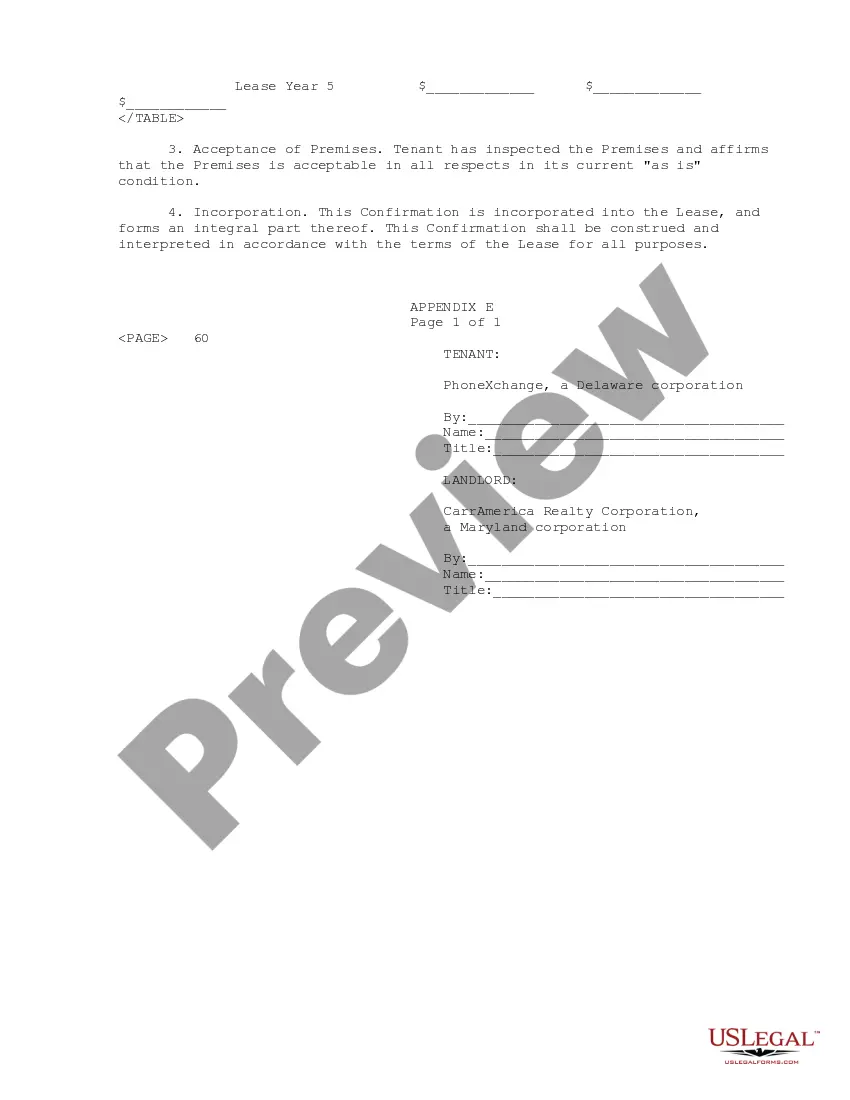
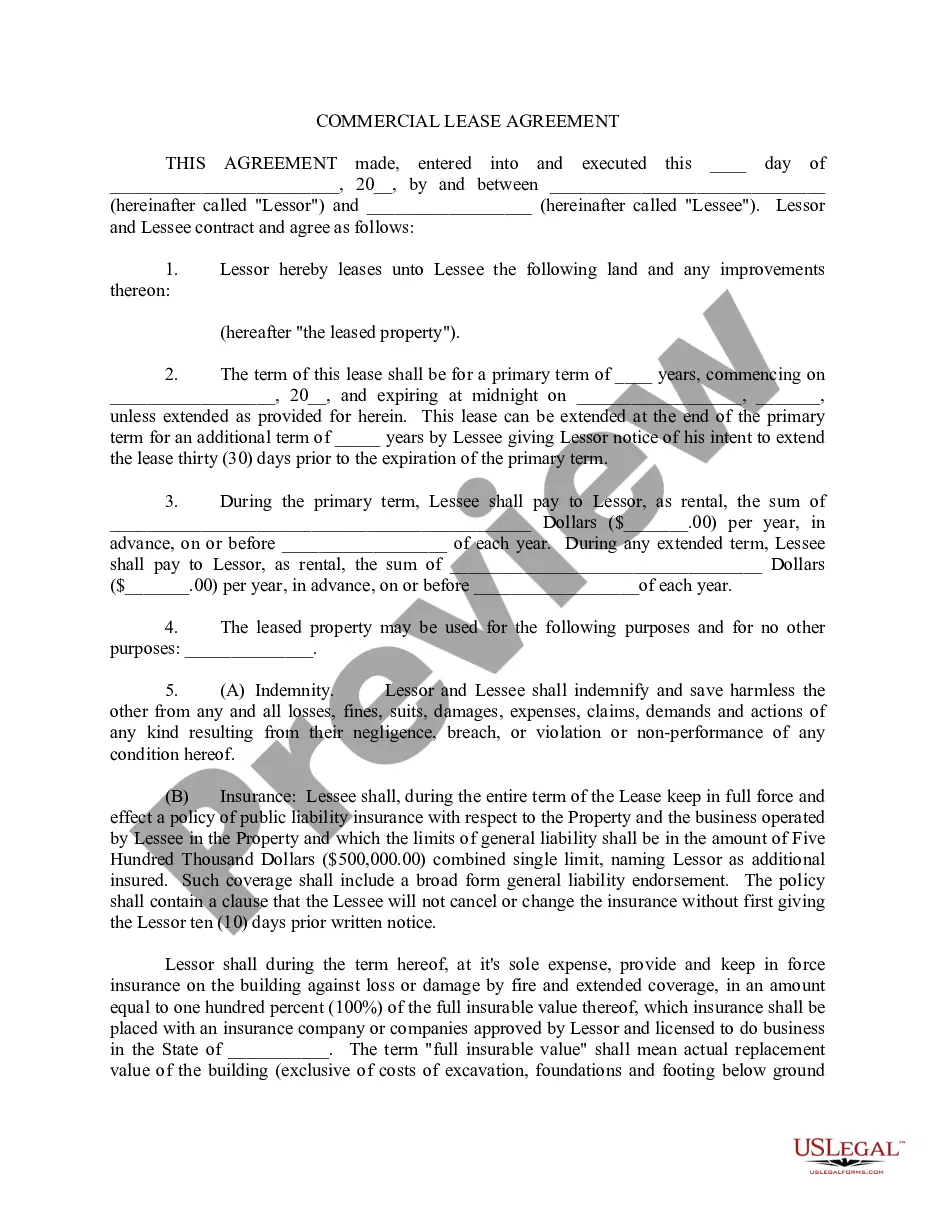
Get your form ready online
Our built-in tools help you complete, sign, share, and store your documents in one place.
Make edits, fill in missing information, and update formatting in US Legal Forms—just like you would in MS Word.
Download a copy, print it, send it by email, or mail it via USPS—whatever works best for your next step.
Sign and collect signatures with our SignNow integration. Send to multiple recipients, set reminders, and more. Go Premium to unlock E-Sign.
If this form requires notarization, complete it online through a secure video call—no need to meet a notary in person or wait for an appointment.
We protect your documents and personal data by following strict security and privacy standards.

Make edits, fill in missing information, and update formatting in US Legal Forms—just like you would in MS Word.

Download a copy, print it, send it by email, or mail it via USPS—whatever works best for your next step.

Sign and collect signatures with our SignNow integration. Send to multiple recipients, set reminders, and more. Go Premium to unlock E-Sign.

If this form requires notarization, complete it online through a secure video call—no need to meet a notary in person or wait for an appointment.

We protect your documents and personal data by following strict security and privacy standards.
Looking for another form?
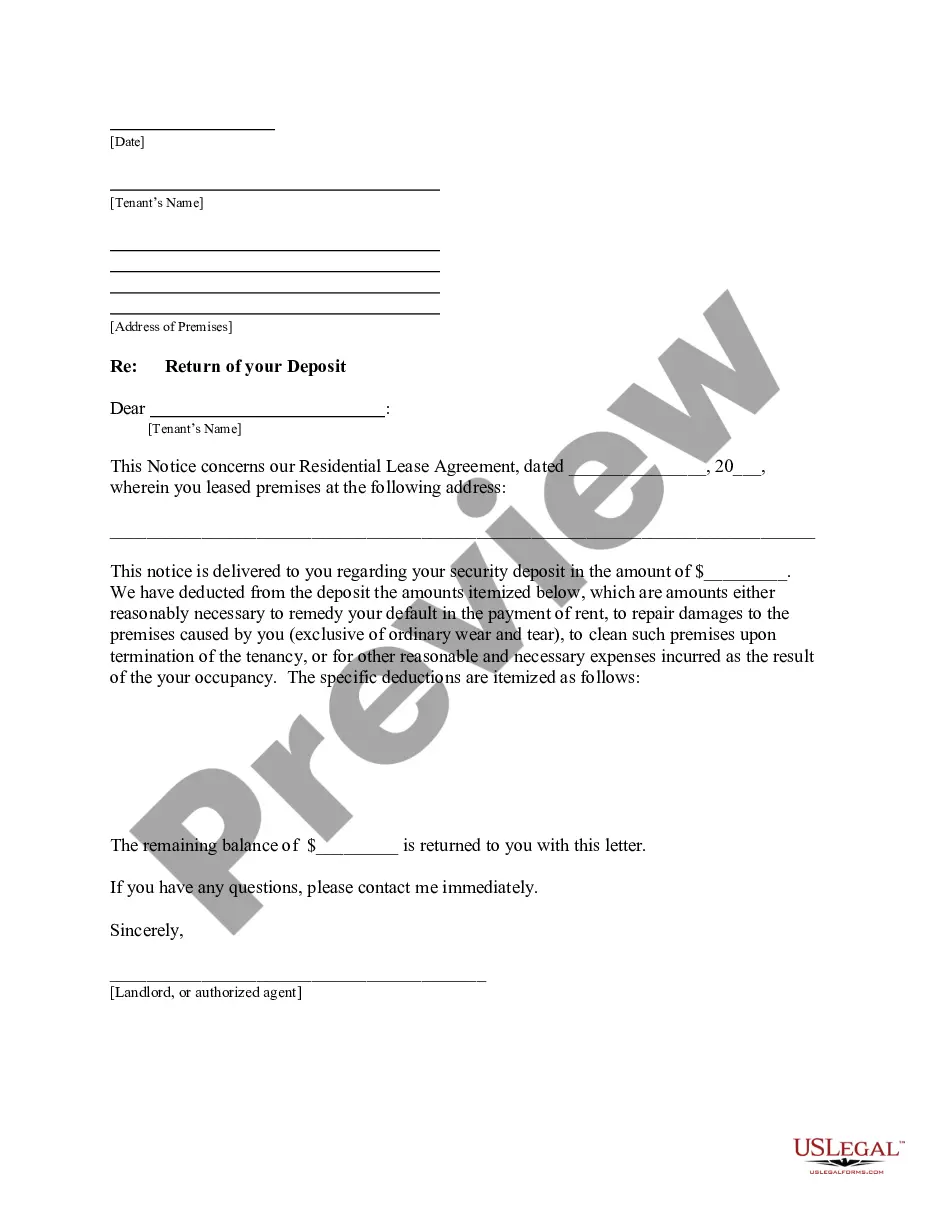

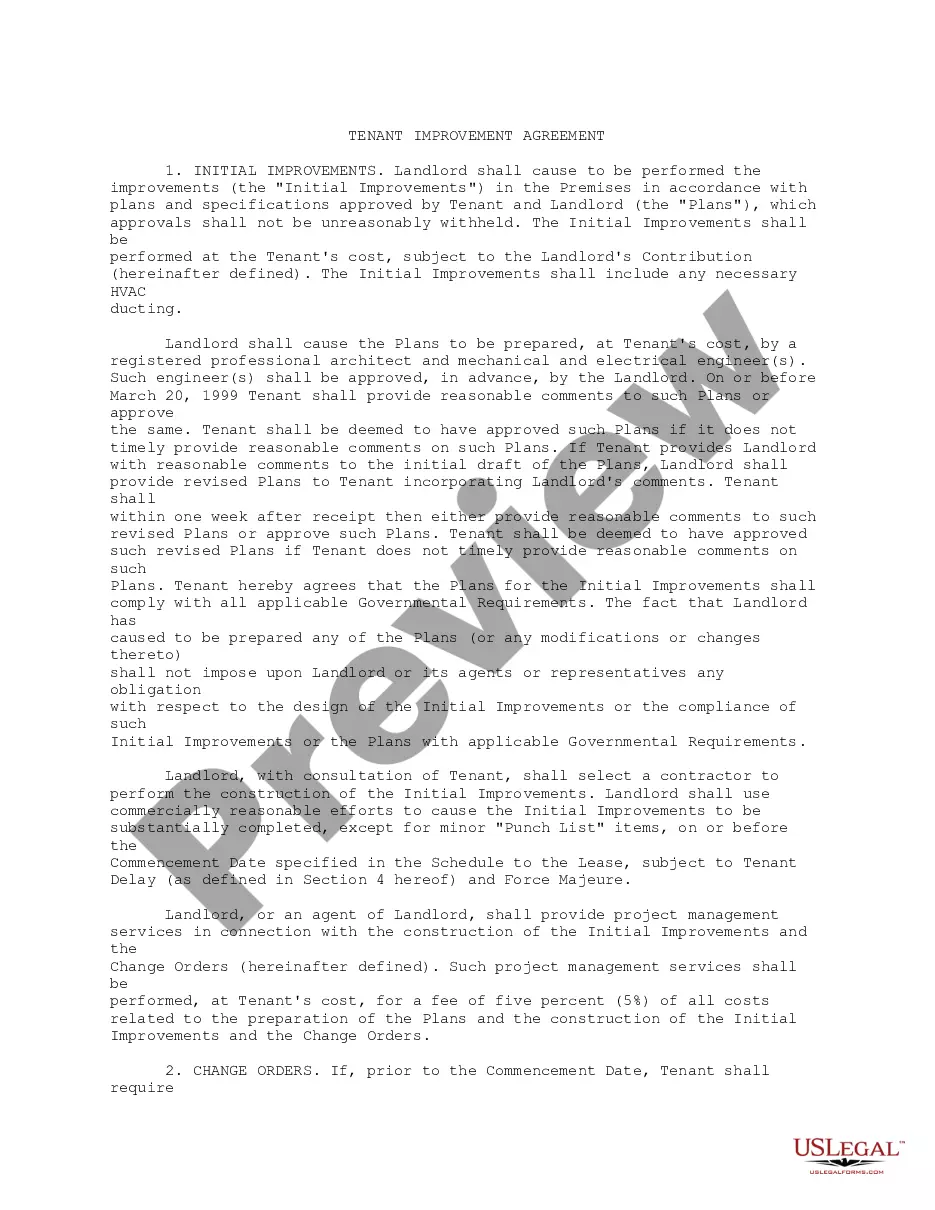
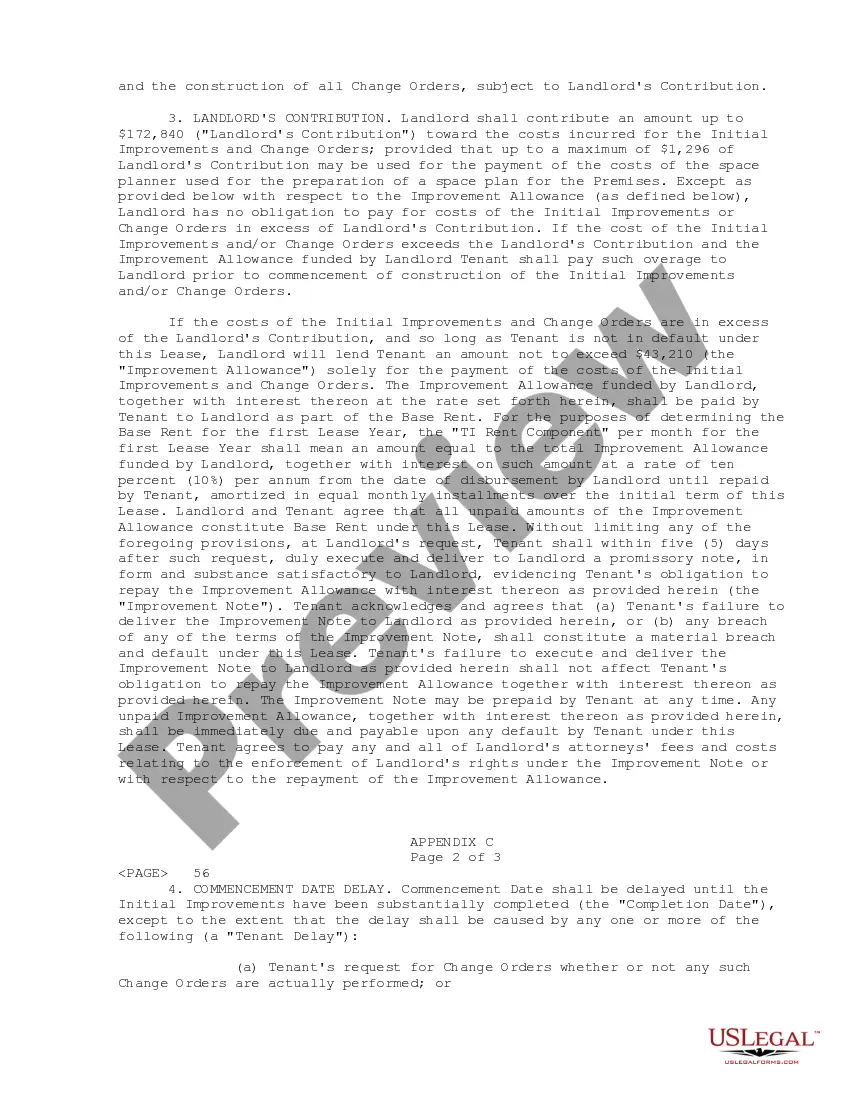
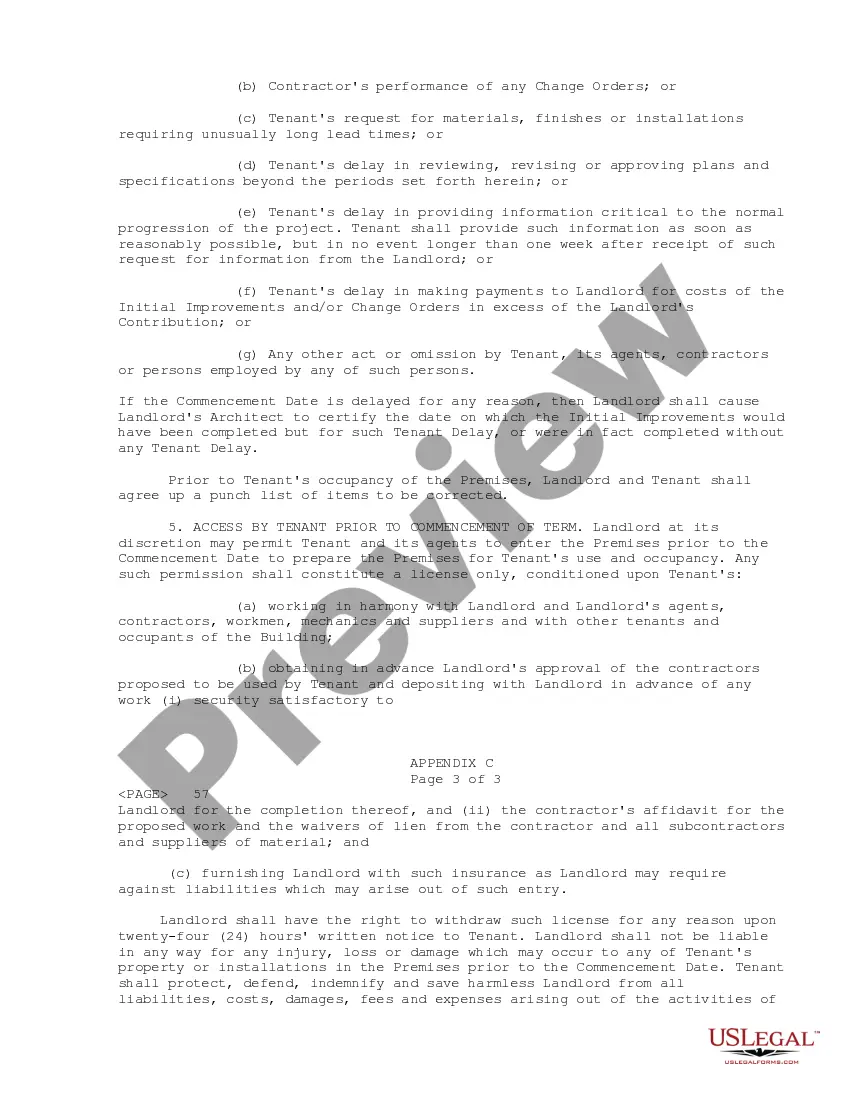
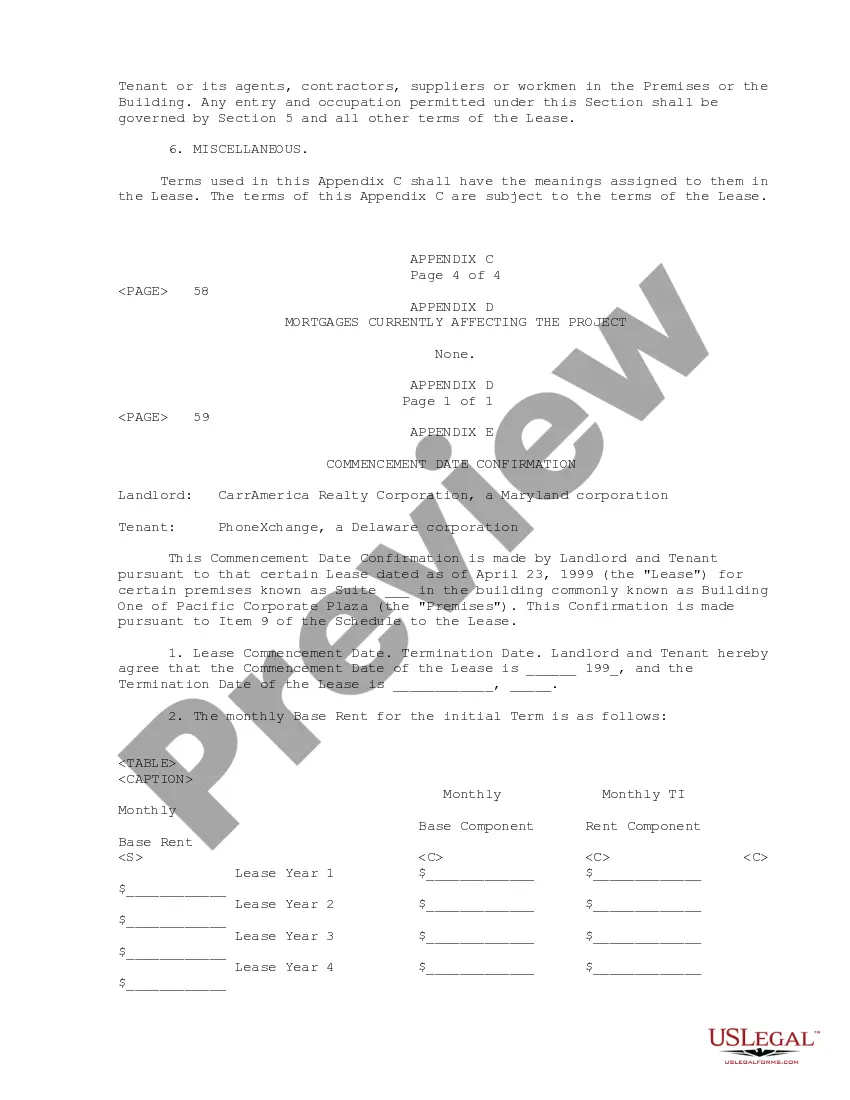
How to fill out Tenant Improvement Lease?
- If you already have a US Legal Forms account, log in and download your required template directly by selecting the Download button. Ensure your subscription is current; otherwise, renew it according to your plan.
- For first-time users, start by checking the Preview mode and description of the form to confirm it aligns with your needs and local regulations.
- If your search yields no appropriate forms, utilize the Search tab to explore other available templates that fit your requirements.
- Once you identify the right document, click on the Buy Now button and select your desired subscription plan, which may require creating an account to access the forms library.
- Complete your purchase by submitting your payment details via credit card or PayPal for the subscription.
- After purchasing, download the template to your device. You can revisit it anytime through the My Forms section in your account.
In conclusion, US Legal Forms empowers individuals and attorneys to efficiently manage legal documentation with access to over 85,000 forms, including those for leasehold improvements.
Leverage their extensive library today and streamline your legal process!
Form popularity
FAQ
Recording leasehold improvements involves a systematic approach. Begin by documenting the total costs incurred during the improvement process within your accounting software. Regularly update the asset account with any depreciation expenses to reflect the value accurately. Using a platform like US Legal Forms can assist you in creating the necessary documentation and maintaining proper records.
Yes, leasehold improvements can be subjected to tax implications, primarily in terms of depreciation. While the initial costs may not directly incur taxes, tax regulations require that you account for the depreciation when calculating tax obligations. It's wise to understand these laws since they can affect your overall financial strategy. Consulting tax experts can provide more focused insights tailored to your situation.
To record leasehold improvements, start by creating an asset account in your accounting system specifically for these improvements. Enter the costs associated with the improvements, including labor and materials. Then, apply the relevant depreciation method annually to reflect the asset's diminishing value. This consistent recording helps maintain clarity in your financial statements.
Not all expenses are classified as leasehold improvements. For example, routine maintenance or repairs, such as painting, cleaning, or replacing broken fixtures, do not meet the criteria. Understanding what does not fall under leasehold improvements helps in financial planning and ensures accurate accounting for your property investments.
Qualified leasehold improvements refer to enhancements made to a rented space, specifically designed for interior use and completed after the lease starts. These improvements typically affect the structural integrity or functionality of the space. By accessing resources on platforms like UsLegalForms, you can ensure your leasehold improvements meet the necessary criteria for classification.
Qualified Improvement Property (QIP) includes any improvements made to an internal portion of a nonresidential building, provided the improvements are not attributable to the building's elevator, escalator, or internal framework. QIP is significant because it enjoys a shorter depreciation timeline of 15 years. Knowing how leasehold improvements fit into QIP can optimize your financial strategy.
Expenses classified as leasehold improvements generally include costs for construction, installation of structural components, and major upgrades to existing facilities. These could encompass flooring, partitions, plumbing, and electrical work, among others. It's crucial to differentiate between repair costs and those that enhance the property, as only the latter qualifies as leasehold improvements.
Typically, leasehold improvements have a depreciation schedule of 39 years. However, certain qualified leasehold improvements may be eligible for a 15-year depreciation period. This distinction can lead to significant tax savings, so understanding which category your improvements fall under is important for effective financial planning.
Yes, leasehold improvements are categorized as fixed assets. They represent long-term investments made to enhance a leased space, and they remain with the property even after the lease ends. Properly accounting for these leasehold improvements can provide tax advantages, and utilizing platforms like UsLegalForms can help you navigate the necessary documentation.
Leasehold improvements that qualify for Section 179 include enhancements made to nonresidential properties, such as renovations, fixtures, and certain upgrades. These improvements must be made to the interior of the property and must be completed after the lease has started. If you are considering leasehold improvements, leveraging Section 179 can significantly reduce your taxable income, providing both immediate and long-term financial benefits.