Easement Construction All Within 30 Days
Description
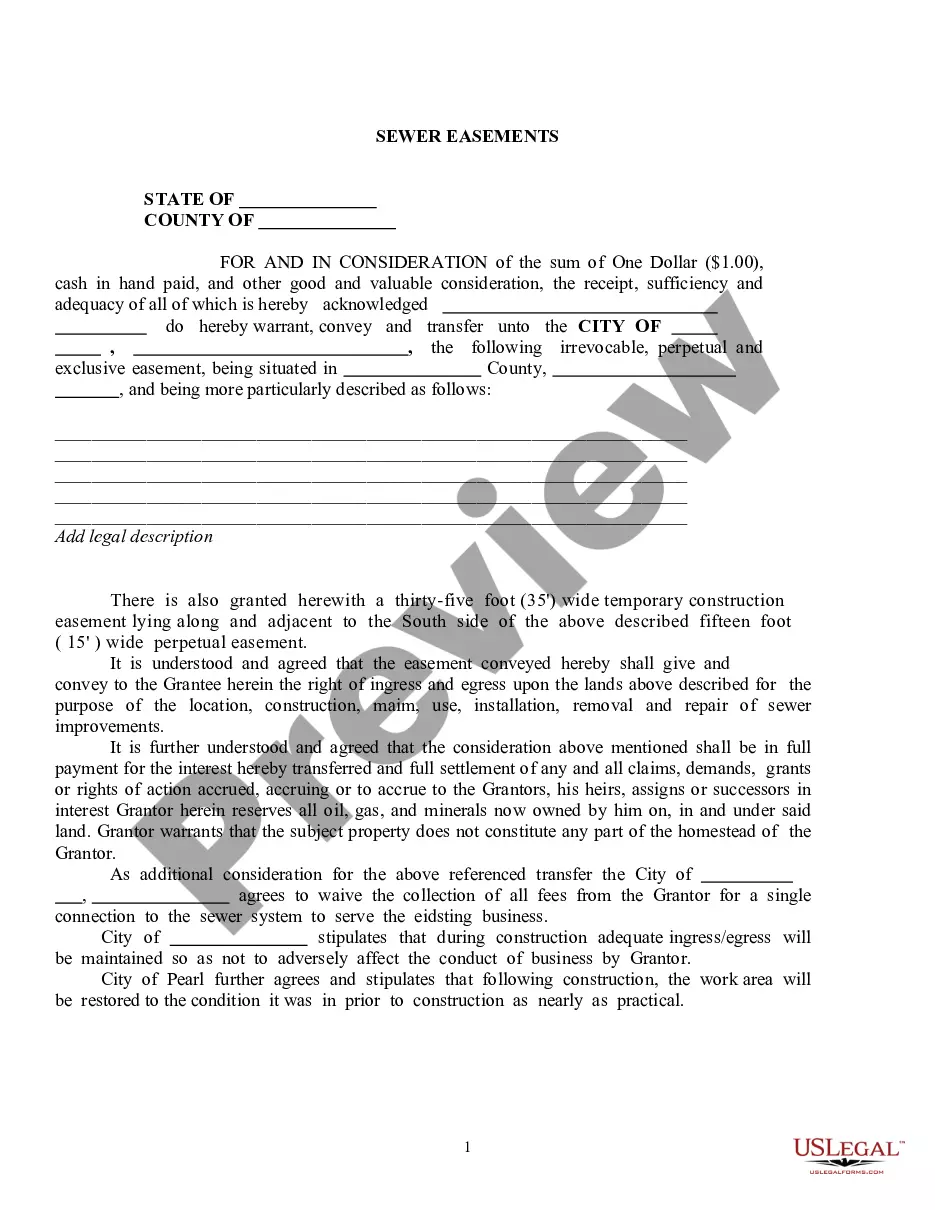
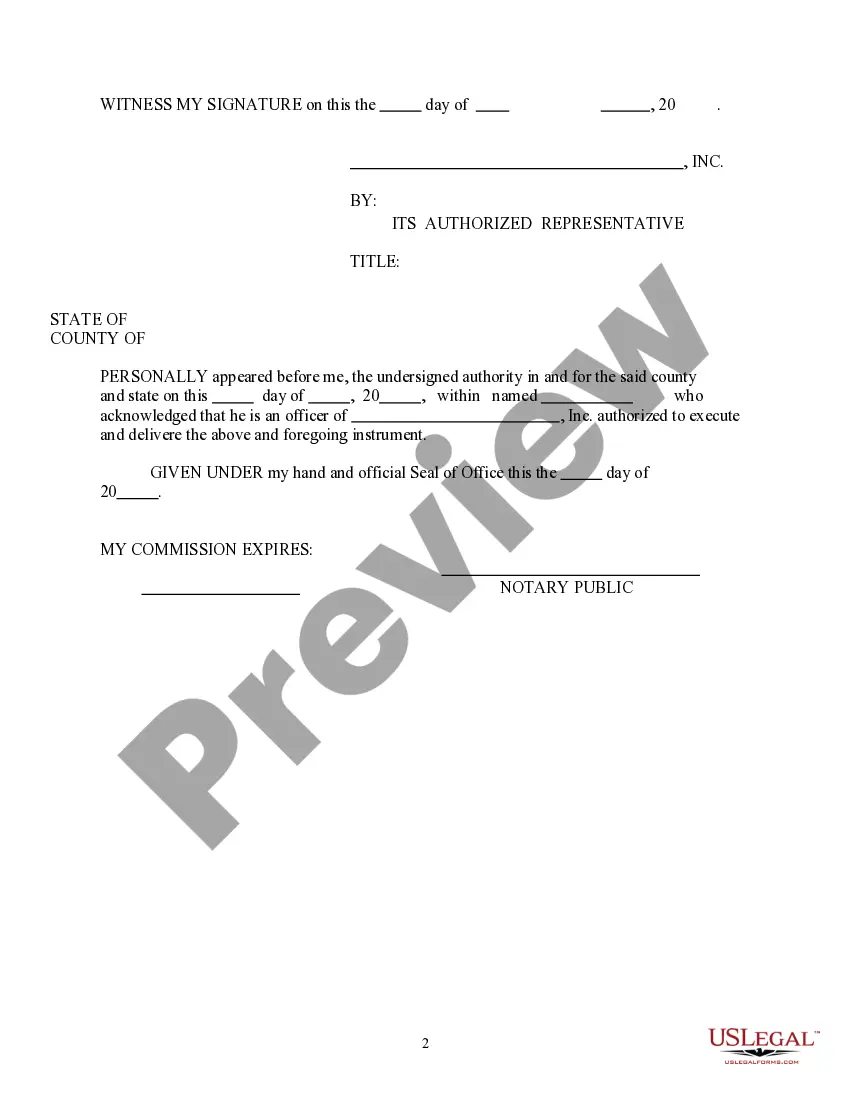
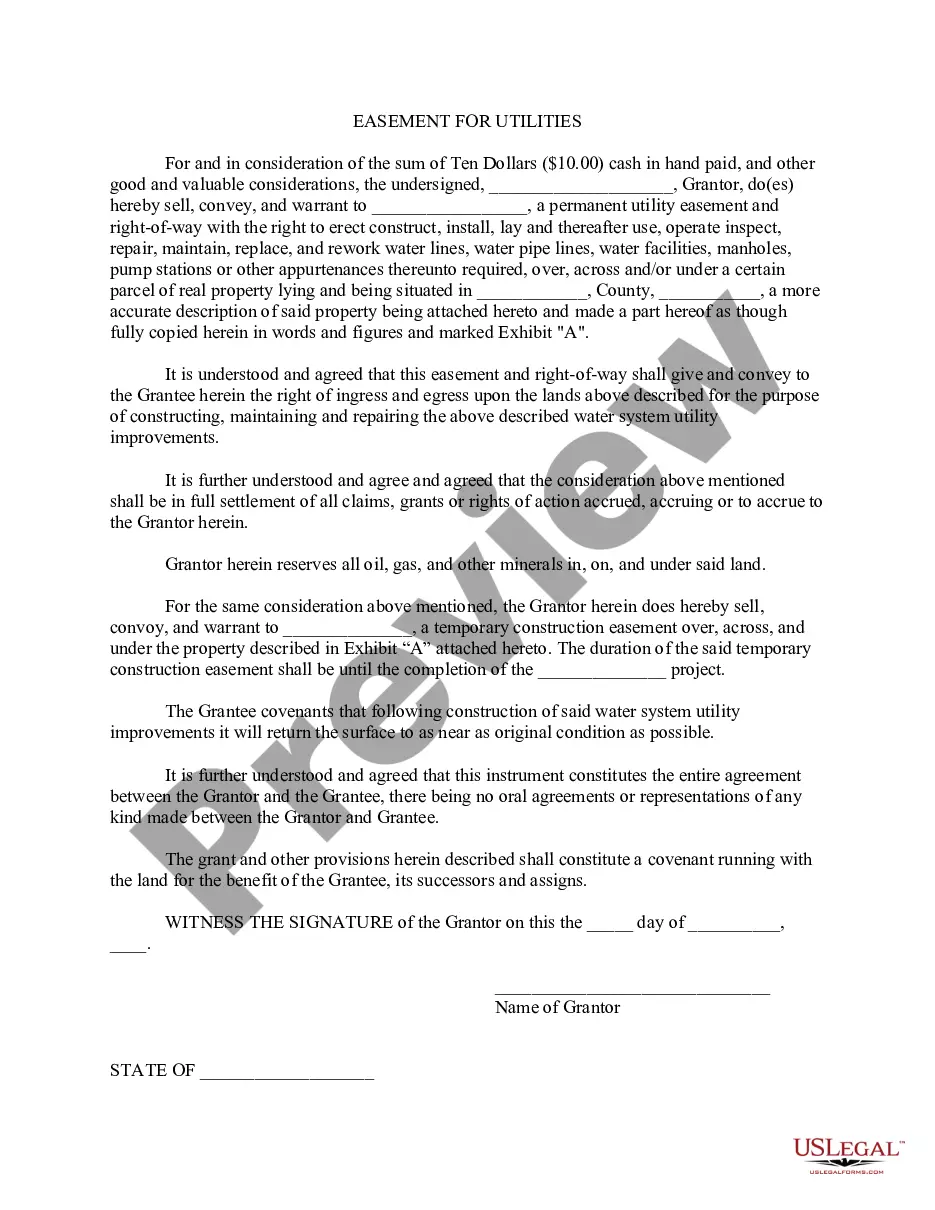
Get your form ready online
Our built-in tools help you complete, sign, share, and store your documents in one place.
Make edits, fill in missing information, and update formatting in US Legal Forms—just like you would in MS Word.
Download a copy, print it, send it by email, or mail it via USPS—whatever works best for your next step.
Sign and collect signatures with our SignNow integration. Send to multiple recipients, set reminders, and more. Go Premium to unlock E-Sign.
If this form requires notarization, complete it online through a secure video call—no need to meet a notary in person or wait for an appointment.
We protect your documents and personal data by following strict security and privacy standards.

Make edits, fill in missing information, and update formatting in US Legal Forms—just like you would in MS Word.

Download a copy, print it, send it by email, or mail it via USPS—whatever works best for your next step.

Sign and collect signatures with our SignNow integration. Send to multiple recipients, set reminders, and more. Go Premium to unlock E-Sign.

If this form requires notarization, complete it online through a secure video call—no need to meet a notary in person or wait for an appointment.

We protect your documents and personal data by following strict security and privacy standards.
Looking for another form?
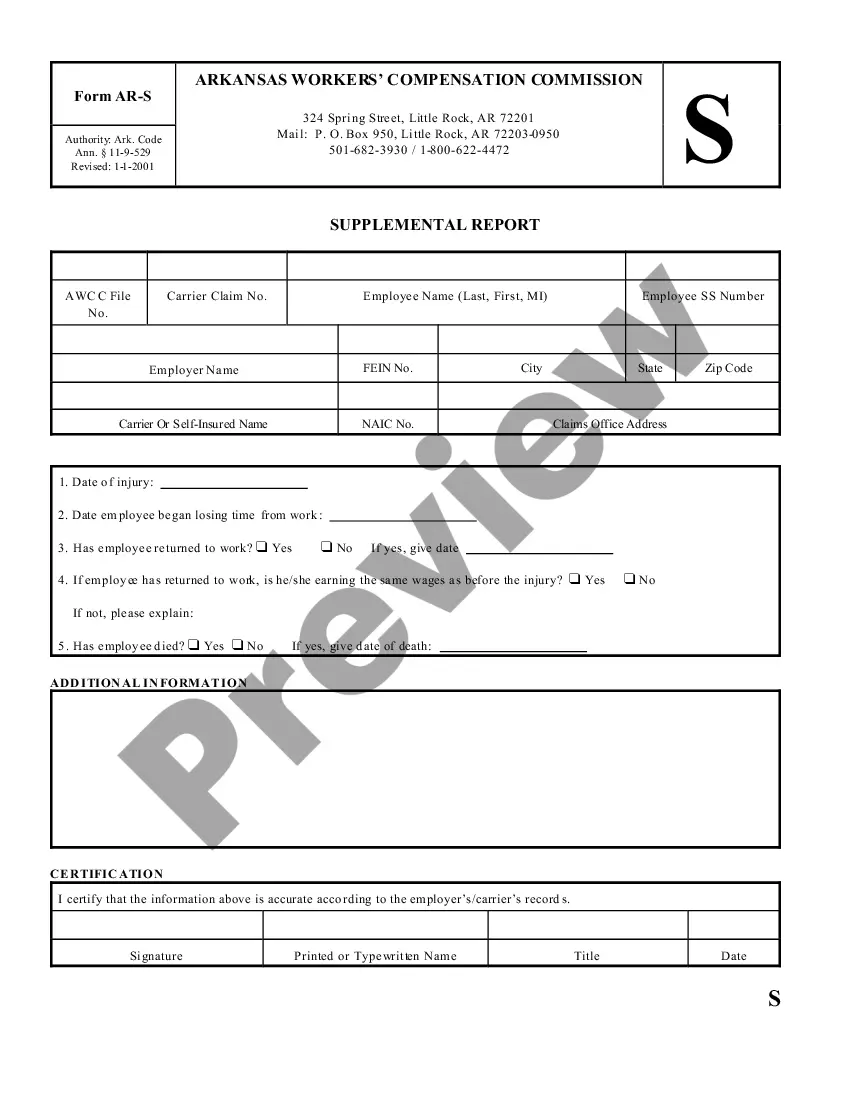





How to fill out Sewer Easement?
Locating a primary source for obtaining the latest and pertinent legal templates is a significant part of dealing with bureaucracy.
Selecting the appropriate legal documents demands precision and careful attention, which is why it’s vital to obtain samples of Easement Construction All Within 30 Days exclusively from trustworthy sources, such as US Legal Forms. A faulty template will squander your time and prolong your current situation. With US Legal Forms, you have minimal concerns.
Once the form is on your device, you can edit it with the editor or print it out to complete it manually. Eliminate the stress that comes with your legal documentation. Explore the extensive US Legal Forms catalog where you can discover legal templates, assess their applicability to your situation, and download them instantly.
- Utilize the catalog navigation or search bar to locate your template.
- Examine the form's details to determine if it meets your state's and county's criteria.
- Check the form preview, if available, to ensure it is the form you seek.
- Return to the search and find the correct template if the Easement Construction All Within 30 Days does not fulfill your needs.
- Once you are certain of the form's applicability, download it.
- If you are a registered user, click Log in to verify and access your chosen forms in My documents.
- If you do not have an account yet, click Buy now to acquire the form.
- Select the pricing option that aligns with your needs.
- Proceed to the registration to complete your transaction.
- Finalize your purchase by choosing a payment method (credit card or PayPal).
- Choose the document format for downloading Easement Construction All Within 30 Days.
Form popularity
FAQ
Can You Build on an Easement? Yes, you can usually build on a property easement, even a utility easement. Yet if you value peace of mind over everything else, not building on that easement is the best way to go. The dominant estate owning the easement may need to access the easement.
- Section 25 deals with the acquisition of easements by prescription. Sub-section (1) makes a two-fold provision. The first half deals with access and use of light or air to and for any building, which has been peaceably enjoyed with the building as an easement and as of right without interruption for 20 years.
For example, if Will owns 100 acres of land and grants 20 acres of that land to his son, Steve, that acreage has no road access. Steve would be able to claim an easement by necessity across Will's property to access the road.
An easement is a grant of one or more property rights by a property owner to and/or for the use by the public, a corporation, entity or persons. You cannot build anything on an easement that would infringe on the easement holder's limited use as conveyed by the grant of easement.
You can terminate an easement by release. A release is a surrender of a right or interest, such as an easement in this case. Only the person holding the right can release it, such as the owner of the dominant estate in an easement appurtenant or the holder of an easement in gross.