Veterinary Practices
Description
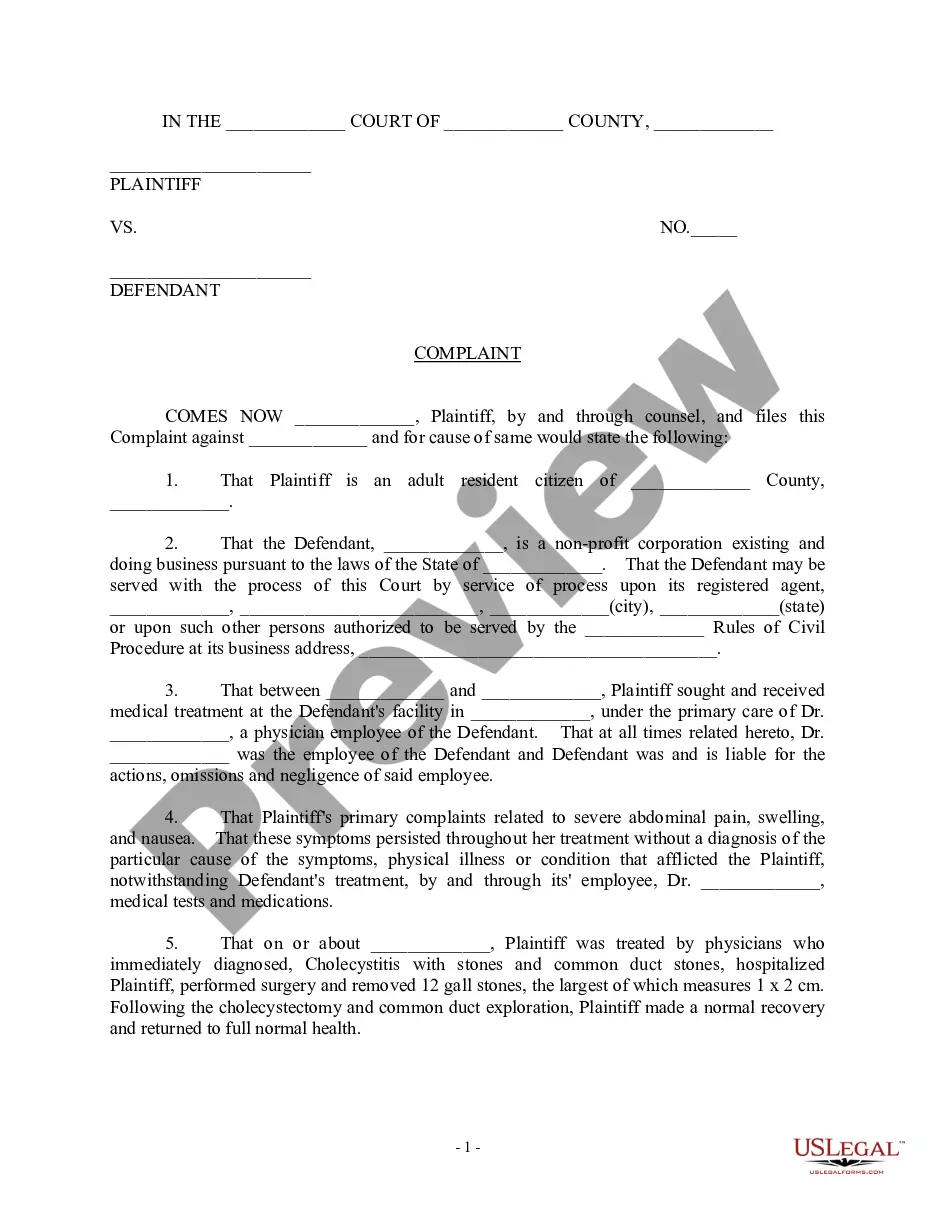
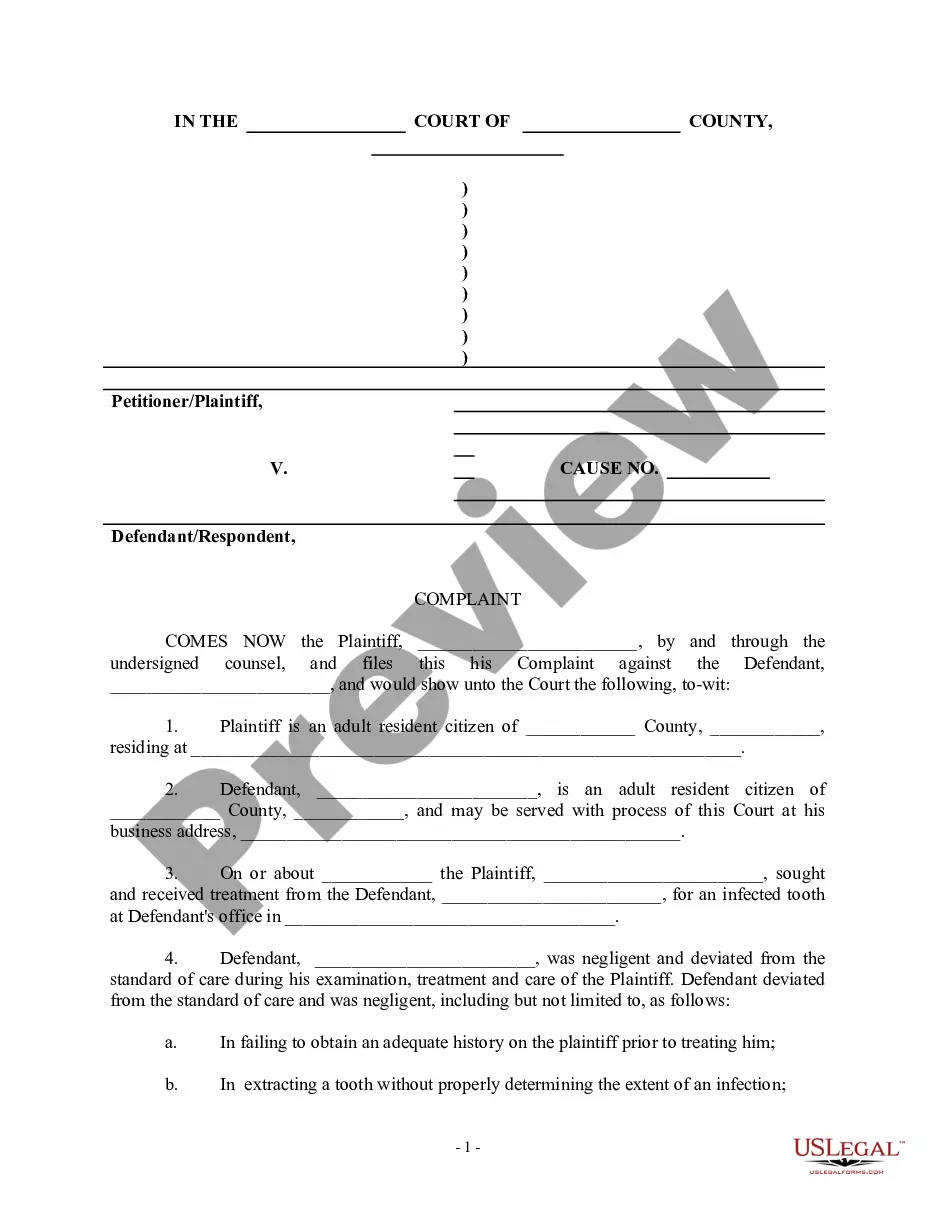
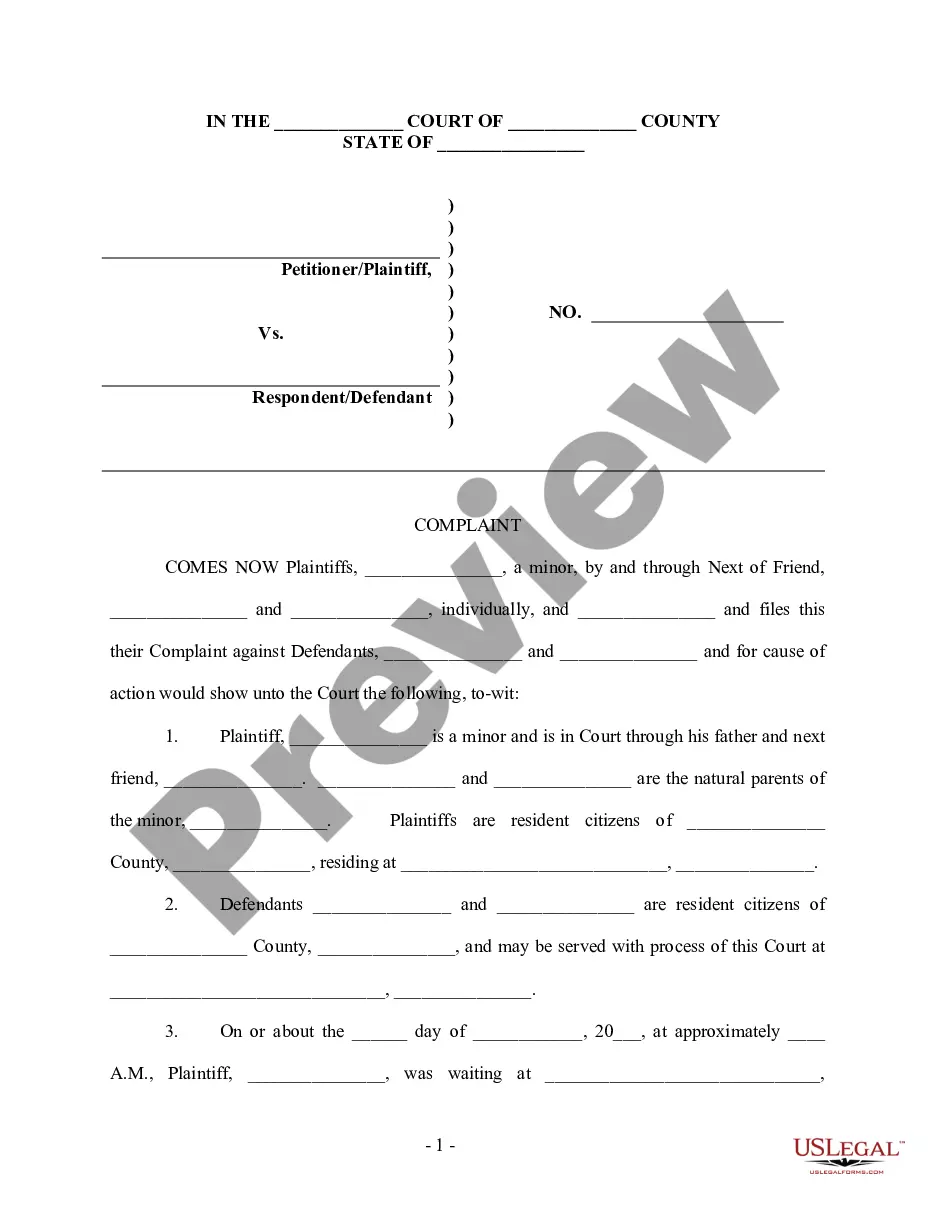
Get your form ready online
Our built-in tools help you complete, sign, share, and store your documents in one place.
Make edits, fill in missing information, and update formatting in US Legal Forms—just like you would in MS Word.
Download a copy, print it, send it by email, or mail it via USPS—whatever works best for your next step.
Sign and collect signatures with our SignNow integration. Send to multiple recipients, set reminders, and more. Go Premium to unlock E-Sign.
If this form requires notarization, complete it online through a secure video call—no need to meet a notary in person or wait for an appointment.
We protect your documents and personal data by following strict security and privacy standards.

Make edits, fill in missing information, and update formatting in US Legal Forms—just like you would in MS Word.

Download a copy, print it, send it by email, or mail it via USPS—whatever works best for your next step.

Sign and collect signatures with our SignNow integration. Send to multiple recipients, set reminders, and more. Go Premium to unlock E-Sign.

If this form requires notarization, complete it online through a secure video call—no need to meet a notary in person or wait for an appointment.

We protect your documents and personal data by following strict security and privacy standards.
Looking for another form?
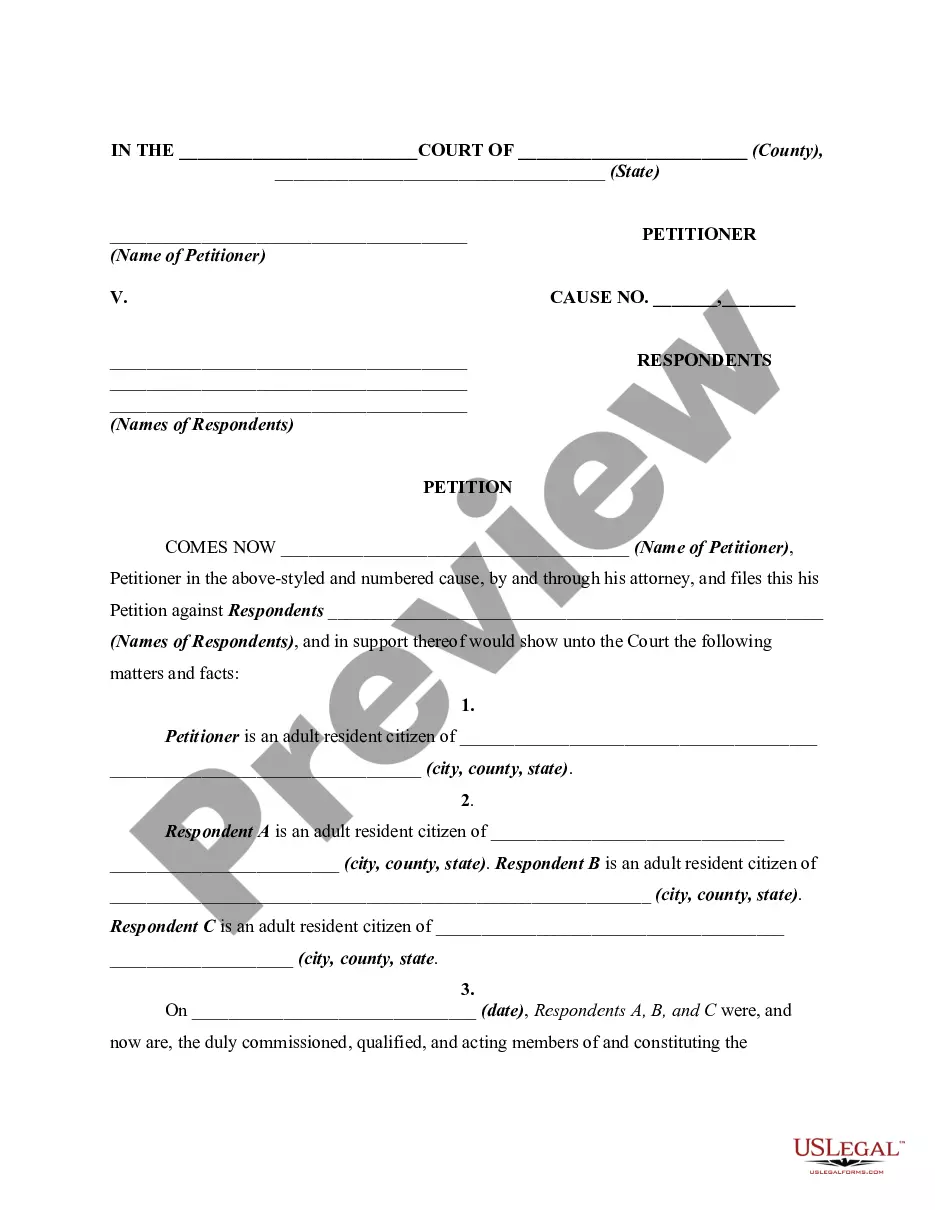
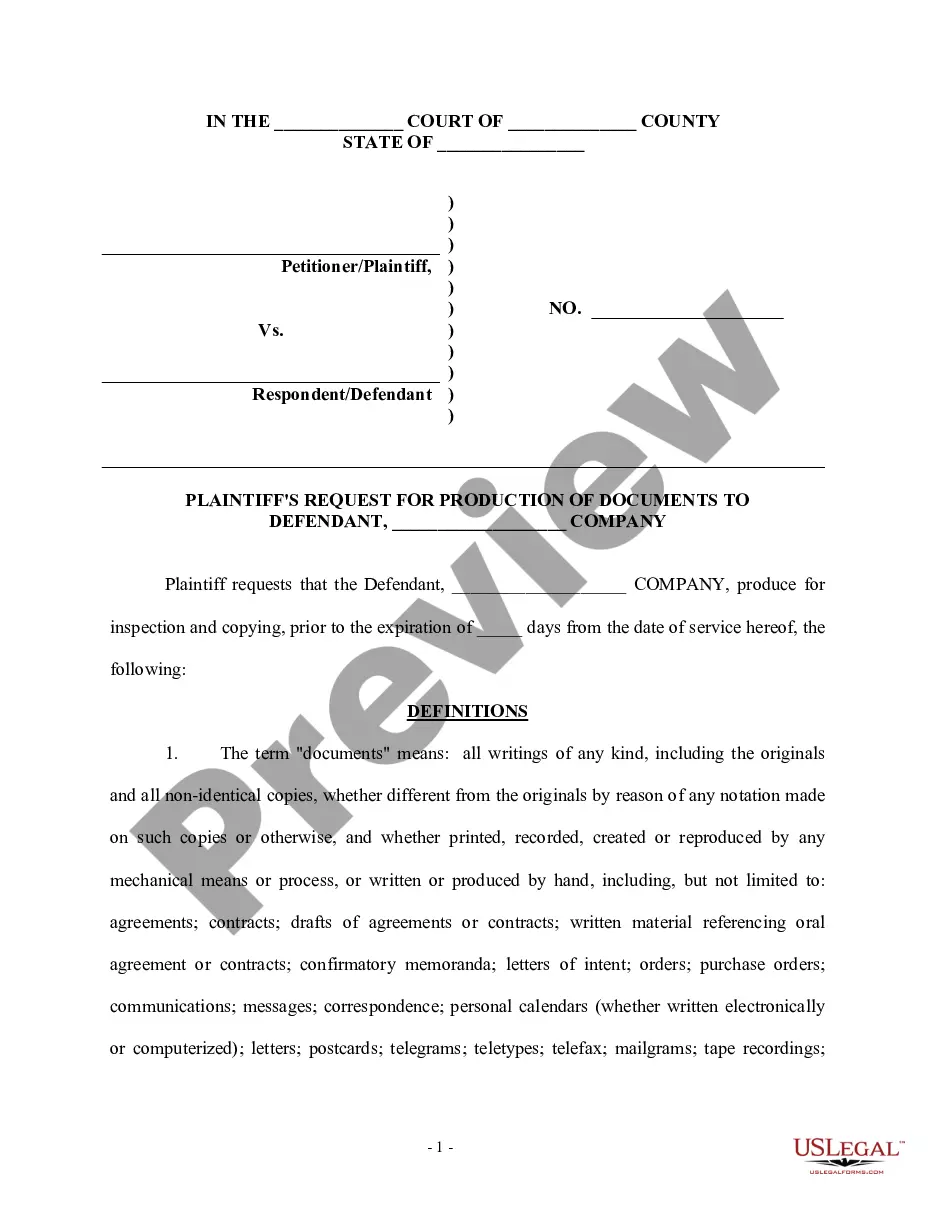
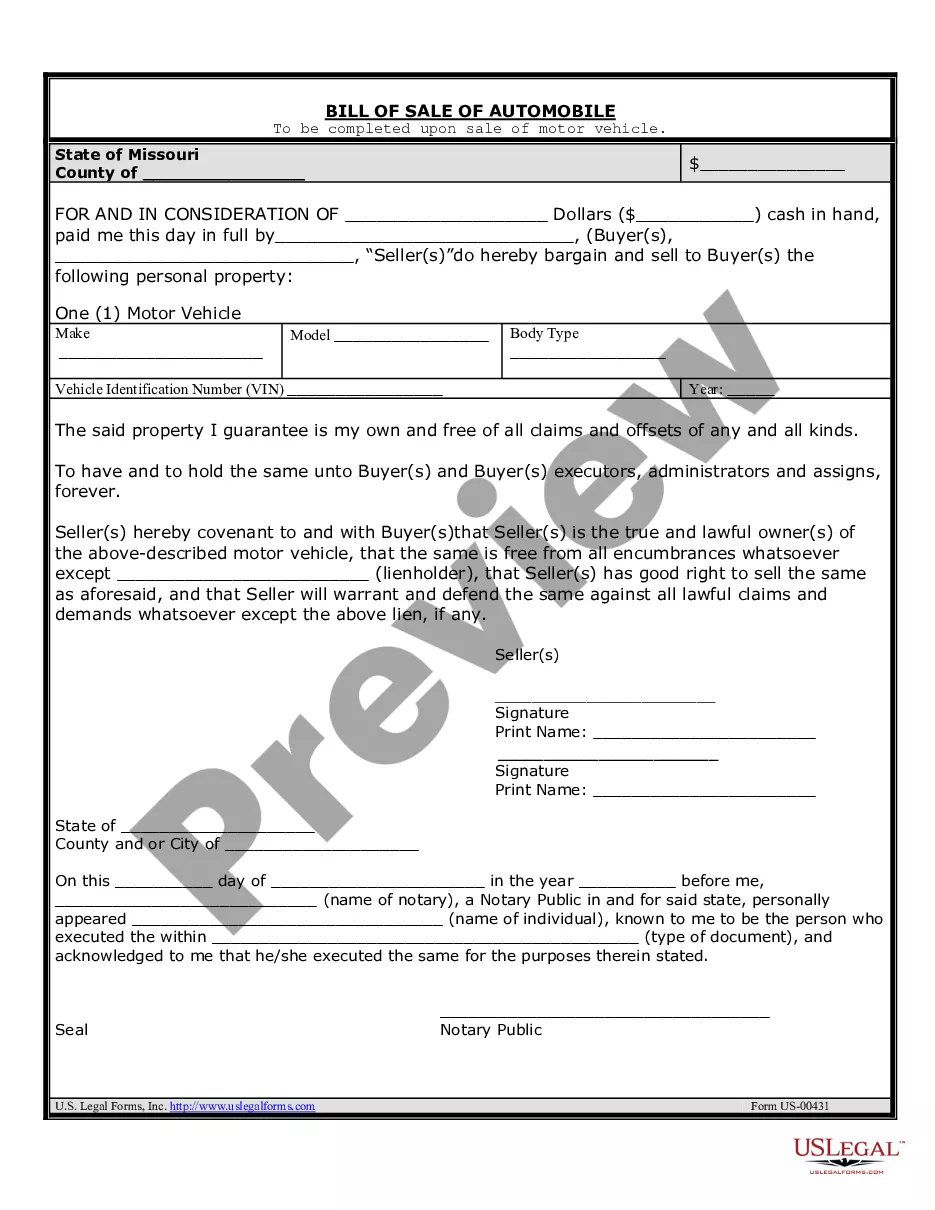
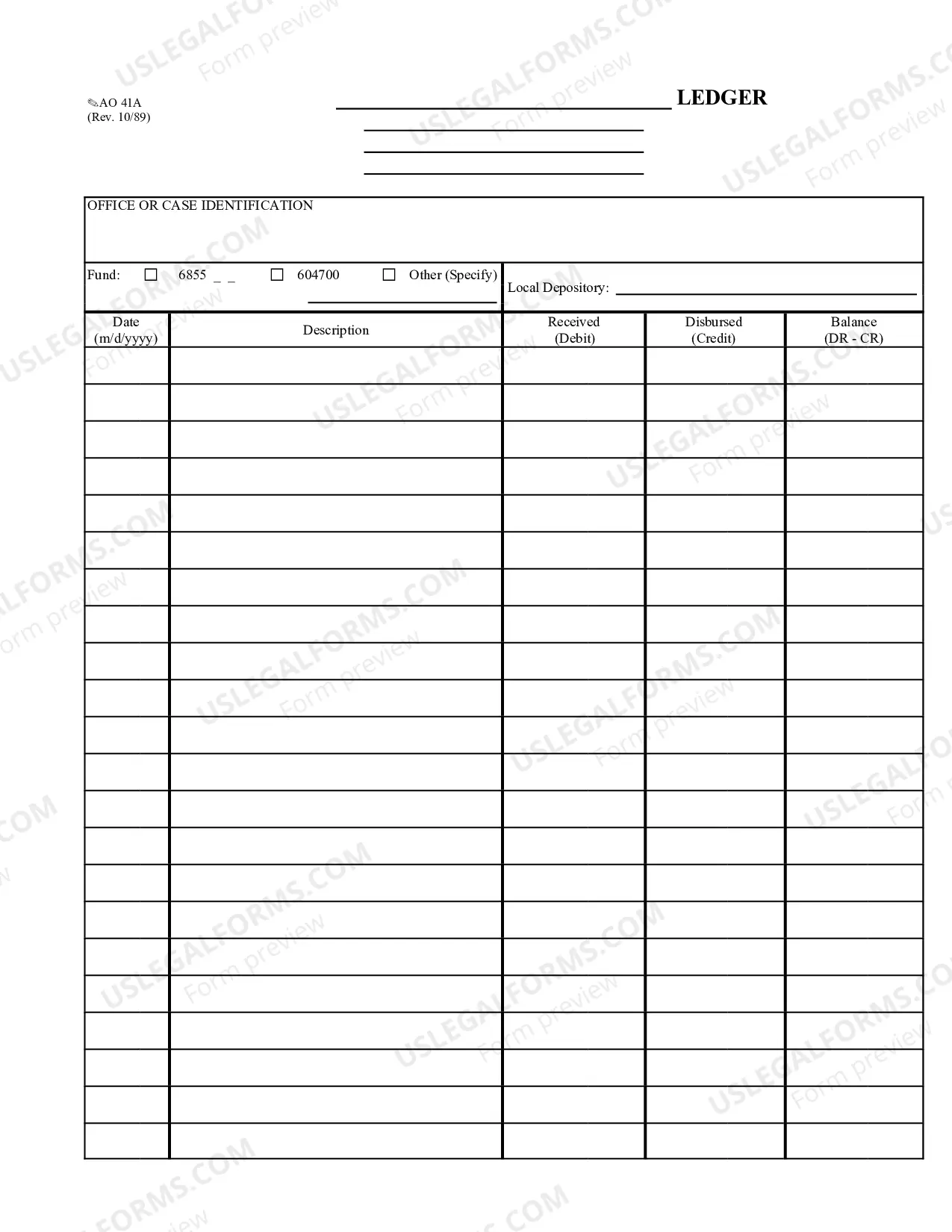

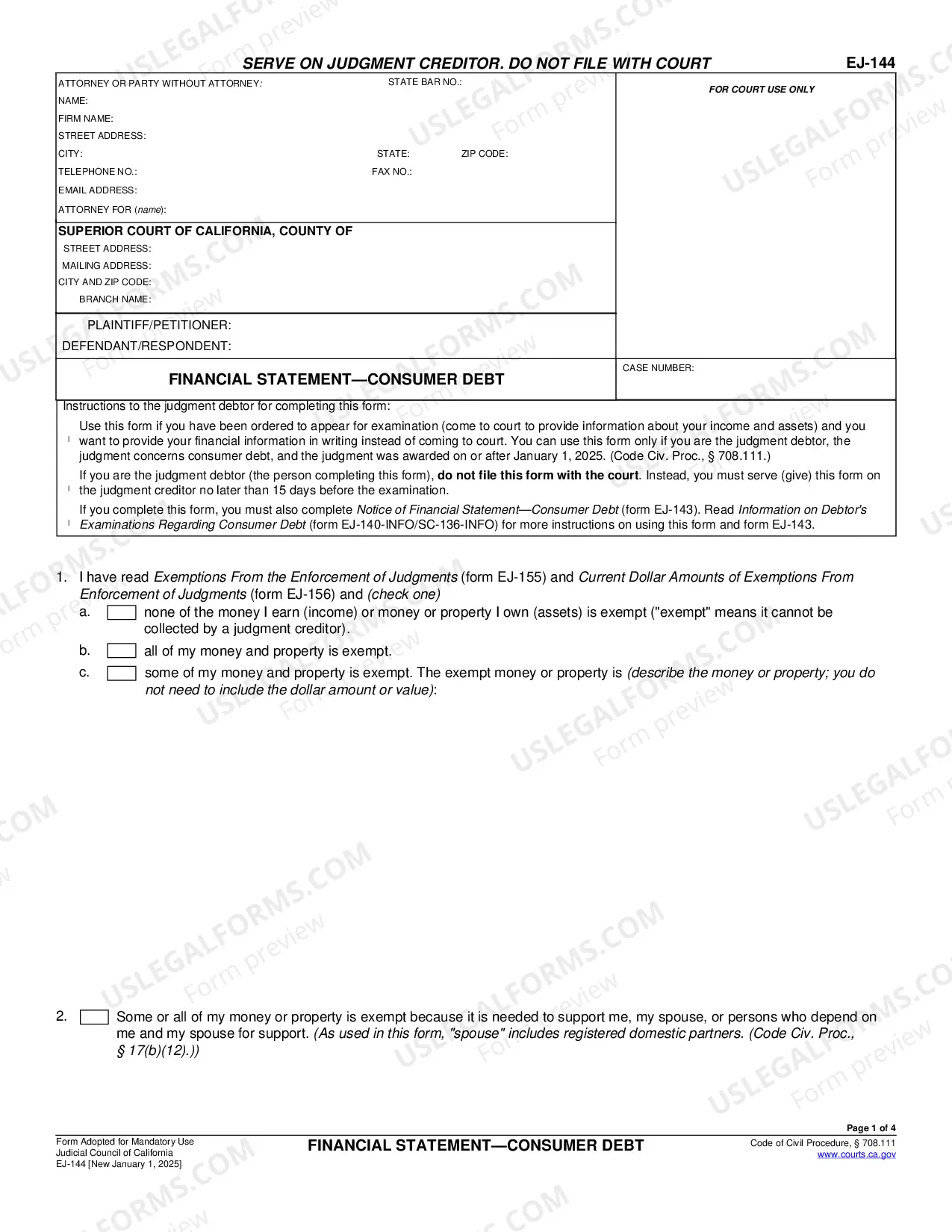
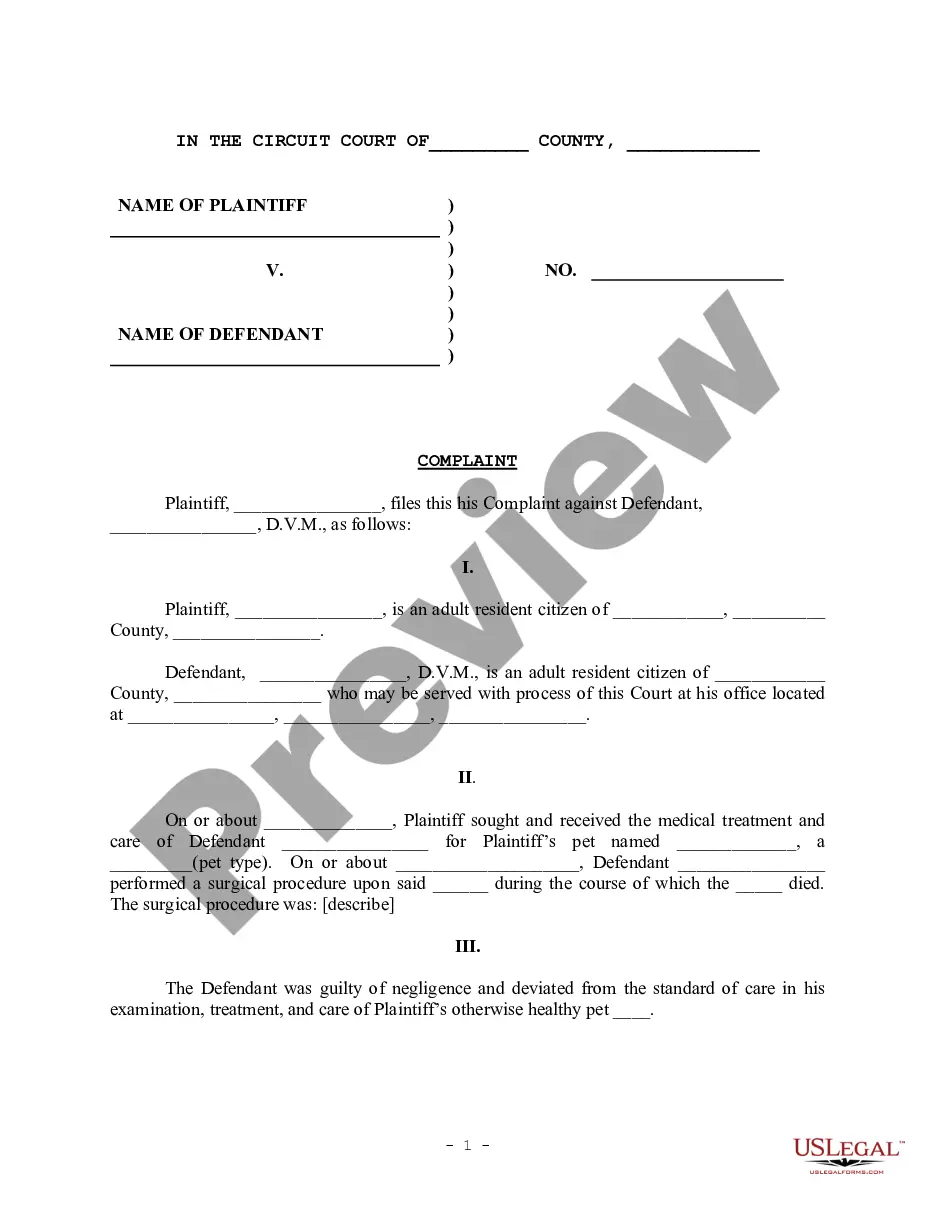
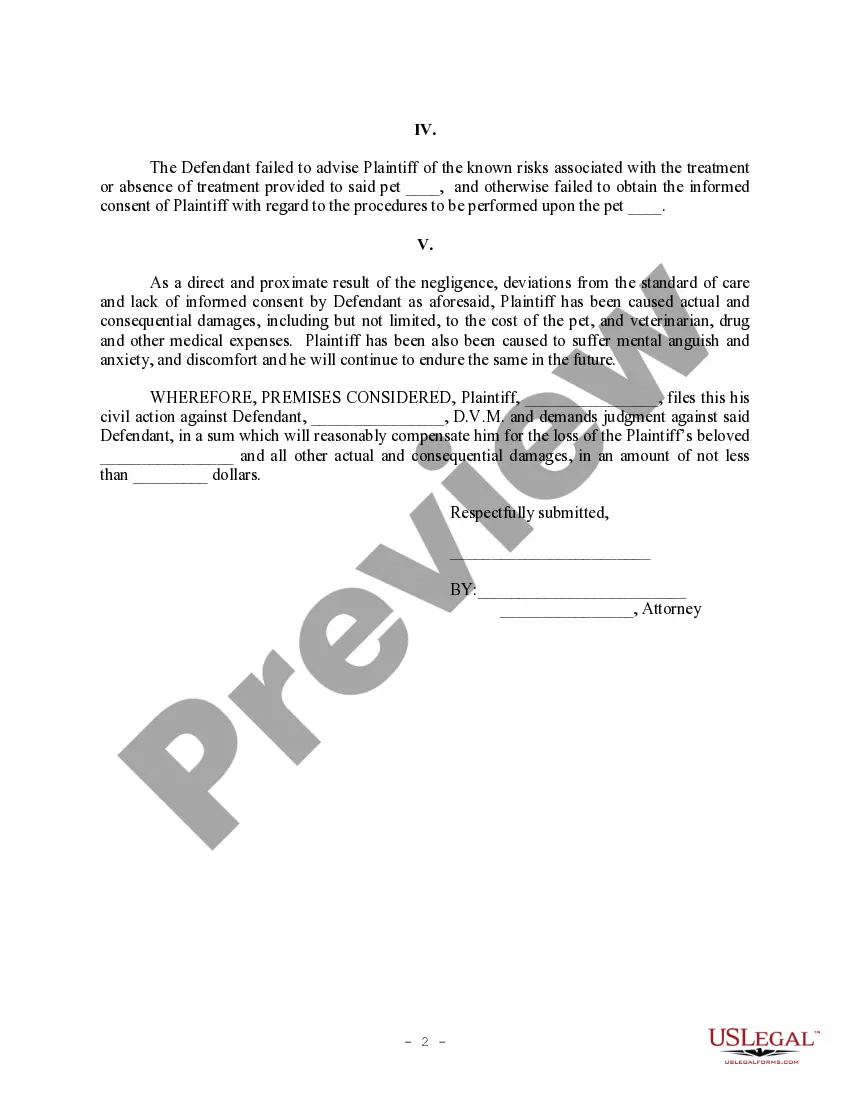
How to fill out Complaint Regarding Veterinarian Malpractice For Surgical Procedure?
- Log in to your US Legal Forms account if you are a returning user, and ensure your subscription is active. Otherwise, renew as needed.
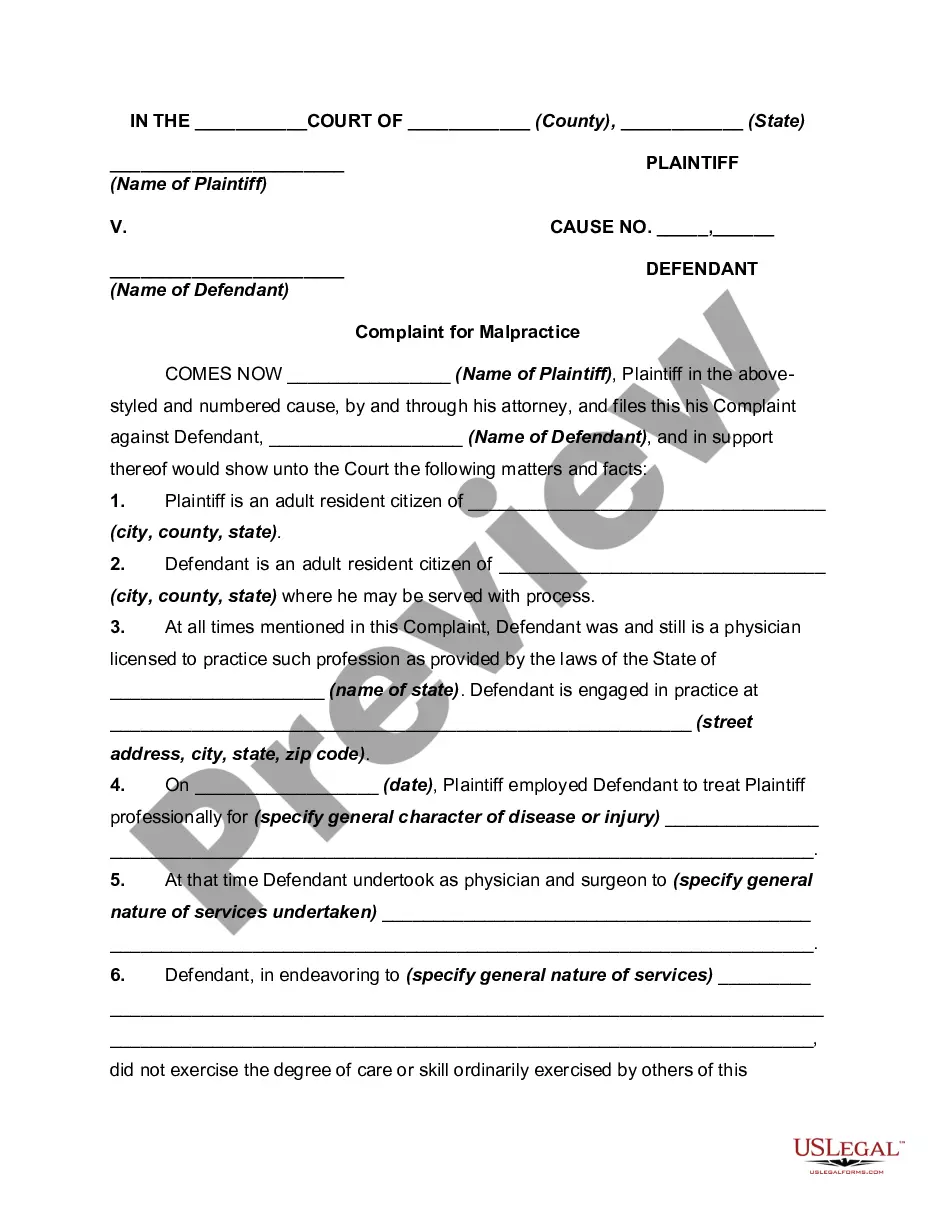
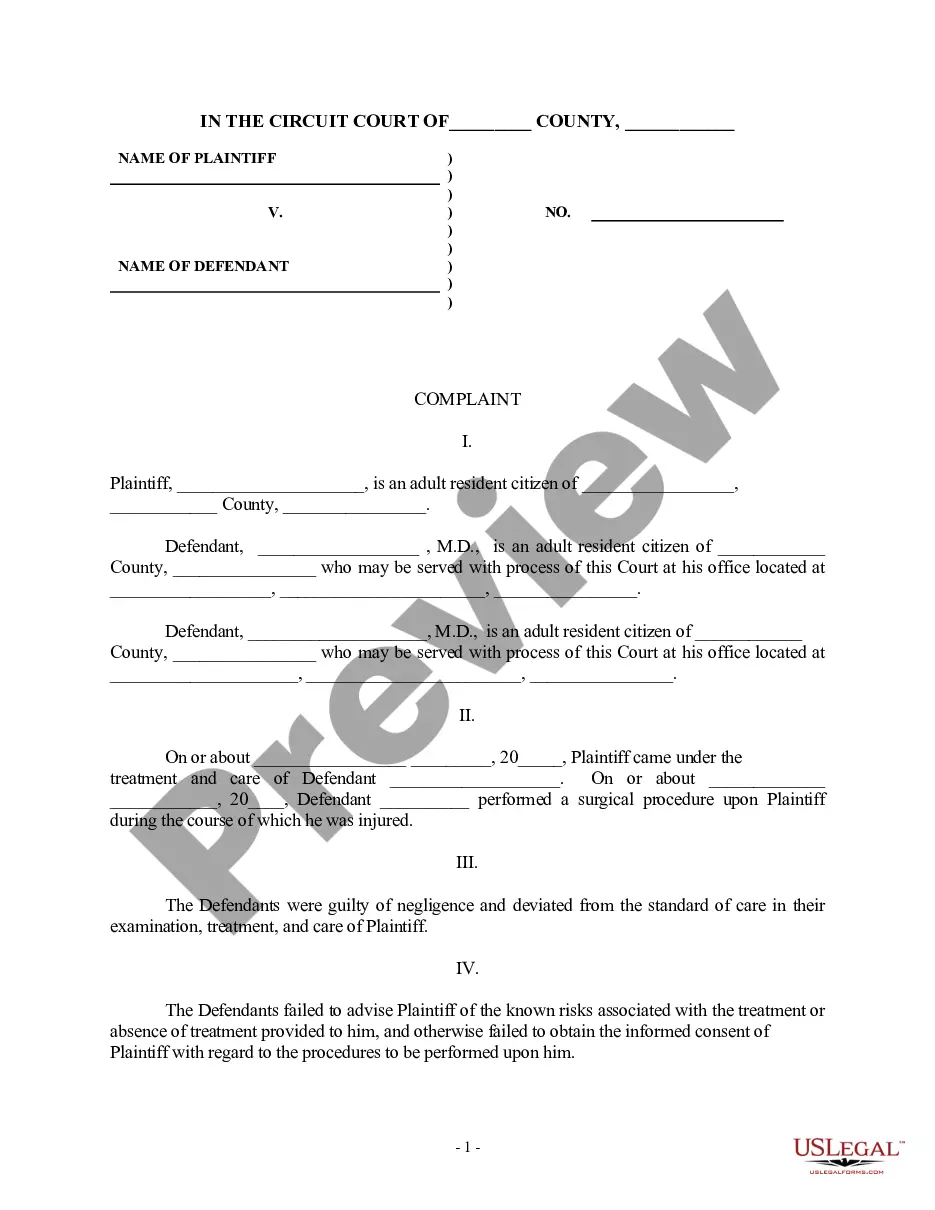
- Review the form description and preview mode to ensure it meets your veterinary practice requirements and complies with local laws.
- Search for additional forms if necessary, using the Search tab to find documents that match your needs.
- Proceed to purchase the document by clicking the Buy Now button and selecting your preferred subscription plan. Registration is required to access the full library.
- Complete your purchase by entering your credit card information or using your PayPal account for the transaction.
- Download the form to your device for immediate use, and access it anytime through the My Forms menu in your profile.
By using US Legal Forms, veterinary practices can benefit from a robust collection of over 85,000 legal documents designed to cater to their unique requirements. With access to premium expert assistance, users can ensure that their legal paperwork is completed accurately and efficiently.
Don't let legal complexities hold your practice back—explore US Legal Forms today and equip yourself with the tools you need for success!
Form popularity
FAQ
Veterinary practices are typically valued based on several factors, including revenue, profit margins, and the overall market demand for similar services. Other considerations include location, client base, and any specialized services offered. Understanding the valuation process can be beneficial if you're considering buying or selling a veterinary practice.
For your first visit to veterinary practices, be sure to bring your pet's medical records, vaccination history, and any previous health information. Additionally, having a list of your pet's medications and any specific questions or concerns will maximize the visit's effectiveness. Being prepared helps ensure that your pet receives the best possible care.
Yes, most veterinary practices require you to fill out some paperwork during your visit. This typically includes forms about your pet’s health history and any current concerns you have. Completing this documentation allows the veterinarian to offer better care tailored to your pet’s needs.
Veterinary practices may require a 1099 form for tax purposes, especially if they work as independent contractors. If a veterinarian receives payments directly from clients rather than through a veterinary clinic, then a 1099 form may be necessary. It is always advisable for veterinarians to consult a tax professional regarding their specific financial situation.
Yes, when visiting veterinary practices, some paperwork may be required. This typically includes vaccination records and any previous medical history of your pet. Ensuring that you have these documents can help streamline the visit and provide a clearer picture for the vet.
An example of malpractice in veterinary practices could involve a vet failing to diagnose a medical condition that any competent veterinarian would have identified. This negligence can lead to inappropriate treatment or a lack of necessary care. It’s crucial that veterinarians adhere to a standard of care to prevent such situations.
Yes, you should bring specific items when visiting veterinary practices. It is important to have your pet's medical records, any medications they are currently taking, and a list of any concerns you have. This information helps the veterinarian provide the best care for your pet.
Filling out a veterinary prescription involves several important steps to ensure accurate medication delivery. First, include the patient's details and the veterinarian's information clearly. Next, specify the medication, dosage, and frequency, while also noting any specific instructions for use. Using a reliable platform like USLegalForms simplifies the prescription process, allowing for professional and compliant documentation in veterinary practices.
The five principles of veterinary practice encompass essential guidelines for effective animal healthcare. These include a commitment to animal well-being, maintaining professional relationships, ensuring quality care, engaging in ongoing education, and adhering to ethical standards. Each principle supports the overall mission of enhancing veterinary practices and improving outcomes for pets. Embracing these principles leads to a more trustworthy and effective veterinary environment.
Veterinary practices often face complex decisions that require ethical considerations. The five principles of ethical decision making include respect for autonomy, non-maleficence, beneficence, justice, and fidelity. Being mindful of these principles helps veterinarians make choices that honor animal welfare while ensuring fairness and transparency. With these foundations, practitioners can navigate difficult situations with confidence.