Good Faith For
Description
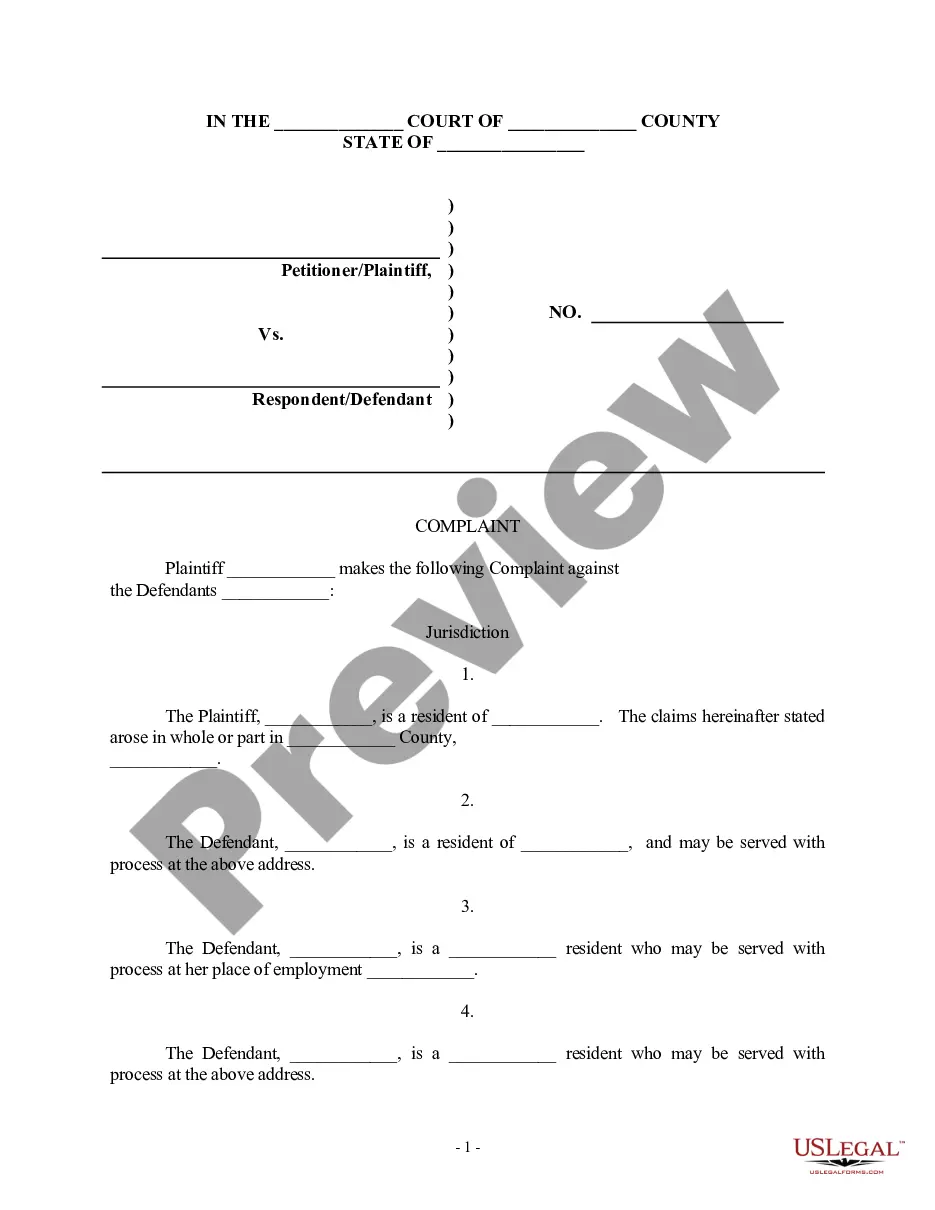
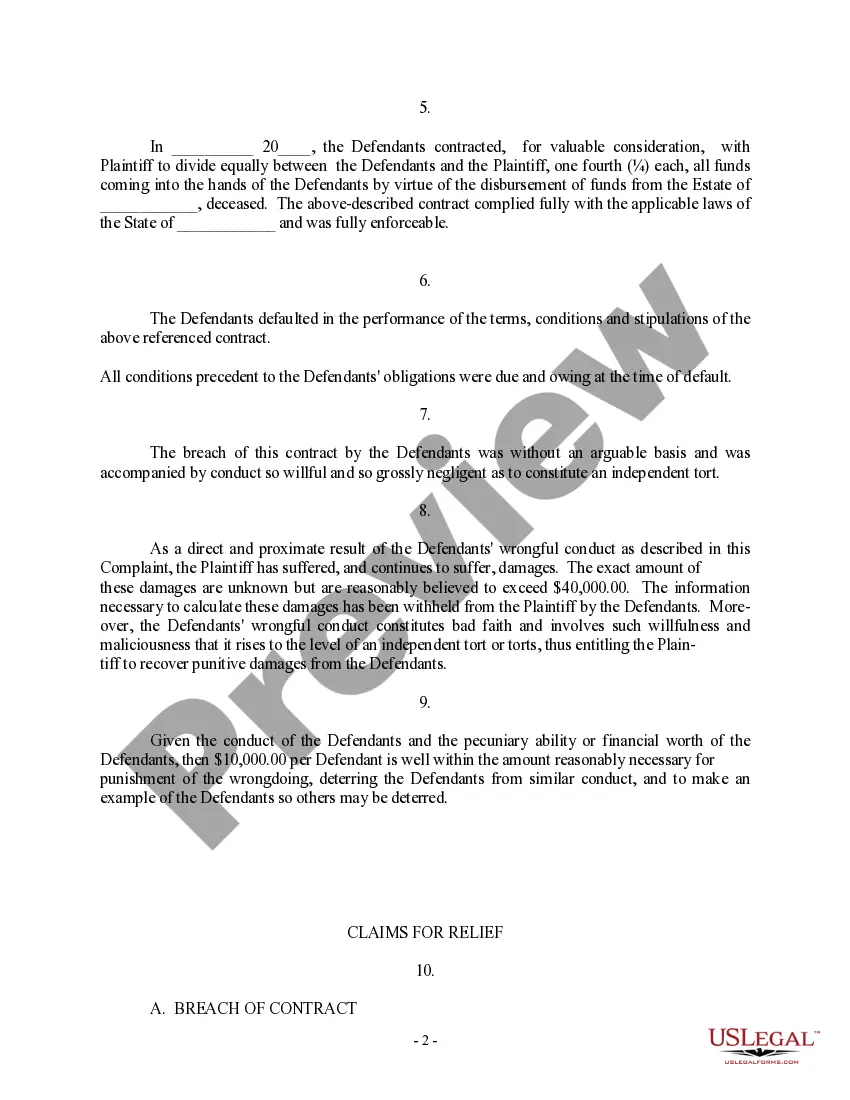
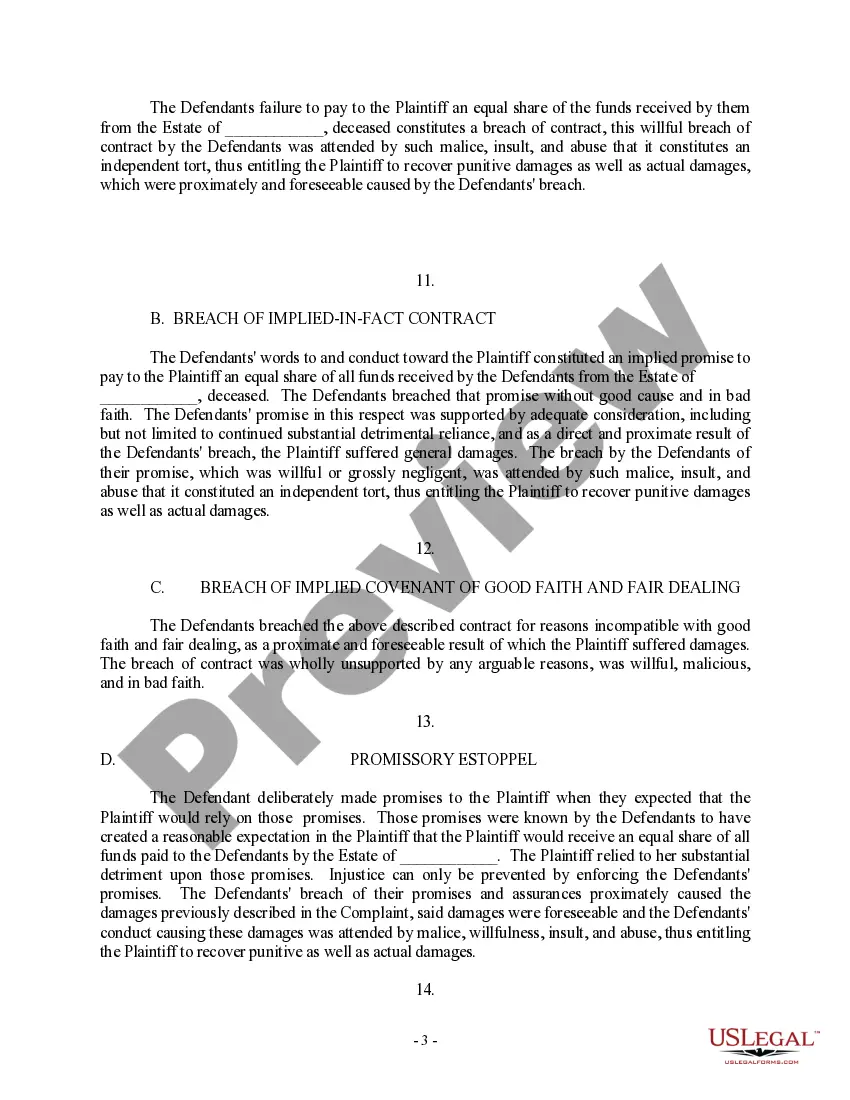
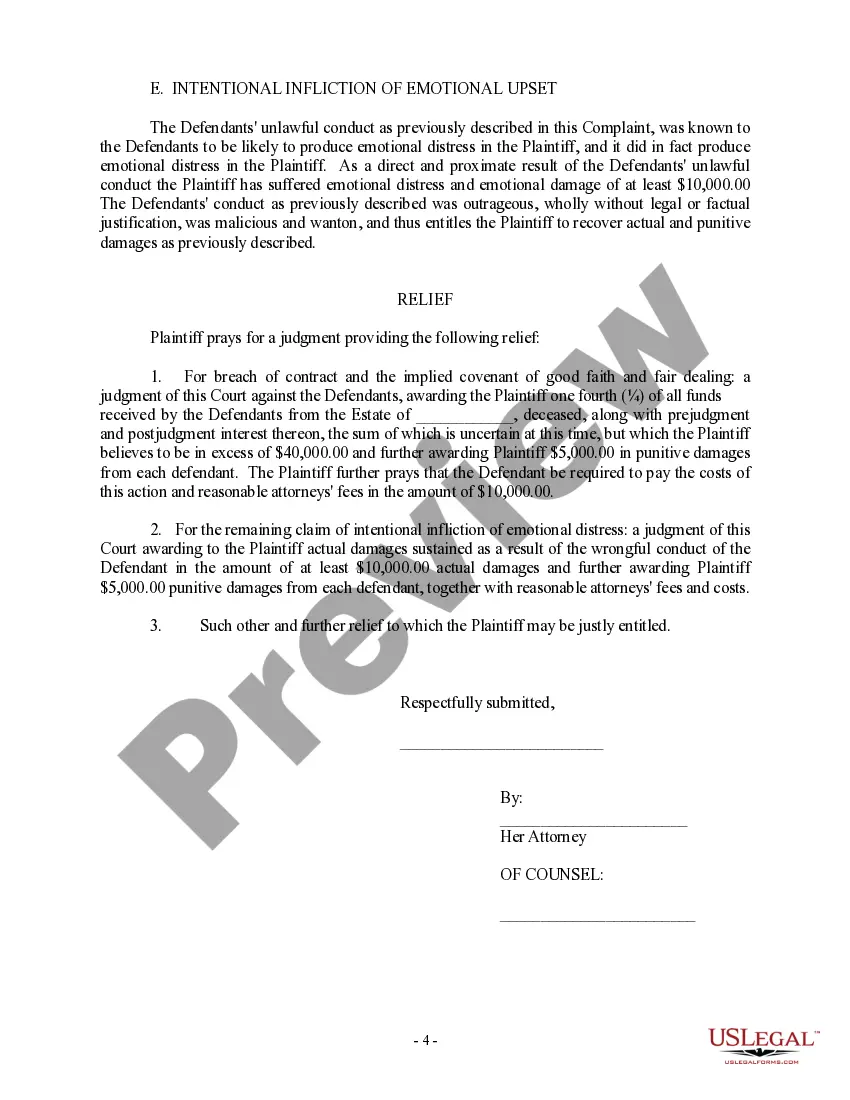
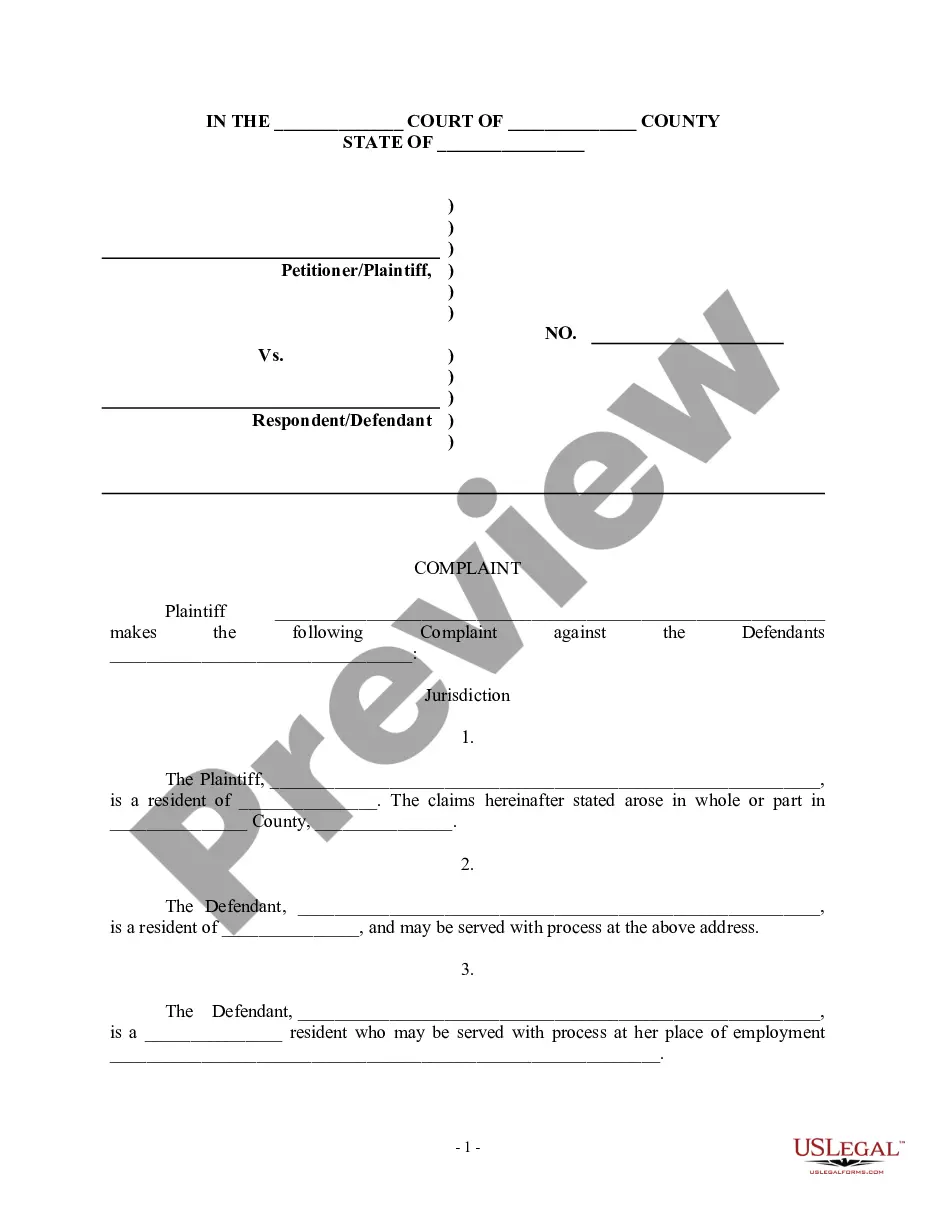
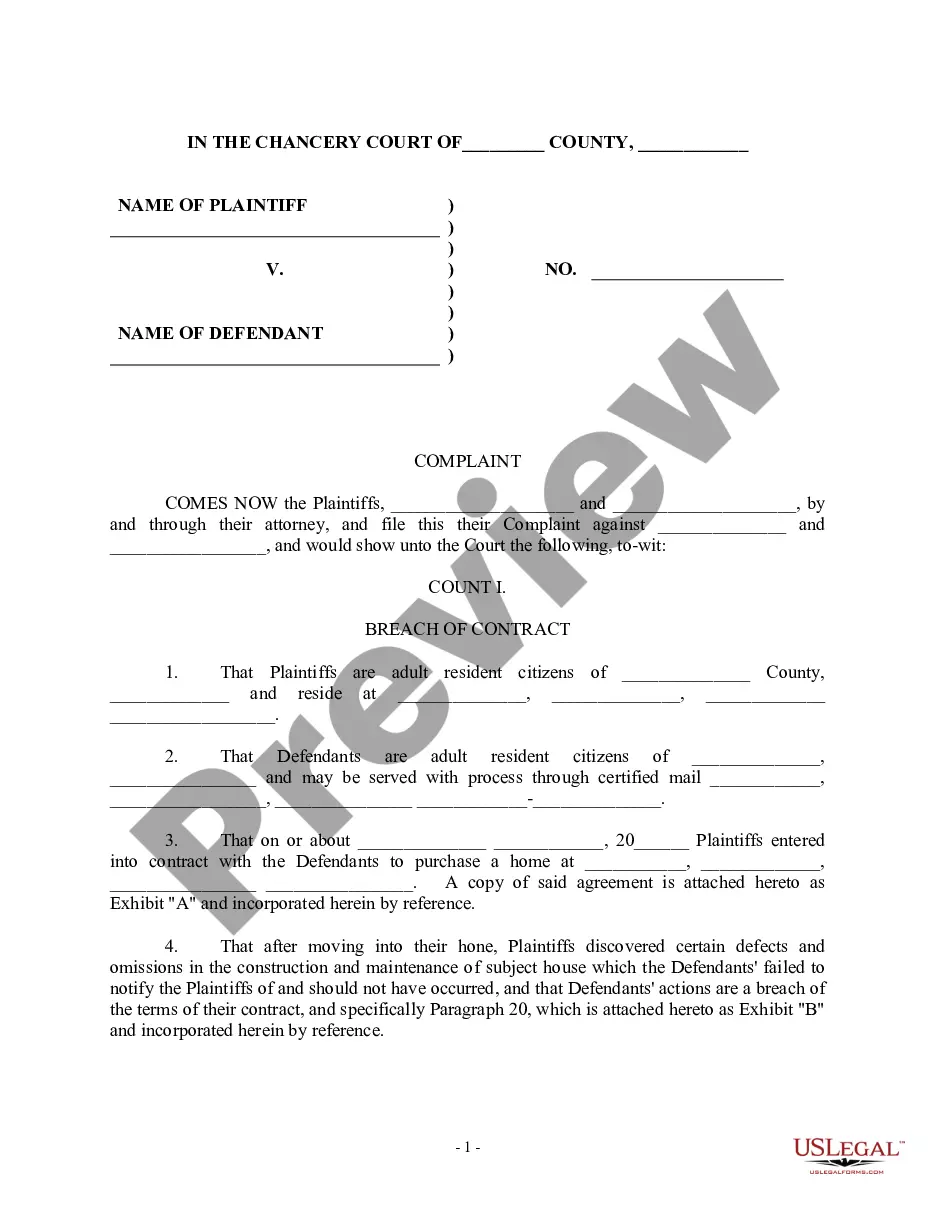
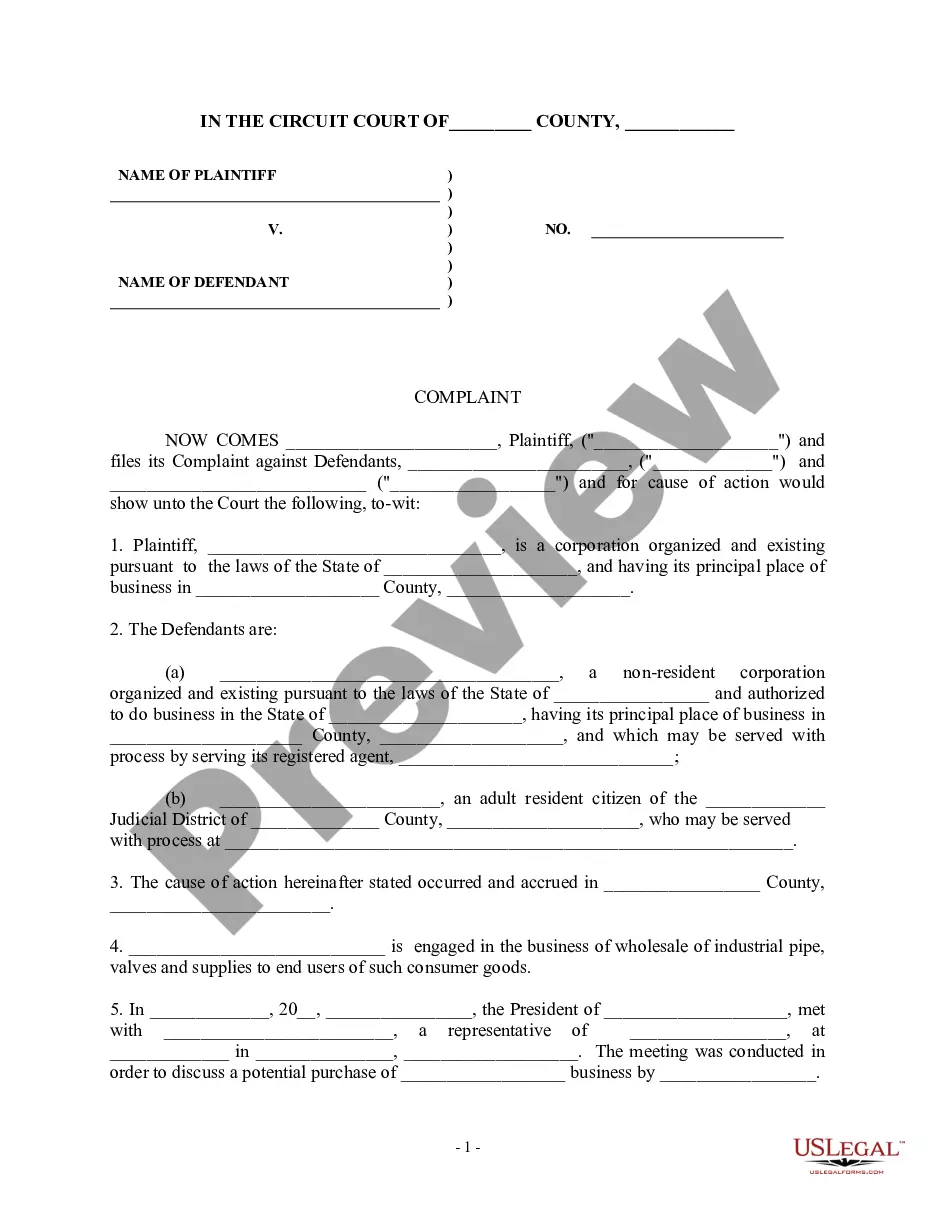
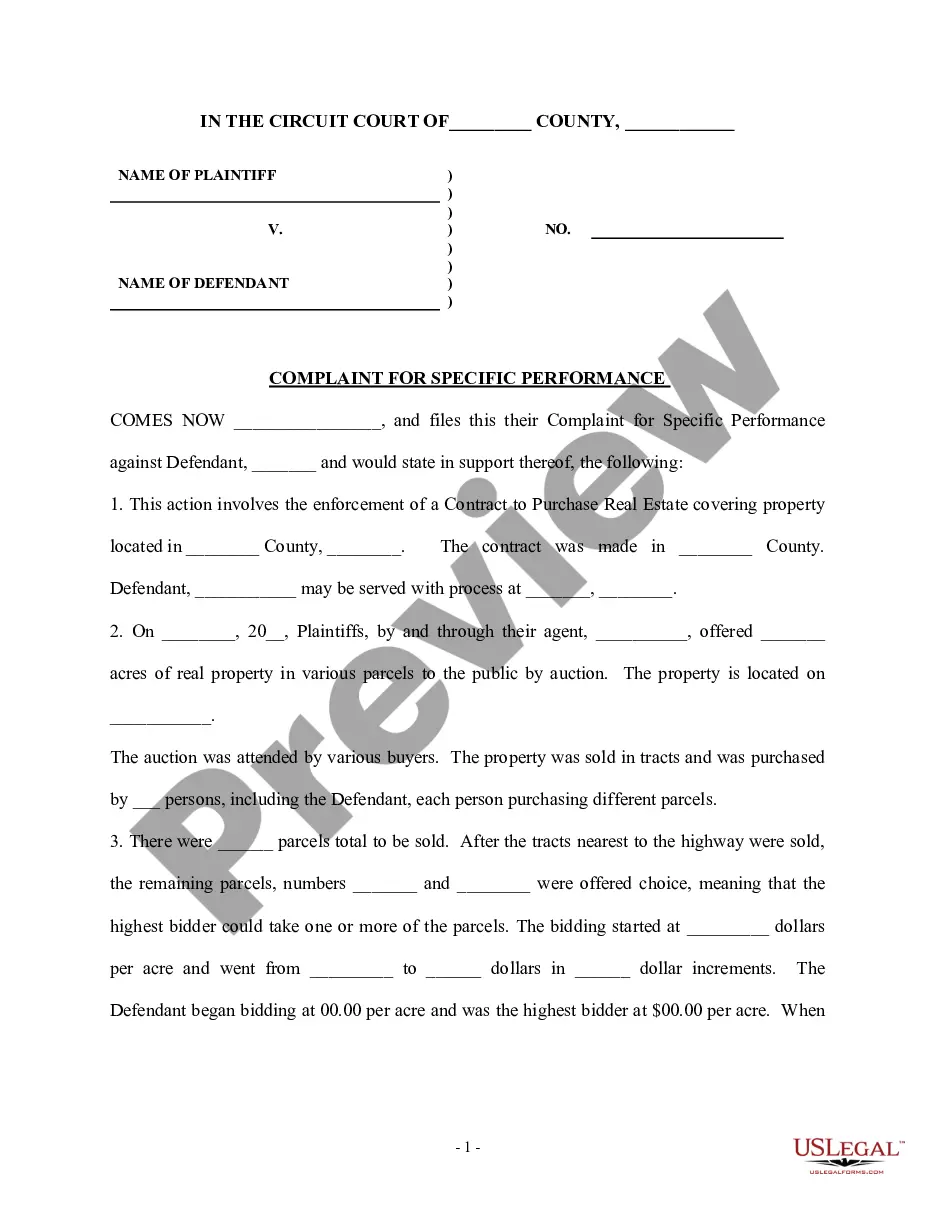





How to fill out Complaint Regarding Breach Of Contract To Divide Estate Proceeds, Implied Contract, Good Faith And Fair Dealing, Promissory Estoppel, Emotional Distress?
Securing a reliable source for the latest and most pertinent legal templates is a significant part of navigating bureaucracy.
Selecting the appropriate legal documents requires accuracy and meticulousness, which highlights the importance of obtaining Good Faith For samples solely from trustworthy providers, such as US Legal Forms.
Eliminate the hassle associated with your legal paperwork. Discover the vast US Legal Forms archive where you can locate legal samples, verify their applicability to your circumstances, and download them instantly.
- Utilize the catalog navigation or search bar to find your template.
- Examine the document’s details to determine if it meets the criteria of your state and locality.
- Check the form preview, if available, to ensure the template matches what you need.
- Go back to the search to locate the correct document if the Good Faith For does not fulfill your requirements.
- Once you are confident about the document’s relevance, download it.
- If you are a registered user, click Log in to verify your identity and access your selected templates in My documents.
- If you do not yet have an account, click Buy now to purchase the form.
- Choose the pricing option that fits your needs.
- Proceed with the registration to finalize your purchase.
- Complete your transaction by selecting a payment method (credit card or PayPal).
- Pick the file format for downloading Good Faith For.
- Once the form is on your device, you can modify it with the editor or print it to fill out manually.
Form popularity
FAQ
Using the phrase 'in good faith' typically refers to honest intentions. For example, you could say, 'The company acted in good faith when it offered a refund to dissatisfied customers.' This shows that the action was taken with integrity and sincerity.
A durable power of attorney is a power of attorney by which a principal designates another his attorney in fact in writing and the writing contains the words "This power of attorney shall not be affected by subsequent disability or incapacity of the principal, or lapse of time," or "This power of attorney shall ...
Yes, Mississippi Powers of Attorney require a notary public to oversee the signing of the document by the Principal and Agent. Additionally, if you're signing a Real Estate Power of Attorney 2 witnesses must also be present when the document is signed in order to legally validate the agreement.
The requirements and restrictions vary in each state; however, in Mississippi, your document will require notarization. If your agent will have the authority to manage real estate transactions, the Power of Attorney will need to be acknowledged by a notary and recorded or filed with the county.
The requirements and restrictions vary in each state; however, in Mississippi, your document will require notarization. If your agent will have the authority to manage real estate transactions, the Power of Attorney will need to be acknowledged by a notary and recorded or filed with the county.
A power of attorney must be signed by the principal or in the principal's conscious presence by another individual directed by the principal to sign the principal's name on the power of attorney.
You dictate the actions you permit the person to take, and you can limit it to a single transaction or give the person general authority. You can revoke a power of attorney through a written revocation form, which must be given to your agent and to the individuals and businesses the agent deals with on your behalf.
Legal Requirements for Durable Power of Attorney Dated. Signed by the ?principal? or creator of the power of attorney or advance directive. Signed by two adult witnesses, at least one of whom isn't related to principal OR acknowledged by a notary public.
Legal Requirements for Durable Power of Attorney Dated. Signed by the ?principal? or creator of the power of attorney or advance directive. Signed by two adult witnesses, at least one of whom isn't related to principal OR acknowledged by a notary public. Specifically authorizes the agent to make health care decisions.