Suit For Specific Performance With Example
Description

Get your form ready online
Our built-in tools help you complete, sign, share, and store your documents in one place.
Make edits, fill in missing information, and update formatting in US Legal Forms—just like you would in MS Word.
Download a copy, print it, send it by email, or mail it via USPS—whatever works best for your next step.
Sign and collect signatures with our SignNow integration. Send to multiple recipients, set reminders, and more. Go Premium to unlock E-Sign.
If this form requires notarization, complete it online through a secure video call—no need to meet a notary in person or wait for an appointment.
We protect your documents and personal data by following strict security and privacy standards.

Make edits, fill in missing information, and update formatting in US Legal Forms—just like you would in MS Word.

Download a copy, print it, send it by email, or mail it via USPS—whatever works best for your next step.

Sign and collect signatures with our SignNow integration. Send to multiple recipients, set reminders, and more. Go Premium to unlock E-Sign.

If this form requires notarization, complete it online through a secure video call—no need to meet a notary in person or wait for an appointment.

We protect your documents and personal data by following strict security and privacy standards.
Looking for another form?

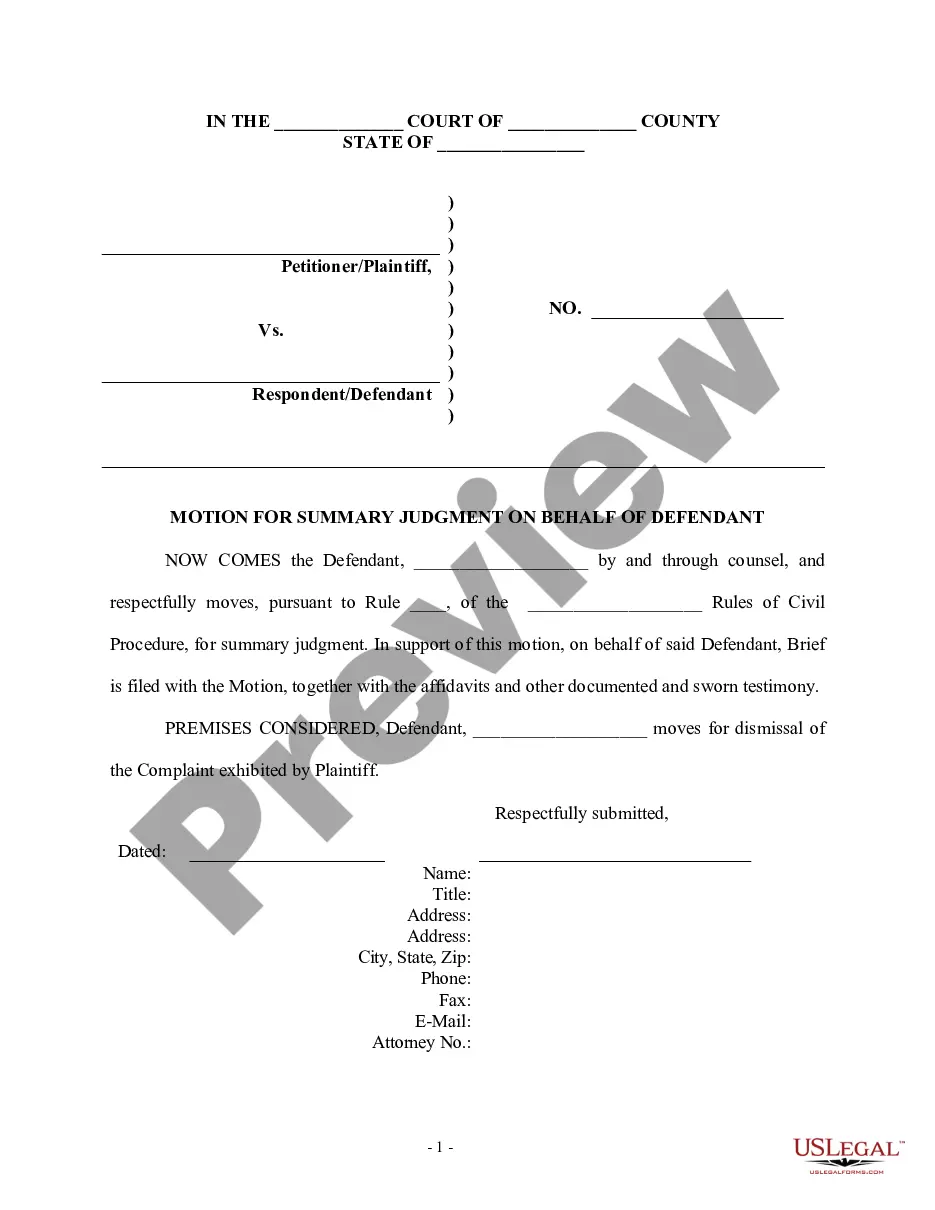
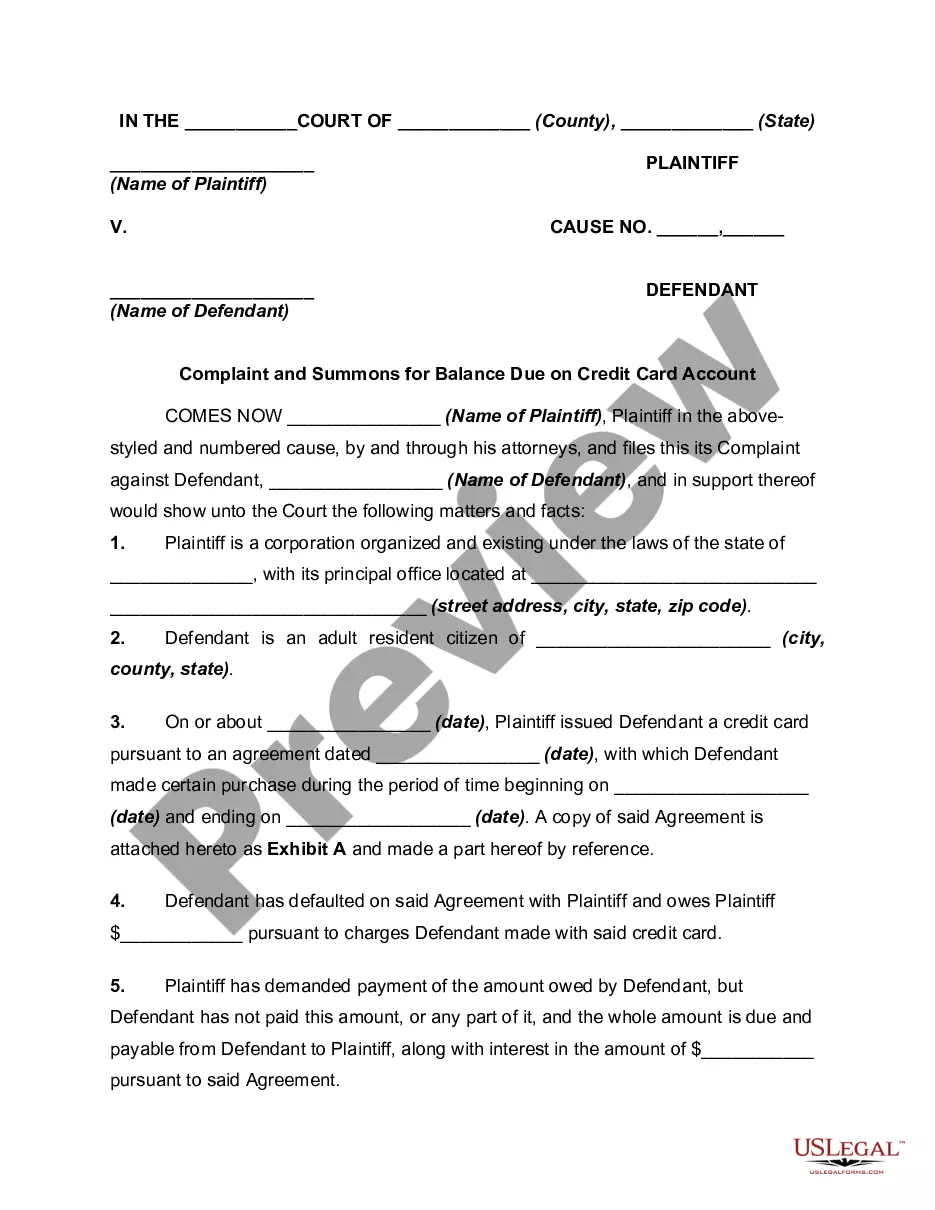
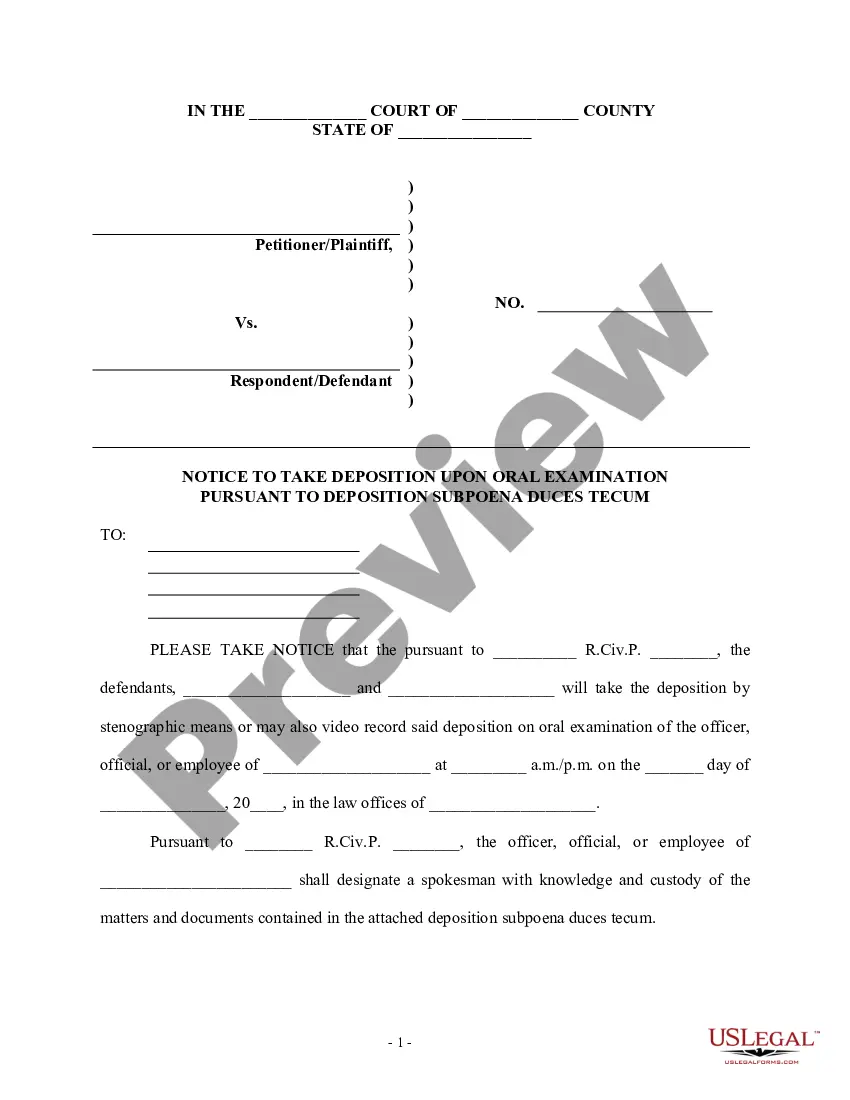
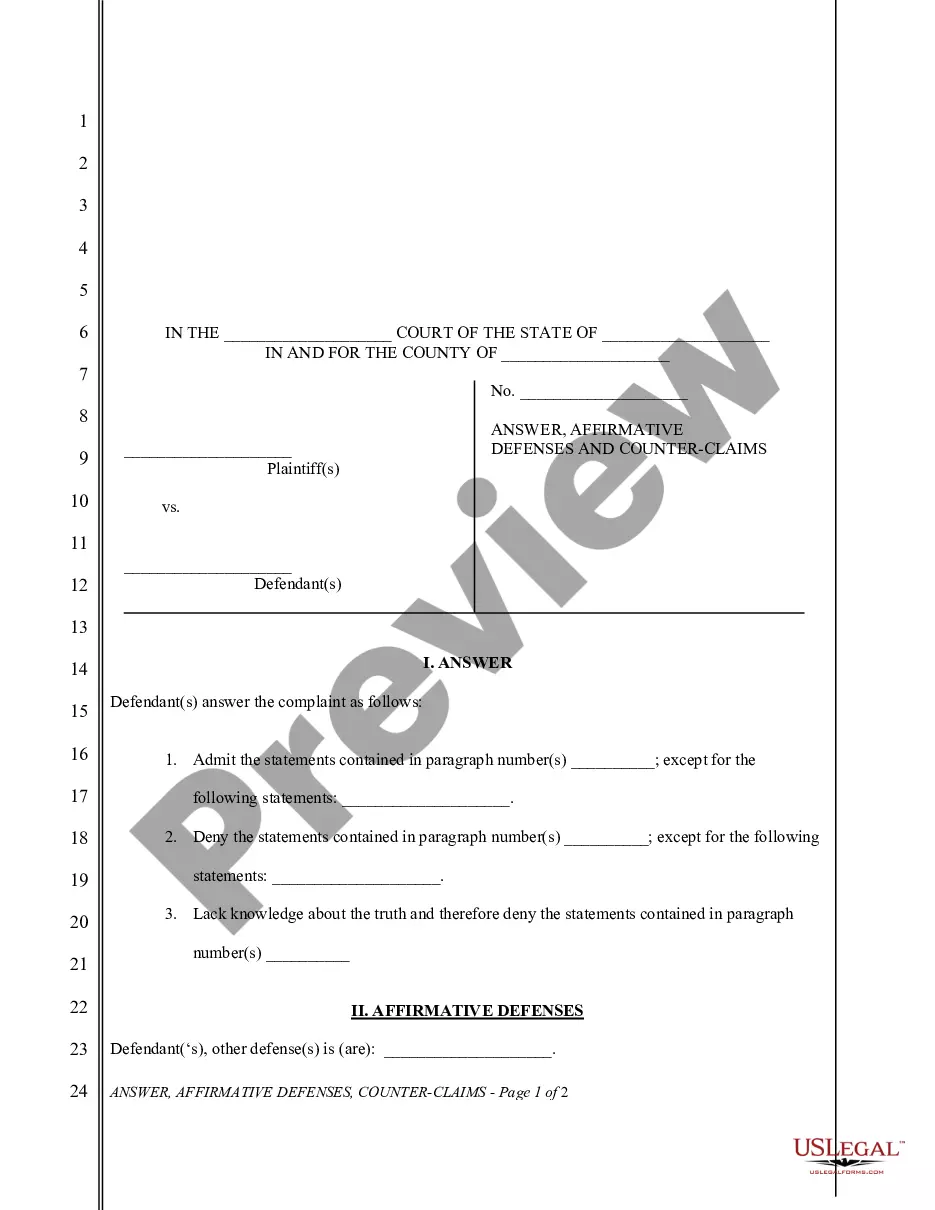

How to fill out Complaint For Specific Performance Of Real Estate Contract?
- Log in to your US Legal Forms account if you're an existing user to access your preferred templates. Ensure your subscription is active; if not, renew your plan as needed.
- In case this is your first time using our service, start by browsing the Preview mode and form descriptions to identify the correct template that aligns with your requirements and local jurisdiction.
- If necessary, refine your search using the Search tab to find the precise template needed. If you find your desired document, proceed to the next step.
- Purchase the selected document by clicking the 'Buy Now' button and choosing a subscription plan that fits your needs. An account registration will be required to access the library.
- Complete your transaction by entering your payment details, which may include credit card information or PayPal options.
- Finally, download your form and save it on your device. You can easily access it in the 'My Forms' section of your account whenever required.
US Legal Forms stands out with its diverse collection of over 85,000 fillable and editable legal forms, providing more options than most competitors at a comparable cost. Additionally, users can benefit from premium expert assistance to ensure documents are completed accurately and are legally sound.
In conclusion, leveraging US Legal Forms for your legal documentation needs simplifies the process of filing a suit for specific performance. Take the first step today and explore their vast library for your essential legal forms!
Form popularity
FAQ
An example of specific performance occurs when a seller is required to transfer ownership of a unique item, like an artwork or a rare collectible, as per contract terms. If the seller refuses to deliver the item, the buyer may file a suit for specific performance with example, compelling the seller to honor the contract. This is a powerful legal remedy that ensures the specific item is delivered as agreed, rather than just seeking financial compensation.
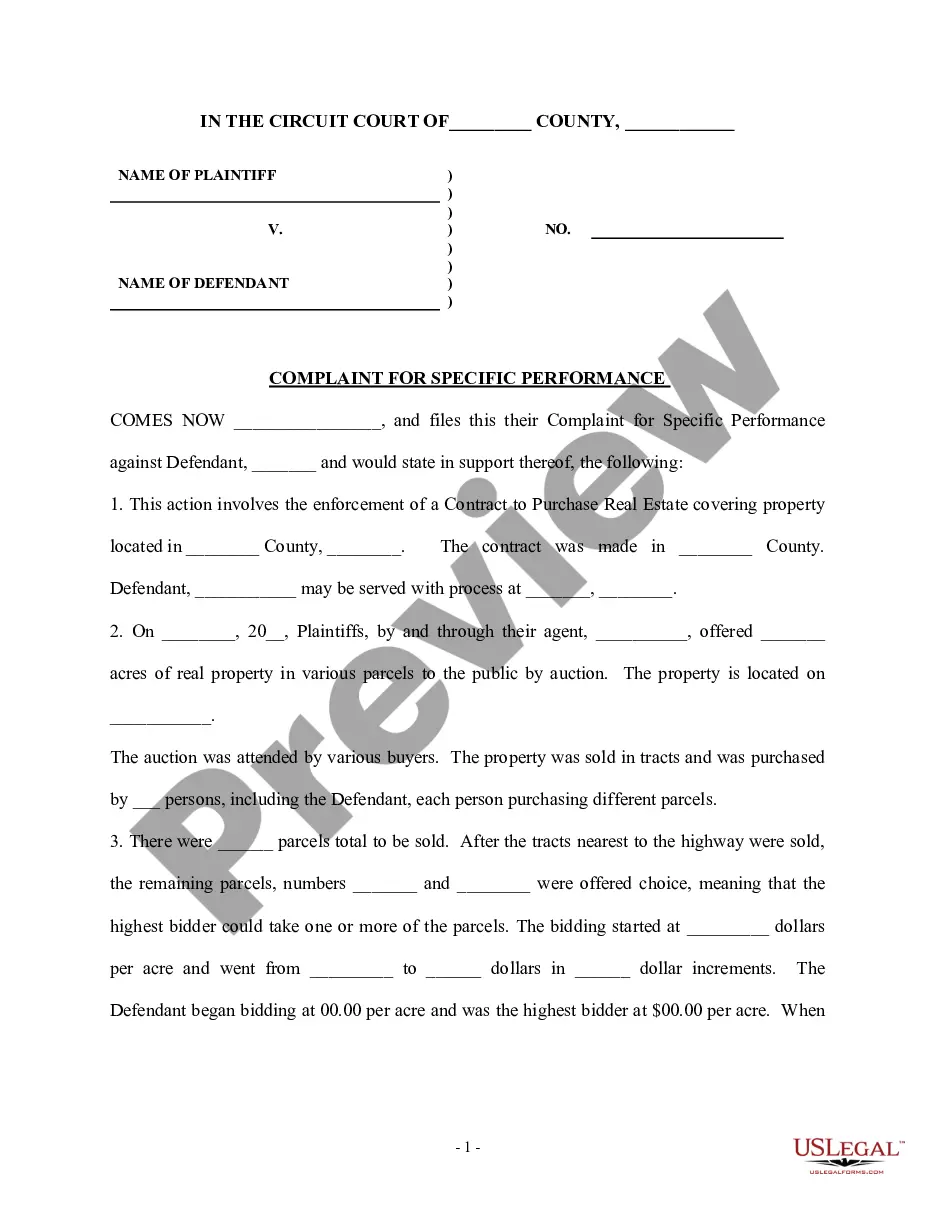
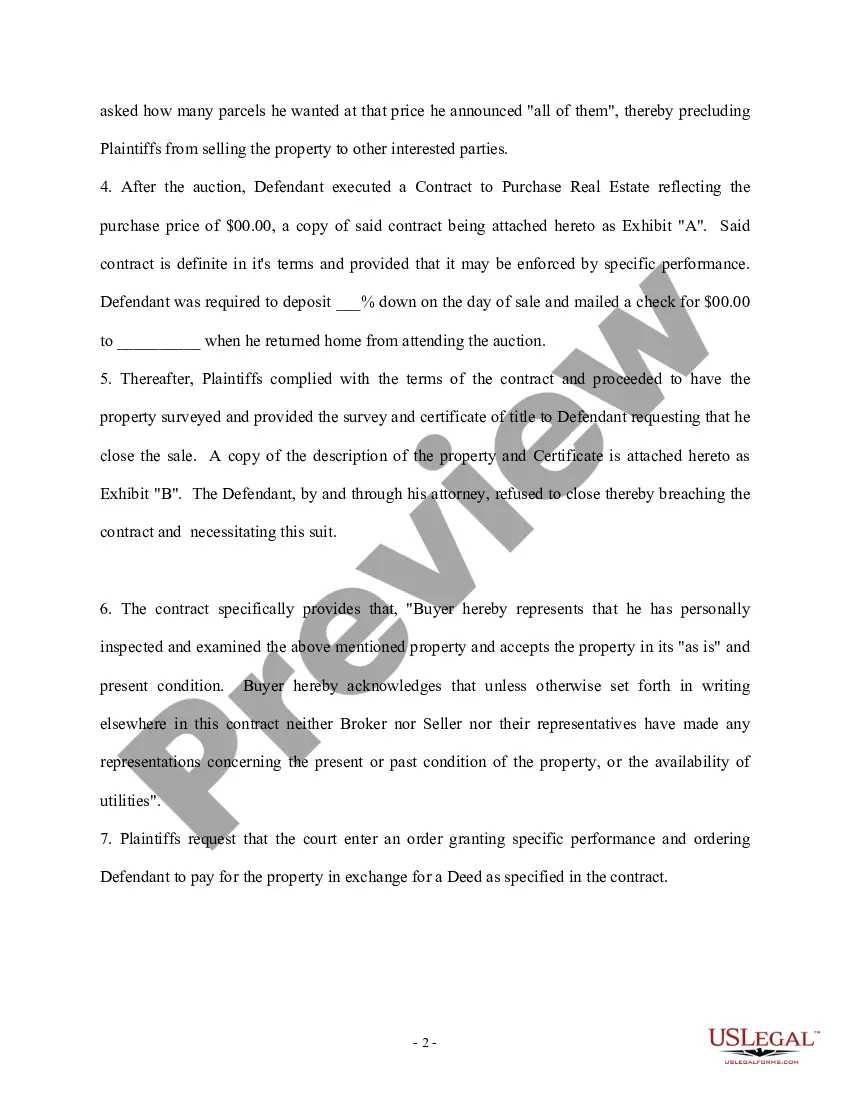
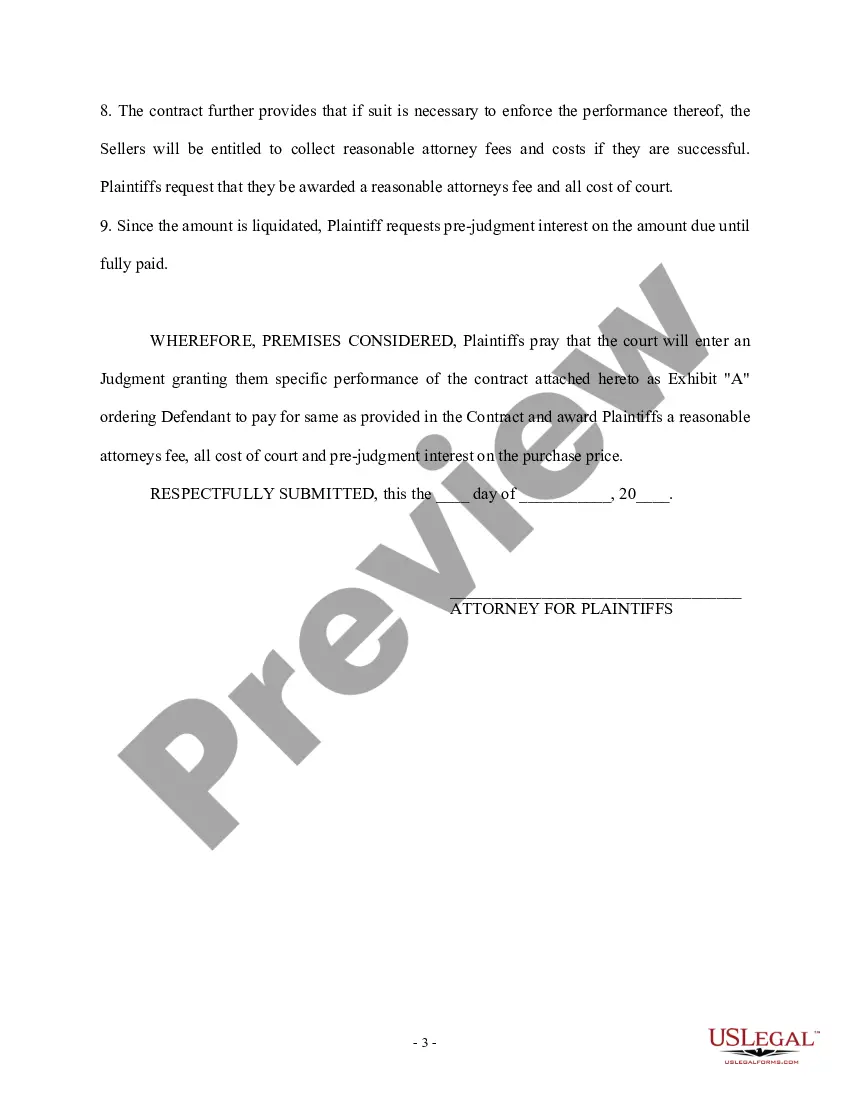
To request specific performance, you need to file a legal complaint that details the contract and the breach. Include evidence showcasing the validity of the contract and emphasize the need for the agreed terms to be fulfilled. By preparing this request meticulously, you enhance the likelihood of having your suit for specific performance with example granted by the court.
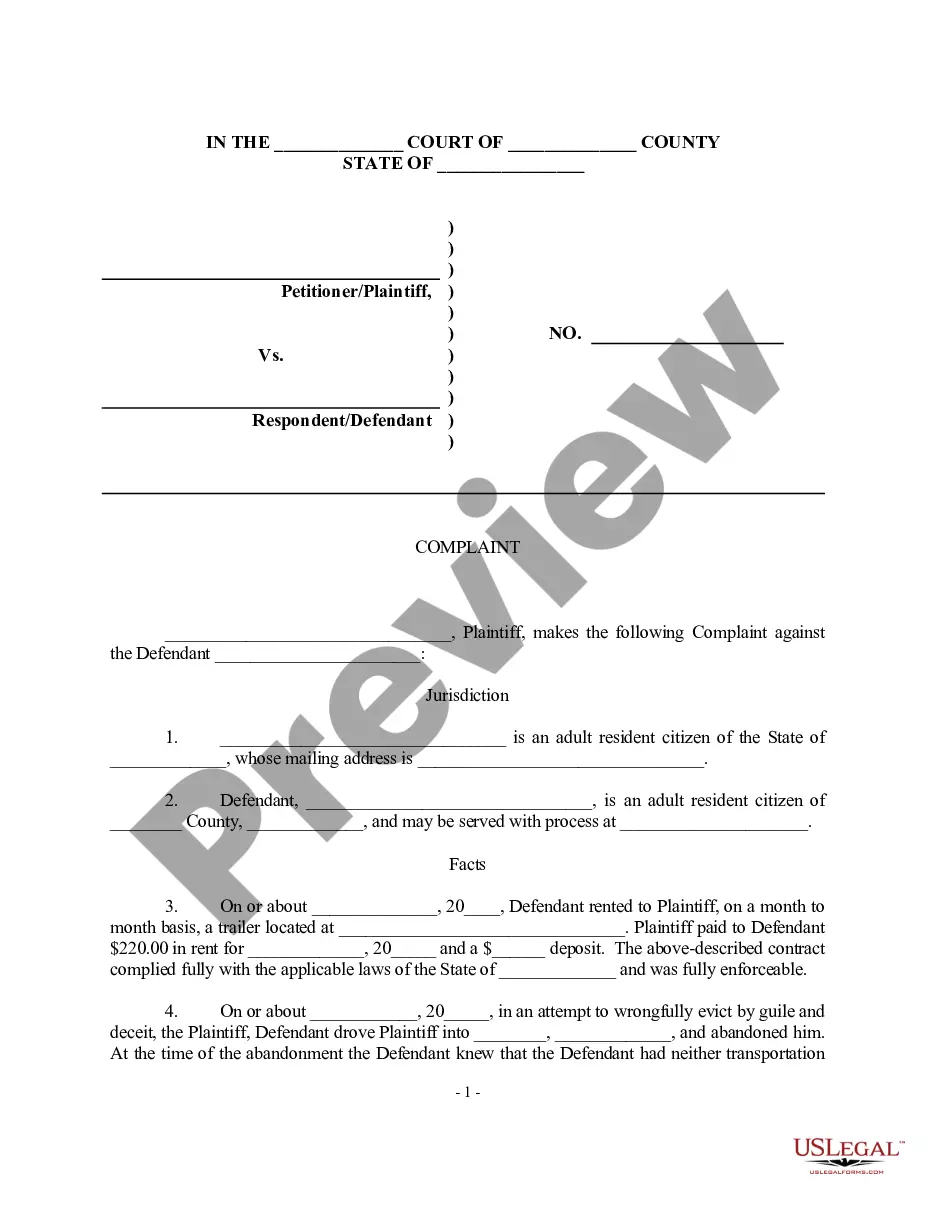
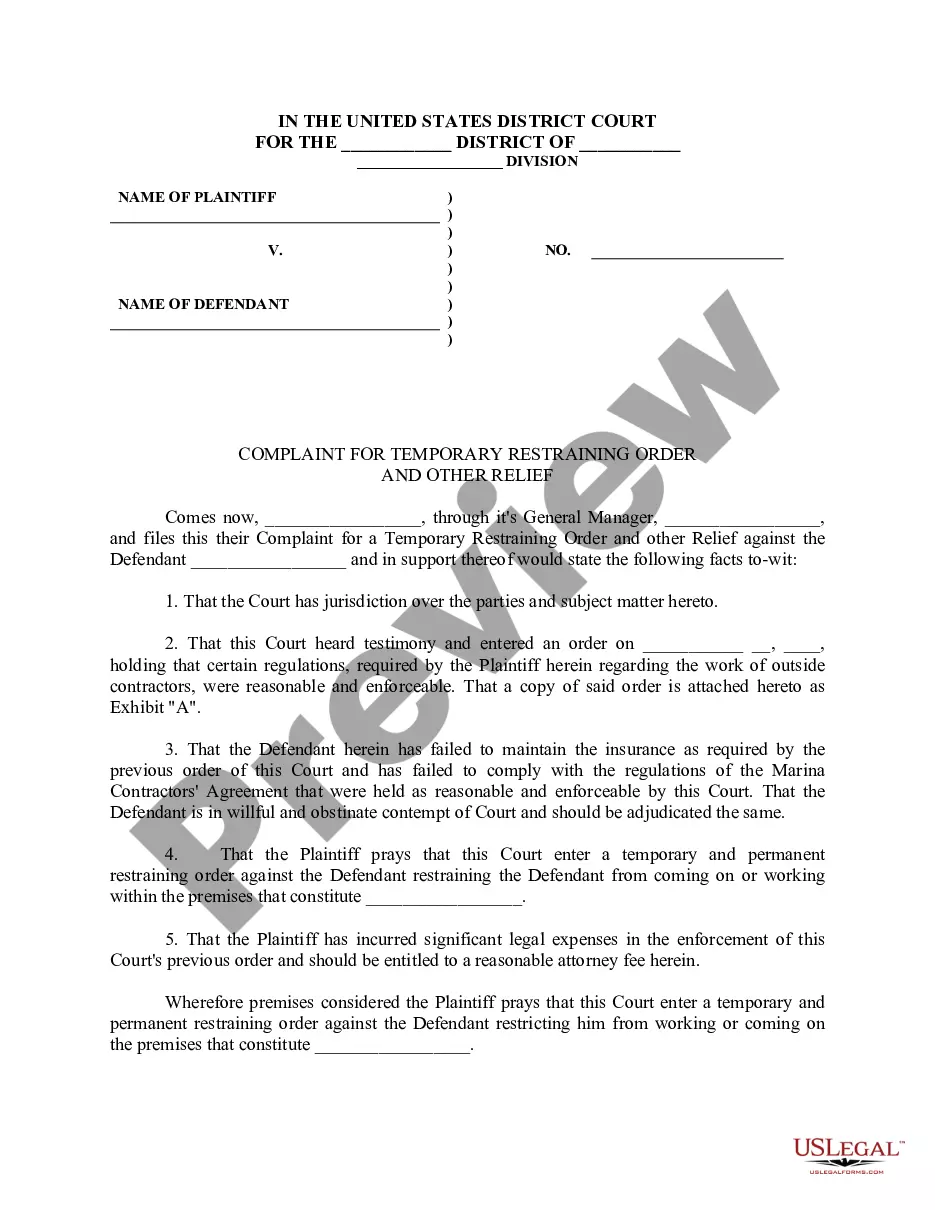
An example of a suit for specific performance of a contract could involve a real estate transaction where one party refuses to sell a property as agreed. In this scenario, the buyer can file a suit for specific performance with example, requesting the court to enforce the sale rather than just seeking monetary damages for the breach. This legal action aims to compel the seller to proceed with the transaction as outlined in the contract.
When you plead specific performance in a complaint, clearly outline the contract terms and the obligations of both parties. Be specific about how the other party failed to fulfill their end of the agreement, and explain why monetary damages are inadequate. Submitting a well-structured complaint with strong evidence can enhance your chances of a favorable ruling in your suit for specific performance with example.
To compel specific performance, a party must file a suit for specific performance with example in the appropriate court. This process typically involves proving that there is a valid contract, that the terms are clear, and that monetary damages would not adequately compensate for the breach. You may seek legal assistance to prepare your case effectively, ensuring that you present compelling evidence to support your claim.
Suing for specific performance is appropriate when monetary damages are insufficient to remedy a breach of contract. Examples include unique items such as real estate or rare collectibles where the item’s specific value is significant. In such cases, enforcing the original contract terms becomes essential.
A court may refuse an order of specific performance if it finds that the contract is vague or lacks essential terms. Additionally, if the agreement is deemed unconscionable or if the plaintiff has acted in bad faith, the court may deny the request. It's vital to understand these conditions before initiating legal action.
The burden of proof in a suit for specific performance lies with the party seeking the order. They must demonstrate that a valid contract exists and that the plaintiff is entitled to the specific performance requested. This typically involves providing evidence of the contract’s terms and the other party’s failure to comply.
To defend against a suit for specific performance, consider arguing that the contract is not valid or that circumstances have changed significantly. You may also show that the agreement lacks specificity or that the performance requested is no longer feasible. Presenting evidence and documentation will be crucial in supporting your defense.
Filing for specific performance involves detailing the contract and the specific obligations you want enforced in a legal document. You will file this document in a court that has jurisdiction over the matter. Be prepared to explain how the other party has failed to fulfill their part of the agreement.