Exempt Non Exempt Meaning
Description
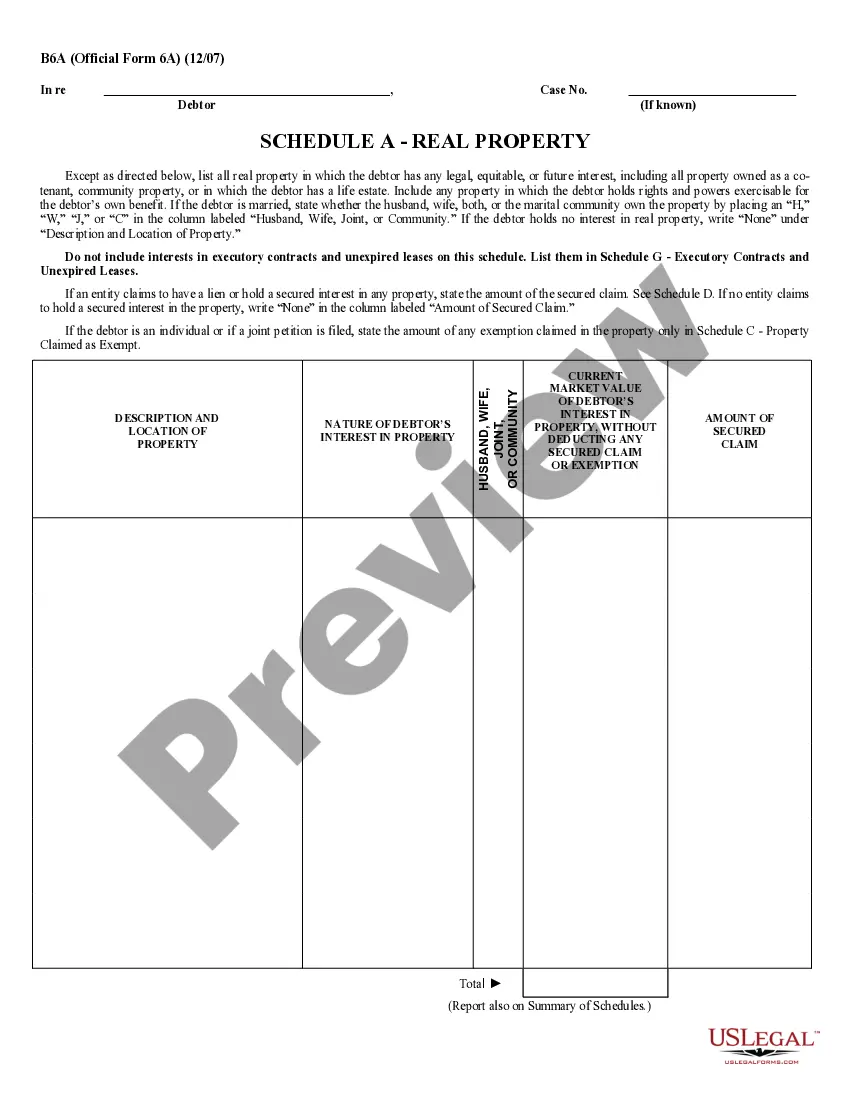
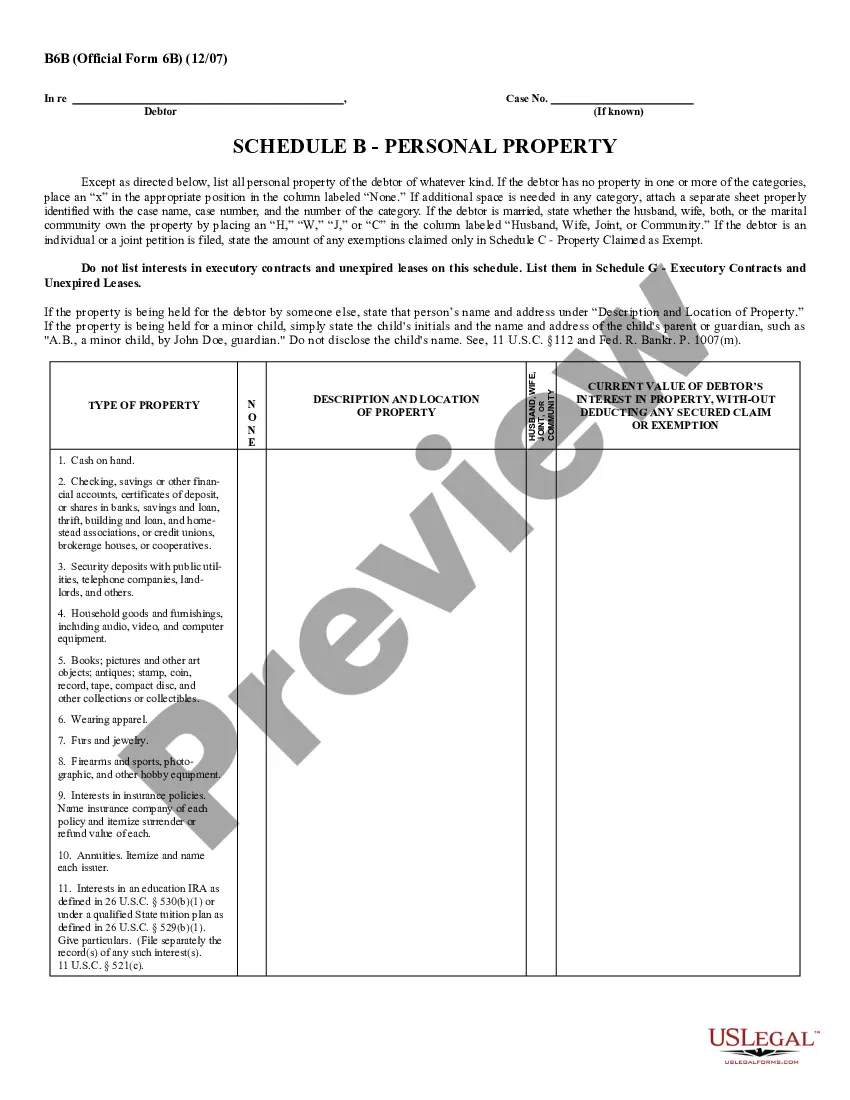

How to fill out Property Claimed As Exempt - Schedule C - Form 6C - Post 2005?
Creating legal documents from the ground up can frequently be intimidating.
Certain situations may require extensive research and substantial financial investment.
If you’re seeking a more straightforward and economical method of drafting Exempt Non Exempt Meaning or any other paperwork without unnecessary complications, US Legal Forms is readily available.
Our online collection of over 85,000 current legal documents encompasses nearly every facet of your financial, legal, and personal matters.
Examine the form preview and descriptions to ensure you’re on the correct document. Verify that the selected form meets your state and county’s requirements. Select the appropriate subscription option to obtain the Exempt Non Exempt Meaning. Download the form, then fill it out, sign it, and print it. US Legal Forms boasts an impeccable reputation and over 25 years of experience. Join us today and simplify the document execution process!
- With just a few clicks, you can swiftly access forms that comply with state and county regulations, meticulously prepared by our legal experts.
- Utilize our website whenever you require a dependable and trustworthy service that allows you to easily find and download the Exempt Non Exempt Meaning.
- If you’re a returning user and have previously established an account with us, simply Log In to your account, choose the template, and download it or re-download it anytime in the My documents section.
- Not signed up yet? No worries. It takes minimal time to create an account and navigate the library.
- However, before directly downloading Exempt Non Exempt Meaning, consider these suggestions.
Form popularity
FAQ
Nonexempt: Employees primarily performing work that is subject to the overtime provisions of the Fair Labor Standards Act. Overtime pay is required.
What does non-exempt mean? If employees are non-exempt, it means they are entitled to minimum wage and overtime pay when they work more than 40 hours per week.
Exempt employees usually hold administrative, professional, or executive positions. They're ?exempt? from the Fair Labor Standards Act overtime regulations and, therefore, not entitled to overtime pay. Nonexempt employees are typically paid hourly and perform more manual or technical duties.
Examples of employees who can receive a non-exempt salary include: Certain employees commissioned to sell services to end-consumers, such as mechanics and aircraft salespeople. Employees of taxis, air carriers, railroads and delivery companies who receive salary for approved trip rates.
Nonexempt: An individual who is not exempt from the overtime provisions of the FLSA and is therefore entitled to overtime pay for all hours worked beyond 40 in a workweek (as well as any state overtime provisions).