Intermittent Fmla Leave For Pregnancy
Description
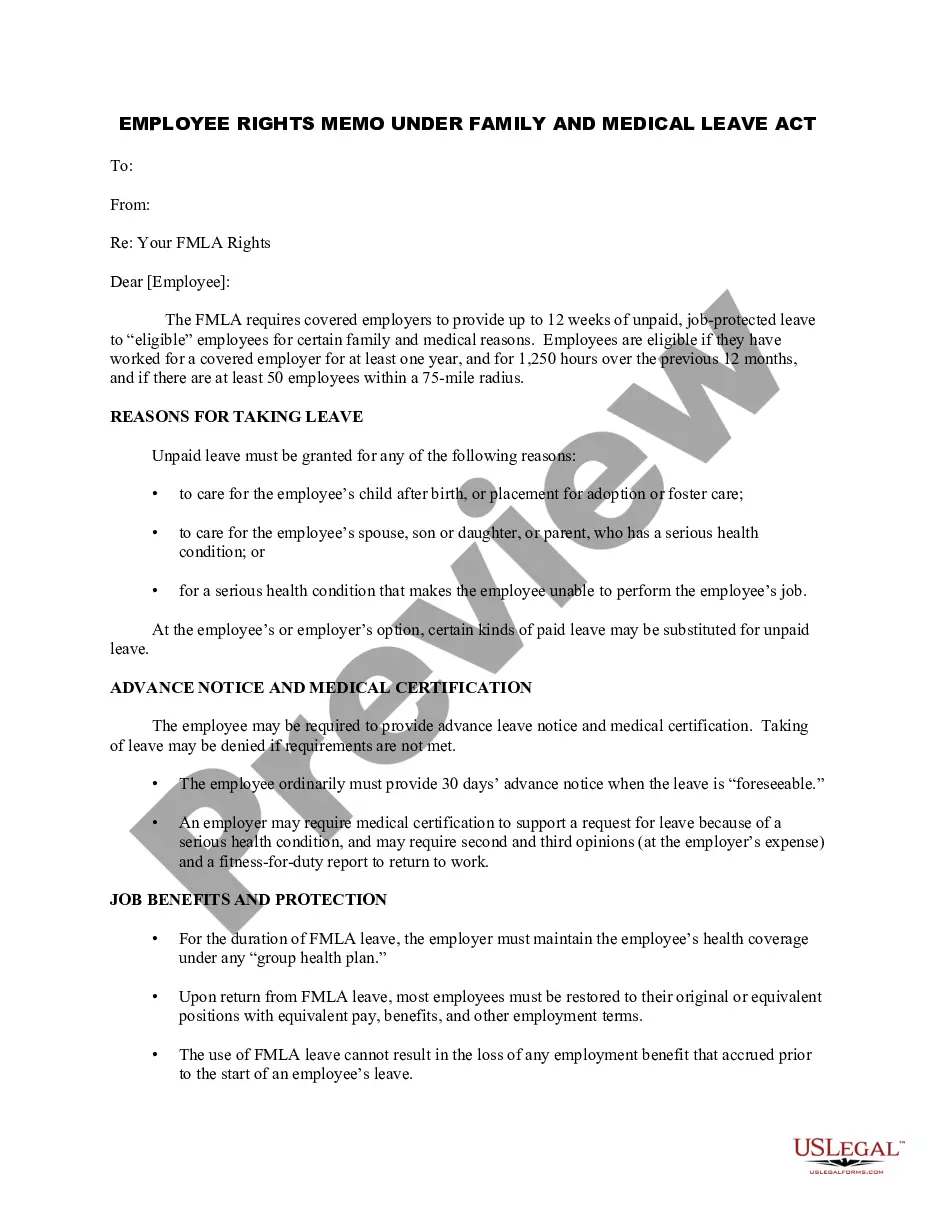
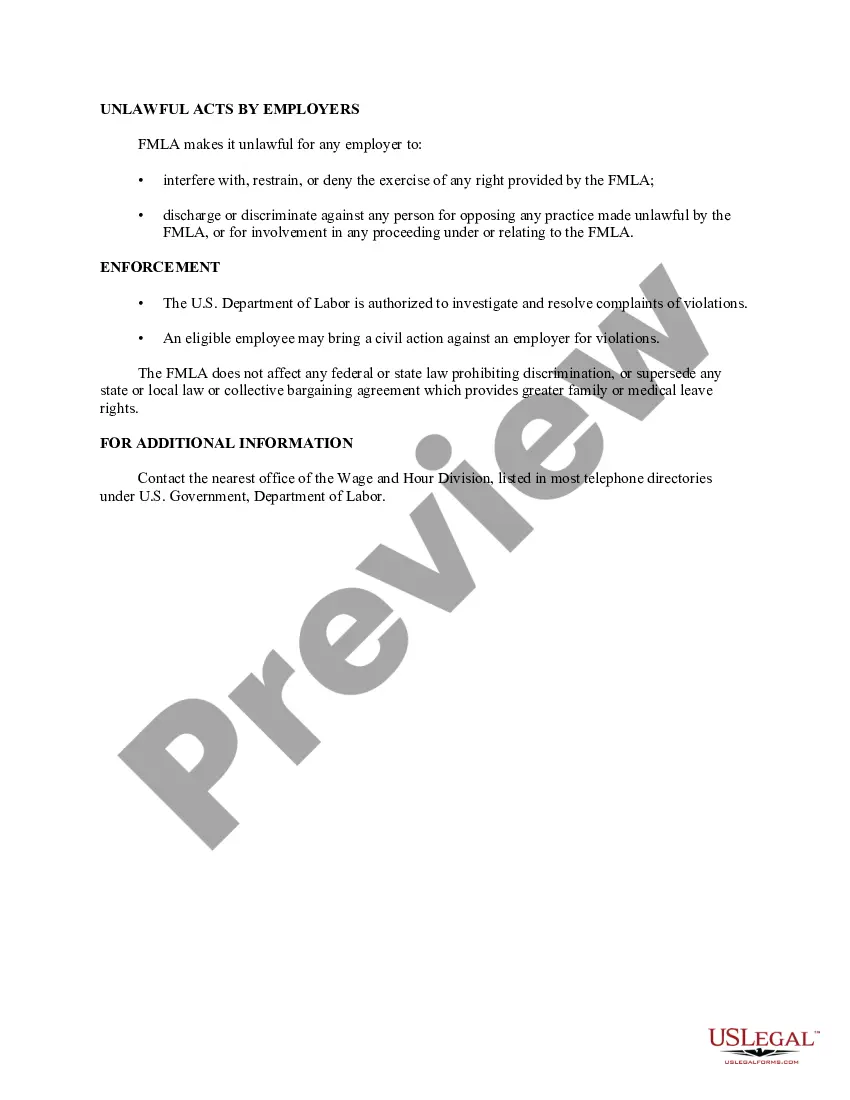
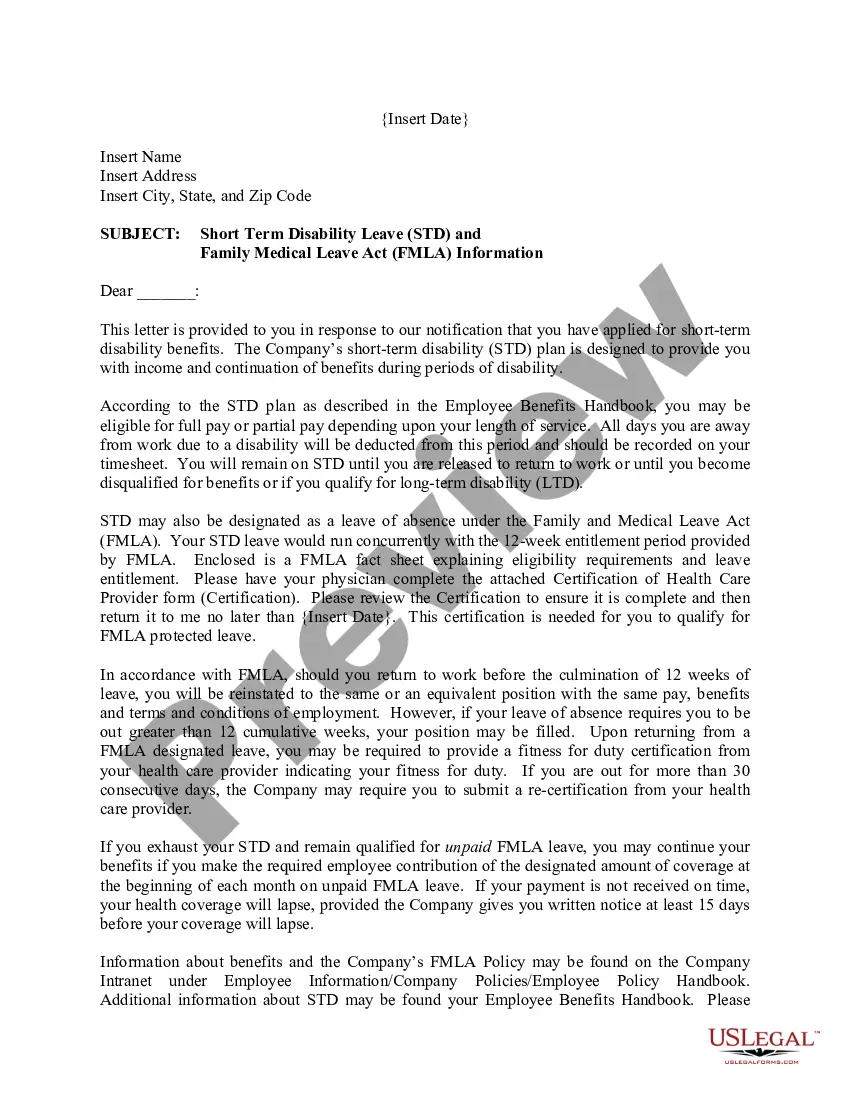
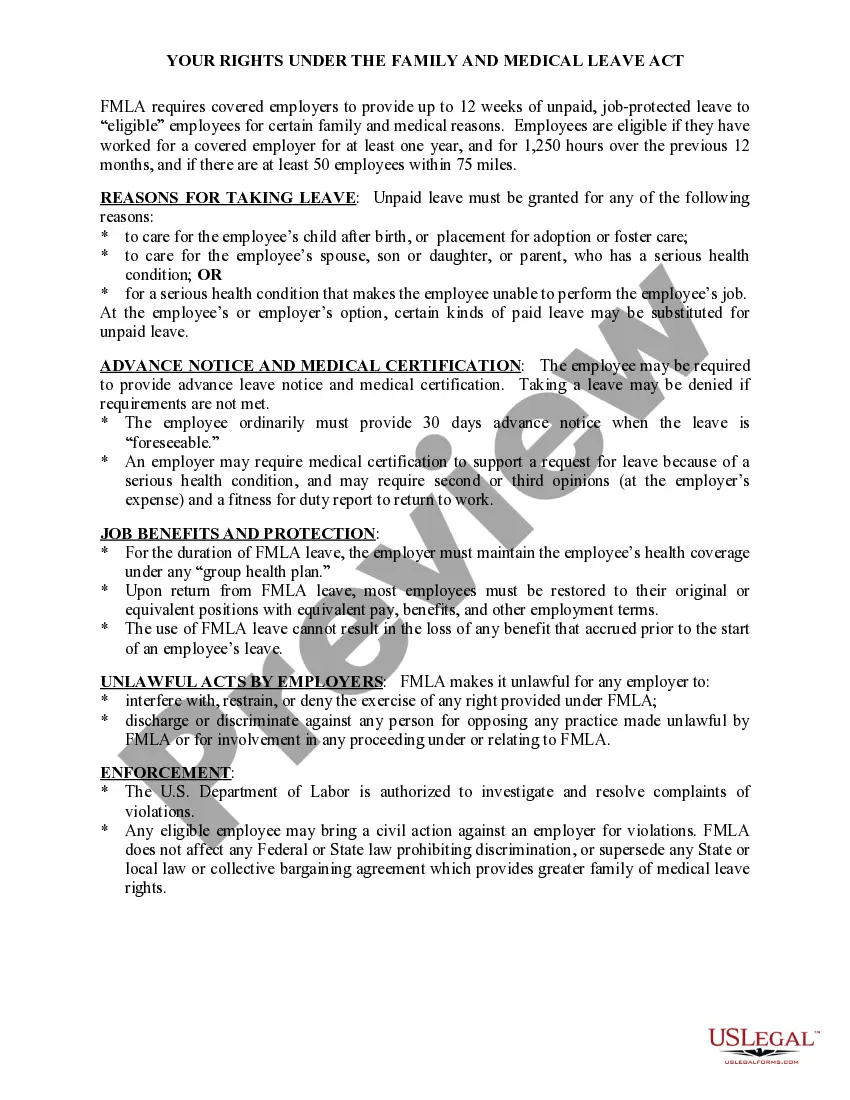
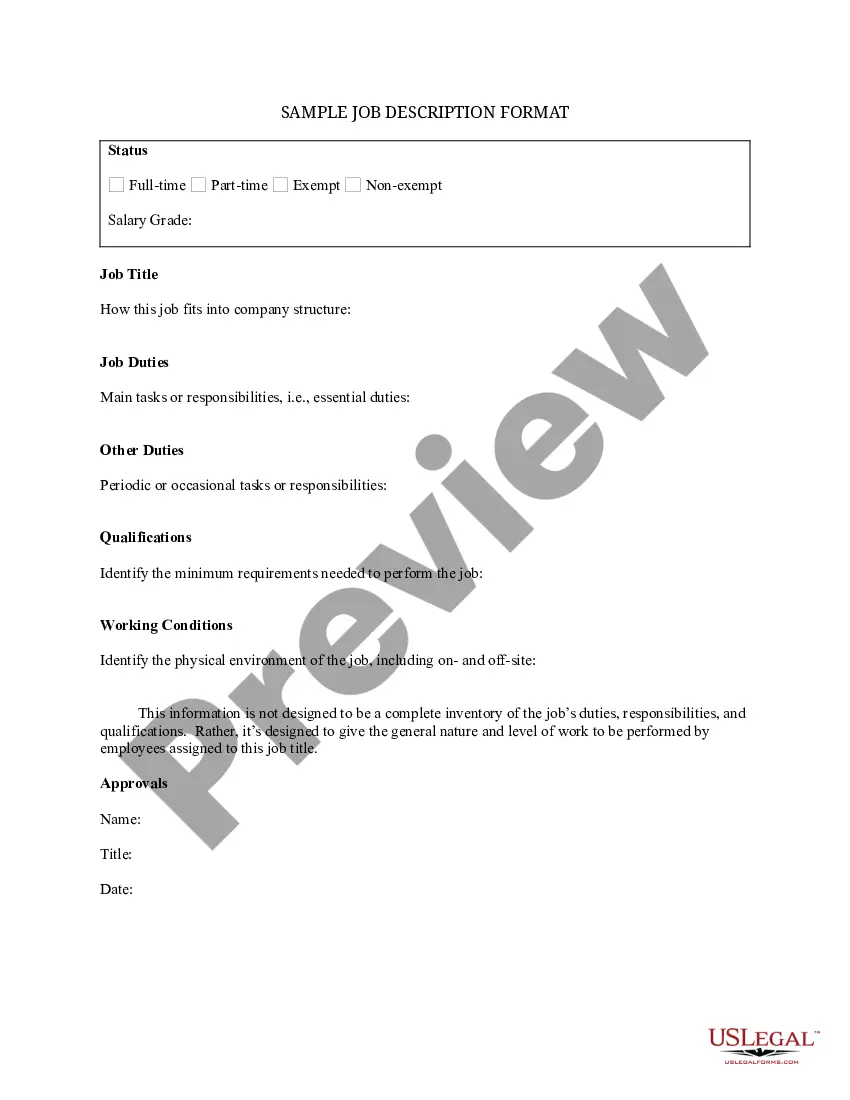

How to fill out Employee Rights Memo Under The Family And Medical Leave Act?
Legal administration can be daunting, even for the most proficient experts.
When you are looking for an Intermittent Fmla Leave For Pregnancy and lack the opportunity to invest time searching for the correct and up-to-date version, the process can be taxing.
Draw from a knowledge base of articles, guides, and resources highly applicable to your circumstances and requirements.
Conserve time and energy searching for the documents you need, and utilize US Legal Forms’ sophisticated search and Preview feature to identify Intermittent Fmla Leave For Pregnancy and acquire it.
Select Buy Now when you are ready. Choose a monthly subscription plan. Locate the format you desire, and Download, fill out, eSign, print, and dispatch your documents. Experience the US Legal Forms online library, backed by 25 years of expertise and reliability. Transform your everyday document management into a streamlined and user-friendly experience today.
- If you have a monthly membership, Log In to your US Legal Forms account, look for the document, and download it.
- Visit the My documents section to review the documents you have previously downloaded and to manage your folders as you desire.
- If you are new to US Legal Forms, create a complimentary account and gain unlimited access to all platform features.
- Here are the actions to follow after obtaining the document you require.
- Verify that this is the right form by previewing it and reviewing its description.
- Confirm that the template is sanctioned in your state or county.
- Utilize state- or county-specific legal and business documents.
- US Legal Forms accommodates any needs you may have, from personal to corporate documents, all in one location.
- Employ cutting-edge tools to complete and manage your Intermittent Fmla Leave For Pregnancy.
Form popularity
FAQ
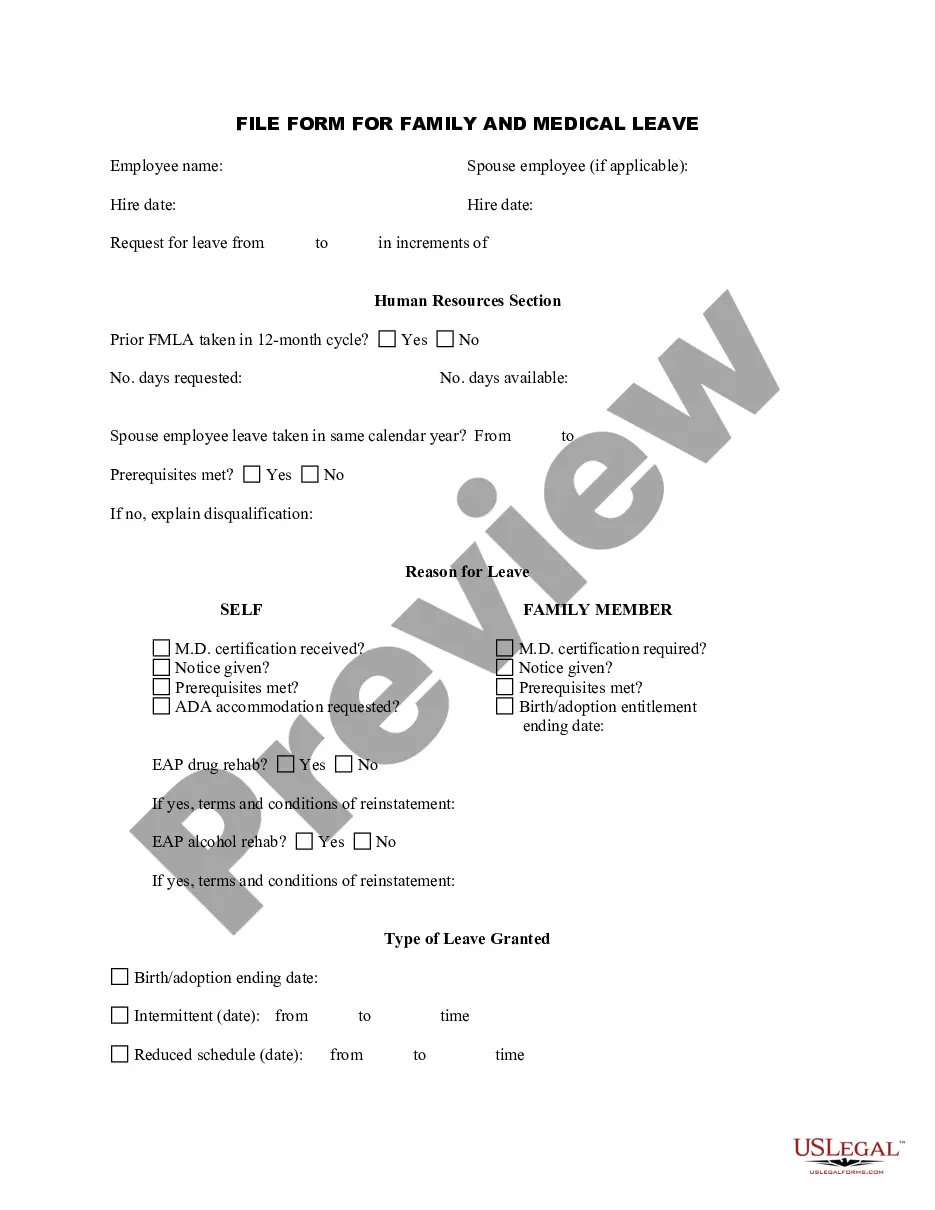
Filling out FMLA paperwork for maternity leave involves completing the required forms provided by your employer. Clearly state your reason for leave as pregnancy-related, and indicate if you plan to use intermittent FMLA leave for pregnancy. Be sure to include any medical certifications or documentation needed to support your request. If you need assistance with the forms, USLegalForms offers resources to guide you through the process.
To obtain short-term disability while pregnant, start by checking your employer’s policy regarding disability benefits. Typically, you need to file a claim with supporting medical documentation from your healthcare provider. Short-term disability can provide income replacement during your maternity leave, including periods of intermittent FMLA leave for pregnancy. It’s important to understand your benefits and any waiting periods involved.
Yes, you can take maternity leave intermittently under the FMLA if your healthcare provider supports this approach. Intermittent FMLA leave for pregnancy allows you to take time off in smaller increments, making it easier to manage your health and work commitments. Coordinate with your employer to establish a leave schedule that works for both parties. This flexibility can help you balance your needs during pregnancy.
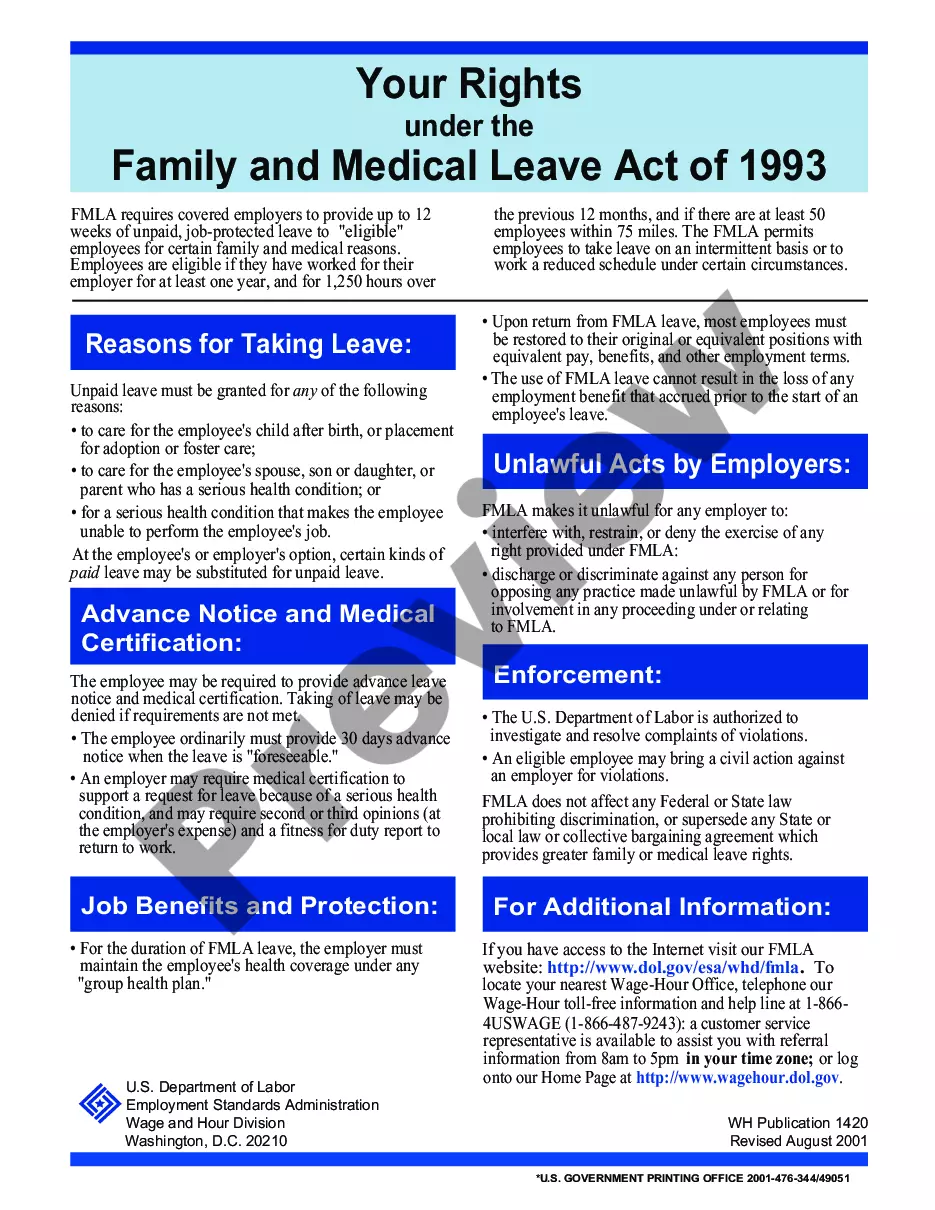
To obtain FMLA while pregnant, you need to be eligible under the Family and Medical Leave Act. This typically requires working for a covered employer for at least 12 months and clocking 1,250 hours of service in the past year. Once eligible, you can apply for intermittent FMLA leave for pregnancy, allowing you to take time off as needed during your pregnancy. Ensure you provide your employer with sufficient notice and any required documentation.
Conditions that qualify for intermittent FMLA leave include serious health issues, recovery from surgery, or ongoing medical treatments related to pregnancy. Each situation is evaluated based on medical necessity, so it is vital to consult with your healthcare provider. Understanding these conditions can help you effectively utilize intermittent FMLA leave for pregnancy when needed.
To obtain intermittent FMLA leave for pregnancy, start by notifying your employer of your need for leave. You will likely need to provide medical documentation from your healthcare provider outlining your condition and the necessity for intermittent leave. Platforms like USLegalForms can help guide you through the necessary paperwork and ensure you meet all requirements.
Yes, you can take intermittent FMLA leave for pregnancy. This allows you to address medical appointments, complications, or recovery needs without taking a full leave of absence. Utilizing intermittent FMLA for pregnancy can help you balance your work responsibilities while taking care of your health.
Intermittent FMLA refers to taking leave in separate blocks of time rather than in one continuous stretch. This could mean taking time off for doctor's visits, recovery periods, or other pregnancy-related needs. To qualify, you must have a serious health condition that requires care or treatment, allowing you to use intermittent FMLA leave for pregnancy.
The Family and Medical Leave Act (FMLA) allows eligible employees to take up to 12 weeks of unpaid leave for specific family and medical reasons, including pregnancy. During this time, you can maintain your job and health benefits. If you need to take intermittent FMLA leave for pregnancy, you can do so in smaller increments, which provides flexibility for medical appointments or recovery.