It Contracts Under For Small Business
Description
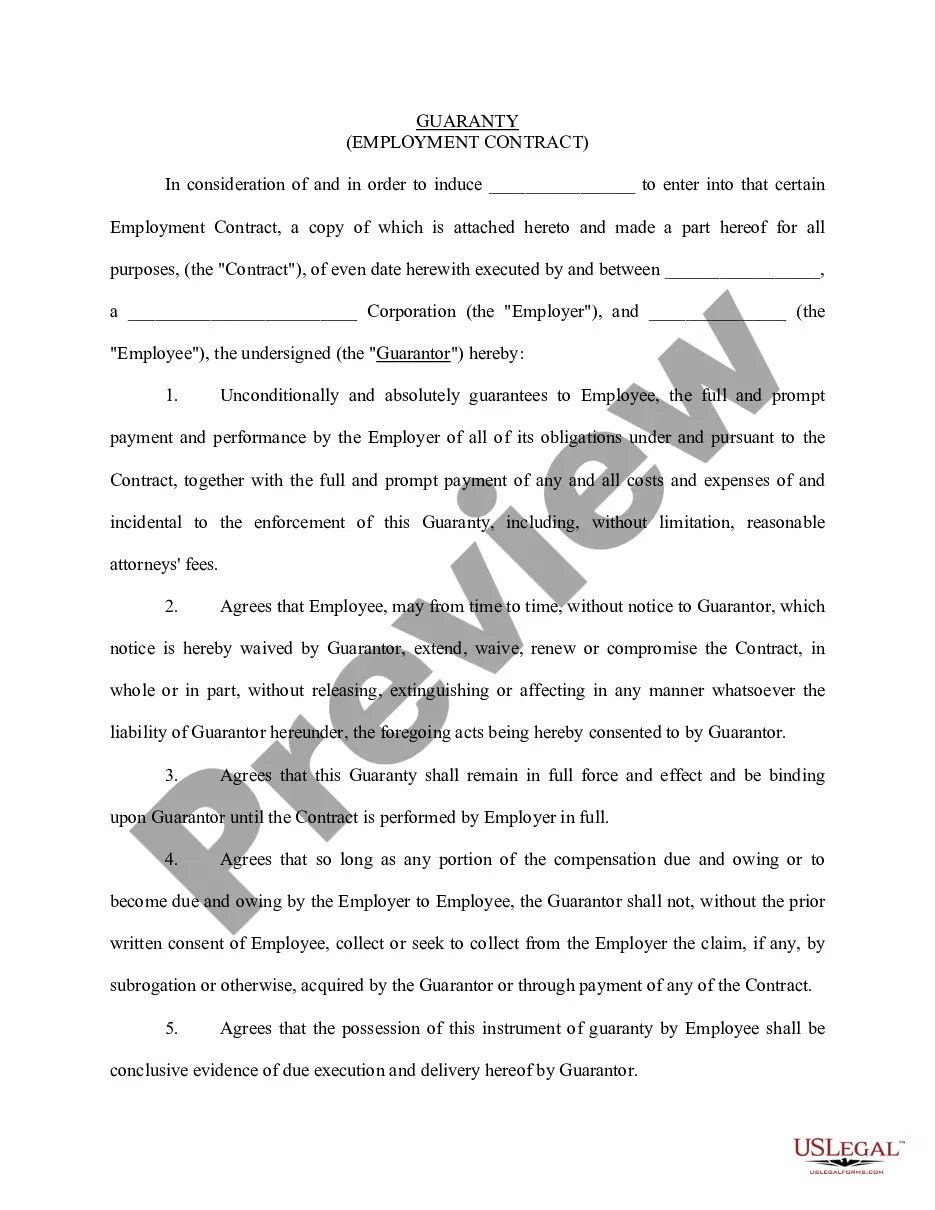
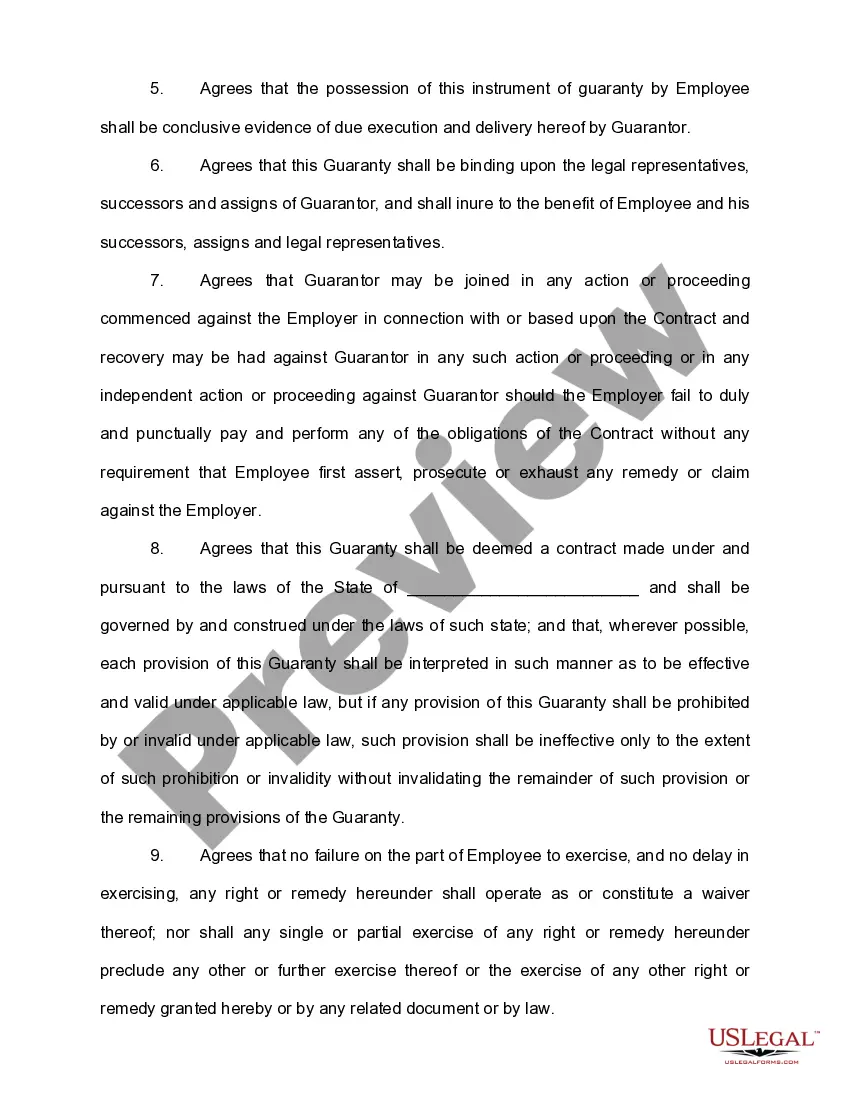
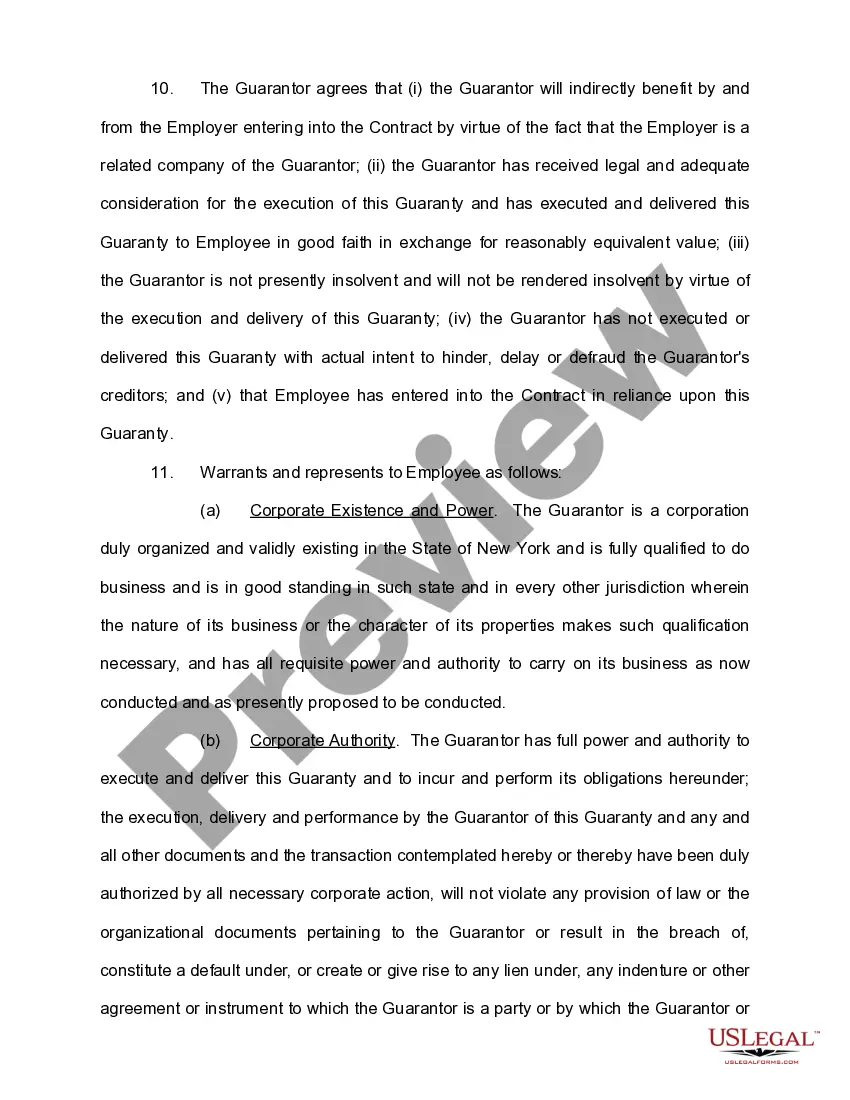
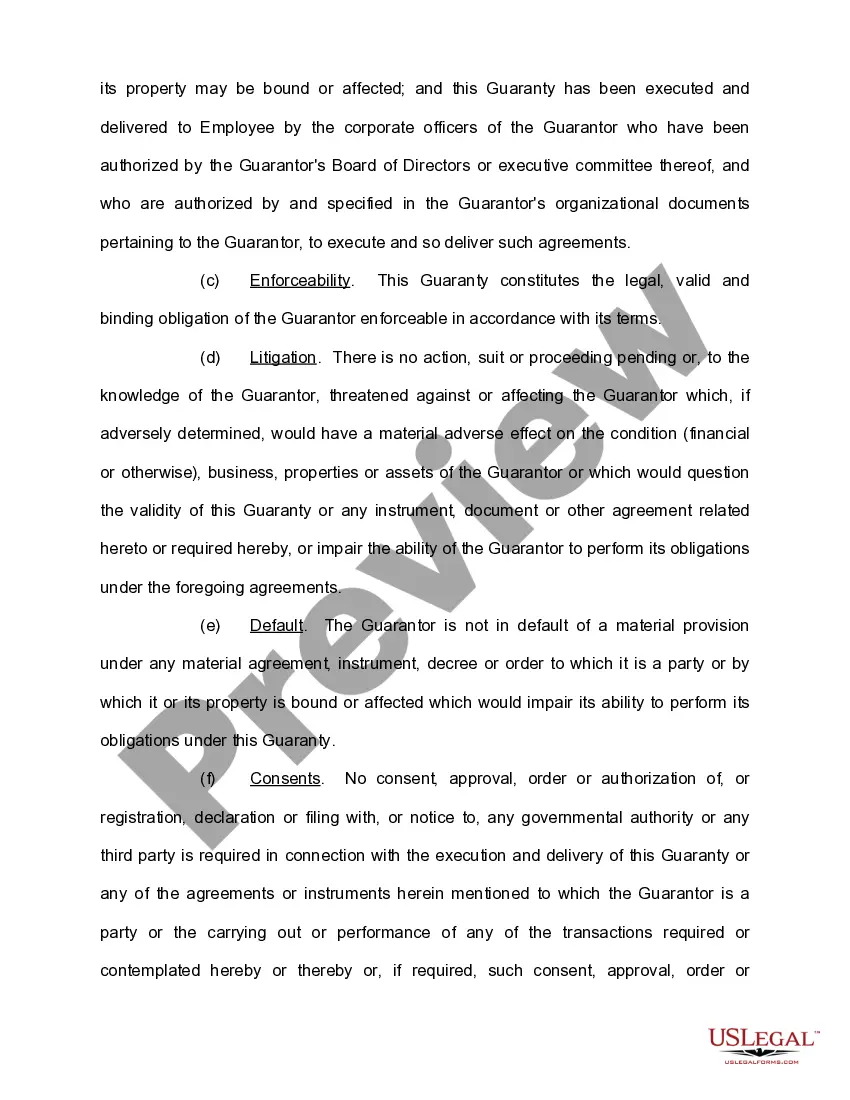

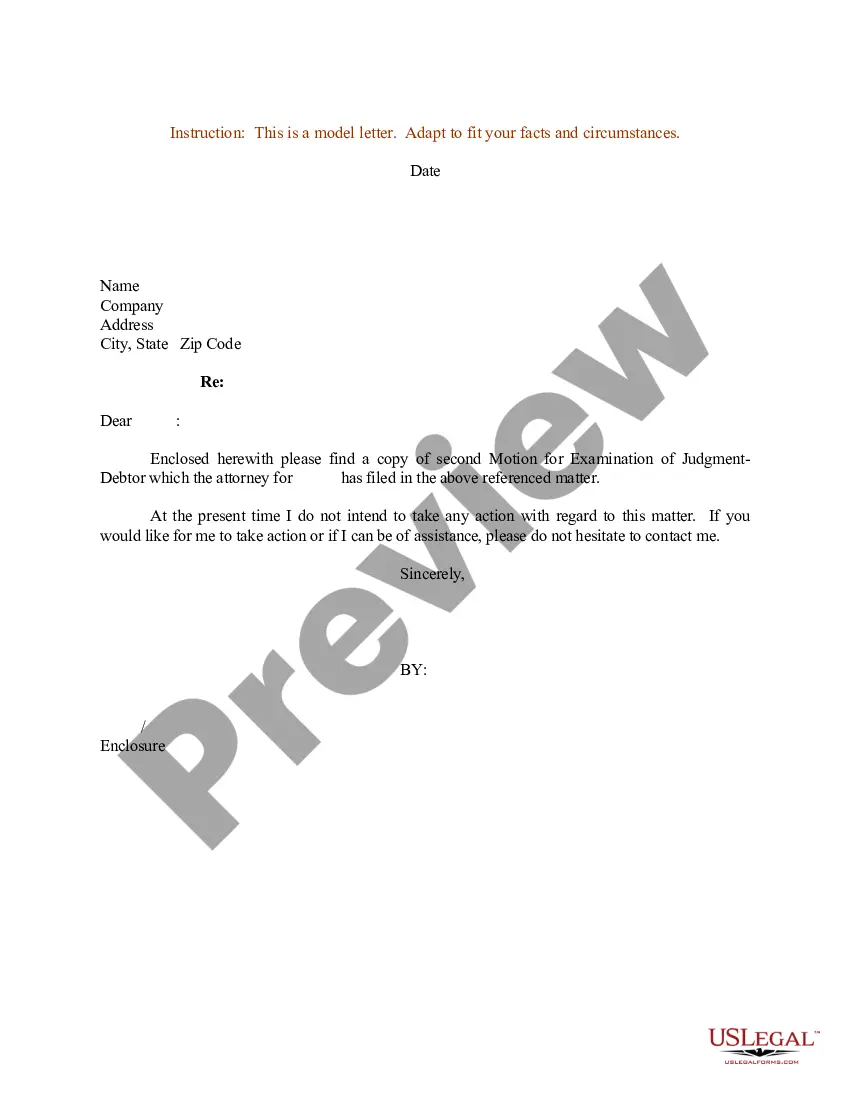
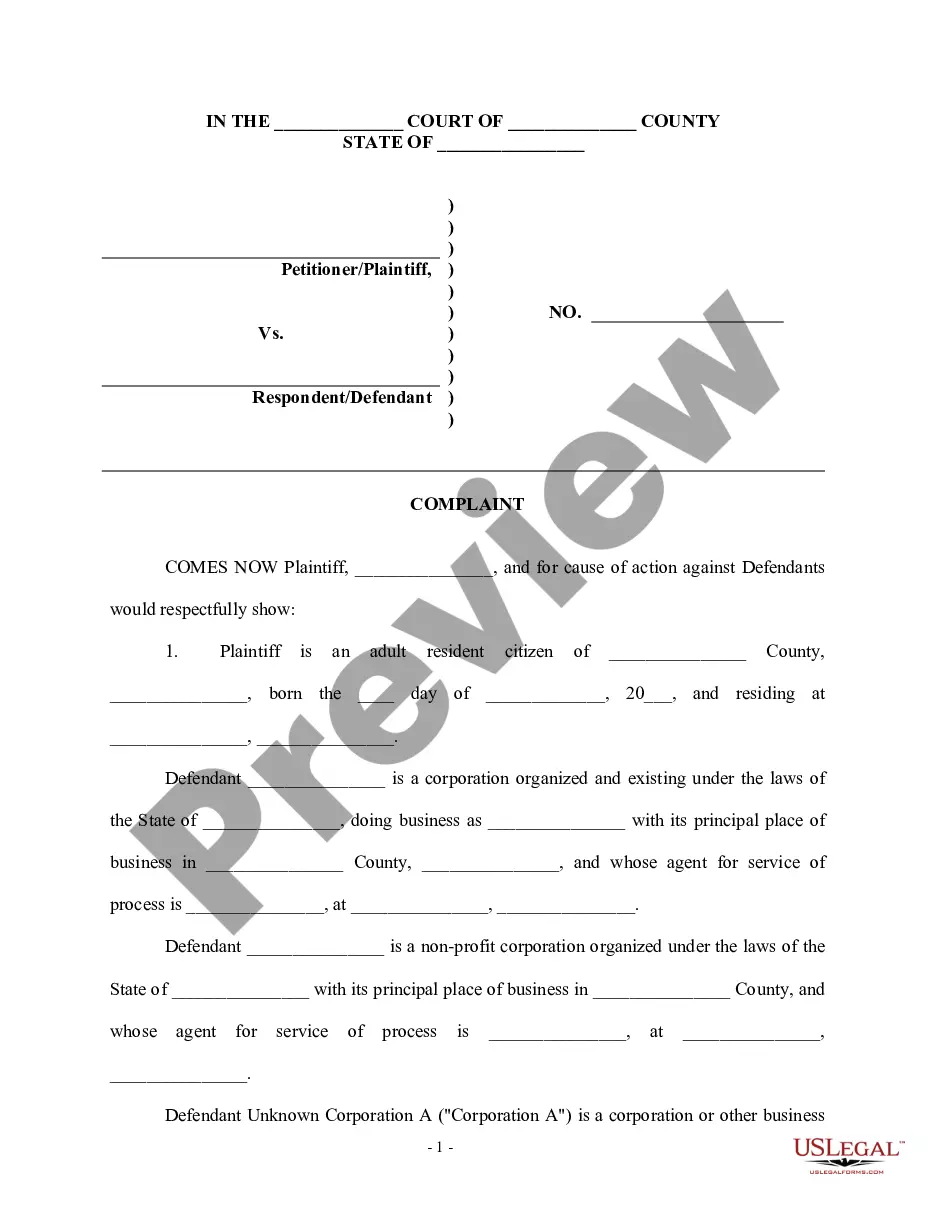
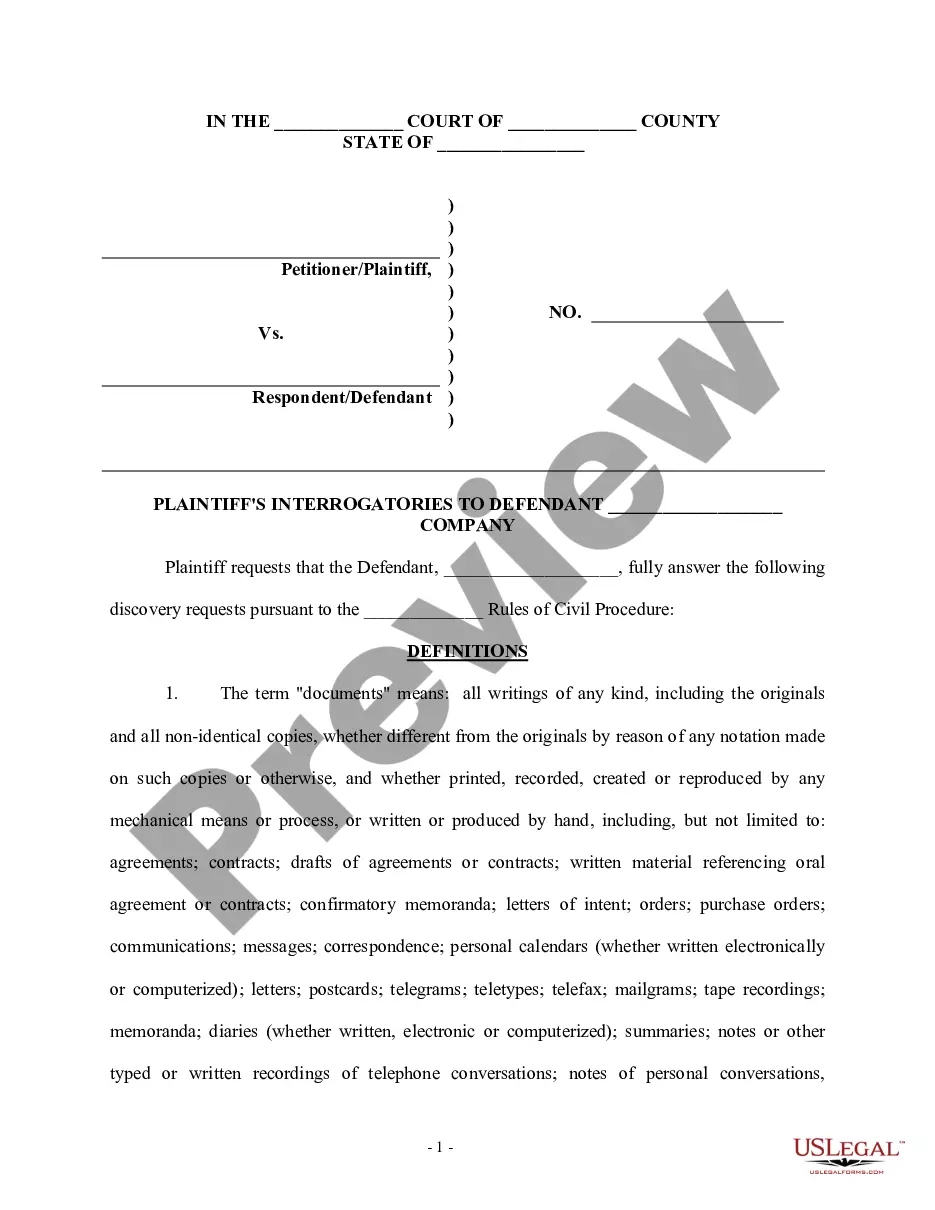
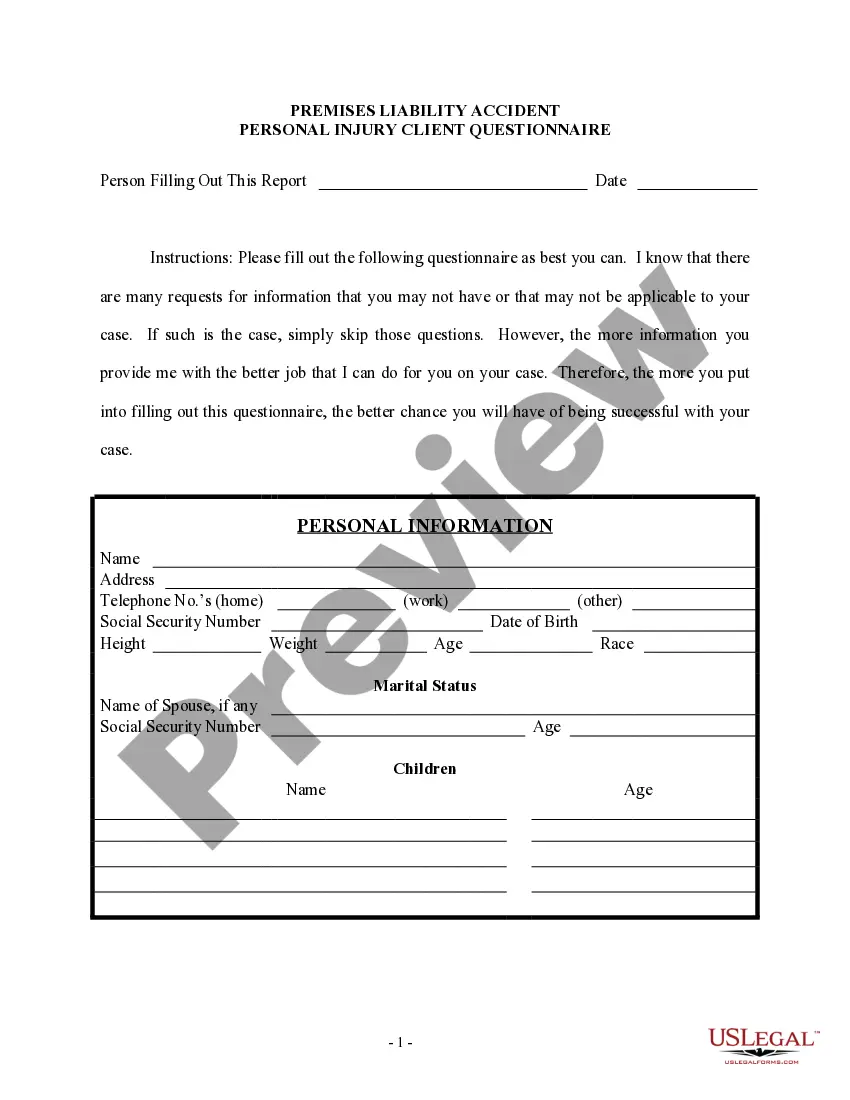
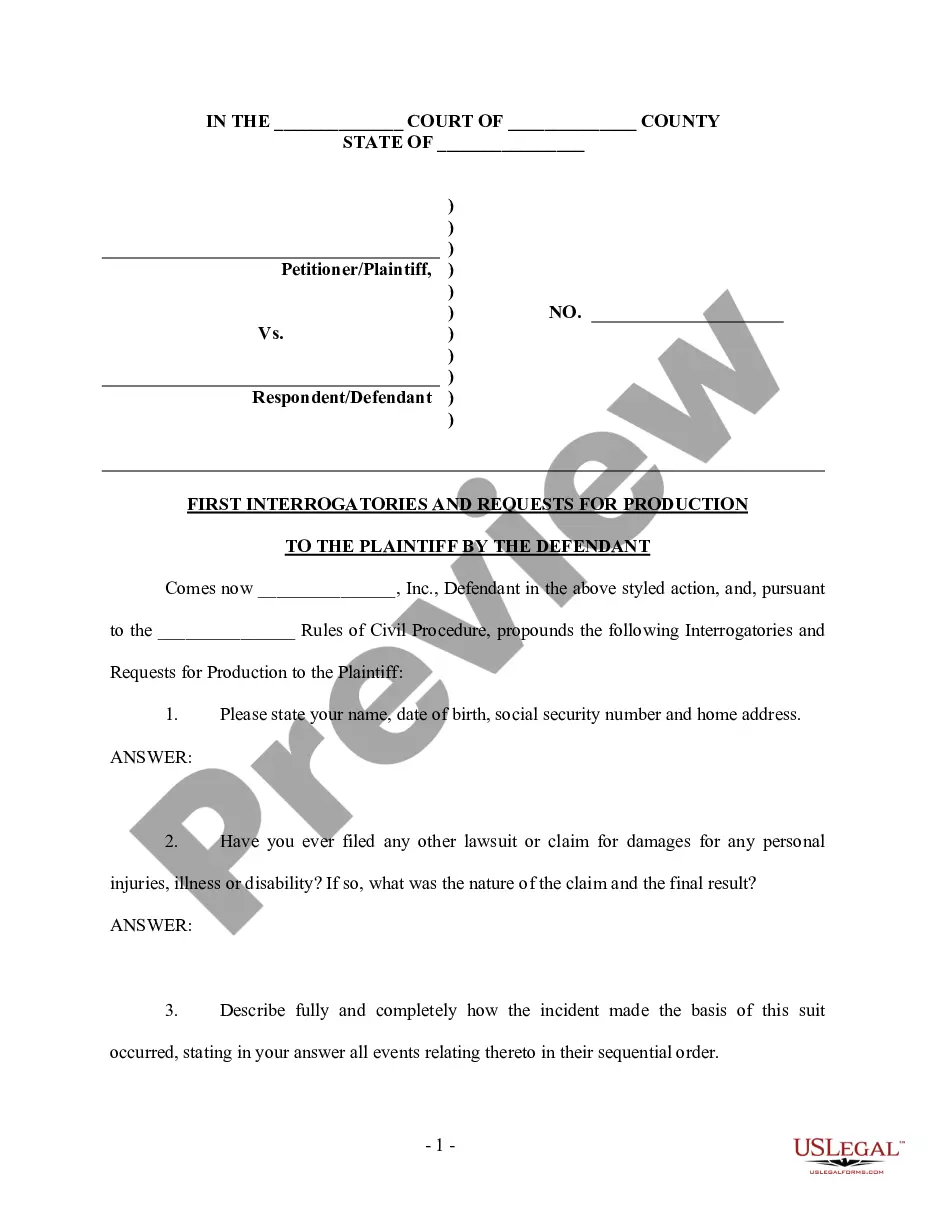
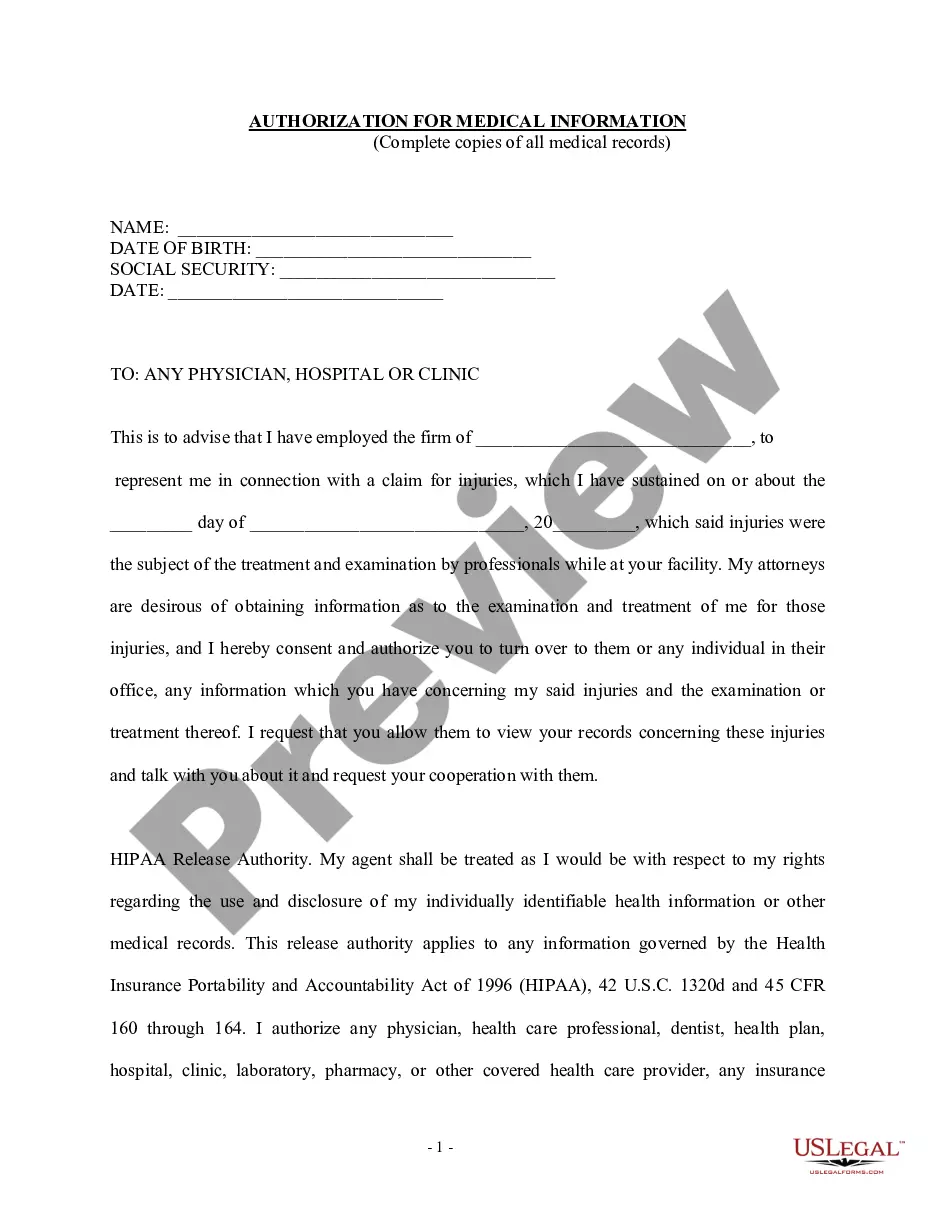
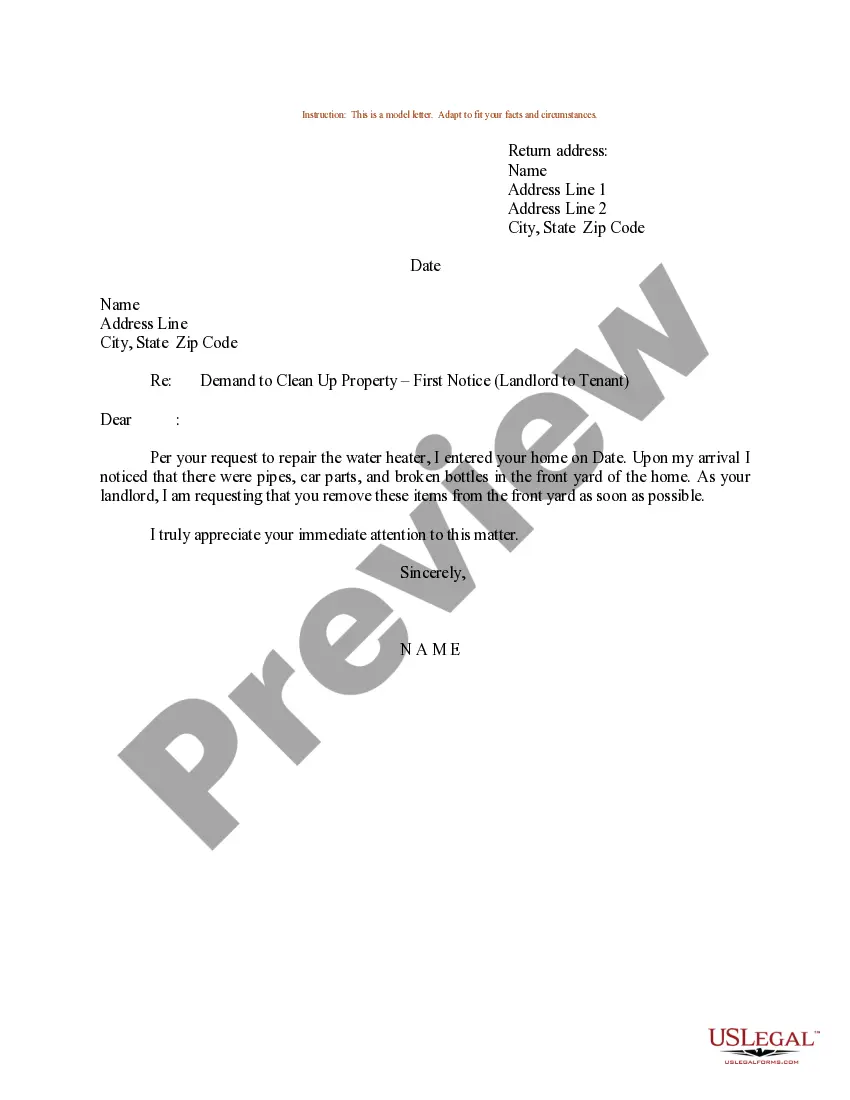
How to fill out Personal Guaranty Of Employment Agreement Between Corporation And Employee?
Whether for business purposes or for personal affairs, everybody has to manage legal situations at some point in their life. Filling out legal papers requires careful attention, beginning from selecting the proper form sample. For instance, if you choose a wrong version of the It Contracts Under For Small Business, it will be rejected when you send it. It is therefore crucial to get a trustworthy source of legal papers like US Legal Forms.
If you need to get a It Contracts Under For Small Business sample, stick to these easy steps:
- Find the template you need by utilizing the search field or catalog navigation.
- Check out the form’s description to ensure it suits your case, state, and county.
- Click on the form’s preview to examine it.
- If it is the incorrect document, return to the search function to locate the It Contracts Under For Small Business sample you need.
- Get the template if it matches your requirements.
- If you have a US Legal Forms profile, simply click Log in to access previously saved files in My Forms.
- If you don’t have an account yet, you may download the form by clicking Buy now.
- Select the correct pricing option.
- Complete the profile registration form.
- Select your transaction method: you can use a credit card or PayPal account.
- Select the file format you want and download the It Contracts Under For Small Business.
- After it is saved, you are able to complete the form by using editing software or print it and finish it manually.
With a substantial US Legal Forms catalog at hand, you do not have to spend time seeking for the right template across the web. Utilize the library’s easy navigation to find the right template for any occasion.
Form popularity
FAQ
How to write a client contract Include contact information of both parties. ... Outline project terms and scope. ... Create payment terms. ... Set a schedule. ... Decide what to do if a contract is terminated. ... Determine who owns final copyrights. ... Clarify the working relationship. ... Choose your law and venue.
How to become a contractor Determine if work as a contractor suits you. ... Expect to move on from your full-time job. ... Determine your tax position with employers. ... Think about your contractor structure. ... Register your company. ... Set up your banking and find an accountant. ... Create a contractor portfolio and online presence.
How to write a letter of agreement Title the document. Add the title at the top of the document. ... List your personal information. ... Include the date. ... Add the recipient's personal information. ... Address the recipient. ... Write an introduction paragraph. ... Write your body. ... Conclude the letter.
Contractor Expenses Accommodation. Claiming Company cars and other transport. Dispensation. Food. Gifts and entertainment. Use of home as office. HMRC inspections. IR35 issues.
Those seven elements are: Identification (Defining all the parties involved) Offer (The agreement) Acceptance (Agreement mirrored by other parties) Mutual consent (Signatory consent of all parties) Consideration (The value exchanged for the offer) Capacity (Legal/mental competence of all parties)