Personal Property With Replacement Cost
Description
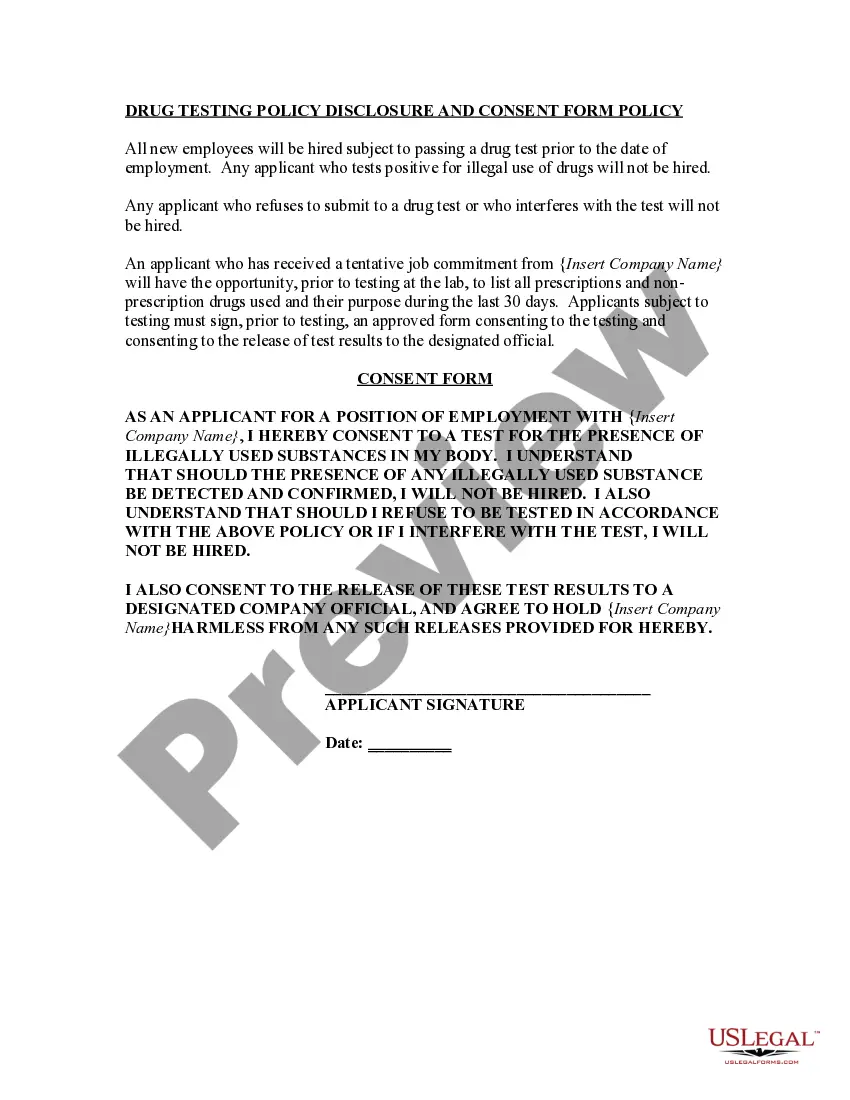
Get your form ready online
Our built-in tools help you complete, sign, share, and store your documents in one place.
Make edits, fill in missing information, and update formatting in US Legal Forms—just like you would in MS Word.
Download a copy, print it, send it by email, or mail it via USPS—whatever works best for your next step.
Sign and collect signatures with our SignNow integration. Send to multiple recipients, set reminders, and more. Go Premium to unlock E-Sign.
If this form requires notarization, complete it online through a secure video call—no need to meet a notary in person or wait for an appointment.
We protect your documents and personal data by following strict security and privacy standards.

Make edits, fill in missing information, and update formatting in US Legal Forms—just like you would in MS Word.

Download a copy, print it, send it by email, or mail it via USPS—whatever works best for your next step.

Sign and collect signatures with our SignNow integration. Send to multiple recipients, set reminders, and more. Go Premium to unlock E-Sign.

If this form requires notarization, complete it online through a secure video call—no need to meet a notary in person or wait for an appointment.

We protect your documents and personal data by following strict security and privacy standards.
Looking for another form?
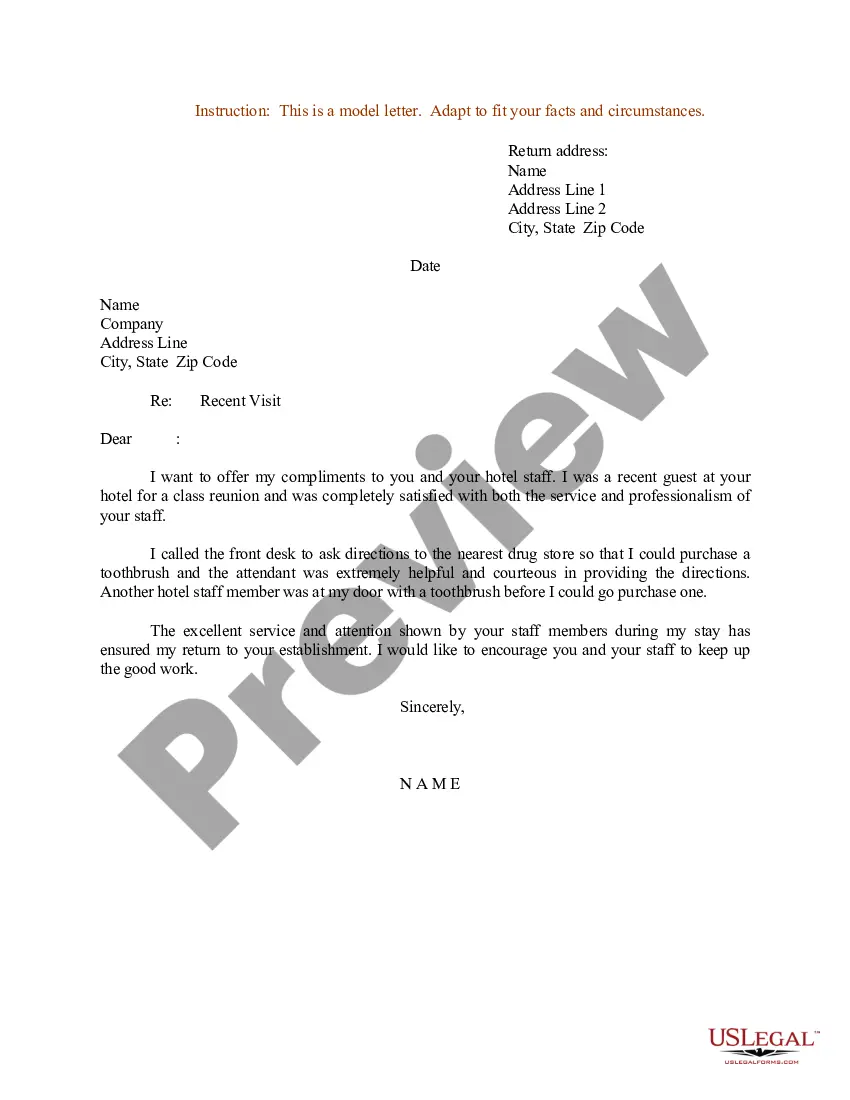







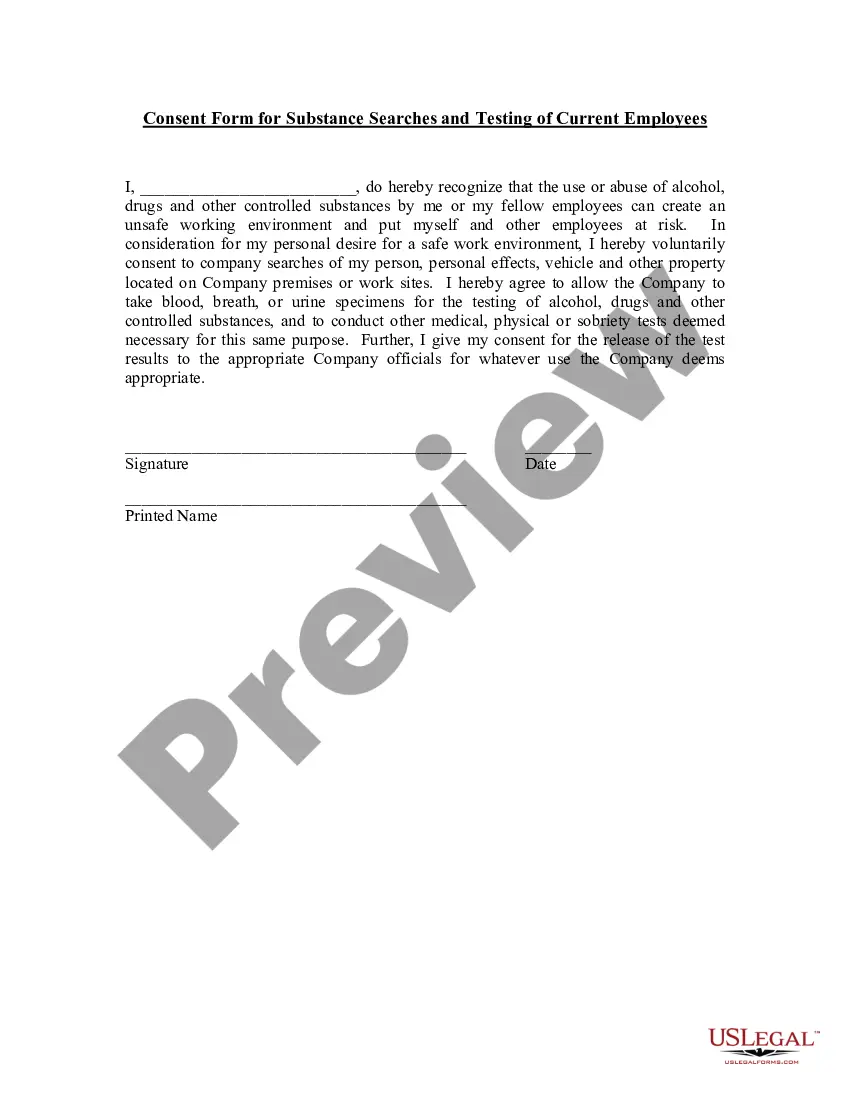
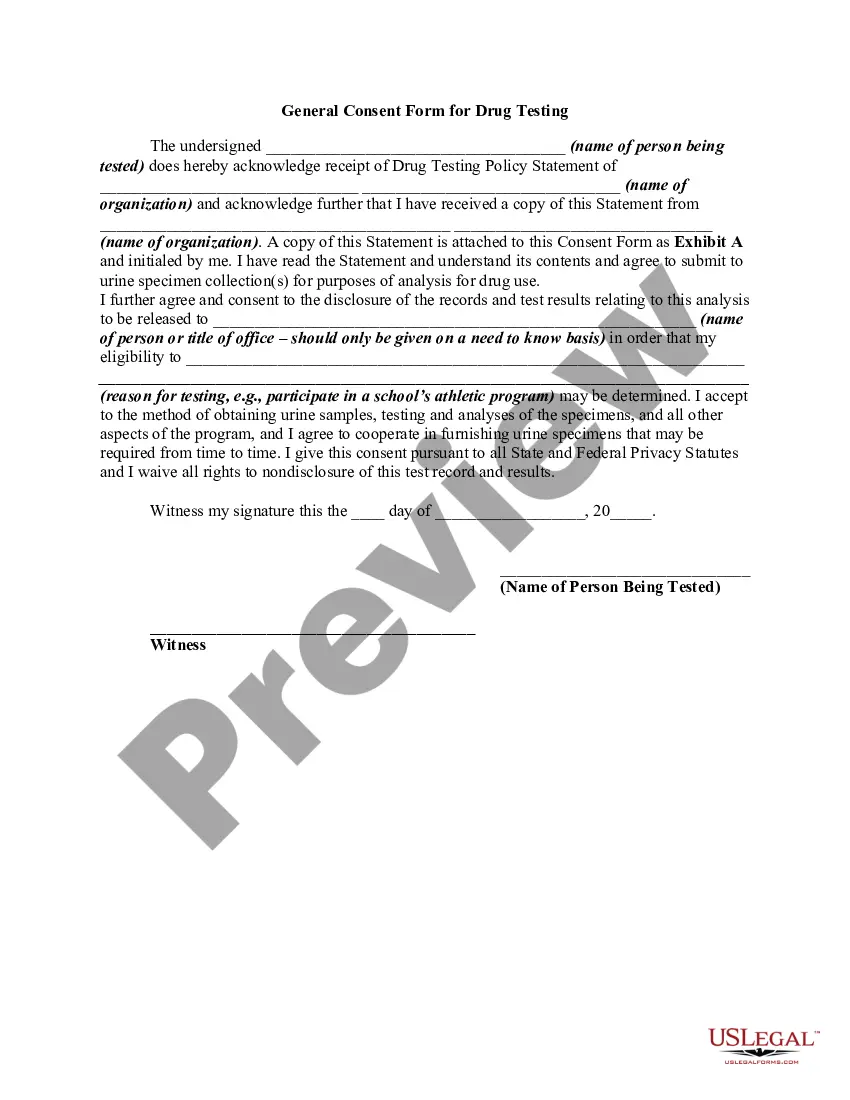
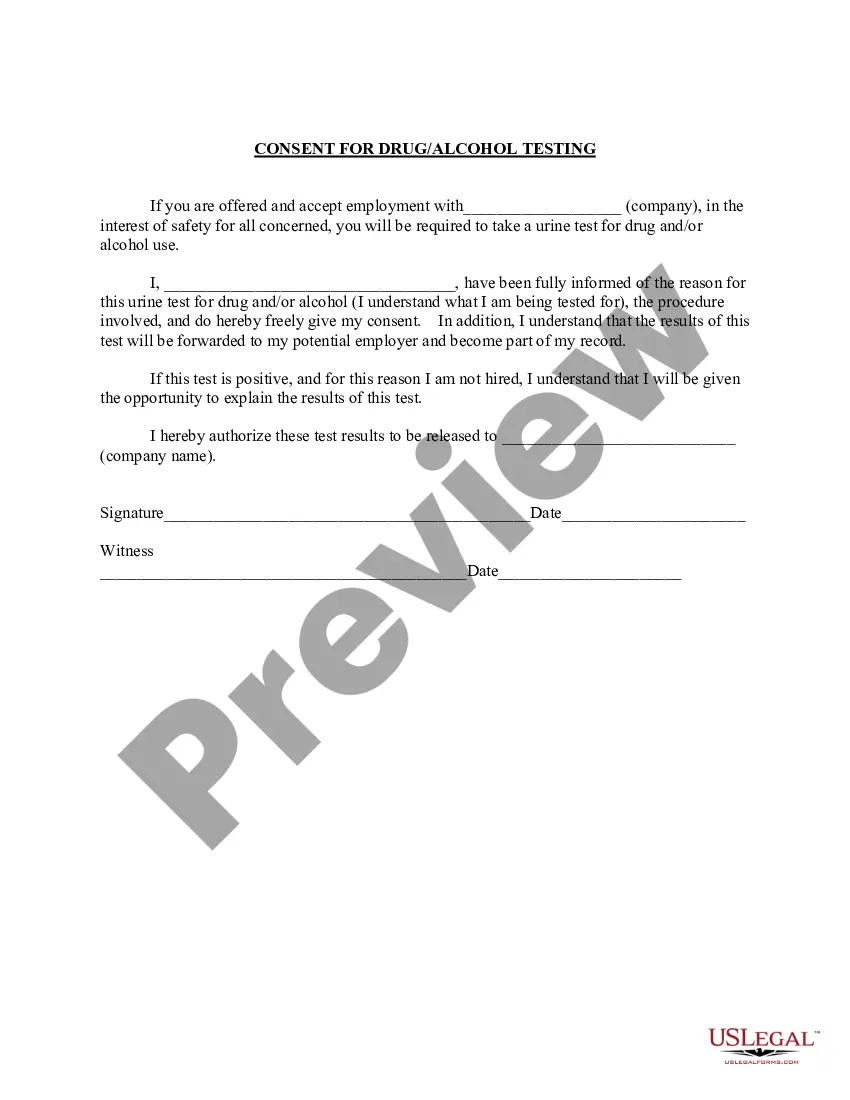
How to fill out Consent Form For Substance Searches Of Vehicles And Personal Effects And For Testing Of Employees?
Utilizing legal document examples that comply with federal and state regulations is crucial, and the web provides numerous choices to select from.
However, what is the purpose of squandering time searching for the appropriate Personal Property With Replacement Cost example online when the US Legal Forms online repository already compiles such templates in one location.
US Legal Forms represents the largest online legal database with more than 85,000 fillable templates crafted by attorneys for any professional and personal scenario.
Review the template using the Preview feature or via the text outline to confirm it suits your requirements.
- They are straightforward to navigate with all documents organized by state and intended use.
- Our specialists stay updated with legal modifications, ensuring your form is always current and compliant when obtaining a Personal Property With Replacement Cost from our site.
- Acquiring a Personal Property With Replacement Cost is quick and easy for both existing and new users.
- If you have an account with a valid subscription, Log In and download the document example you require in the appropriate format.
- If you are a newcomer to our website, follow the steps below.
Form popularity
FAQ
When an insurance policy mentions replacement, it refers to the promise to cover the costs of replacing lost or damaged personal property with similar items of equal value. Personal property with replacement cost supports you in receiving the necessary funds without deducting for depreciation. This option is beneficial because it provides peace of mind, knowing that you can restore your belongings without facing financial setbacks. Choosing the right policy can significantly impact your recovery after a loss.
Replacement Cost Value (RCV) The amount of money needed to repair your home at today's prices of building supplies; or replace your belongings at today's cost of the similar or like item. It is important to discuss replacement cost with your insurance agent when purchasing your policy.
There are two types of personal property coverage: replacement cost and actual cash value. A replacement cost policy typically pays the dollar amount it will take to buy a new item at the time of a claim. An actual cash value policy factors in depreciation to provide reimbursement based on the current value of an item.
Replacement cost value on your dwelling coverage helps return your home to the condition it was in before the loss occurred.
Unlike actual cash value coverage, replacement cost value does not take depreciation or wear and tear into consideration. Instead, it reimburses you based on how much it would cost to replace, repair, or rebuild your property at today's prices.
Choosing between actual cash value or replacement cost coverage ultimately comes down to two things: your coverage needs and the cumulative value of your belongings. Actual cash value coverage is generally more affordable than replacement cost coverage, but payouts can be much lower due to depreciation adjustments.