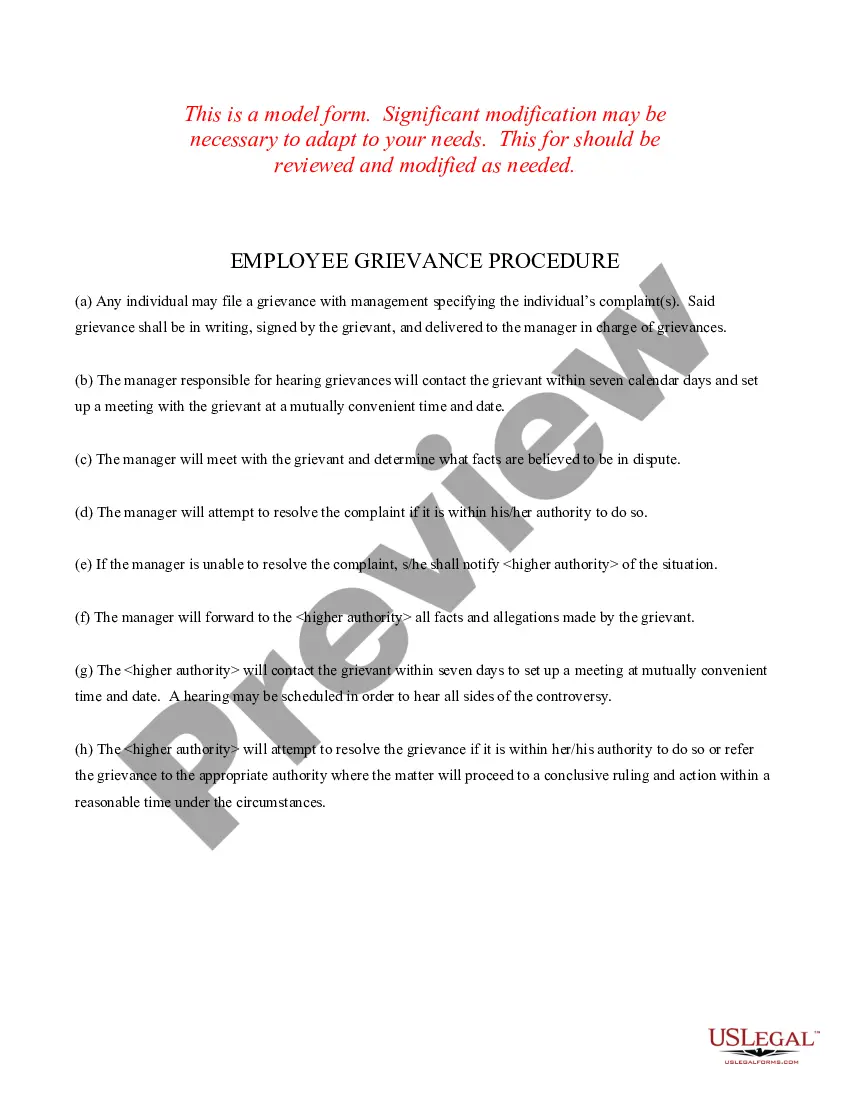
Grievance Policy For Volunteers
Description
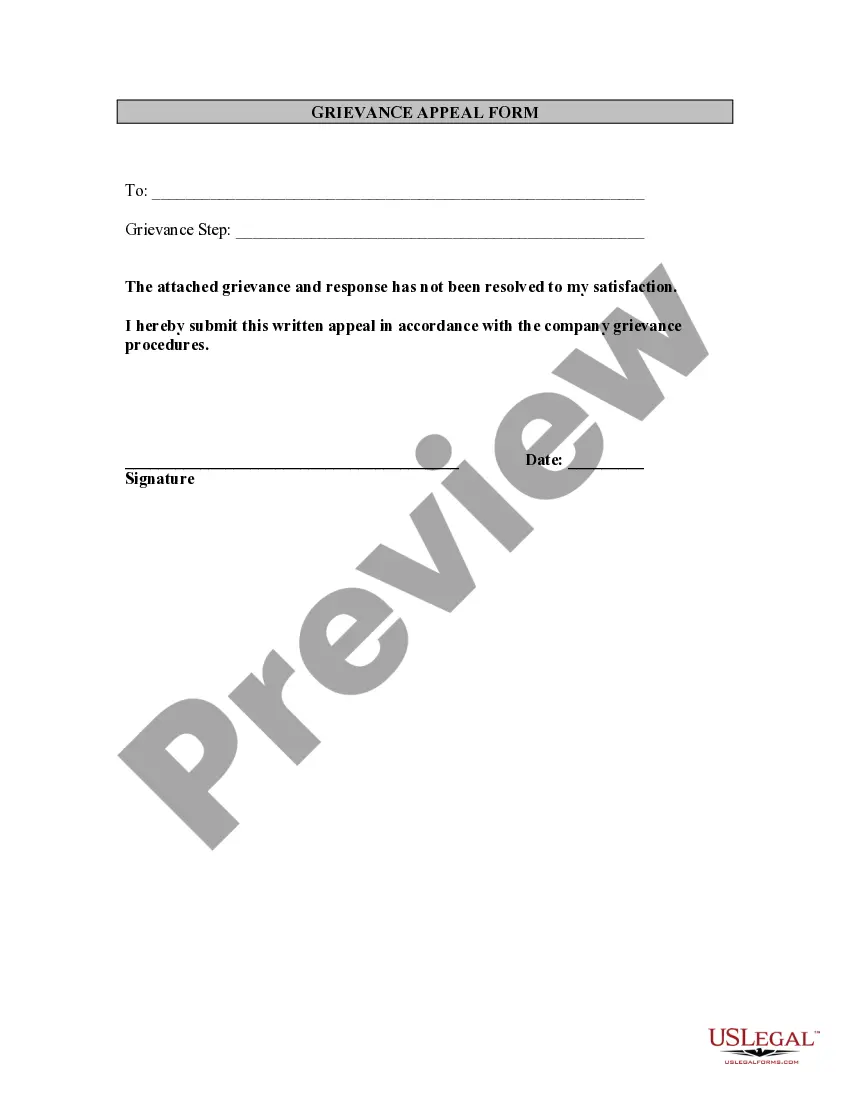
Get your form ready online
Our built-in tools help you complete, sign, share, and store your documents in one place.
Make edits, fill in missing information, and update formatting in US Legal Forms—just like you would in MS Word.
Download a copy, print it, send it by email, or mail it via USPS—whatever works best for your next step.
Sign and collect signatures with our SignNow integration. Send to multiple recipients, set reminders, and more. Go Premium to unlock E-Sign.
If this form requires notarization, complete it online through a secure video call—no need to meet a notary in person or wait for an appointment.
We protect your documents and personal data by following strict security and privacy standards.

Make edits, fill in missing information, and update formatting in US Legal Forms—just like you would in MS Word.

Download a copy, print it, send it by email, or mail it via USPS—whatever works best for your next step.

Sign and collect signatures with our SignNow integration. Send to multiple recipients, set reminders, and more. Go Premium to unlock E-Sign.

If this form requires notarization, complete it online through a secure video call—no need to meet a notary in person or wait for an appointment.

We protect your documents and personal data by following strict security and privacy standards.
Looking for another form?
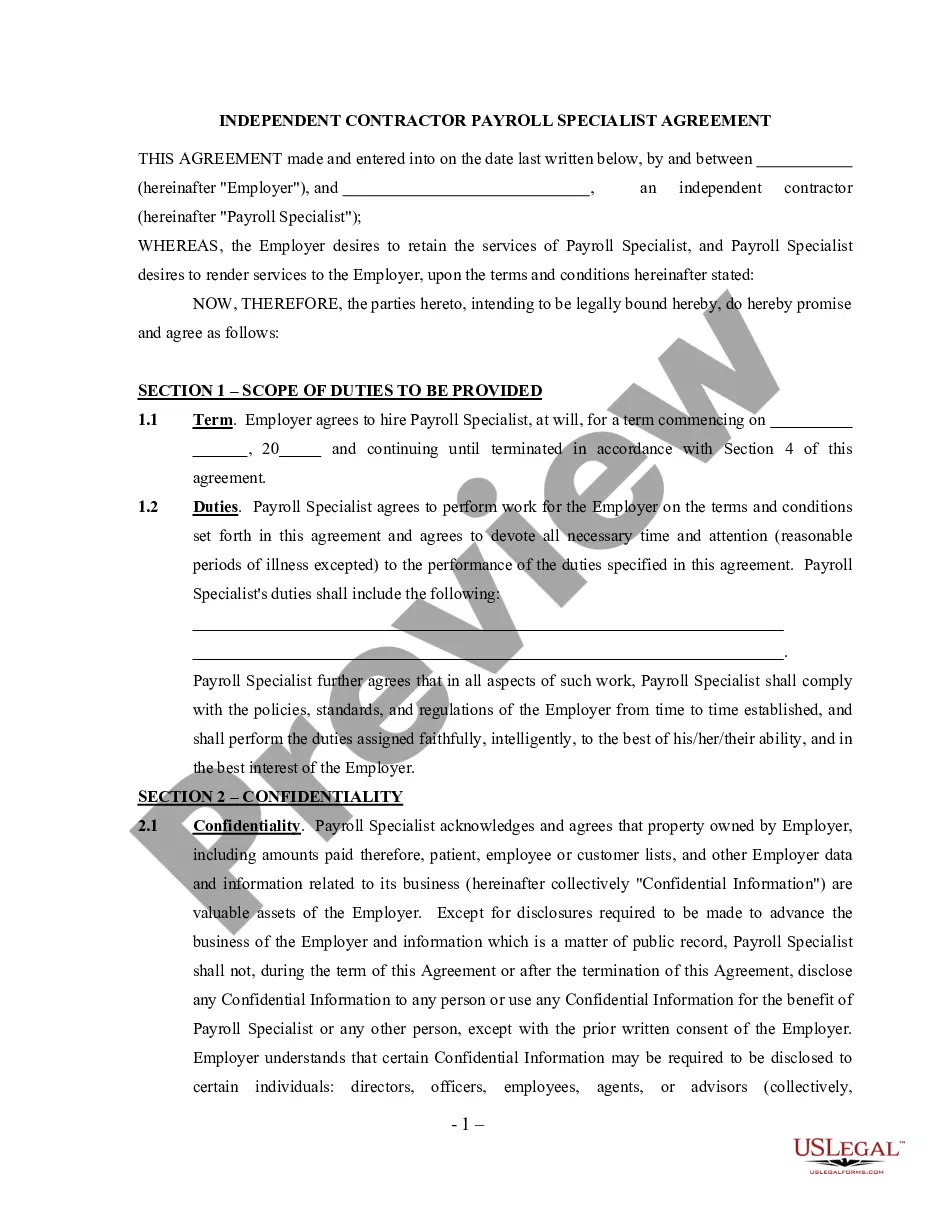


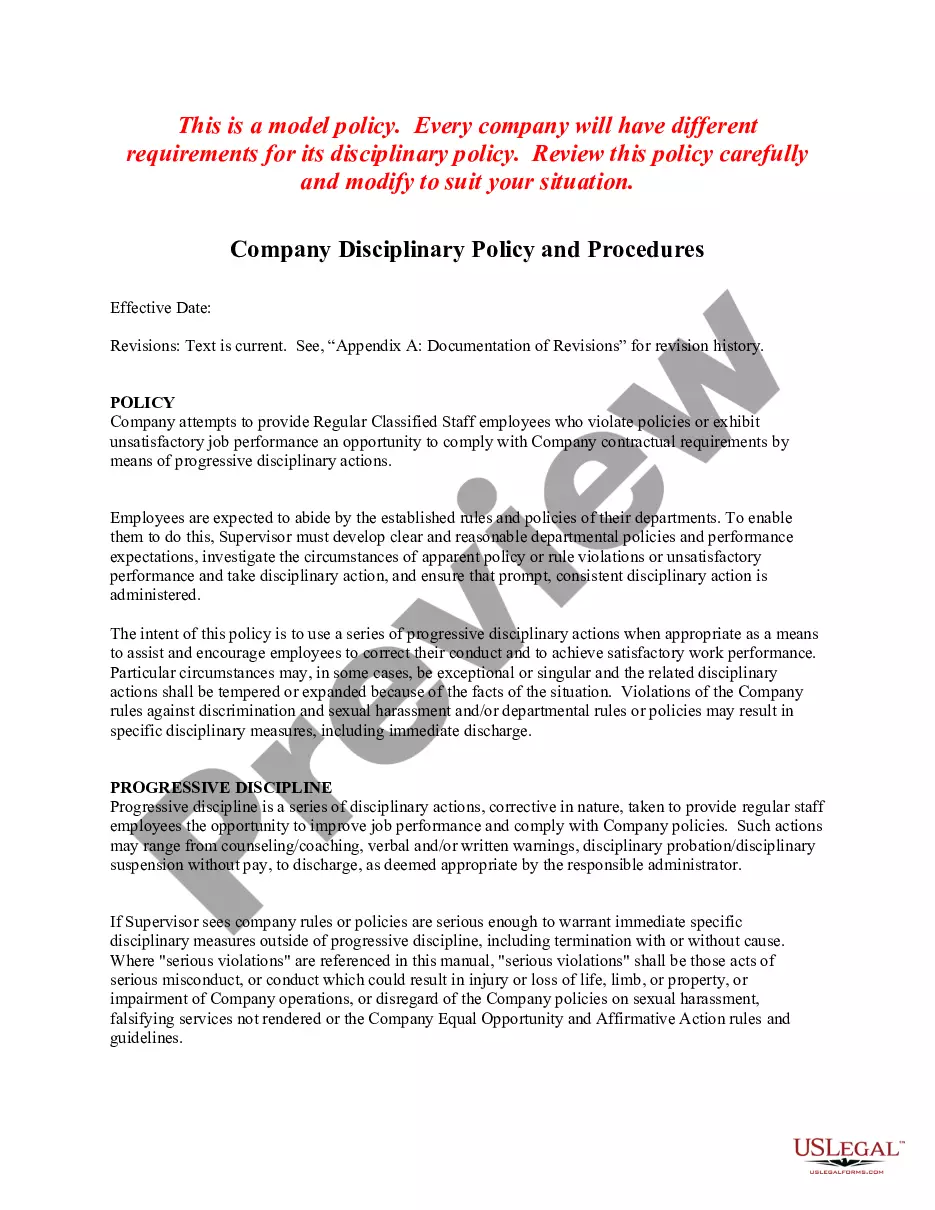
How to fill out Employee Grievance Procedures?
- Review the applicable laws and regulations to ensure compliance in your jurisdiction.
- Draft a clear and concise grievance policy that outlines the procedures for volunteers to voice their concerns.
- Consult with key stakeholders, including current volunteers and legal experts, to refine the policy further.
- Disseminate the policy to all volunteers, ensuring they understand the process and availability of support.
- Implement training sessions to educate volunteers and staff about the grievance policy and procedure.
Once your grievance policy for volunteers is established, it’s vital to keep it updated and accessible. Regularly revisit the policy to reflect any legal changes or organizational shifts, ensuring it remains relevant and effective.
US Legal Forms can greatly assist in this process by providing access to a vast library of templates and form resources. Start utilizing their services today to simplify your legal documentation needs.
Form popularity
FAQ
To write a grievance policy, start by defining the purpose and scope of the policy. Next, outline the procedures for filing grievances, including steps, timelines, and who to contact. Address confidentiality and non-retaliation measures to protect all parties involved. A well-structured grievance policy for volunteers not only resolves issues but also enhances trust within the organization.
Yes, you can file your own grievance as a volunteer. It's important to follow the organization's grievance policy for volunteers to ensure your complaint is addressed properly. By submitting your grievance, you contribute to creating a better environment for yourself and others. Remember to include all pertinent details in your report.
When writing a grievance example, start by clearly stating the issue at hand. Include details regarding the time, place, and individuals involved. Next, describe how this situation violates the grievance policy for volunteers. This structured approach helps convey your concerns effectively and ensures that the grievance is taken seriously.
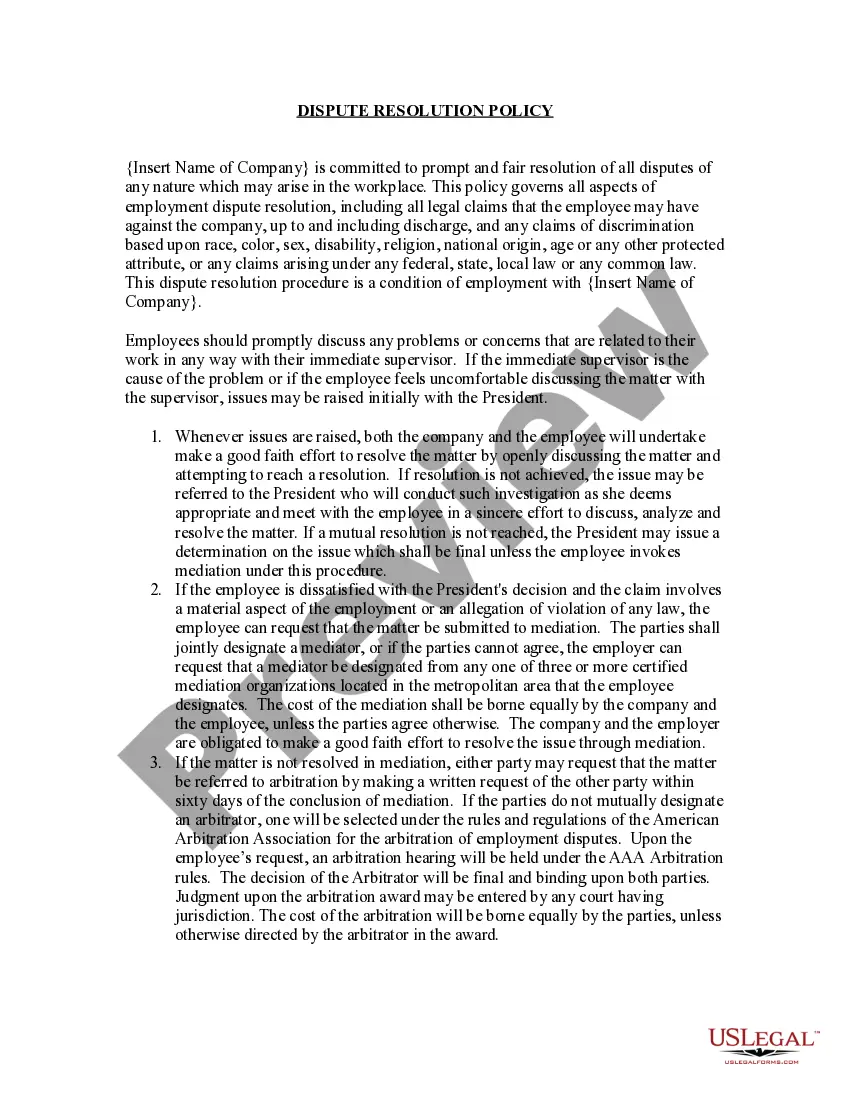
A grievance policy for volunteers outlines the procedures for reporting and resolving issues within an organization. Key features include clear guidelines on how to submit complaints, timelines for responses, and confidentiality measures. This policy also emphasizes the importance of fair treatment and protection against retaliation. By understanding these features, volunteers can navigate any grievances they encounter.
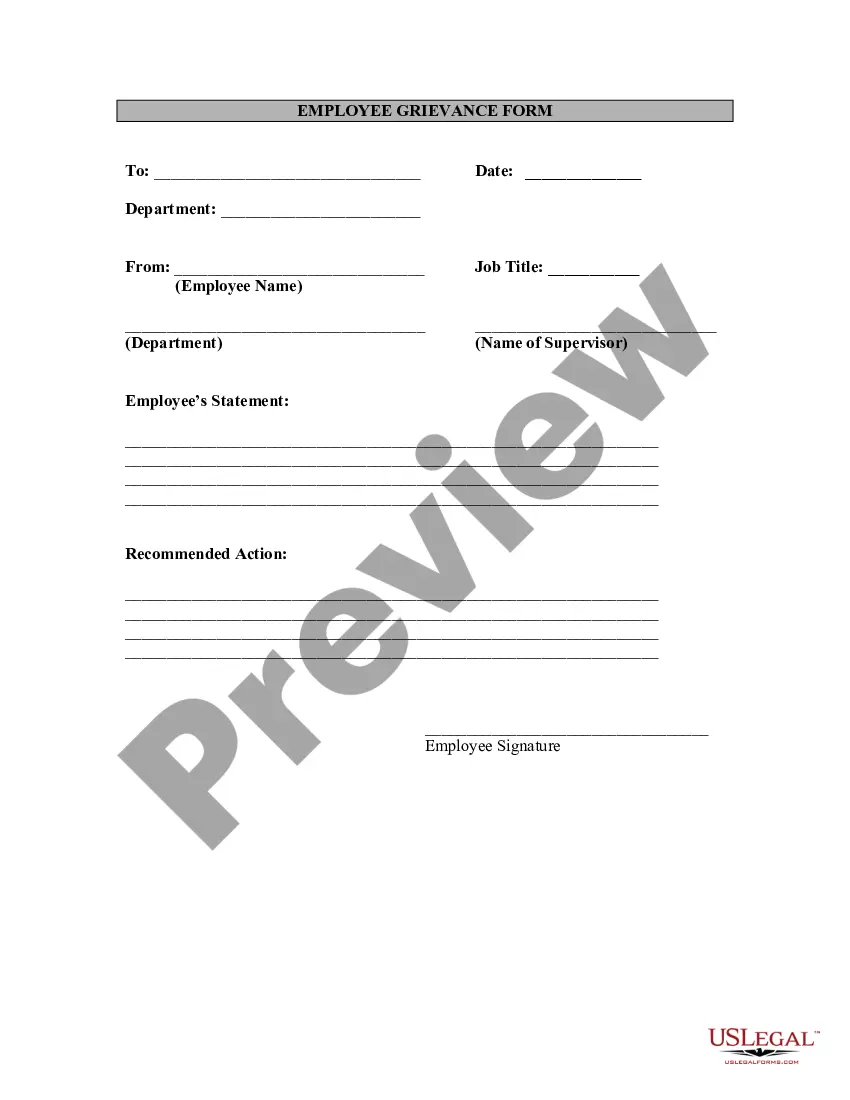
To file a grievance report, start by reviewing your organization’s grievance policy for volunteers. This document will guide you on the necessary steps and required information. Typically, you will need to complete a grievance form and submit it to your supervisor or the human resources department. Ensure you provide all relevant details to help address your concerns efficiently.
To write a grievance statement effectively, start by clearly stating the issue and referencing the grievance policy for volunteers. Describe what happened, when it occurred, and who was involved. Be honest and direct in your approach, as this clarity will aid in resolving the matter in a focused and efficient manner.
A good sentence for expressing grievances might be, 'I believe the current volunteer duties assigned to me do not reflect the agreed-upon expectations during orientation.' This articulates a specific concern, aligning with the grievance policy for volunteers, and encourages constructive resolution by inviting discussion.
When filing a grievance under the grievance policy for volunteers, it is important to be clear and concise. You might start with a statement such as, 'I wish to formally document a concern regarding my volunteer experience.' Then, follow up with specifics about the issue, expressing how it affects you and why it needs attention, fostering a constructive dialogue.
A good example of a grievance, as articulated in the grievance policy for volunteers, could be a situation where a volunteer notices inequitable treatment among team members. For example, a volunteer may express that certain tasks are assigned unfairly, which creates a sense of dissatisfaction and needs addressing. Such grievances highlight the need for fairness and open communication.
To fill in a grievance form under the grievance policy for volunteers, start by identifying the specific issue you are addressing. Provide details about the incident, including dates, locations, and individuals involved. Be sure to articulate your feelings and the impact on your volunteering experience, as this information can help in resolving the issue.