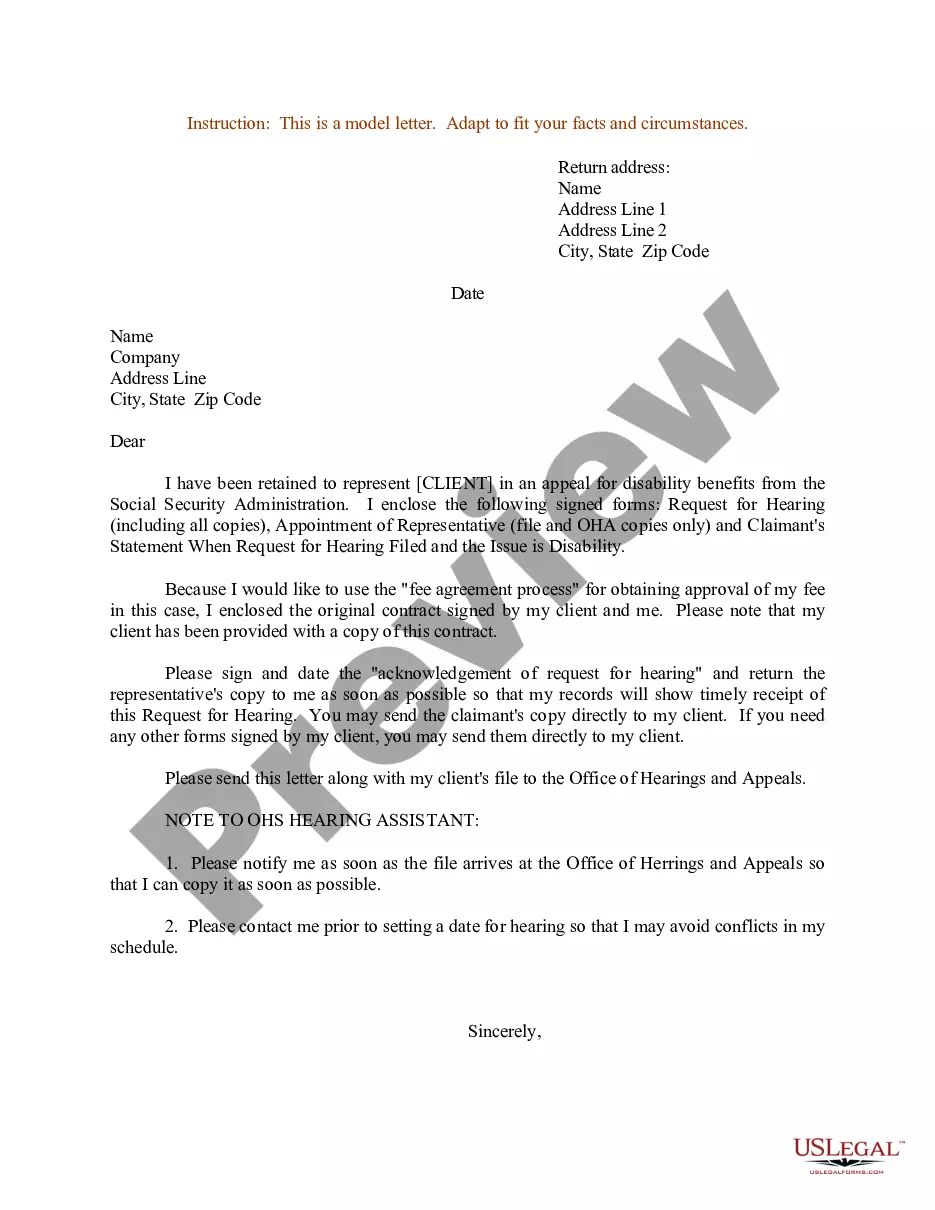
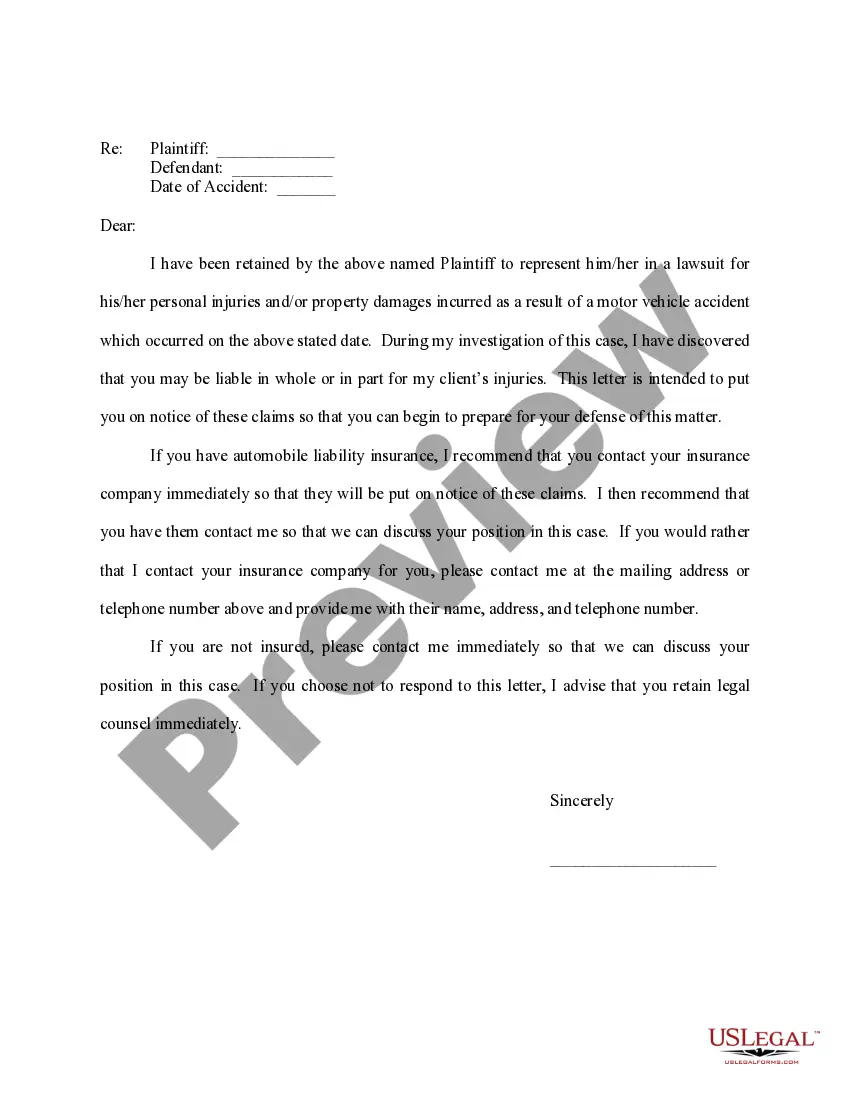
Appeal Letter Sample For Insurance Claims
Description
Get your form ready online
Our built-in tools help you complete, sign, share, and store your documents in one place.
Make edits, fill in missing information, and update formatting in US Legal Forms—just like you would in MS Word.
Download a copy, print it, send it by email, or mail it via USPS—whatever works best for your next step.
Sign and collect signatures with our SignNow integration. Send to multiple recipients, set reminders, and more. Go Premium to unlock E-Sign.
If this form requires notarization, complete it online through a secure video call—no need to meet a notary in person or wait for an appointment.
We protect your documents and personal data by following strict security and privacy standards.

Make edits, fill in missing information, and update formatting in US Legal Forms—just like you would in MS Word.

Download a copy, print it, send it by email, or mail it via USPS—whatever works best for your next step.

Sign and collect signatures with our SignNow integration. Send to multiple recipients, set reminders, and more. Go Premium to unlock E-Sign.

If this form requires notarization, complete it online through a secure video call—no need to meet a notary in person or wait for an appointment.

We protect your documents and personal data by following strict security and privacy standards.
Looking for another form?



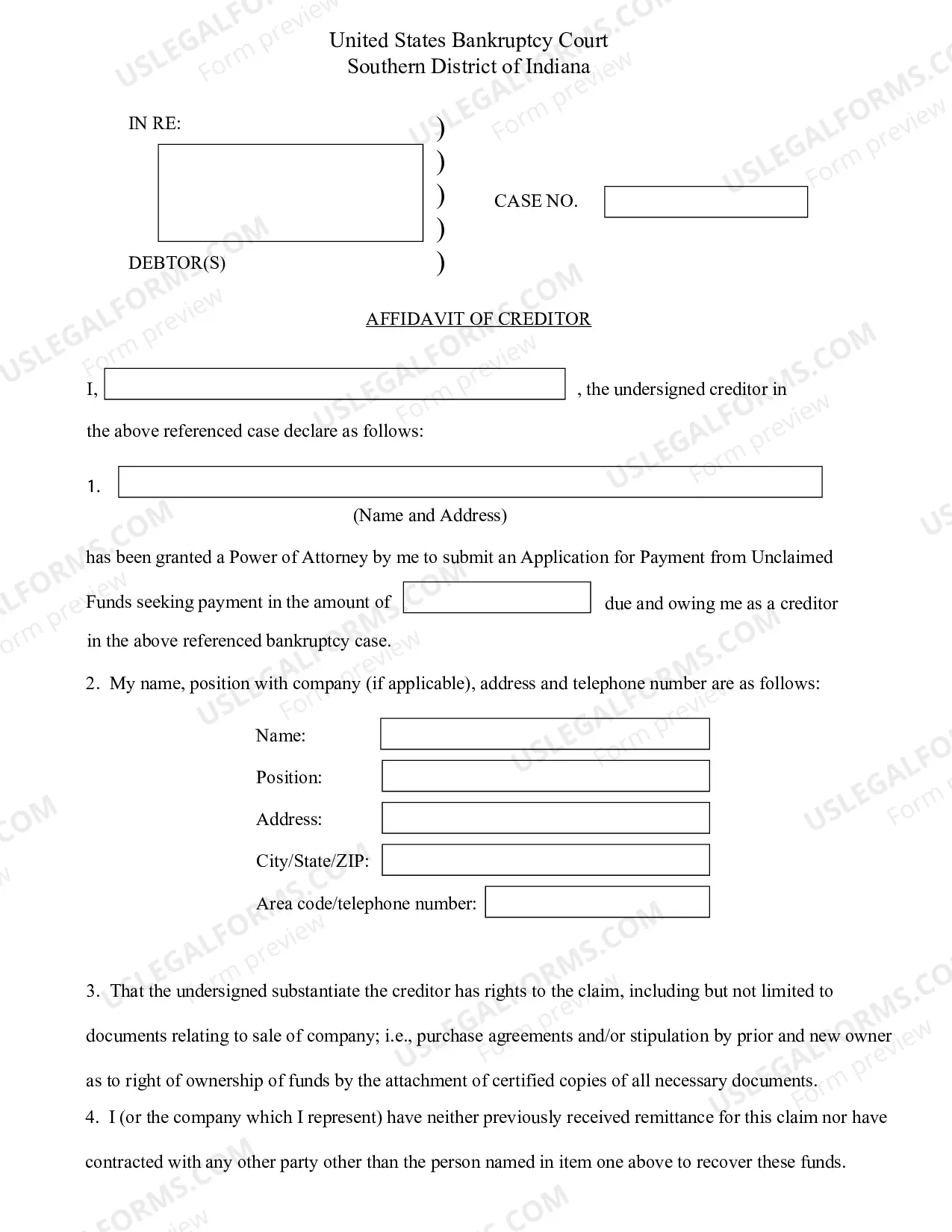
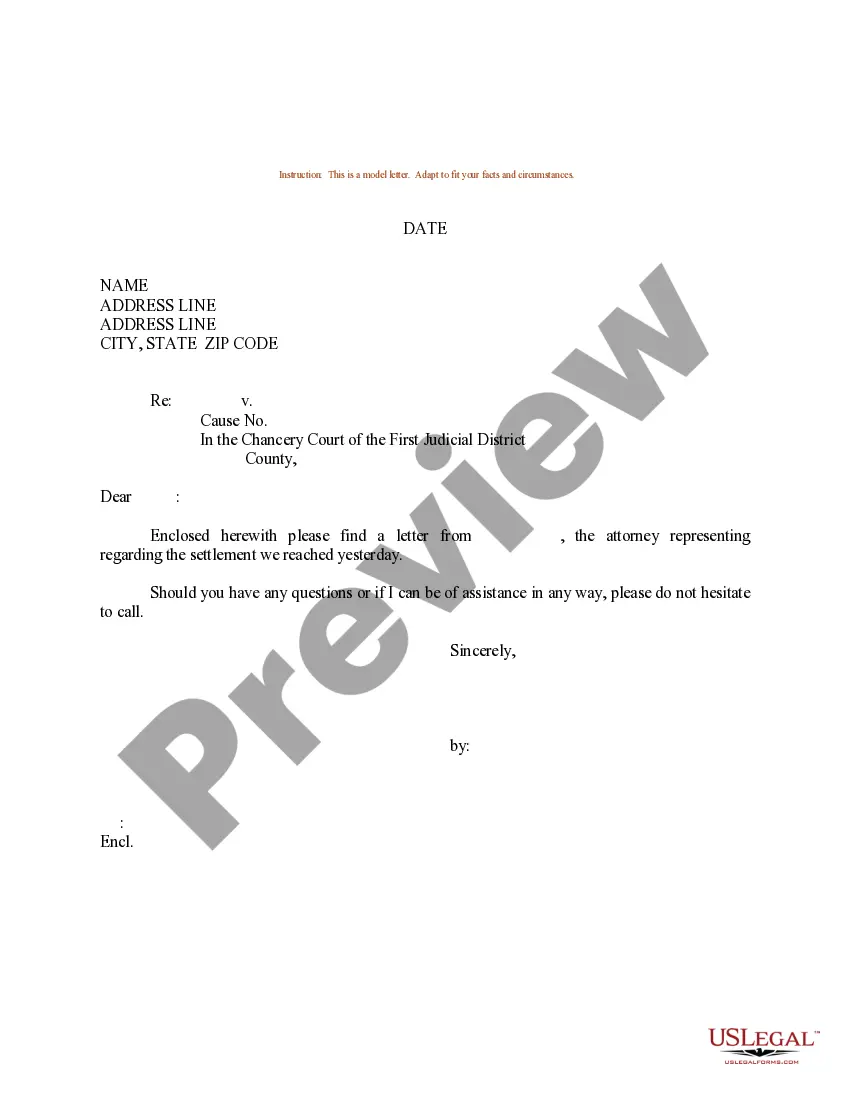
How to fill out Sample Letter For Notification Of Representation In An Appeal For Disability Benefits?
It’s well known that you cannot instantly become a legal authority, nor can you quickly master how to craft an Appeal Letter Sample For Insurance Claims without possessing a unique set of expertise.
Assembling legal documents is a lengthy endeavor that necessitates specific education and abilities. So why not entrust the composition of the Appeal Letter Sample For Insurance Claims to the experts.
With US Legal Forms, one of the most comprehensive legal template collections, you can discover anything from court documents to templates for in-office correspondence.
You can regain access to your files from the My documents section at any time. If you are an existing customer, you can simply Log In and find and download the template from the same section.
Regardless of the aim of your documents—whether pertaining to financial, legal, or personal matters—our platform has you covered. Experience US Legal Forms today!
- Locate the form you require by utilizing the search feature at the top of the page.
- Review it (if this feature is available) and examine the accompanying description to determine if Appeal Letter Sample For Insurance Claims is what you are looking for.
- Initiate your search again if you need another template.
- Create a free account and select a subscription plan to purchase the template.
- Click Buy now. Once the payment is processed, you can download the Appeal Letter Sample For Insurance Claims, fill it out, print it, and send it or dispatch it by mail to the relevant individuals or organizations.
Form popularity
FAQ
A will is a simple legal document that provides instructions on how to distribute property to beneficiaries after death, while a trust is a complex legal arrangement that allows you to transfer ownership of property, is managed by a third party, and is distributed to beneficiaries at any time determined by the creator ...
The cost of creating a trust in Wisconsin varies depending on the complexity of your estate and the attorney's fees. The average cost for a basic Revocable Living Trust ranges from $1,000 to $3,000, while more complex trusts may cost more.
All you need to do is sign a living trust agreement in which you name yourself as both grantor (creator of the trust) and trustee (manager of the trust assets). Once you have set up your living trust, you transfer some or all your assets to the trust. As trustee, you then take over management of the trust assets.
If you are creating a trust in Wisconsin, you will need to sign the final trust document in front of a notary. Once you have the trust document complete and signed in front of a notary, you will place assets into the trust, a process known as ?funding the trust.? Once the trust is funded, it is active.
Assets that should not be used to fund your living trust include: Qualified retirement accounts ? 401ks, IRAs, 403(b)s, qualified annuities. Health saving accounts (HSAs) Medical saving accounts (MSAs) Uniform Transfers to Minors (UTMAs) Uniform Gifts to Minors (UGMAs) Life insurance. Motor vehicles.
To create a living trust in Wisconsin, sign your written trust document before a notary public. Next, transfer ownership of assets into the trust to make it effective.
The key disadvantages of placing a house in a trust include the following: Extra paperwork: Moving property in a trust requires the house owner to transfer the asset's legal title. This involves preparing and signing an additional deed, and some people may consider this cumbersome.
A revocable trust and living trust are separate terms that describe the same thing: a trust in which the terms can be changed at any time. An irrevocable trust describes a trust that cannot be modified after it is created without the beneficiaries' consent.