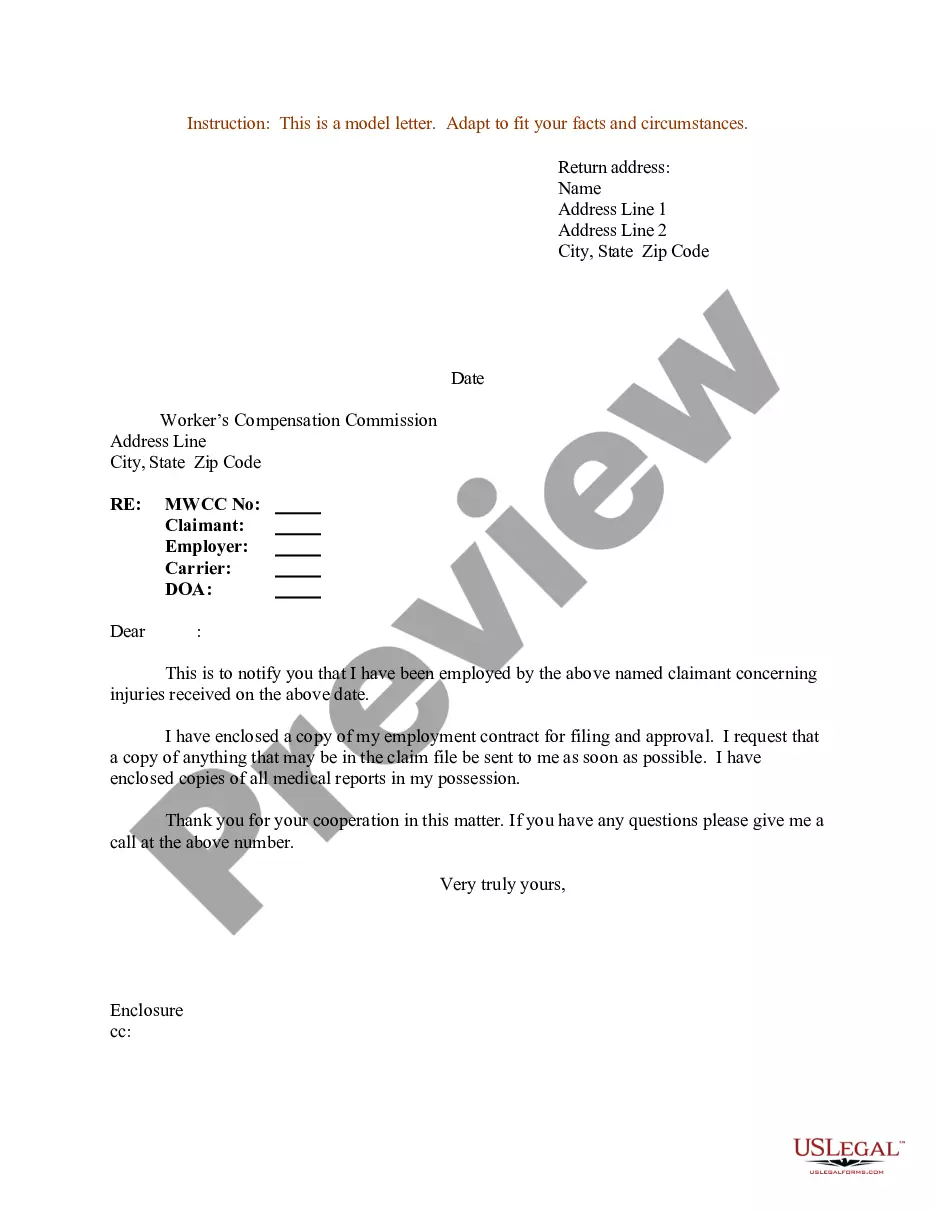
Sample Workers With Procedure
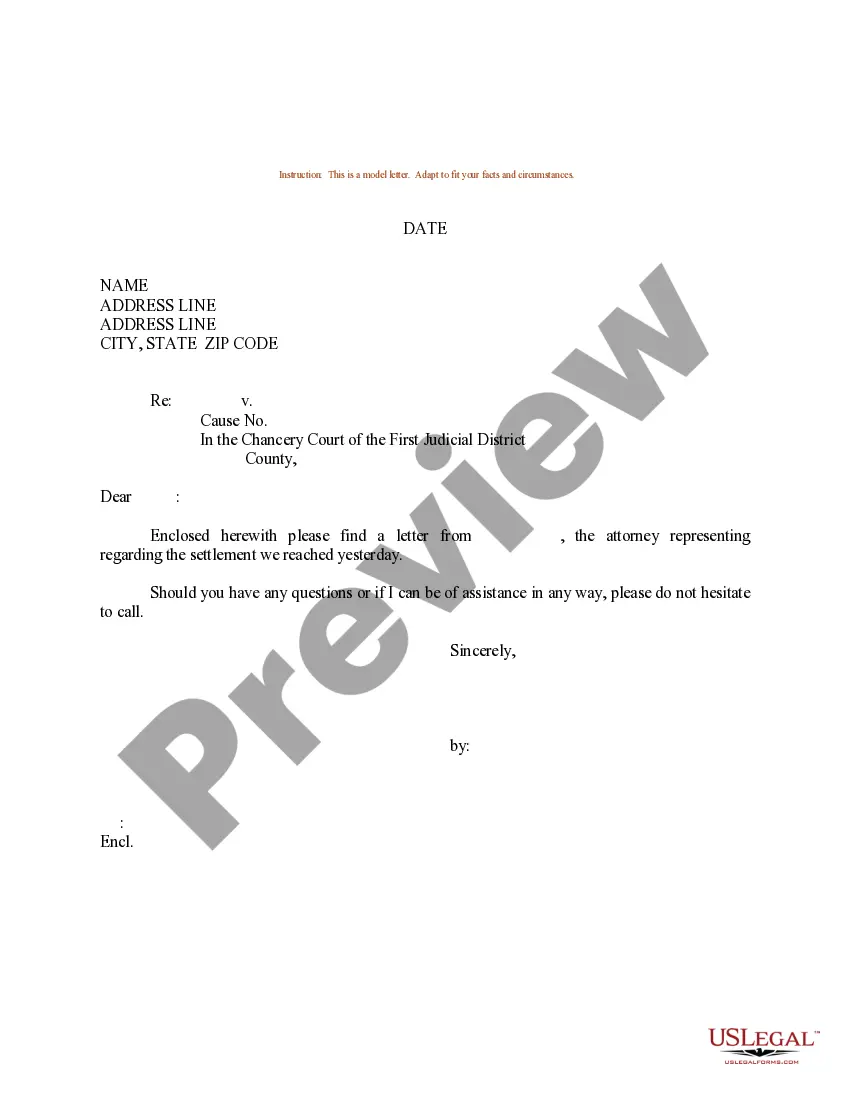
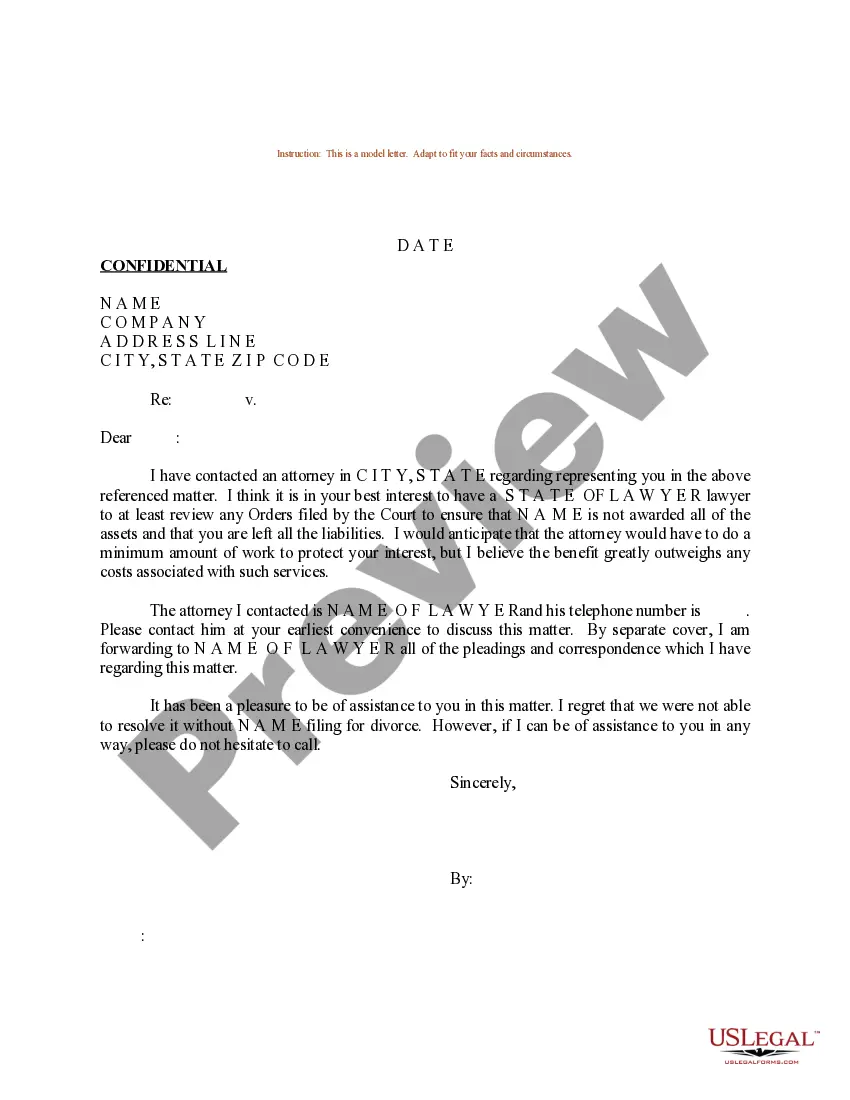
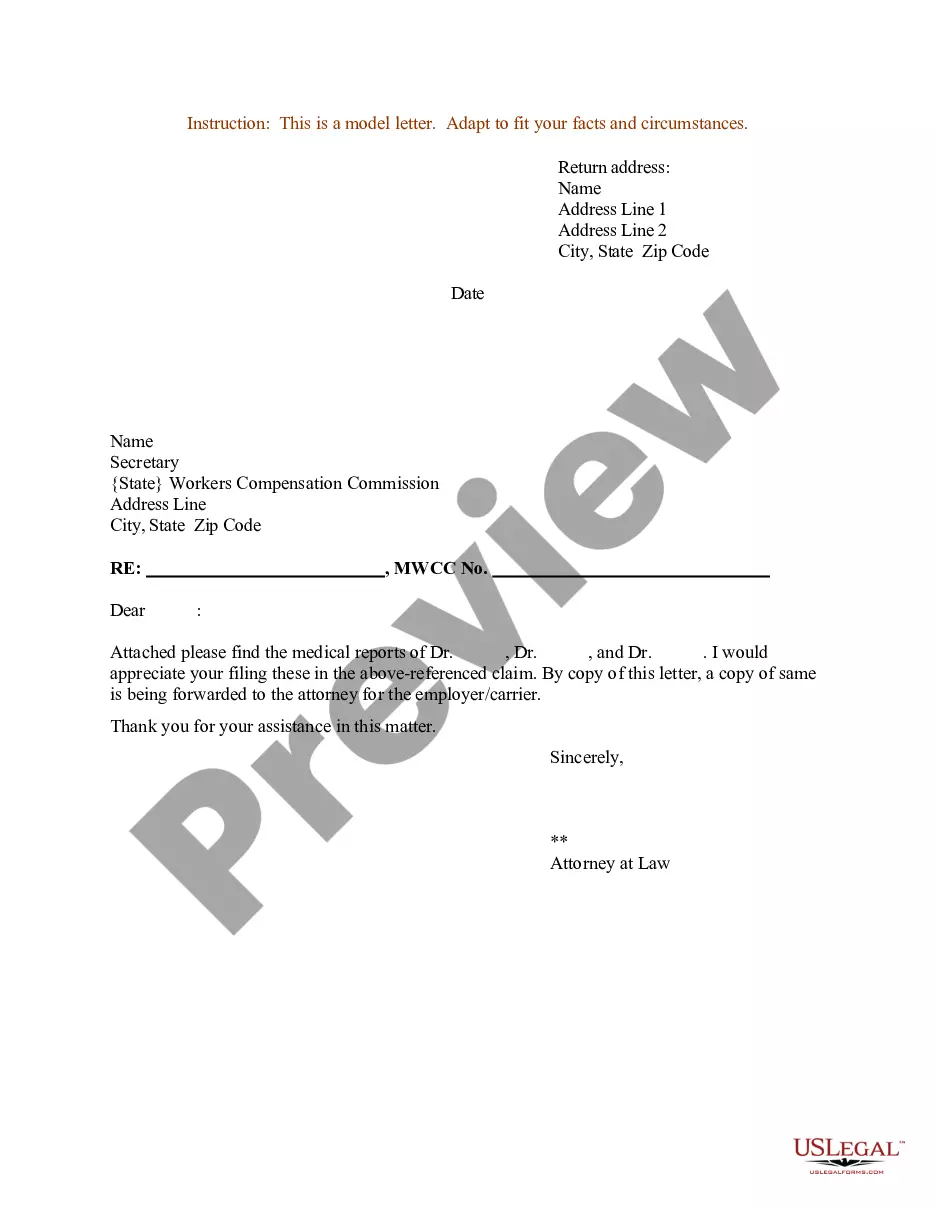
Description
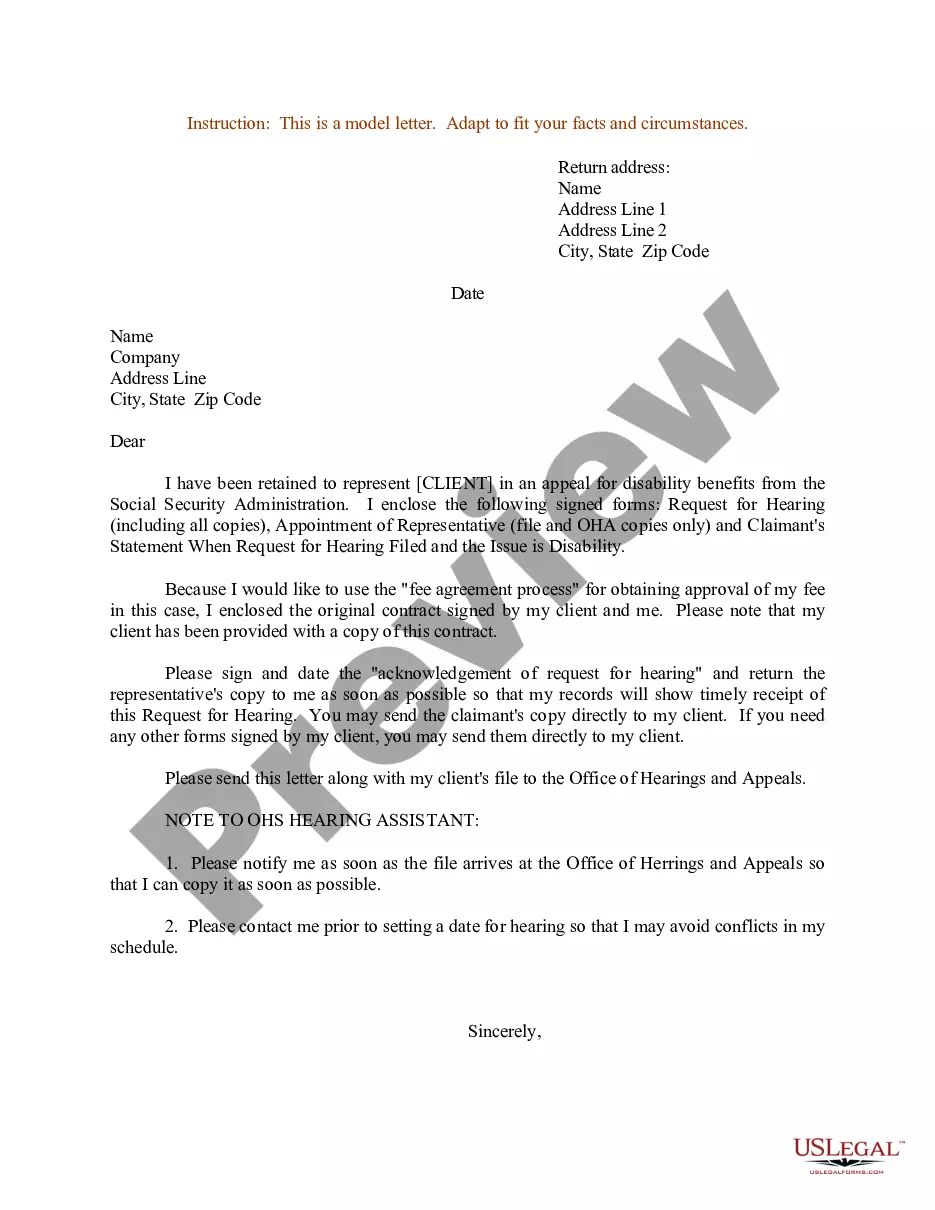
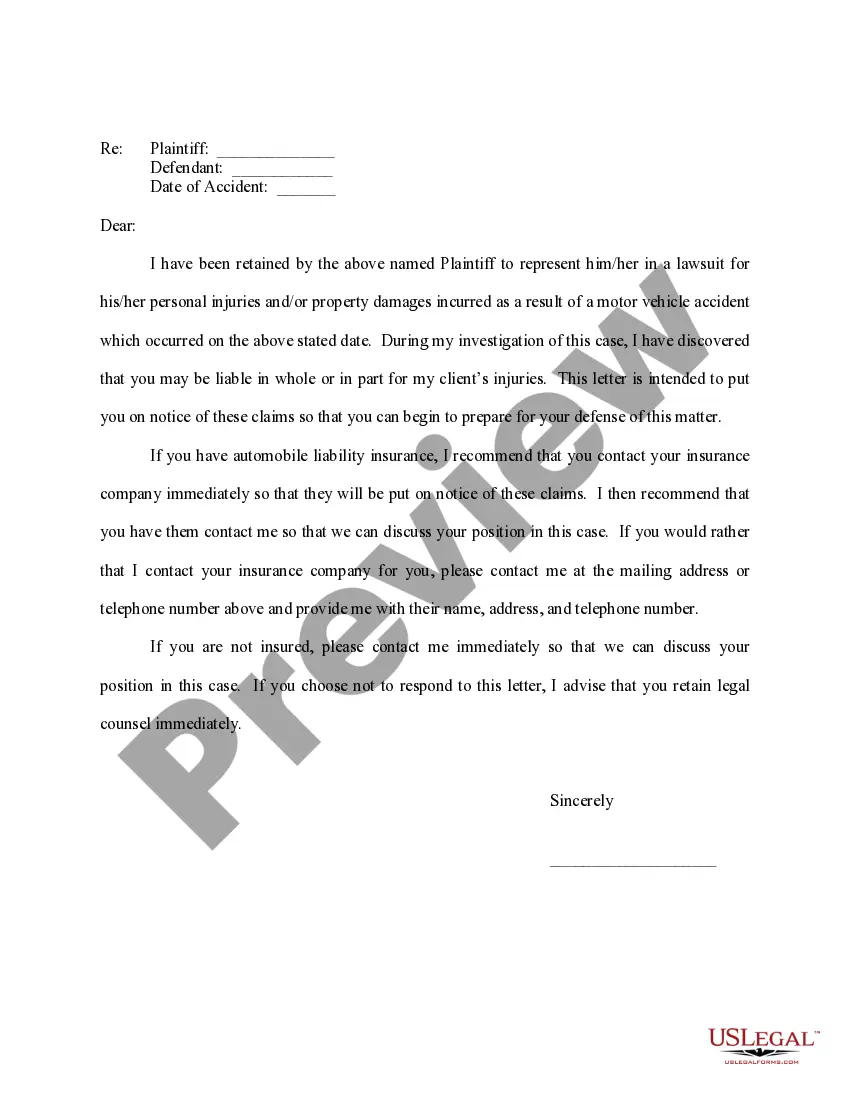
Get your form ready online
Our built-in tools help you complete, sign, share, and store your documents in one place.
Make edits, fill in missing information, and update formatting in US Legal Forms—just like you would in MS Word.
Download a copy, print it, send it by email, or mail it via USPS—whatever works best for your next step.
Sign and collect signatures with our SignNow integration. Send to multiple recipients, set reminders, and more. Go Premium to unlock E-Sign.
If this form requires notarization, complete it online through a secure video call—no need to meet a notary in person or wait for an appointment.
We protect your documents and personal data by following strict security and privacy standards.

Make edits, fill in missing information, and update formatting in US Legal Forms—just like you would in MS Word.

Download a copy, print it, send it by email, or mail it via USPS—whatever works best for your next step.

Sign and collect signatures with our SignNow integration. Send to multiple recipients, set reminders, and more. Go Premium to unlock E-Sign.

If this form requires notarization, complete it online through a secure video call—no need to meet a notary in person or wait for an appointment.

We protect your documents and personal data by following strict security and privacy standards.
Looking for another form?


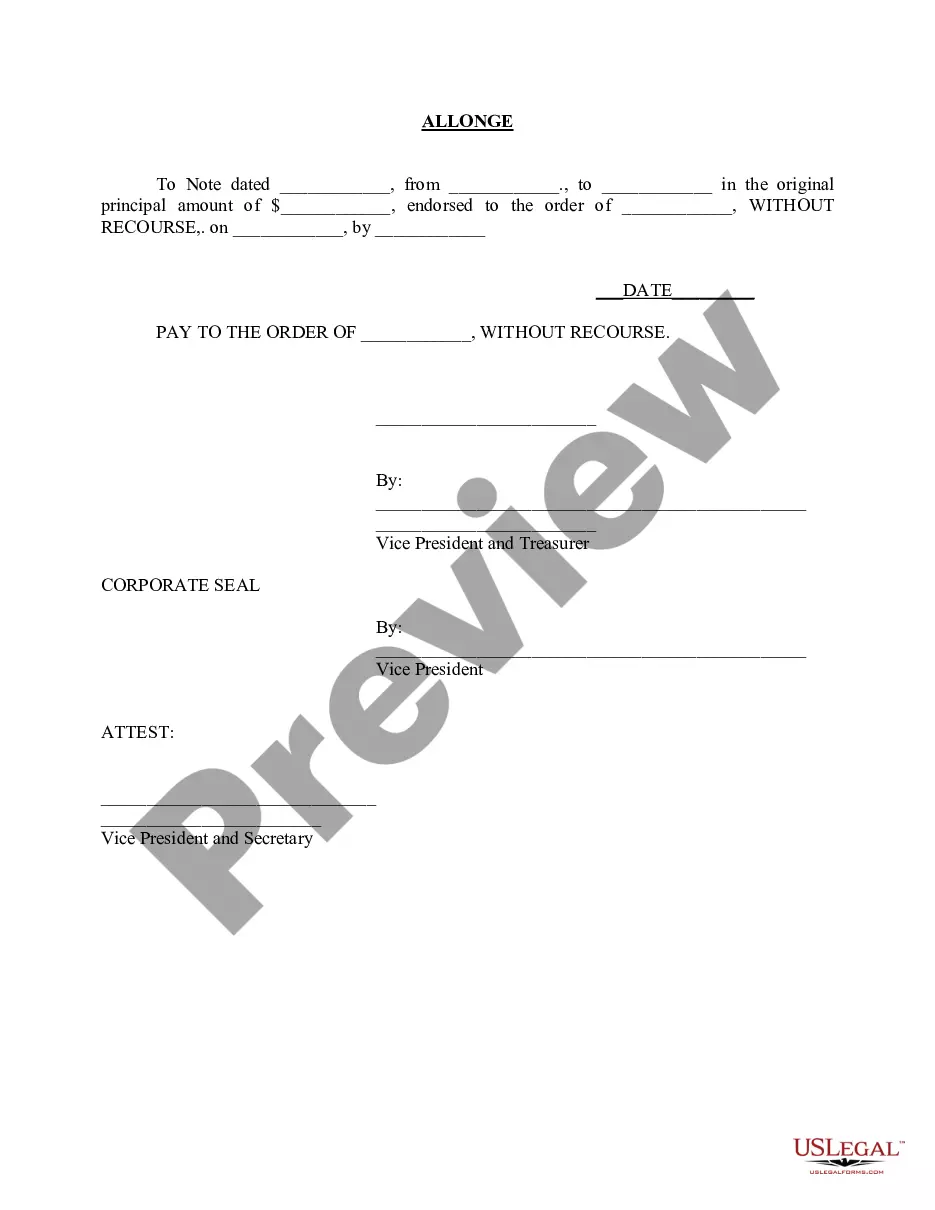

How to fill out Sample Letter For Legal Representation - Worker's Compensation?
Whether for commercial reasons or personal issues, everyone must handle legal matters sooner or later in their lives.
Filling out legal documents requires meticulous attention, starting with choosing the correct form template.
With a vast US Legal Forms library available, you do not need to waste time searching for the suitable template online. Utilize the library’s user-friendly navigation to discover the right form for any situation.
- For instance, if you select an incorrect version of a Sample Workers With Procedure, it will be rejected upon submission.
- Thus, it is essential to have a trustworthy source of legal documents like US Legal Forms.
- If you need to acquire a Sample Workers With Procedure template, follow these simple steps.
- Locate the template you require using the search field or catalog browsing.
- Review the form’s description to confirm it fits your situation, state, and county.
- Click on the form’s preview to examine it.
- If it is the incorrect form, return to the search feature to find the Sample Workers With Procedure template you need.
- Download the template if it aligns with your requirements.
- If you already possess a US Legal Forms account, simply click Log in to access previously saved templates in My documents.
- If you do not yet have an account, you can obtain the form by clicking Buy now.
- Select the correct pricing option.
- Complete the account registration form.
- Choose your payment method: either a credit card or PayPal account.
- Select the file format you desire and download the Sample Workers With Procedure.
- Once it is downloaded, you can fill out the form using editing software or print it and complete it by hand.
Form popularity
FAQ
How to write procedures Select a procedure. ... Connect with team members. ... Consider your audience. ... Write an introduction. ... Create a resource or materials list. ... Draft steps and instructions. ... Add visual elements. ... Review and revise writing.
A few examples of processes might include: Preparing breakfast. Placing an order. Developing a budget.
As for the procedure, it describes ?the specified way of carrying out an activity or process. Still not obvious, is it? To keep it simple, let's take a familiar example: making a chocolate cake. The process is the action of making the cake and the procedure is the recipe that explains how to make the cake.
Here are some good rules to follow: Write actions out in the order in which they happen. ... Avoid too many words. ... Use the active voice. ... Use lists and bullets. Don't be too brief, or you may give up clarity. Explain your assumptions, and make sure your assumptions are valid. Use jargon and slang carefully.
How to Write Work Instructions Step 1: Write a Clear Title. First, write the document's title. ... Step 2: Write a Brief Introduction. ... Step 3: Describe How to Do It. ... Step 4: Format Work Instructions. ... Step 5: Revise Your Document. ... Step 6: Provide Resources. ... Step 7: Test Effectiveness.