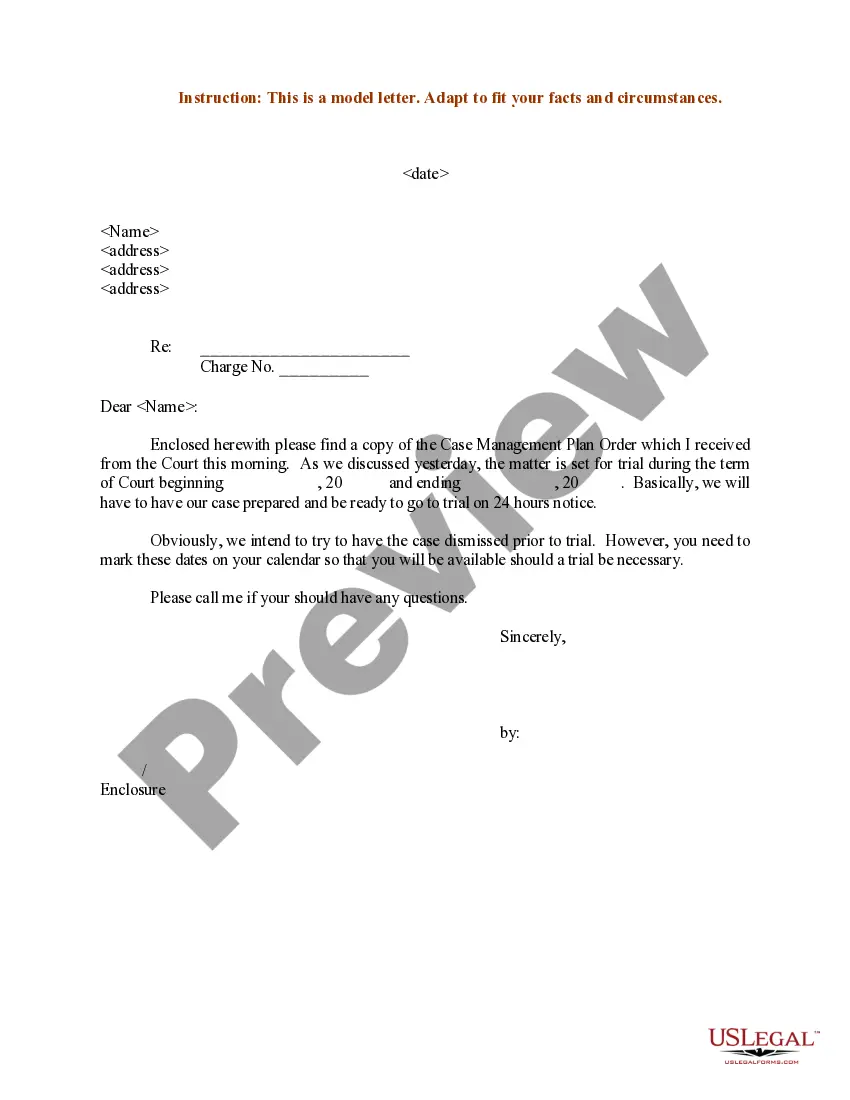
Case Manager For Law Firm
Description
Get your form ready online
Our built-in tools help you complete, sign, share, and store your documents in one place.
Make edits, fill in missing information, and update formatting in US Legal Forms—just like you would in MS Word.
Download a copy, print it, send it by email, or mail it via USPS—whatever works best for your next step.
Sign and collect signatures with our SignNow integration. Send to multiple recipients, set reminders, and more. Go Premium to unlock E-Sign.
If this form requires notarization, complete it online through a secure video call—no need to meet a notary in person or wait for an appointment.
We protect your documents and personal data by following strict security and privacy standards.

Make edits, fill in missing information, and update formatting in US Legal Forms—just like you would in MS Word.

Download a copy, print it, send it by email, or mail it via USPS—whatever works best for your next step.

Sign and collect signatures with our SignNow integration. Send to multiple recipients, set reminders, and more. Go Premium to unlock E-Sign.

If this form requires notarization, complete it online through a secure video call—no need to meet a notary in person or wait for an appointment.

We protect your documents and personal data by following strict security and privacy standards.
Looking for another form?






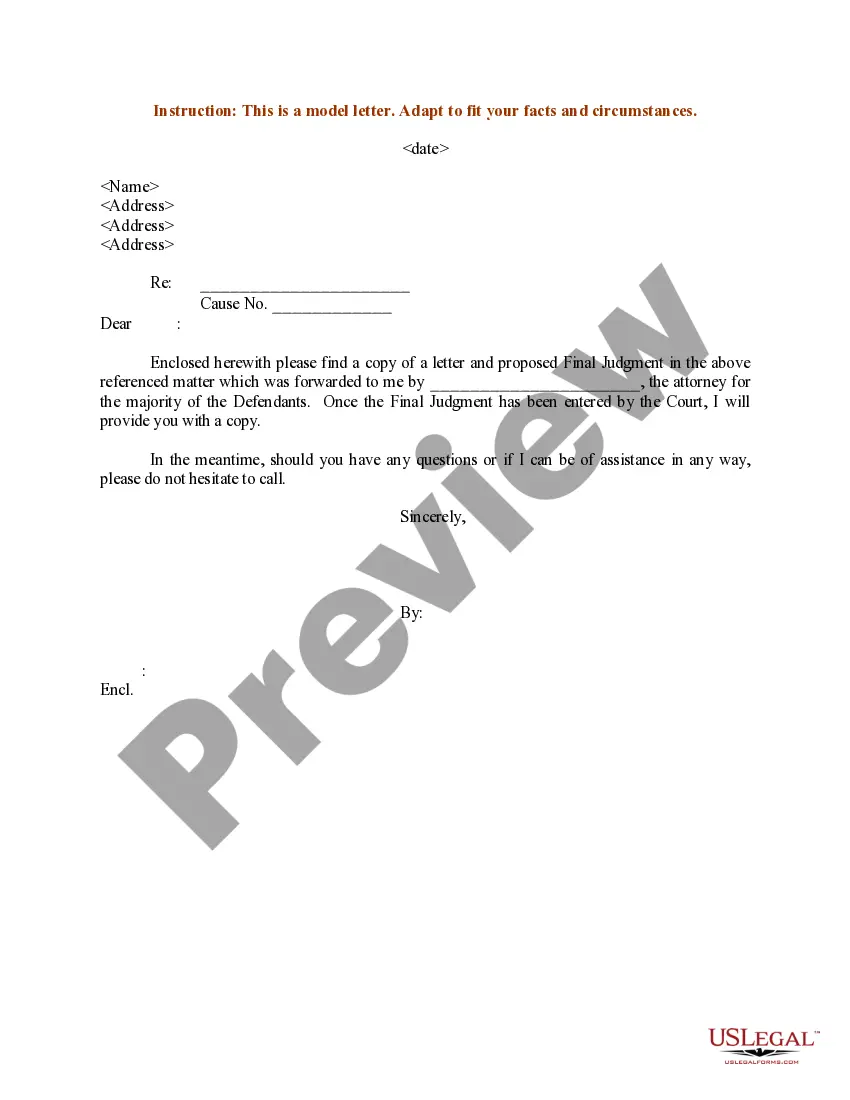
How to fill out Sample Letter For Case Management Plan Order?
Obtaining legal document examples that comply with federal and local laws is crucial, and the web provides numerous choices to select from.
However, what is the purpose of spending time searching for the appropriately formatted Case Manager For Law Firm sample online when the US Legal Forms virtual library already has such documents compiled in one location.
US Legal Forms is the top online legal repository with more than 85,000 editable templates created by attorneys for any business and personal situation.
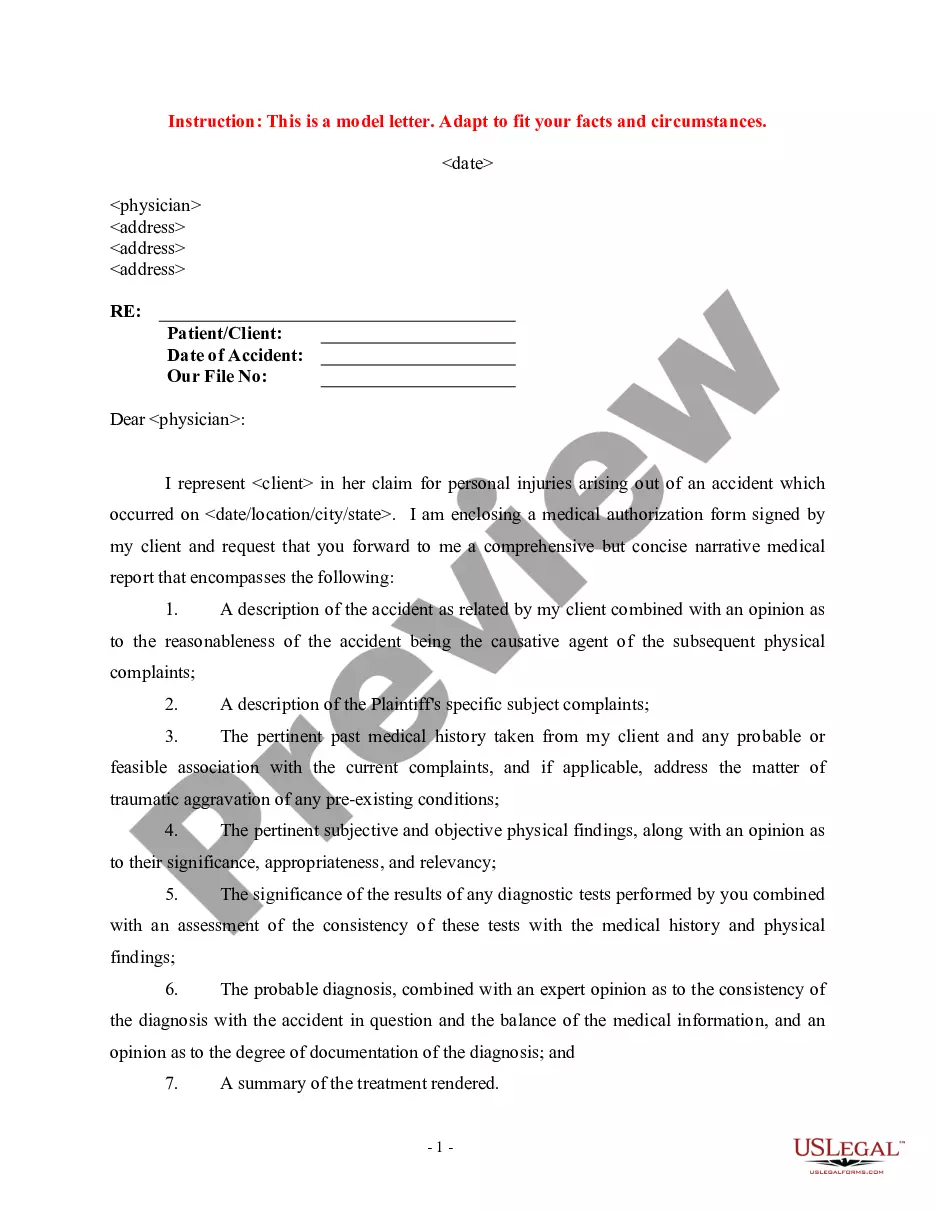
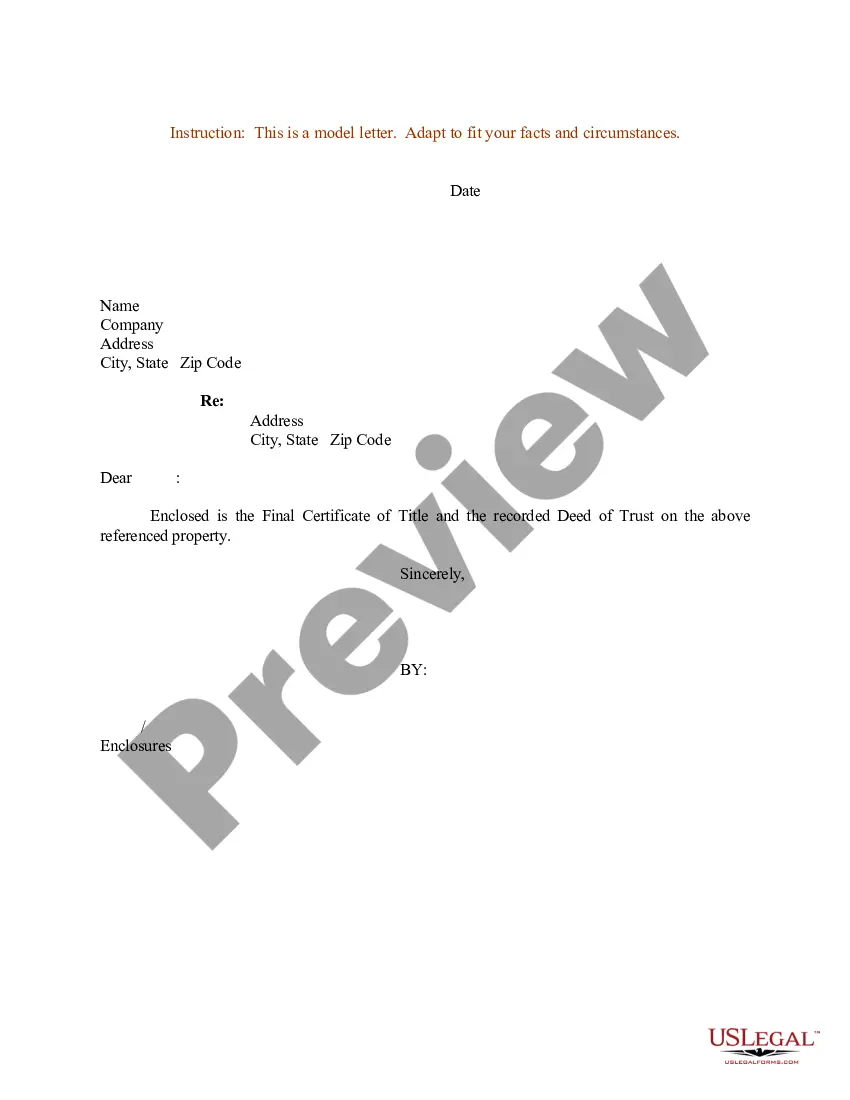
Review the template using the Preview option or through the text outline to ensure it meets your requirements.
- They are simple to explore with all documents categorized by state and intent of use.
- Our experts stay current with legislative changes, ensuring your documents are always accurate and compliant when acquiring a Case Manager For Law Firm from our site.
- Acquiring a Case Manager For Law Firm is swift and straightforward for both existing and new users.
- If you currently hold an account with an active subscription, Log In and save the document sample you require in the appropriate format.
- If you are new to our platform, follow the instructions outlined below.
Form popularity
FAQ
The most common complaint against lawyers typically involves issues of communication. Clients often feel that they were not kept informed about the progress of their cases or did not receive timely responses to their questions. By employing a case manager for your law firm, you can improve client communication and ensure that every client feels valued and informed. This ultimately builds trust and reduces the likelihood of complaints.
To get a case manager for your law firm, start by assessing your needs and requirements. Then, you can explore various platforms, such as US Legal Forms, which offers helpful resources and tools to connect you with qualified case managers. Consider interviewing potential candidates to ensure they fit your firm’s culture and workflow. Once you find the right match, you will enhance your firm's efficiency and client satisfaction.
To obtain a case manager, a client should inquire directly with their law firm about these services. Most reputable firms provide the option of working with a case manager for law firm clients, facilitating the entire legal experience. If your firm does not currently offer this service, they may be able to refer you to an external service. Additionally, platforms like US Legal Forms can help guide you in finding resources related to case management.
Individuals involved in legal cases often benefit from having a case manager for law firm support. A case manager provides organization and clarity, ensuring clients understand their case milestones and requirements. This reduces the stress associated with legal proceedings and improves communication between the client and the legal team. When clients know they have dedicated support, it promotes a smoother process.
Yes, many law firms employ case managers to enhance their operational efficiency. These professionals help coordinate client information, deadlines, and documentation. By utilizing a case manager for law firm processes, attorneys can focus more on legal representation and less on administrative tasks. This ensures that every client receives the attention and service they deserve.
A case manager in a law firm plays a pivotal role in managing client cases from start to finish. This includes organizing case files, coordinating with attorneys, and maintaining communication with clients, ensuring everyone is informed about case developments. By implementing effective strategies, a case manager for a law firm can enhance overall productivity and client satisfaction. This role is essential in streamlining operations and fostering positive client relationships.
The primary distinction between a case manager and a paralegal lies in their roles within a law firm. A case manager for a law firm oversees the progress of cases, ensuring timelines are met and communication flows smoothly between clients and attorneys. In contrast, a paralegal typically handles legal research, document preparation, and other supportive tasks. Both positions are crucial, yet their functions complement each other in providing efficient legal service.
Documenting case management involves creating clear and organized records of all actions taken for each case. A case manager for law firm typically uses specialized software to input data, track deadlines, and record interactions with clients. This precise documentation is essential for maintaining an accurate history of the case, which can be pivotal for future reference or legal proceedings. Implementing platforms like uslegalforms can streamline this process, ensuring that documentation remains efficient and accessible.
In a law firm, a case manager plays a fundamental role by supporting attorneys through detailed case management. They gather and review evidence, prepare reports, and ensure that critical actions are taken on time. By acting as a liaison between parties involved, a case manager for law firm enhances communication and fosters better client relationships. Their organized approach contributes significantly to the success of legal outcomes.
A case manager for law firm oversees the progress of legal cases, ensuring all deadlines are met and documentation is in order. They coordinate communication between clients and attorneys, bringing clarity to complicated legal processes. Additionally, they manage case files and keep track of vital information, which allows lawyers to focus on building strong cases. This role is crucial for maintaining an organized and efficient workflow within the firm.