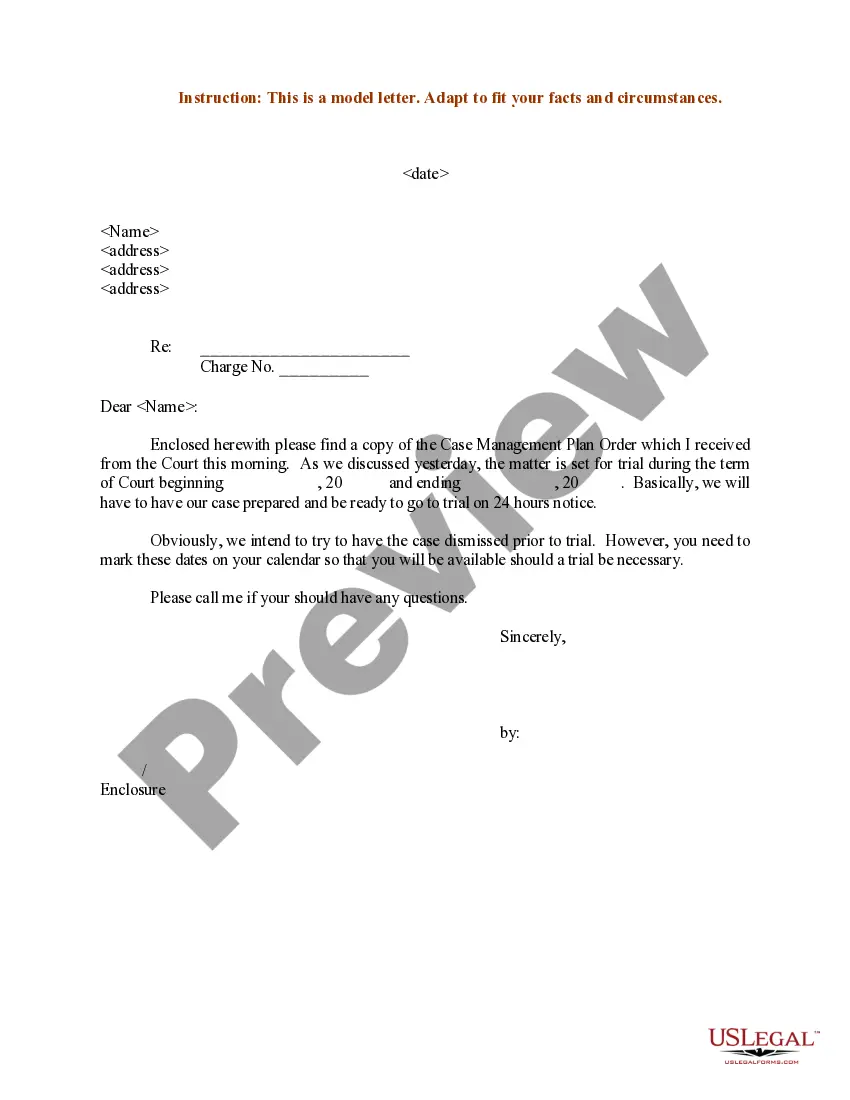
Case Management Rules
Description
Get your form ready online
Our built-in tools help you complete, sign, share, and store your documents in one place.
Make edits, fill in missing information, and update formatting in US Legal Forms—just like you would in MS Word.
Download a copy, print it, send it by email, or mail it via USPS—whatever works best for your next step.
Sign and collect signatures with our SignNow integration. Send to multiple recipients, set reminders, and more. Go Premium to unlock E-Sign.
If this form requires notarization, complete it online through a secure video call—no need to meet a notary in person or wait for an appointment.
We protect your documents and personal data by following strict security and privacy standards.

Make edits, fill in missing information, and update formatting in US Legal Forms—just like you would in MS Word.

Download a copy, print it, send it by email, or mail it via USPS—whatever works best for your next step.

Sign and collect signatures with our SignNow integration. Send to multiple recipients, set reminders, and more. Go Premium to unlock E-Sign.

If this form requires notarization, complete it online through a secure video call—no need to meet a notary in person or wait for an appointment.

We protect your documents and personal data by following strict security and privacy standards.
Looking for another form?
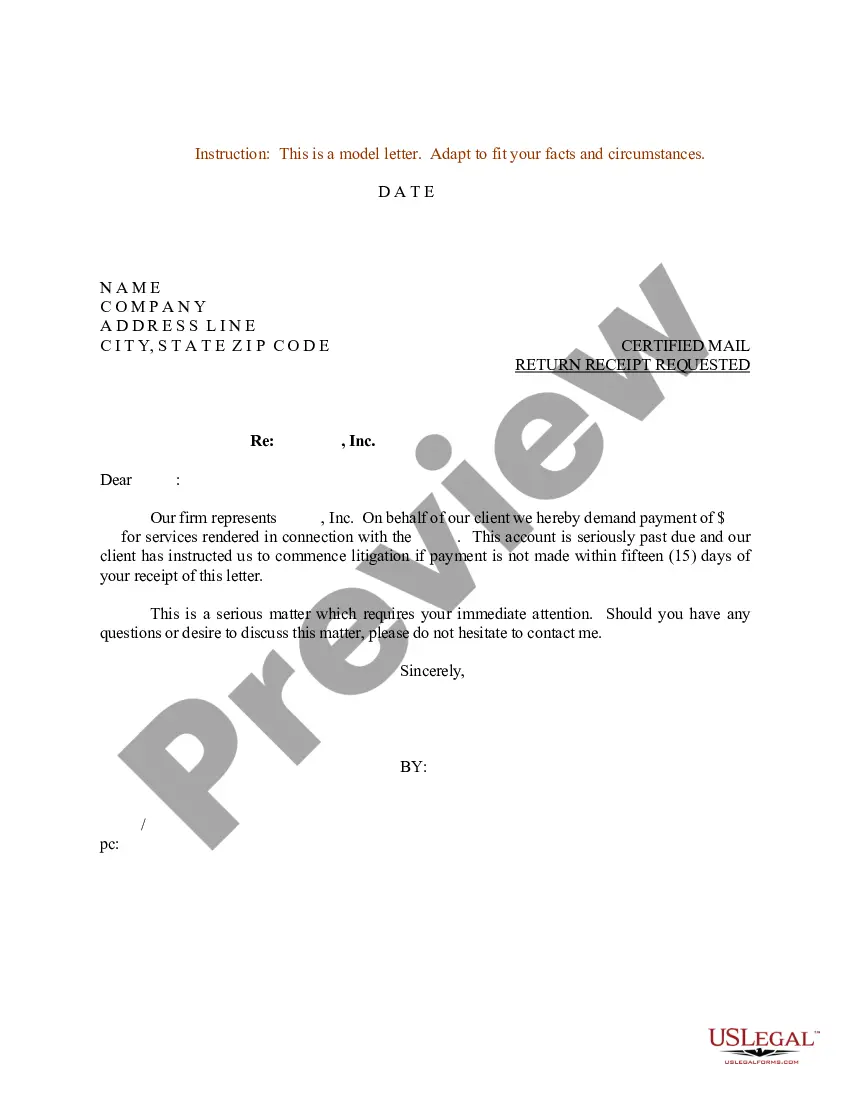
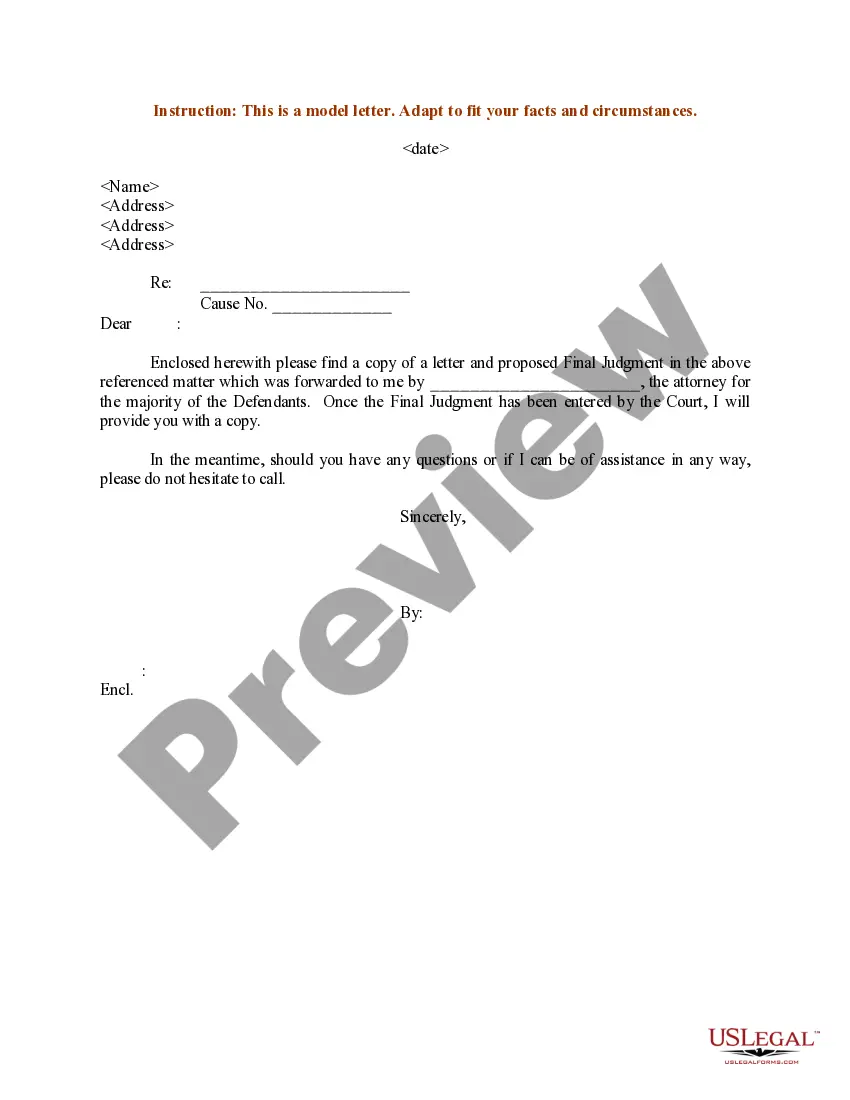
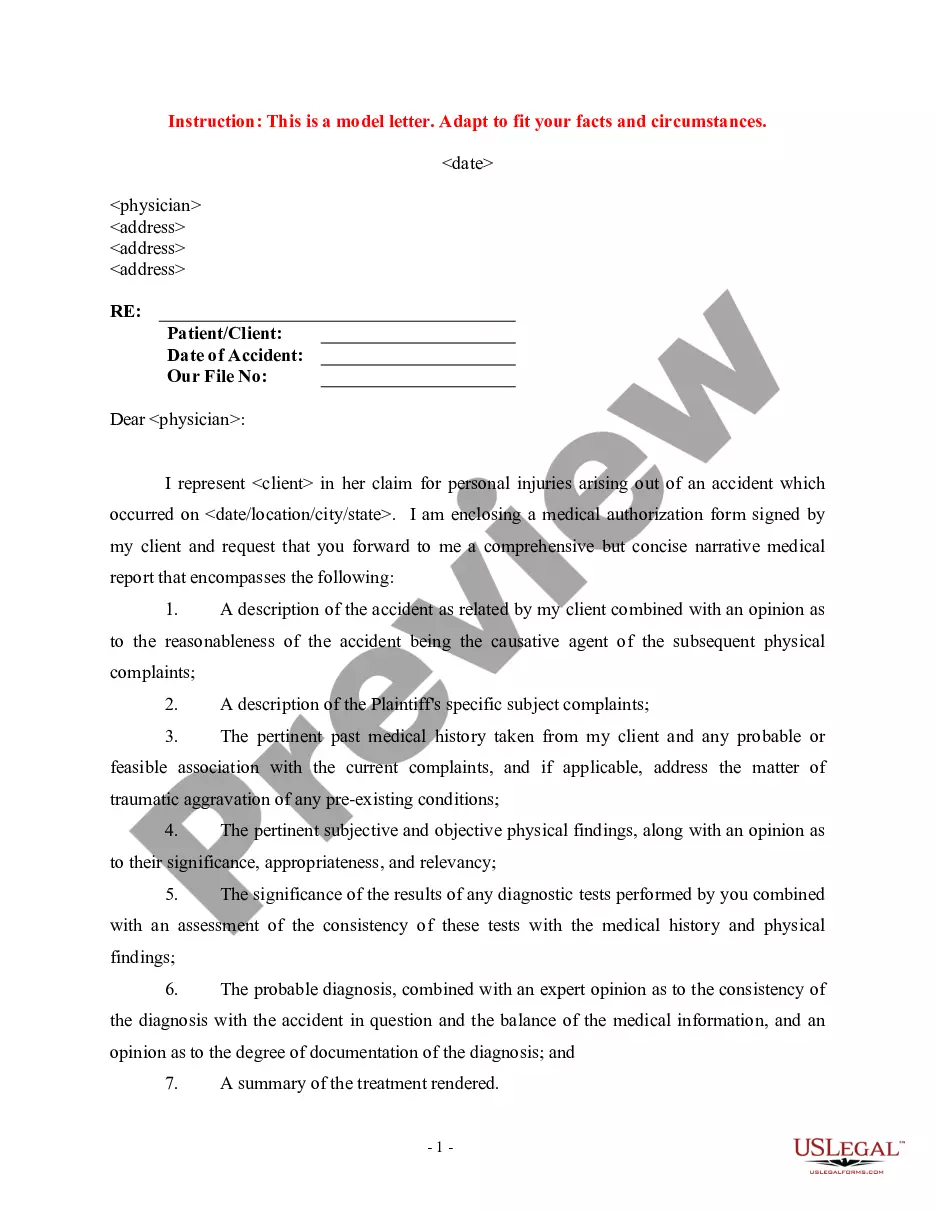
How to fill out Sample Letter For Case Management Plan Order?
Obtaining legal document examples that comply with federal and state laws is essential, and the internet provides numerous choices to select from.
However, what is the sense in squandering time searching for the suitable Case Management Rules example online when the US Legal Forms digital library already has such documents gathered in one location.
US Legal Forms is the largest virtual legal repository with over 85,000 customizable documents created by attorneys for any business and personal matter. They are easy to navigate, with all documents categorized by state and intended purpose.
Explore another example using the search bar at the top of the page if necessary.
- Our experts stay current with legal updates, ensuring that you can always trust your form is current and compliant when acquiring a Case Management Rules from our site.
- Acquiring a Case Management Rules is straightforward and quick for both existing and new users.
- If you already have an account with an active subscription, Log In and retrieve the document sample you need in your desired format.
- If you are a newcomer to our site, follow the steps below.
- Review the template using the Preview feature or via the text outline to confirm it aligns with your requirements.
Form popularity
FAQ
The time needed to get certified in case management varies depending on the program and your current experience level. Generally, preparation for certification can take a few months, while the evaluation process might add additional time. Being familiar with case management rules can streamline your preparation, as you will be better equipped for the certification exams.
To qualify for case management, you should have a combination of education, relevant experience, and possibly certification. Many employers look for candidates with a bachelor’s degree and experience in social work or healthcare. Additionally, obtaining a certification in case management can demonstrate your proficiency in applying case management rules effectively.
Case management involves assessing a client's needs, planning and coordinating services, and monitoring progress towards goals. It encompasses various services, including resources for healthcare, therapy, and social support. Understanding case management rules is crucial, as they guide best practices and ensure ethical service delivery.
Getting into case management often begins with gaining experience in social services or healthcare settings. Pursuing a relevant degree can provide foundational knowledge about case management rules. Networking with professionals in the field and pursuing certification can enhance your qualifications and open doors to job opportunities.
To become a caseworker, you typically need a bachelor's degree in social work, psychology, or a related field. This educational background prepares you to understand the complexities of human behavior and the rules surrounding case management. Many employers prefer candidates with relevant experience or additional certifications in case management rules.
The seven core functions of case management include planning, coordinating, monitoring, evaluating, advocating, documenting, and communicating. These functions help legal professionals manage cases efficiently and ensure compliance with case management rules. Through effective planning and coordination, professionals can streamline processes and eliminate inefficiencies. Monitoring and evaluating progress keep all parties informed, while diligent documentation and strong communication foster collaboration among legal teams, enhancing overall case outcomes.
In a courtroom, five key roles are essential to the judicial process: the judge, jurors, attorneys, court reporters, and bailiffs. The judge oversees the proceedings and ensures that the case management rules are followed. Jurors evaluate the evidence and deliver verdicts based on the information presented. Attorneys represent the parties involved, advocating for their clients' rights and interests, while court reporters create an official record of the proceedings, and bailiffs maintain order in the courtroom.
The five steps of case management typically include identifying the case, developing a strategy, implementing that strategy, monitoring progress, and evaluating outcomes. First, identify all relevant information and parties involved in the case. Then, craft a strategy that aligns with the case management rules applicable in your area. After implementing the strategy, continuously monitor the case to adapt as necessary while keeping all parties informed. Finally, evaluate the outcome to ensure successful resolution, making adjustments for future cases if needed, and consider leveraging Us Legal Forms for efficient case management.
To prepare for a Case Management Conference (CMC), start by reviewing the relevant case management rules specific to your jurisdiction. Gather all necessary documents, including pleadings and evidence, to ensure you can address key issues during the meeting. It is also vital to outline your goals and strategies for the case to facilitate open communication. Utilizing legal solutions, like Us Legal Forms, can help streamline this process by providing templates and resources tailored to your needs.