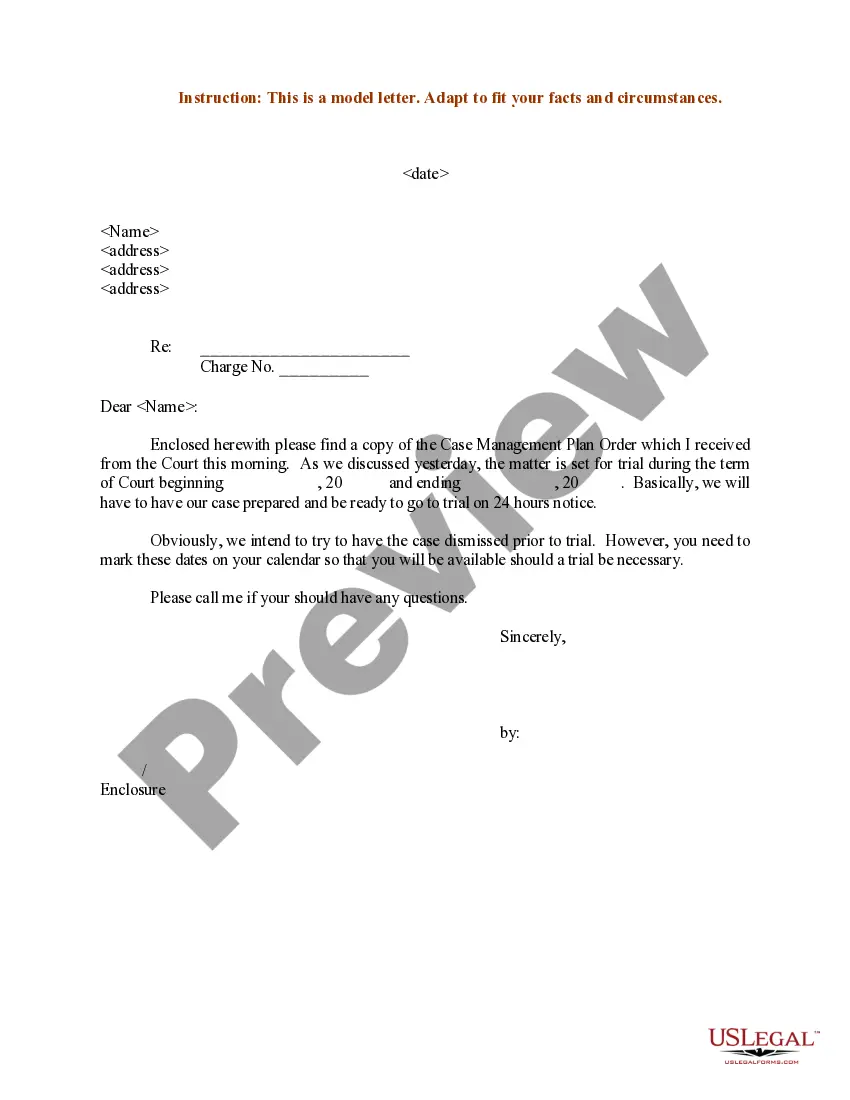
Case Management Guidelines
Description
Get your form ready online
Our built-in tools help you complete, sign, share, and store your documents in one place.
Make edits, fill in missing information, and update formatting in US Legal Forms—just like you would in MS Word.
Download a copy, print it, send it by email, or mail it via USPS—whatever works best for your next step.
Sign and collect signatures with our SignNow integration. Send to multiple recipients, set reminders, and more. Go Premium to unlock E-Sign.
If this form requires notarization, complete it online through a secure video call—no need to meet a notary in person or wait for an appointment.
We protect your documents and personal data by following strict security and privacy standards.

Make edits, fill in missing information, and update formatting in US Legal Forms—just like you would in MS Word.

Download a copy, print it, send it by email, or mail it via USPS—whatever works best for your next step.

Sign and collect signatures with our SignNow integration. Send to multiple recipients, set reminders, and more. Go Premium to unlock E-Sign.

If this form requires notarization, complete it online through a secure video call—no need to meet a notary in person or wait for an appointment.

We protect your documents and personal data by following strict security and privacy standards.
Looking for another form?
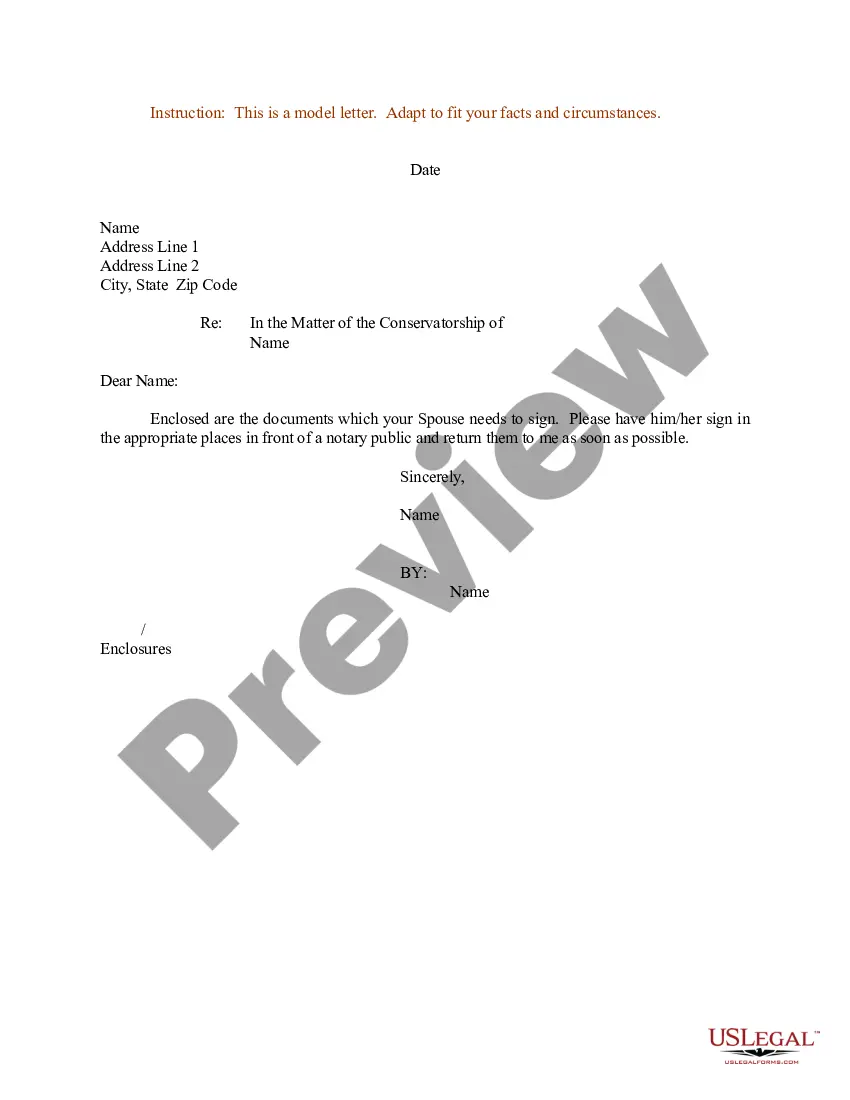
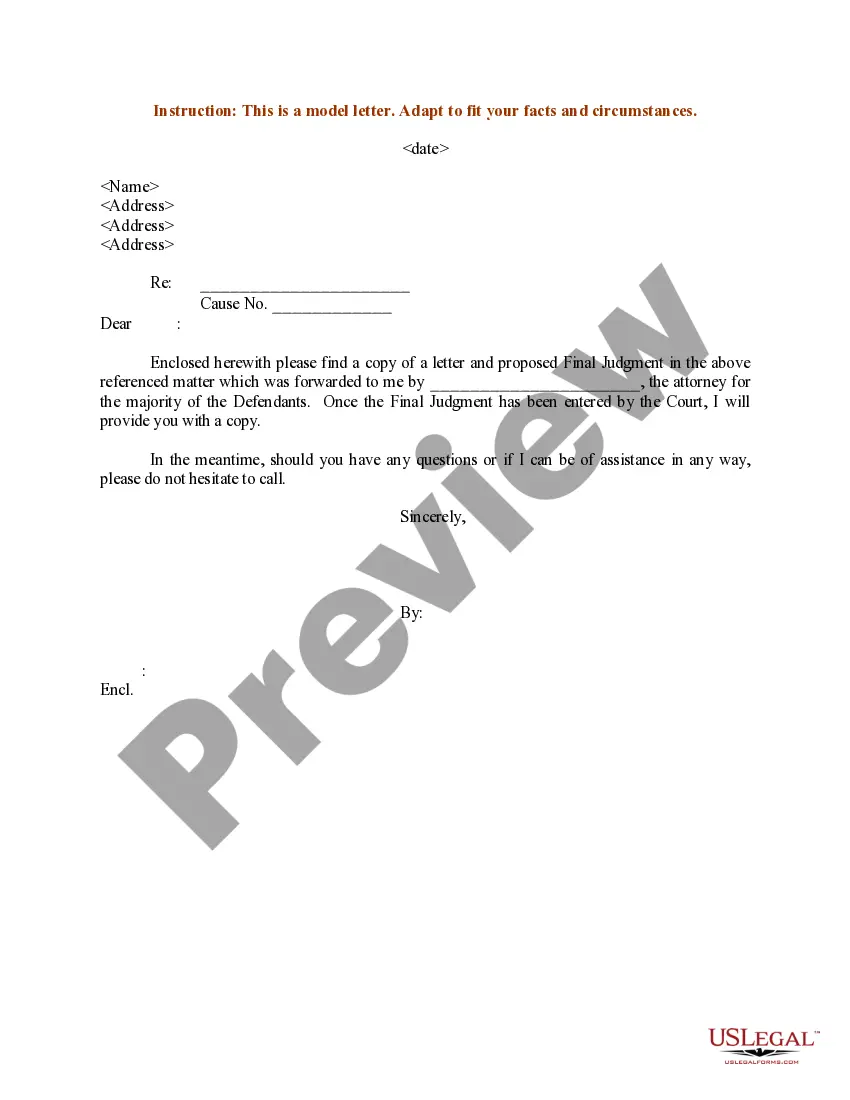
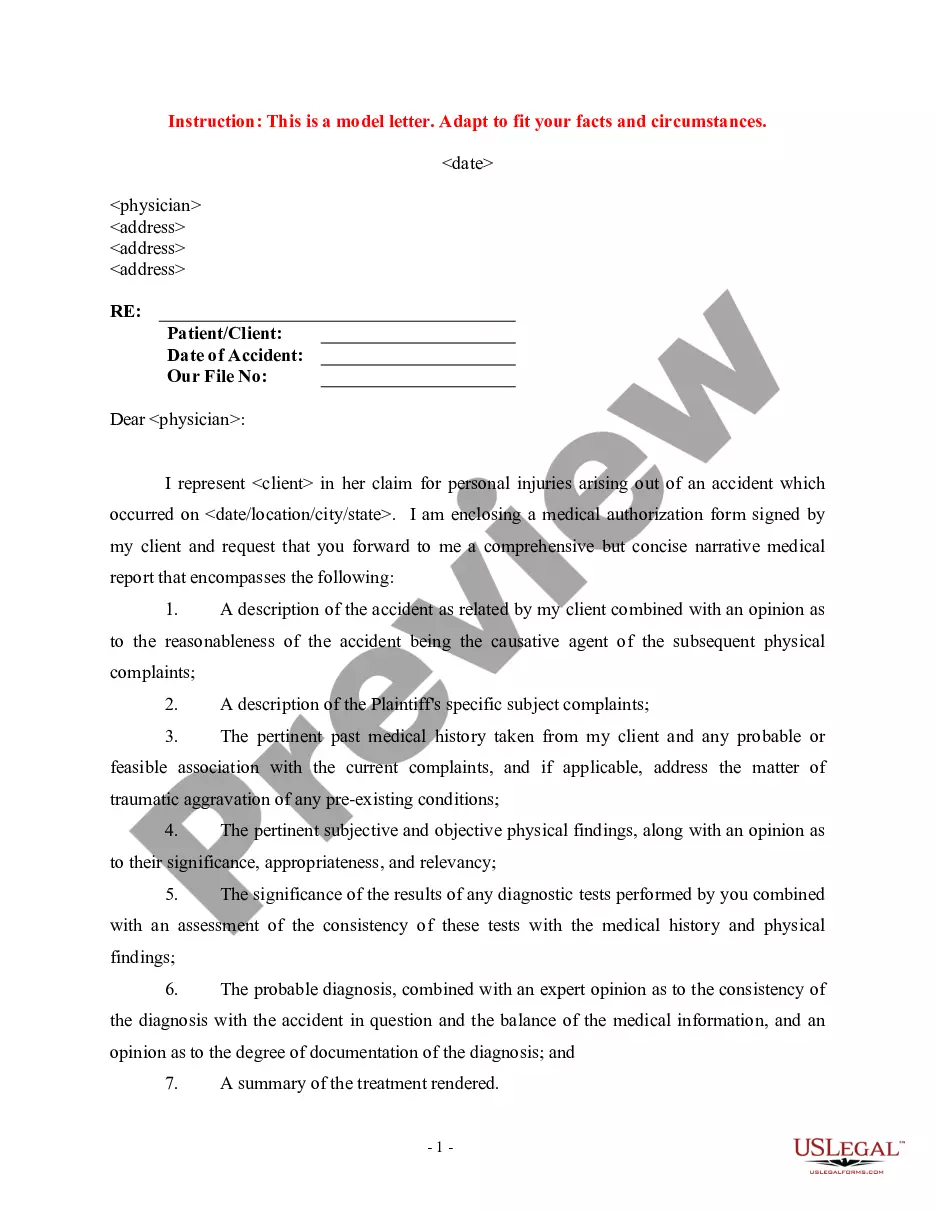
How to fill out Sample Letter For Case Management Plan Order?
Utilizing legal document samples that adhere to federal and state regulations is essential, and the web provides numerous choices.
However, what is the benefit of spending time searching for the appropriately drafted Case Management Guidelines template online when the US Legal Forms digital library has assembled such resources in one location.
US Legal Forms is the most comprehensive online legal repository featuring over 85,000 fillable templates created by attorneys for any business or personal situation. The documents are easy to navigate, organized by state and intended use. Our professionals keep pace with legal updates, ensuring that your documents are current and compliant when you acquire a Case Management Guidelines from our site.
Click Buy Now once you have found the right form, then choose a subscription plan. Sign up for an account or Log In and proceed with payment via PayPal or credit card. Select the right format for your Case Management Guidelines and download it. All documents available through US Legal Forms are reusable. To re-download and fill out previously acquired forms, access the My documents tab in your account. Take advantage of the largest and simplest legal document service!
- Acquiring a Case Management Guidelines is quick and straightforward for both existing and new users.
- If you have an account with an active subscription, Log In and store the document sample you need in the appropriate format.
- If you're new to our site, follow these instructions.
- Review the template using the Preview option or via the text outline to confirm it satisfies your criteria.
- Search for an alternative sample using the search bar at the top of the page if needed.
Form popularity
FAQ
A case management document outlines the details and status of a legal case, serving as a roadmap for its progress. This document typically includes timelines, procedural directions, and key issues to be addressed. Understanding the case management guidelines will help you create an effective document that supports your case strategy. Utilizing platforms like USLegalForms can simplify the process of drafting these crucial documents.
Preparing for a CMC involves gathering relevant information and documents related to your case. You should review the case management guidelines to ensure you cover all necessary points during the meeting. This preparation includes identifying key issues, setting realistic timelines, and determining settlement options if applicable. A thorough preparation increases your chances of a productive conference.
Filing a Case Management Conference (CMC) statement is essential in the early stages of your case. Typically, you should submit this document several weeks before the scheduled CMC date. Following the case management guidelines ensures you meet deadlines set by the court, allowing all parties to prepare adequately. Remember, timely submission helps streamline the management of your case.
The four stages of case management are assessment, planning, implementation, and evaluation. This structured approach ensures that every aspect of the client’s needs is addressed comprehensively. By following these case management guidelines, you can streamline your approach and enhance communication with clients and stakeholders. Understanding these stages can greatly improve your case management strategy.
The five major functions of case management include assessment, planning, implementation, monitoring, and evaluation. These functions serve as a roadmap for case managers to navigate their responsibilities effectively. Adhering to comprehensive case management guidelines enhances the clarity and effectiveness of your processes. This structured approach leads to improved service delivery and better client outcomes.
The seven core functions of case management are assessment, planning, linking, monitoring, advocacy, coordination, and evaluation. Each function contributes to a comprehensive framework for client support. By following established case management guidelines, you can ensure that each of these functions is executed effectively. Prioritizing these functions helps to optimize outcomes for your clients and meet their diverse needs.
The eight themes of case management include collaboration, advocacy, empowerment, cultural competence, information sharing, ethical practice, client-centered focus, and outcomes measurement. These themes highlight essential aspects of successful case management. By aligning your practice with these case management guidelines, you can create a supportive environment that fosters client growth and satisfaction. Understanding these themes will enrich your strategies.
The core practice steps in case management involve establishing rapport, conducting assessments, developing care plans, coordinating services, and monitoring progress. Each step plays a crucial role in ensuring that clients receive the support they need during their journey. Implementing these steps according to established case management guidelines fosters better client outcomes. You can streamline these steps for greater efficiency and effectiveness.
The six core tasks of the case management process include engagement, assessment, planning, implementation, monitoring, and evaluation. These tasks guide case managers in delivering effective support to clients. Following these case management guidelines ensures that every client receives personalized attention and resources tailored to their needs. With a clear understanding of these tasks, you can enhance the efficacy of your case management approach.
An example of case management is when a legal team manages a client's divorce proceedings. It involves following specific case management guidelines, including gathering necessary documents, scheduling court dates, and maintaining communication with the client. Using a tool like US Legal Forms can streamline this process by providing templates and resources, ensuring that every step aligns with legal standards. This organized approach ultimately enhances the client experience and improves case outcomes.