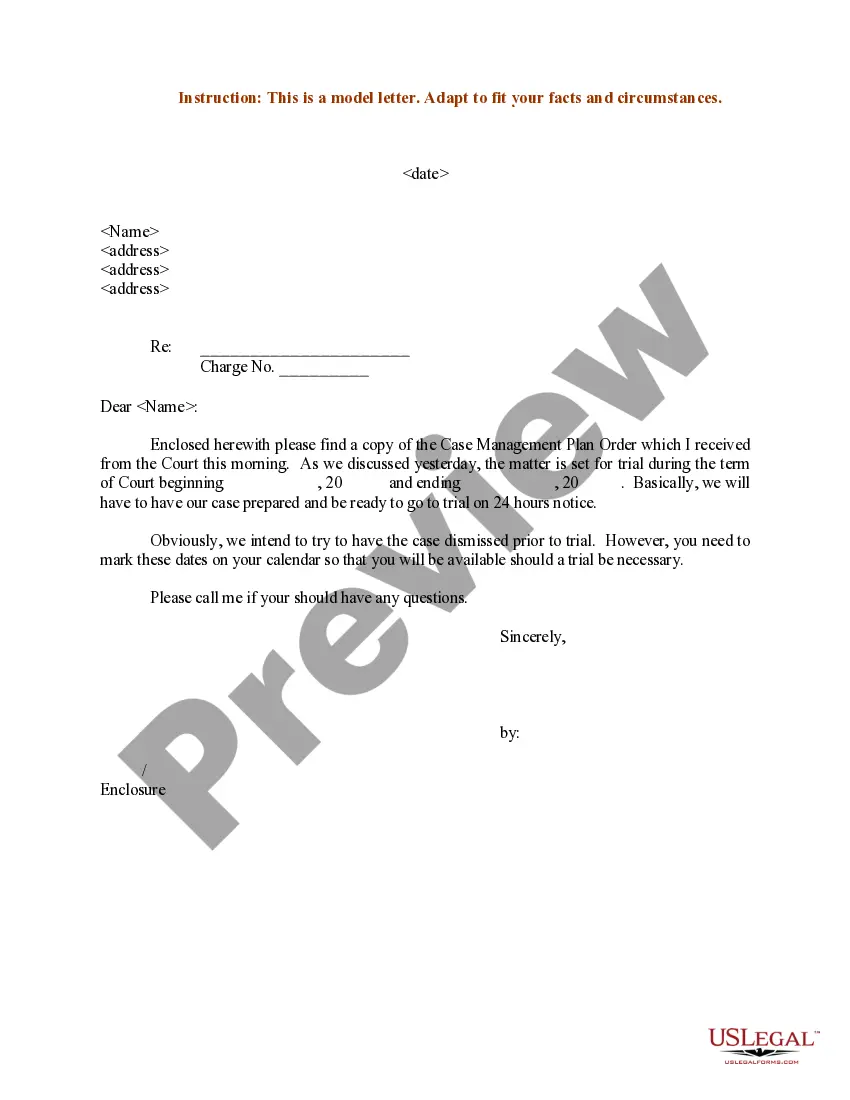
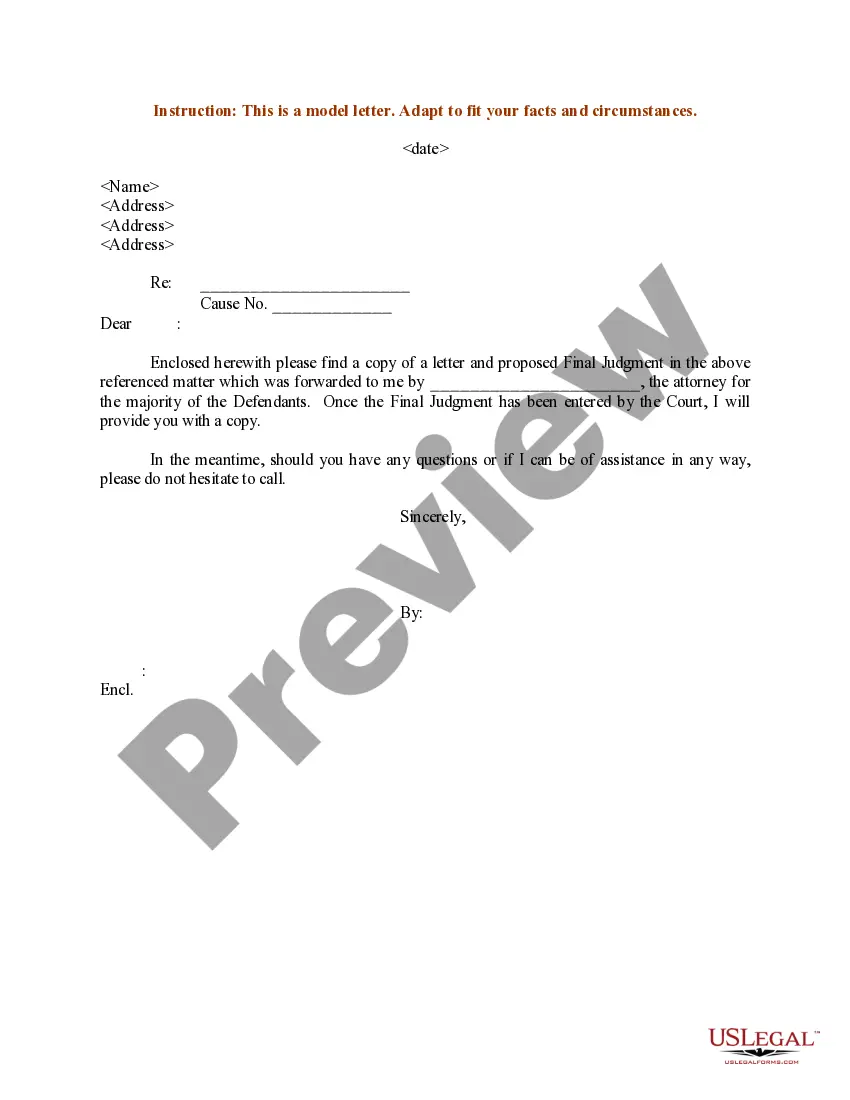
Case Management For Dummies
Description
Get your form ready online
Our built-in tools help you complete, sign, share, and store your documents in one place.
Make edits, fill in missing information, and update formatting in US Legal Forms—just like you would in MS Word.
Download a copy, print it, send it by email, or mail it via USPS—whatever works best for your next step.
Sign and collect signatures with our SignNow integration. Send to multiple recipients, set reminders, and more. Go Premium to unlock E-Sign.
If this form requires notarization, complete it online through a secure video call—no need to meet a notary in person or wait for an appointment.
We protect your documents and personal data by following strict security and privacy standards.

Make edits, fill in missing information, and update formatting in US Legal Forms—just like you would in MS Word.

Download a copy, print it, send it by email, or mail it via USPS—whatever works best for your next step.

Sign and collect signatures with our SignNow integration. Send to multiple recipients, set reminders, and more. Go Premium to unlock E-Sign.

If this form requires notarization, complete it online through a secure video call—no need to meet a notary in person or wait for an appointment.

We protect your documents and personal data by following strict security and privacy standards.
Looking for another form?
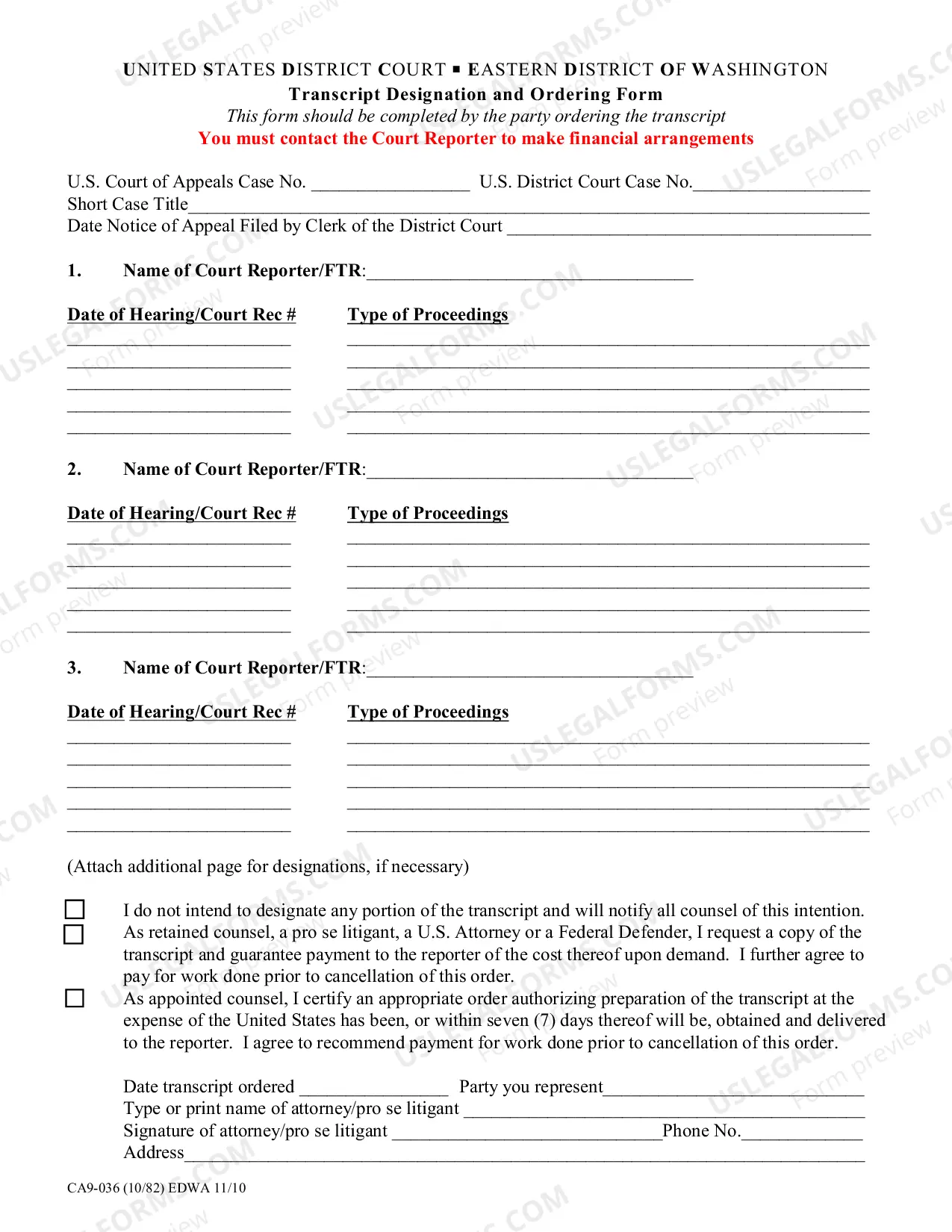
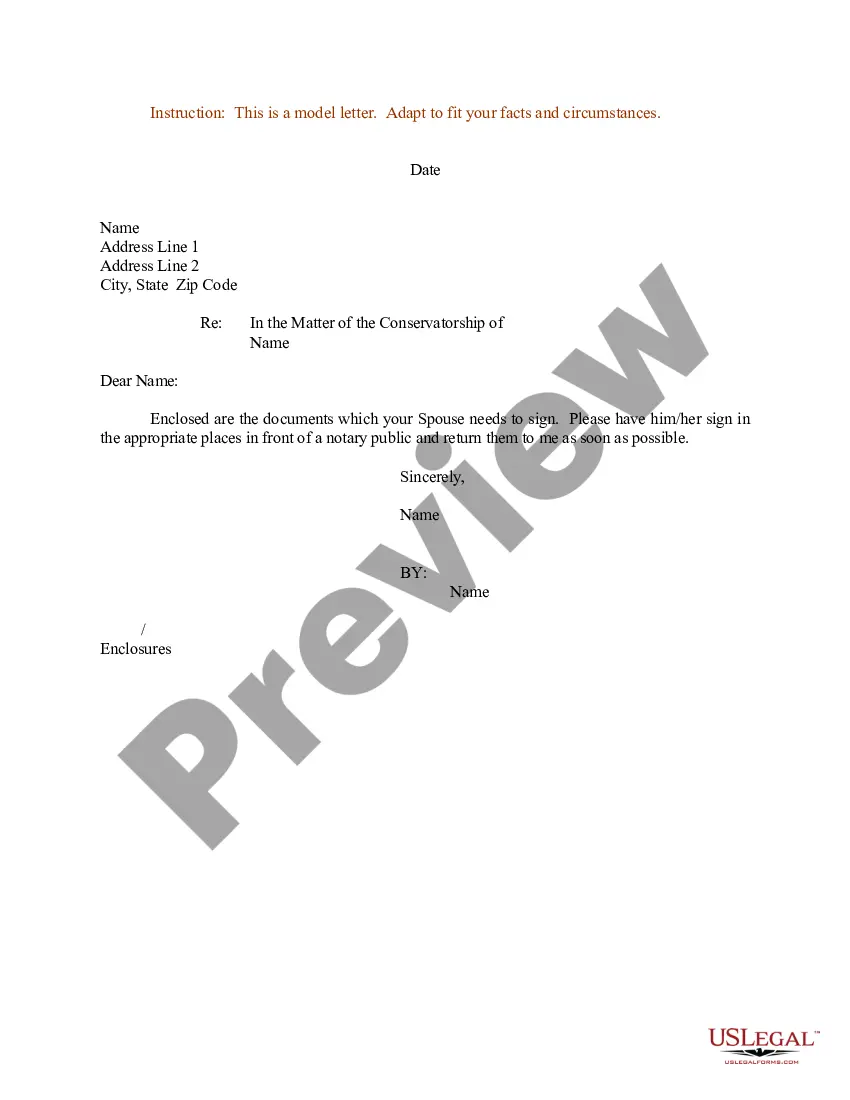
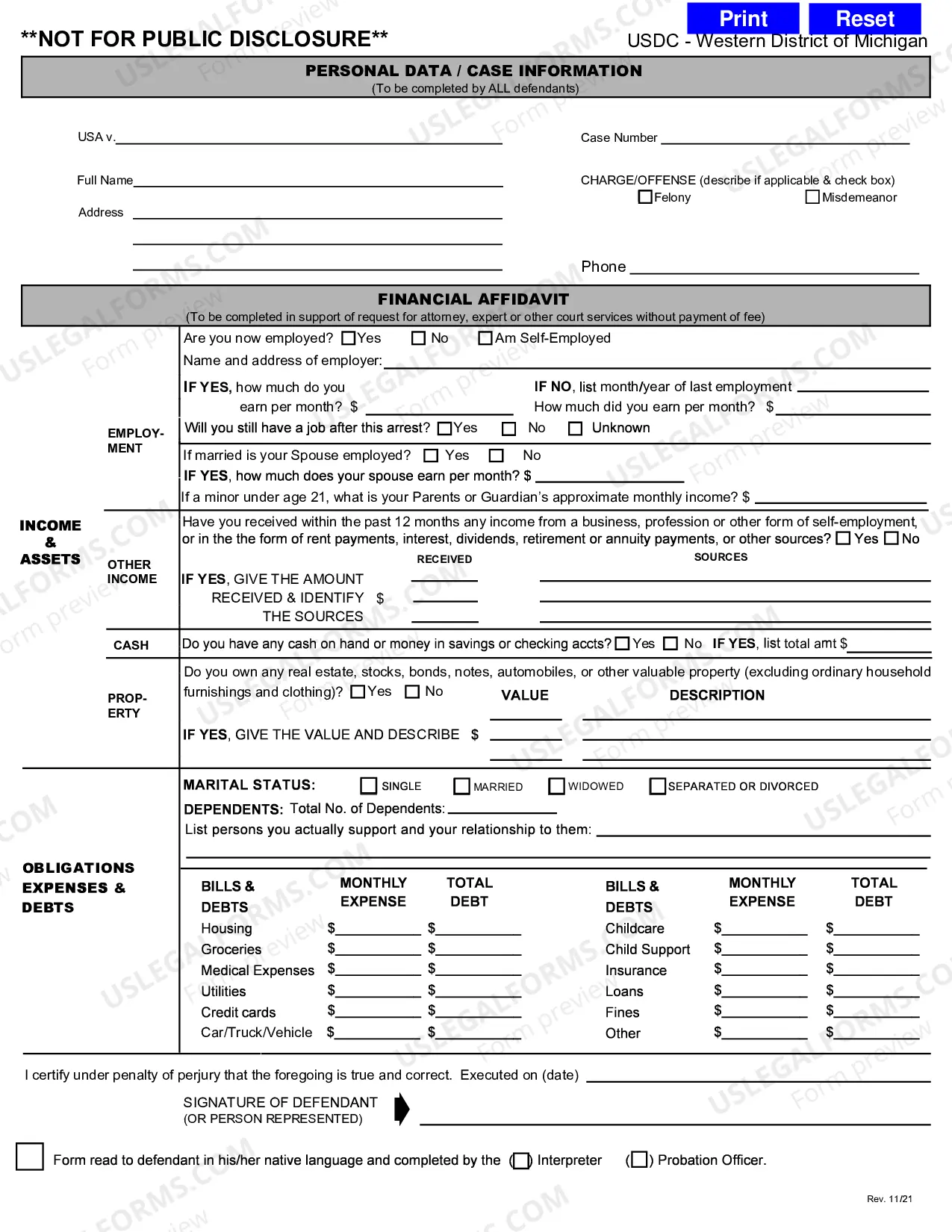
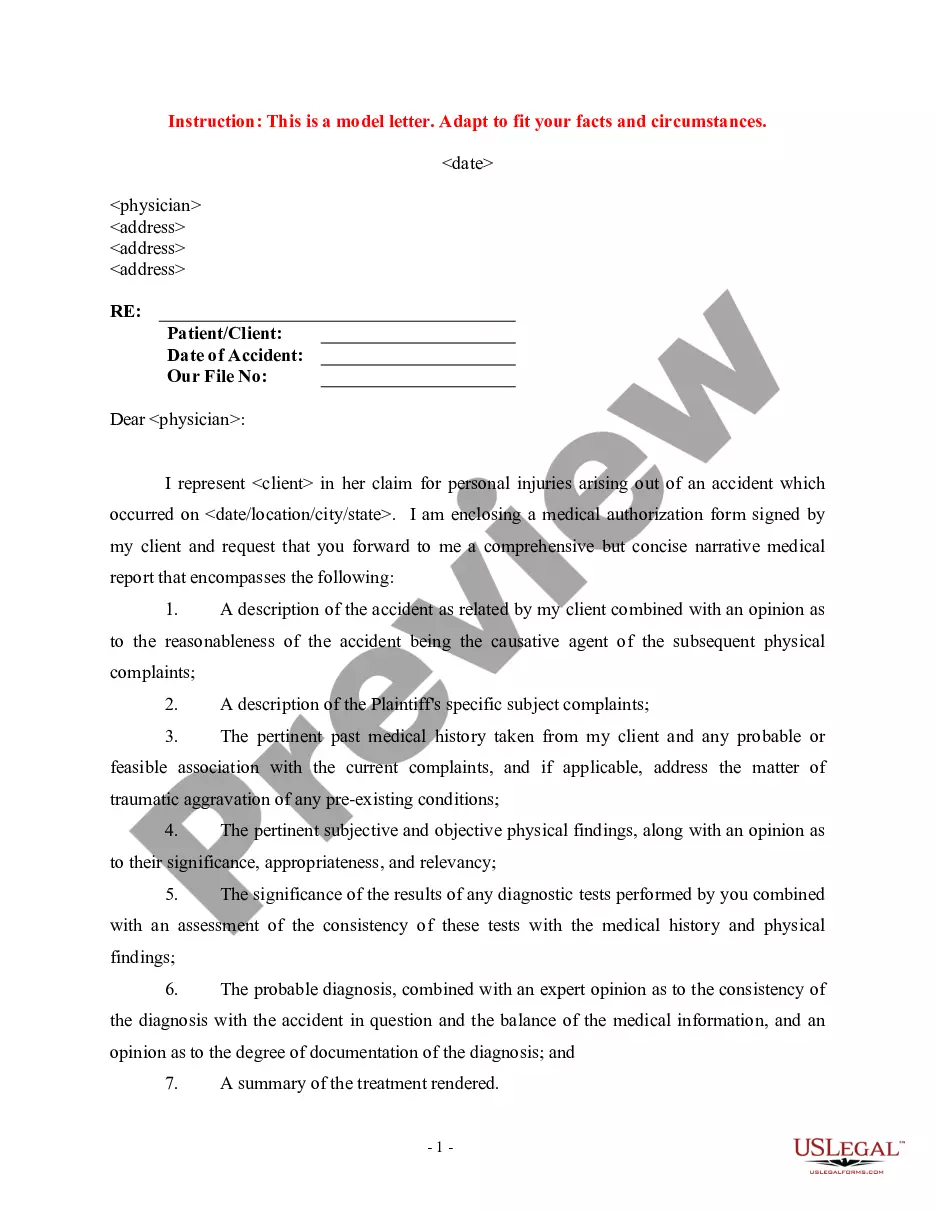
How to fill out Sample Letter For Case Management Plan Order?
Locating a preferred venue to obtain the most up-to-date and pertinent legal documents is part of the challenge of dealing with bureaucracy.
Identifying the appropriate legal paperwork requires accuracy and careful consideration, which is why it is essential to obtain samples of Case Management For Dummies exclusively from trustworthy sources, such as US Legal Forms.
After acquiring the form on your device, you can modify it using the editor or print it out and fill it in manually. Eliminate the hassle that comes with your legal documentation. Explore the extensive US Legal Forms collection where you can obtain legal templates, assess their pertinence to your scenario, and download them instantly.
- Utilize the directory navigation or search bar to locate your template.
- Examine the form's details to verify whether it meets the standards of your state and locality.
- Review the form preview, if it exists, to ensure the template is indeed what you need.
- Return to the search and locate the right document if the Case Management For Dummies does not meet your specifications.
- If you are confident about the document's applicability, download it.
- If you are a registered user, click Log in to verify and access your selected forms in My documents.
- If you do not possess an account yet, click Buy now to obtain the form.
- Select the payment plan that suits your requirements.
- Proceed to registration to finalize your purchase.
- Complete your transaction by choosing a payment method (credit card or PayPal).
- Choose the file format for downloading Case Management For Dummies.
Form popularity
FAQ
The primary focus of case management revolves around supporting clients and ensuring their needs are met throughout the legal process. It emphasizes timely communication, efficient documentation, and proactive problem-solving. Learning about case management for dummies highlights how important these elements are in navigating legal challenges effectively. Tools from USLegalForms can greatly enhance these efforts by streamlining case workflows and promoting better client engagement.
Case management refers to the systematic process of handling legal cases from start to finish. It involves organizing client information, tracking progress, and coordinating actions to achieve optimal outcomes. In essence, case management for dummies breaks down complex procedures into manageable tasks. This ensures efficiency and accuracy, which are crucial in the legal profession, especially when using reliable platforms like USLegalForms.
A common case management situation involves handling a personal injury claim. In this case, a legal professional would gather evidence, manage client communications, and track deadlines. The process relies on organized documentation and timely follow-ups, making case management for dummies an essential skill. By utilizing tools designed for this purpose, such as those offered by USLegalForms, users can simplify their approach and ensure nothing falls through the cracks.
In simple terms, case management is the coordinated approach to managing a person's needs through various support services. Its purpose is to ensure individuals receive the support necessary to achieve desired outcomes. Think of it as a guide through complex systems, making it easier for clients to navigate resources. Case management for dummies simplifies this process for anyone needing help.
To write a case management plan, start by identifying the client's needs through comprehensive assessment. Next, outline clear and measurable goals within the plan. Include specific actions and resources required to meet those goals. Remember to review and update the plan regularly to reflect progress and changes in the client's situation.
The four primary steps of case management are assessment, planning, implementing, and evaluating. In the assessment step, you gather information about the client’s needs. Then, you develop a plan to address those needs during planning. Implementation puts that plan into action, followed by evaluation to see how effective your approach was.
The five steps in the case management process include engagement, assessment, planning, implementation, and monitoring. Engagement establishes rapport and builds trust with the client. Assessment involves evaluating the client's situation. Planning sets goals, and implementation involves enacting the plan. Finally, monitoring tracks progress and ensures adjustments as needed.
The four phases of case management are intake, planning, implementation, and closure. During intake, you gather essential information about the client. In the planning phase, you define objectives and develop a strategy. Implementation entails executing the plan, and closure involves finalizing the case and reviewing outcomes to learn for the future.
There are four main types of case management: medical, legal, social services, and administrative. Each type caters to different client needs and environments. For instance, legal case management focuses on legal cases, while social services case management addresses social issues. Understanding these types helps you choose the right one for your situation.
The four pillars of case management include collaboration, communication, support, and documentation. Collaboration ensures all parties work together toward common goals. Communication keeps everyone informed and aligned. Support provides necessary resources and assistance, and documentation maintains clarity and accountability throughout the process.