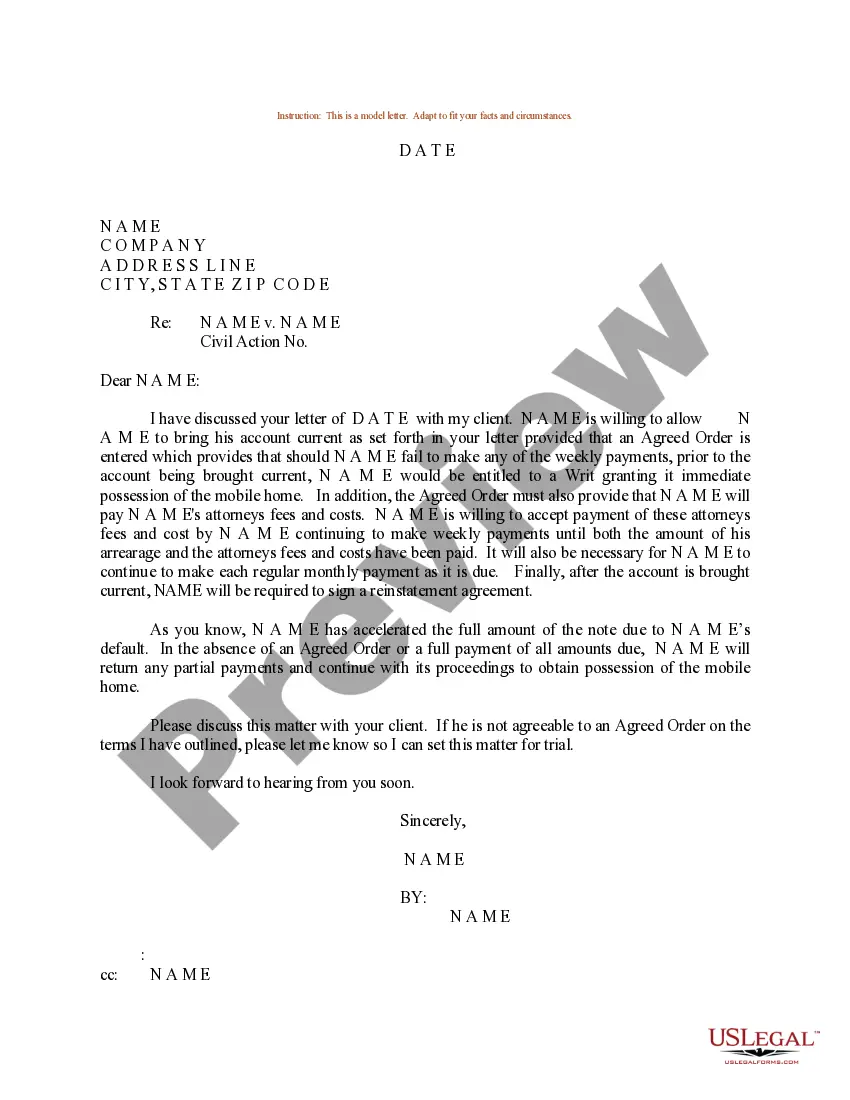
Bring Account Current Formula
Description
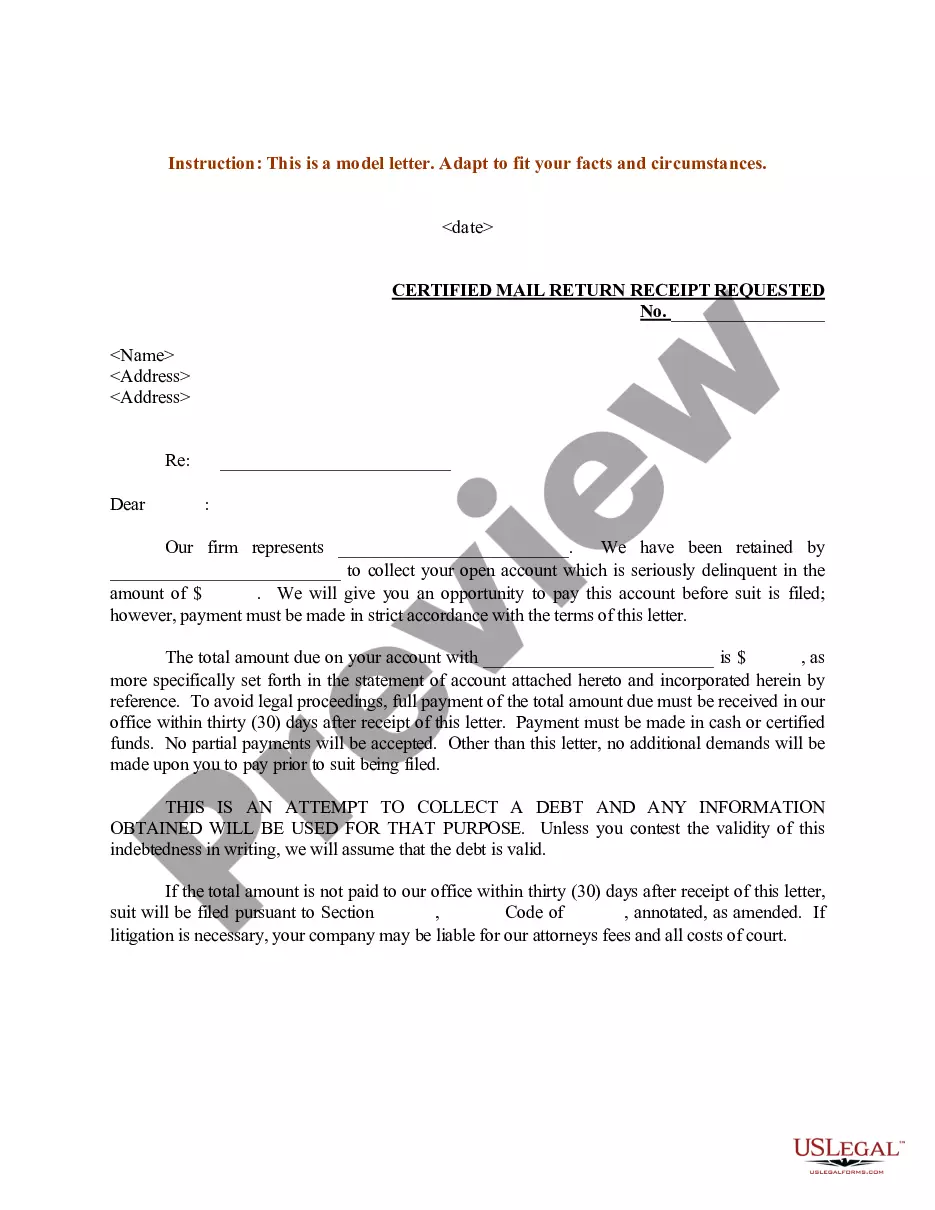
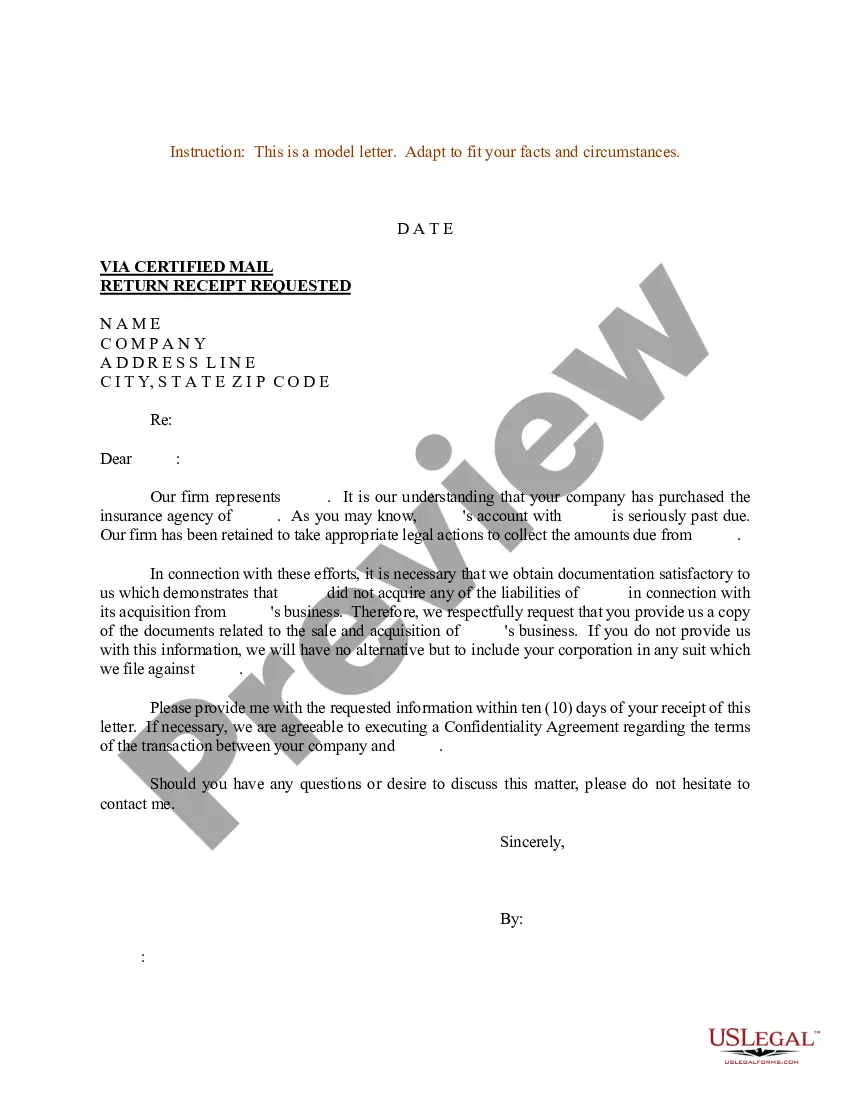
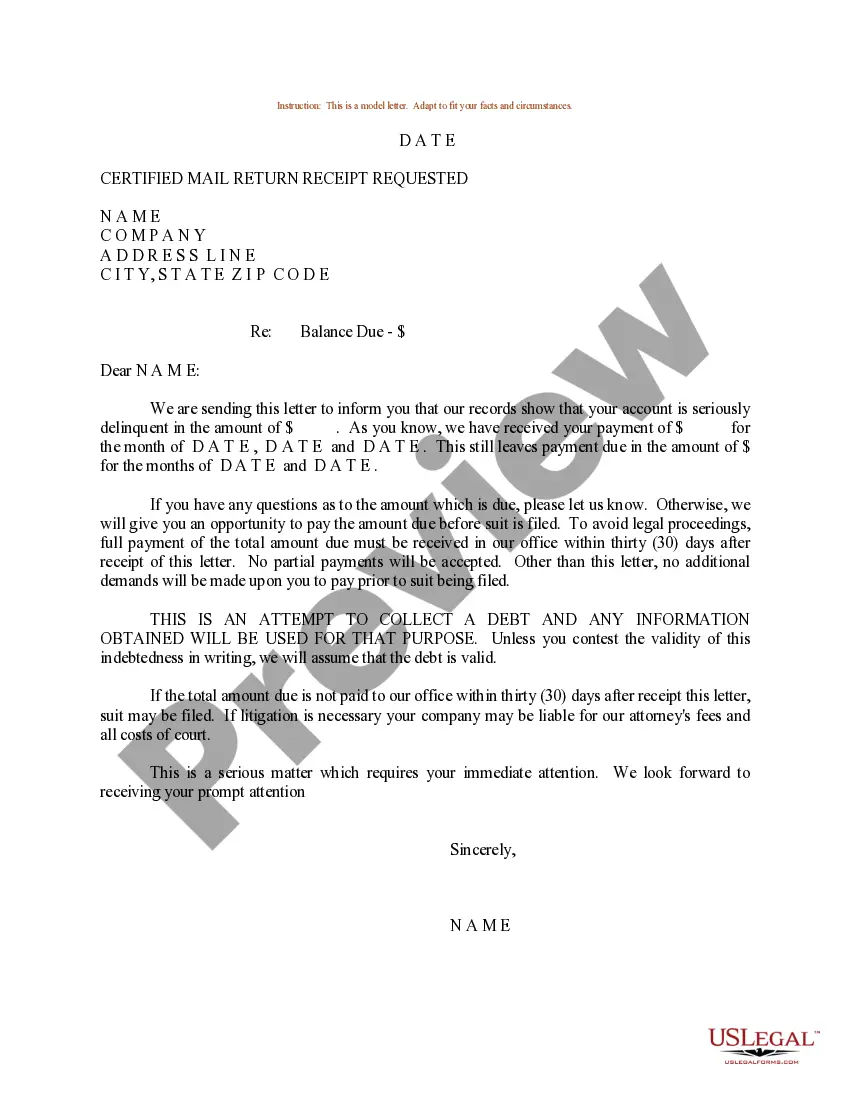
Get your form ready online
Our built-in tools help you complete, sign, share, and store your documents in one place.
Make edits, fill in missing information, and update formatting in US Legal Forms—just like you would in MS Word.
Download a copy, print it, send it by email, or mail it via USPS—whatever works best for your next step.
Sign and collect signatures with our SignNow integration. Send to multiple recipients, set reminders, and more. Go Premium to unlock E-Sign.
If this form requires notarization, complete it online through a secure video call—no need to meet a notary in person or wait for an appointment.
We protect your documents and personal data by following strict security and privacy standards.

Make edits, fill in missing information, and update formatting in US Legal Forms—just like you would in MS Word.

Download a copy, print it, send it by email, or mail it via USPS—whatever works best for your next step.

Sign and collect signatures with our SignNow integration. Send to multiple recipients, set reminders, and more. Go Premium to unlock E-Sign.

If this form requires notarization, complete it online through a secure video call—no need to meet a notary in person or wait for an appointment.

We protect your documents and personal data by following strict security and privacy standards.
Looking for another form?
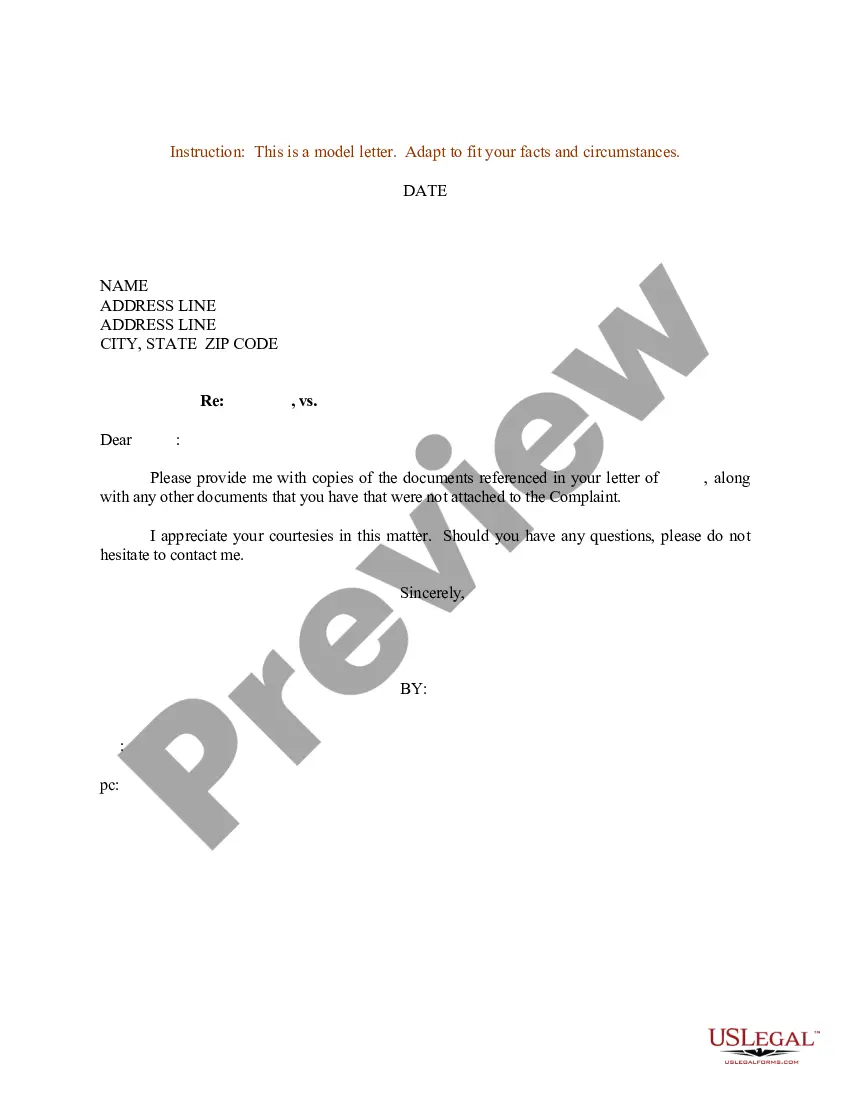
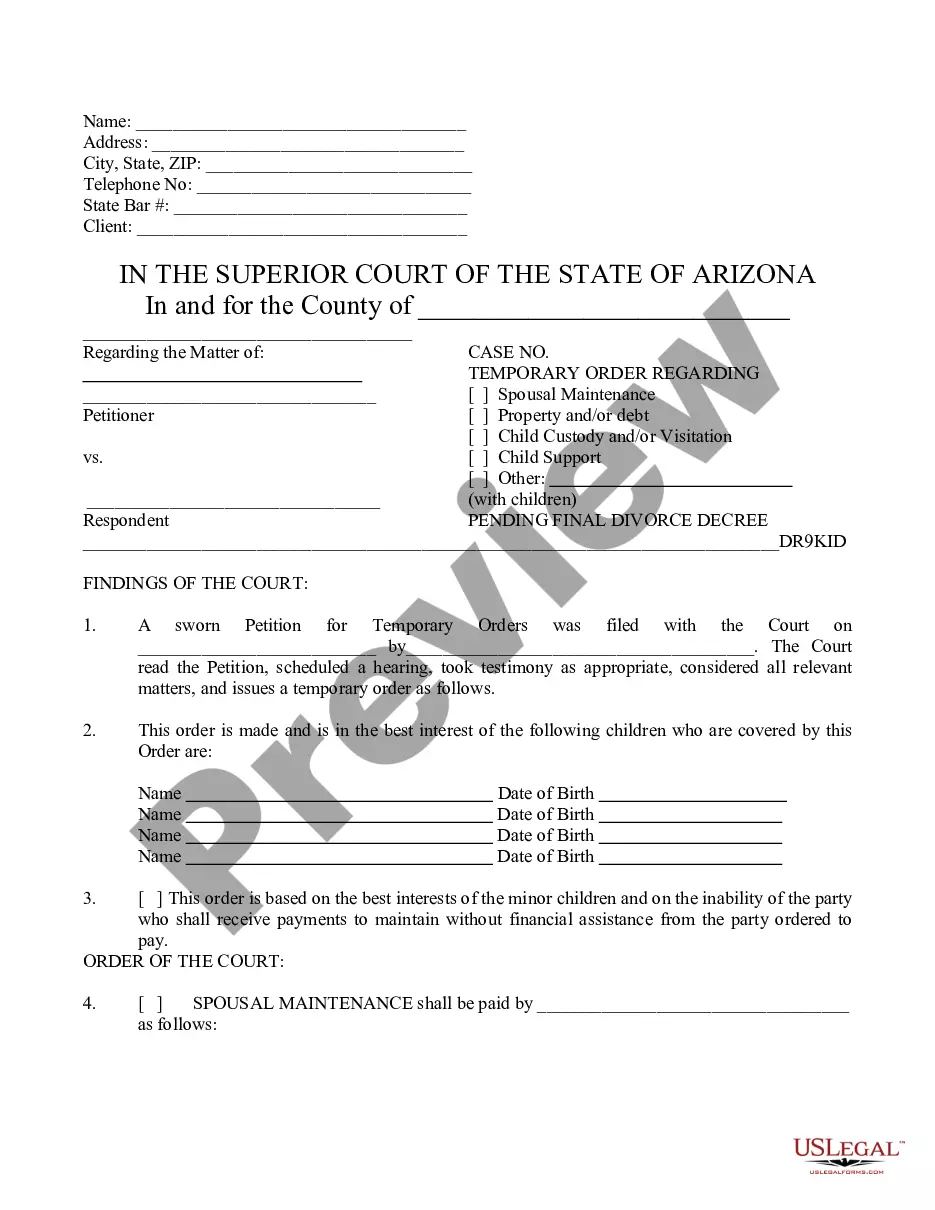
How to fill out Sample Letter For Bringing Account Current?
Managing legal documents can be perplexing, even for the most experienced experts.
If you're seeking a Bring Account Current Formula but lack the time to search for the correct and current version, the process can become overwhelming.
US Legal Forms caters to any needs you may have, from personal to business documentation, all in one location.
Utilize cutting-edge tools to fill out and manage your Bring Account Current Formula.
Here are the steps to follow after accessing the form you want: Verify it's the correct form by previewing it and reviewing its details.
- Access a resource hub of articles, manuals, and materials relevant to your situation and requirements.
- Save time and effort in finding the needed documents, using US Legal Forms’ sophisticated search and Preview feature to locate and download the Bring Account Current Formula.
- If you have a subscription, Log In to your US Legal Forms account, search for the form, and download it.
- Visit the My documents tab to see the documents you have previously acquired and manage your folders accordingly.
- If this is your first time with US Legal Forms, create an account and gain unlimited access to all the benefits of the library.
- An effective online form directory could revolutionize how anyone manages these challenges.
- US Legal Forms is a leader in online legal documents, featuring over 85,000 state-specific forms available on demand.
- With US Legal Forms, you can access forms tailored to your state or county.
Form popularity
FAQ
To calculate the value of a current account, you can use the Bring account current formula. This involves determining the total balance of deposits and subtracting any withdrawals or outstanding transactions. It’s essential to ensure that all transactions are accounted for to get an accurate reflection of the current account balance. By applying this formula, you can effectively manage your finances and maintain clarity on your financial status.
In accounting, the current account refers to a financial statement that summarizes all transactions that occur over a given period. It includes revenues, expenses, gains, and losses, showcasing the company's operational performance. Understanding the current account through the Bring account current formula helps businesses track their financial position effectively. With tools like UsLegalForms, you can simplify the process of maintaining accurate accounts.
The formula for the current balance involves adding all credits and subtracting all debits within a set time frame. Specifically, you begin with your opening balance, then add any income or gains, and subtract expenses or losses. This approach aligns with the Bring account current formula to maintain clarity in financial records. Utilizing this formula fosters better financial management and reporting.
To calculate the current account balance in the Balance of Payments (BOP), you need to sum all transactions made within a specific period. Include exports, imports, net income from abroad, and unilateral transfers. The Bring account current formula helps ensure that all components balance correctly. Accurately applying this formula leads to a clearer understanding of a country's economic position.
To calculate the current account, start by gathering all income sources and listing them. Next, tally your total expenses, including debts, bills, and any other financial obligations. Once you have these figures, apply the bring account current formula to find your net balance. This process not only improves your financial awareness but also highlights areas for potential enhancements.
The bring account current formula typically encompasses your income, expenses, and any outstanding debts. To accurately calculate your current account, sum your total incoming funds and subtract your total outgoing expenses. By doing so, you'll gain clarity on your financial standing. This formula helps identify whether you're in good financial health or need to make adjustments.
Monthly Interest Rate Calculation Example Convert the annual rate from a percent to a decimal by dividing by 100: 10/100 = 0.10. Now divide that number by 12 to get the monthly interest rate in decimal form: 0.10/12 = 0.0083.
Simple Interest Formula and Example The formula for calculating simple interest is ?I = P x R x T?, where I is the amount of interest, P is the principal balance or the average daily balance, R is the interest rate, and T is the time in years.
The current account balance of payments is a record of a country's international transactions with the rest of the world. The current account includes all the transactions (other than those in financial items) that involve economic values and occur between resident and non-resident entities.