Grantor Of Trust Dies
Description

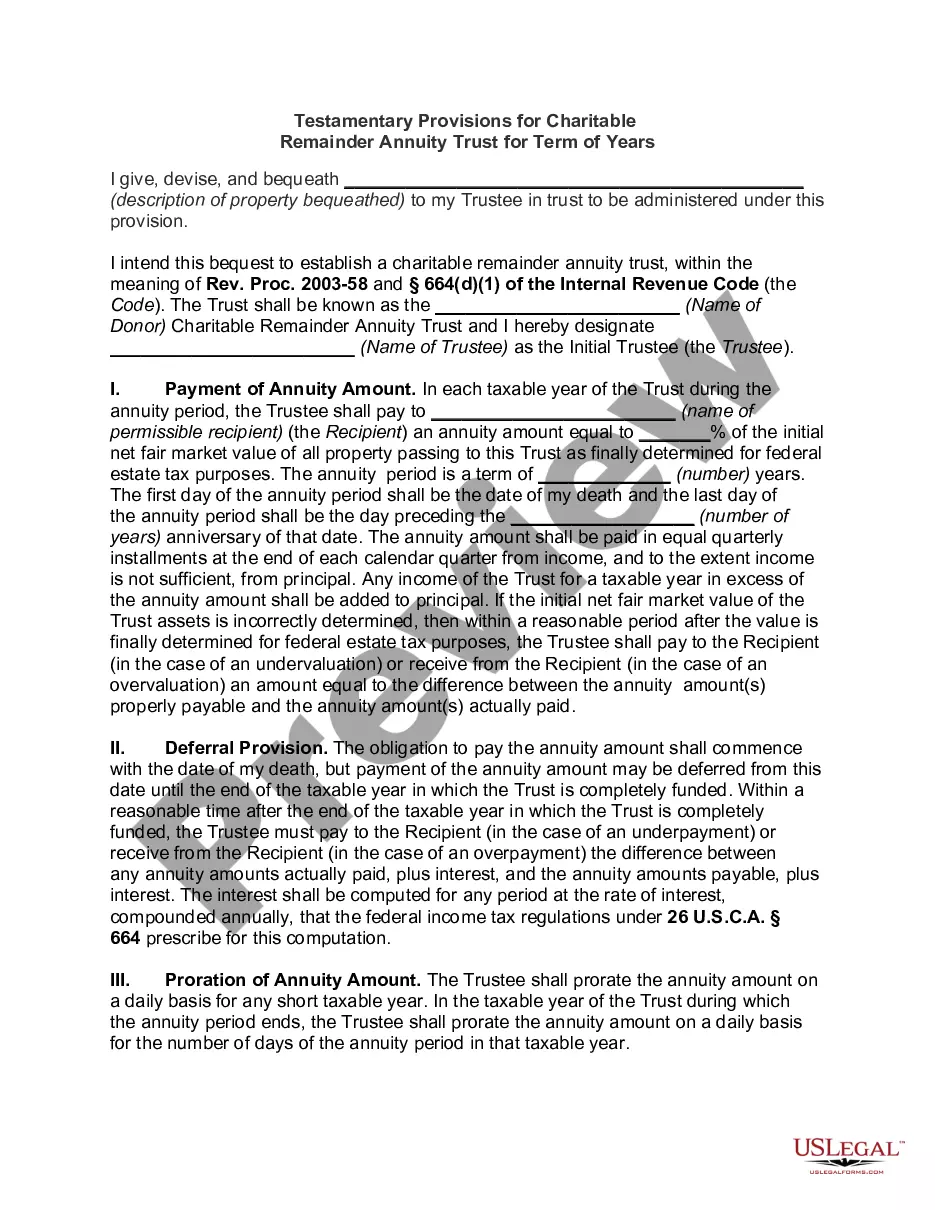
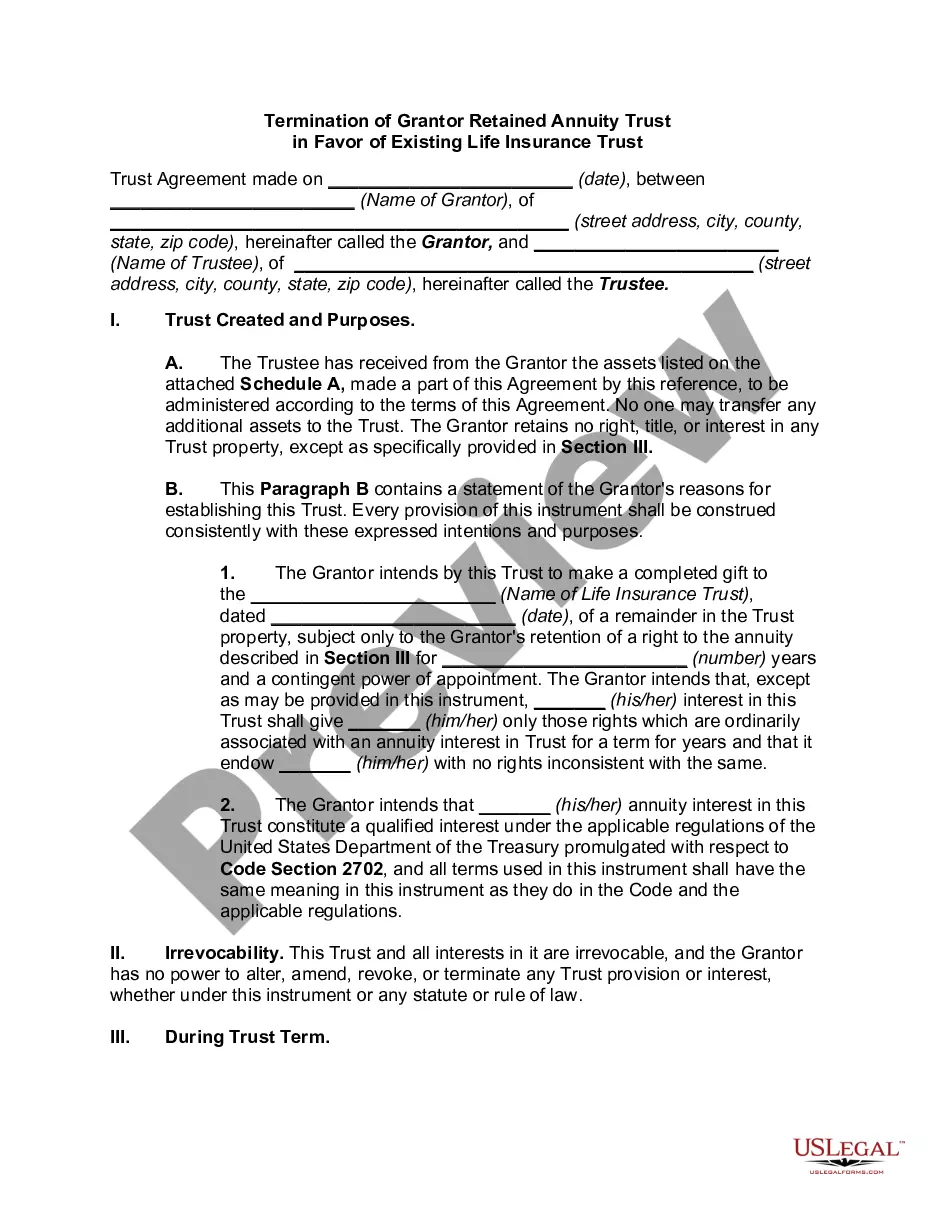
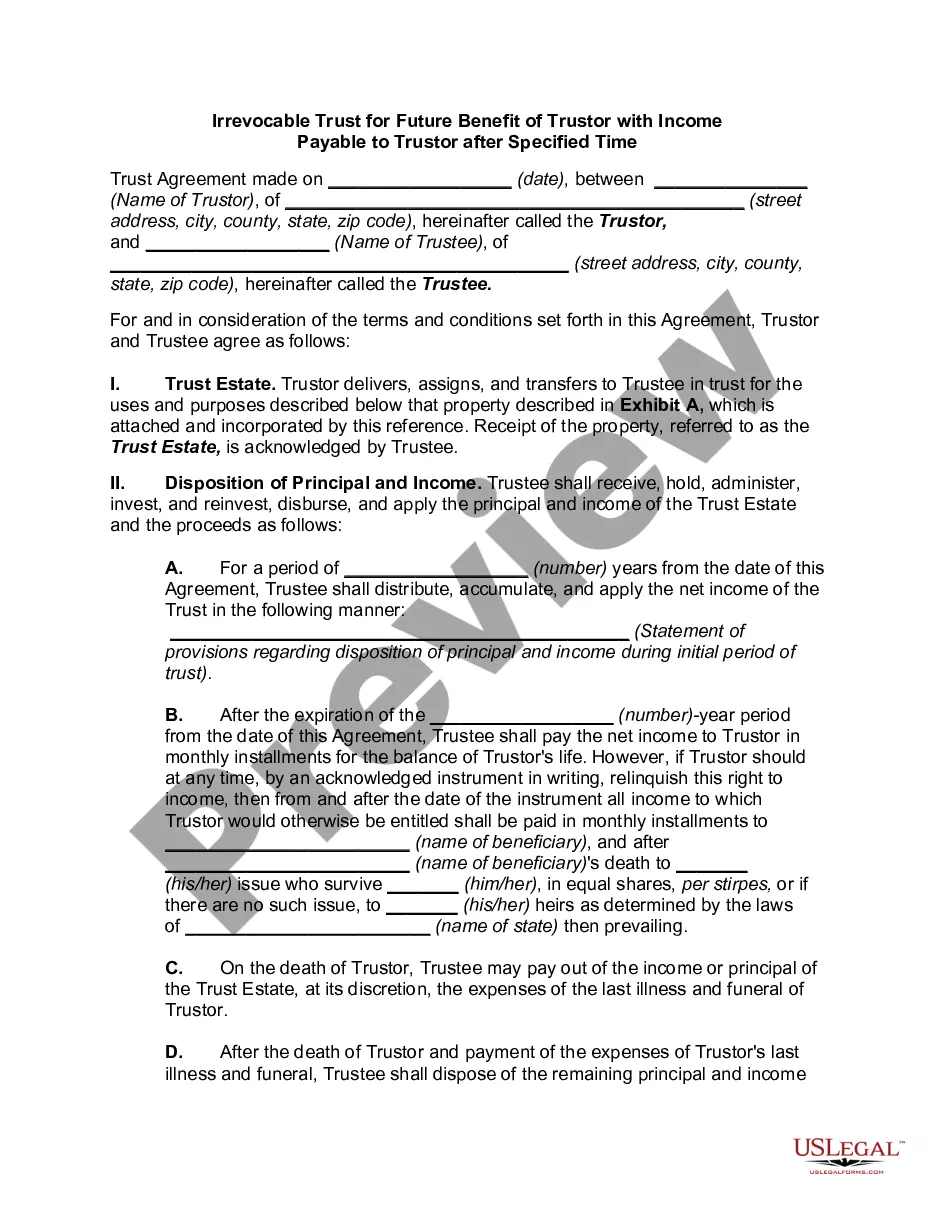
Get your form ready online
Our built-in tools help you complete, sign, share, and store your documents in one place.
Make edits, fill in missing information, and update formatting in US Legal Forms—just like you would in MS Word.
Download a copy, print it, send it by email, or mail it via USPS—whatever works best for your next step.
Sign and collect signatures with our SignNow integration. Send to multiple recipients, set reminders, and more. Go Premium to unlock E-Sign.
If this form requires notarization, complete it online through a secure video call—no need to meet a notary in person or wait for an appointment.
We protect your documents and personal data by following strict security and privacy standards.

Make edits, fill in missing information, and update formatting in US Legal Forms—just like you would in MS Word.

Download a copy, print it, send it by email, or mail it via USPS—whatever works best for your next step.

Sign and collect signatures with our SignNow integration. Send to multiple recipients, set reminders, and more. Go Premium to unlock E-Sign.

If this form requires notarization, complete it online through a secure video call—no need to meet a notary in person or wait for an appointment.

We protect your documents and personal data by following strict security and privacy standards.
Looking for another form?


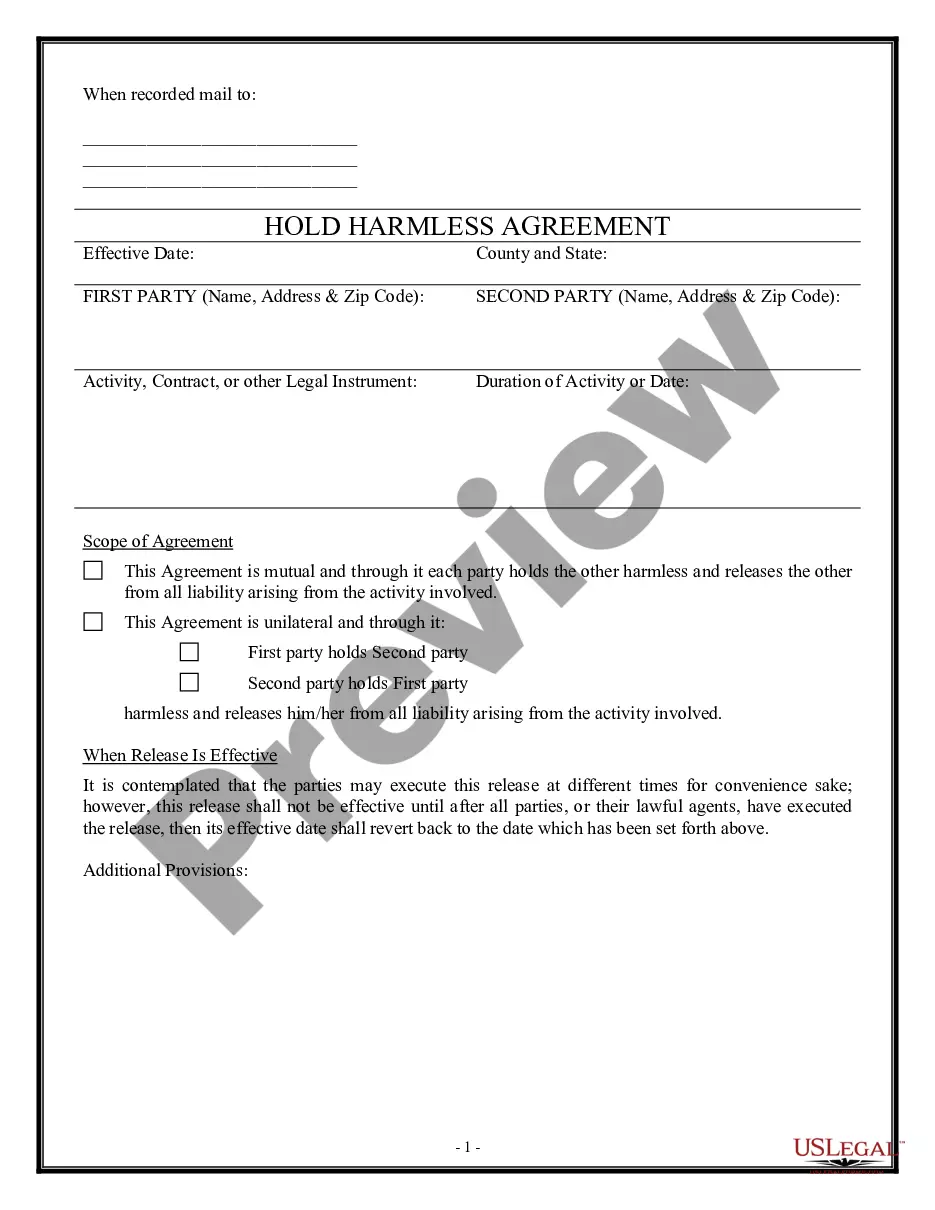


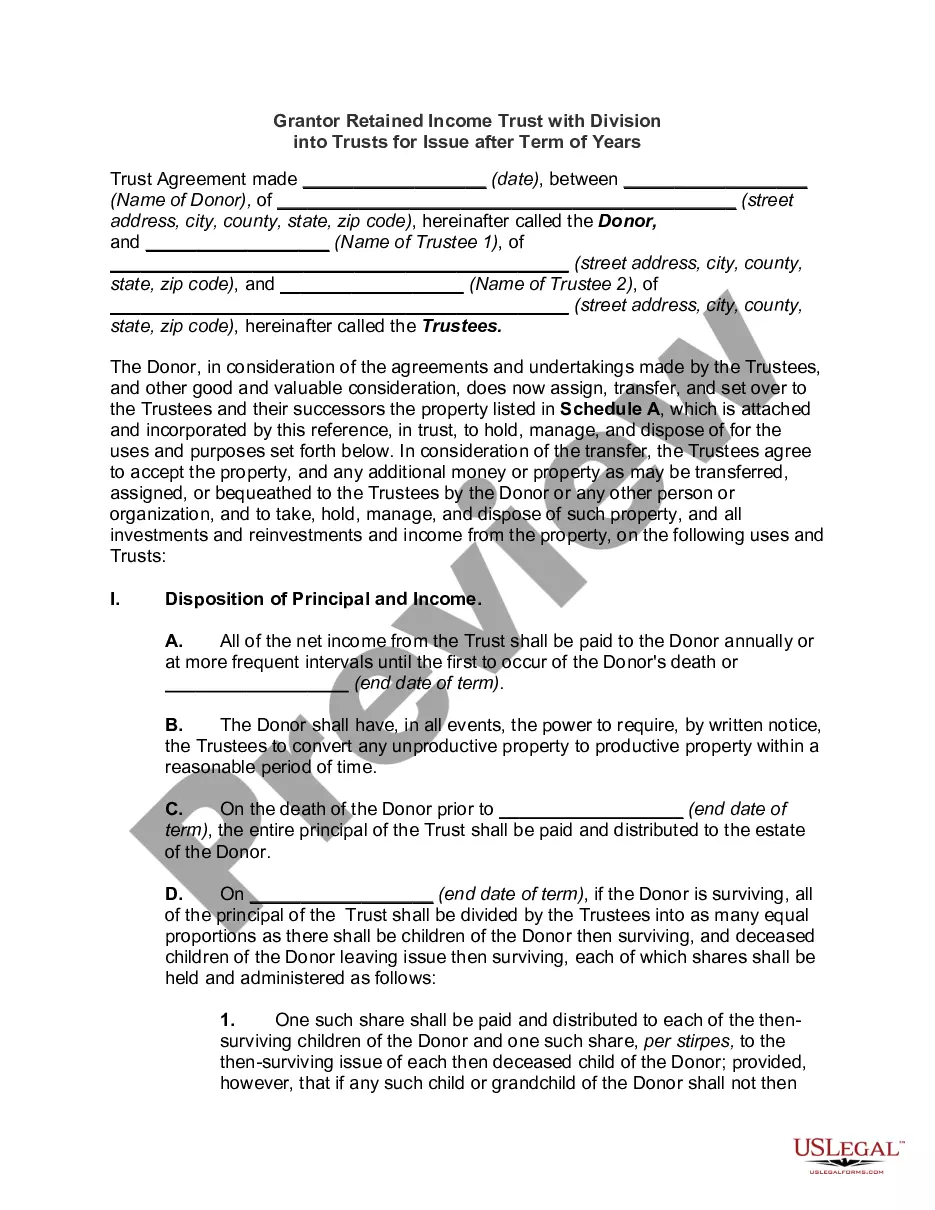
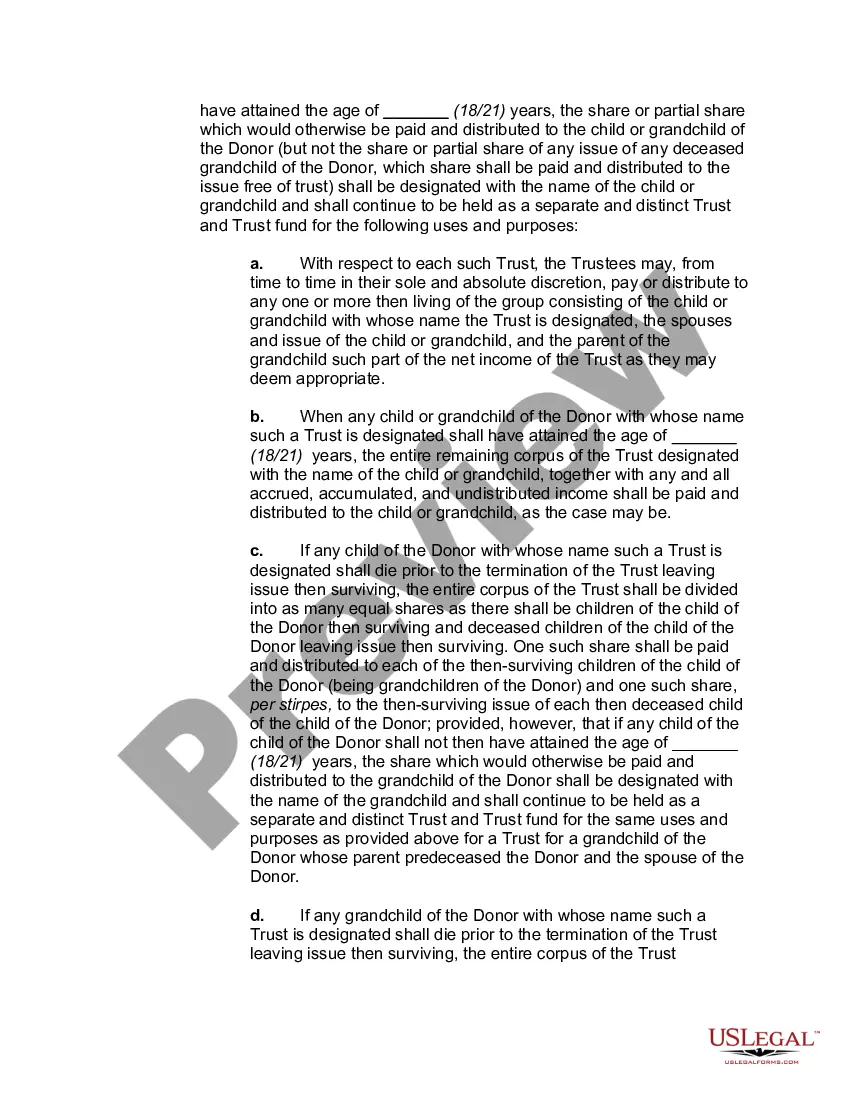
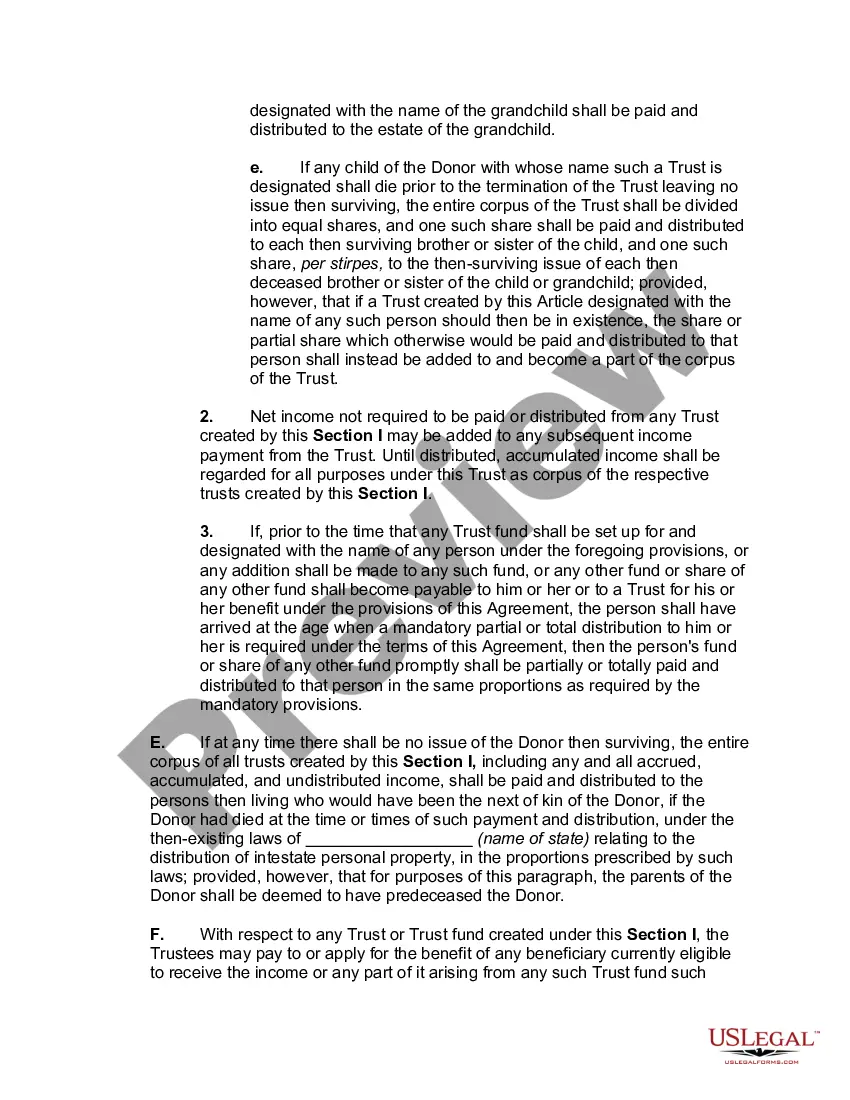
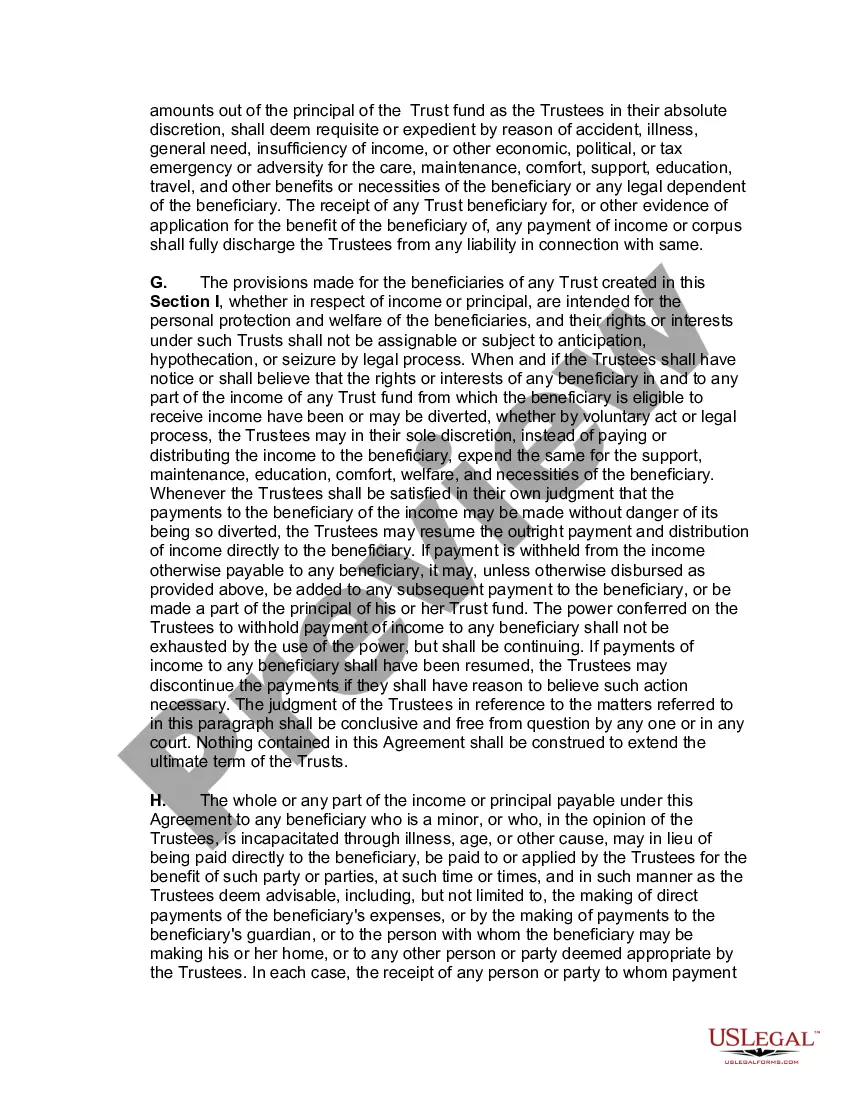
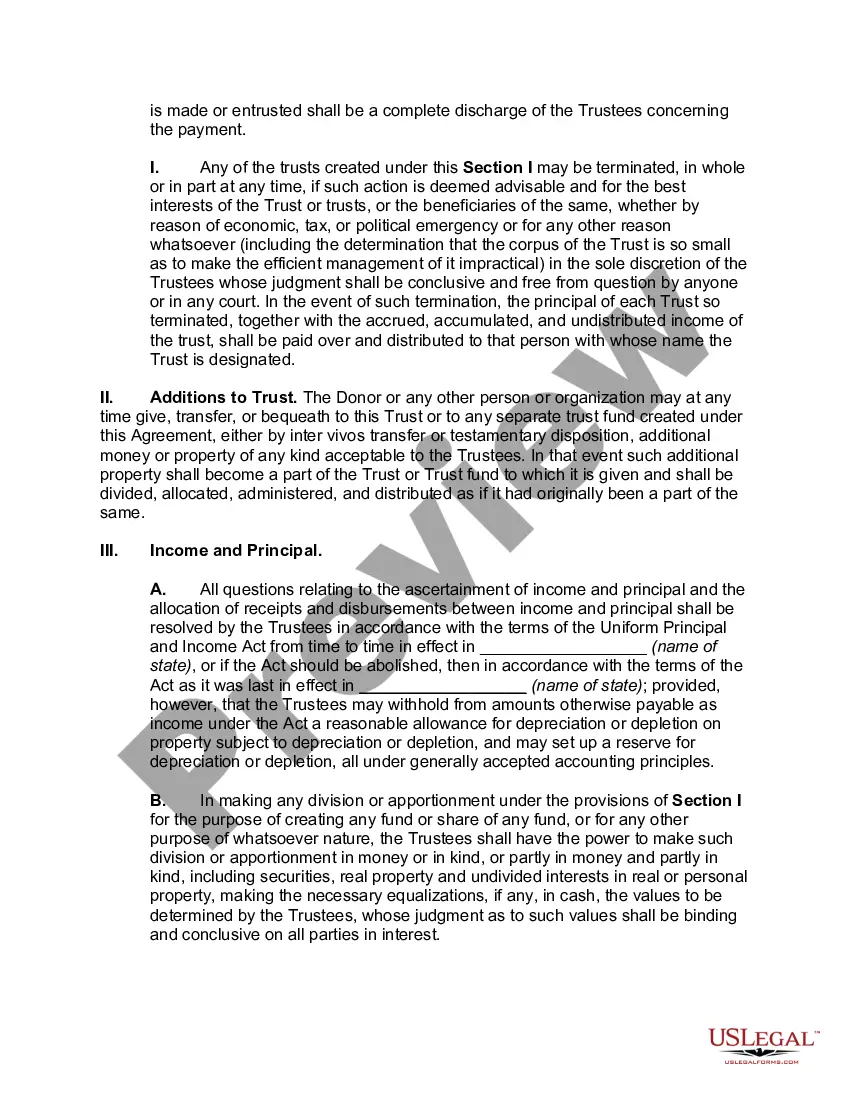
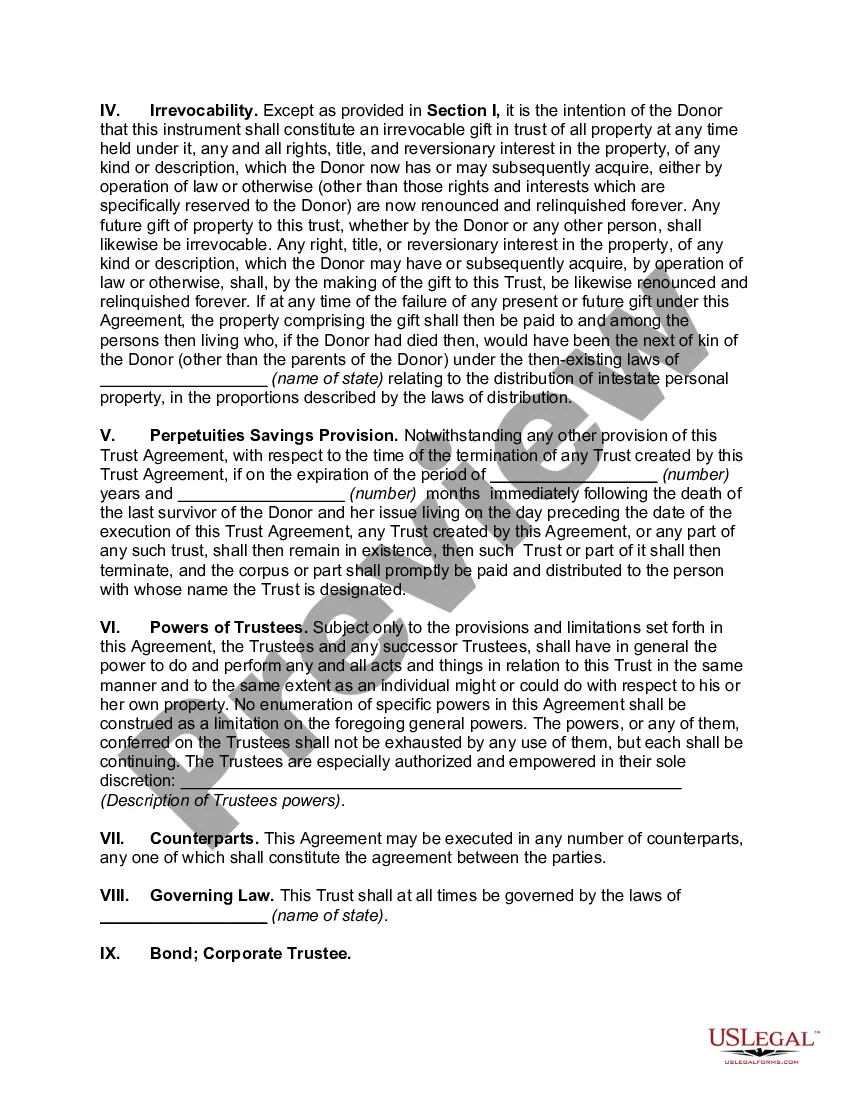
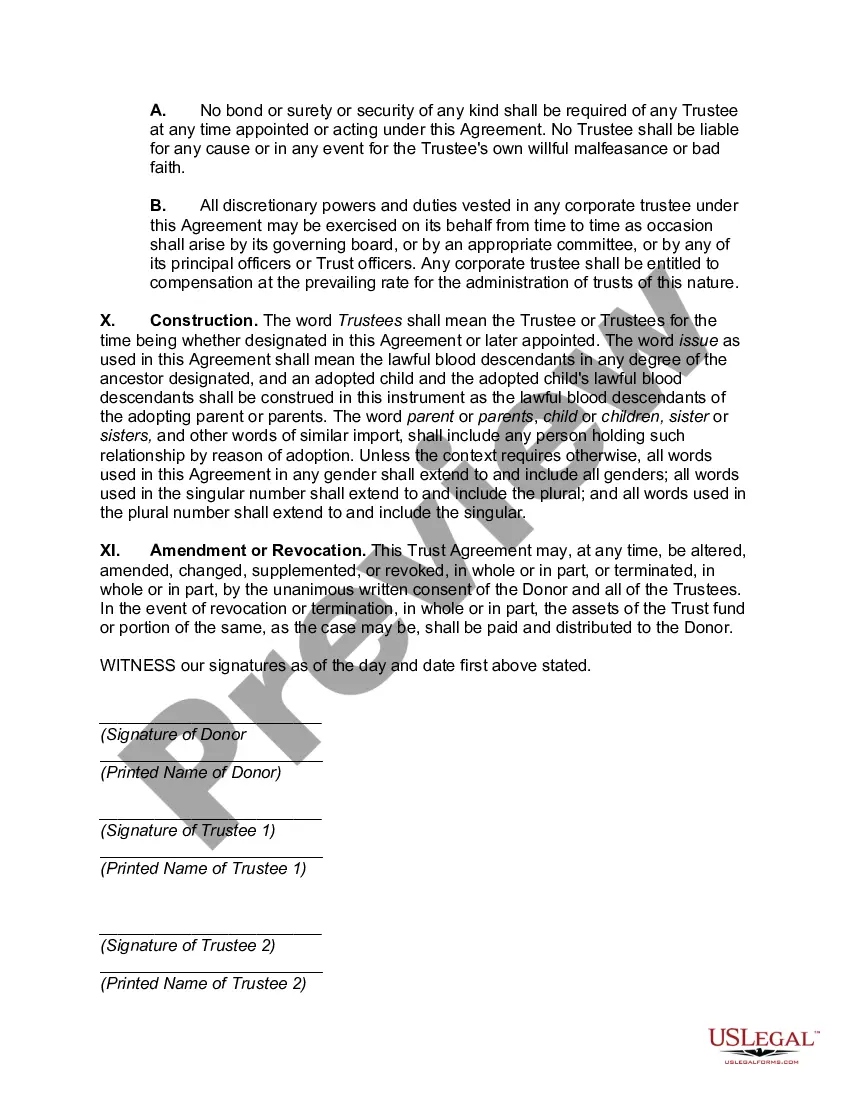
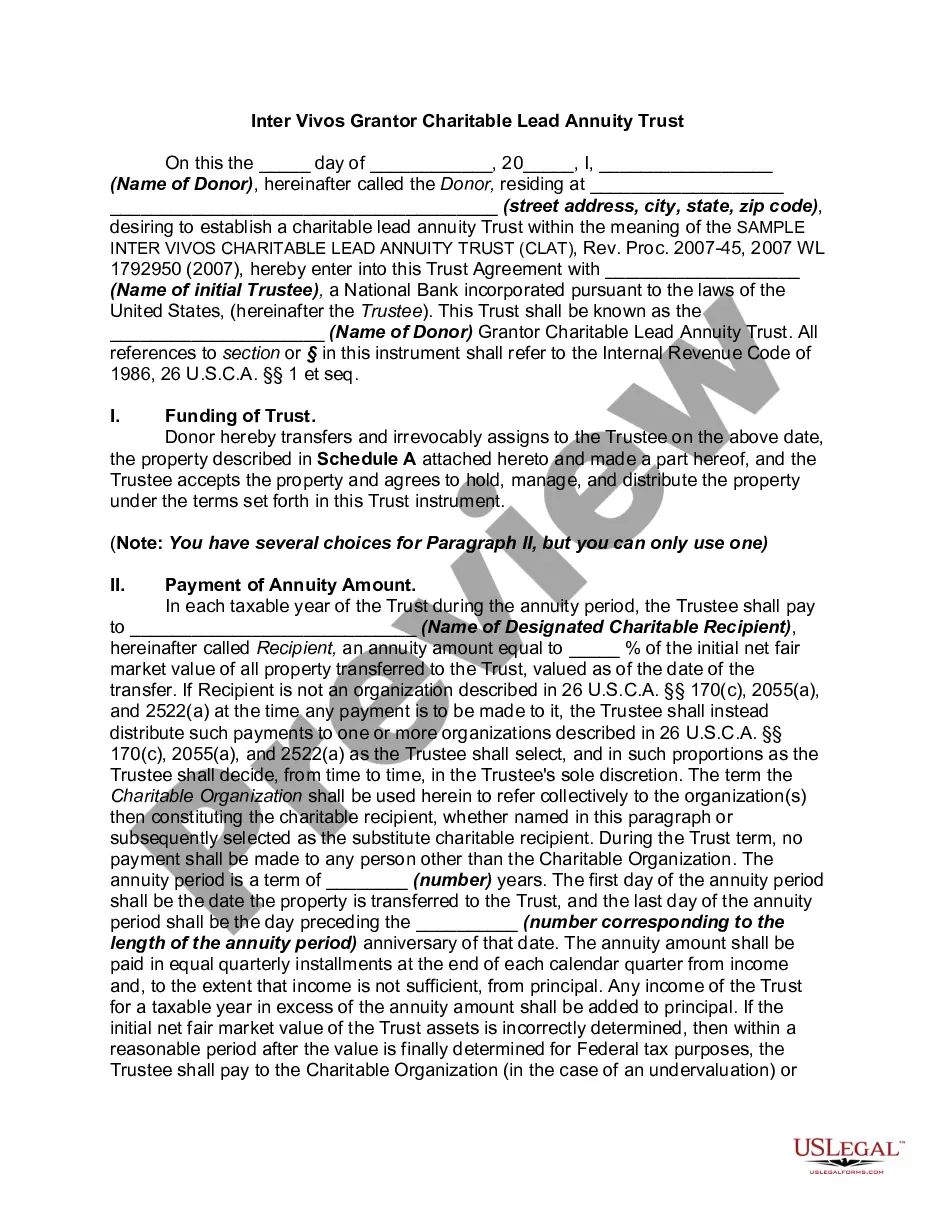
How to fill out Grantor Retained Income Trust With Division Into Trusts For Issue After Term Of Years?
- Log in to your account on the US Legal Forms website. If you haven't used the service before, create an account.
- Browse the extensive library to locate the specific form you need. Make sure it aligns with your local jurisdiction.
- Utilize the Preview feature to confirm that you have selected the correct document.
- If necessary, utilize the Search function to find an alternative form that meets your requirements.
- Select the Buy Now option and choose your desired subscription plan for access.
- Complete your purchase by providing payment information via credit card or PayPal.
- Download the completed form to your device and access it anytime through the My Forms section of your account.
In conclusion, utilizing US Legal Forms ensures you have access to the most extensive collection of legal forms tailored for your needs. With options for expert assistance, you can effectively navigate the legal landscape during this time.
Start streamlining your legal document process today by visiting US Legal Forms and discover the peace of mind that comes with having the right tools at your fingertips.
Form popularity
FAQ
The 5-year rule for trusts primarily pertains to estate and gift tax regulations. If a grantor of a trust dies within five years of transferring assets to the trust, those assets may still be included in their estate for tax purposes. This rule is significant when planning your estate, as it can impact tax liability and beneficiaries. To navigate these complexities, consult uslegalforms for resources tailored to your situation.
To trigger grantor trust status, you need to retain specific rights over the trust, such as the power to revoke the trust or control distributions. The design of the trust itself can determine how these powers function in practice. Engaging a legal expert can provide insights into drafting the trust in alignment with your goals. Consider utilizing uslegalforms to ensure your trust fits your needs.
A limited power of appointment does not automatically cause grantor trust status. However, if the grantor retains certain powers or rights concerning the trust assets, the trust may still be considered a grantor trust. Understanding these dynamics is crucial, as they influence both control and tax obligations. For personalized advice, using the uslegalforms platform can help clarify your situation.
When the grantor of a trust dies, the necessity for a new Employer Identification Number (EIN) depends on the trust's structure. Generally, if the trust becomes irrevocable upon the grantor's death, a new EIN is required. This step is important for tax purposes and to manage trust income correctly. To ensure compliance, consult a tax professional or the uslegalforms platform for guidance.
Various powers can designate a trust as a grantor trust. Primarily, these include the ability to revoke the trust, change beneficiaries, or adjust trust terms. Retaining significant control over trust assets typically triggers this status. By knowing these powers, you can better structure your trust to meet your needs.
A trust qualifies as a grantor trust when the grantor retains certain powers or ownership interests. These can include the right to revoke the trust or control trust income and distributions. This status affects how the trust is taxed, as income is reported on the grantor's personal tax returns. Understanding these factors is essential for effective estate planning.
When the grantor of a trust dies, the trust document typically outlines the next steps. The successor trustee assumes control over the trust assets and follows the grantor's instructions. The trust can help avoid probate, allowing for a smoother transition of assets to beneficiaries. It's crucial to review your trust documents to understand specific provisions.
When a grantor of a trust dies, the trust is activated according to its terms. The trustee is responsible for managing and distributing the assets to the beneficiaries as outlined in the trust document. This process typically bypasses probate, making it faster and more private. Understanding these procedures can help beneficiaries navigate their rights efficiently, and platforms like US Legal Forms can assist in ensuring everything is handled correctly.
When the grantor of trust dies, the trust typically becomes irrevocable, and tax obligations may change. In most cases, the trust will need to file Form 1041, which is the U.S. Income Tax Return for Estates and Trusts. This form reports income generated by the trust after the grantor's passing. It's essential to consult with a tax professional to ensure compliance and to understand the specific requirements of your situation.
Not all trusts need to file Form 1041. Revocable trusts, while the grantor is alive, typically don’t file this form. However, once the grantor of trust dies and the trust becomes irrevocable, it may have to file based on its income and circumstances. Consulting a tax professional can provide clarity on this matter.