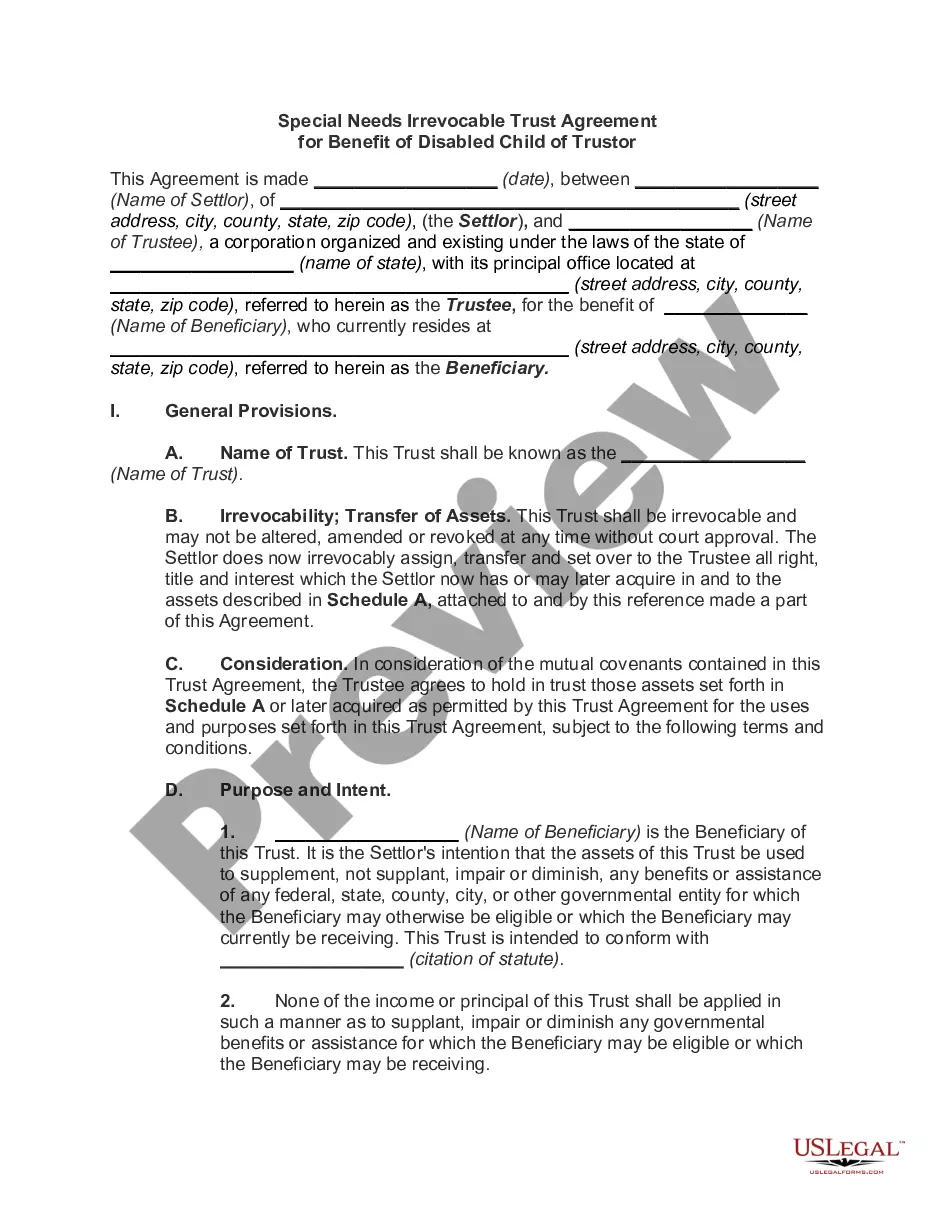
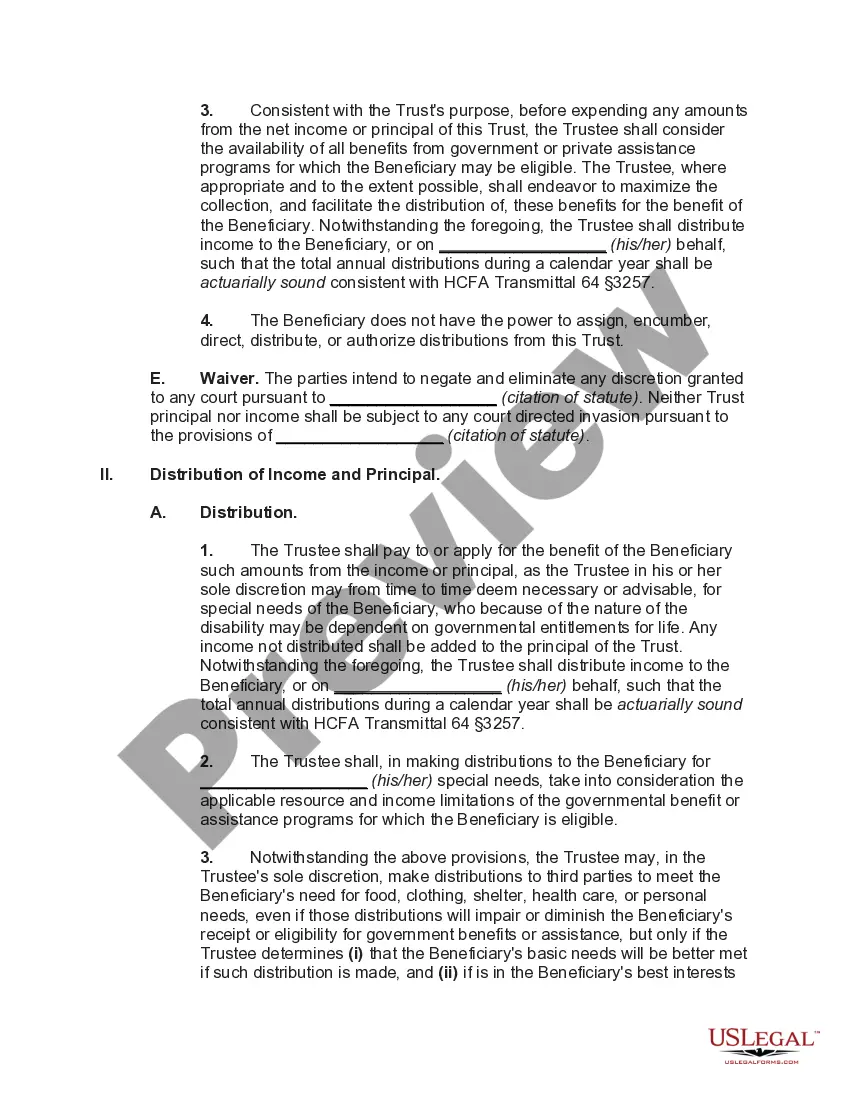
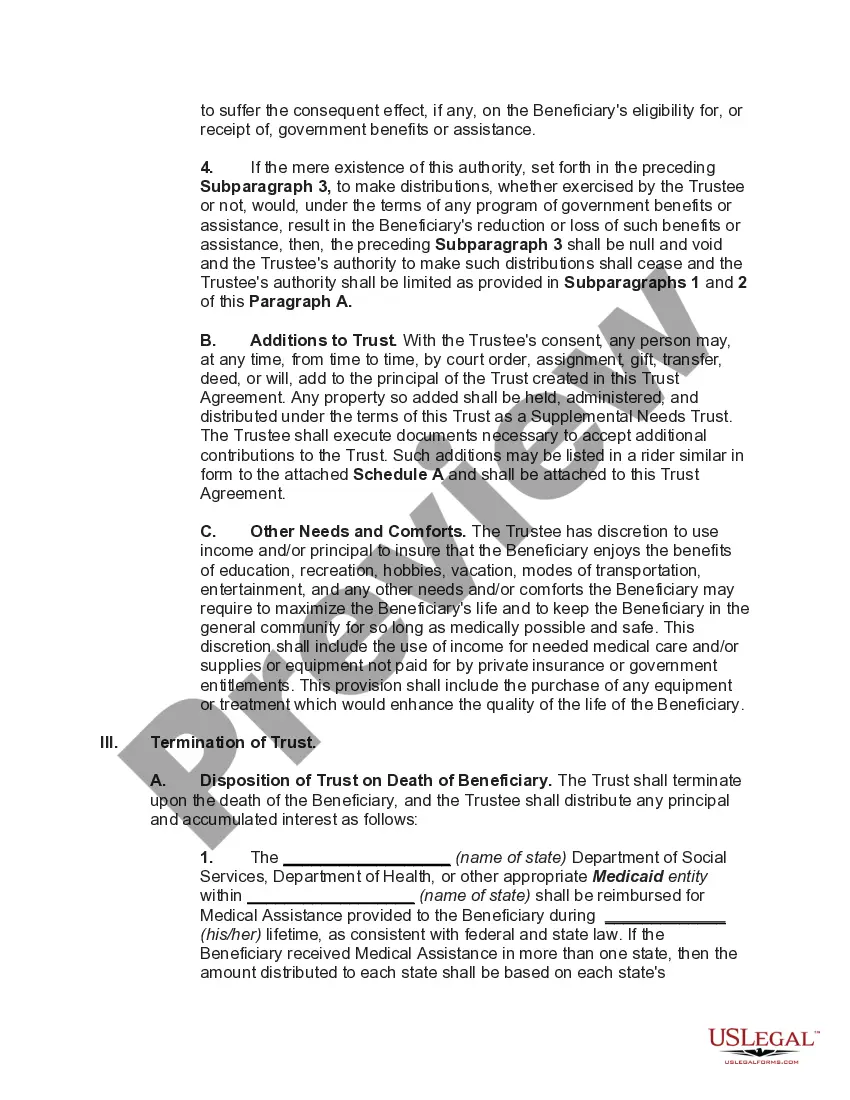
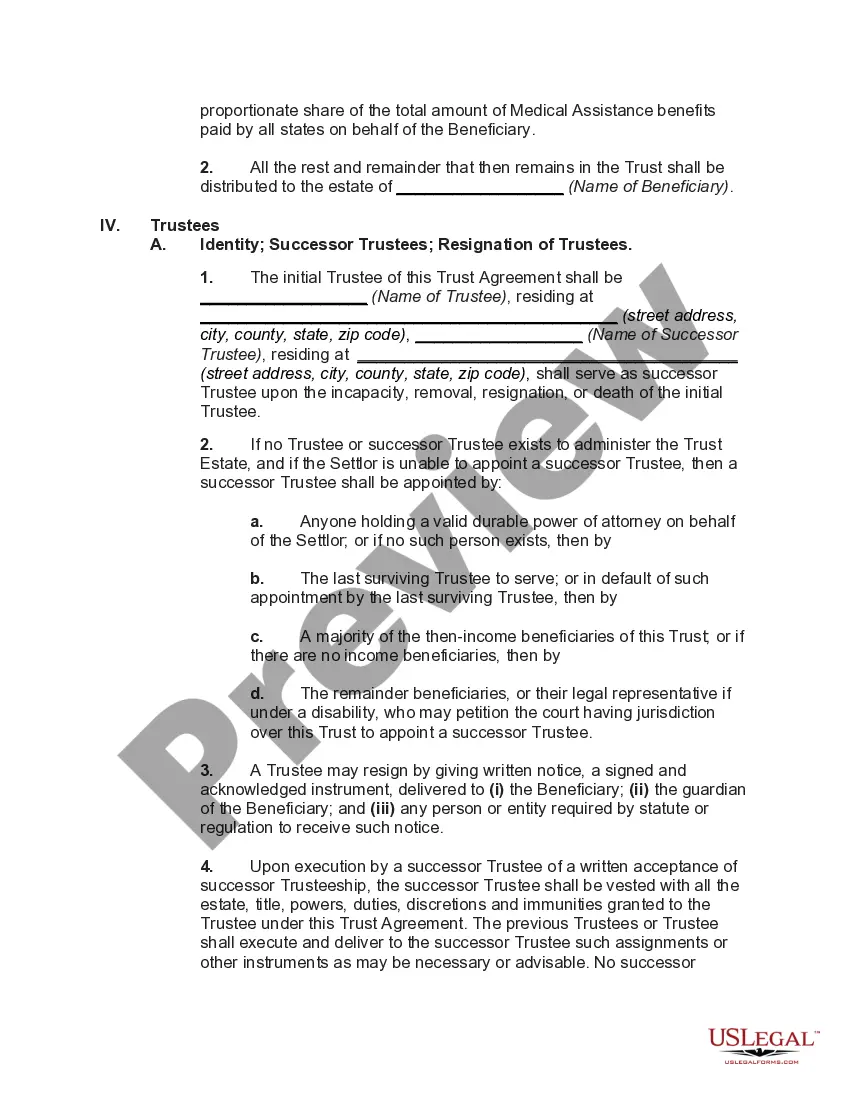
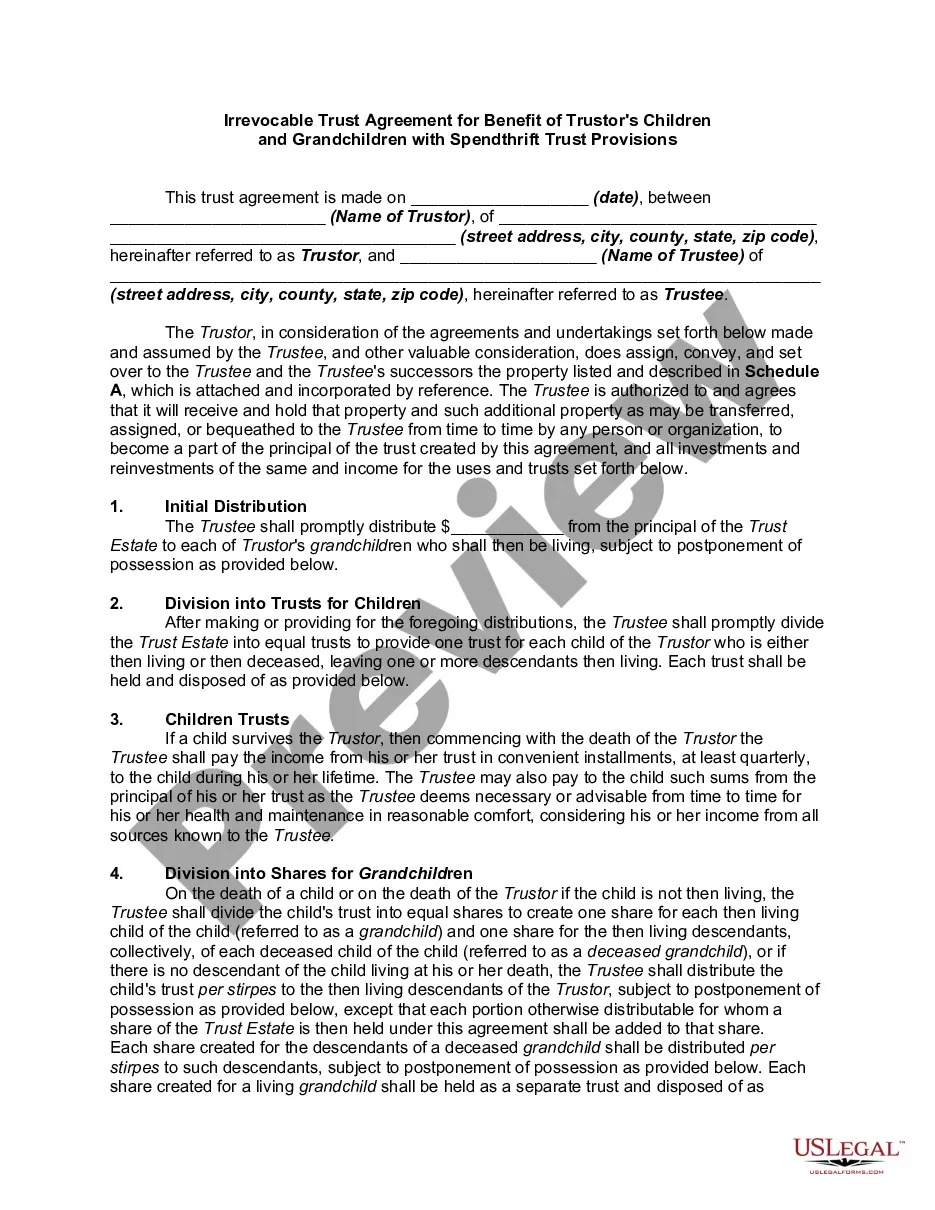
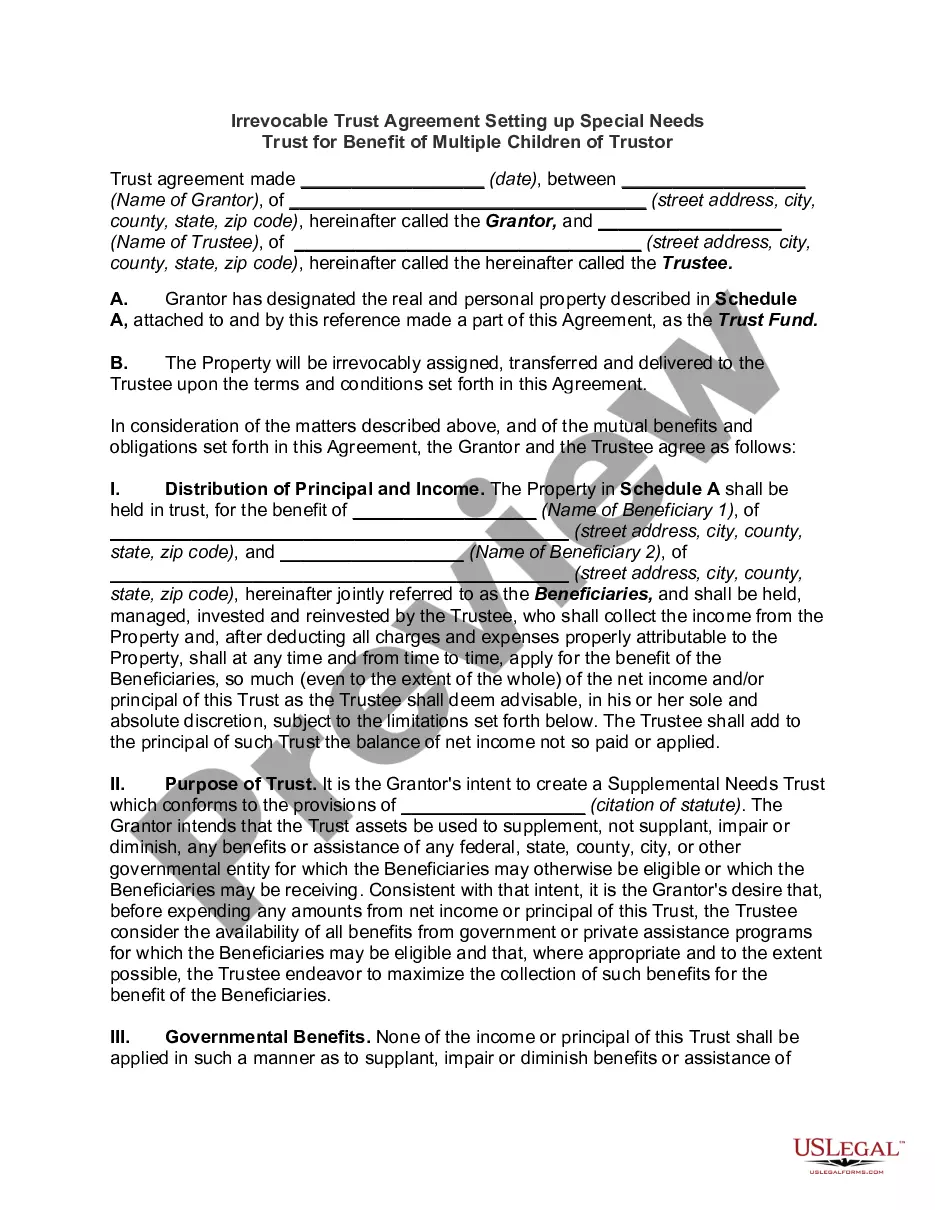
Special Trust Contract For The Future
Description

Get your form ready online
Our built-in tools help you complete, sign, share, and store your documents in one place.
Make edits, fill in missing information, and update formatting in US Legal Forms—just like you would in MS Word.
Download a copy, print it, send it by email, or mail it via USPS—whatever works best for your next step.
Sign and collect signatures with our SignNow integration. Send to multiple recipients, set reminders, and more. Go Premium to unlock E-Sign.
If this form requires notarization, complete it online through a secure video call—no need to meet a notary in person or wait for an appointment.
We protect your documents and personal data by following strict security and privacy standards.

Make edits, fill in missing information, and update formatting in US Legal Forms—just like you would in MS Word.

Download a copy, print it, send it by email, or mail it via USPS—whatever works best for your next step.

Sign and collect signatures with our SignNow integration. Send to multiple recipients, set reminders, and more. Go Premium to unlock E-Sign.

If this form requires notarization, complete it online through a secure video call—no need to meet a notary in person or wait for an appointment.

We protect your documents and personal data by following strict security and privacy standards.
Looking for another form?








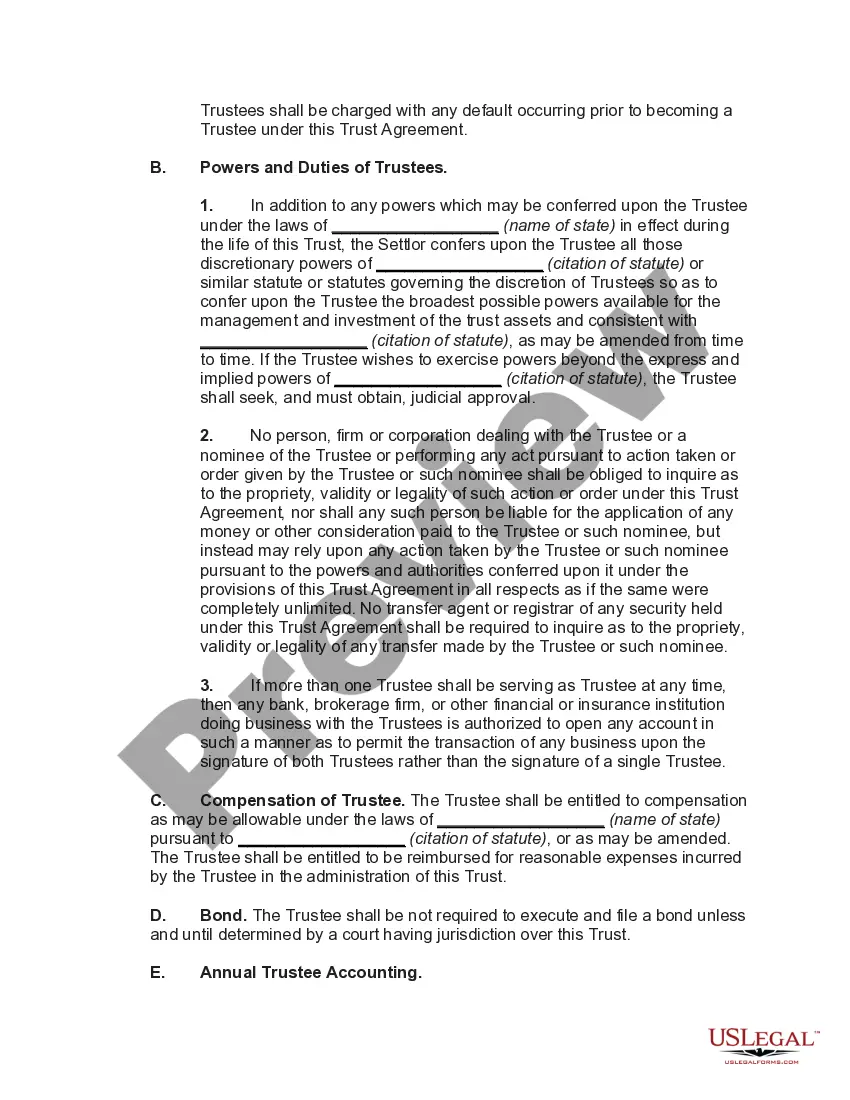
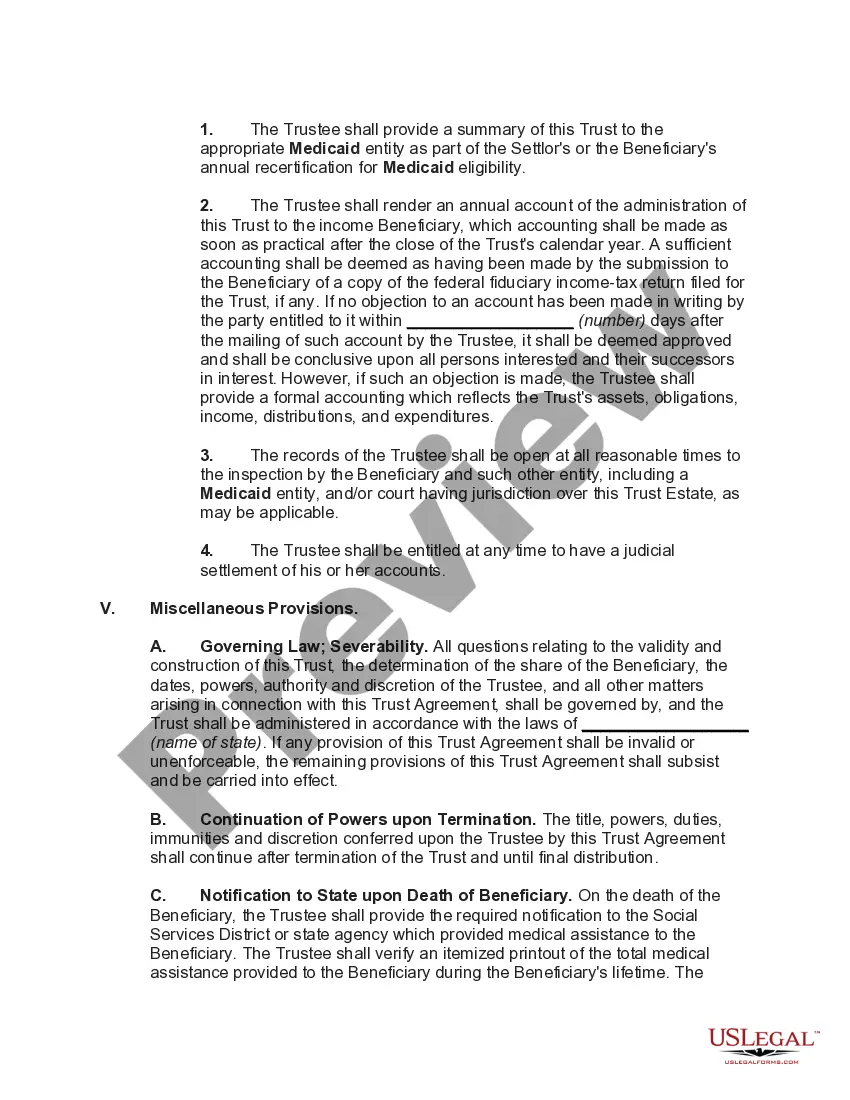
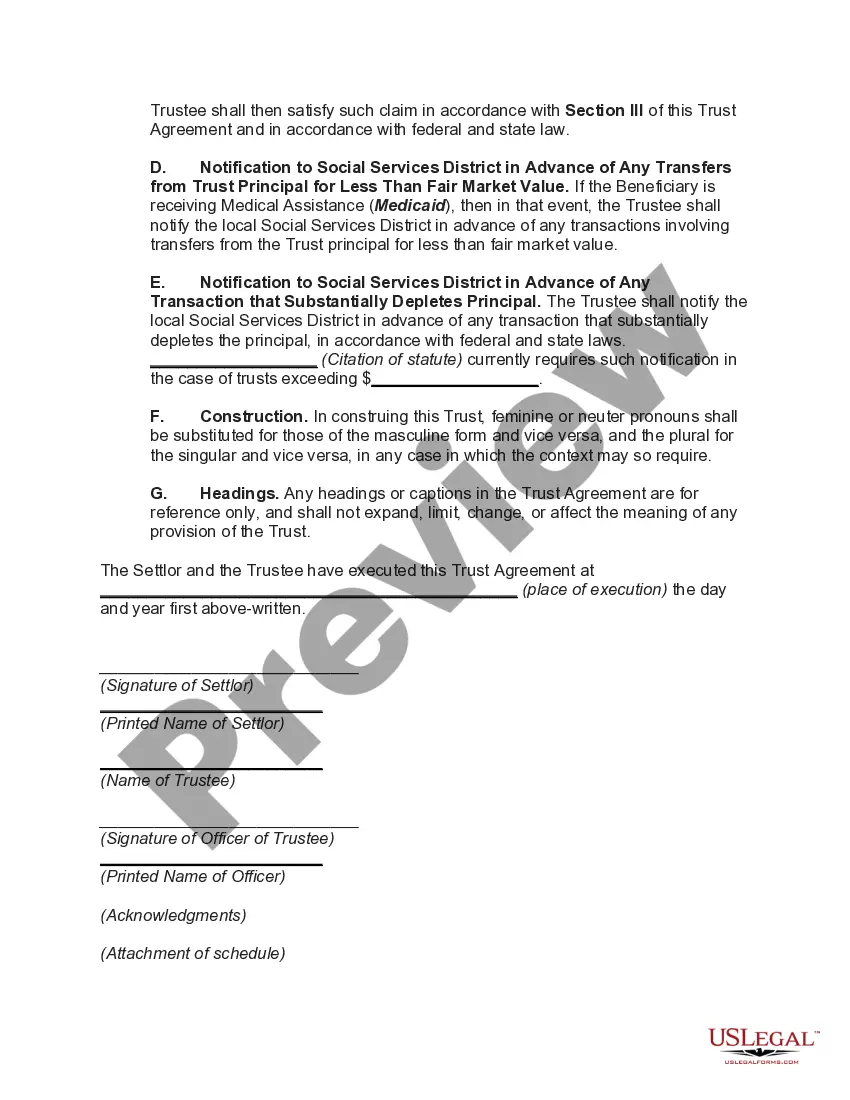
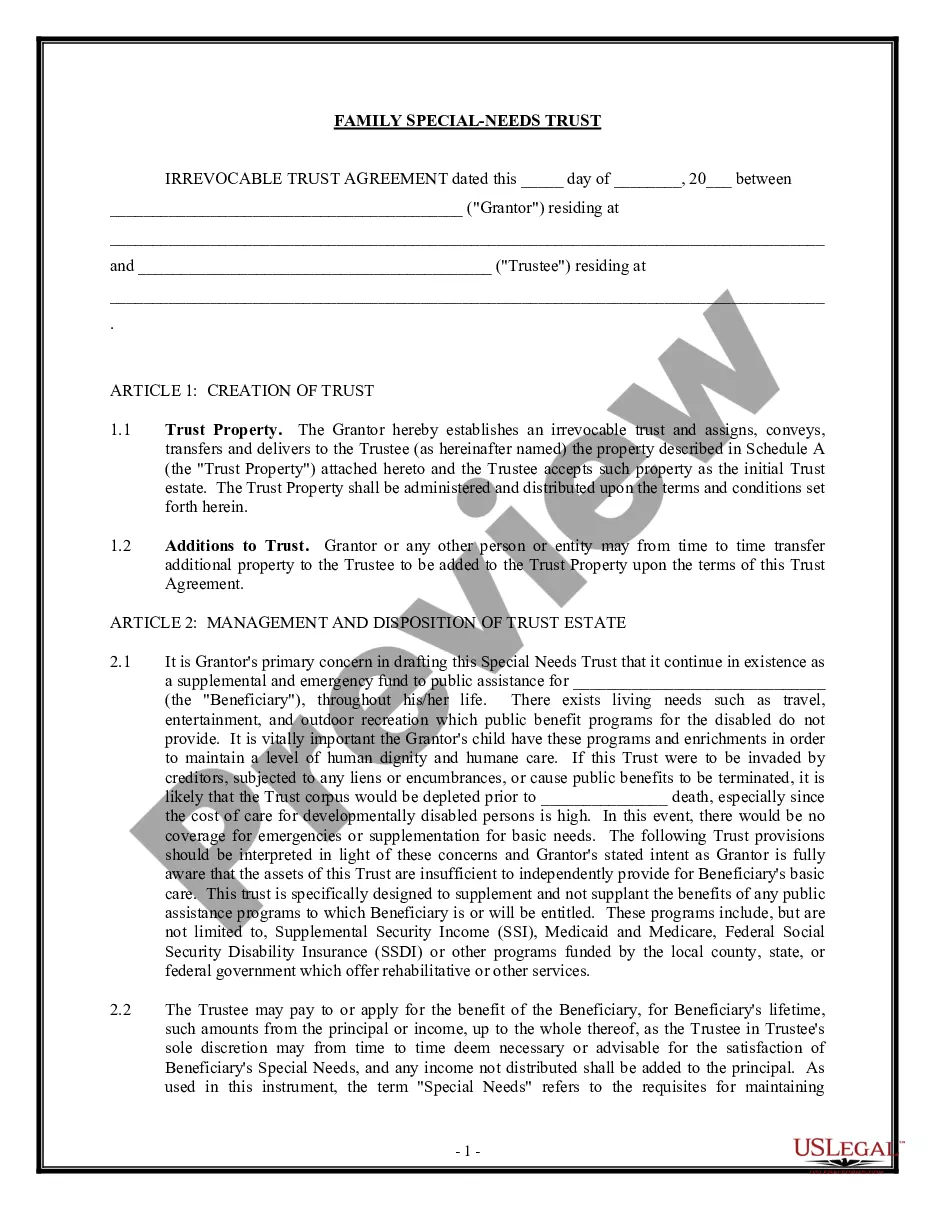
How to fill out Special Needs Irrevocable Trust Agreement For Benefit Of Disabled Child Of Trustor?
- If you are a returning user, log in to your account and locate the template you need. Verify that your subscription remains active. If not, renew it as per your current payment plan.
- For first-time users, begin by reviewing the form's preview mode and description to ensure it aligns with your needs and complies with local jurisdiction requirements.
- Should you need a different template, utilize the Search tab above to find the appropriate document that suits your specifications.
- Once you've identified the correct form, click on the Buy Now button and select your preferred subscription plan. An account registration will be necessary to access the full library.
- Proceed to make your purchase by providing your credit card details or utilizing your PayPal account.
- After purchasing, download your form and save it to your device. You can later access it anytime via the My Forms section in your profile.
In conclusion, using US Legal Forms not only streamlines the process of obtaining legal documents, but it also offers unparalleled access to premium resources. With over 85,000 editable forms, you're well-equipped to create a special trust contract that meets your needs.
Start your journey today by visiting US Legal Forms and taking control of your legal document needs!
Form popularity
FAQ
One downside of establishing a special needs trust is the complexity involved in the setup and maintenance, which may require legal assistance. Additionally, if not funded properly, the trust may not provide the anticipated benefits to the disabled individual. You should also consider that the funds must be managed in compliance with government regulations to avoid jeopardizing eligibility for public assistance programs. A special trust contract for the future can address these concerns, guiding you through the process effectively.
Wealthy individuals often place their homes in a trust to protect assets from probate and simplify the process of passing wealth to heirs. This approach helps in avoiding delays and minimizing estate taxes, ensuring that loved ones receive their inheritance smoothly. A special trust contract for the future offers a strategic way to maintain control over assets while maximizing their benefits. By using this method, property management can remain efficient and effective.
A perpetual trust, also known as a dynasty trust, can be created to last indefinitely, ensuring that the assets benefit future generations. This type of trust is designed to preserve wealth and minimize tax implications over time. Implementing a special trust contract for the future can help in establishing such trusts, ensuring your family legacy continues for years to come. Consulting with a legal expert can clarify the various options suited for your needs.
An alternative to a special needs trust is a pooled trust, which allows individuals with disabilities to benefit from a collective fund. This type of trust can help manage government benefits while providing financial resources as needed. Additionally, a third-party trust might be considered, which is funded by someone other than the beneficiary. It's essential to understand these options thoroughly, as a special trust contract for the future can provide tailored solutions for unique situations.
Yes, a special needs trust typically must file tax returns, depending on the trust's income. Even though this type of trust is designed to benefit a person with special needs without jeopardizing their benefits, it has its own tax obligations. It's essential to consult with a tax professional or legal expert when managing a special trust contract for the future to ensure compliance and proper handling of any tax liabilities.
The certificate of trust is created by the trustee, the individual responsible for managing the trust. This document serves as evidence of the existence of a trust and outlines the powers granted to the trustee within the special trust contract for the future. It's crucial for the trustee to ensure that the certificate is accurate and complete to prevent future disputes regarding the trust's management.
Both lawyers and accountants can play important roles in setting up a trust, but typically, a lawyer takes the lead. A lawyer specializes in legal matters and can draft the special trust contract for the future, ensuring that it complies with the state laws. An accountant may assist in the planning and tax implications of the trust, highlighting the importance of collaboration between these professionals to create a solid trust structure.
The individual who creates a trust is referred to as the trustor or grantor. This person is responsible for outlining the terms of the trust in the special trust contract for the future. They determine how and when assets are distributed to beneficiaries, ensuring their wishes are clearly articulated. By establishing a trust, the trustor takes a proactive step in asset management and protection.
Typically, an attorney who specializes in estate planning prepares the trust agreement. This professional will craft a special trust contract for the future that addresses your unique situation and needs. It’s essential to work with someone knowledgeable about the laws governing trusts to ensure that your agreement is valid and effective.
To set up a special needs trust, start by gathering financial documents and determining the trust's purpose. Consult with an attorney who specializes in this area, as they can create a special trust contract for the future tailored to your needs. The attorney will also help designate a trustee and outline the terms of the trust, ensuring it meets all legal requirements.