Irrevocable Trust Agreement With The Government
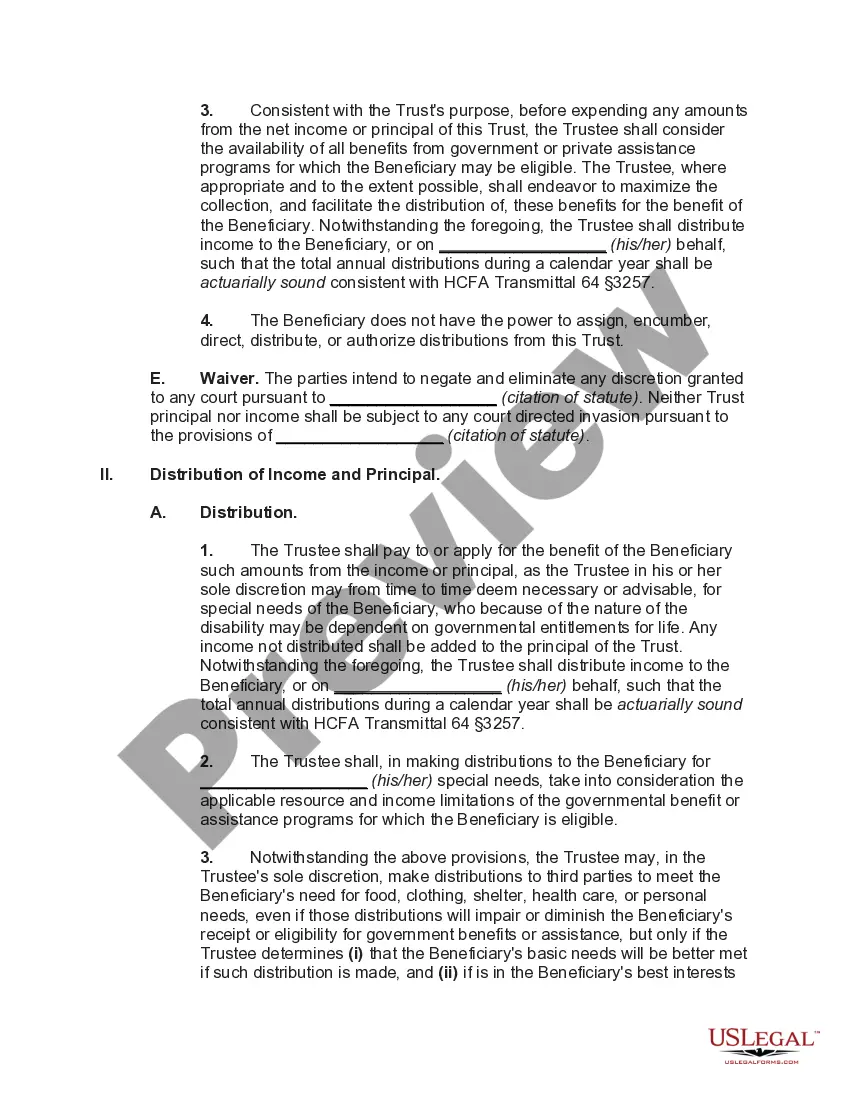
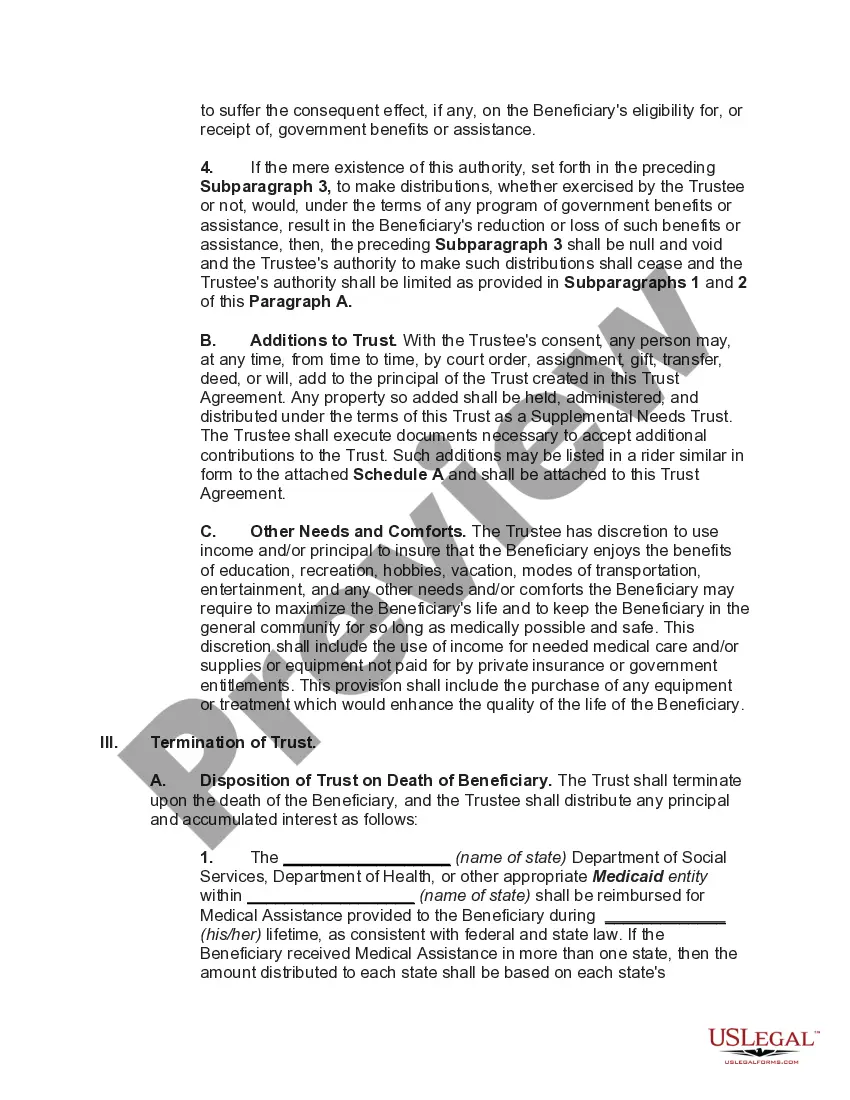
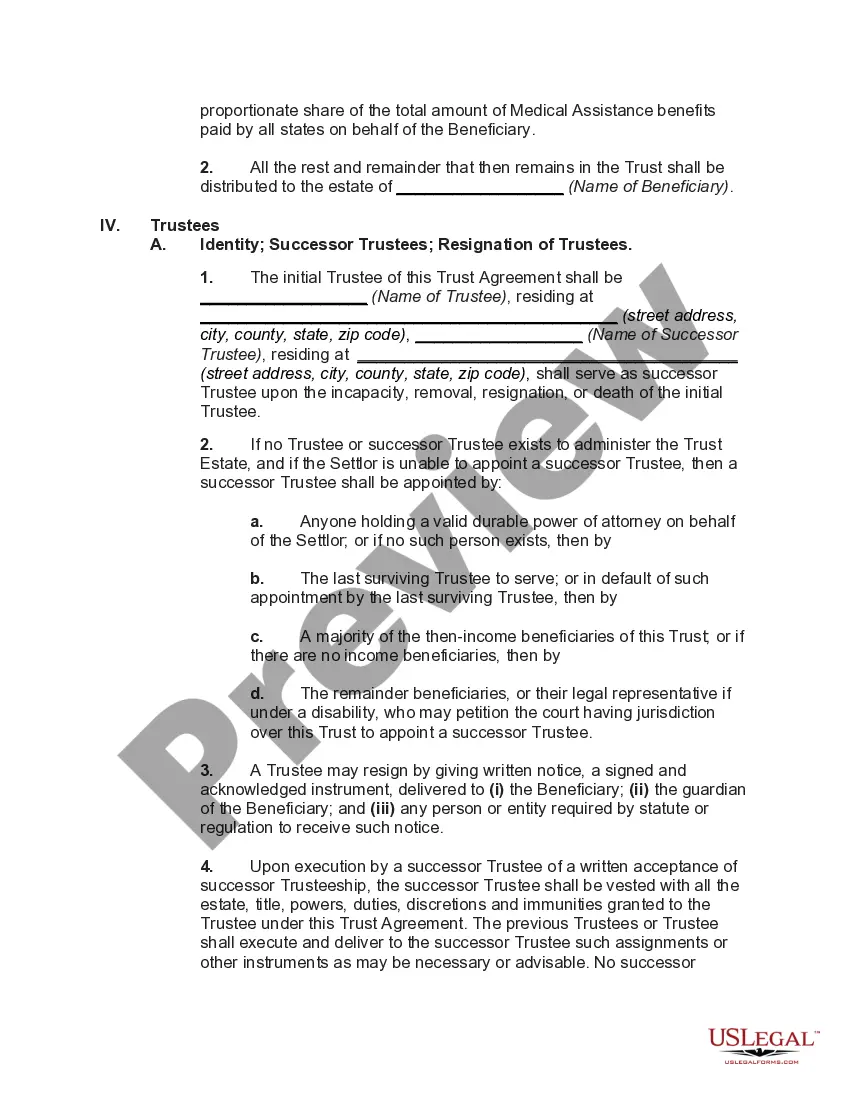
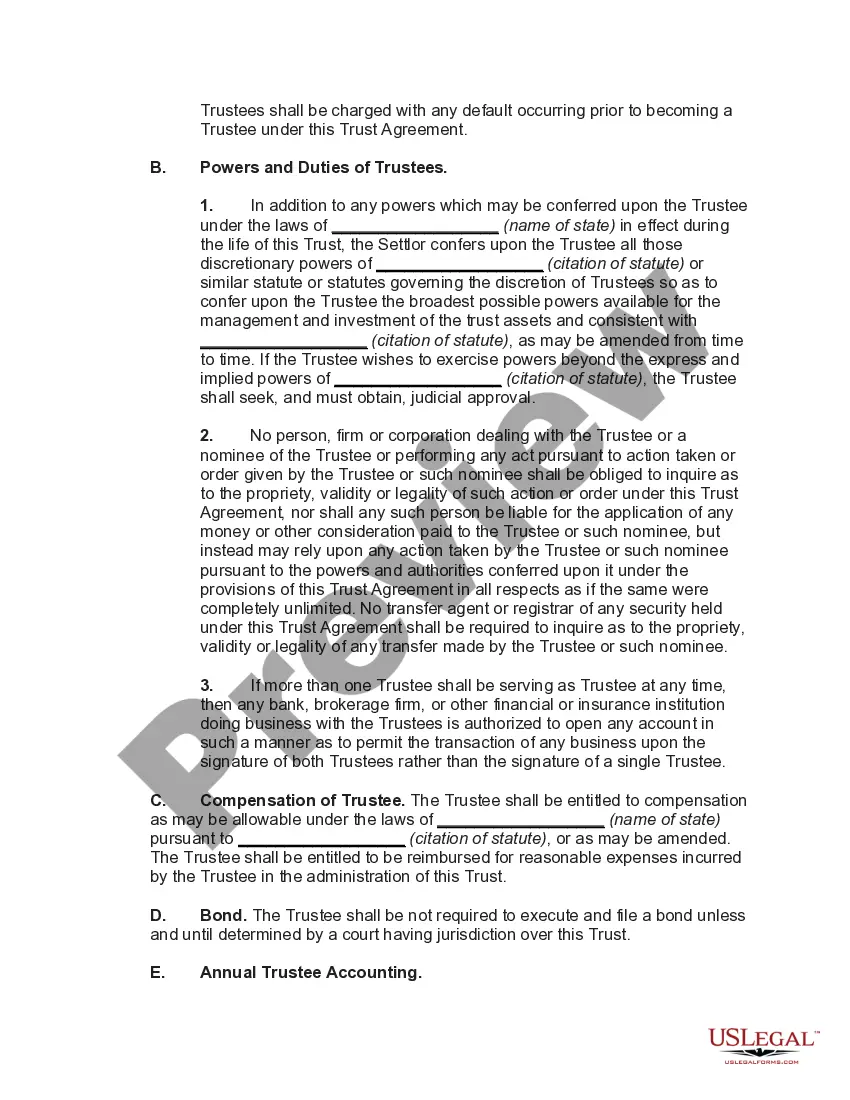
Description

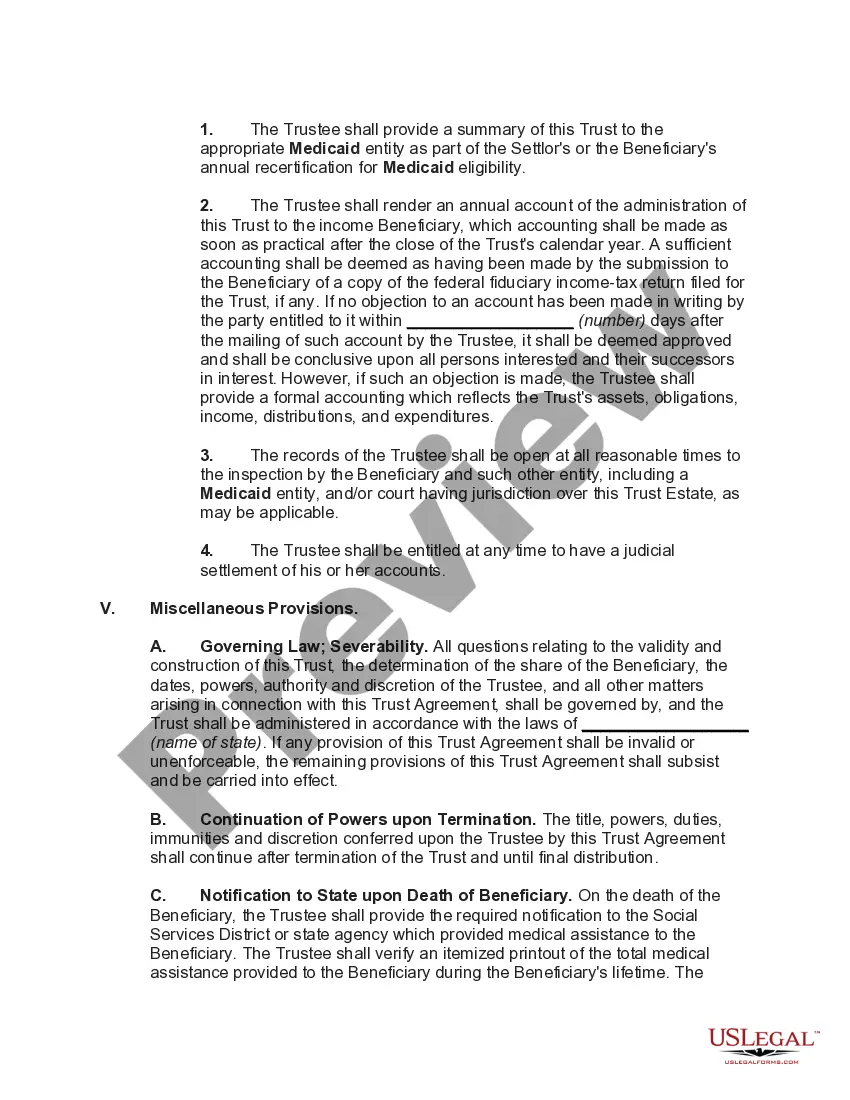
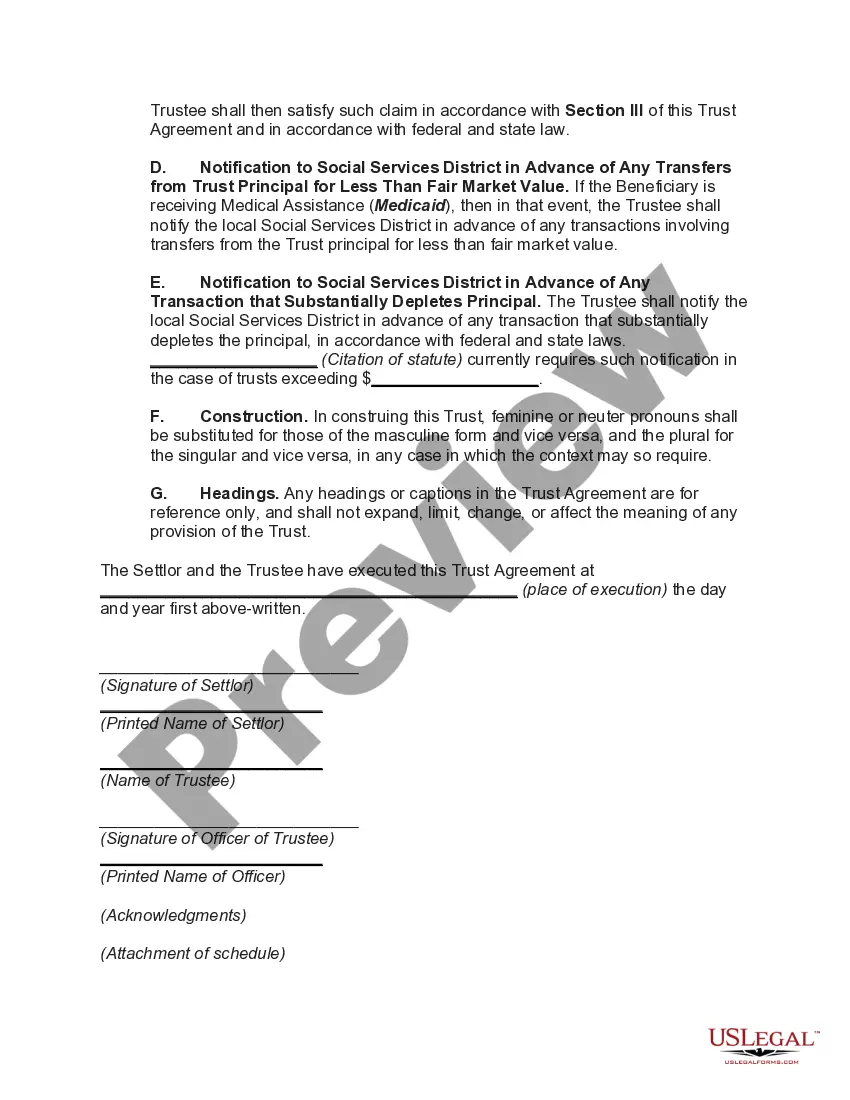
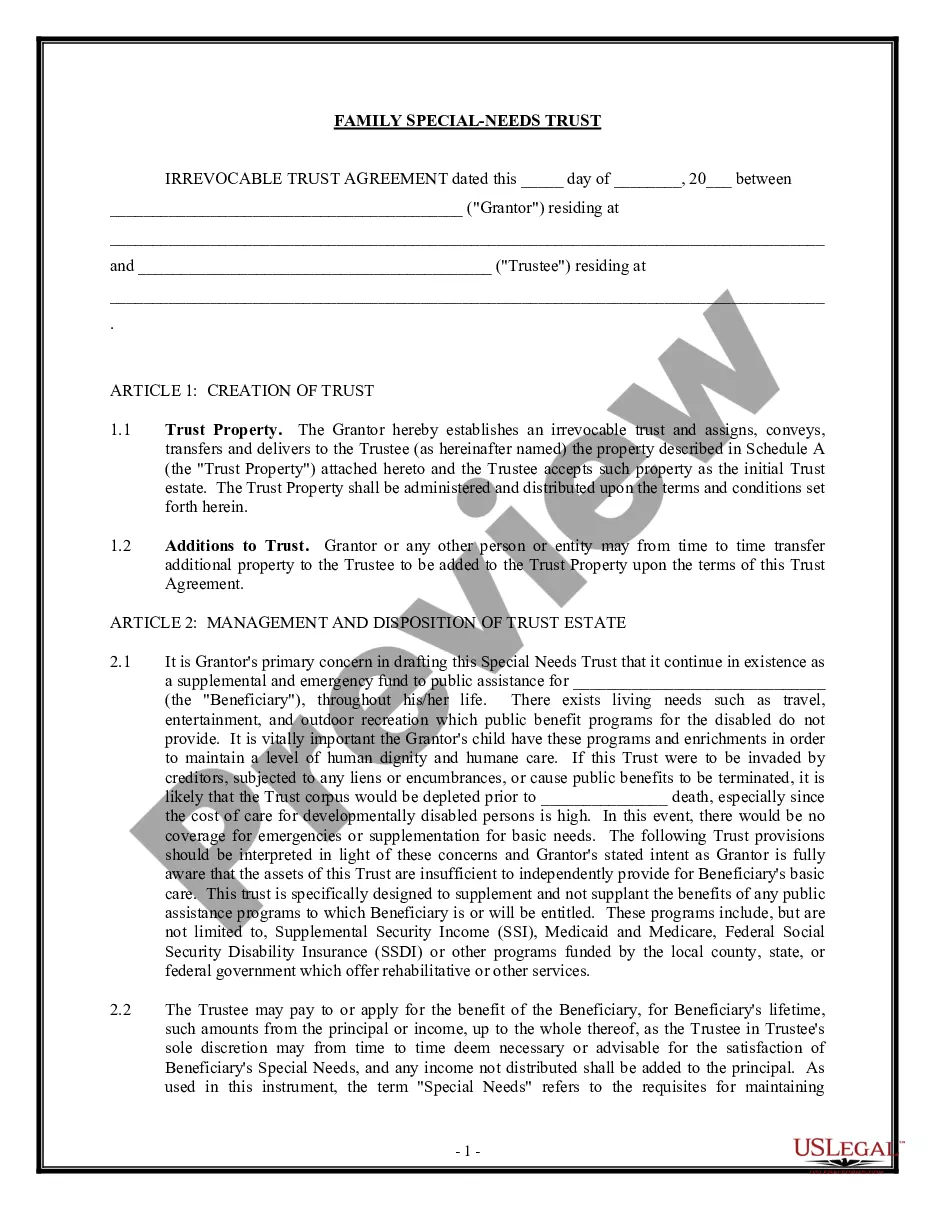

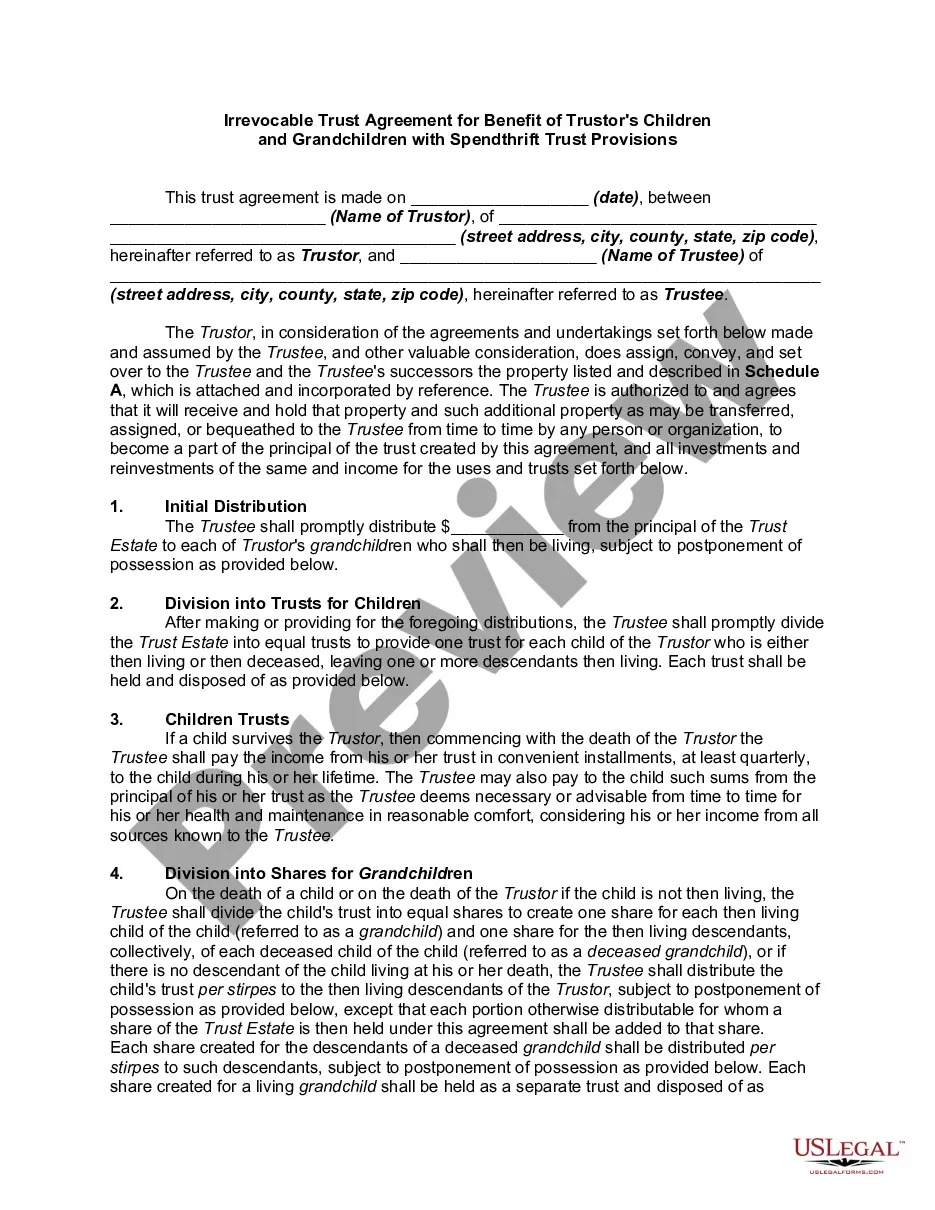

Get your form ready online
Our built-in tools help you complete, sign, share, and store your documents in one place.
Make edits, fill in missing information, and update formatting in US Legal Forms—just like you would in MS Word.
Download a copy, print it, send it by email, or mail it via USPS—whatever works best for your next step.
Sign and collect signatures with our SignNow integration. Send to multiple recipients, set reminders, and more. Go Premium to unlock E-Sign.
If this form requires notarization, complete it online through a secure video call—no need to meet a notary in person or wait for an appointment.
We protect your documents and personal data by following strict security and privacy standards.

Make edits, fill in missing information, and update formatting in US Legal Forms—just like you would in MS Word.

Download a copy, print it, send it by email, or mail it via USPS—whatever works best for your next step.

Sign and collect signatures with our SignNow integration. Send to multiple recipients, set reminders, and more. Go Premium to unlock E-Sign.

If this form requires notarization, complete it online through a secure video call—no need to meet a notary in person or wait for an appointment.

We protect your documents and personal data by following strict security and privacy standards.
Looking for another form?








How to fill out Special Needs Irrevocable Trust Agreement For Benefit Of Disabled Child Of Trustor?
- Visit the US Legal Forms website and log into your account if you're an existing user. Ensure your subscription is active to proceed with downloading forms.
- If you're a new user, start by exploring the vast catalog of legal templates available. Use the Preview mode to check descriptions and ensure the form fits your jurisdiction.
- If you find your required form, click on the Buy Now button to select your preferred subscription plan. Registration is necessary to access the complete library.
- Complete your purchase by entering payment details through credit card or PayPal. Once the transaction is successful, you can download your documents.
- Finally, download the form to your device. This document will also be available for you in the My Forms menu of your account for anytime access.
In conclusion, utilizing US Legal Forms streamlines the process of creating an irrevocable trust agreement with the government. With a comprehensive library of over 85,000 forms and expert assistance, you can ensure your legal documents are efficient and accurate.
Start your journey toward legal clarity today by visiting US Legal Forms!
Form popularity
FAQ
Filing an irrevocable trust with the IRS involves submitting Form 1041, along with required schedules, each tax year. You must provide information about the trust’s income and deductions, ensuring all records are accurate. By utilizing resources from US Legal, you can simplify the process and ensure compliance in managing your irrevocable trust agreement with the government.
One of the biggest mistakes parents make when setting up a trust fund is not clearly defining their goals and intentions. This lack of clarity can lead to confusion and unintended consequences for heirs. To avoid this, it’s essential to communicate openly about the trust's purpose and engage with legal experts who understand the intricacies of your irrevocable trust agreement with the government.
To report income generated by your irrevocable trust, you must file Form 1041, the U.S. Income Tax Return for Estates and Trusts. Additionally, if the trust distributes income to beneficiaries, they should receive a Schedule K-1 detailing their share. This clarity ensures compliance with the laws related to your irrevocable trust agreement with the government.
Filling out an irrevocable trust requires careful attention to detail. First, you’ll need to define the trust's purpose, including assets and beneficiaries. Then, you’ll outline the roles of trustees and any terms that govern distribution. For a seamless process, consider using the US Legal platform, which offers templates and guidance tailored to your irrevocable trust agreement with the government.
Limits on an irrevocable trust can vary based on individual circumstances, such as the type of property included and the goals of the trust. Typically, there are no strict upper limits on the value of assets you can place in an irrevocable trust agreement with the government; however, tax implications may arise. It’s wise to consult with a financial advisor or use resources like US Legal Forms to understand how these limits work for your specific situation. By staying informed, you can maximize the benefits of your trust.
You can set up an irrevocable trust yourself, but it's not always advisable. Irrevocable trust agreements with the government often involve specific legal requirements, tax implications, and asset protection strategies. Using a service like US Legal Forms can simplify the process and ensure you meet all necessary guidelines. By leveraging professional tools, you can create a solid foundation for your trust, making it easier to manage your assets.
Generally, the government cannot access funds held in an irrevocable trust agreement with the government, as the trust is legally separate from the grantor. However, there can be exceptions, particularly in cases involving unpaid debts or tax liabilities. It's wise to consult legal advice to understand your specific situation.
Yes, you can file your own irrevocable trust agreement with the government. However, it's crucial to ensure that all legal requirements are met and documentation is accurate. For more straightforward navigation through the process, consider using USLegalForms to access templates and guidance.
Avoiding capital gains tax in an irrevocable trust agreement with the government can be challenging but manageable. Strategies include utilizing losses to offset gains, taking advantage of step-up in basis upon inheritance, or considering specific trust provisions. Consult a tax professional to explore all your options thoroughly.
To file an irrevocable trust agreement with the government, you typically need to complete IRS Form 1041, the U.S. Income Tax Return for Estates and Trusts. Make sure to include all necessary documentation regarding trust assets and income. Using a platform like USLegalForms can simplify this process for you.