Beneficiaries Death Form For Trusts
Description
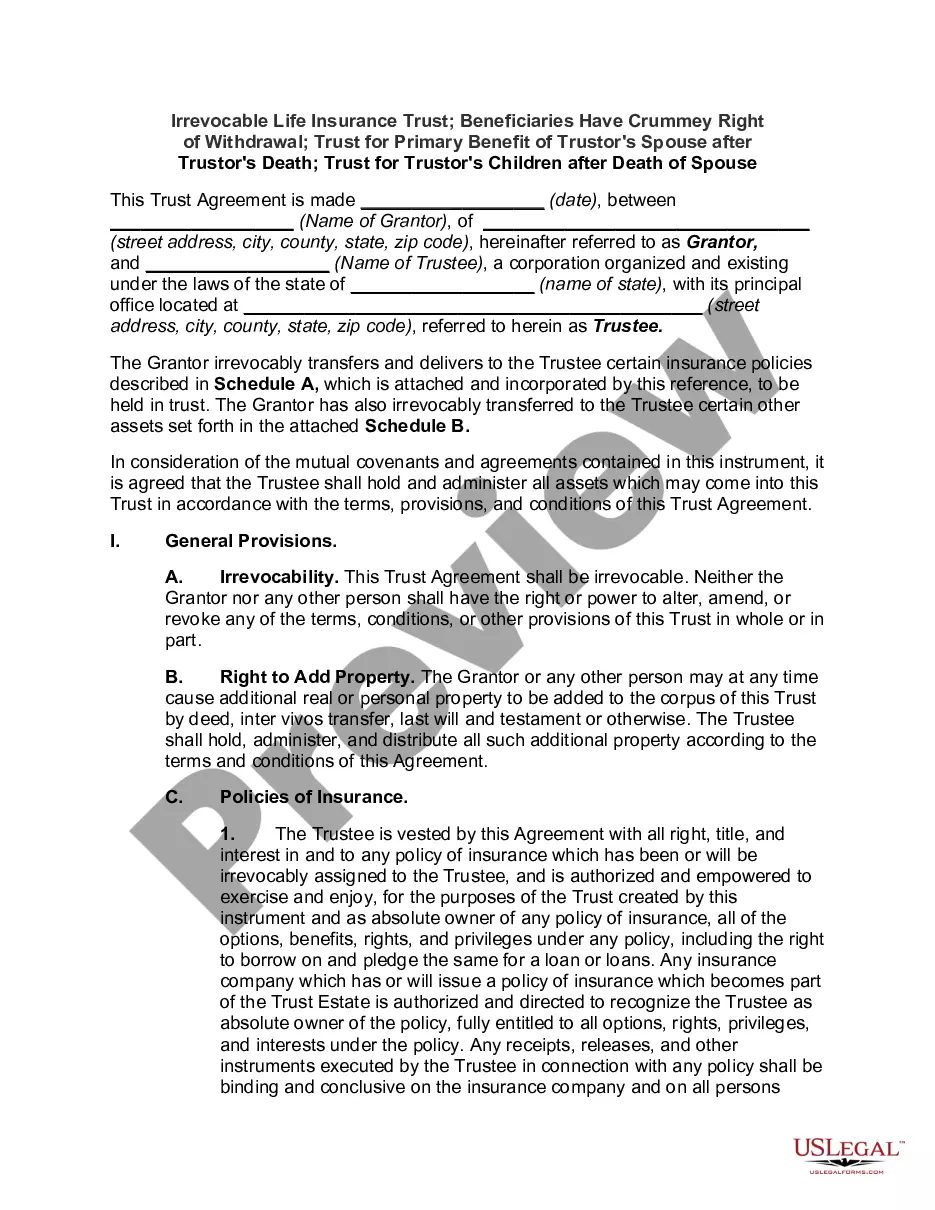
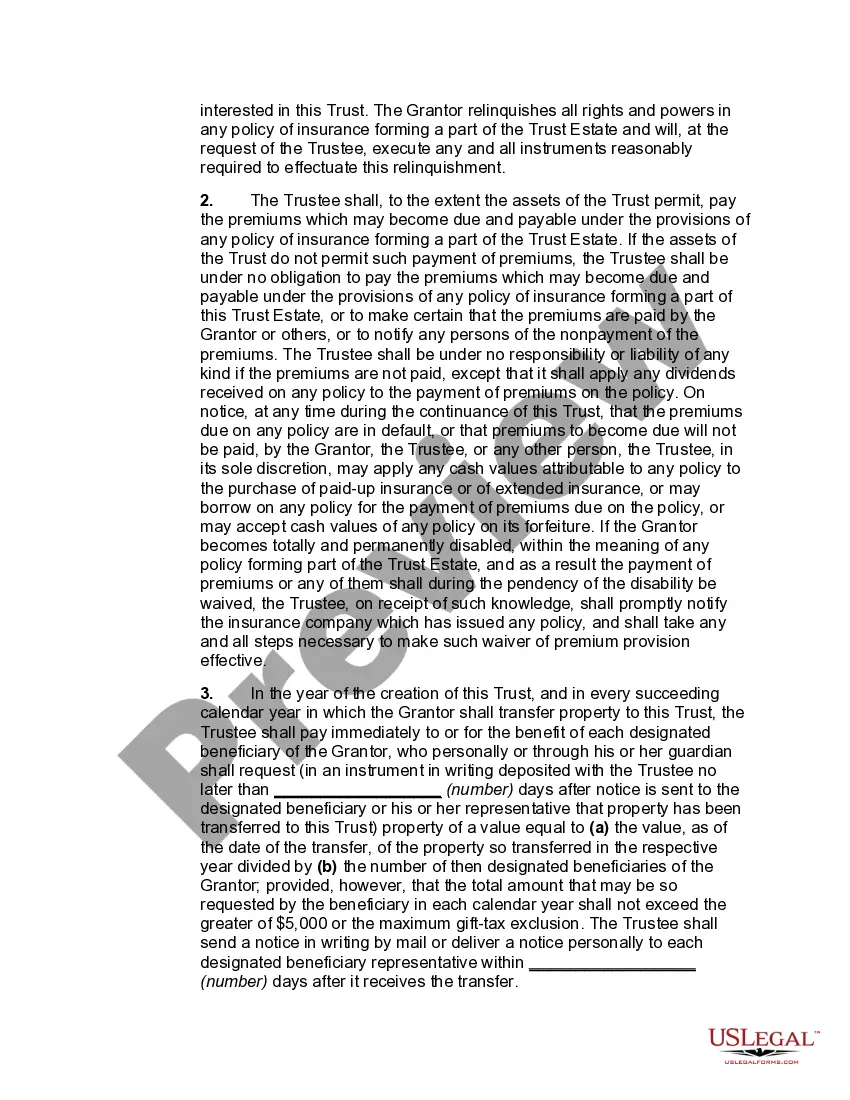
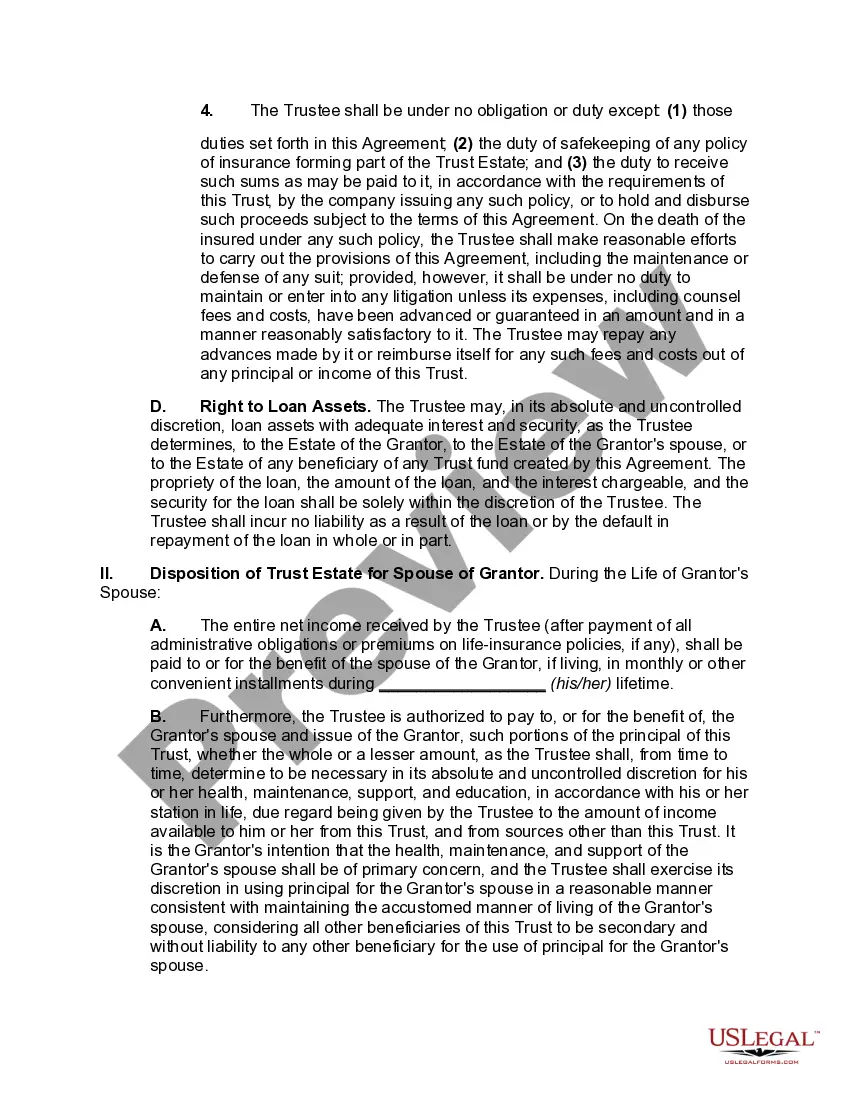
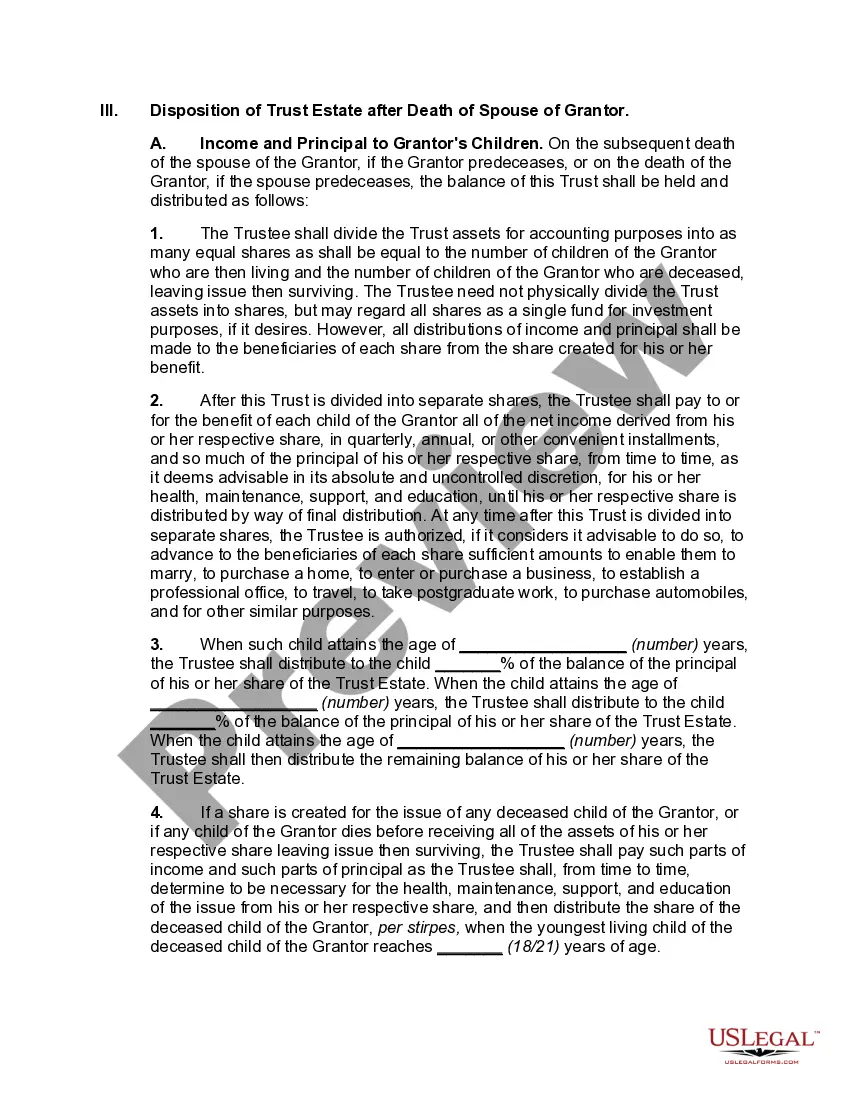
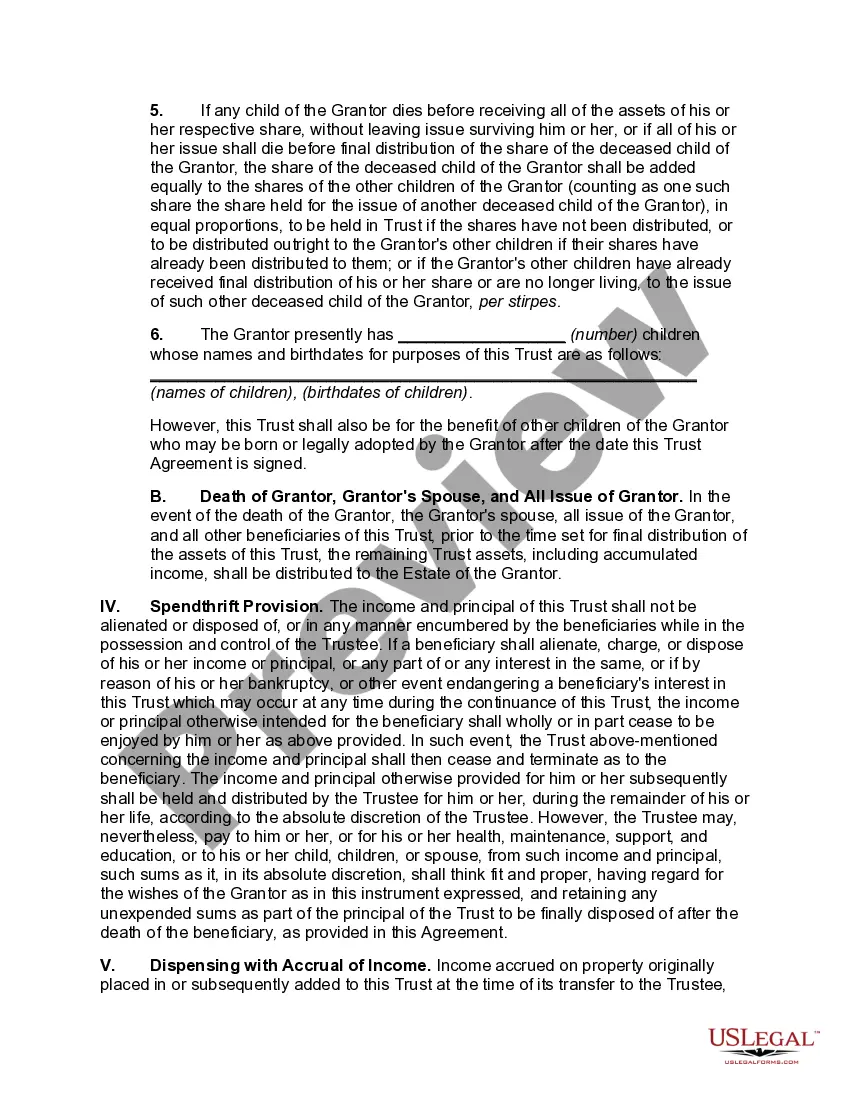
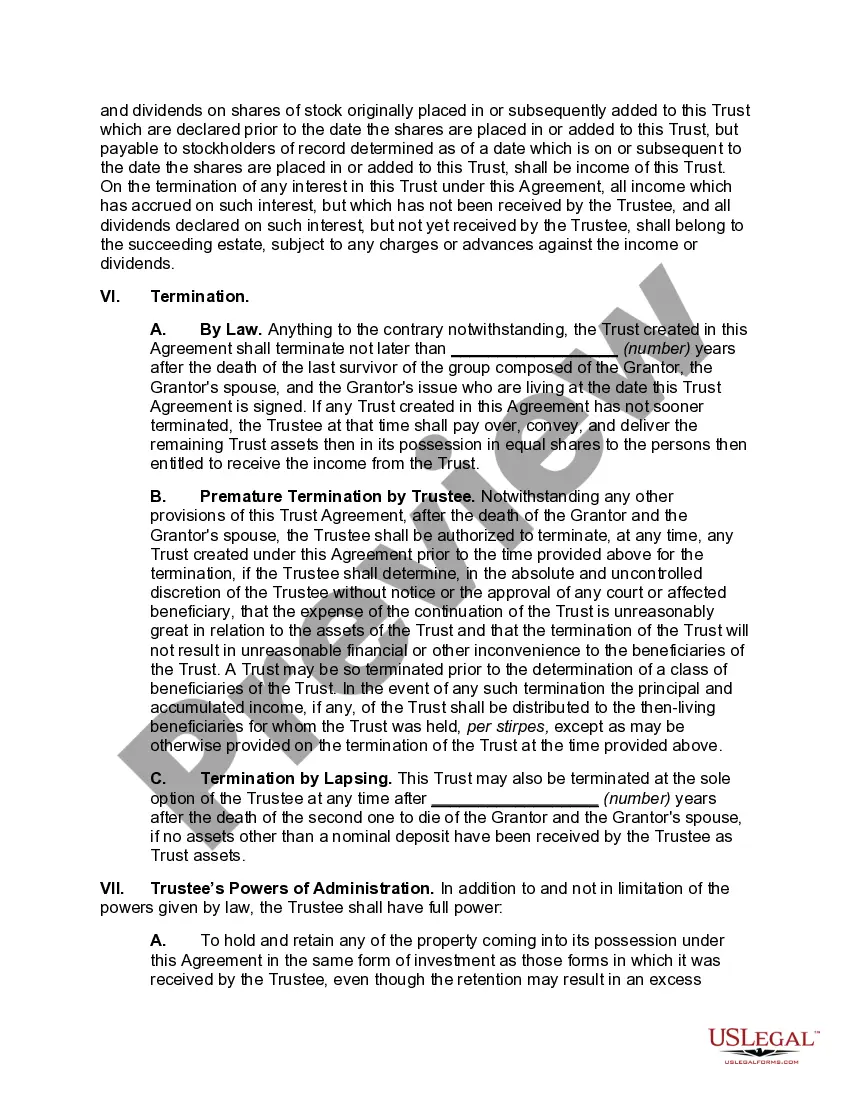
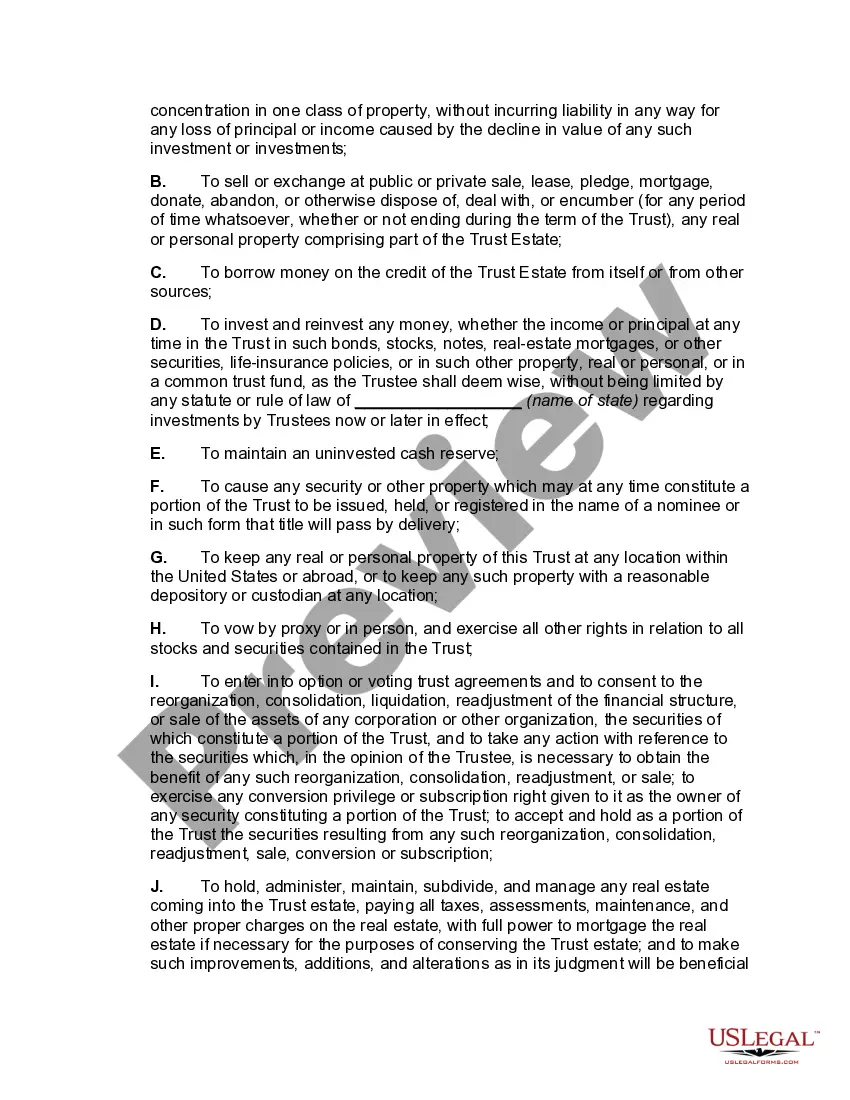

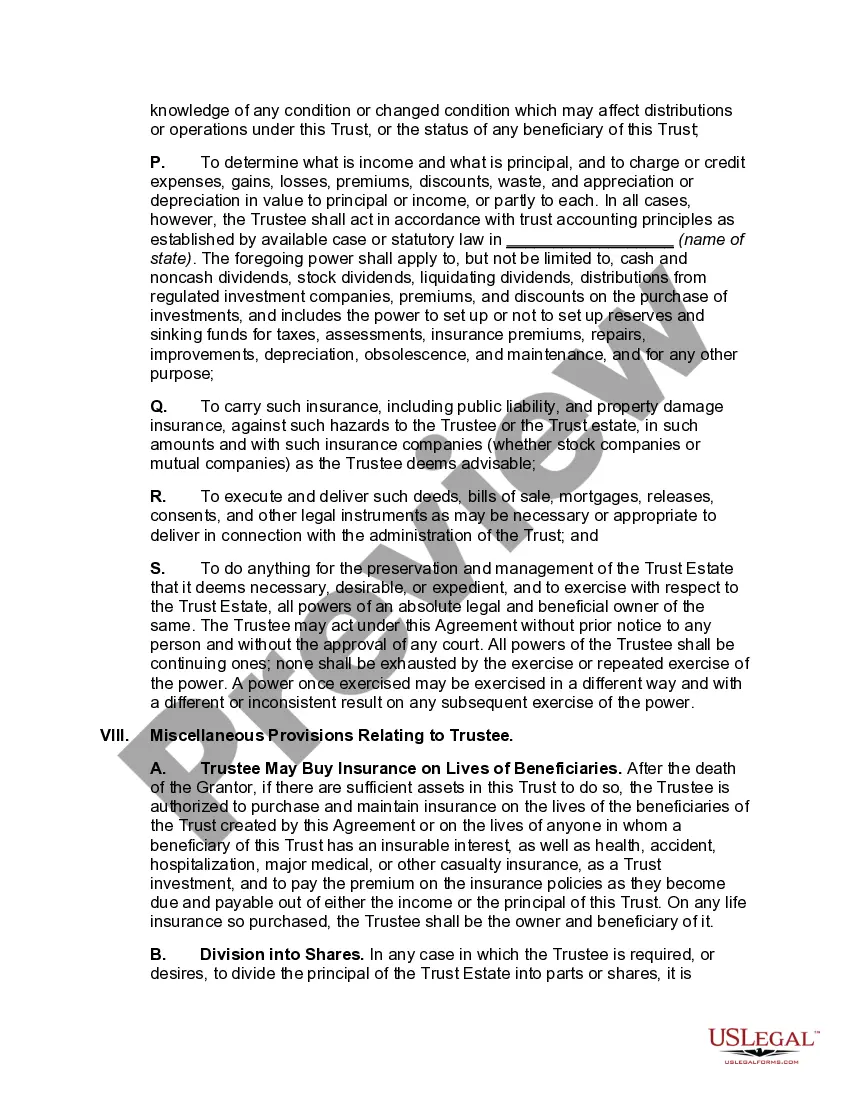

Get your form ready online
Our built-in tools help you complete, sign, share, and store your documents in one place.
Make edits, fill in missing information, and update formatting in US Legal Forms—just like you would in MS Word.
Download a copy, print it, send it by email, or mail it via USPS—whatever works best for your next step.
Sign and collect signatures with our SignNow integration. Send to multiple recipients, set reminders, and more. Go Premium to unlock E-Sign.
If this form requires notarization, complete it online through a secure video call—no need to meet a notary in person or wait for an appointment.
We protect your documents and personal data by following strict security and privacy standards.

Make edits, fill in missing information, and update formatting in US Legal Forms—just like you would in MS Word.

Download a copy, print it, send it by email, or mail it via USPS—whatever works best for your next step.

Sign and collect signatures with our SignNow integration. Send to multiple recipients, set reminders, and more. Go Premium to unlock E-Sign.

If this form requires notarization, complete it online through a secure video call—no need to meet a notary in person or wait for an appointment.

We protect your documents and personal data by following strict security and privacy standards.
Looking for another form?
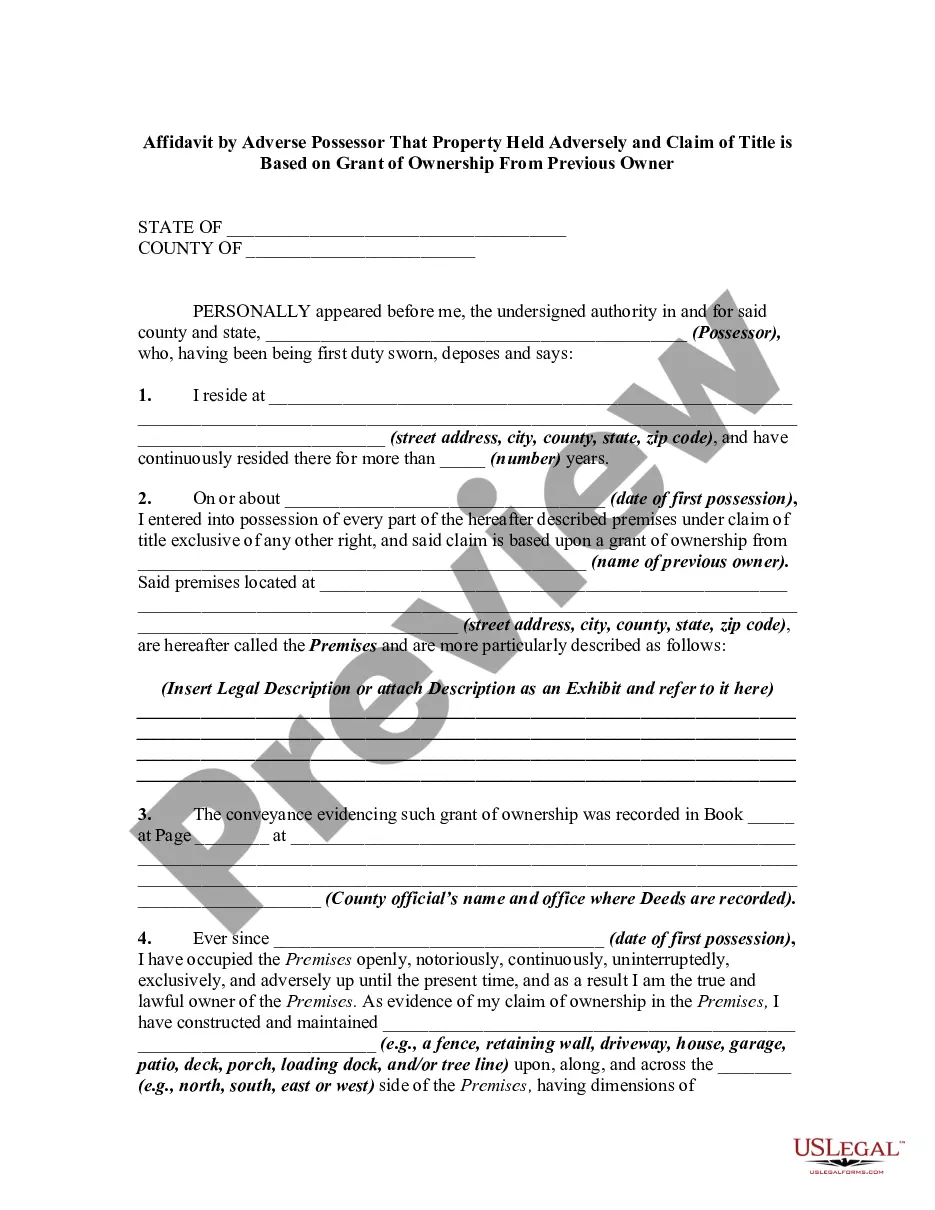






How to fill out Irrevocable Life Insurance Trust - Beneficiaries Have Crummey Right Of Withdrawal?
Whether for corporate aims or personal issues, every individual must confront legal matters at some point in their lives.
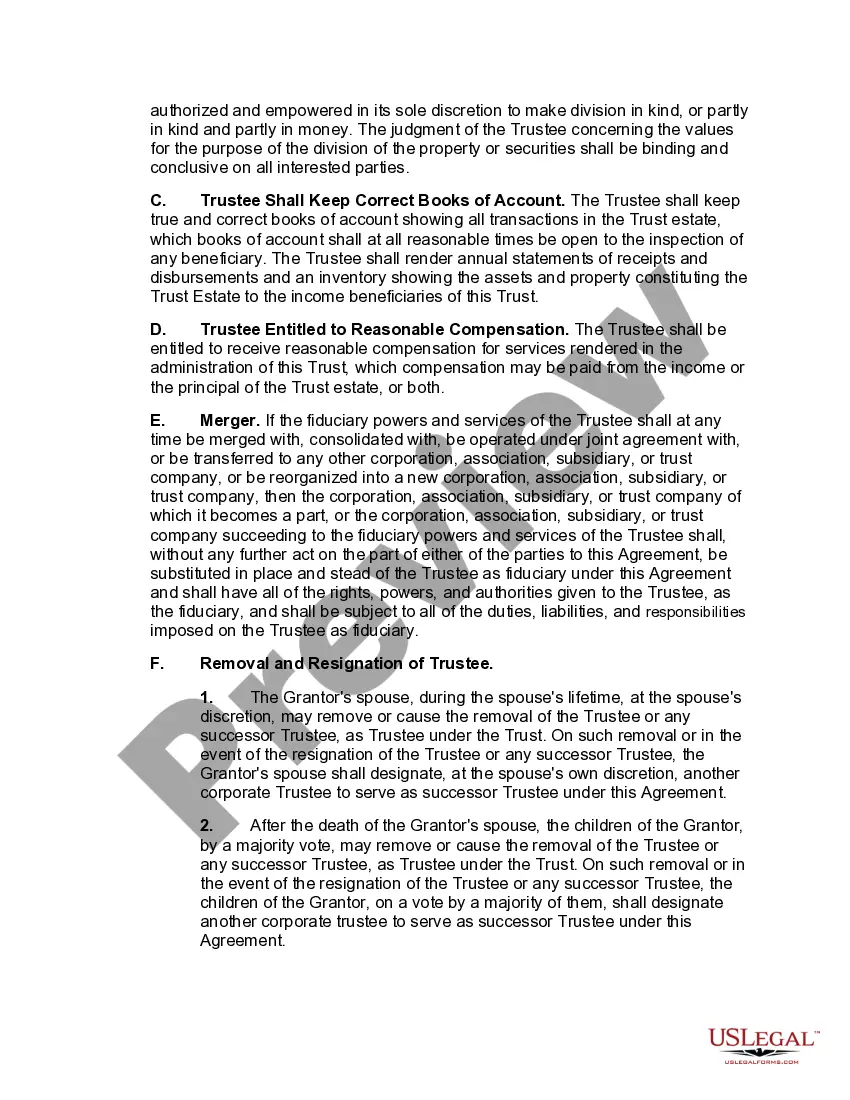
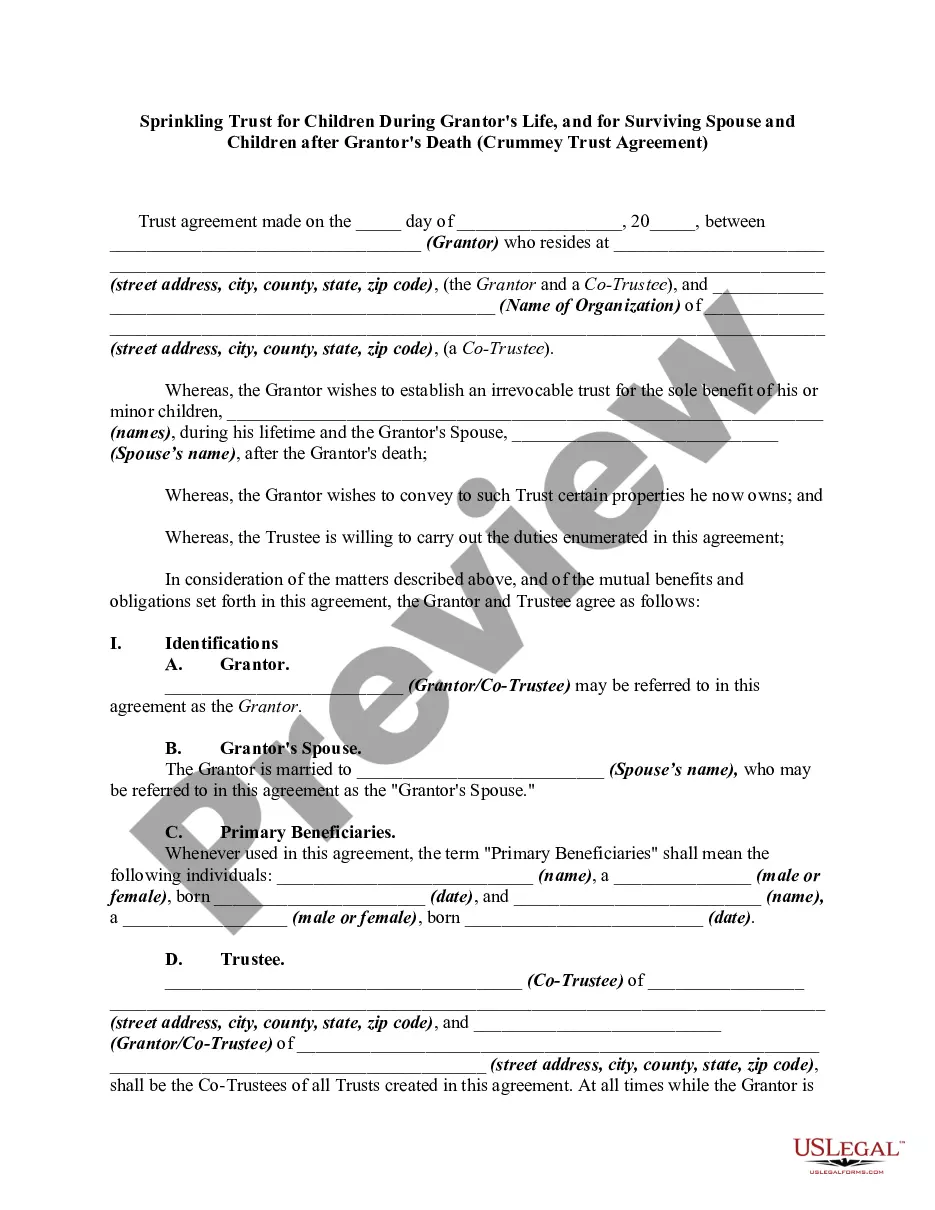
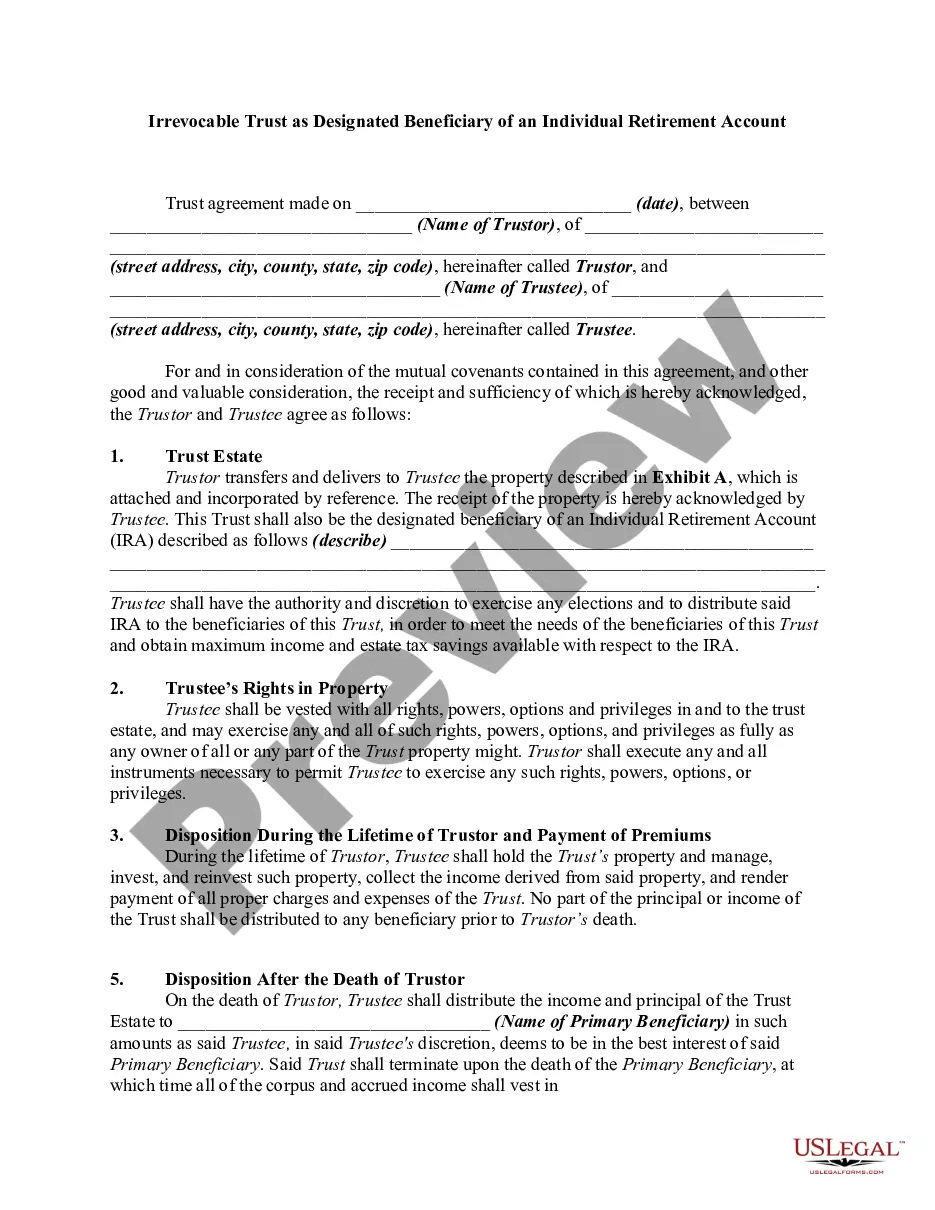
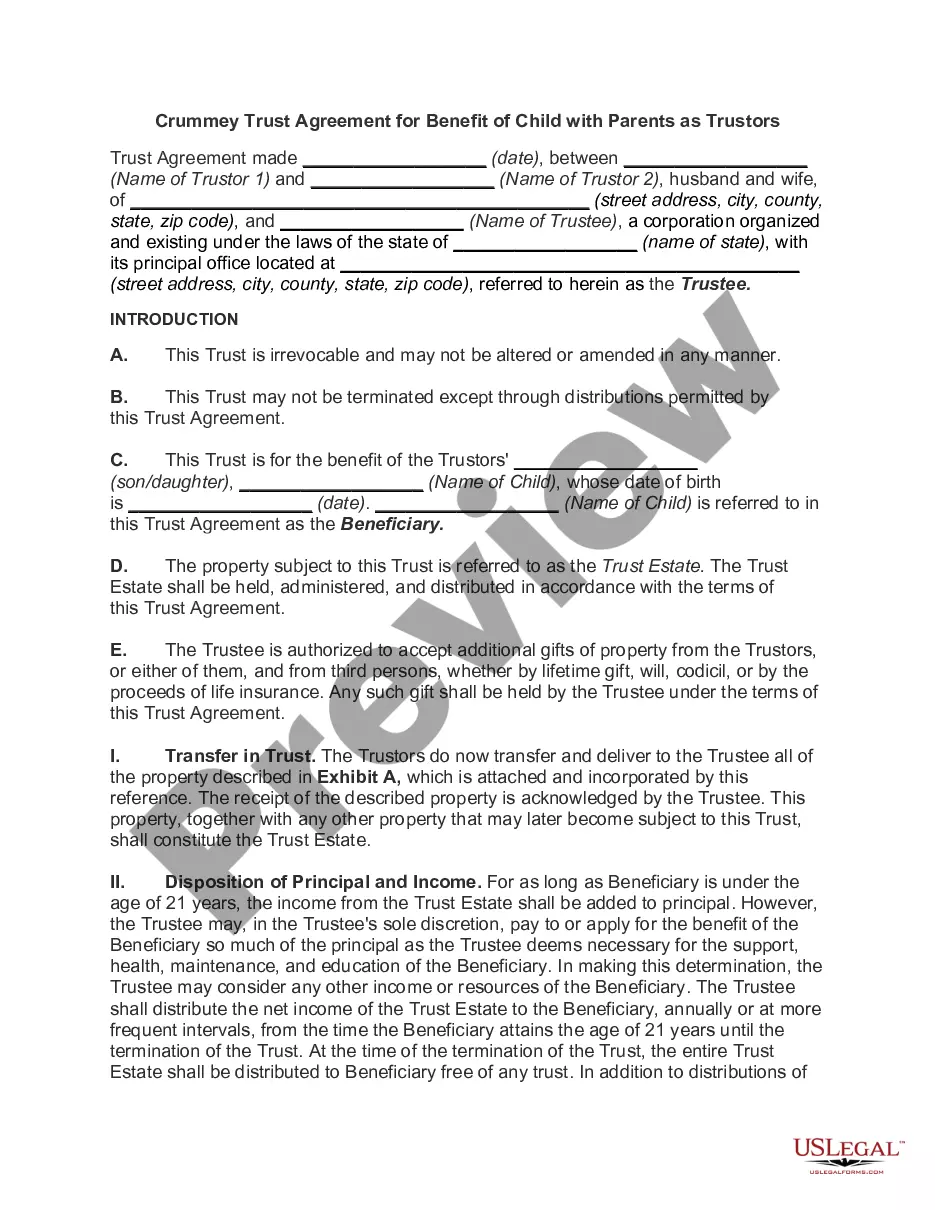
Filling out legal documents requires meticulous care, beginning with selecting the right form template. For example, if you choose an incorrect version of the Beneficiaries Death Form For Trusts, it will be rejected upon submission.
With an extensive US Legal Forms library available, you do not need to waste time searching for the correct template online. Utilize the library’s straightforward navigation to find the right form for any situation.
- Locate the template you require using the search bar or catalog browsing.
- Review the description of the form to ensure it corresponds to your situation, state, and county.
- Click on the preview of the form to inspect it.
- If it is not the correct document, return to the search feature to find the desired Beneficiaries Death Form For Trusts template.
- Download the file once it meets your requirements.
- If you have a US Legal Forms account, just click Log in to access previously saved documents in My documents.
- If you don’t possess an account yet, you can acquire the form by clicking Buy now.
- Select the suitable pricing alternative.
- Fill out the profile registration form.
- Choose your payment method: either a credit card or PayPal account.
- Pick the document format you desire and download the Beneficiaries Death Form For Trusts.
- After saving it, you can fill out the form using editing software or print it and complete it by hand.
Form popularity
FAQ
Write only one beneficiary on each line. Make sure that you write the full names of all beneficiaries. For example, if you name you children as beneficiaries, DO NOT merely write ?children? on one of the lines; instead write the full names of each of your children on separate lines.
If you decide to have more than one beneficiary, you will allocate a percentage of the death benefit for each, so that the total allocation equals 100%. A simple example of this would be allocating 50% to your partner, and 25% to each of your two children, for a total of 100%.
Primary Beneficiaries If you're naming only one primary beneficiary, put 100% in the percent column. If you're naming more than one primary beneficiary, you must indicate what percentage each is to receive.
And you shouldn't name a minor or a pet, either, because they won't be legally allowed to receive the money you left for them. Naming your estate as your beneficiary could give creditors access to your life insurance death benefit, which means your loved ones could get less money.
The beneficiary's share may pass to their surviving spouse. The beneficiary's share may pass to his surviving children. The beneficiary's share may pass to his surviving siblings. The beneficiary's share may pass to a charitable organization named by the decedent.