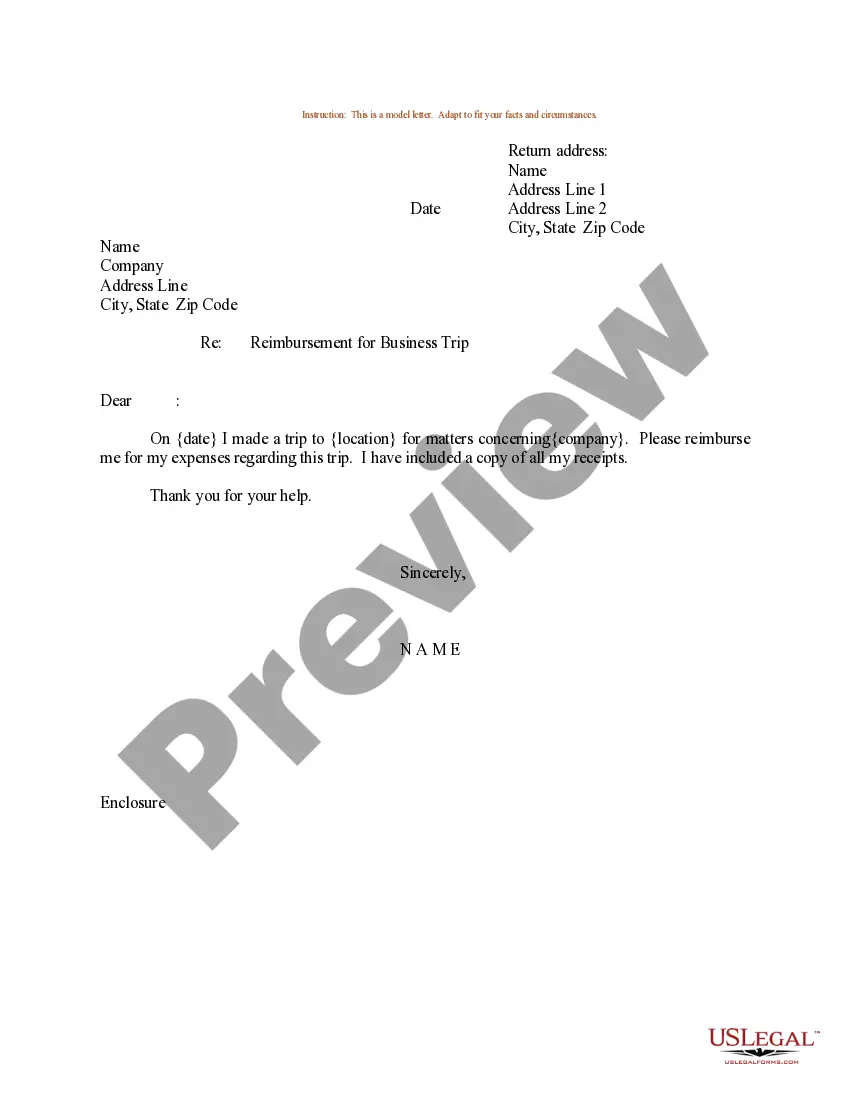
Sample Reimbursement Document For 2023
Description

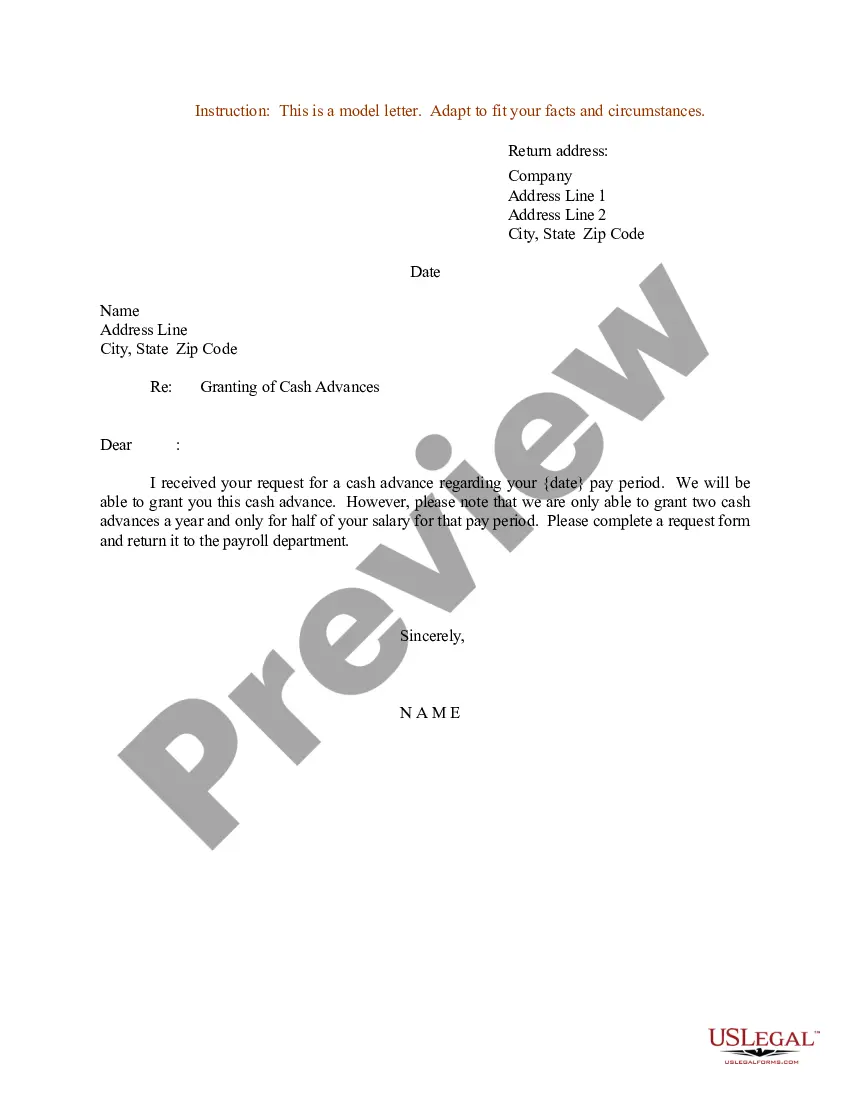
Get your form ready online
Our built-in tools help you complete, sign, share, and store your documents in one place.
Make edits, fill in missing information, and update formatting in US Legal Forms—just like you would in MS Word.
Download a copy, print it, send it by email, or mail it via USPS—whatever works best for your next step.
Sign and collect signatures with our SignNow integration. Send to multiple recipients, set reminders, and more. Go Premium to unlock E-Sign.
If this form requires notarization, complete it online through a secure video call—no need to meet a notary in person or wait for an appointment.
We protect your documents and personal data by following strict security and privacy standards.

Make edits, fill in missing information, and update formatting in US Legal Forms—just like you would in MS Word.

Download a copy, print it, send it by email, or mail it via USPS—whatever works best for your next step.

Sign and collect signatures with our SignNow integration. Send to multiple recipients, set reminders, and more. Go Premium to unlock E-Sign.

If this form requires notarization, complete it online through a secure video call—no need to meet a notary in person or wait for an appointment.

We protect your documents and personal data by following strict security and privacy standards.
Looking for another form?
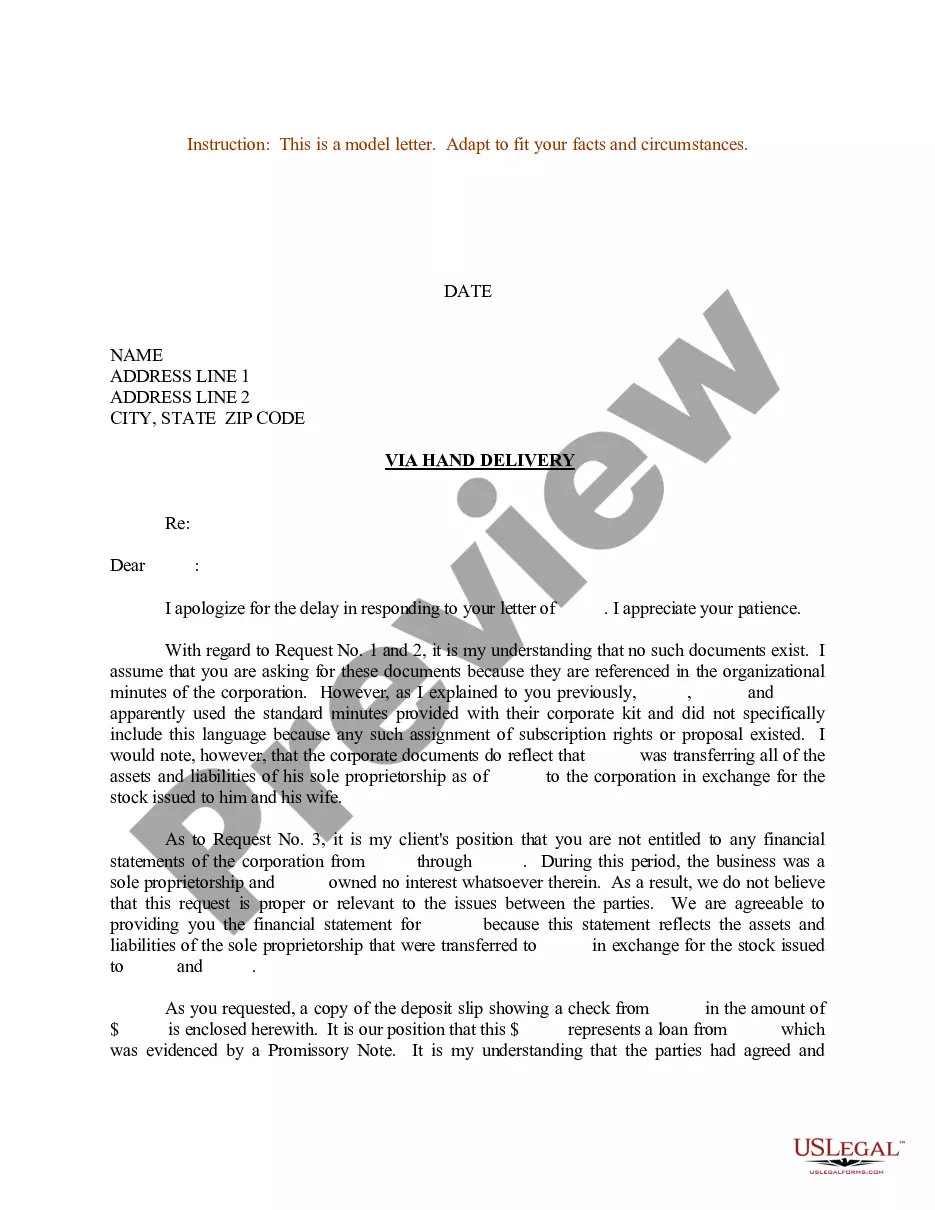
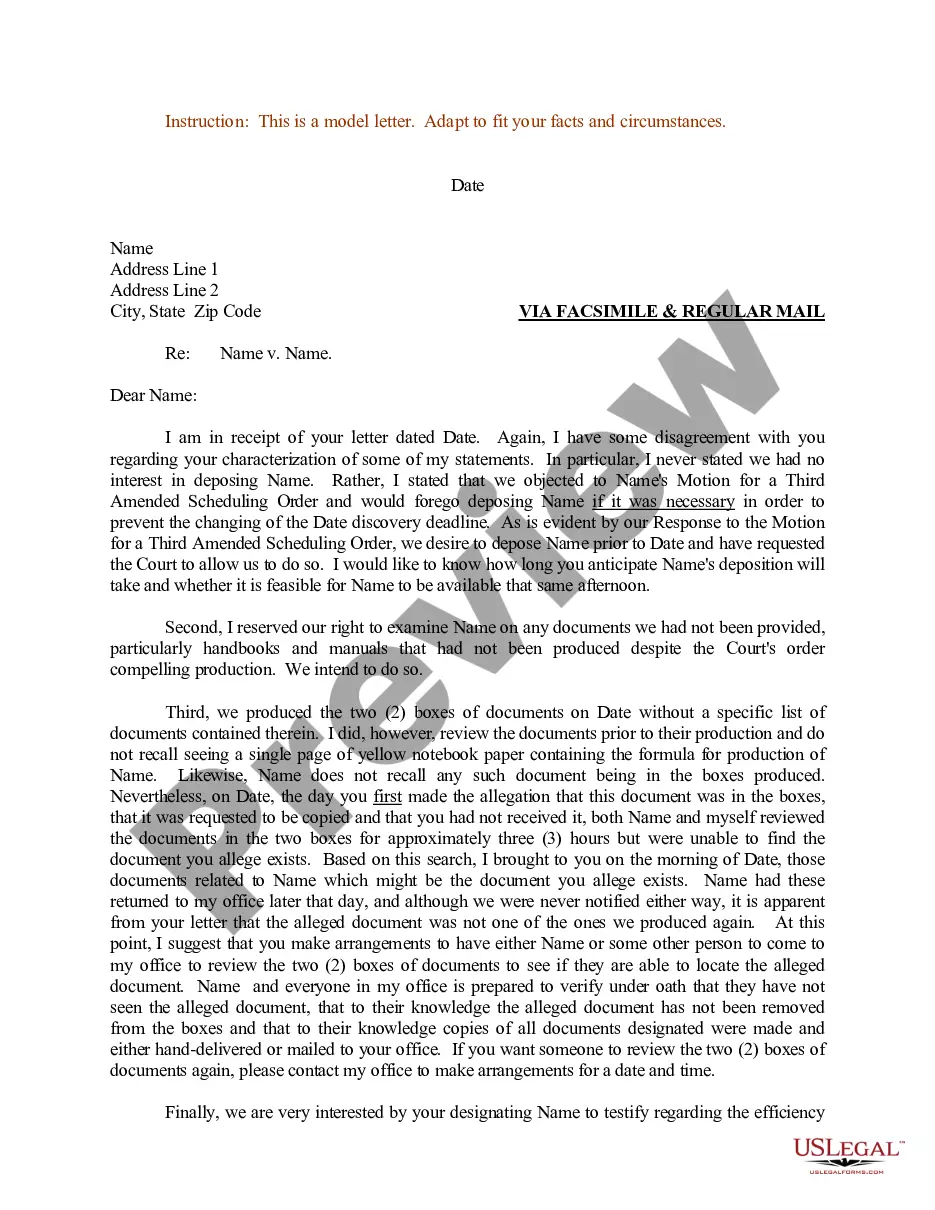
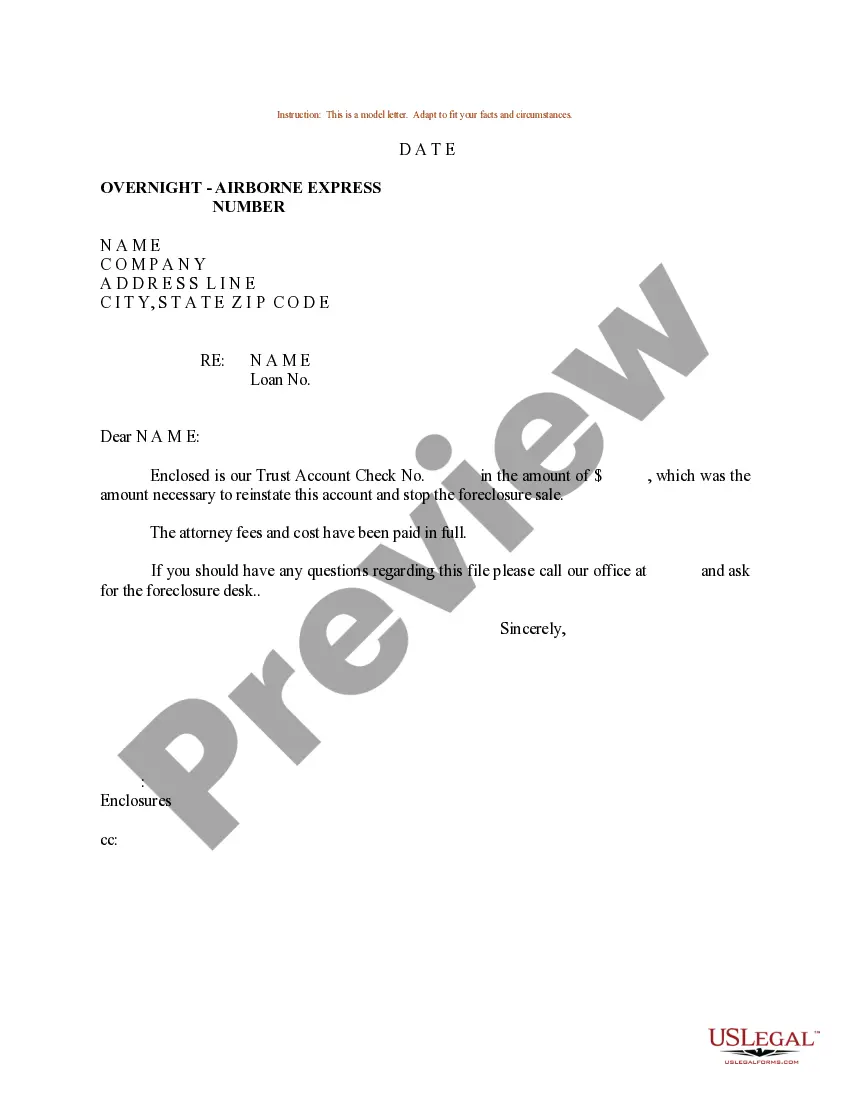

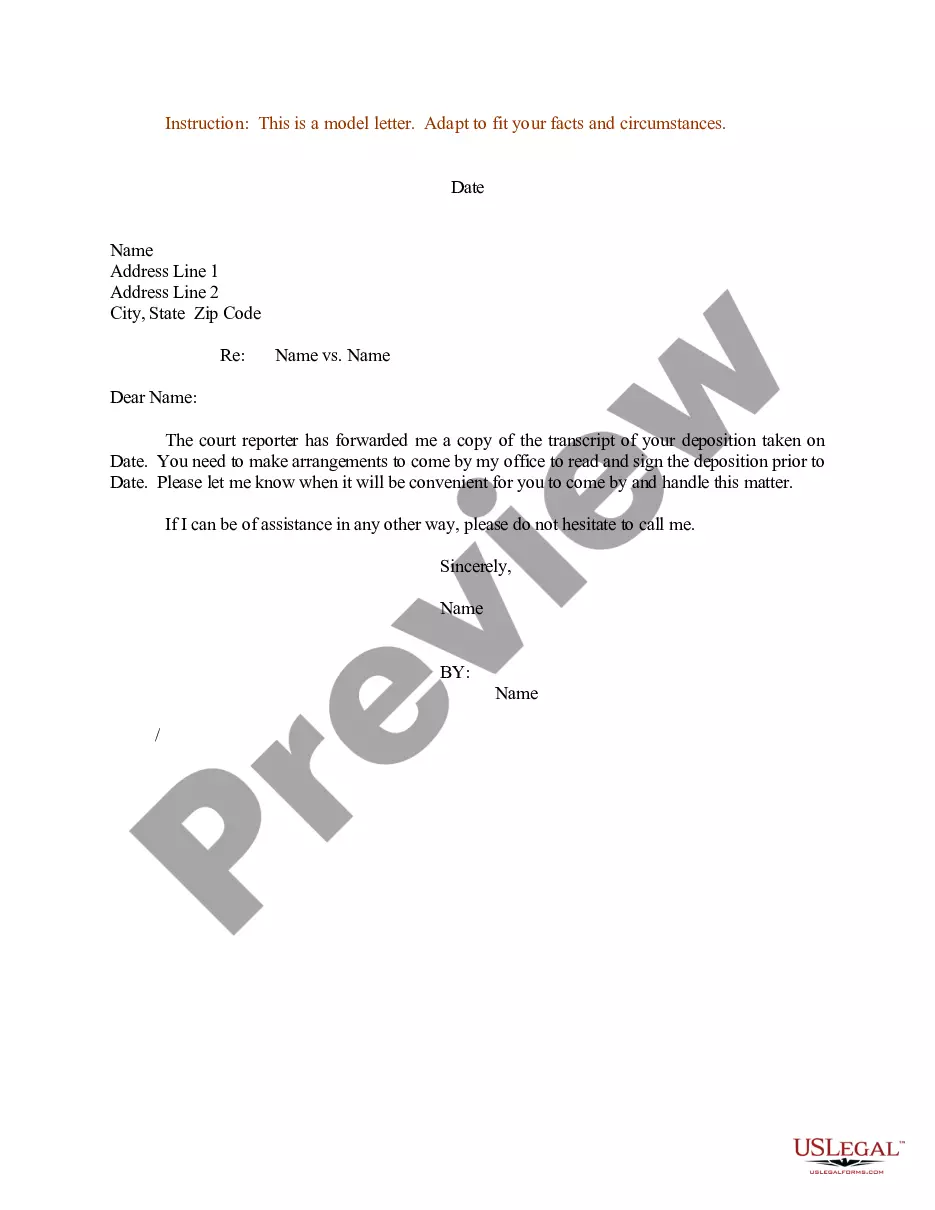
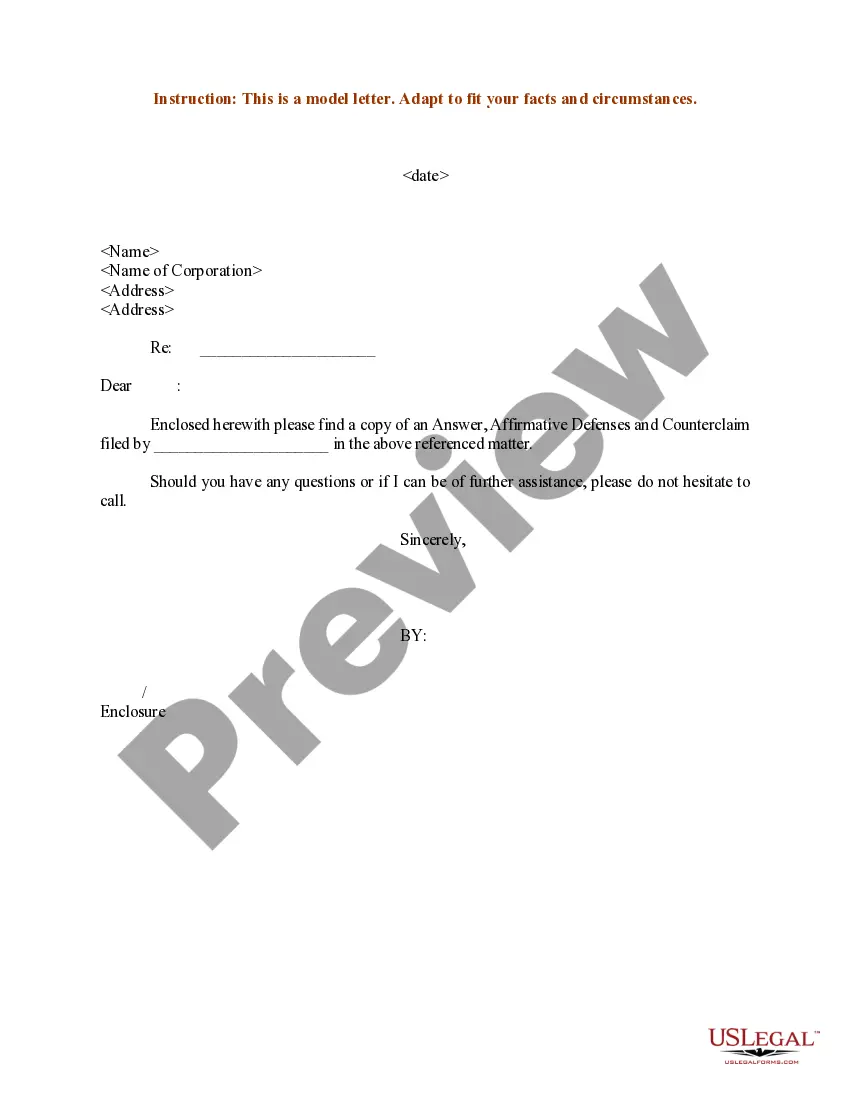
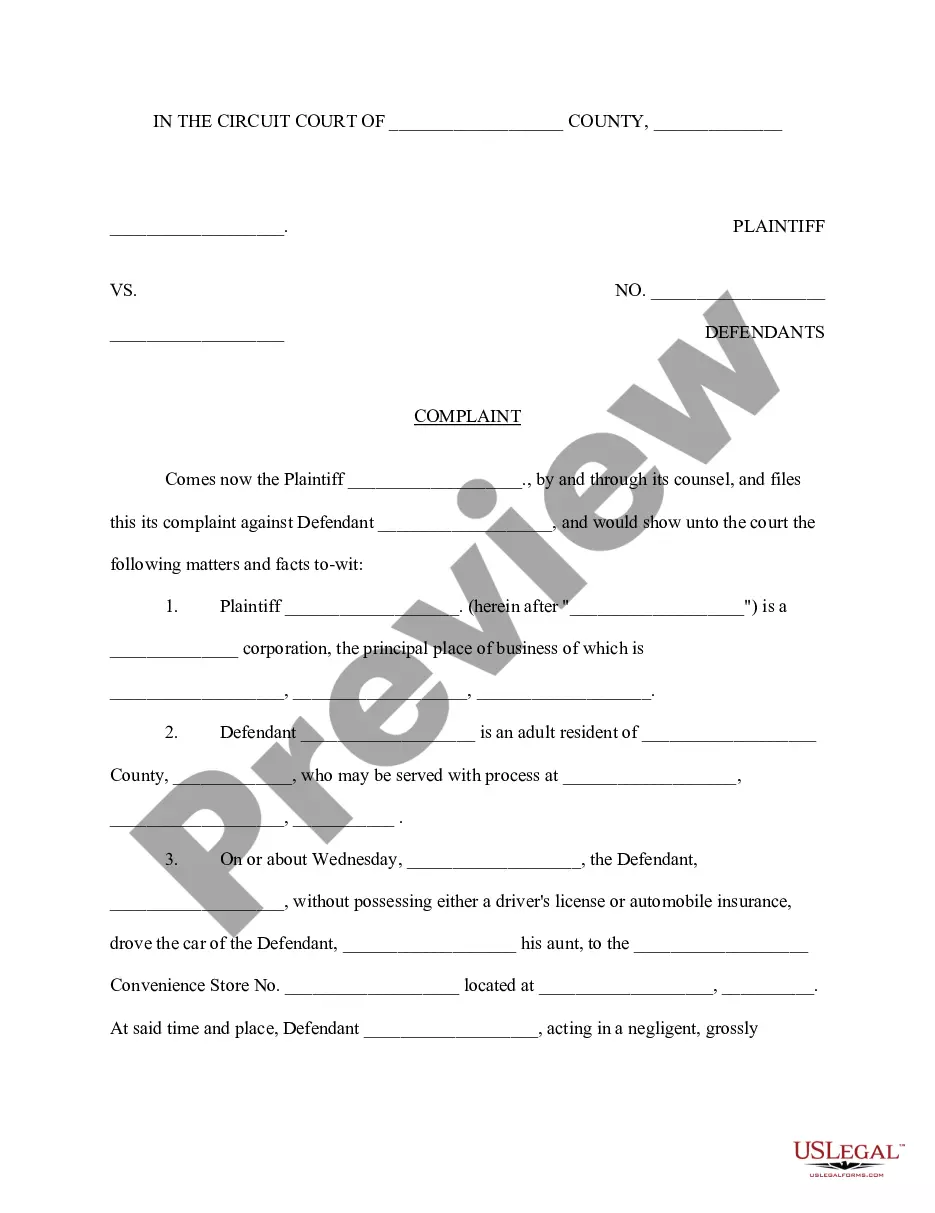
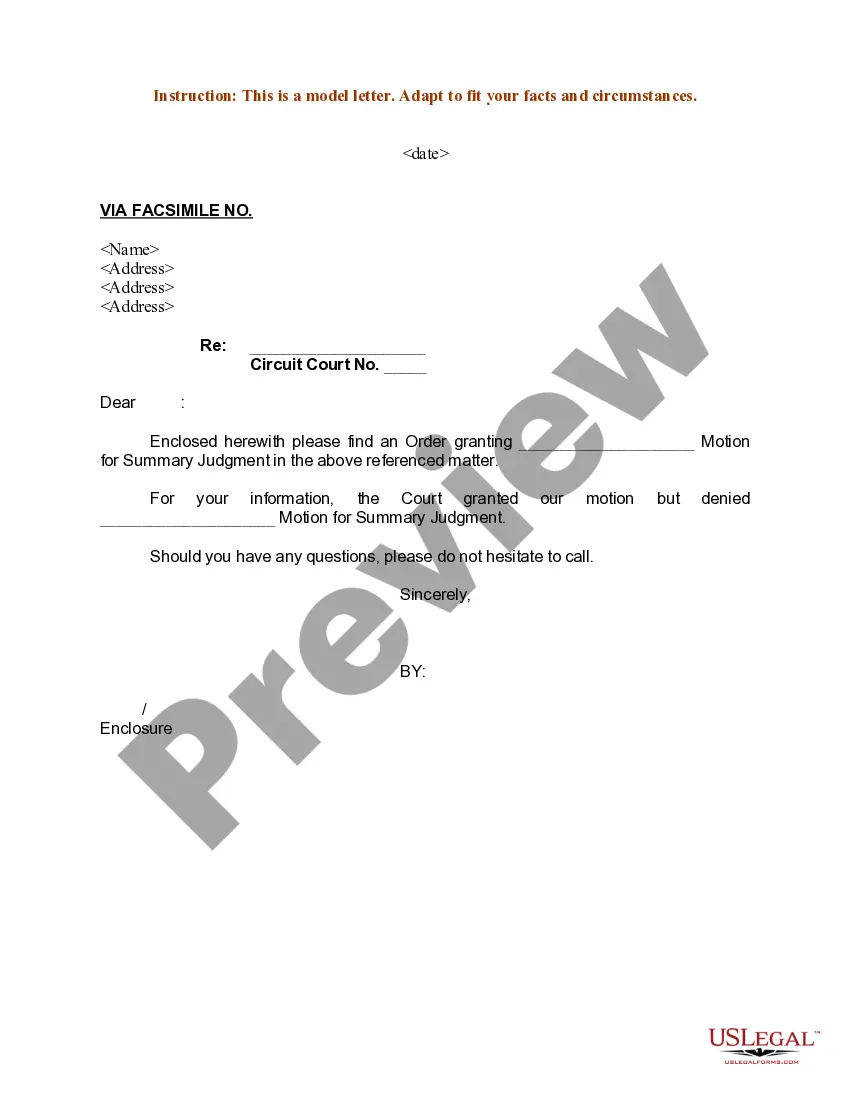
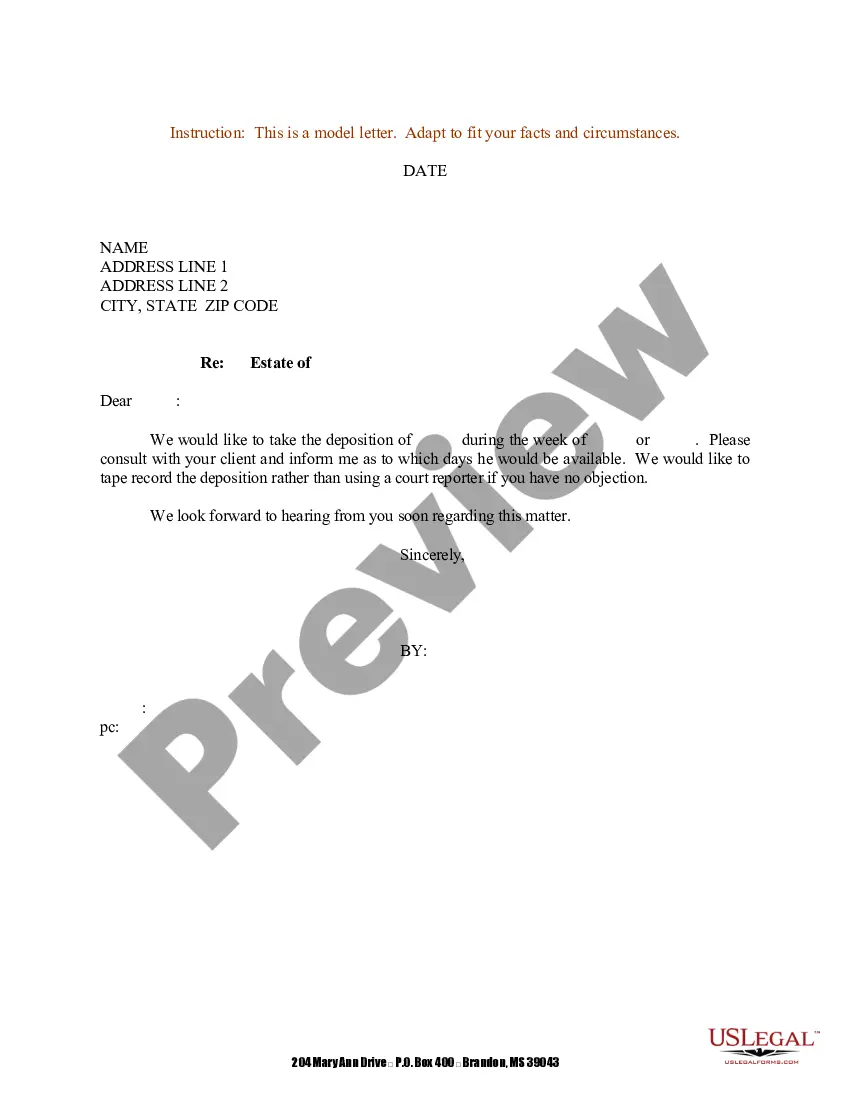
How to fill out Sample Letter For Reimbursement For Business Trip?
It's clear that you cannot transform into a legal expert overnight, nor can you swiftly learn to draft the Sample Reimbursement Document For 2023 without possessing a specific skill set. Compiling legal documents is a lengthy process that demands particular training and expertise. So why not entrust the creation of the Sample Reimbursement Document For 2023 to the experts.
With US Legal Forms, one of the most extensive legal document repositories, you can locate everything from court forms to templates for internal business communication. We recognize how vital compliance and adherence to federal and local regulations are. That’s why all templates on our platform are tailored to specific locations and kept current.
Here’s how you can kick off your journey with our platform and acquire the form you need in just a few minutes.
You can access your documents again from the My documents tab at any time. If you’re an existing user, you can simply Log In and find and download the template from the same tab.
Regardless of the intent behind your documents—whether financial, legal, or personal—our platform has you covered. Explore US Legal Forms now!
- Find the necessary form using the search bar at the top of the page.
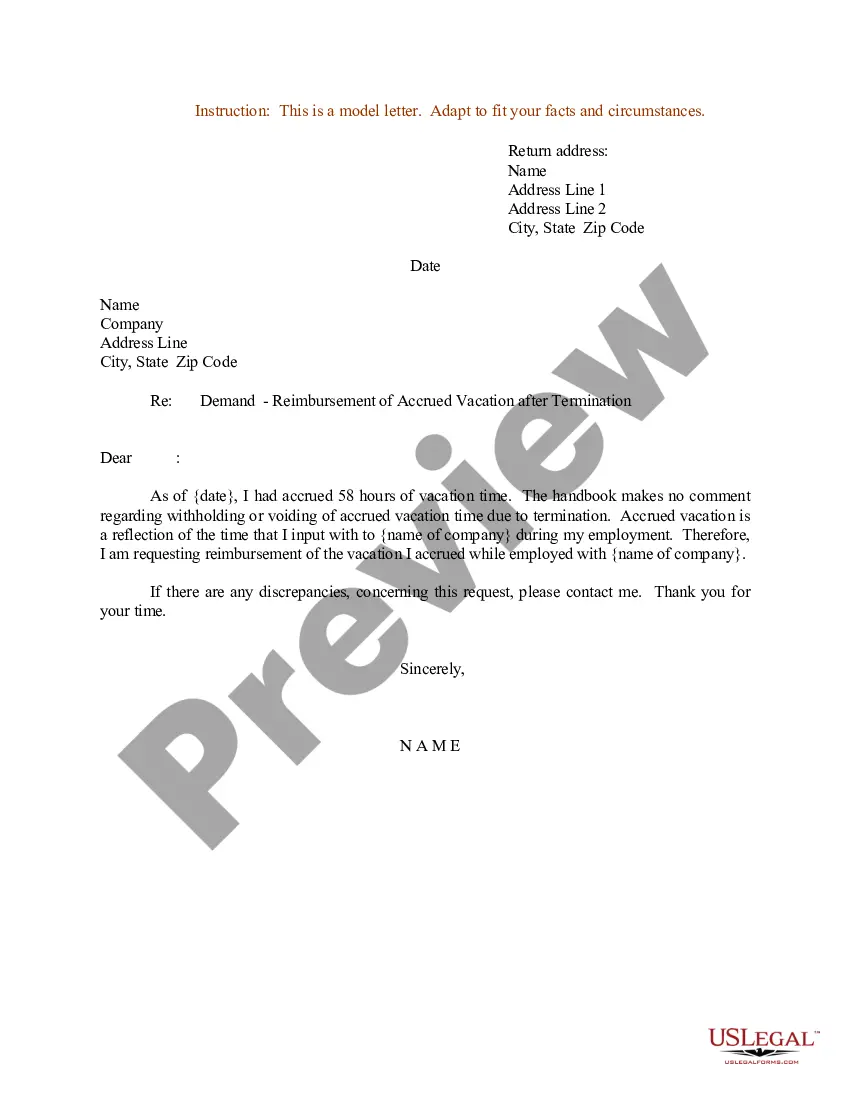
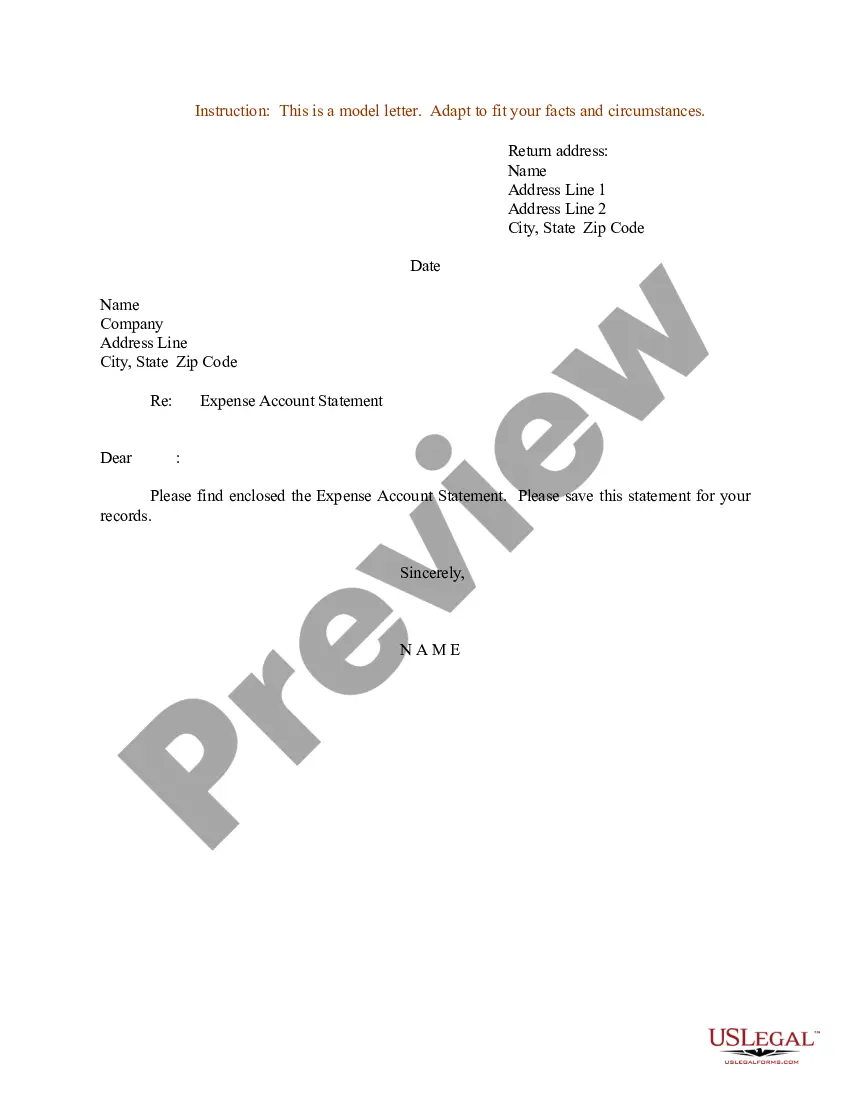
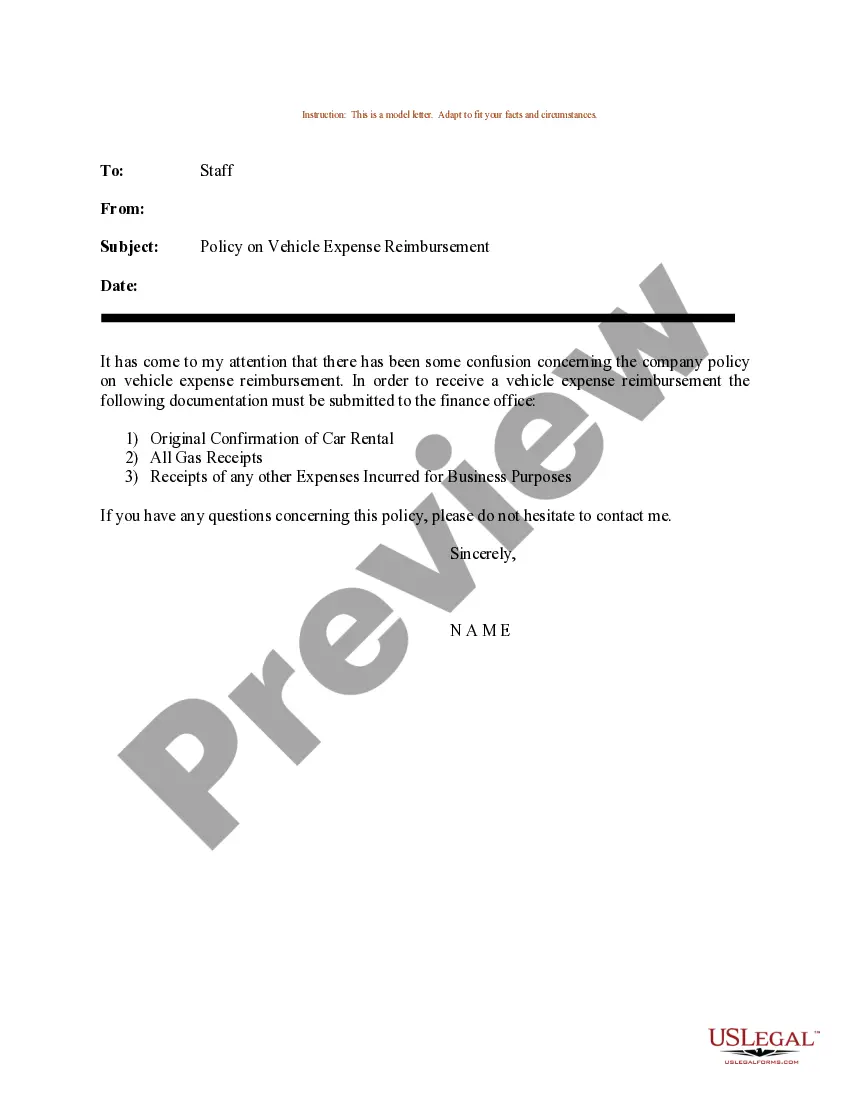
- View it (if this option is available) and examine the accompanying description to determine if the Sample Reimbursement Document For 2023 matches your requirements.
- Restart your search if you need another form.
- Create a free account and choose a subscription plan to buy the template.
- Click Buy now. Once the payment is completed, you can obtain the Sample Reimbursement Document For 2023, complete it, print it, and send or mail it to the required individuals or organizations.
Form popularity
FAQ
The Indiana state requires you to notarize the small estate affidavit. Unlike other states, where the form must be filed with the court, an Indiana small estate affidavit for bank accounts is a legal option.
Generally, the small estate procedure in Indiana is as follows: Wait 45 days after the death of the decedent; Prepare a small estate affidavit; Notify every person who is entitled to receive part of the property to be distributed; Get the small estate affidavit notarized in front of a notary public; and.
Probate is a court-supervised process of handling a dead person's affairs in an organized manner. Indiana has specific laws and statutes that must be followed when handling estates. The court will make decisions for the administration of an estate per Indiana statute for estates worth over $50,000.
Is Probate Required in Indiana? Any estate worth more than $50,000 is subject to probate in Indiana. Estates worth less than $50,000 transfer ownership to heirs through the small estate administration with a written statement proving entitlement to the assets.
Under this process, an heir or administrator can use an Indiana small estate affidavit to gather and distribute the assets of a person who left behind probate assets worth $100,000 or less.
Some limits and drawbacks of small estate affidavits in Indiana include: Estates must be valued under $100,000. All qualifying heirs and beneficiaries must be contacted and consent to the use of the affidavit. Real estate cannot be transferred without court agreement.
In Indiana, you can make a living trust to avoid probate for virtually any asset you own?real estate, bank accounts, vehicles, and so on. You need to create a trust document (it's similar to a will), naming someone to take over as trustee after your death (called a successor trustee).
Code § 29-1-8-1), the inheritor can submit Indiana's Small Estate Affidavit (Form 54985). The inheritor must also notify all other inheritors of the plans to submit this affidavit to the court. This process can be used for actions such as: changing the title of a vehicle to the inheritor's name.