Church Musicians
Description
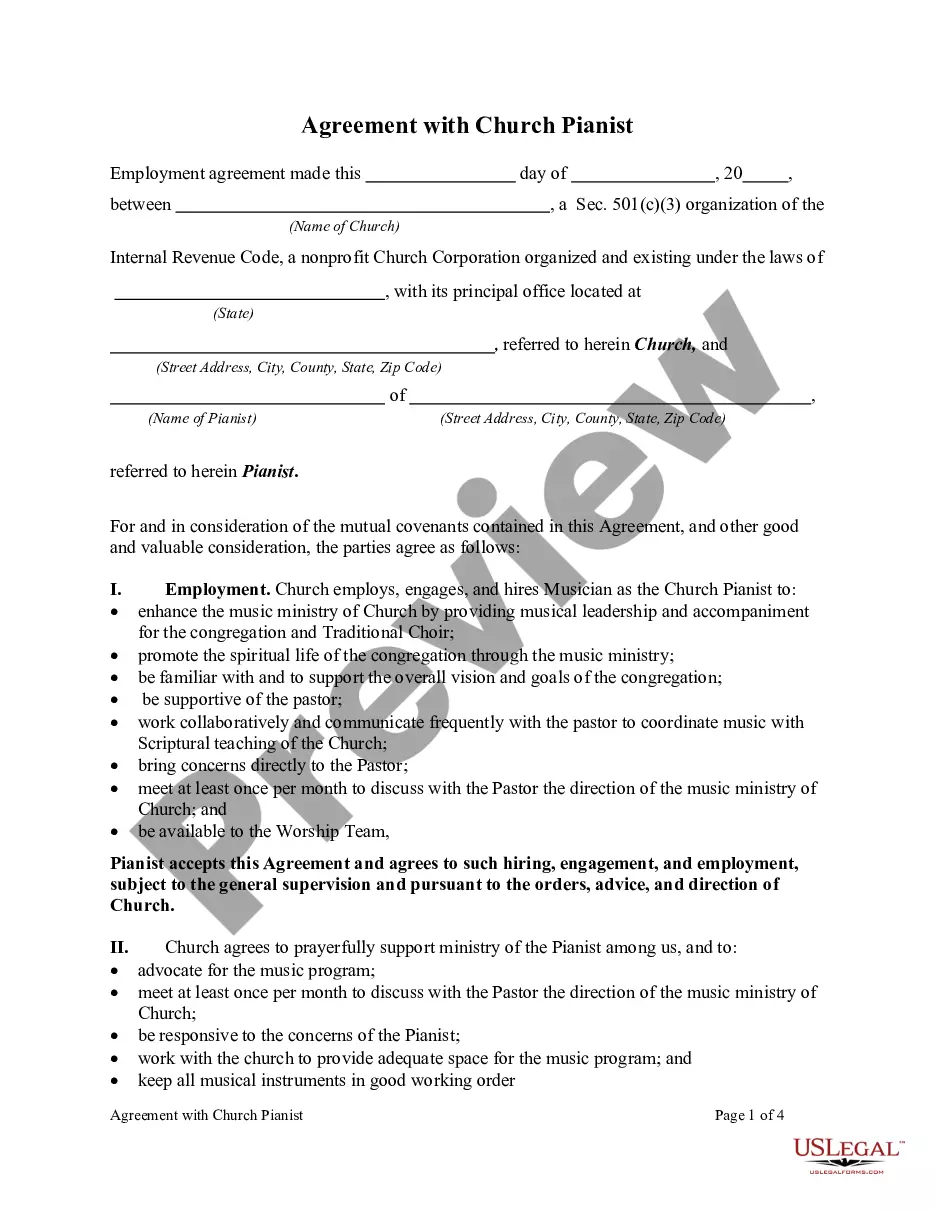
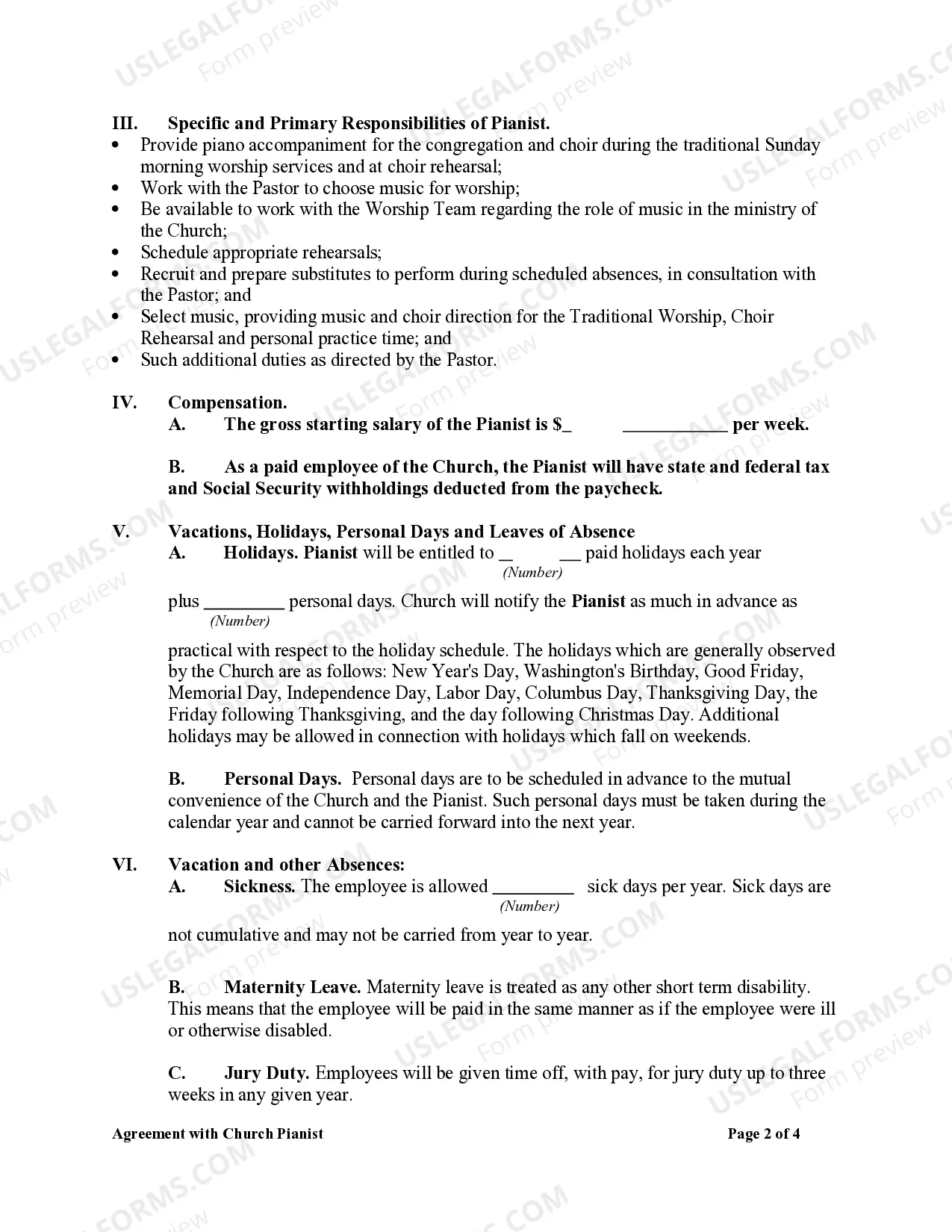
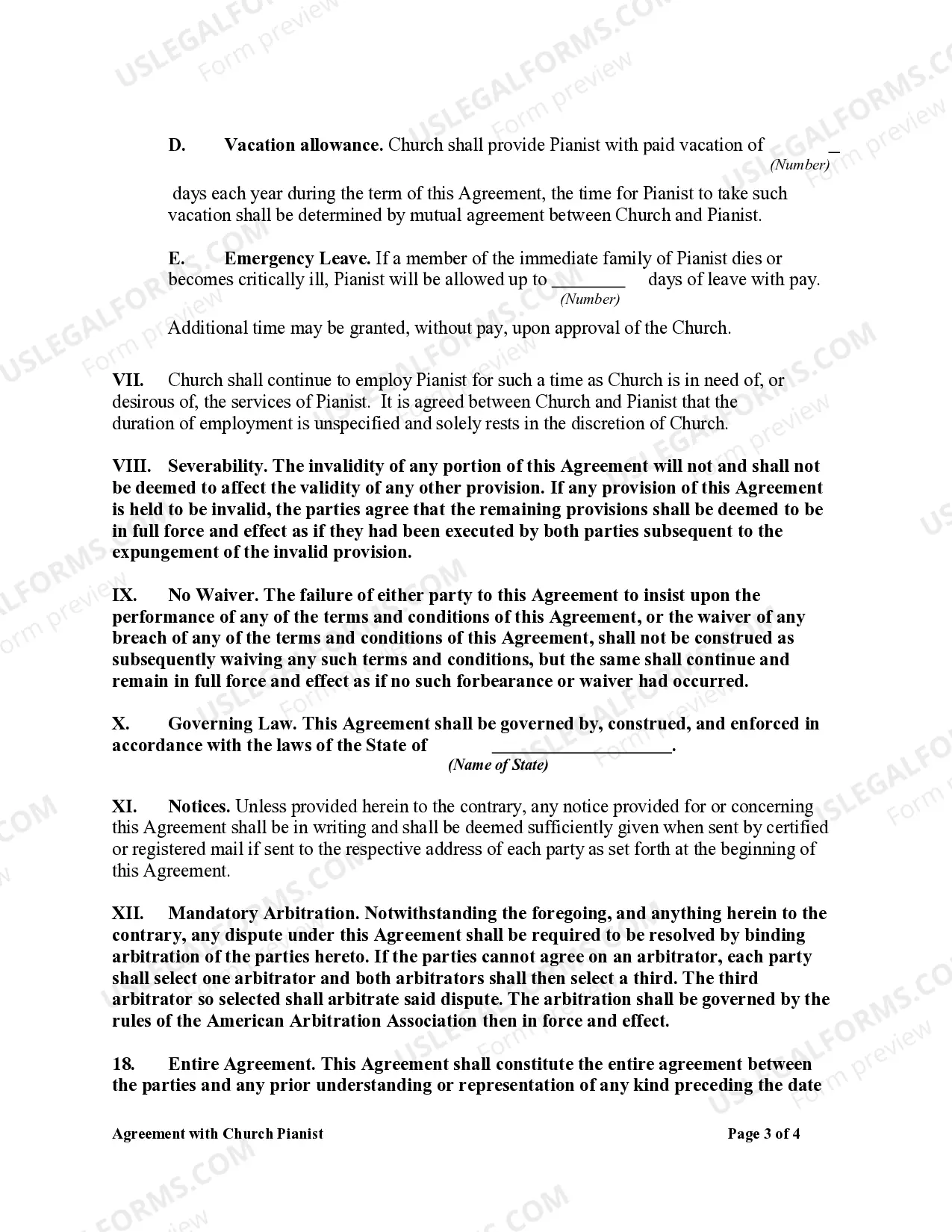
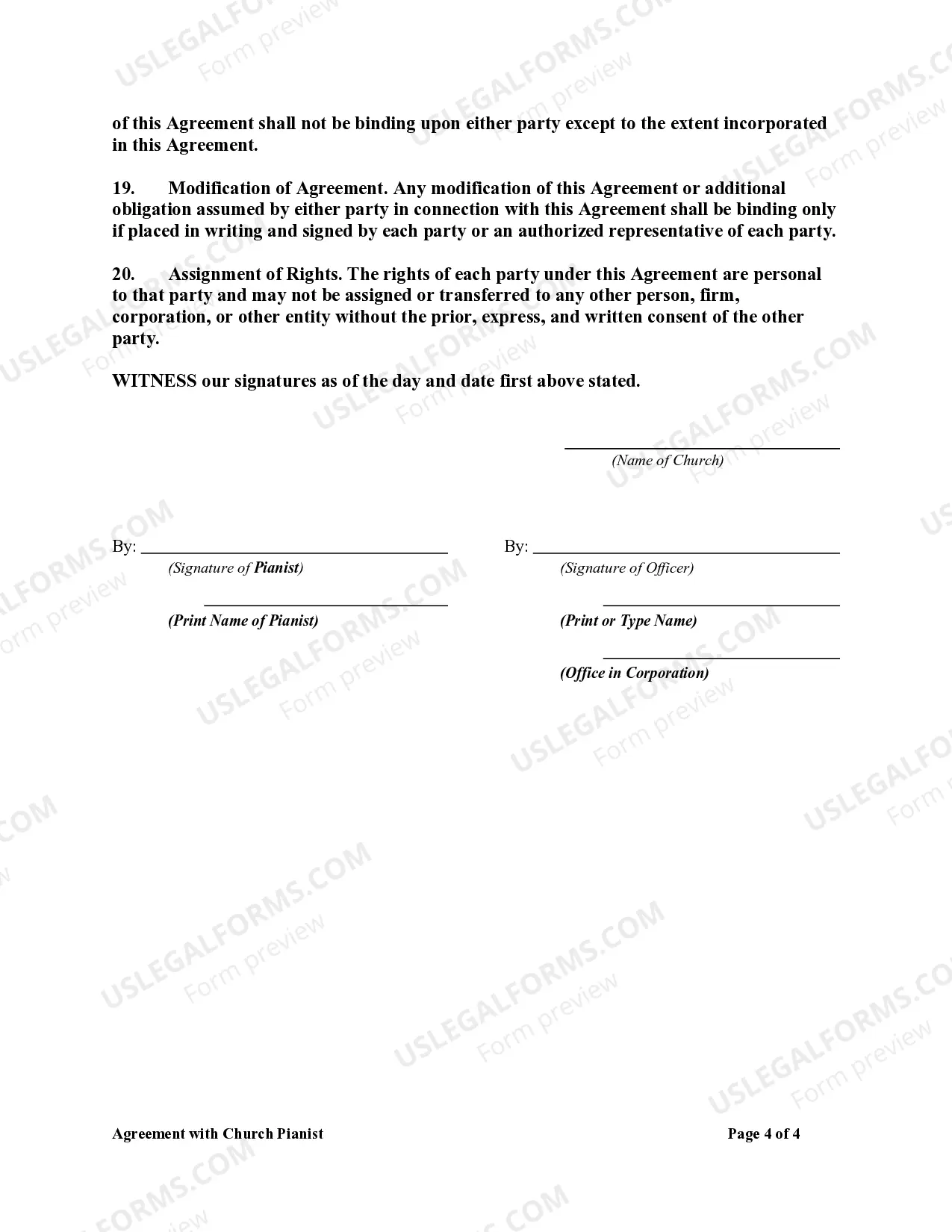
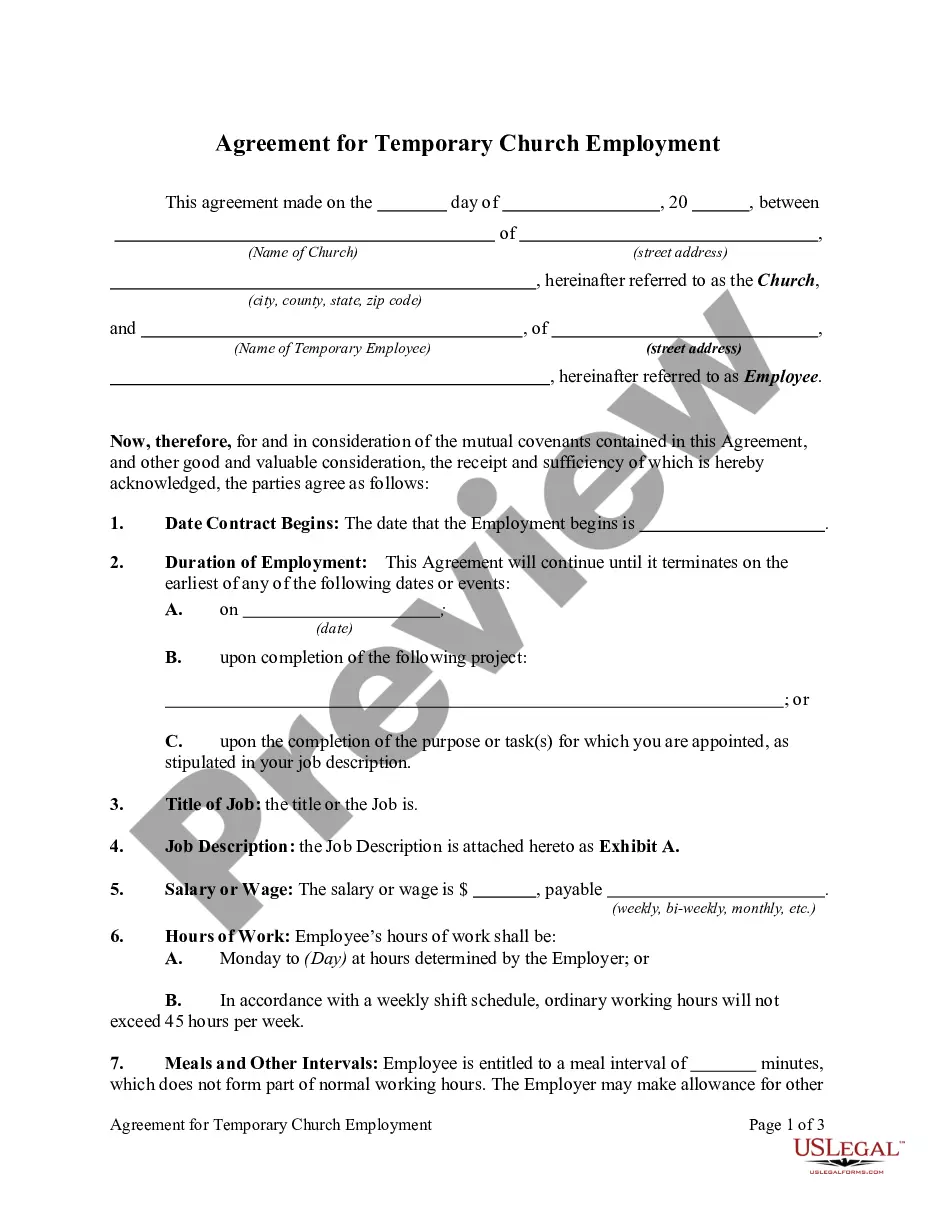
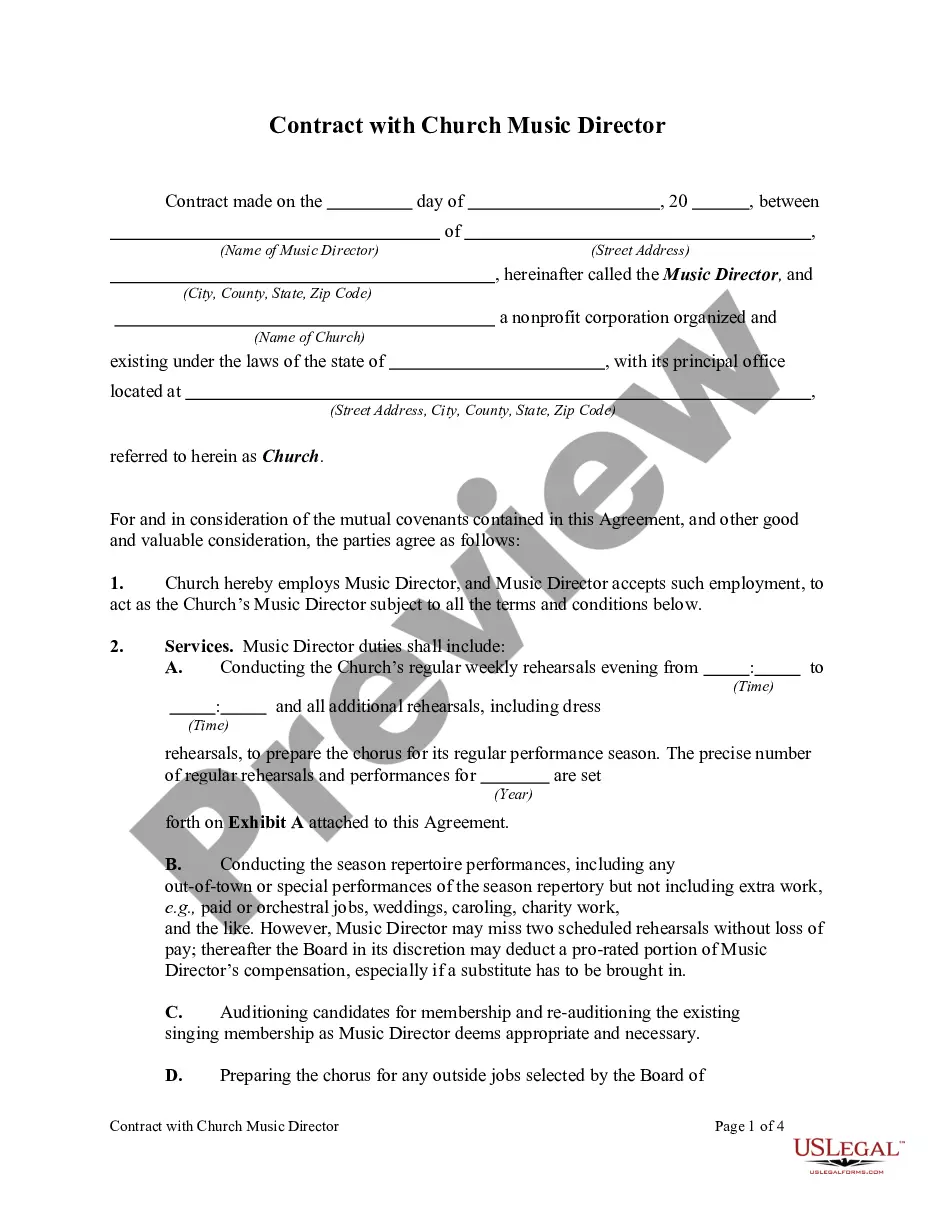
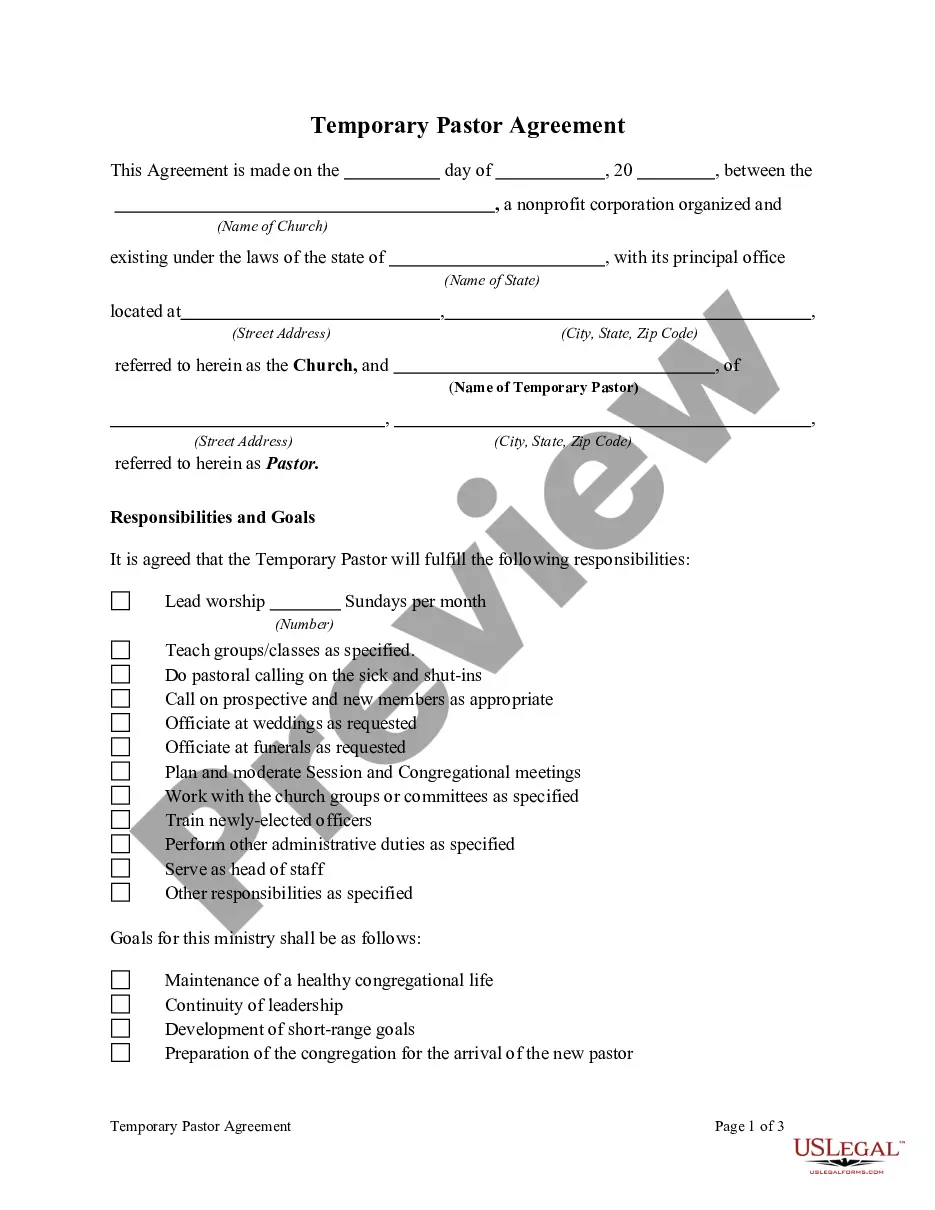
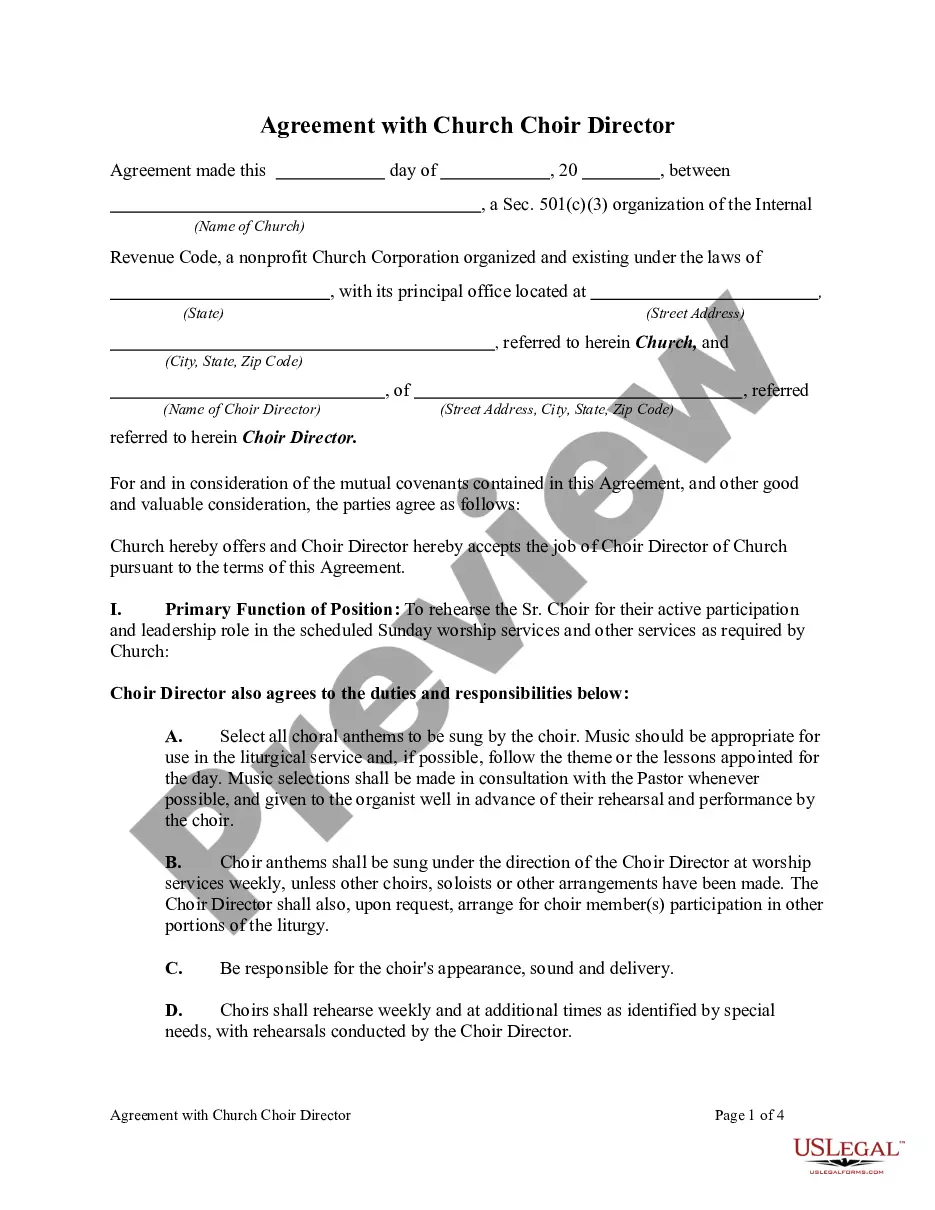
Get your form ready online
Our built-in tools help you complete, sign, share, and store your documents in one place.
Make edits, fill in missing information, and update formatting in US Legal Forms—just like you would in MS Word.
Download a copy, print it, send it by email, or mail it via USPS—whatever works best for your next step.
Sign and collect signatures with our SignNow integration. Send to multiple recipients, set reminders, and more. Go Premium to unlock E-Sign.
If this form requires notarization, complete it online through a secure video call—no need to meet a notary in person or wait for an appointment.
We protect your documents and personal data by following strict security and privacy standards.

Make edits, fill in missing information, and update formatting in US Legal Forms—just like you would in MS Word.

Download a copy, print it, send it by email, or mail it via USPS—whatever works best for your next step.

Sign and collect signatures with our SignNow integration. Send to multiple recipients, set reminders, and more. Go Premium to unlock E-Sign.

If this form requires notarization, complete it online through a secure video call—no need to meet a notary in person or wait for an appointment.

We protect your documents and personal data by following strict security and privacy standards.
Looking for another form?







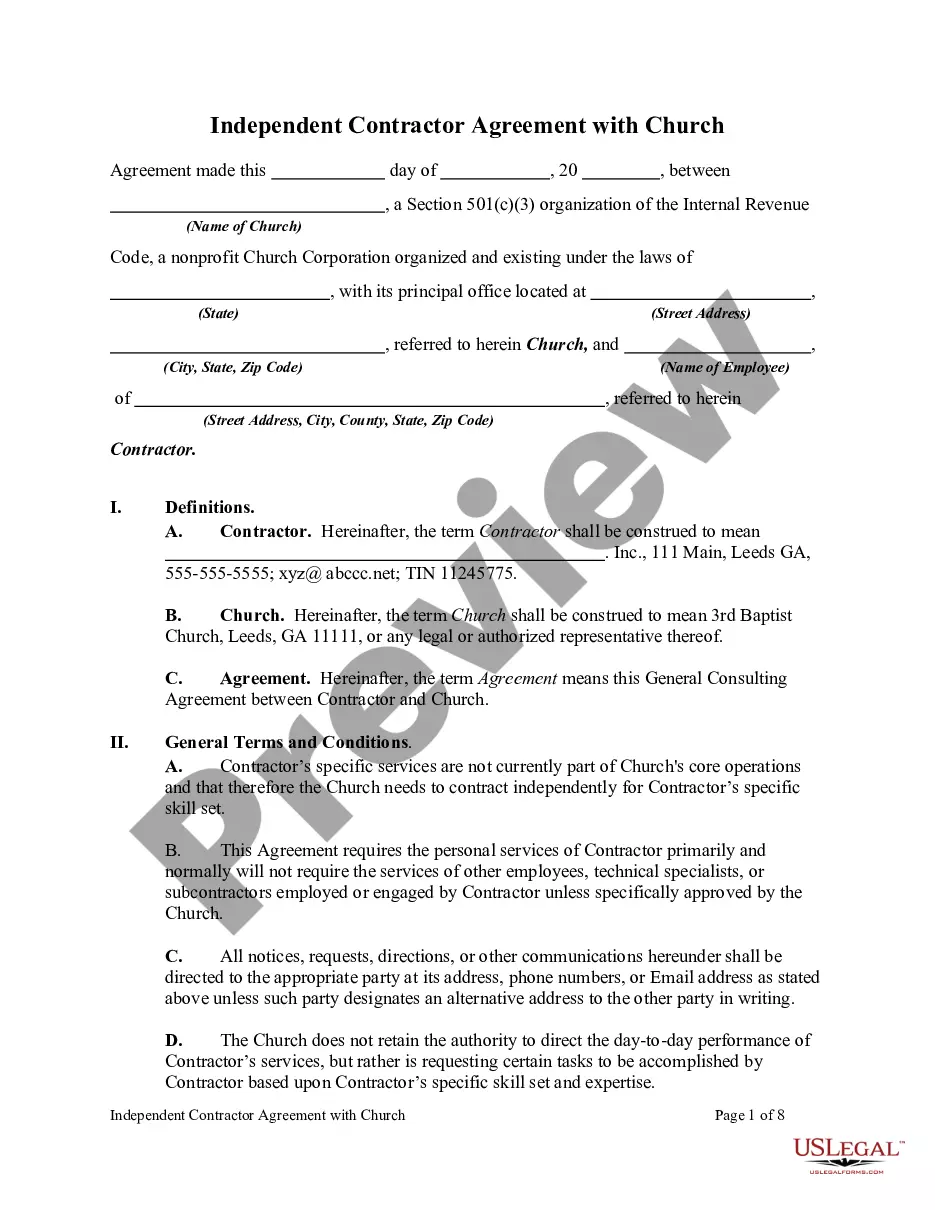
How to fill out Agreement With Church Pianist?
- Log in to your existing US Legal Forms account and ensure your subscription is active. If it's expired, renew it to maintain uninterrupted access.
- Preview the form you need. Check the description to ensure it meets your specific legal requirements and corresponds with your local jurisdiction.
- Search for additional templates if necessary. Use the search function to locate any variations that might better suit your needs and proceed accordingly.
- Select and purchase the required document. Click the 'Buy Now' button, choose your preferred subscription plan, and create an account if you're a first-time user.
- Complete your transaction. Enter your payment information or use PayPal to finalize your subscription.
- Download your completed form. Save it directly to your device, and you can find it later in the 'My Forms' section of your profile.
In conclusion, US Legal Forms provides church musicians with a simple yet powerful way to access essential legal documents. Their vast library and expert assistance ensure your legal needs are met with confidence.
Start your journey today with US Legal Forms and simplify your documentation process!
Form popularity
FAQ
To get hired as a church musician, start by networking within your community and highlighting your musical skills. Attend church services, participate in events, and connect with church leaders. Additionally, consider creating a portfolio showcasing your work, as this can demonstrate your talent and experience. Using platforms like USLegalForms can help you understand the necessary contracts and agreements, ensuring a smooth hiring process.
The designation of church musicians as employees or independent contractors largely depends on the specific arrangement with the church. An employee status involves a more formal relationship, including tax withholdings and benefits. In contrast, independent contractors have a more flexible arrangement but must handle their own taxes. Musicians should clarify their status to ensure all parties are on the same page.
When considering the employment status of church musicians, it often varies by church policies. Some churches hire musicians as employees, providing benefits and a steady salary. Others may prefer to work with independent contractors, offering flexibility for both parties. Understanding the distinction can help musicians navigate their roles effectively.
Certain payments are exempt from 1099 reporting, such as payments to corporations or tax-exempt organizations. If you hire a church musician through a company, for example, you often do not need to issue a 1099. However, it's crucial to review IRS guidelines for specific exemptions.
Musicians may be classified as employees or independent contractors, depending on their working arrangements with the church. If the church exercises significant control over how the musician performs their work, they might be considered an employee. Understanding these classifications can help ensure compliance with employment laws.
Yes, if you hire an artist for your church events, you should issue a 1099 if their earnings exceed $600 within a calendar year. This practice applies to all types of artists, including those performing musical services. To simplify the process, you can find resources on the US Legal Forms platform.
Church organists can be classified as self-employed, especially if they are contracted independently for their services. This classification allows them more control over their work and scheduling. Consider the specific arrangements with your church and consult US Legal Forms for guidance on contracts.
The Bible emphasizes the importance of supporting those who deliver its teachings, just as it does for church musicians. In 1 Timothy -18, it states that elders who direct the affairs of the church well deserve double honor, especially those who preach and teach. Paying preachers reflects a community's respect for their labor in spreading the Word of God. Fair compensation for preachers encourages a thriving ministry and ensures they can focus on their mission.
Church musicians play a vital role in enriching worship and fostering a spiritual atmosphere. They lead congregations in singing, play instruments, and often help create a reflective mood during services. By enhancing worship, church musicians contribute to the deeper connection between attendees and their faith. Their talents can inspire and uplift the congregation, making music an essential part of the church experience.
The Bible encourages the support of those who serve in ministry roles, including church musicians. In 1 Corinthians , scripture indicates that those who proclaim the Gospel should receive their living from it. Therefore, providing fair compensation for church musicians recognizes their dedication and contribution to the worship experience. By paying church musicians, congregations affirm the importance of their role in leading worship and enhancing spiritual growth.