Unincorporated Associations Definition With Example
Description

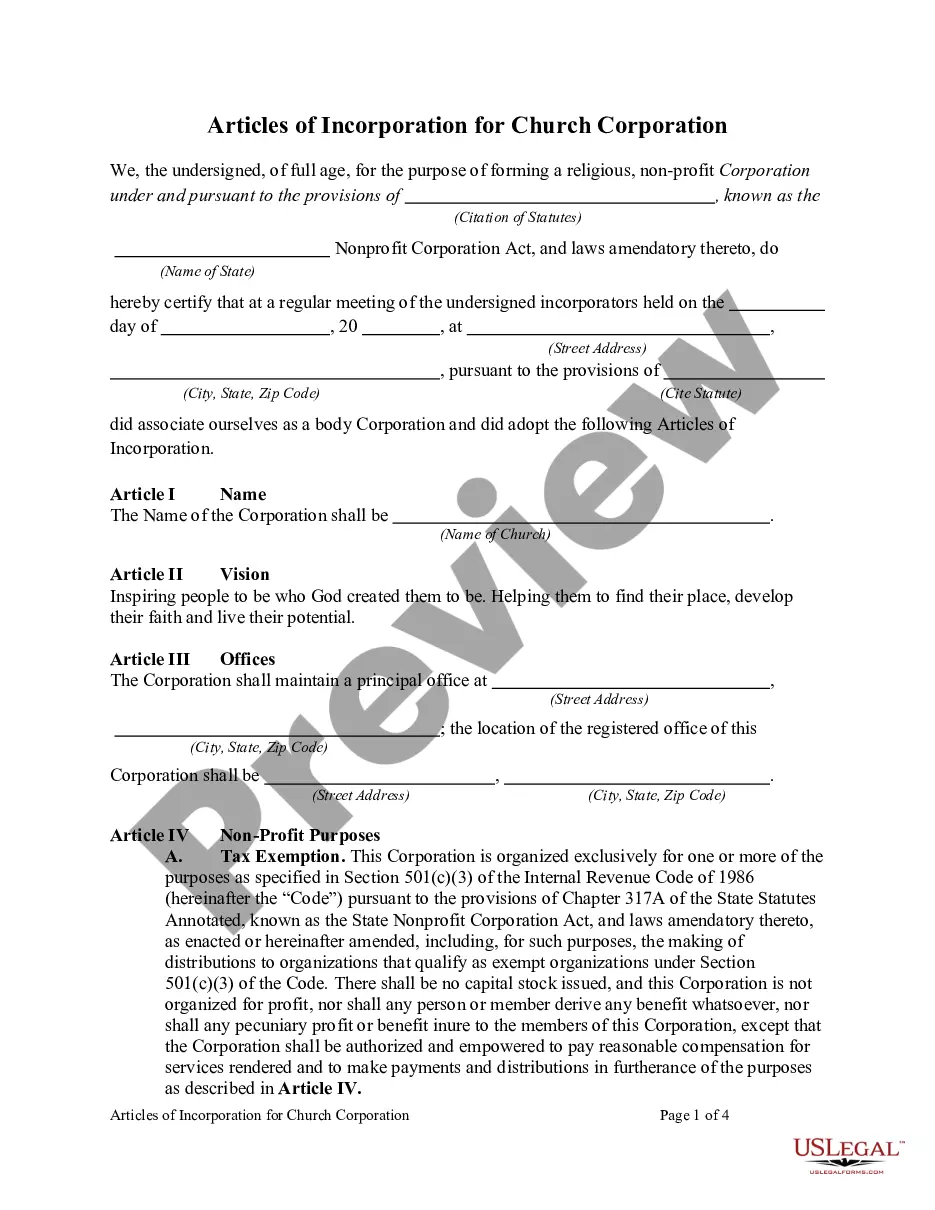
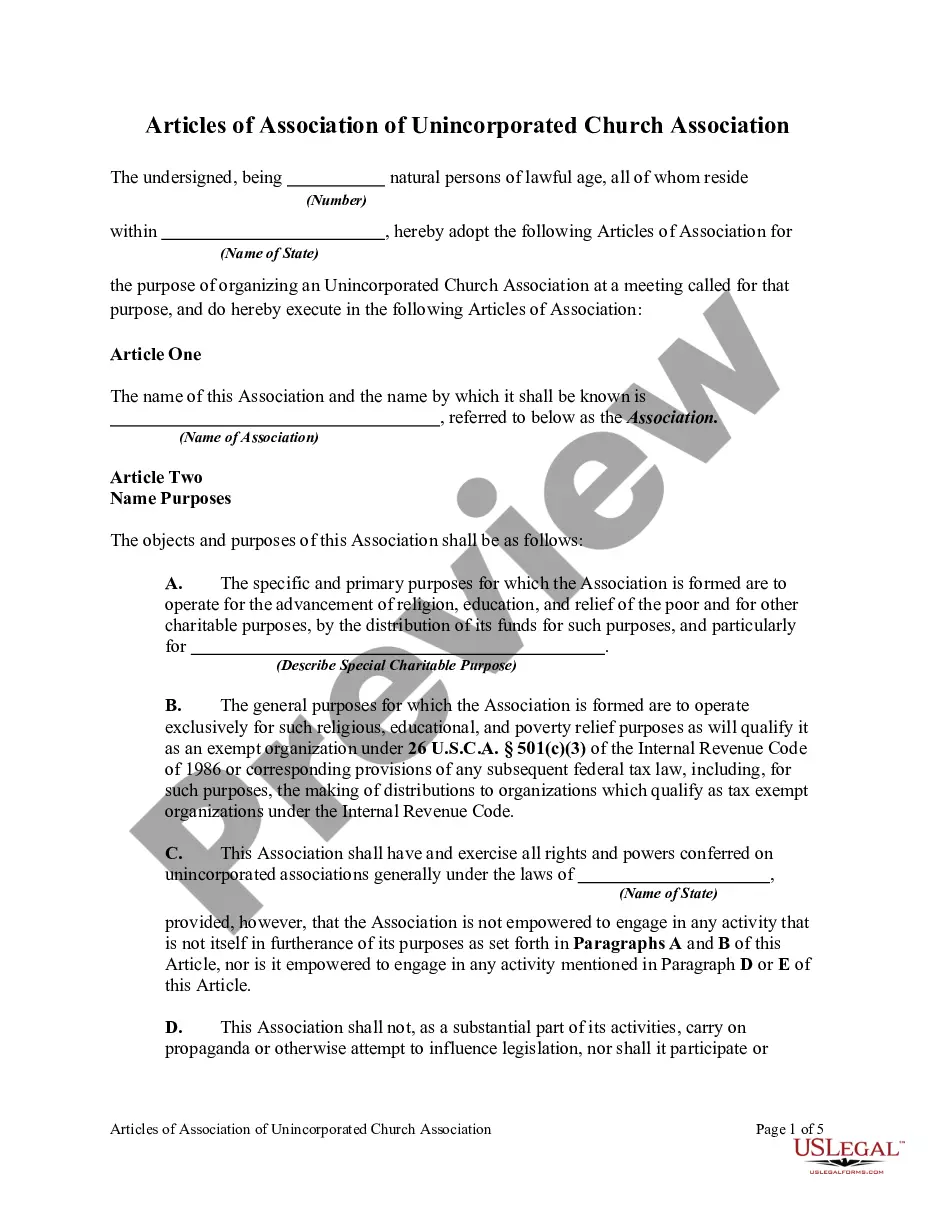
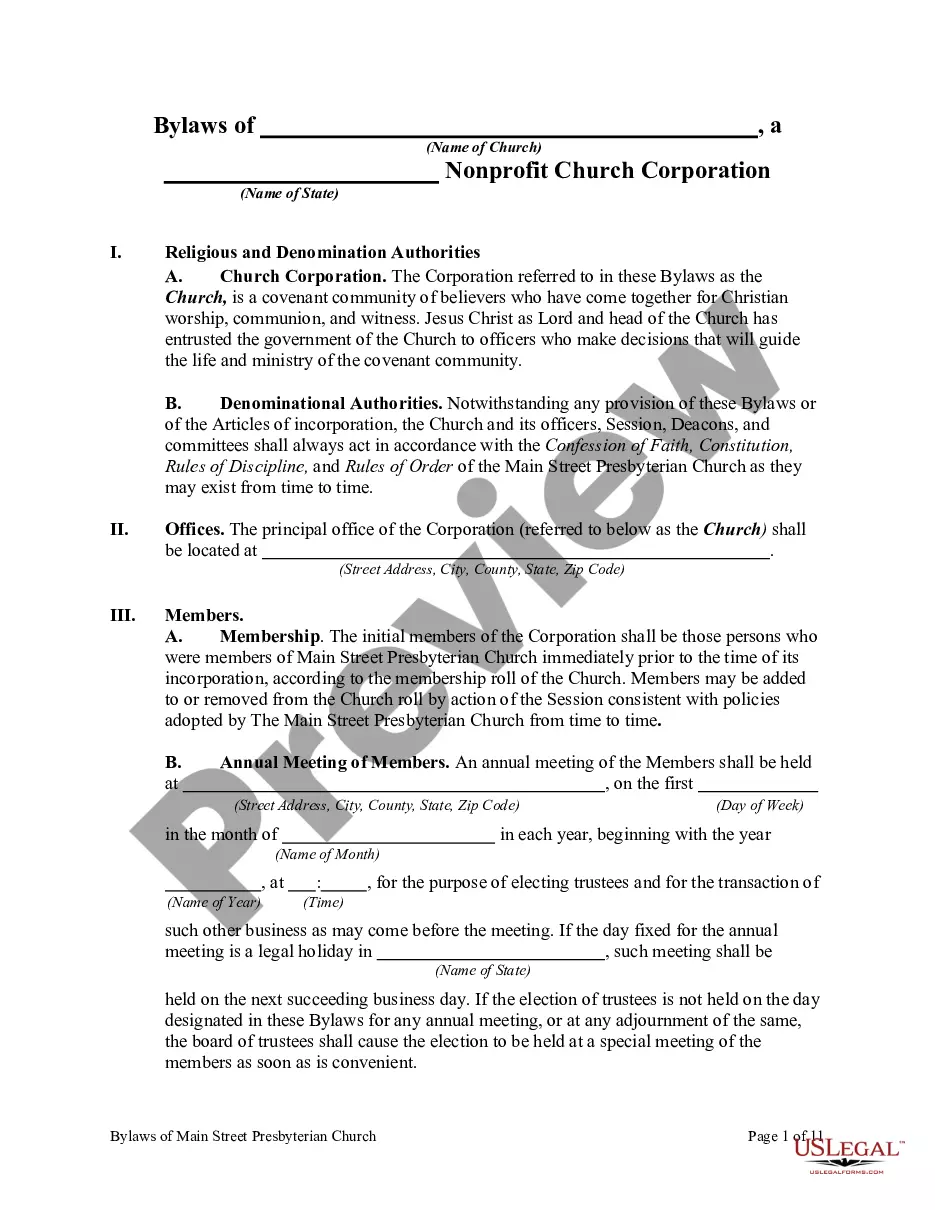
Get your form ready online
Our built-in tools help you complete, sign, share, and store your documents in one place.
Make edits, fill in missing information, and update formatting in US Legal Forms—just like you would in MS Word.
Download a copy, print it, send it by email, or mail it via USPS—whatever works best for your next step.
Sign and collect signatures with our SignNow integration. Send to multiple recipients, set reminders, and more. Go Premium to unlock E-Sign.
If this form requires notarization, complete it online through a secure video call—no need to meet a notary in person or wait for an appointment.
We protect your documents and personal data by following strict security and privacy standards.

Make edits, fill in missing information, and update formatting in US Legal Forms—just like you would in MS Word.

Download a copy, print it, send it by email, or mail it via USPS—whatever works best for your next step.

Sign and collect signatures with our SignNow integration. Send to multiple recipients, set reminders, and more. Go Premium to unlock E-Sign.

If this form requires notarization, complete it online through a secure video call—no need to meet a notary in person or wait for an appointment.

We protect your documents and personal data by following strict security and privacy standards.
Looking for another form?
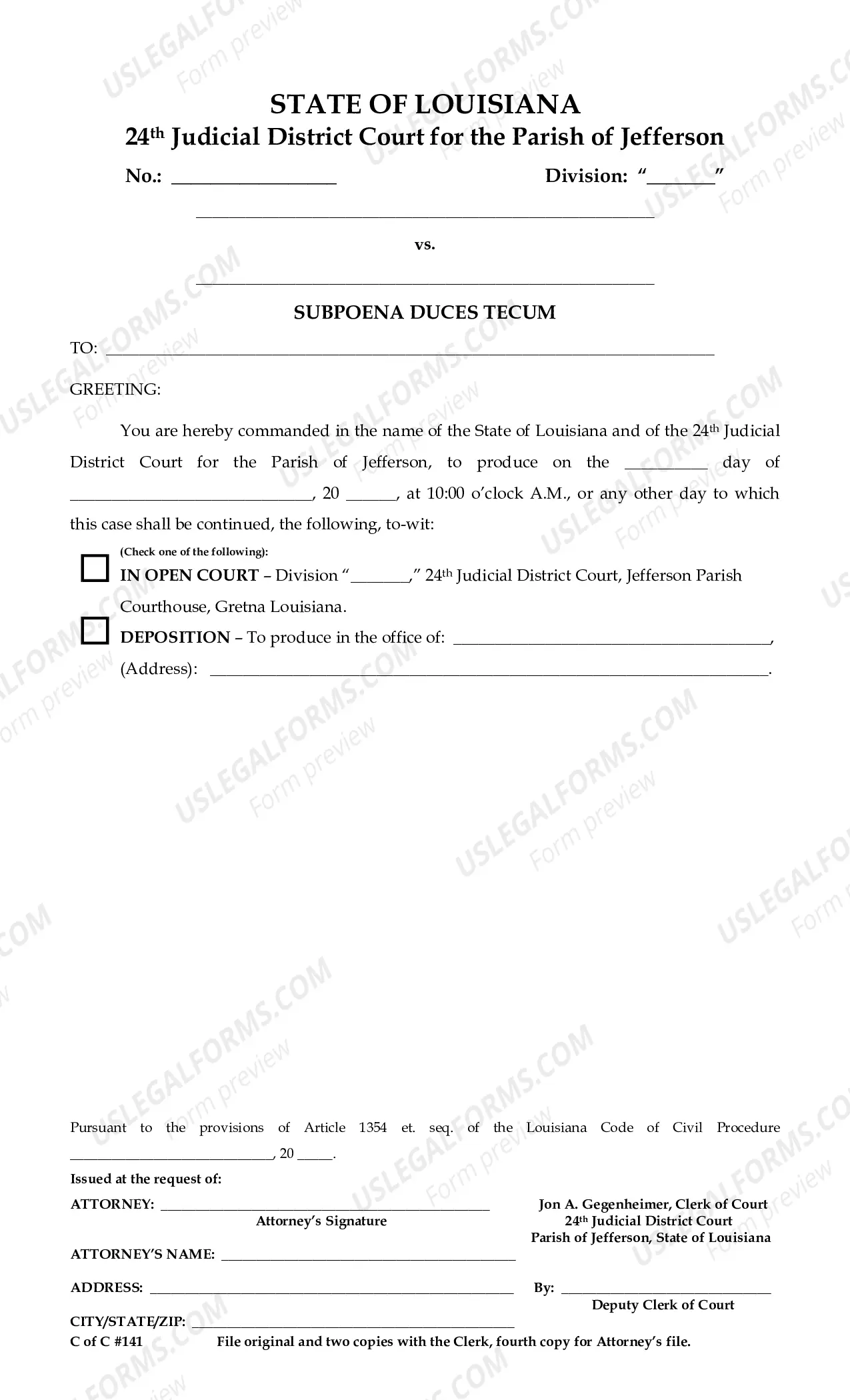


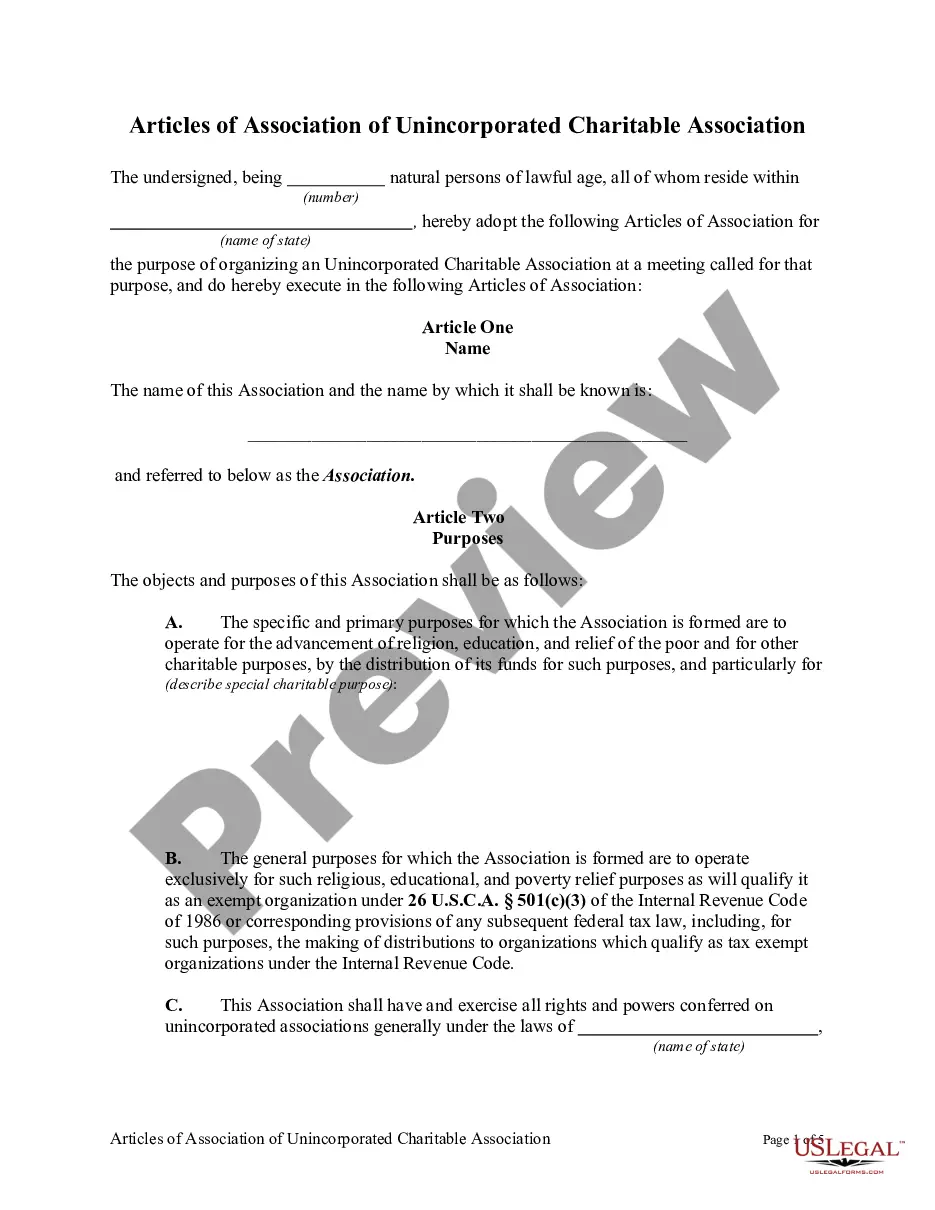
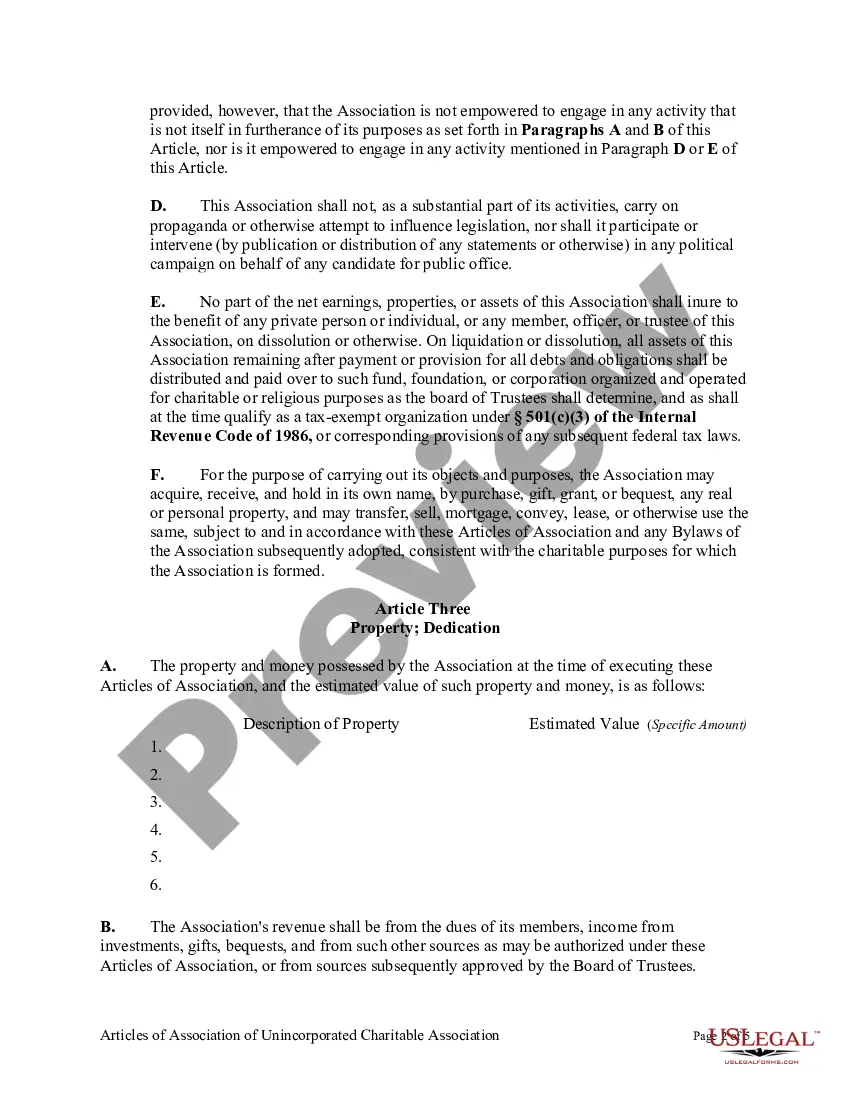
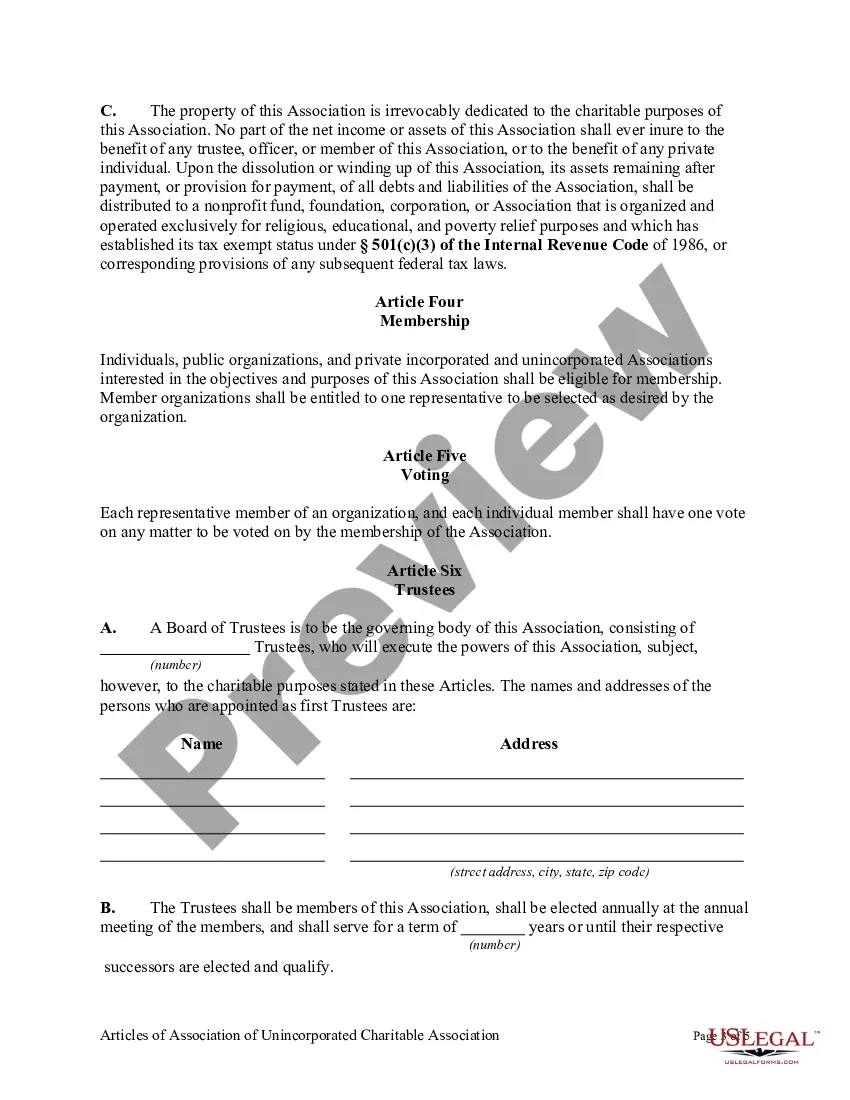
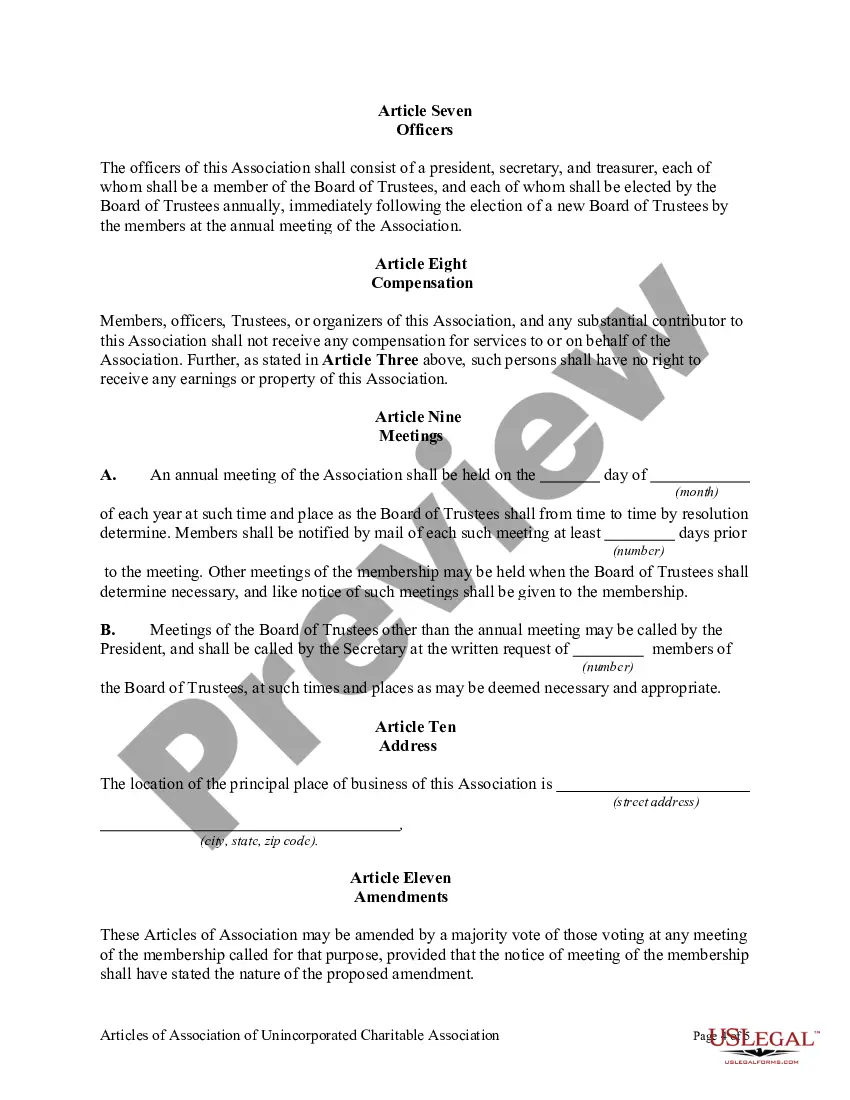
How to fill out Articles Of Association Of Unincorporated Charitable Association?
Acquiring legal documents that adhere to federal and local laws is crucial, and the web provides numerous choices to select from.
However, what's the benefit of spending time looking for the properly crafted Unincorporated Associations Definition With Example template online if the US Legal Forms digital library already has such documents assembled in one location.
US Legal Forms is the largest online legal directory with over 85,000 editable templates created by attorneys for any business and personal situation.
Review the template using the Preview function or through the text outline to confirm it meets your requirements.
- They are easy to navigate with all documents categorized by state and purpose of use.
- Our specialists remain updated with legislative modifications, ensuring your form is current and compliant when obtaining a Unincorporated Associations Definition With Example from our site.
- Acquiring a Unincorporated Associations Definition With Example is straightforward and quick for both existing and new users.
- If you already possess an account with an active subscription, Log In and save the document sample you require in your preferred format.
- If you are new to our platform, follow the steps below.
Form popularity
FAQ
An example of an unincorporated association is a local sports league formed by neighborhood residents. This group gathers to organize games and events without the need for formal incorporation. Such associations highlight the unincorporated associations definition with example, showcasing how individuals can come together for a shared interest without complex legal requirements.
The legal definition of unincorporated refers to an organization that has not been granted a charter or incorporated under state law. Unincorporated associations function without the protections and formalities of incorporated entities. This status can affect liability and governance, so it's essential for members to understand these implications.
The key difference between a nonprofit and an unincorporated association lies in their legal status. A nonprofit is a formal organization recognized by the state that operates for charitable purposes. Conversely, an unincorporated association does not have this formal recognition but can still pursue common goals without the burden of incorporation.
An unincorporated organization is a group formed for a specific purpose that has not gone through the formal incorporation process. The unincorporated associations definition with example includes various entities like clubs and societies that operate without state recognition. This allows for a simpler structure focused on the group's mission rather than regulatory requirements.
Unincorporated associations offer several benefits, including flexibility in governance and ease of formation. They do not require extensive paperwork or ongoing compliance, making them ideal for small groups. Additionally, members can quickly adapt their operations as needed without the constraints of formal incorporation.
Examples of unincorporated associations include clubs, community organizations, and social groups. For instance, a local book club or a neighborhood watch group falls under this category. These associations operate based on shared interests without the formal structure of incorporation.
To establish an unincorporated association, you need to gather a group of individuals who share a common purpose. Create a set of bylaws that outline the group's objectives and rules for operation. While formal registration is not required, you may want to keep detailed records of meetings and member participation to ensure smooth functioning.
To form an unincorporated association, you need to begin by gathering a group of individuals who share a common purpose or interest. Next, establish a set of rules or bylaws that outline how the association will operate, including member responsibilities and meeting procedures. It is important to document this information clearly, as this forms the basis of your association's governance. For a practical example, consider a local book club that meets regularly; this group operates as an unincorporated association by simply agreeing on its purpose and rules without formal registration.
The term unincorporated association IRS refers to a group formed for a common purpose without formal incorporation. According to the unincorporated associations definition with example, these entities can include clubs, charities, or community organizations. While they do not have legal status like corporations, they may still be subject to certain IRS regulations, especially regarding taxation. To navigate these complexities, USLegalForms offers helpful resources and templates that simplify the process for unincorporated associations.
Unincorporated associations typically do not have to file tax returns as separate entities. However, if they generate income, they may need to report that income on the personal tax returns of their members. Understanding the unincorporated associations definition with example, you can see that these groups often operate under the umbrella of their members' tax responsibilities. For detailed guidance on tax obligations, you may want to explore resources available on the USLegalForms platform.