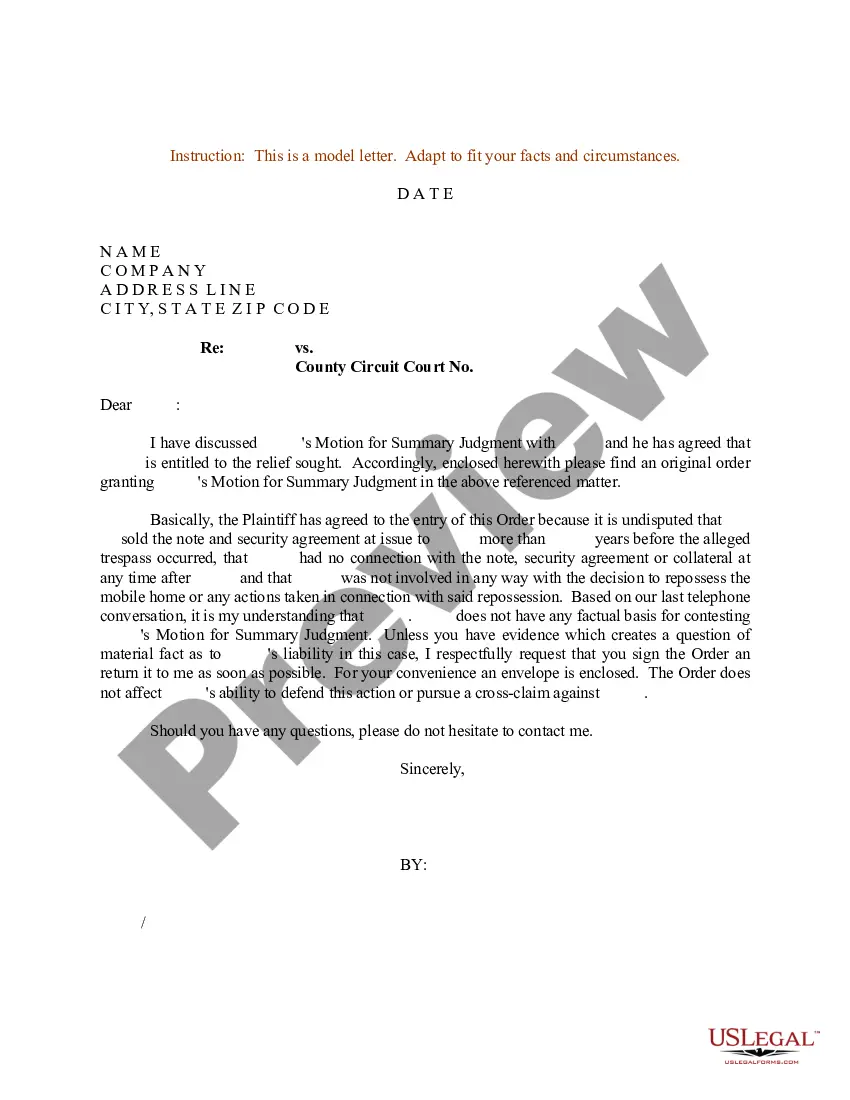
Sample Summary Format Paper With Apa
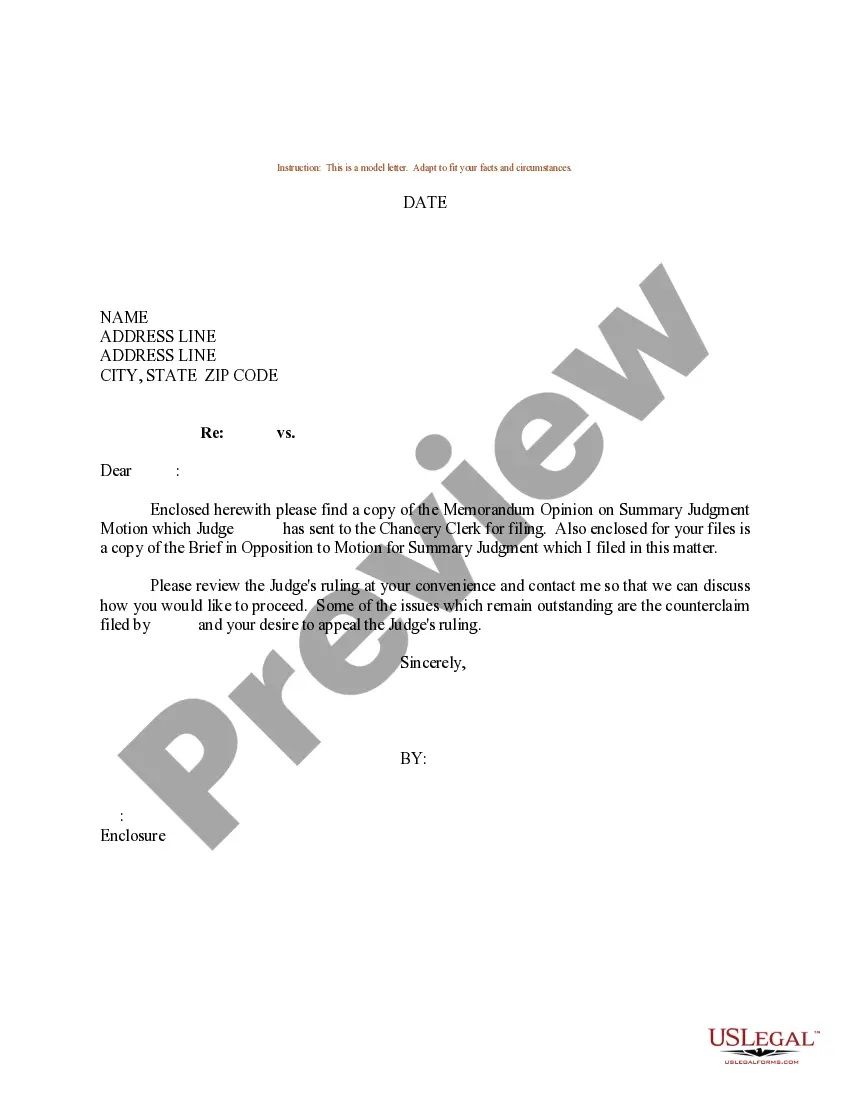
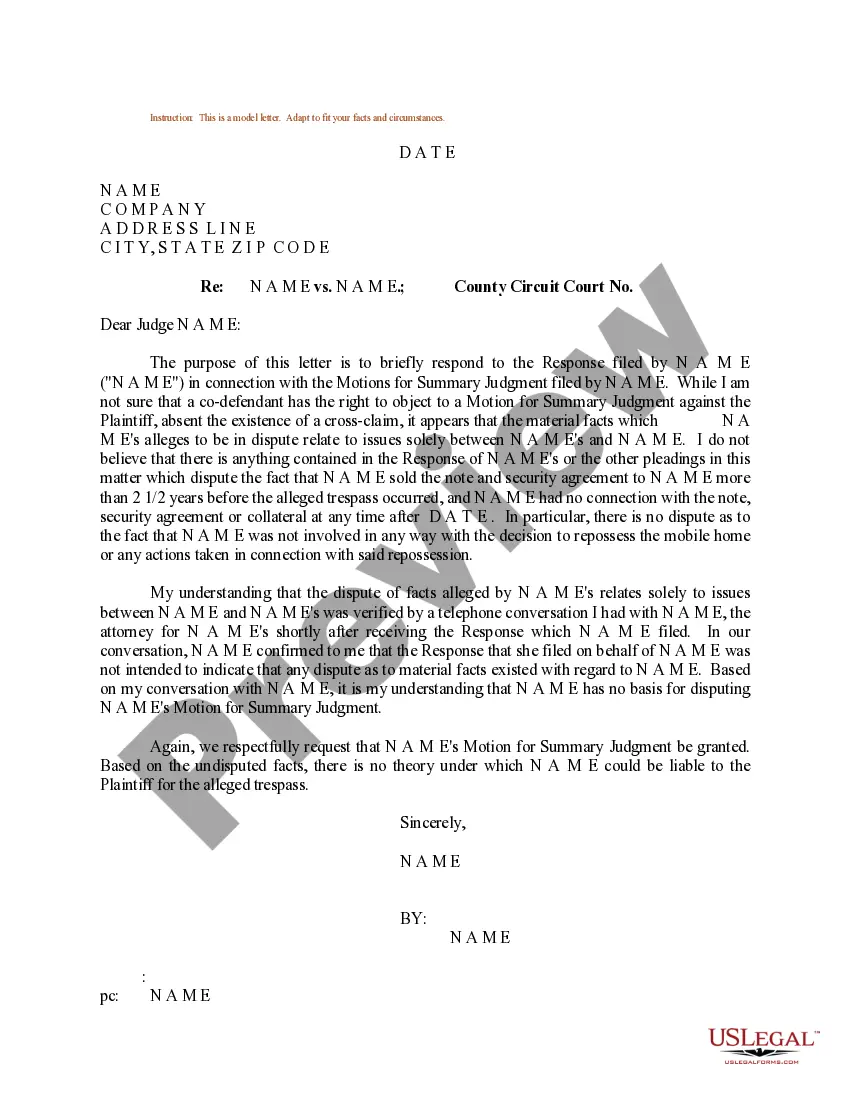
Description
Get your form ready online
Our built-in tools help you complete, sign, share, and store your documents in one place.
Make edits, fill in missing information, and update formatting in US Legal Forms—just like you would in MS Word.
Download a copy, print it, send it by email, or mail it via USPS—whatever works best for your next step.
Sign and collect signatures with our SignNow integration. Send to multiple recipients, set reminders, and more. Go Premium to unlock E-Sign.
If this form requires notarization, complete it online through a secure video call—no need to meet a notary in person or wait for an appointment.
We protect your documents and personal data by following strict security and privacy standards.

Make edits, fill in missing information, and update formatting in US Legal Forms—just like you would in MS Word.

Download a copy, print it, send it by email, or mail it via USPS—whatever works best for your next step.

Sign and collect signatures with our SignNow integration. Send to multiple recipients, set reminders, and more. Go Premium to unlock E-Sign.

If this form requires notarization, complete it online through a secure video call—no need to meet a notary in person or wait for an appointment.

We protect your documents and personal data by following strict security and privacy standards.
Looking for another form?

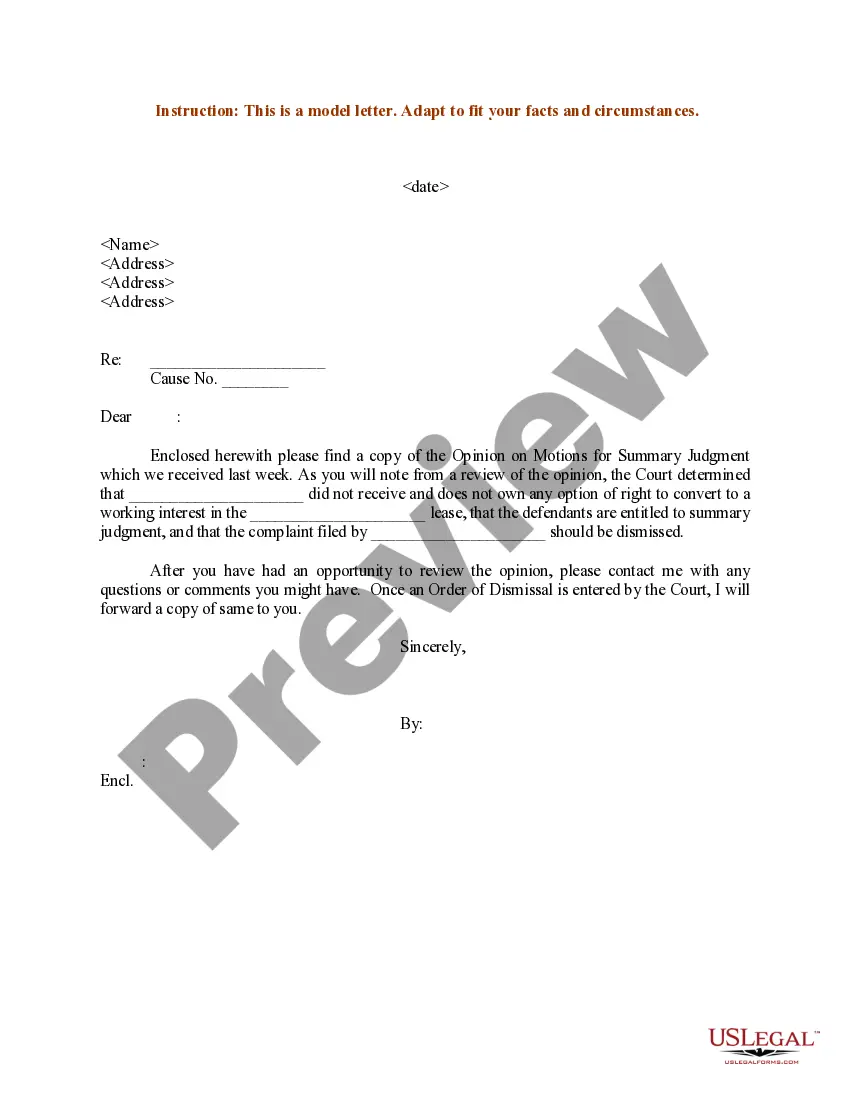
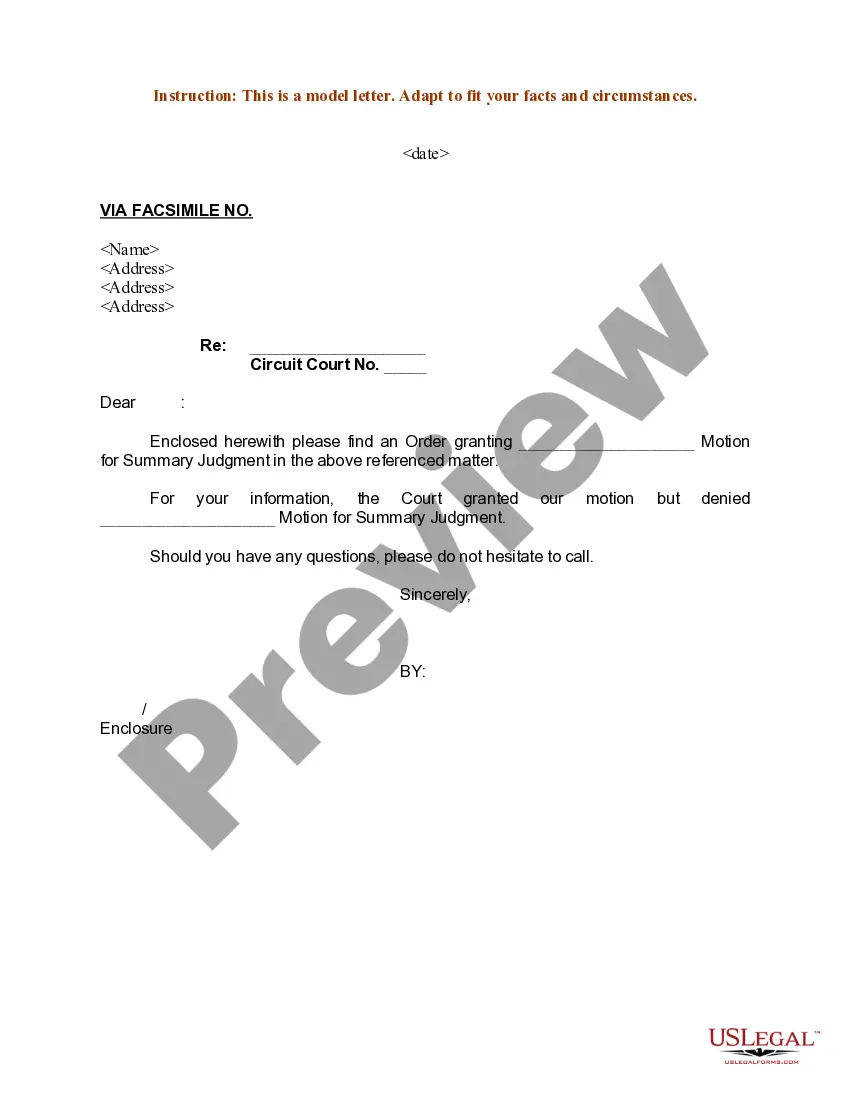
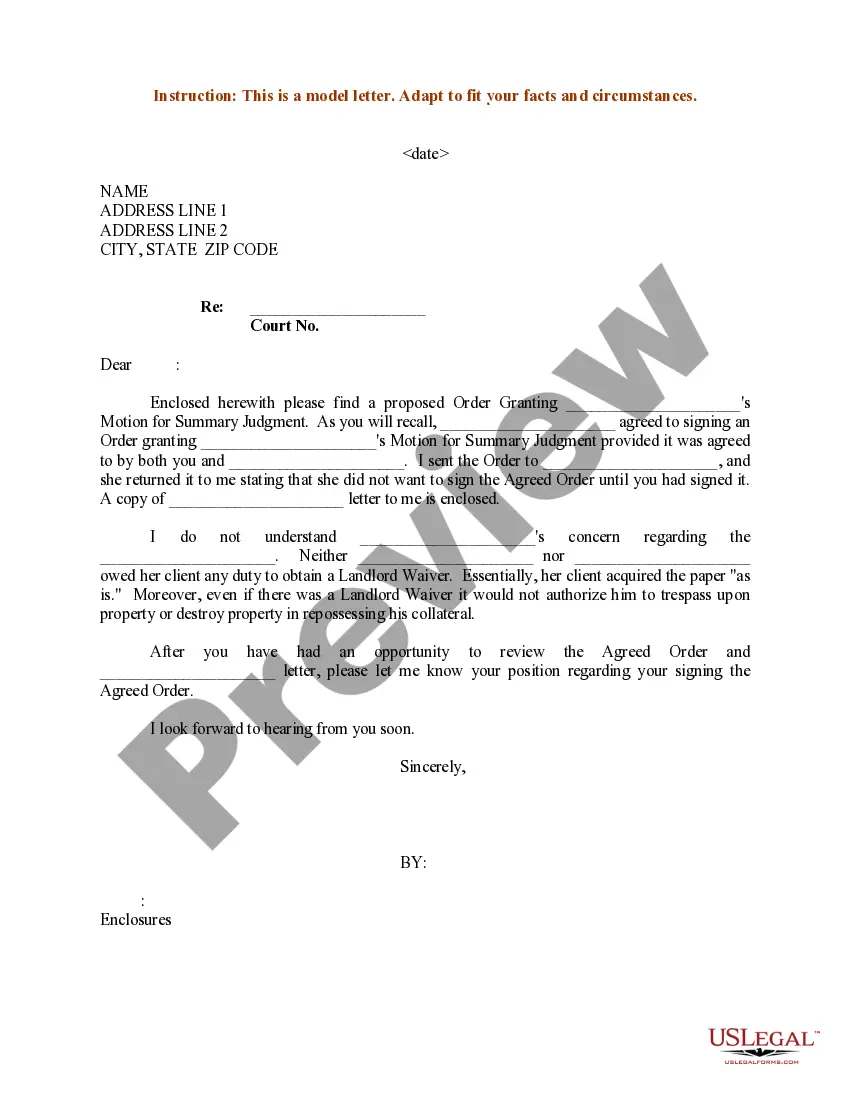
How to fill out Sample Letter For Motion For Summary Judgment?
The Sample Summary Format Document With Apa you see on this page is a versatile formal template created by expert lawyers in accordance with federal and state laws.
For over 25 years, US Legal Forms has supplied individuals, businesses, and attorneys with more than 85,000 validated, state-specific forms for any business and personal situation. It’s the fastest, easiest, and most reliable way to acquire the documents you require, as the service ensures bank-level data protection and anti-malware security.
Choose the format you want for your Sample Summary Format Document With Apa (PDF, DOCX, RTF) and save the sample on your device.
- Search for the document you need and review it.
- Look through the sample you searched and preview it or review the form description to ensure it meets your needs. If it doesn’t, use the search bar to find the correct one. Click Buy Now when you have found the template you need.
- Register and Log In.
- Select the pricing plan that works for you and create an account. Use PayPal or a credit card to make a quick payment. If you already have an account, Log In and check your subscription to proceed.
- Download the editable template.
Form popularity
FAQ
You only include the author/year from the article your are summarizing. You do not need to include page numbers or section identification. If you are citing multiple works parenthetically, place the citations in alphabetical order separated by semicolons.
Use Word's bulleted list function to create the list. List items should be double-spaced and indented . 5 inch. If complete sentences, begin each list item with a capital letter as you would a regular sentence and insert final punctuation (usually a period) at the end of each list item.
Tips on Summarizing Do not include your interpretation/analysis within the summary - make a clear distinction between your thoughts and someone else's. Vary how you introduce or attribute your sources, like "ing to..." or "so-and-so concludes that..." so your readers don't get bored. Always include a citation.
The results section should be in condensed format and lacking interpretation. Avoid discussing why or how the experiment was performed or alluding to whether your results are good or bad, expected or unexpected, interesting or uninteresting.
(Do not indent.) An abstract should summarize your research topic, research questions, participants, methods, results, data analysis, and conclusions. Your abstract should be a single paragraph double-spaced. Your abstract should be between 150 and 250 words.