Supervised Court Form California
Description
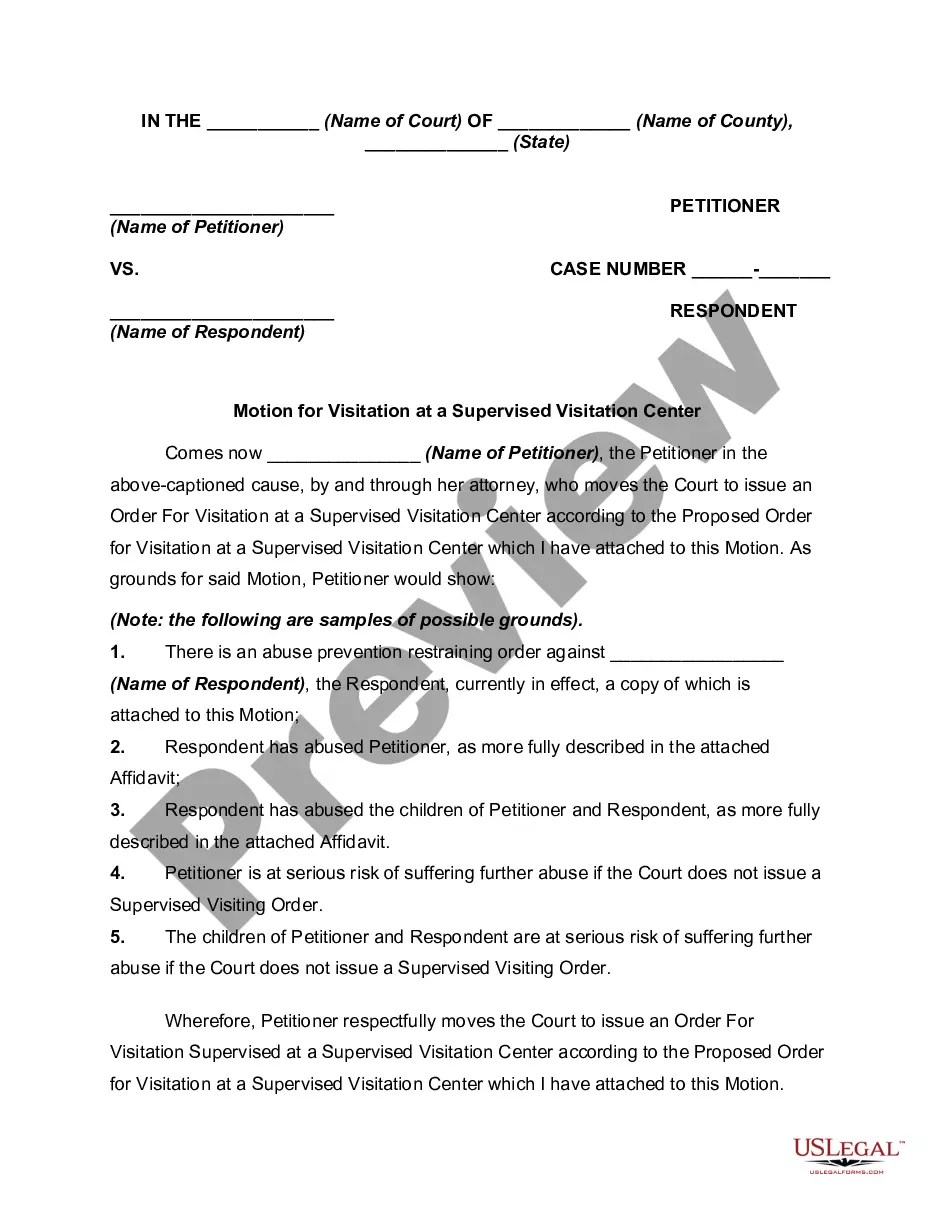
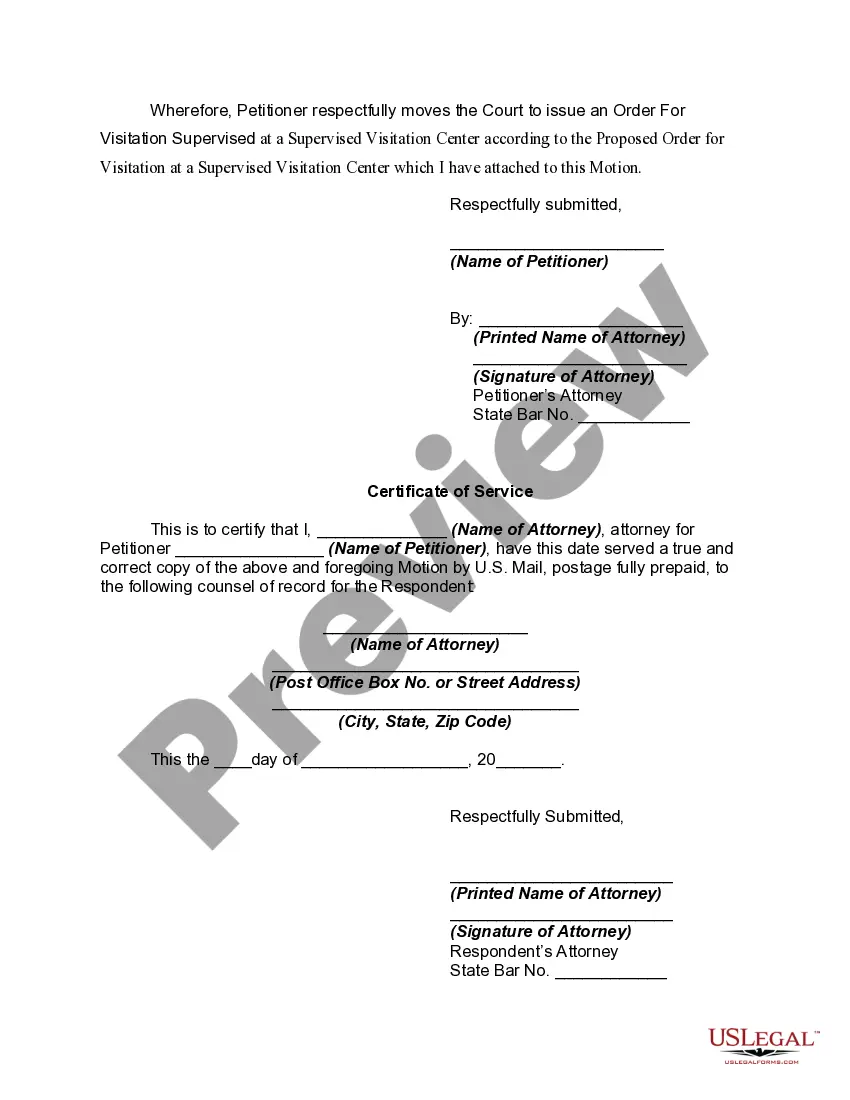
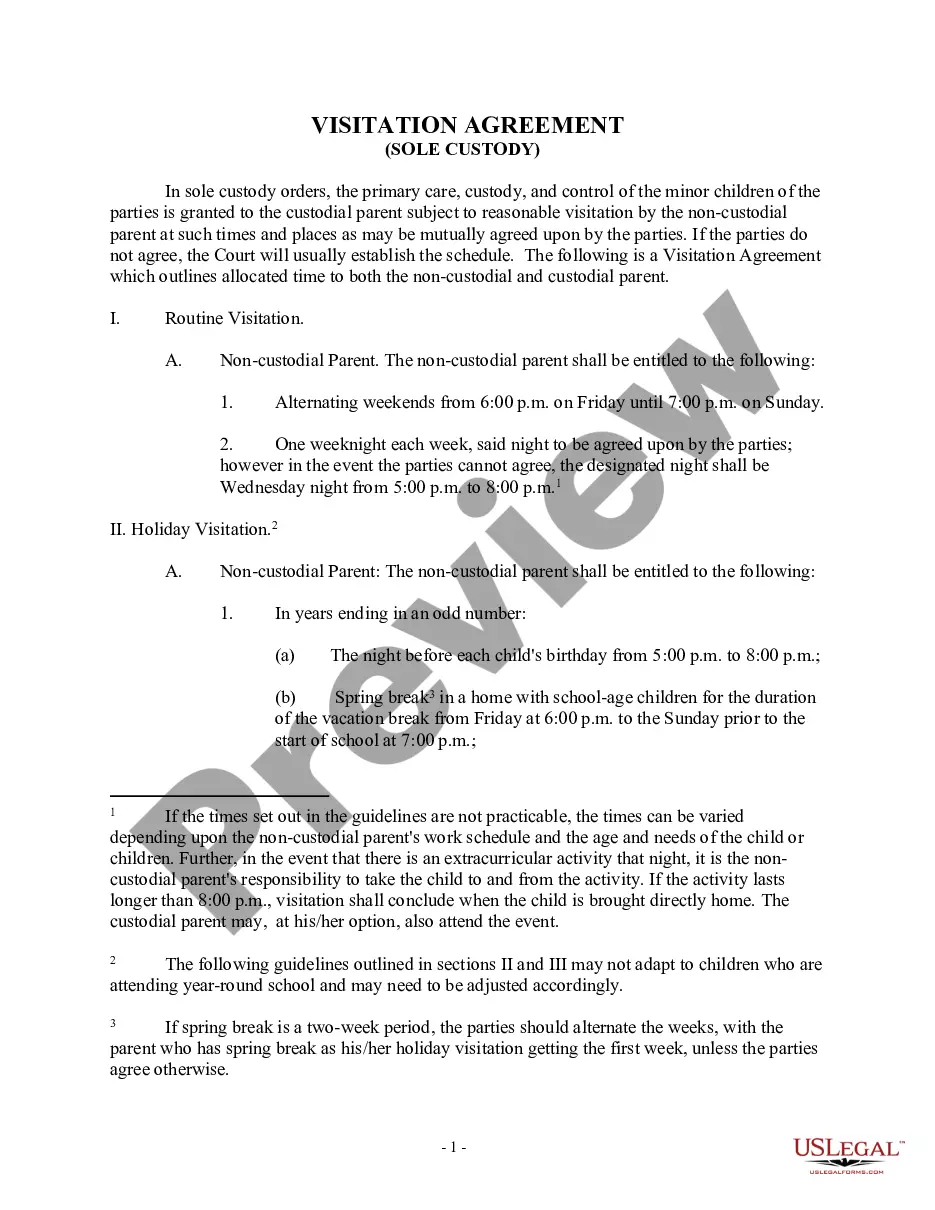
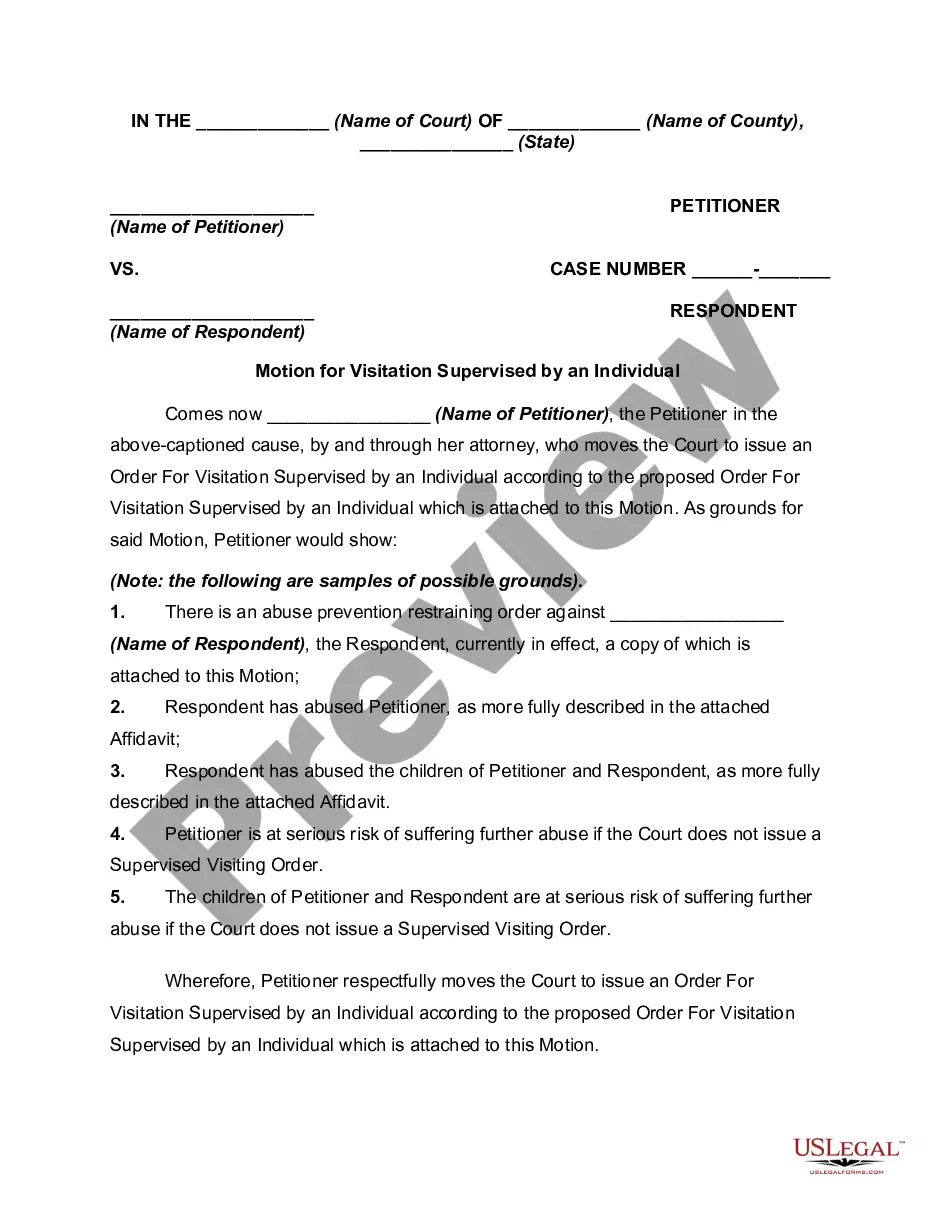
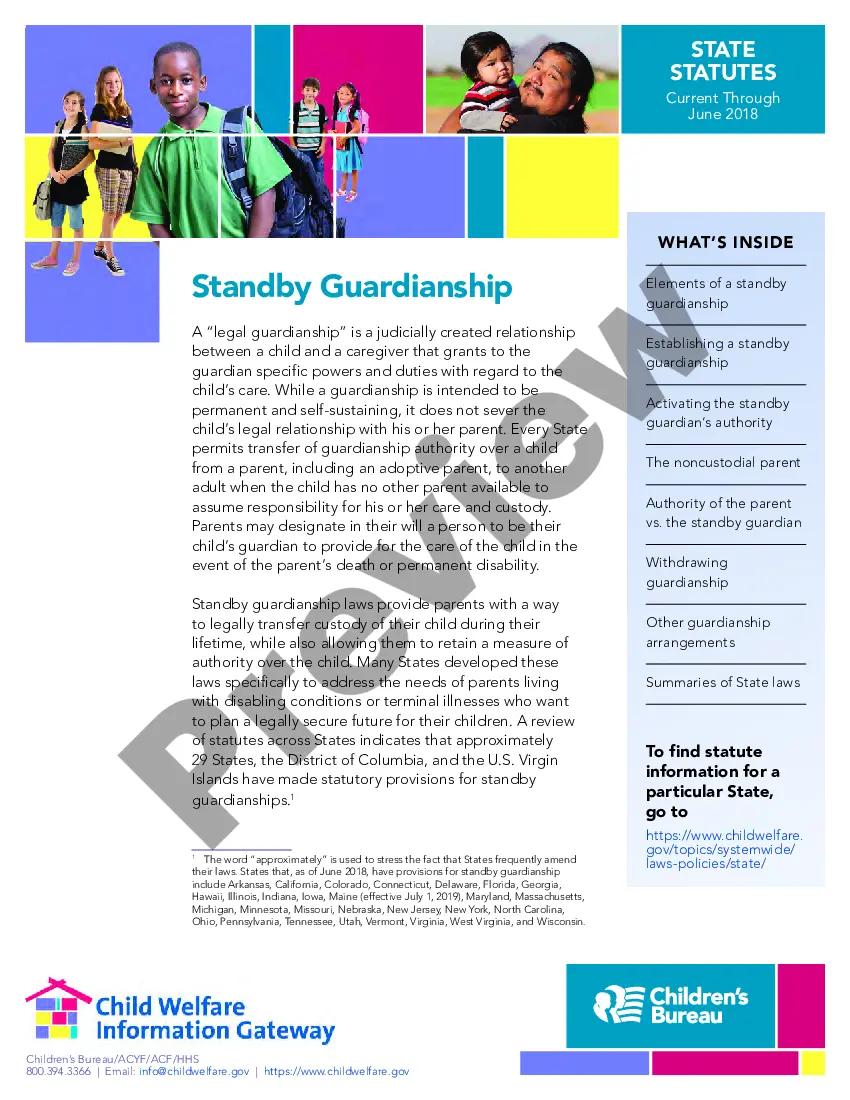
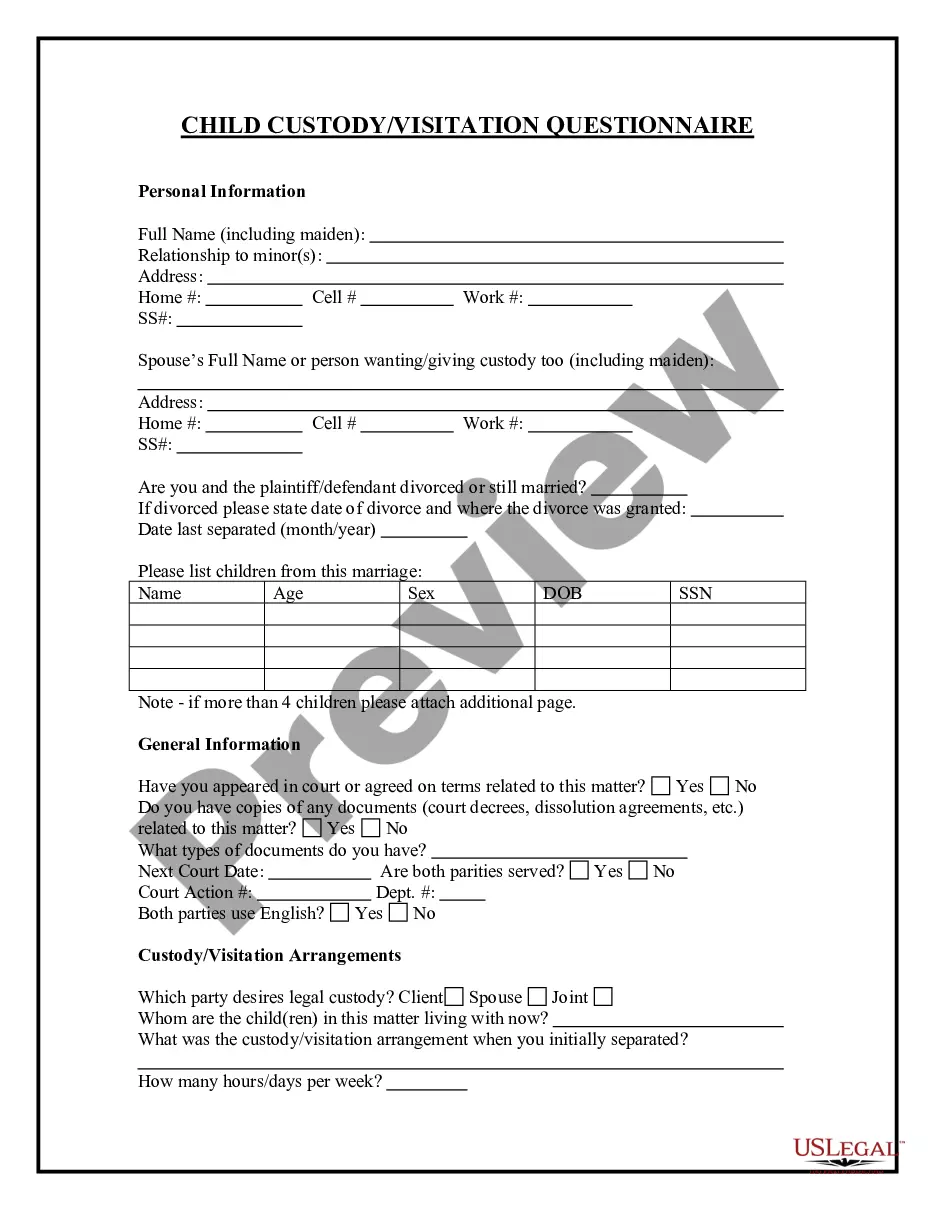
Get your form ready online
Our built-in tools help you complete, sign, share, and store your documents in one place.
Make edits, fill in missing information, and update formatting in US Legal Forms—just like you would in MS Word.
Download a copy, print it, send it by email, or mail it via USPS—whatever works best for your next step.
Sign and collect signatures with our SignNow integration. Send to multiple recipients, set reminders, and more. Go Premium to unlock E-Sign.
If this form requires notarization, complete it online through a secure video call—no need to meet a notary in person or wait for an appointment.
We protect your documents and personal data by following strict security and privacy standards.

Make edits, fill in missing information, and update formatting in US Legal Forms—just like you would in MS Word.

Download a copy, print it, send it by email, or mail it via USPS—whatever works best for your next step.

Sign and collect signatures with our SignNow integration. Send to multiple recipients, set reminders, and more. Go Premium to unlock E-Sign.

If this form requires notarization, complete it online through a secure video call—no need to meet a notary in person or wait for an appointment.

We protect your documents and personal data by following strict security and privacy standards.
Looking for another form?






How to fill out Motion For Visitation At A Supervised Visitation Center?
Regardless of whether it is for commercial intents or for personal issues, everyone must confront legal matters at some stage in their life.
Completing legal paperwork demands meticulous focus, starting from selecting the correct form template.
With a comprehensive US Legal Forms catalog available, you never need to waste time searching for the suitable template online. Utilize the library's straightforward navigation to discover the correct template for any situation.
- Locate the template you require by utilizing the search bar or directory navigation.
- Review the form's details to ensure it fits your circumstances, state, and locale.
- Click on the form's preview to scrutinize it.
- If it is the incorrect form, return to the search option to locate the Supervised Court Form California example you need.
- Download the document when it aligns with your specifications.
- If you possess a US Legal Forms account, simply click Log in to access previously saved documents in My documents.
- Should you not have an account yet, you can retrieve the form by clicking Buy now.
- Choose the suitable pricing option.
- Fill out the account registration form.
- Choose your payment method: use a credit card or PayPal account.
- Select the desired file format and download the Supervised Court Form California.
- Once saved, you can fill out the form with editing software or print it and complete it by hand.
Form popularity
FAQ
FL 300 refers to the California court form that initiates requests for child custody and visitation orders. This form is essential for parents seeking a structured parenting plan or modifications to existing orders. Understanding its purpose can enhance your approach in family court, making the supervised court form California a useful tool during the process.
(g) Professional providers of supervised visitation shall: (1) Advise the parties before commencement of supervised visitation that no confidential privilege exists. (2) Report suspected child abuse to the appropriate agency, as provided by law, and inform the parties of the provider's obligation to make those reports.
A ?provider? is a neutral third person that is ordered by a judge to watch and listen to every visit with the child. The provider is there to make every effort to keep your child safe. The provider must: Be present at all times during the visit.
Forms needed to prepare a custody and visitation order (including child support) Form NameForm NumberChild Custody and Visitation (Parenting Time) Order AttachmentFL-341Supervised Visitation OrderFL-341(A )Children's Holiday Schedule AttachmentFL-341(C )Additional Provisions ? Physical Custody AttachmentFL-341(D )8 more rows
Write professionally, but in your own voice ? don't try to sound like a lawyer. Be specific. Don't ramble or repeat yourself, and don't include irrelevant information. Don't lie or make assumptions not supported by facts and evidence ? include only information that you have personal knowledge of.
Visitation Monitor Be 21 years of age or older; Have no record of conviction for driving under the influence (DUI) within the last 5 years; Not have been on probation or parole for the last 10 years; Have no record of a conviction for child molestation, child abuse, or other crimes against a person;