Recovery Salary
Description
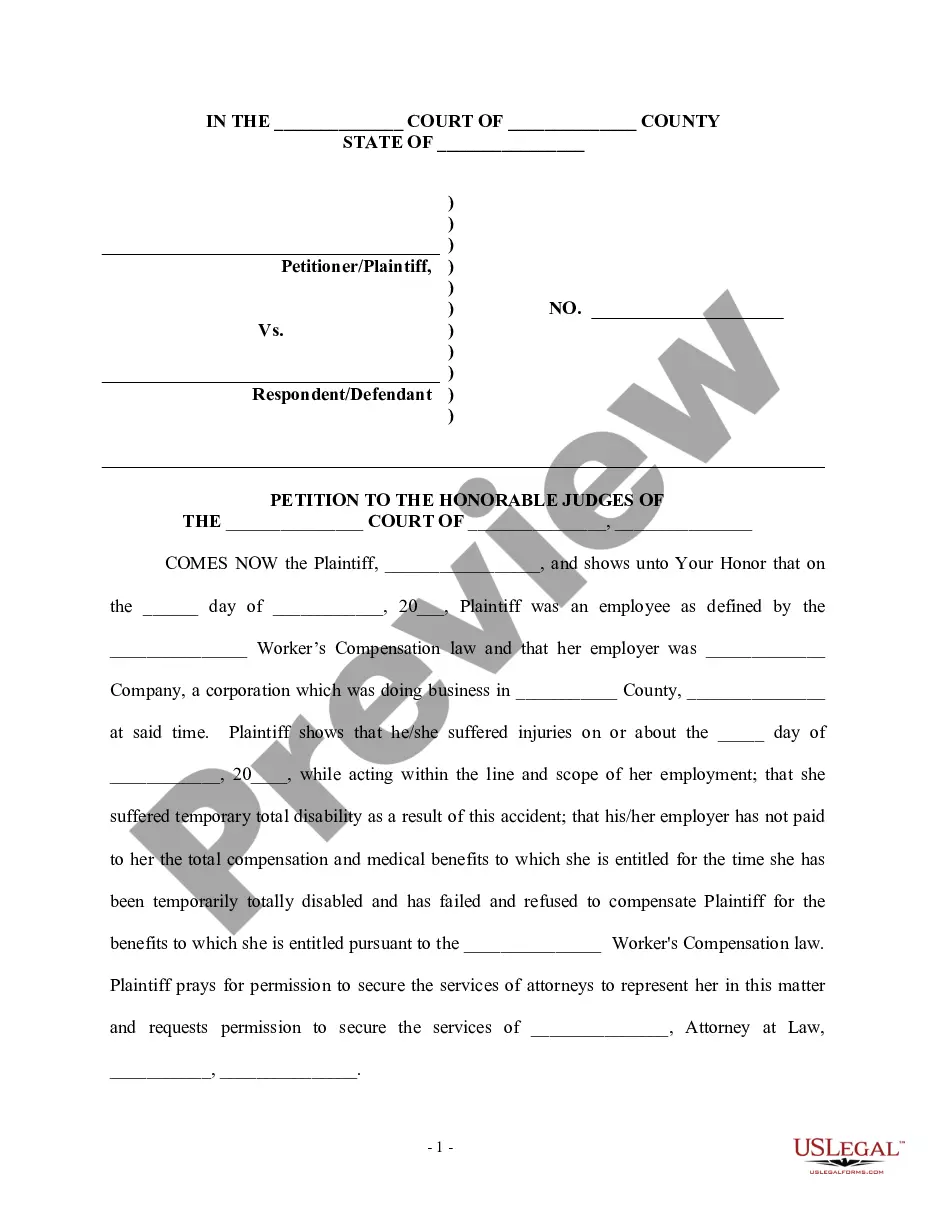
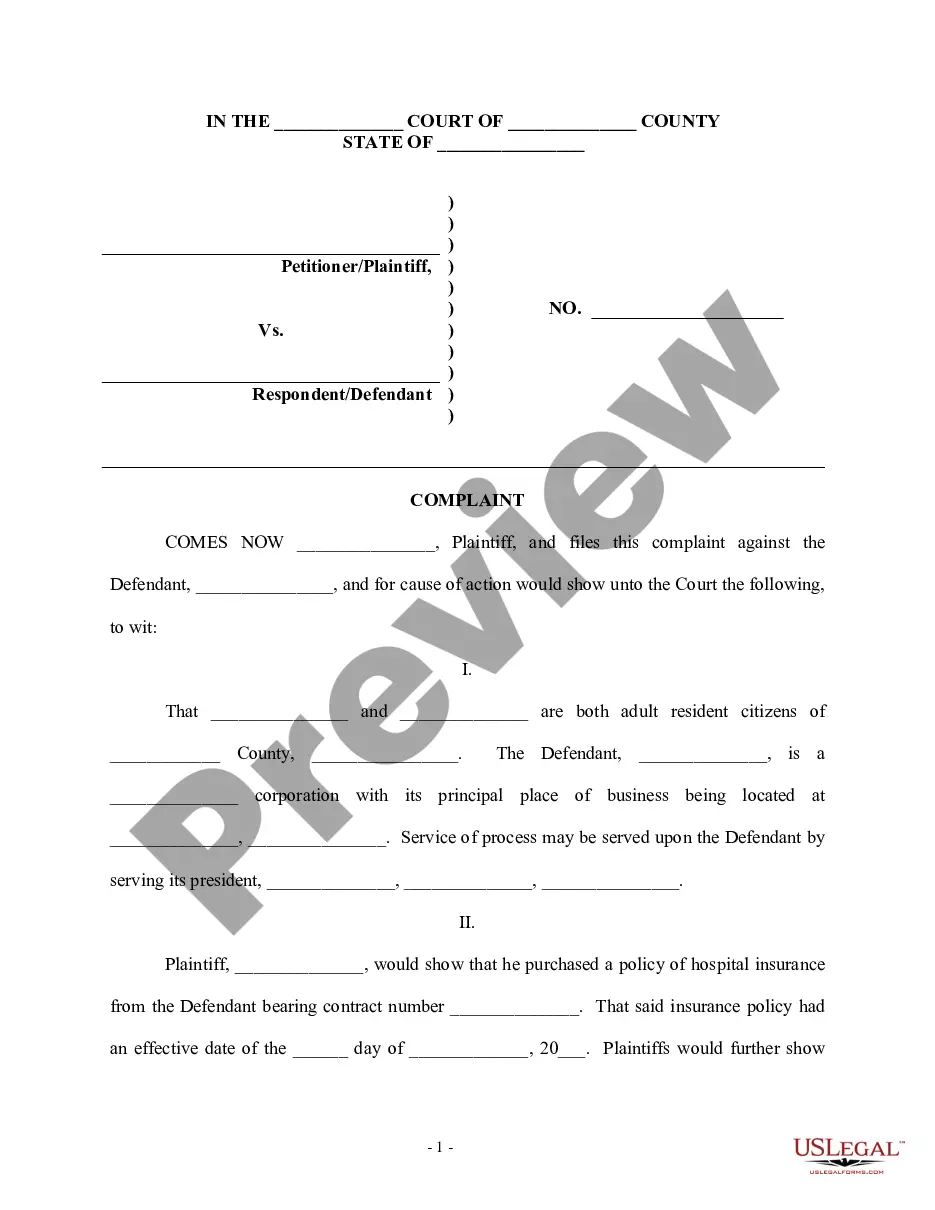
Get your form ready online
Our built-in tools help you complete, sign, share, and store your documents in one place.
Make edits, fill in missing information, and update formatting in US Legal Forms—just like you would in MS Word.
Download a copy, print it, send it by email, or mail it via USPS—whatever works best for your next step.
Sign and collect signatures with our SignNow integration. Send to multiple recipients, set reminders, and more. Go Premium to unlock E-Sign.
If this form requires notarization, complete it online through a secure video call—no need to meet a notary in person or wait for an appointment.
We protect your documents and personal data by following strict security and privacy standards.

Make edits, fill in missing information, and update formatting in US Legal Forms—just like you would in MS Word.

Download a copy, print it, send it by email, or mail it via USPS—whatever works best for your next step.

Sign and collect signatures with our SignNow integration. Send to multiple recipients, set reminders, and more. Go Premium to unlock E-Sign.

If this form requires notarization, complete it online through a secure video call—no need to meet a notary in person or wait for an appointment.

We protect your documents and personal data by following strict security and privacy standards.
Looking for another form?
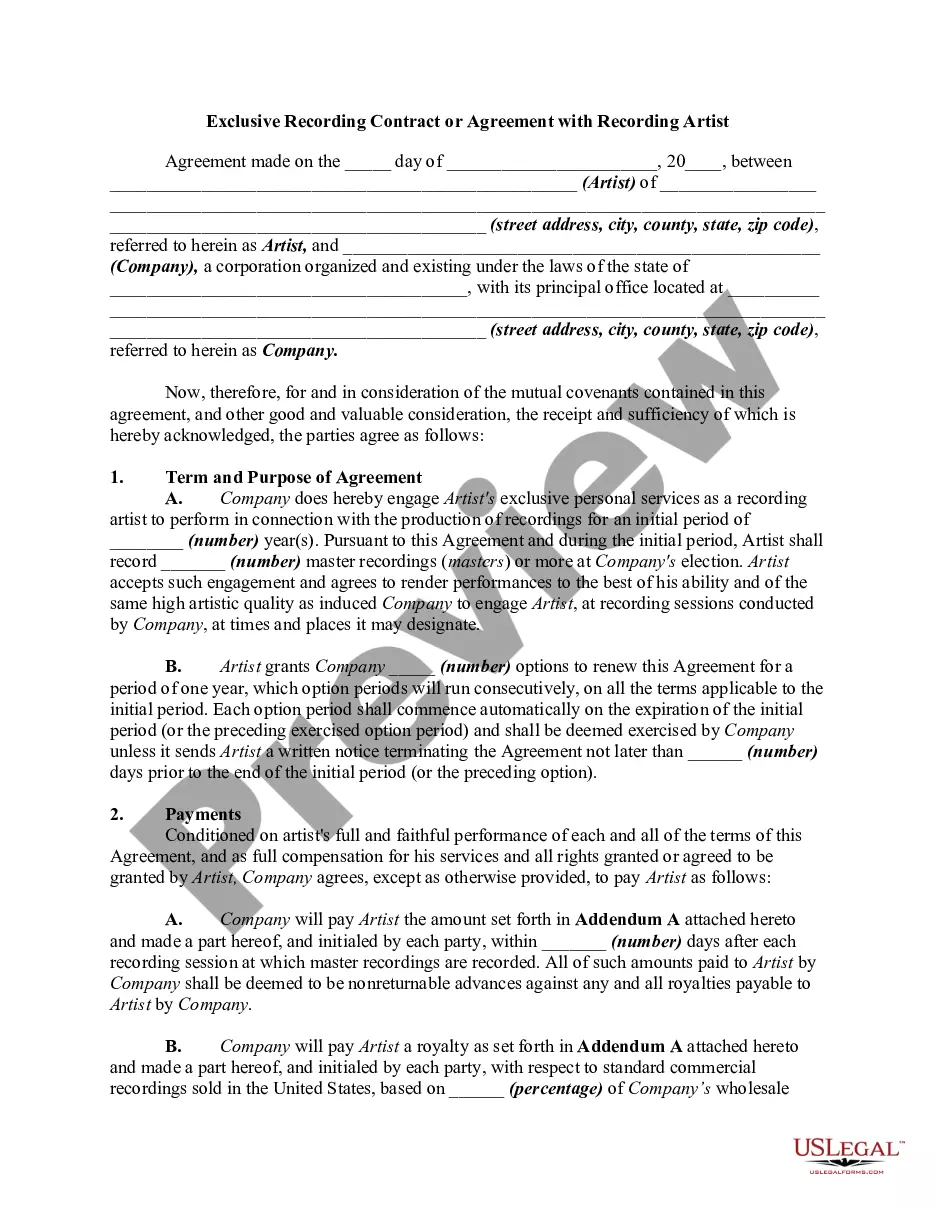
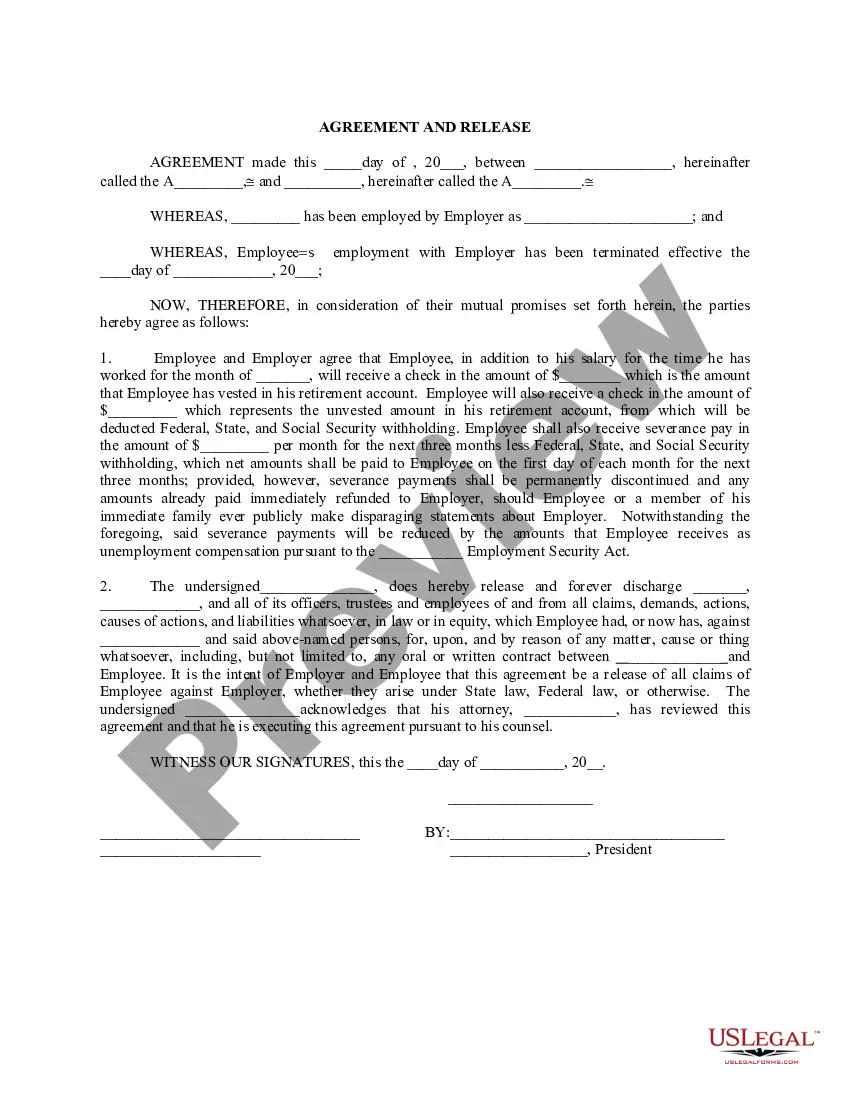


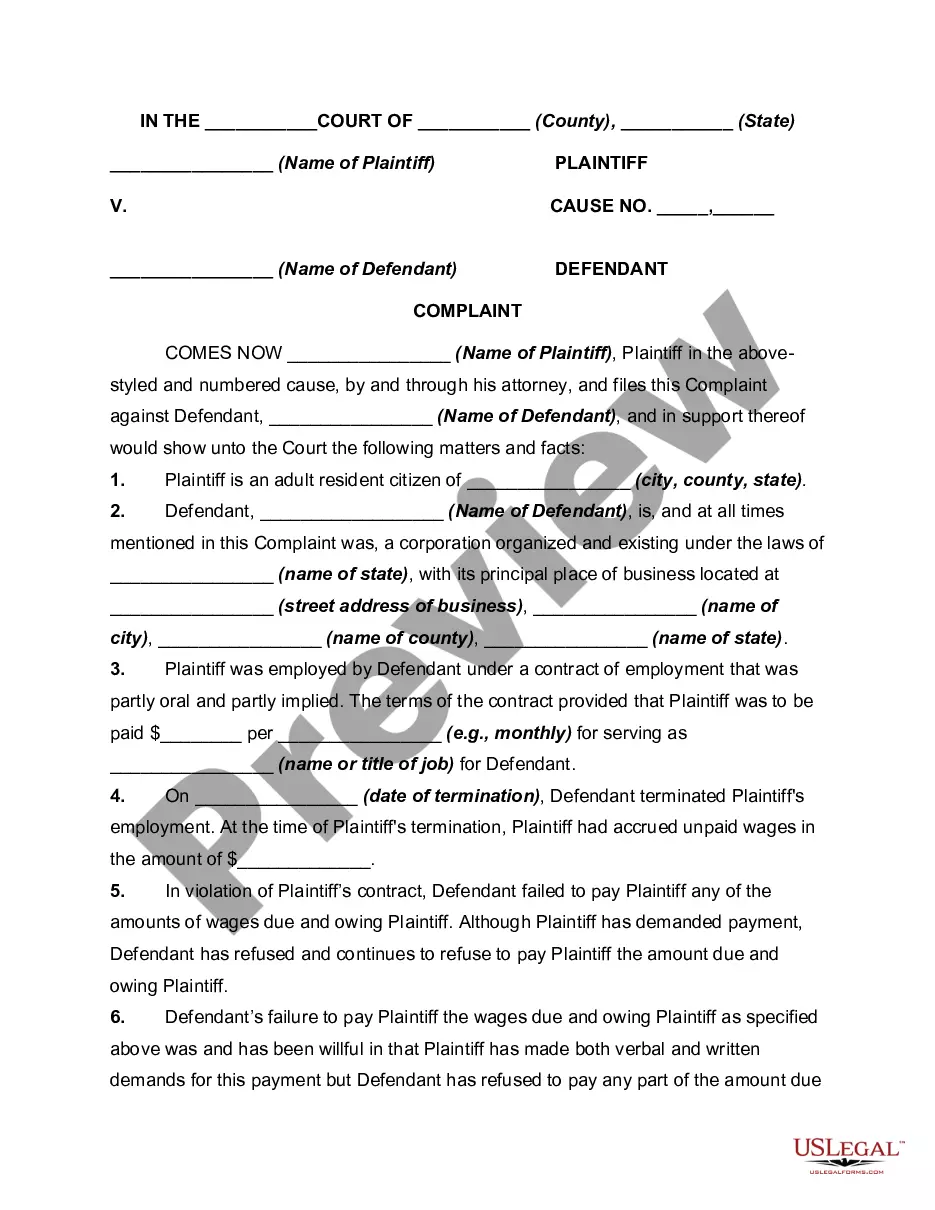
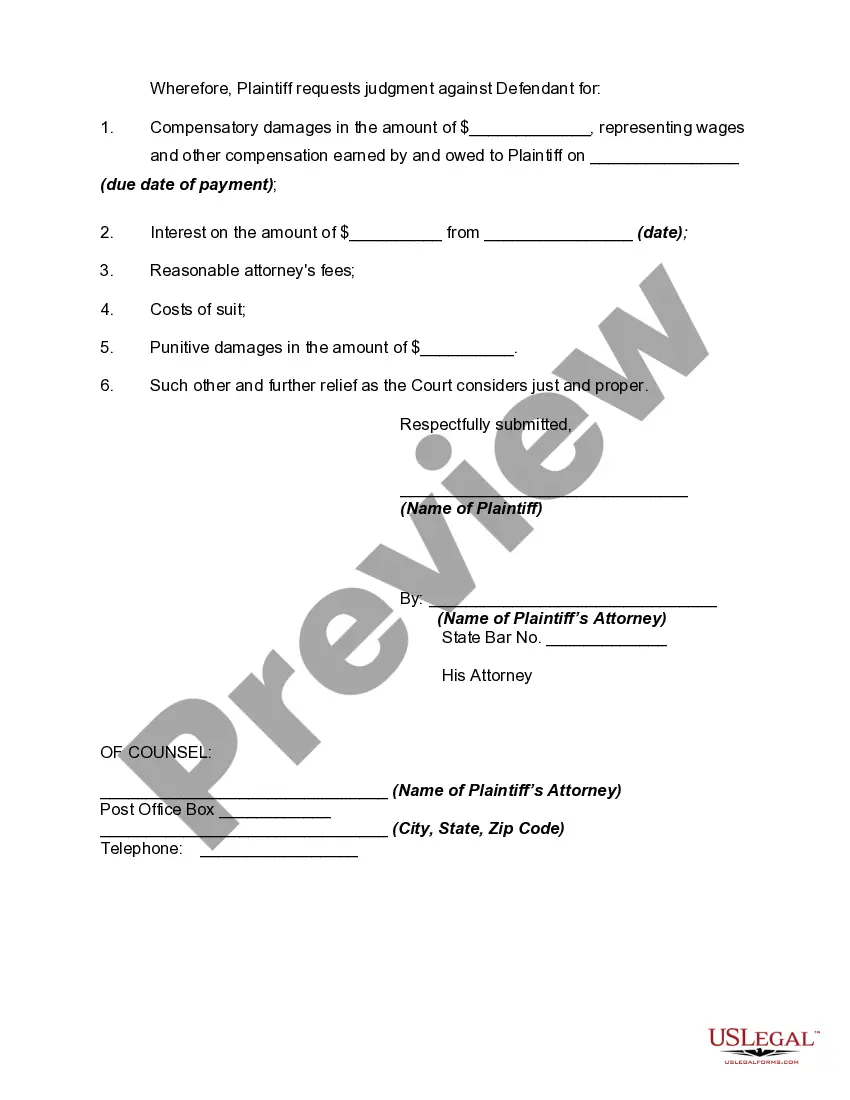
How to fill out Complaint For Recovery Of Unpaid Wages?
Handling legal paperwork and processes can be a lengthy addition to your schedule.
Recovery Salary and similar forms typically necessitate that you search for them and learn how to fill them out efficiently.
For that purpose, whether you are managing financial, legal, or personal issues, having a thorough and uncomplicated online directory of forms readily available will be of great help.
US Legal Forms is the premier online platform for legal templates, featuring over 85,000 state-specific forms and various tools to help you finalize your documents swiftly.
Is this your first time using US Legal Forms? Register and create an account in just a few minutes, and you’ll gain entry to the form directory and Recovery Salary. Then, follow the steps outlined below to complete your form.
- Explore the collection of relevant documents accessible to you with just one click.
- US Legal Forms offers state- and county-specific forms available at any time for download.
- Safeguard your document management activities using a top-tier service that enables you to compile any form in a matter of minutes without additional or concealed charges.
- Simply Log In to your account, locate Recovery Salary, and obtain it instantly from the My documents section.
- You can also access previously saved forms.
Form popularity
FAQ
Else will be governed by Section 7(3) of the Payment of Wages Act, 1936 and in that case deduction cannot exceed 50 percent of the wages.
The general rule is that if an employer has overpaid an employee, the overpayment of wages should be repaid even if the mistake was the employer's. In other words, the employer is legally entitled to recover any salary overpayment from the employee.
Recovered salary is the state-supplied salary and benefits that is replaced by salary and benefits derived from grants and contracts.
Salary in advance is a benefit where an employee can request the employer pay a part of their salary earlier. It is not a loan and, thus, is not taxable. The borrower does not need to pay any interest on the received amount. In addition, they do not have to pay back the received amount to the lender.
The employer has the right to reclaim overpaid wages even if the employee has left the company. However, if the employee has already left, it can be more difficult for employers to recover any overpayments. Action should be taken quickly in case the final salary payment has not yet been made.