Third Party Beneficiary In Indian Contract Act
Description


Get your form ready online
Our built-in tools help you complete, sign, share, and store your documents in one place.
Make edits, fill in missing information, and update formatting in US Legal Forms—just like you would in MS Word.
Download a copy, print it, send it by email, or mail it via USPS—whatever works best for your next step.
Sign and collect signatures with our SignNow integration. Send to multiple recipients, set reminders, and more. Go Premium to unlock E-Sign.
If this form requires notarization, complete it online through a secure video call—no need to meet a notary in person or wait for an appointment.
We protect your documents and personal data by following strict security and privacy standards.

Make edits, fill in missing information, and update formatting in US Legal Forms—just like you would in MS Word.

Download a copy, print it, send it by email, or mail it via USPS—whatever works best for your next step.

Sign and collect signatures with our SignNow integration. Send to multiple recipients, set reminders, and more. Go Premium to unlock E-Sign.

If this form requires notarization, complete it online through a secure video call—no need to meet a notary in person or wait for an appointment.

We protect your documents and personal data by following strict security and privacy standards.
Looking for another form?



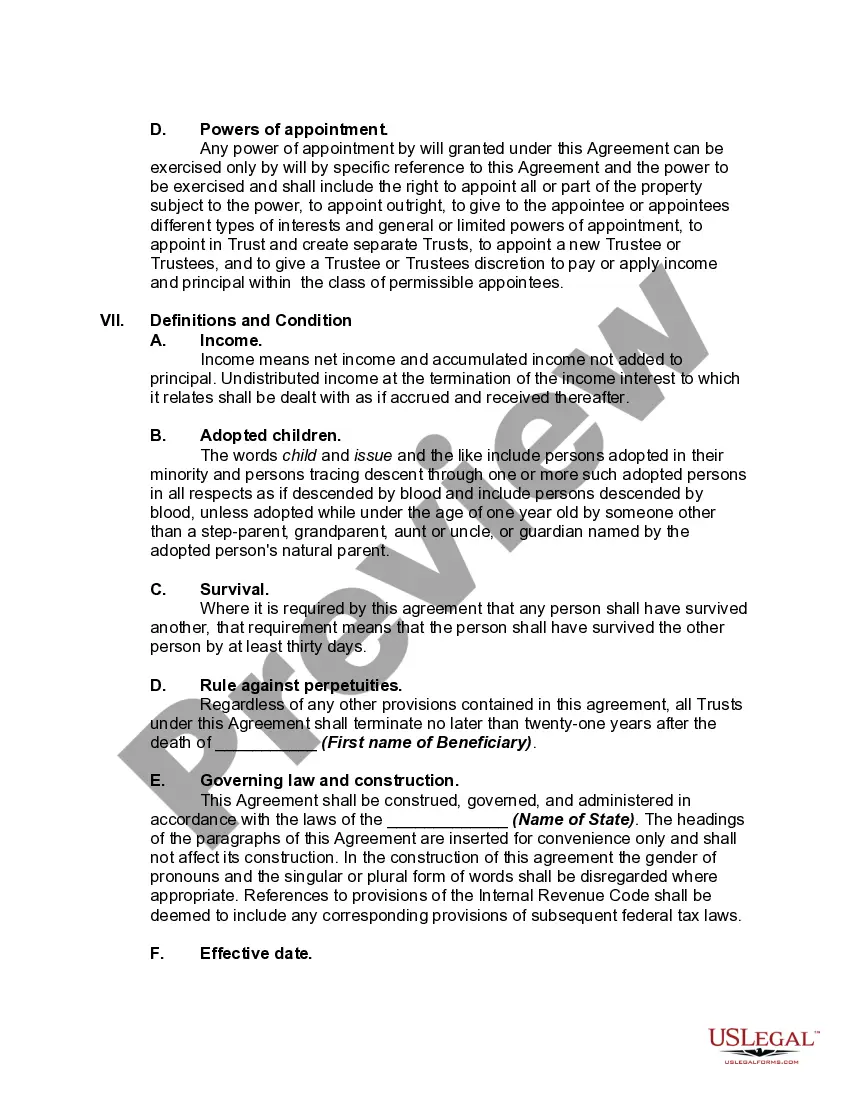
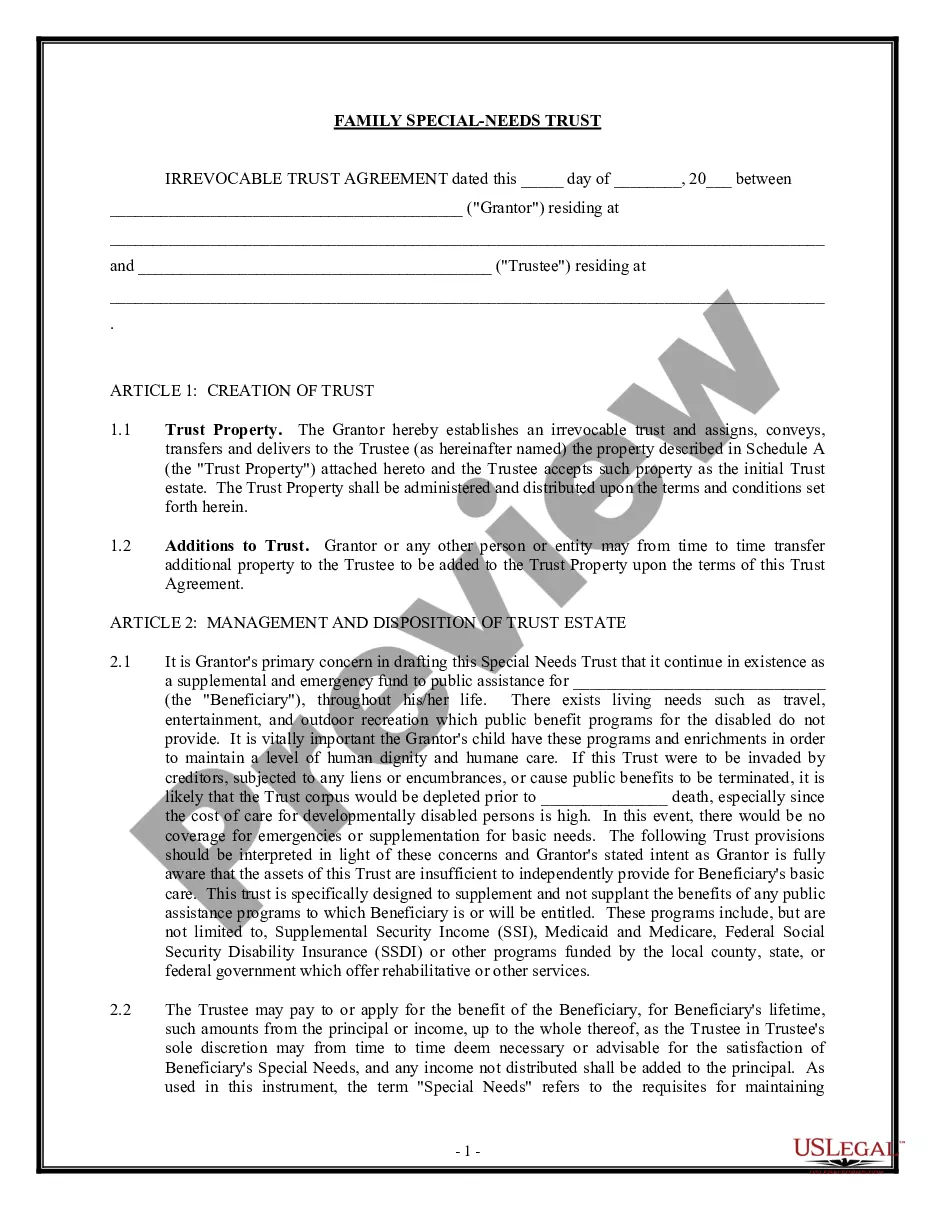
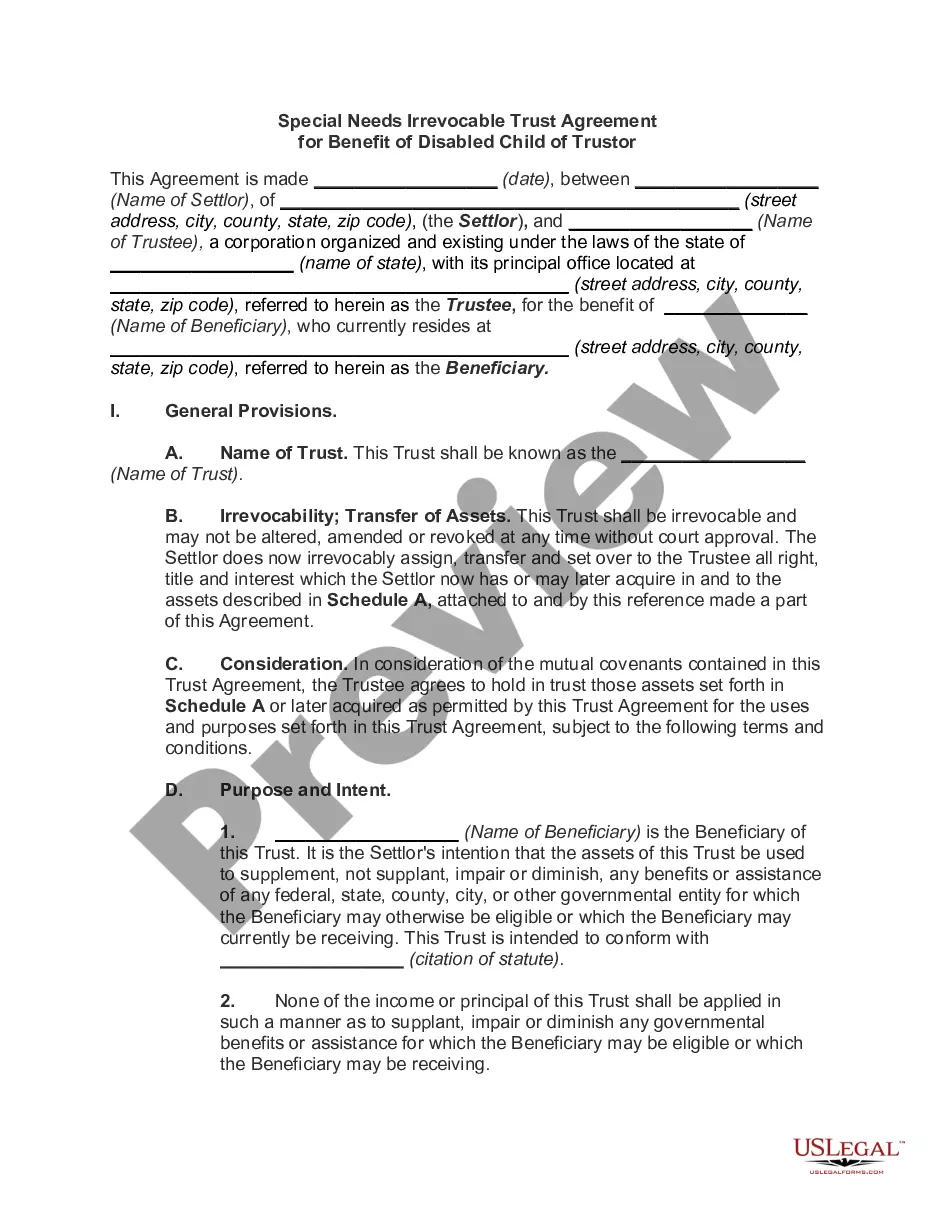
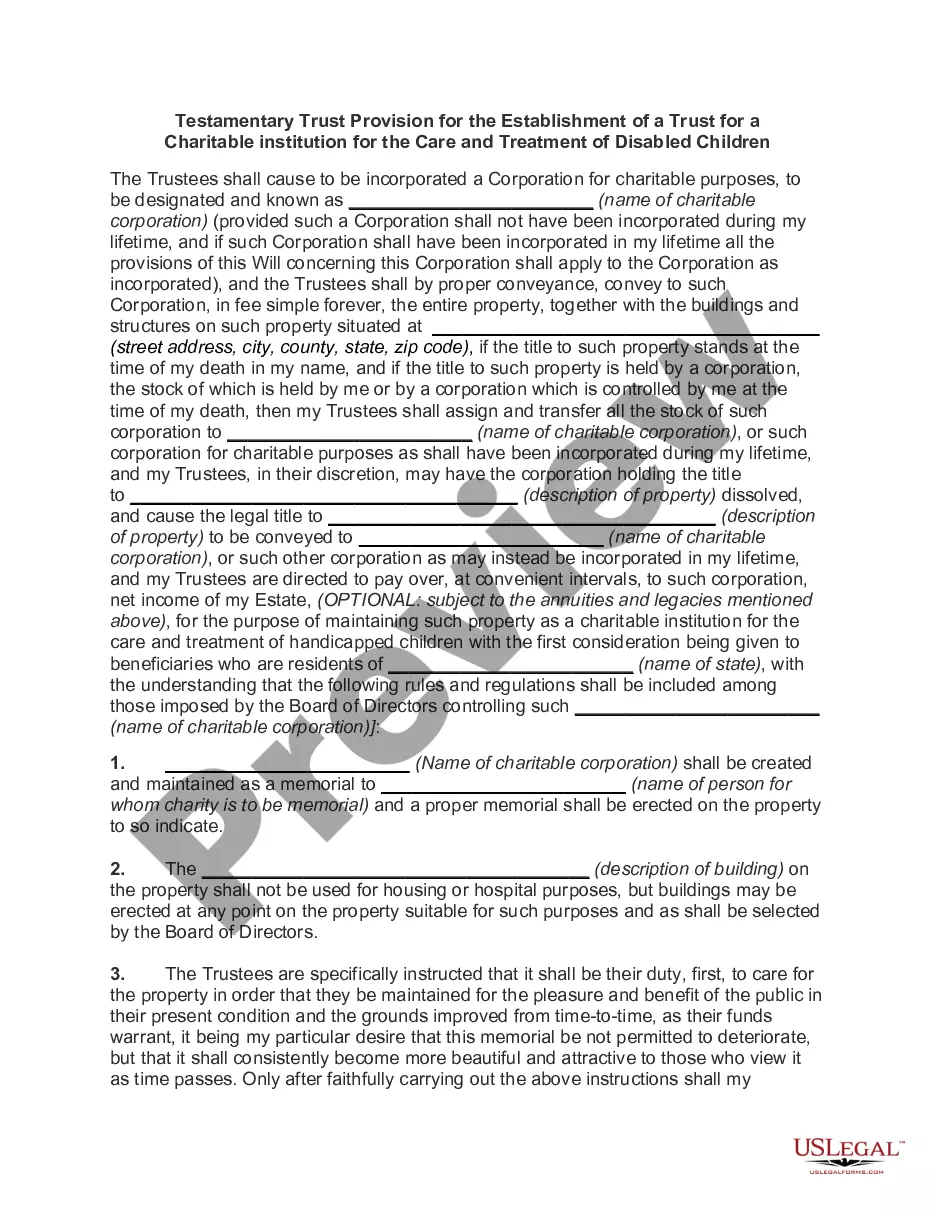
How to fill out Supplemental Needs Trust For Third Party - Disabled Beneficiary?
It’s well-known that you cannot transform into a legal expert instantly, nor can you swiftly grasp how to adeptly create Third Party Beneficiary in Indian Contract Act without possessing a distinct array of competencies.
Drafting legal documents is a lengthy endeavor that necessitates particular education and abilities. So why not entrust the drafting of the Third Party Beneficiary in Indian Contract Act to the experts.
With US Legal Forms, one of the most extensive legal template repositories, you can find everything from court files to templates for internal communication.
You can revisit your forms from the My documents section at any time. If you’re a current client, you can simply Log In, and locate and download the template from the same section.
Regardless of the purpose of your forms—whether financial, legal, or personal—our platform has you covered. Give US Legal Forms a try today!
- Locate the document you require using the search feature at the top of the webpage.
- View it (if this feature is available) and review the accompanying description to determine if Third Party Beneficiary in Indian Contract Act is what you’re seeking.
- Initiate your search anew if you need another template.
- Sign up for a free account and select a subscription plan to acquire the form.
- Select Buy now. Once the payment is completed, you can obtain the Third Party Beneficiary in Indian Contract Act, fill it out, print it, and deliver or send it by mail to the relevant individuals or organizations.
Form popularity
FAQ
party beneficiary clause in India explicitly outlines the rights and obligations of third parties within a contract. This clause clarifies that a third party can claim benefits or enforce specific terms of the contract, reinforcing the concept of third party beneficiary in the Indian Contract Act. Such clauses ensure that the intent of the original parties is clearly communicated.
party beneficiary contract in India is an agreement where a third party receives benefits from a contract made between two other parties. The third party has the right to enforce the contract, provided the contracting parties intended to create a benefit for them. This concept is essential under the Indian Contract Act, as it allows broader interpretations of legal obligations.
The clearest example of a third-party beneficiary is found in life insurance contracts. An individual enters into a contract with an insurance company that requires the payment of death benefits to a third party.
There are two kinds of third-party beneficiaries: an ?intentional or intended? beneficiary and an ?incidental? beneficiary. When a non-party to a contract receives benefit from the agreement directly, this is known as an intentional beneficiary.
For a third party beneficiary to have rights: A valid contract must exist between two other people or entities. The people who created the agreement must have specifically intended to confer a benefit on the third party and this intent must be expressed or implied.
So, if Robert hires John to shovel Bob's snow, he is doing so to offset his own contractual obligation. Bob is therefore an intended third-party creditor beneficiary. Both donee and creditor beneficiaries can enforce contract rights, but to do so, both must be intended beneficiaries.
The third-party beneficiary must be referred to or named in the contract and the intent to provide a benefit to this third party must be irrevocable. (A typical example: a father pays tuition and enrolls his son in a college, signing the enrollment forms since his son is out of the country in the military.