First Party Supplemental Needs Trust With An Ira
Description
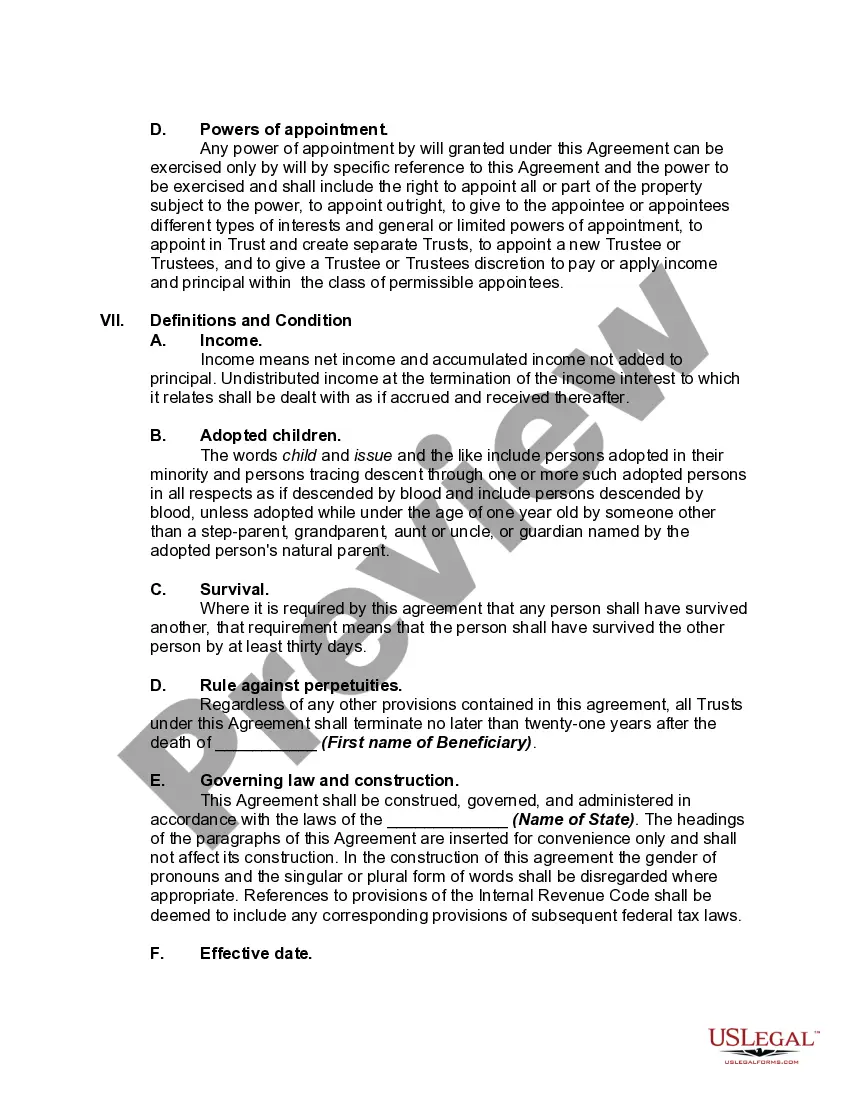
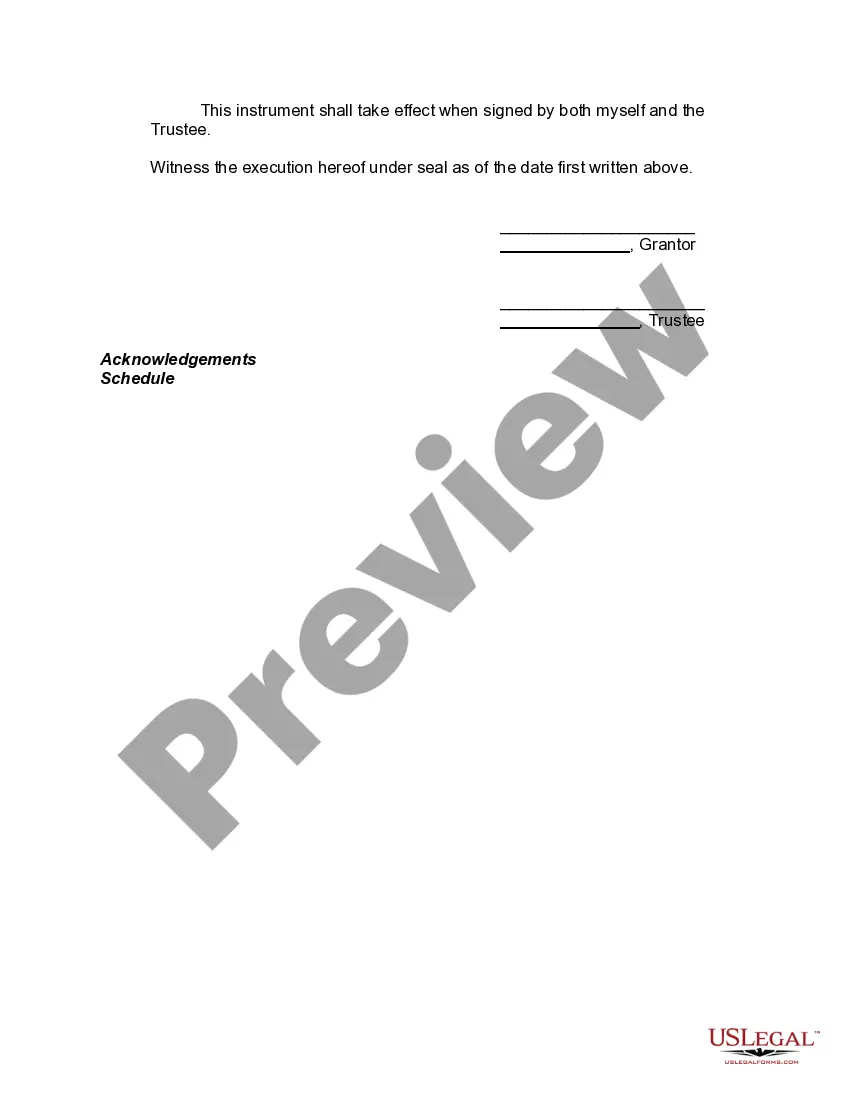

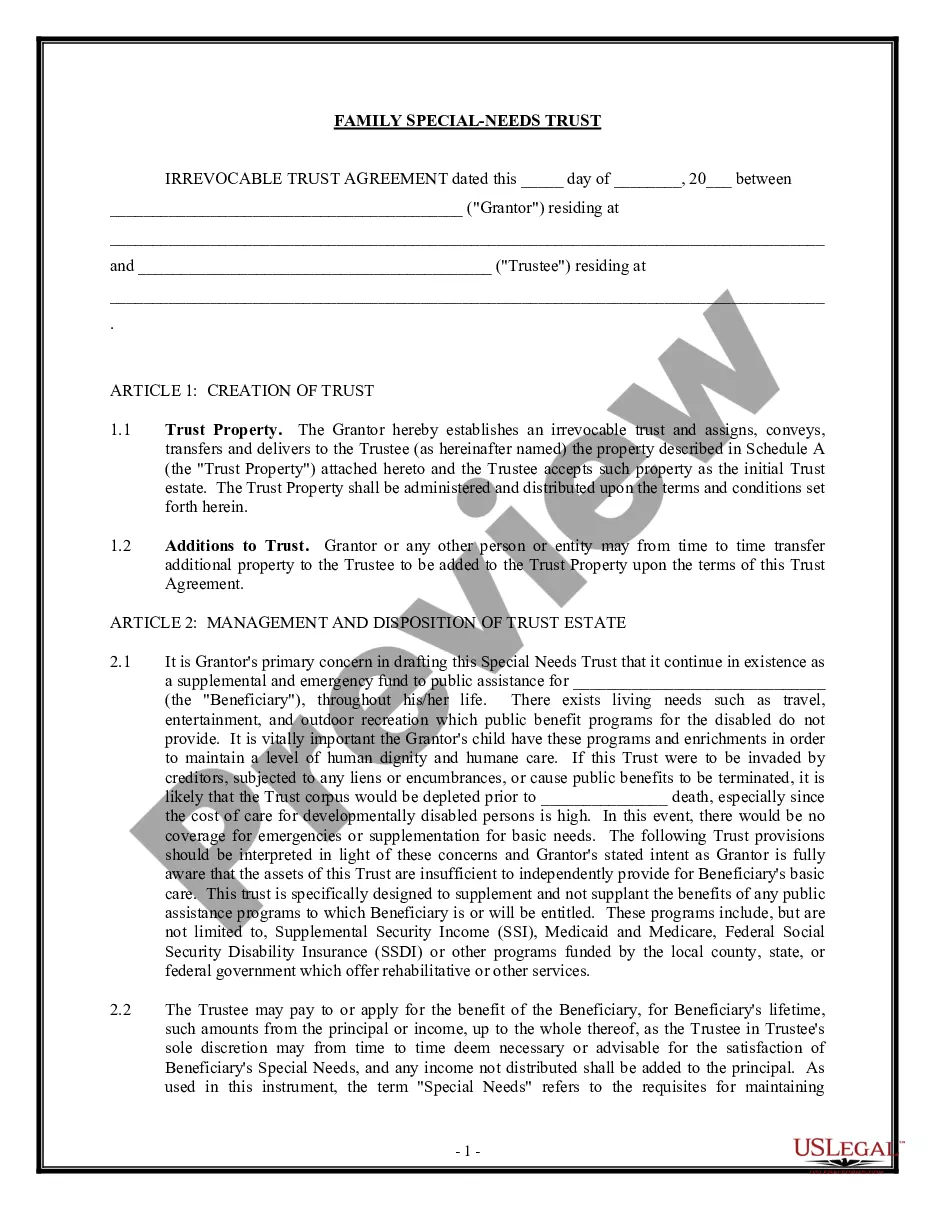
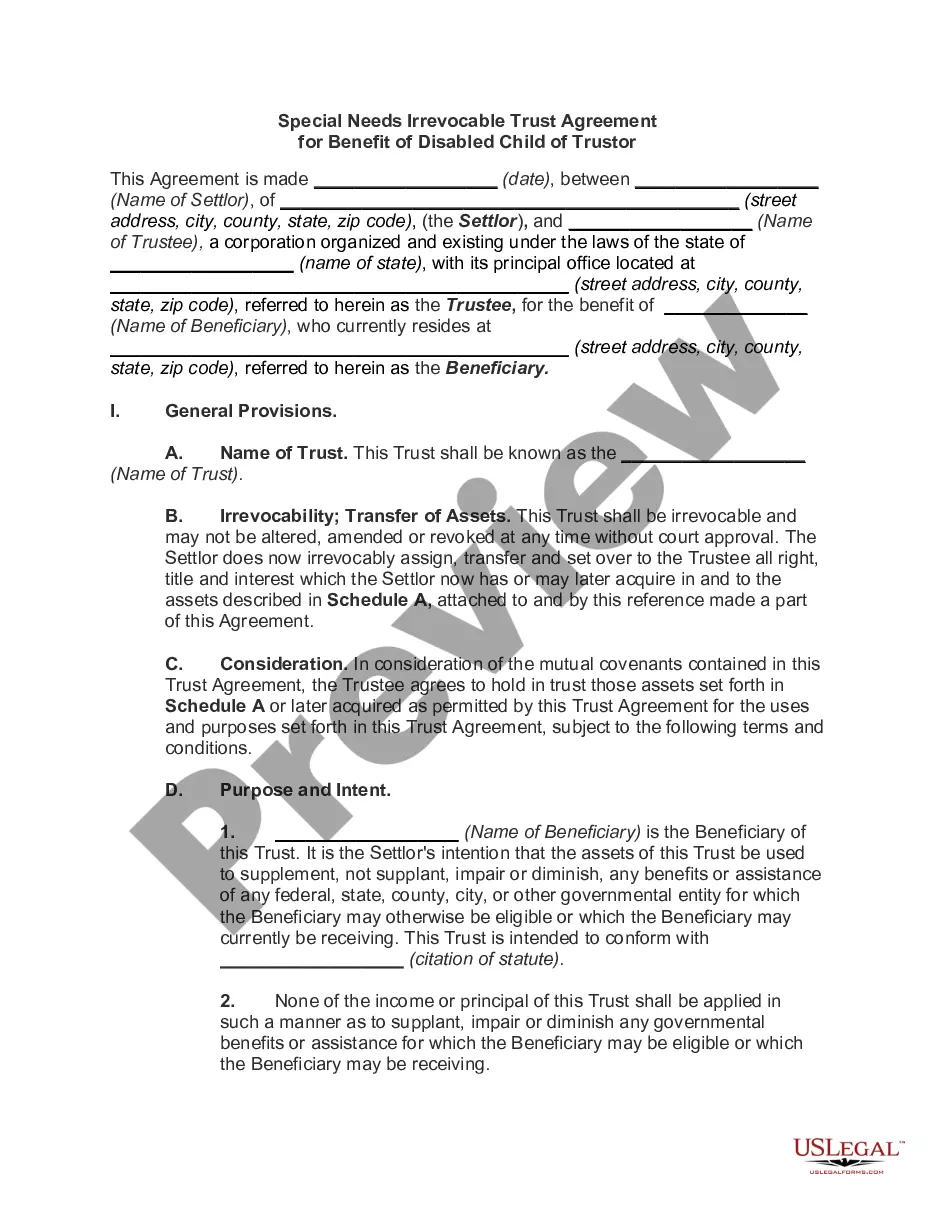
Get your form ready online
Our built-in tools help you complete, sign, share, and store your documents in one place.
Make edits, fill in missing information, and update formatting in US Legal Forms—just like you would in MS Word.
Download a copy, print it, send it by email, or mail it via USPS—whatever works best for your next step.
Sign and collect signatures with our SignNow integration. Send to multiple recipients, set reminders, and more. Go Premium to unlock E-Sign.
If this form requires notarization, complete it online through a secure video call—no need to meet a notary in person or wait for an appointment.
We protect your documents and personal data by following strict security and privacy standards.

Make edits, fill in missing information, and update formatting in US Legal Forms—just like you would in MS Word.

Download a copy, print it, send it by email, or mail it via USPS—whatever works best for your next step.

Sign and collect signatures with our SignNow integration. Send to multiple recipients, set reminders, and more. Go Premium to unlock E-Sign.

If this form requires notarization, complete it online through a secure video call—no need to meet a notary in person or wait for an appointment.

We protect your documents and personal data by following strict security and privacy standards.
Looking for another form?



How to fill out Supplemental Needs Trust For Third Party - Disabled Beneficiary?
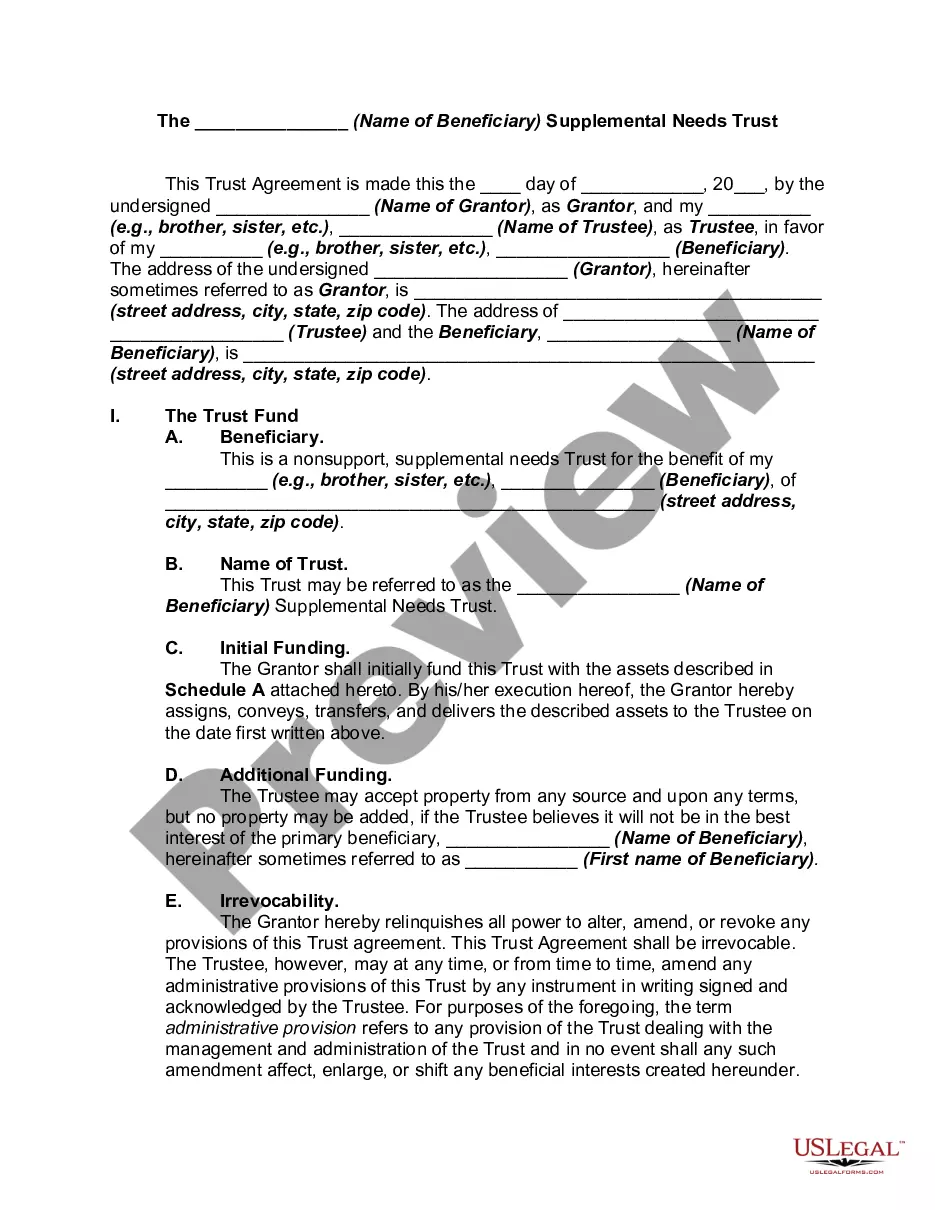
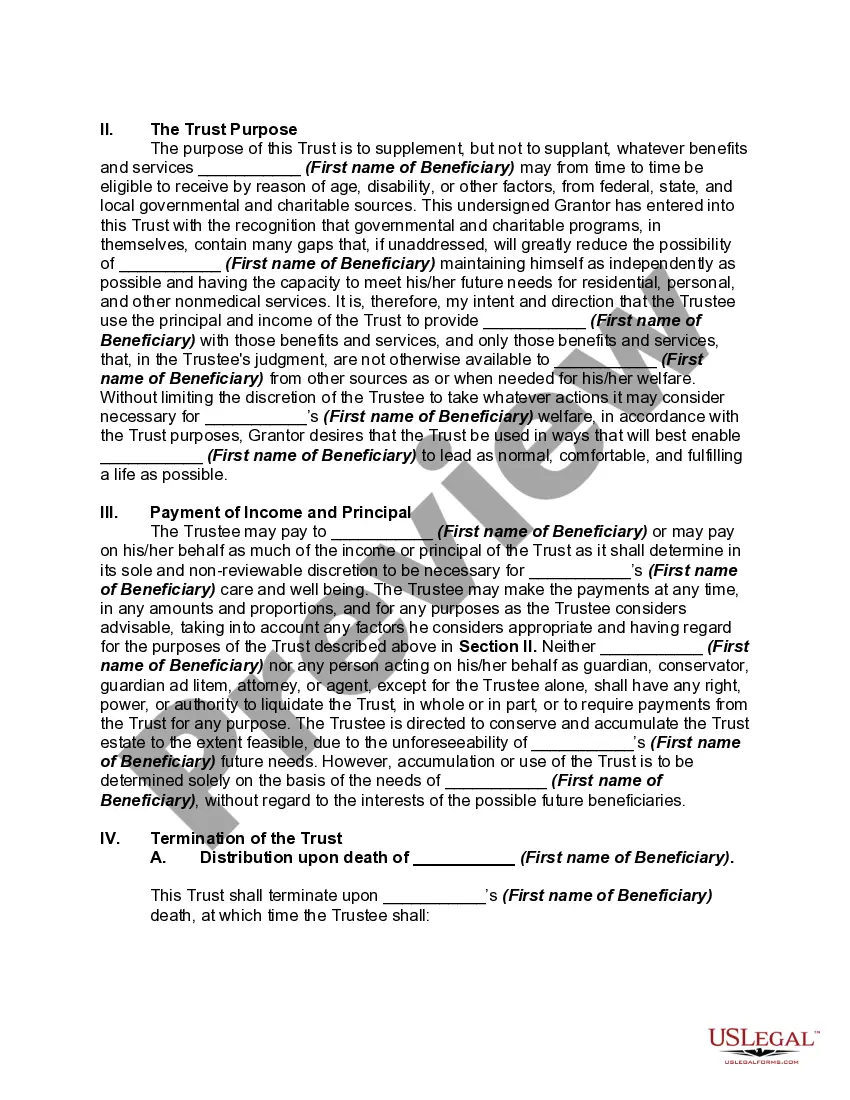
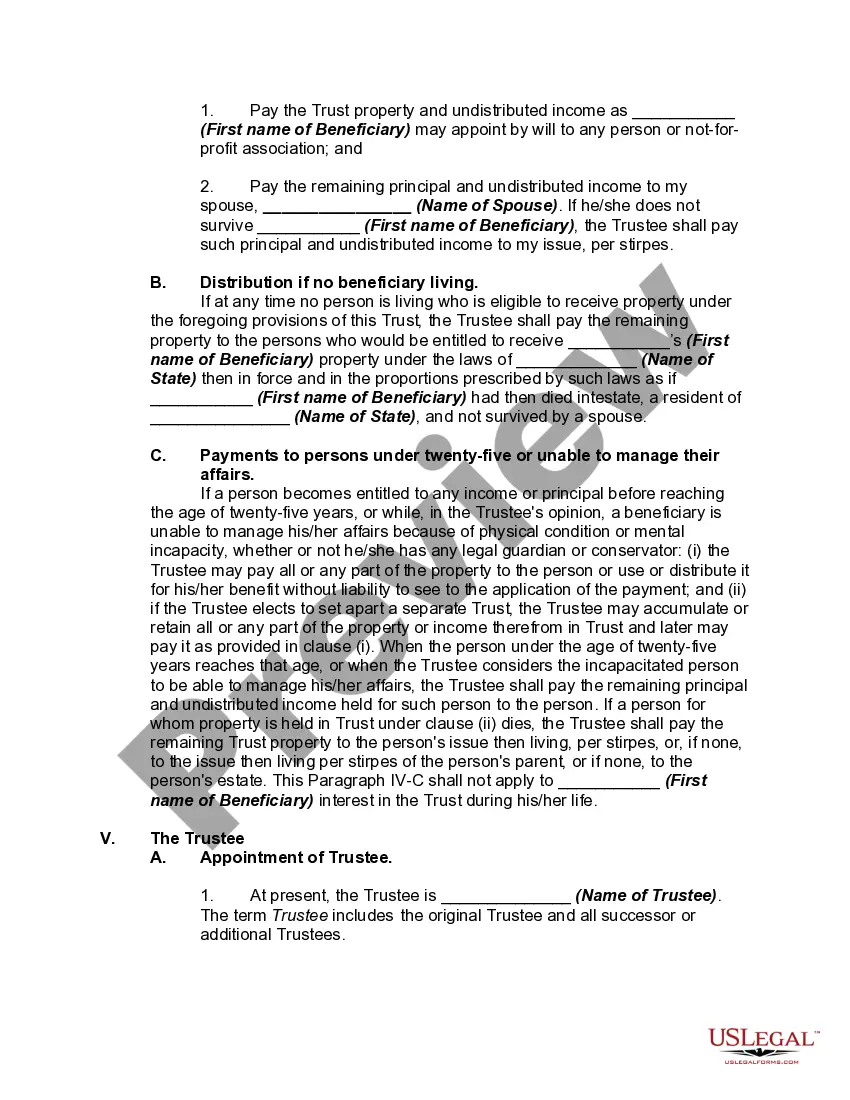
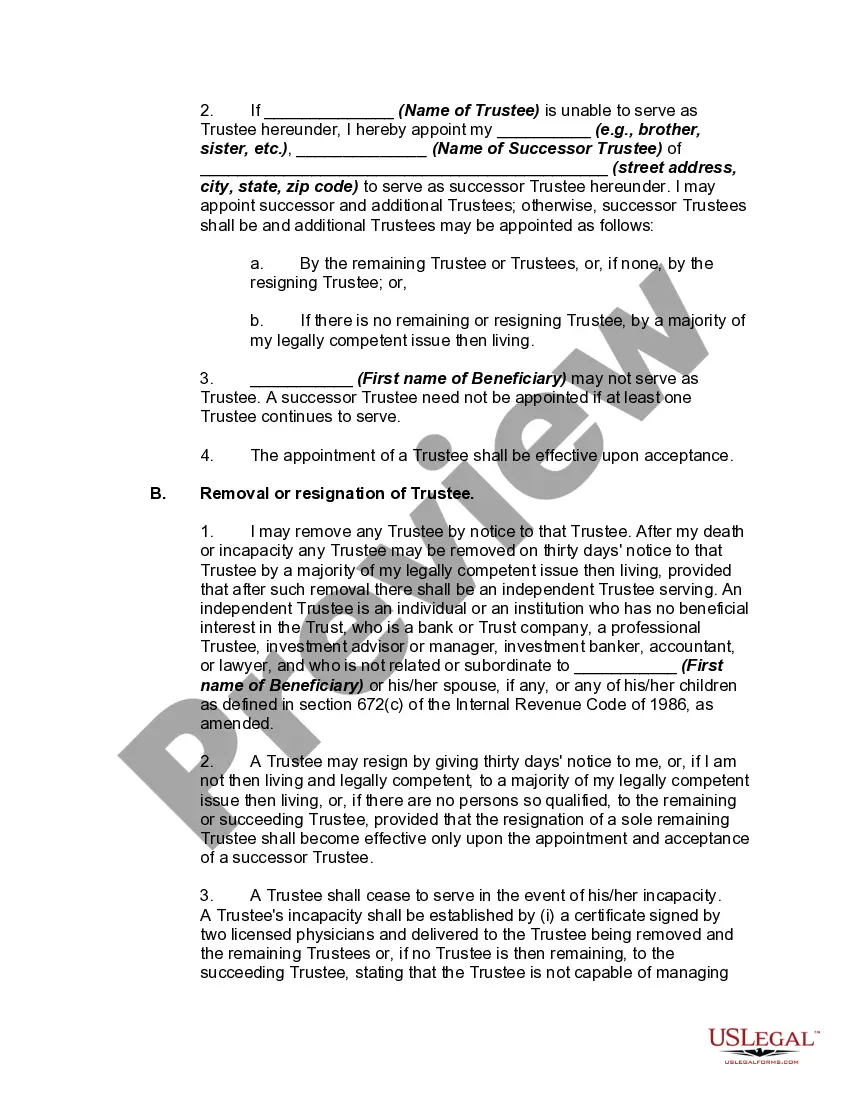
The Initial Party Additional Needs Trust With An Ira presented on this page is a versatile formal template created by expert attorneys in alignment with national and local legislation.
For over 25 years, US Legal Forms has supplied individuals, companies, and lawyers with over 85,000 validated, state-specific documents for any business and personal circumstance. It’s the fastest, easiest, and most reliable method to access the paperwork you require, as the service ensures the utmost level of data security and anti-malware safeguards.
Select the desired format for your Initial Party Additional Needs Trust With An Ira (PDF, DOCX, RTF) and download the document to your device.
- Search for the document you require and examine it.
- Browse the sample you looked for and preview it or read the template description to confirm it meets your needs. If it doesn't, use the search feature to find the correct one. Click Buy Now once you have located the template you want.
- Select and Log Into your account.
- Pick the payment plan that best fits your needs and sign up for an account. Use PayPal or a credit card to make a fast payment. If you already have an account, Log In and check your subscription to continue.
- Receive the editable template.
Form popularity
FAQ
IRA distributions are considered taxable income and as such are taxed to the trust. The maximum tax rate for trusts is 39.6% and is reached with only $12,400 in taxable income. However, if the trust distributes any portion of its income, that income is taxed directly to the beneficiary of the trust.
The IRS will not look ?through? a trust to another trust. You could leave ½ of the IRA to a SNT as long as the SNT meets the criteria. If a SNT is named, it cannot have a charity as a remainder beneficiary because a charity is not considered a ?life in being?.
If you want your IRA funds to be used to support your loved one with special needs, designate the third-party SNT as the IRA beneficiary, not your loved one individually. The IRS has also established complicated regulations that control when IRA funds must be withdrawn and when taxes must be paid.
The simple answer is yes, in most cases a trustee can transfer an inherited IRA out of the trust to the trust beneficiary or beneficiaries without any negative tax consequences. Of course (surprise!) there are many qualifications, limitations, ifs, ands, and buts around that simple answer.
Primary Beneficiaries Write the names of the first beneficiary(ies) you would like to receive your benefit after you die. You may name an individual(s), entity (such as a charity, business, religious organization, funeral home, etc.), trust, or estate. You may name more than one.