Attorneys
Description
Get your form ready online
Our built-in tools help you complete, sign, share, and store your documents in one place.
Make edits, fill in missing information, and update formatting in US Legal Forms—just like you would in MS Word.
Download a copy, print it, send it by email, or mail it via USPS—whatever works best for your next step.
Sign and collect signatures with our SignNow integration. Send to multiple recipients, set reminders, and more. Go Premium to unlock E-Sign.
If this form requires notarization, complete it online through a secure video call—no need to meet a notary in person or wait for an appointment.
We protect your documents and personal data by following strict security and privacy standards.

Make edits, fill in missing information, and update formatting in US Legal Forms—just like you would in MS Word.

Download a copy, print it, send it by email, or mail it via USPS—whatever works best for your next step.

Sign and collect signatures with our SignNow integration. Send to multiple recipients, set reminders, and more. Go Premium to unlock E-Sign.

If this form requires notarization, complete it online through a secure video call—no need to meet a notary in person or wait for an appointment.

We protect your documents and personal data by following strict security and privacy standards.
Looking for another form?
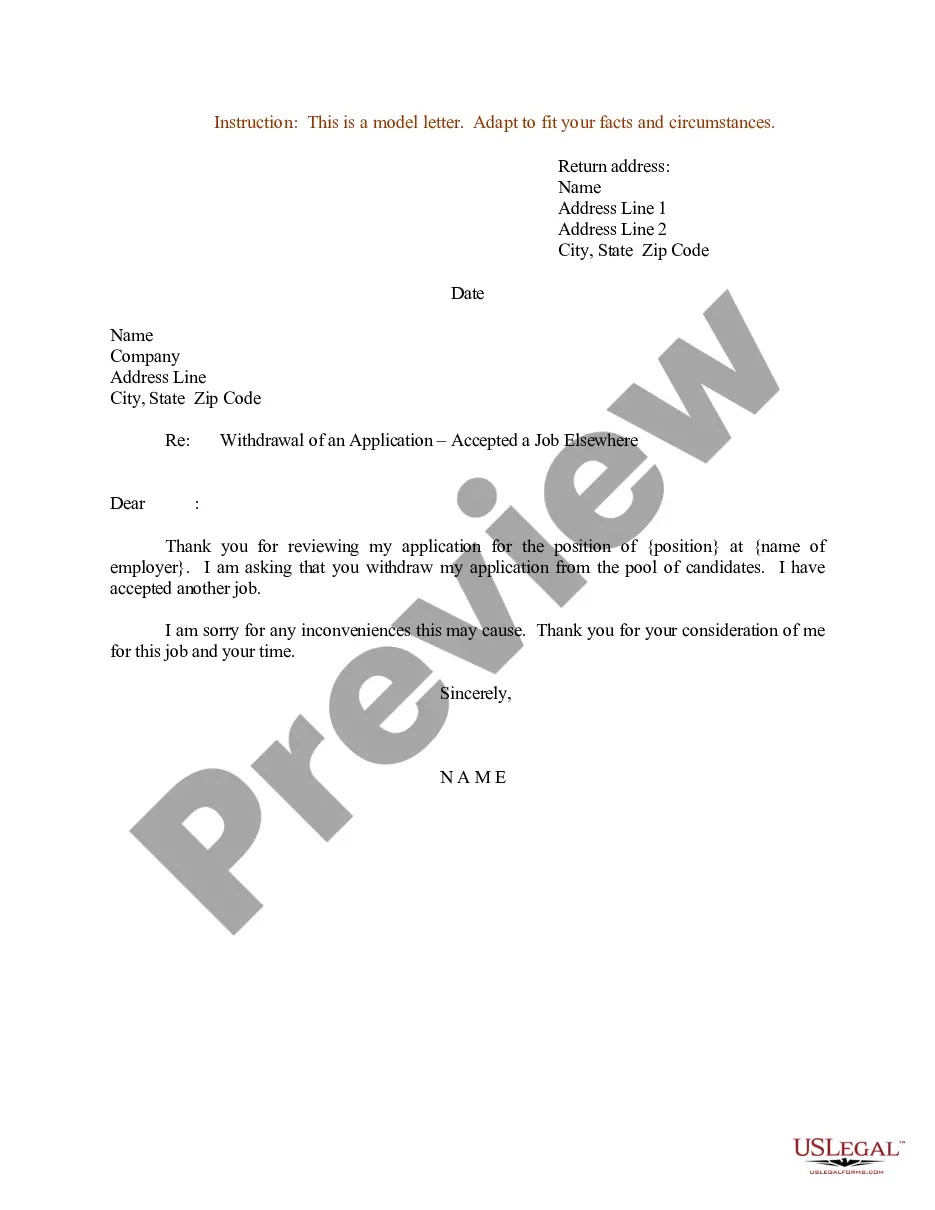


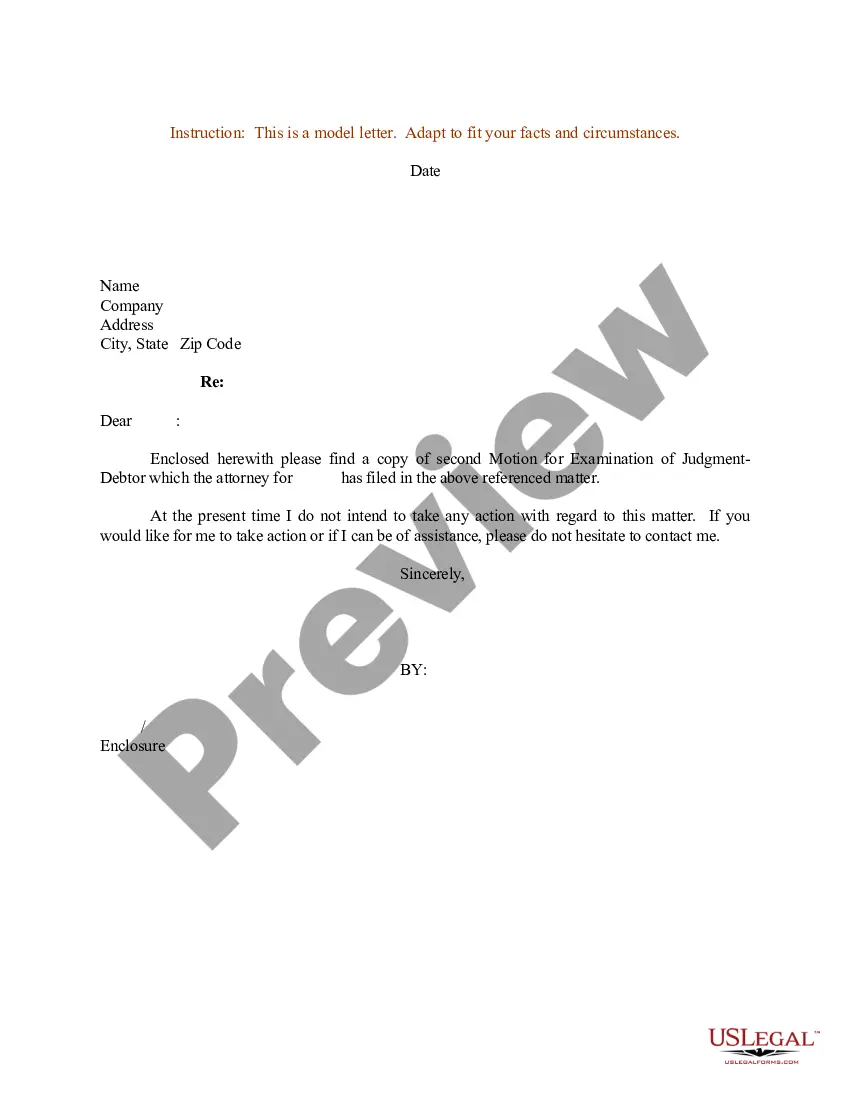
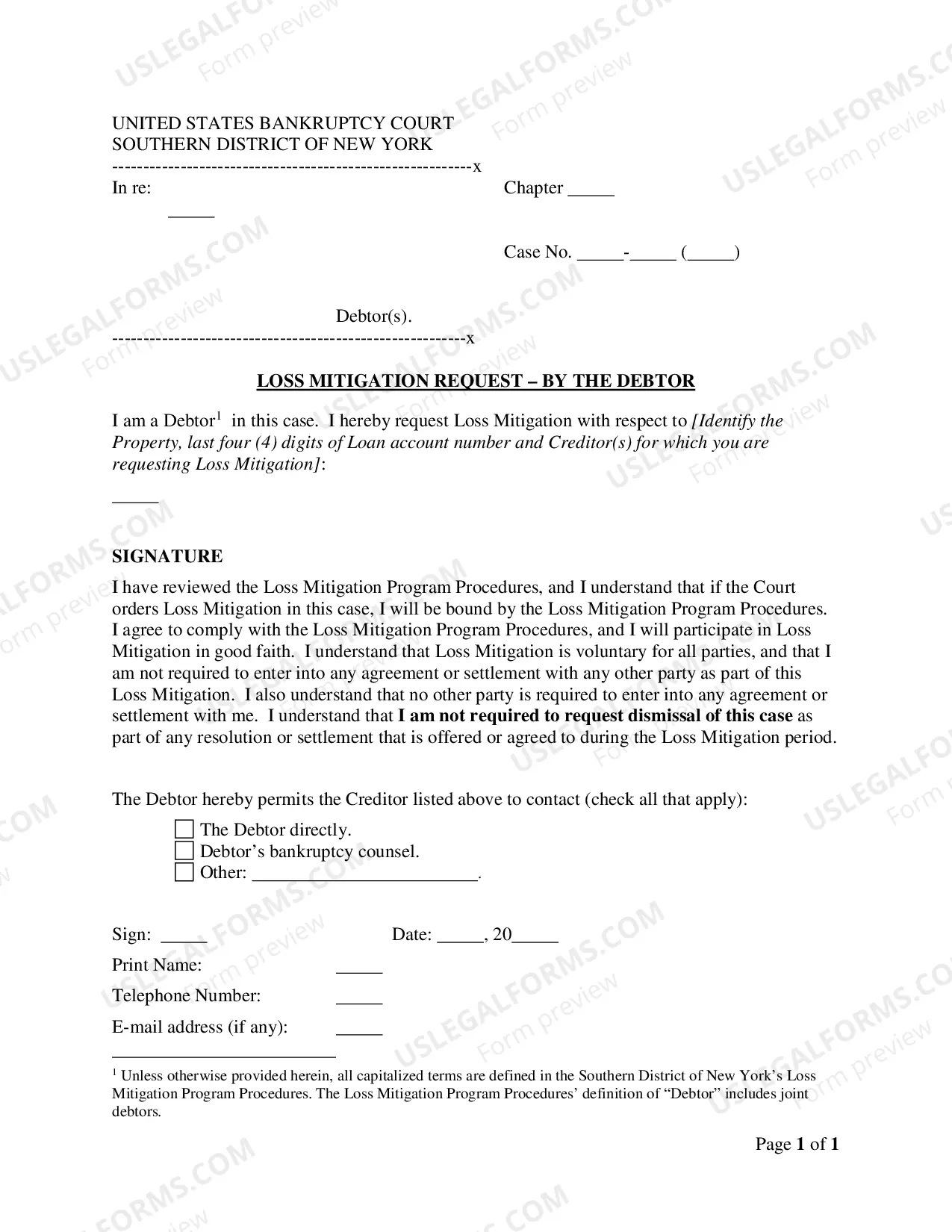


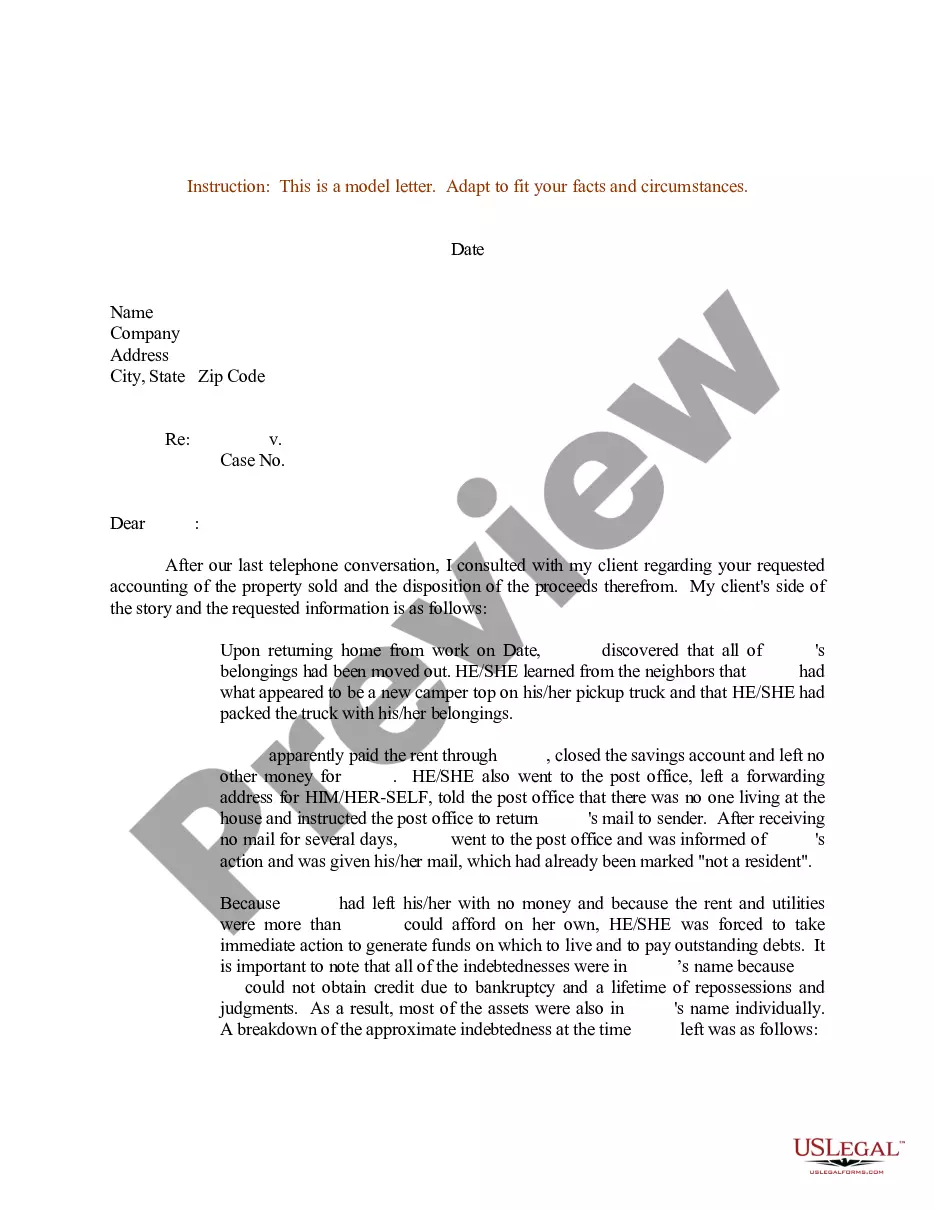
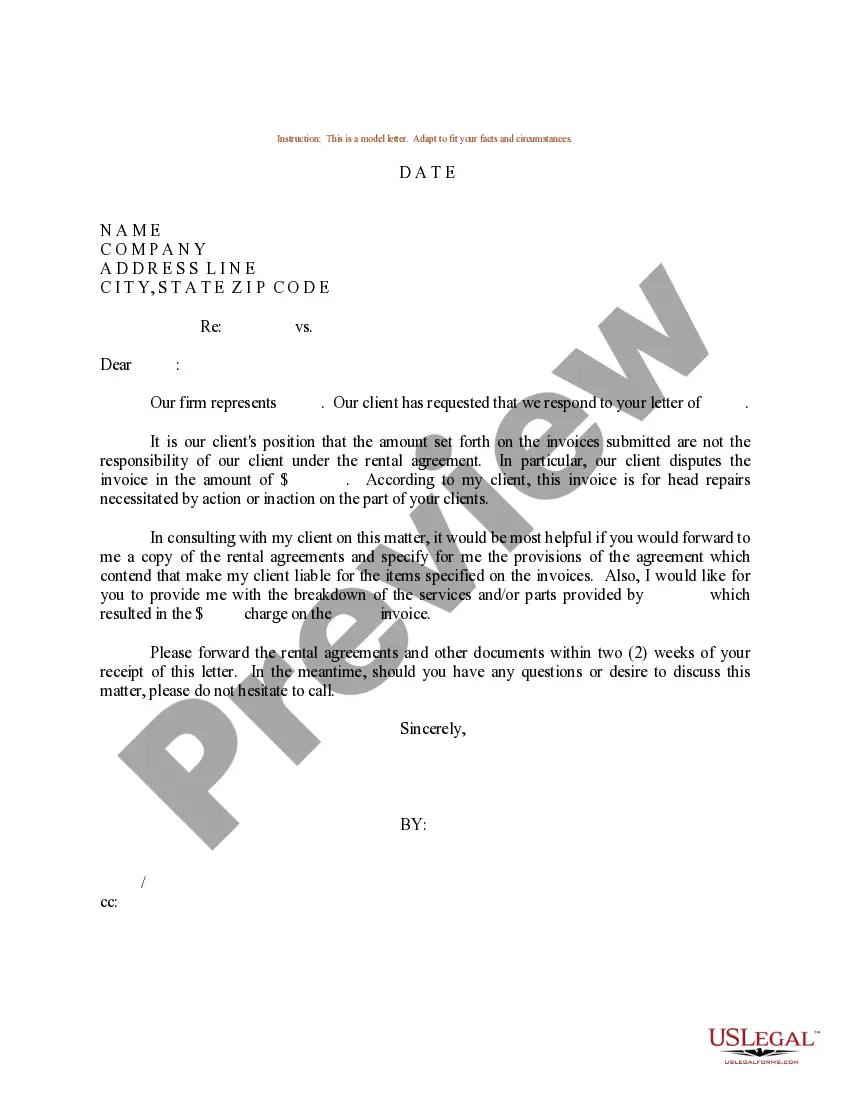
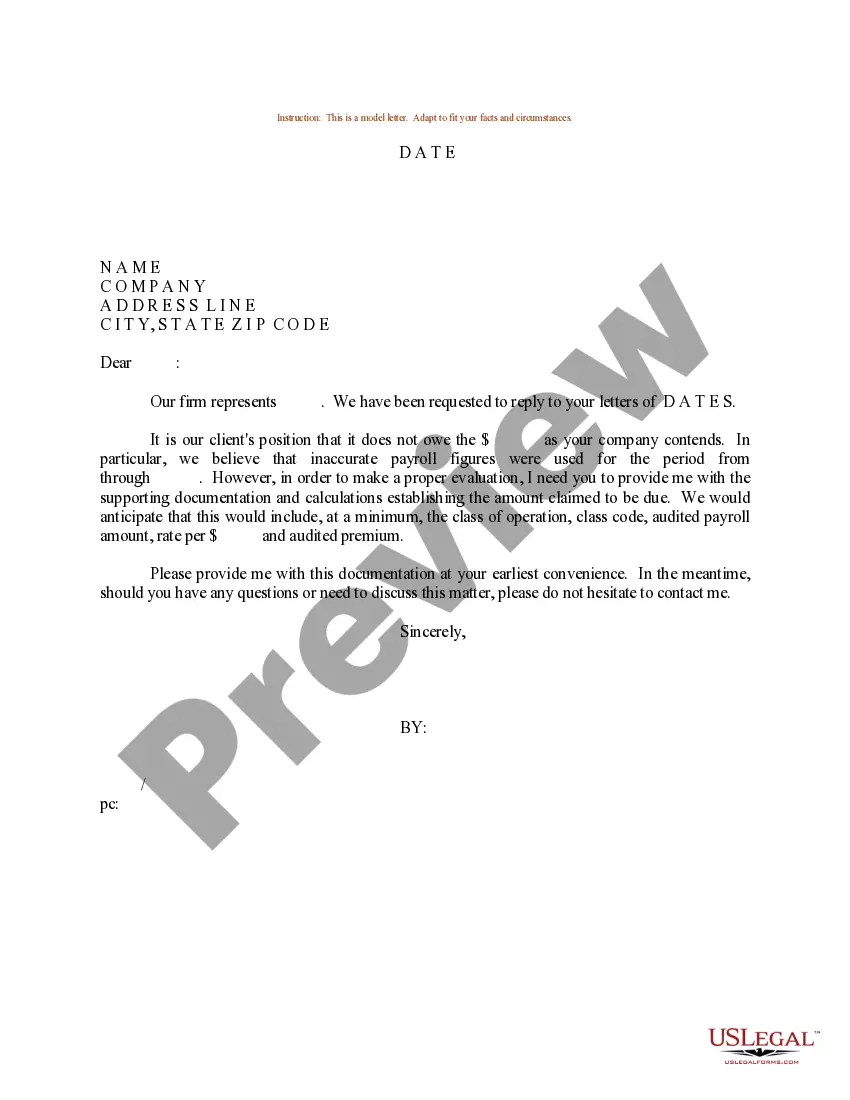
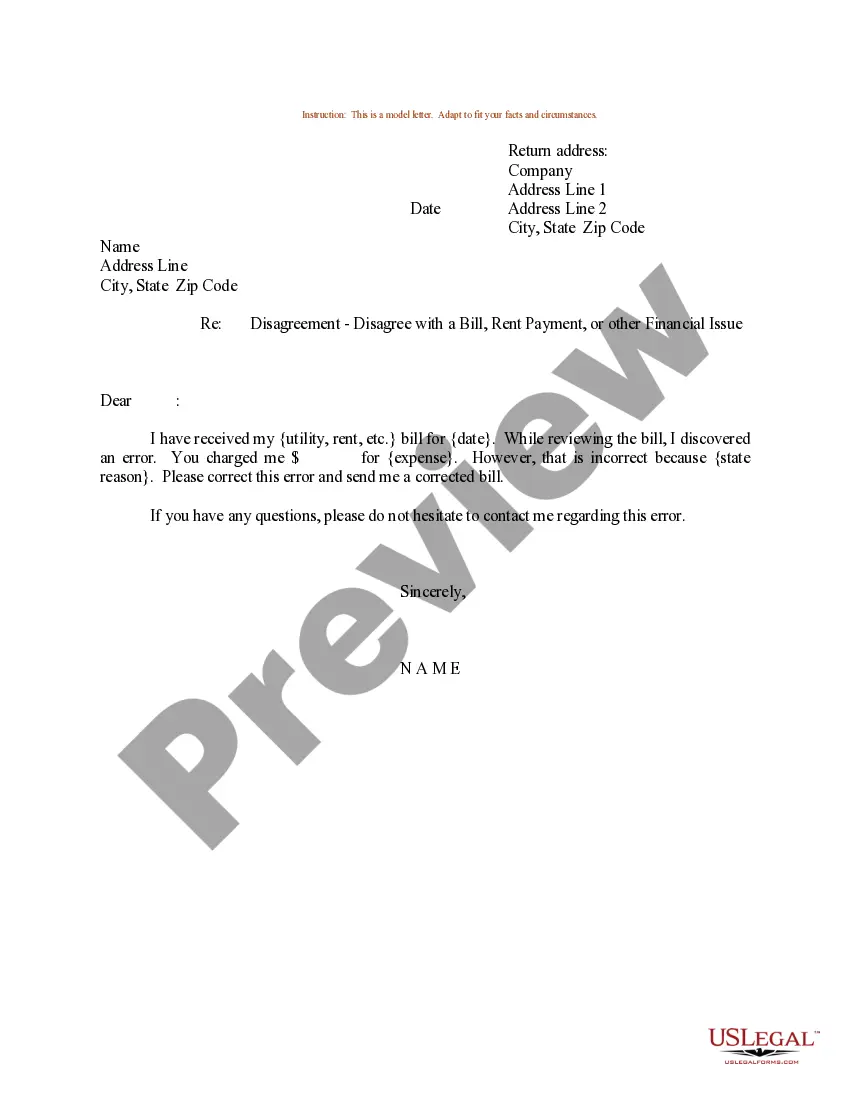
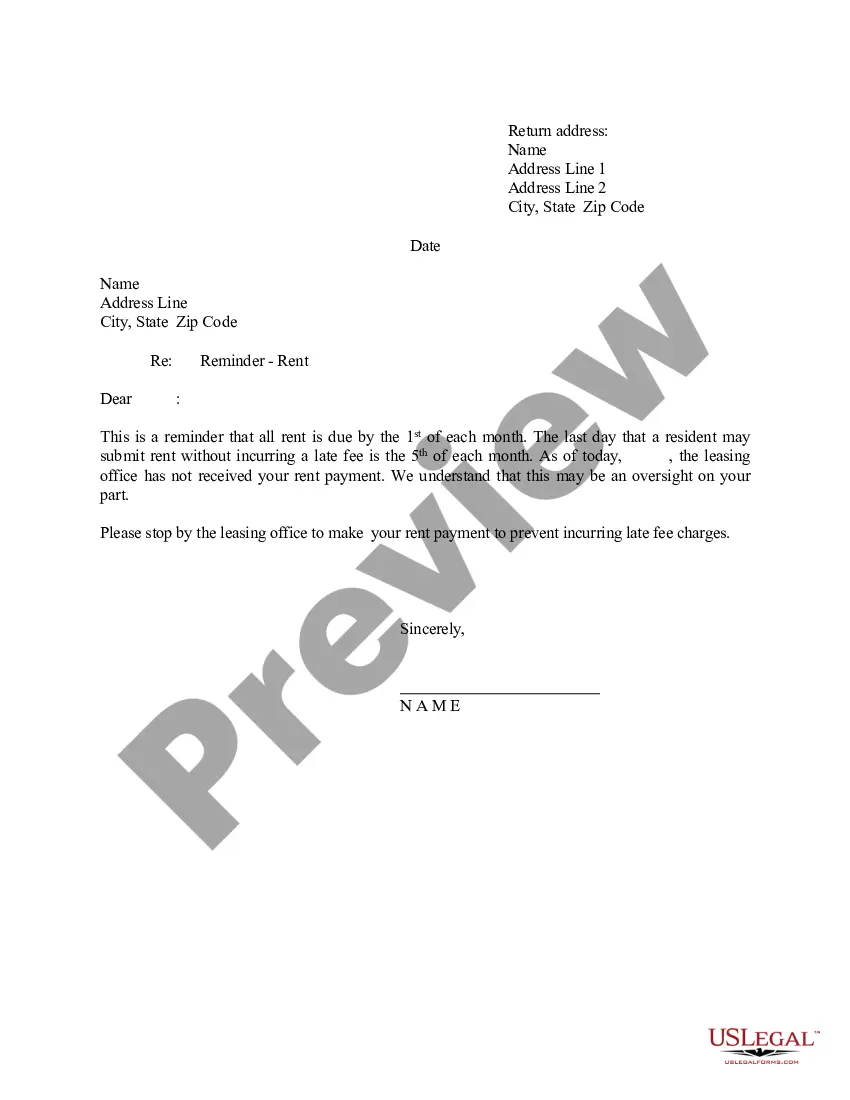
How to fill out Sample Letter For Rental Payment Dispute?
- Log in to your account if you are an existing user. Ensure your subscription is active to access the form templates.
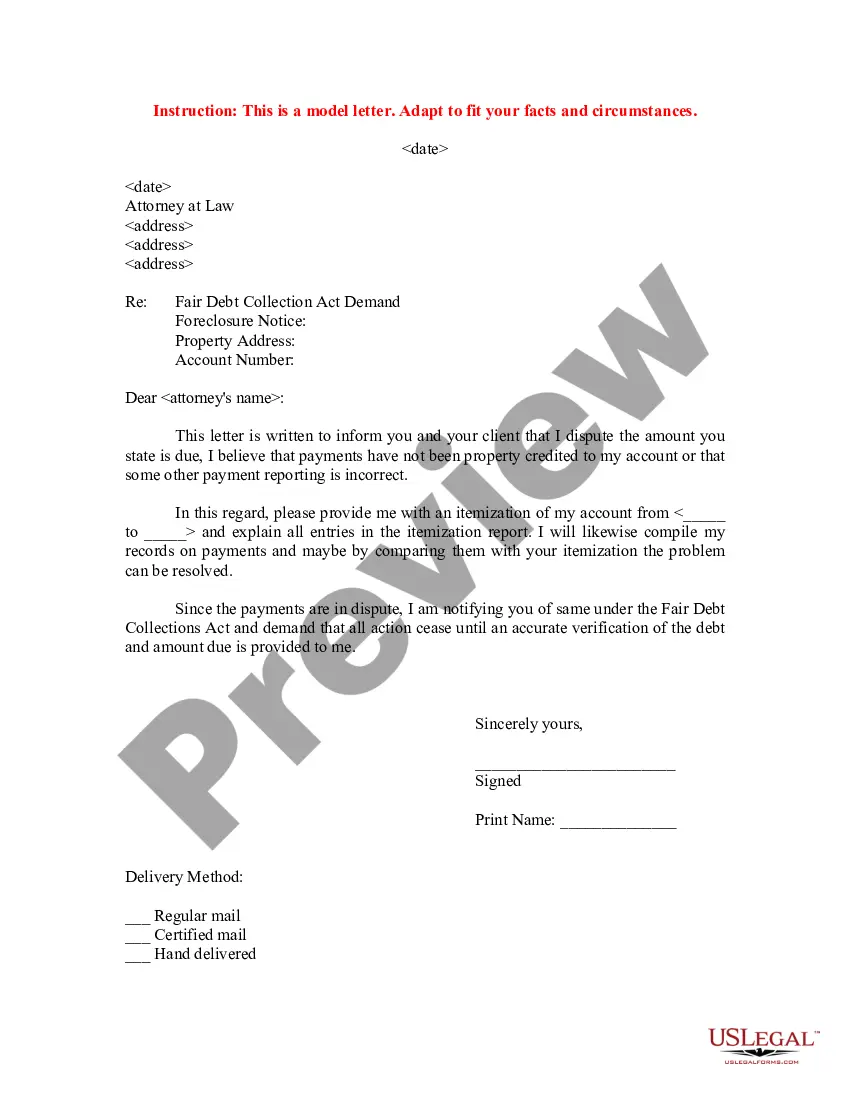
- Review the Preview mode and form descriptions carefully to confirm the form aligns with your jurisdiction and requirements.
- If you need a different form, utilize the Search feature to find the correct template.
- Select the form you need and click the Buy Now button to choose your desired subscription plan.
- Complete your purchase by entering your payment information or using PayPal.
- Download your completed form and save it to your device to have it accessible in the My Forms section at any time.
In conclusion, US Legal Forms is designed to empower both individuals and attorneys to effortlessly produce legal documents with accuracy. By following the steps outlined, you can easily navigate the platform and benefit from its extensive resources.
Start using US Legal Forms today and streamline your legal document preparations!
Form popularity
FAQ
Lawyers often refer to themselves as attorneys to signify their ability to represent clients in legal matters. The term 'attorney' denotes a formal recognition of their qualifications and authority to act on behalf of clients. This distinction is important in legal practice and helps clients understand their professional capabilities. If you need clarity on legal terms, our uslegalforms platform is here to assist you.
Unethical attorney behavior can include conflicts of interest, charging excessive fees, or failing to communicate effectively with clients. These actions undermine trust and can severely impact a client's case. It is crucial to select attorneys with a good reputation and ethical practice. If you suspect unethical behavior, our uslegalforms platform provides resources to help you report and address these issues.
Deciding whether you need a lawyer or an attorney depends on your specific situation. If you're dealing with legal disputes, contracts, or any matter that requires professional expertise, hiring an attorney is wise. Attorneys can provide invaluable guidance and help protect your rights. Our platform offers a range of resources to help you find qualified attorneys who can meet your needs.
Yes, lawyers and attorneys are essentially the same in most contexts. Both have completed law school, but attorneys have passed the bar exam and can practice law in specific jurisdictions. While all attorneys are lawyers, not all lawyers act as attorneys. If you're looking for legal assistance, hiring trained attorneys ensures you receive professional representation.
The terms 'attorney' and 'lawyer' often create confusion, but in the U.S., they typically refer to the same professional. An attorney is a lawyer who has passed the bar exam and is authorized to represent clients in legal matters. Therefore, it's not about power; it's about the role they play in legal settings. If you need legal representation, connecting with experienced attorneys can help you navigate complex legal issues.
While some attorneys, particularly those in high-demand areas or large firms, can earn upwards of $500,000 a year, this is not the norm for all attorneys. Earnings vary significantly based on factors like location, experience, and area of practice. Understanding the income potential within the field of attorneys can help you set realistic expectations when seeking legal counsel.
Consumers typically find lawyers using a combination of word-of-mouth recommendations and online research. They often consult legal websites, read attorney reviews, or check social media platforms. By using US Legal Forms, consumers can explore various attorneys and their specialties, ensuring they make informed decisions when selecting an attorney for their legal needs.
Most people find attorneys through personal referrals from friends or family who have had positive experiences. Online searches also play a significant role, where individuals look for local practice areas and read reviews. Platforms such as US Legal Forms not only provide listings but also offer user-friendly tools to connect with attorneys directly, enhancing your chances of finding the right legal representation.
To find a lawyer effectively, you should first determine the type of attorney that fits your situation. Search specifically for attorneys in your area of need, whether it’s family law, criminal defense, or personal injury. Utilizing resources like US Legal Forms can streamline your search as they connect you with experienced attorneys who can meet your specific legal requirements.
The best way to get an attorney is to start by identifying your legal needs. You can consult friends and family for recommendations or use online directories that list qualified attorneys. Additionally, consider platforms like US Legal Forms, which provide access to various attorneys across different specialties, making it easier for you to find the right legal help.